
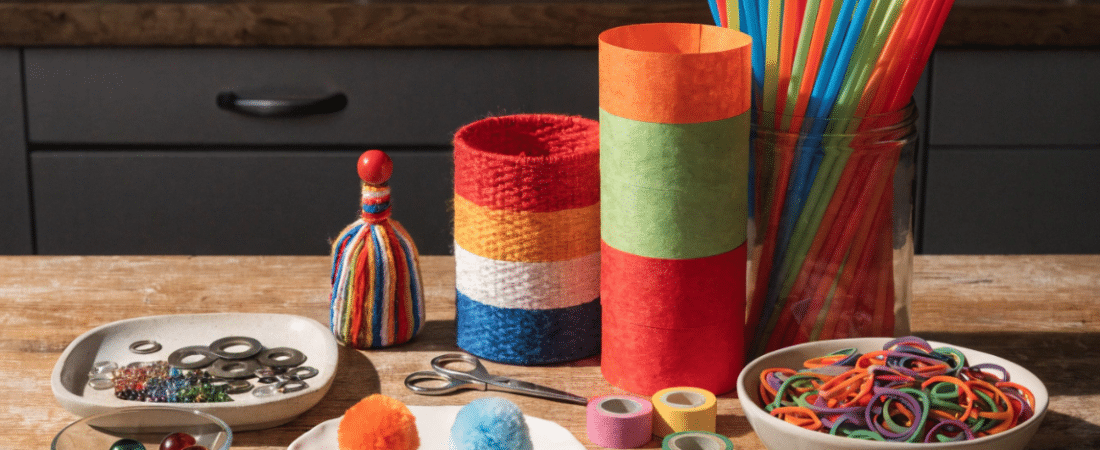

We’ve all had those weekends where screens take over, conversations fade into the background, and everyone drifts to separate corners of the house. A family craft kit offers something different—a box with all the materials and instructions needed for one or more projects designed for kids and adults to create together. Engaging in arts and crafts is essential for early childhood development, helping foster creativity, fine motor skills, imagination, and confidence in kids. In this article, we’ll cover what to buy, which ages each idea suits, and how to actually use kits for bonding rather than just keeping children busy for an hour.
Picture this: it’s a Friday evening in winter 2025, and your family gathers around the table with a candle making kit and a set of ornament-decorating supplies. As a busy mom, you finally get a chance to unwind and enjoy creative time with your kids. By 8 p.m., the house smells like vanilla and pine, everyone has paint on their hands, and you’ve got six new decorations to hang on the tree plus three candles that actually work. That’s the magic we’re talking about.
- How Family Craft Kits Help Kids Learn and Families Bond
- How to Choose the Right Family Craft Kit
- Types of Family Craft Kits to Try
- Creative Craft Genres to Explore as a Family
- Best Occasions to Use a Family Craft Kit
- Practical Tips for a Successful Family Craft Night
- Age-by-Age Family Craft Kit Ideas
- Creating Your Own DIY Family Craft Kit at Home
- How to Store Finished Crafts and Leftover Supplies
- Making Family Craft Kits Part of Your Routine
How Family Craft Kits Help Kids Learn and Families Bond
Beyond the fun of making something with your hands, craft kits deliver real developmental and emotional benefits that stick with kids long after the glue dries. When families explore creative projects together, they’re building more than just birdhouses—they’re building confidence, patience, and memories.
- Developing fine motor skills and problem solving skills: When children thread beads onto string, cut felt shapes with scissors, or figure out how to assemble a wooden birdhouse from 40 small pieces, they’re strengthening hand-eye coordination and learning art fine motor skills through engaging activities. These skills transfer directly to handwriting, tying shoes, and dozens of other daily tasks.
- Emotional growth through self expression: Crafts give kids a safe space for artistic expression without the pressure of grades or competition. When a project doesn’t turn out perfectly—maybe the paint drips or the stickers end up crooked—working through that frustration alongside a parent teaches resilience. Turn-taking, sharing supplies, and celebrating each other’s choices all build social abilities that matter.
- Screen-free focus time: Imagine swapping Saturday morning cartoons for a 45-minute session making paper lanterns and felt woodland animals. That’s 45 minutes of conversation, laughter, and engagement that simply doesn’t happen when everyone is staring at separate devices. The process of creating something together demands a different kind of attention.
- Long-term fond memories: The finished piece becomes a daily reminder of time spent together. We know families who still display a canvas they painted during a 2024 summer vacation—every time they walk past it in the kitchen, they remember that rainy afternoon at the cabin when everyone contributed a brushstroke.
How to Choose the Right Family Craft Kit
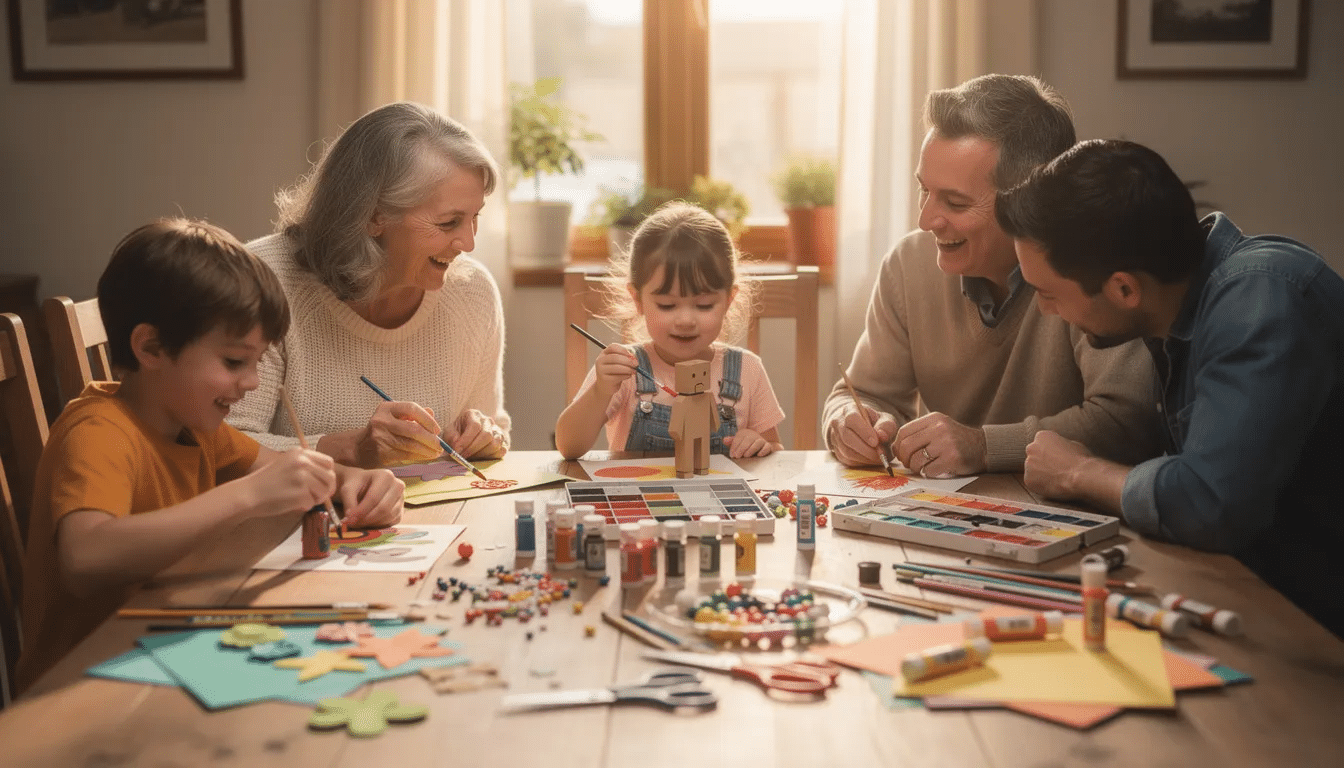
Choosing the right kit is crucial for avoiding frustration, especially when your household includes a mix of ages from preschooler to tween. A project that’s perfect for an 8-year-old might leave a 4-year-old in tears and a 13-year-old bored within five minutes.
- Match the kit to age ranges: For ages 3–5, look for large pieces, pre-cut shapes, and no sharp tools—think foam sticker collages or giant bead threading. Kids ages 6–9 can handle beginner sewing cards, simple wooden models with non-toxic paint, and basic weaving. Ages 10–13 thrive with more detailed embroidery, terrarium building, or paint-by-number scenes that take multiple evenings, where they use a brush to paint within the outlined shapes to create a finished artwork. Teens and adults enjoy candle making, resin jewelry, or wood-carving kits.
- Consider group size: A single family canvas painting kit works best for 2–4 people gathered around one project. If you’re hosting a birthday party or larger gathering, choose kits with multiple items—like a set of 6 mini clay pot kits or a pack of 8 keychain blanks—so everyone has their own project.
- Factor in time required: For weeknight crafts when everyone is tired, stick to quick 20–30 minute kits like shrink-art keychains or sticker mosaics. Save the 60–90 minute projects—DIY birdhouses, family memory scrapbooks, detailed mosaic tiles—for weekend afternoons when there’s no rush.
- Match projects to interests: Nature lovers gravitate toward leaf-print cyanotype kits or DIY terrariums. STEM fans enjoy simple solar car kits, space-themed crafts like rockets, moon projects, and solar system models, or crystal-growing sets. Storytellers love miniature book nook scenes where they can create tiny worlds. Knowing what makes your family tick helps you discover kits they’ll actually want to finish.
- Evaluate materials and mess level: Families in apartments or small spaces should look for washable paints, non-toxic glue, and kits that include table-covering suggestions. Some boxes even come with a disposable mat—a sweet bonus when you’re working on a rental’s dining room table.
Types of Family Craft Kits to Try
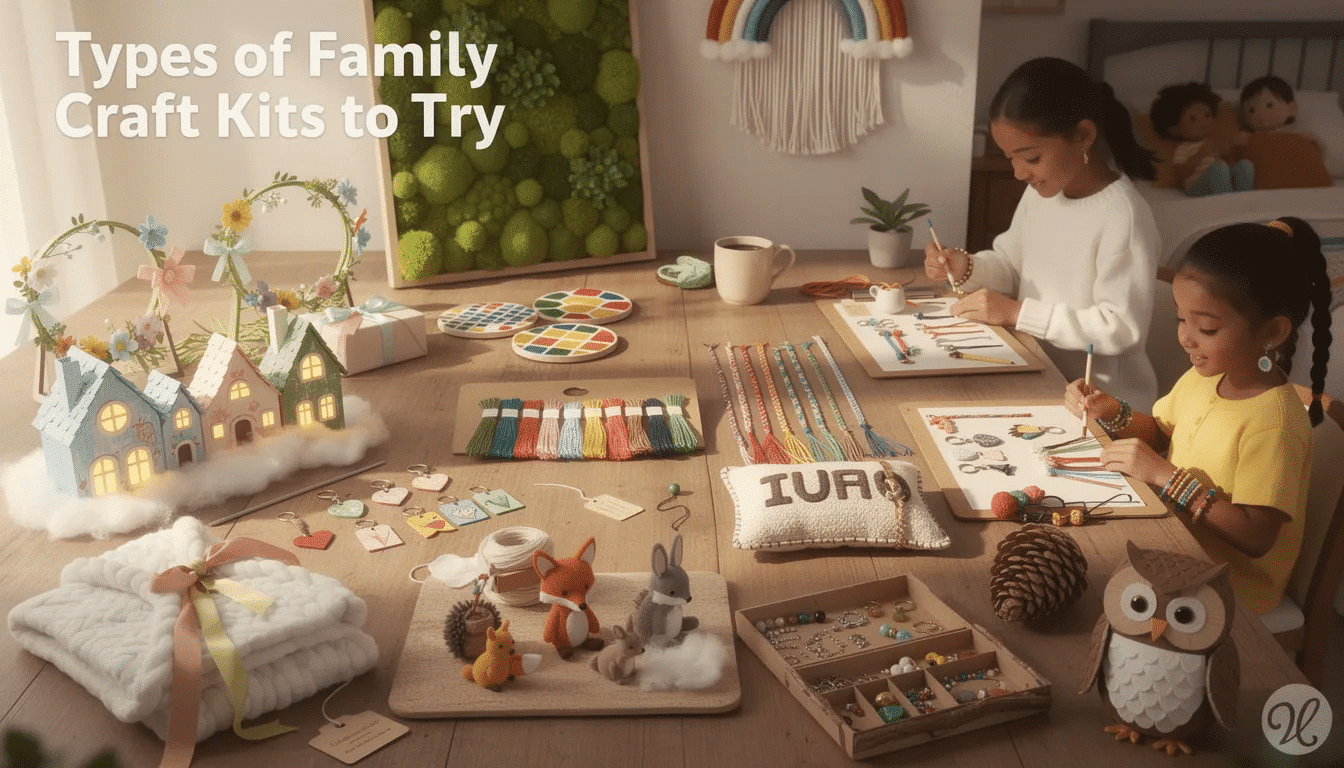
The world of craft kits has expanded far beyond basic paint sets. Here are the most popular categories, with concrete project ideas in each.
- Seasonal and holiday kits: A “Family Winter Village Craft Kit” for December 2025 might include cardboard houses, LED tea lights, and cotton snow. Spring brings “Nature Crown Kits” with pressed flowers, floral wire, and ribbon, along with festive holiday craft projects like ornaments, gift tags, and cozy blankets. These tie creative craft time to the calendar, giving families something to anticipate each season.
- Home décor kits: DIY moss wall art panels for the hallway, mosaic coaster sets for the coffee table, or a macramé rainbow to hang over a child’s bed. These projects result in pieces families actually use, making the effort feel worthwhile.
- Wearable and accessory kits: Friendship bracelet kits with pre-cut embroidery thread, DIY painted wooden keychains, punch-needle name pillows for siblings, or a jewelry making kit with beads, clasps, and charms. Kids love making earrings or bracelets they can actually wear to school the next day.
- Sensory and plush kits: Plush craft animals assembled with no sewing required, no-sew fleece blanket kits perfect for movie night, easy needle-felting sets that produce 3–4 tiny woodland friends, and owl craft projects using paper, recycled items, or natural materials. These are especially good for younger children who crave tactile experiences.
- Outdoor and nature kits: Family birdhouse painting kits (one large house plus 3–4 mini testers), clay plant pot kits for balcony herbs, nature stick crafts like paint brush or bug hotel projects, and leaf-print tote bag kits. These connect indoor creativity to the outside world.
- Art and painting kits: Paint-and-sip style family nights with non-alcoholic drinks, paint-by-number canvases featuring family pets, or customizable “family portrait” cartoon-style canvases. These bring out everyone’s artistic abilities, regardless of skill level.
Creative Craft Genres to Explore as a Family
Exploring different creative craft genres as a family opens up a world of fun, learning, and connection. With the right DIY craft kits for creative projects and fun learning, you can transform an ordinary afternoon into an engaging adventure that helps kids develop fine motor skills, spark their imagination, and build artistic abilities—all while making sweet memories together.
One of the most popular creative crafts to try is jewelry making. A jewelry making kit comes with all the materials and instructions needed for kids and adults to design their own bracelets, necklaces, or even earrings. This hands-on activity is perfect for developing fine motor skills as children thread beads, fasten clasps, and experiment with shapes and colors. Jewelry making also encourages self expression and problem solving skills, as everyone gets to create personal accessories that reflect their unique style.
Candle making is another creative craft that brings a touch of magic to the house. With a candle making kit, families can explore different scents, colors, and molds, learning the process step by step. Candle making is suitable for a range of ages and skill levels, from beginners to more experienced crafters, and the finished candles make beautiful decorations or heartfelt gifts. The process of melting, pouring, and decorating candles is not only fun but also a great way to practice patience and creativity.
Beyond jewelry and candle making, there are colorful weekend craft ideas and countless other craft genres to explore. Painting and drawing let kids and adults alike express their artistic side, using supplies like paint, brushes, and canvas to create one-of-a-kind masterpieces. Sculpting with clay or modeling materials is another engaging option that helps develop fine motor skills and encourages imaginative thinking, especially when kids have access to the best art supplies for young artists. For younger children, kits with stickers, glue, and colorful paper offer a simple introduction to the world of crafts, making it easy for little hands to create and explore.
As children grow, families can try more advanced projects like sewing, pottery, or even woodworking. These crafts not only build new abilities but also teach focus, patience, and the satisfaction of seeing a project through from start to finish. No matter the genre, the most important part is enjoying the creative process together—sharing ideas, learning new techniques, and celebrating each person’s artistic expression.
With so many craft kits and supplies available from companies and stores, it’s easy to find inspiration for your next family project. Whether you’re decorating the house, making gifts, or simply spending quality time together, exploring creative crafts as a family is a wonderful way to create lasting memories and nurture a lifelong love of learning and creativity.
Best Occasions to Use a Family Craft Kit
Family craft kits shine brightest when tied to specific dates and events. Scheduling creative time makes it happen rather than letting it stay a vague “someday” idea.
- Weekly traditions: Consider launching “Family Craft Friday” or “Sunday Afternoon Makers’ Hour” starting March 2025. One kit per week keeps the momentum going without overwhelming anyone. By summer, you’ll have a collection of finished pieces and a rhythm everyone looks forward to.
- Birthdays: A jewelry making or keychain-painting kit makes an excellent shared activity at a child’s 7th birthday party. Each guest leaves with their own handmade favor, and the birthday kid has fond memories attached to the day beyond just cake and presents.
- Holidays and school breaks: Thanksgiving gratitude garland kit, a December ornament painting kit, or a summer 2026 nature-journal kit for camping trips all anchor creative time to moments that already feel special. Holiday crafts become traditions kids remember into adulthood.
- Rainy days and sick days: When children are stuck indoors with low energy, reach for lower-mess kits like sticker mosaics, simple embroidery hoops, or small punch-needle coasters. These keep hands busy without requiring the focus and cleanup of messier projects.
- Family milestones: Making a family memory shadowbox kit when moving into a new house, or commissioning a custom photo paint-by-number kit for a big anniversary photo, marks important moments with something tangible. Years later, these crafts tell stories.
Practical Tips for a Successful Family Craft Night
Logistics matter. The difference between a joy-filled craft night and a frustrating mess often comes down to preparation and realistic expectations.
- Prepare the space beforehand: Cover the table with kraft paper or an old tablecloth, set a start time (6:30 p.m. on a Friday works well), and pre-open all packaging before calling kids to the table. Nothing kills enthusiasm faster than spending 15 minutes wrestling with plastic clamshell packaging.
- Assign roles by age: Toddlers can place stickers or push foam pieces into pre-cut slots. Elementary-aged kids handle gluing, painting, and assembling. Tweens and teens read instructions aloud and help younger siblings with tricky steps. Everyone contributes at their level.
- Pace the project: Read all kit instructions together first, then split tasks. One person organizes pieces by color or size, another manages paint and water cups, another takes pictures of stages. This prevents the chaos of everyone grabbing supplies at once.
- Embrace imperfection completely: Let kids choose colors and patterns even if the finished piece looks nothing like the box photo. We’ve seen a rainbow birdhouse painted entirely in neon pink and lime green—the 6-year-old who made it called it “the best house any bird ever had.” That’s the point.
- Make cleanup part of the fun: Queue up a 5–10 minute “cleanup challenge” playlist and race against the songs. Keep a small bin or caddy labeled “craft night essentials” stocked with wipes, a trash bag, scissors, and extra glue sticks ready for every kit.
- Display or gift finished pieces: Create a rotating “family gallery wall” in the hallway where 5–10 crafts hang at a time. Extra projects make excellent gifts for grandparents—Grandparents’ Day in September is a perfect deadline to work toward.
Age-by-Age Family Craft Kit Ideas
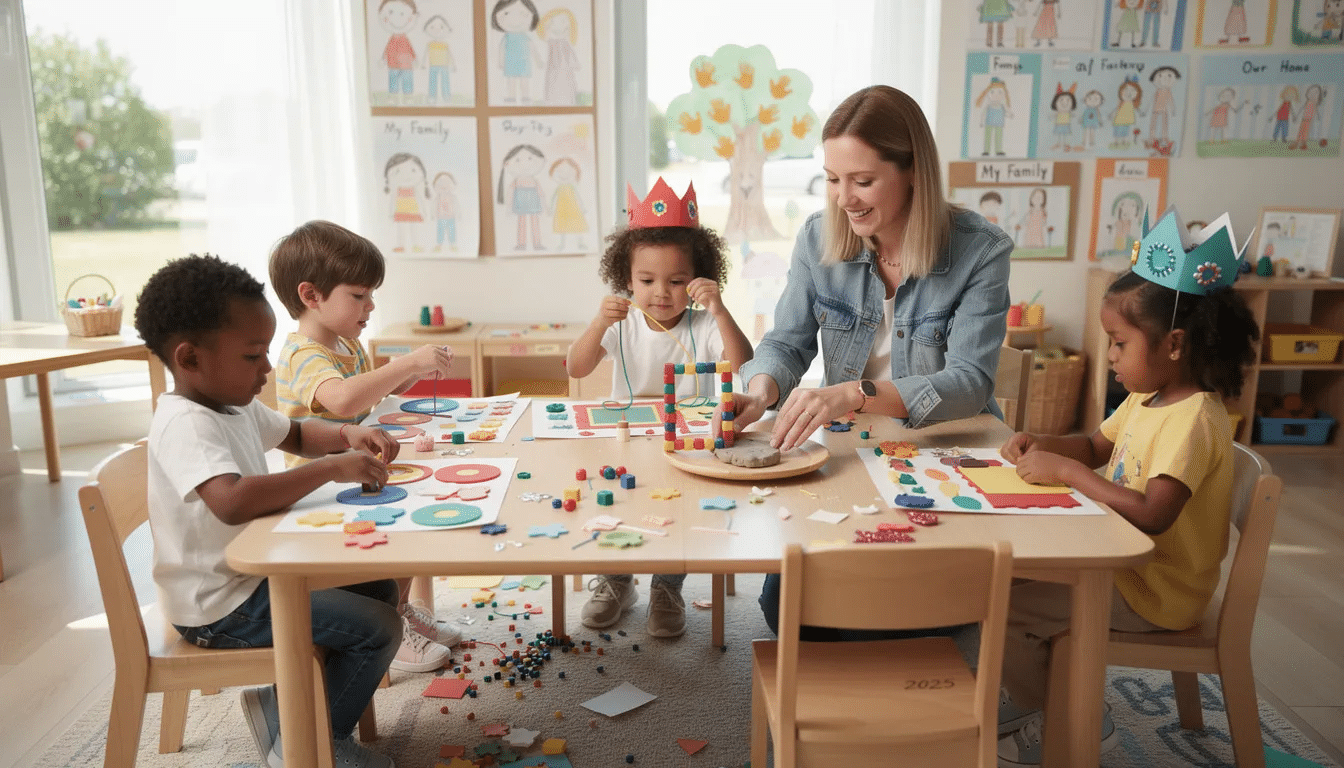
Mixed-age families need kits that give everyone something meaningful to do. Here’s a quick reference guide with concrete project ideas.
- Ages 3–5: Stick to large-piece, no-sharp-tools kits. Foam sticker collages, giant bead threading, pre-cut paper crown decorating, handprint keepsake kits with air-dry clay plates (stamp the 2025 date on the back), and preschool crafts about family like portraits, trees, and collages all work beautifully. At this age, the process matters more than the product.
- Ages 6–8: Beginners can handle sewing cards, simple wooden model kits (cars, rockets) with non-toxic paint, DIY dreamcatcher kits, and basic baking mixes paired with decorating supplies like cookie icing pens and sprinkles. These kids want to see real results they can use or display.
- Ages 9–12: More detailed embroidery kits, mini greenhouse or terrarium sets, beginner macramé wall hangings, and paint-by-number scenes that take 2–3 evenings to complete challenge this age group without overwhelming them. Patience and learning to work across multiple sessions builds character.
- Teens and adults: Candle making with dried flowers, resin jewelry kits, moss wall art, or comfort bird wood-carving kits make calm weekend projects. These crafts offer genuine skill-building and produce items adults actually want to keep.
- Mixed ages working together: Choose kits with multiple small items—sets of 4–6 coasters, several clay pots, packs of 6 felt animals—so everyone has a personal project while sharing the same theme and materials. This prevents the oldest child from “taking over” the single project.
Creating Your Own DIY Family Craft Kit at Home
Not every craft night requires a store-bought box. Assembling your own kit from supplies you already own saves money and lets you customize for your family’s interests.
- Choose one clear project: Pick something specific like “painted story stones,” “family gratitude banner,” or “mini cardboard city.” Write a one-page instruction sheet with simple steps so kids can follow along. Vague “let’s just make stuff” sessions often fizzle.
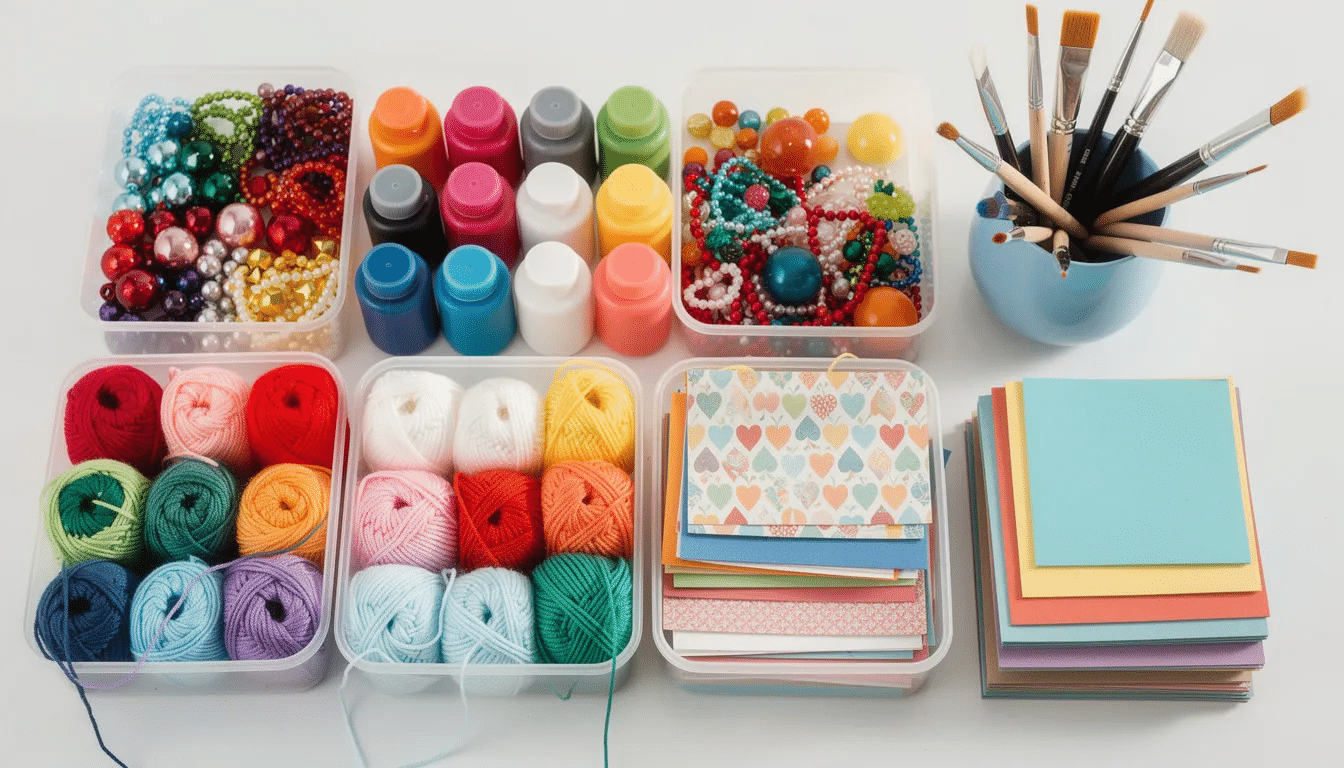
- Gather supplies into one box or bin: Collect washable paints, brushes, colored paper, child-safe scissors, glue sticks, yarn, buttons, markers, and any project-specific items. Having everything in one place prevents the mid-project scramble for missing tools.
- Pre-portion materials by person: Use individual paper bags or small containers labeled with each family member’s name. This prevents arguments over who gets the blue paint or the best shapes, and gives everyone ownership of their portion.
- Add a conversation starter card: Write questions like “What’s one thing you’re proud of this week?” or “If you could design a new holiday, what would it celebrate?” Slip the card into the kit and pull it out during a quiet moment to spark discussion while hands stay busy.
- Date and document everything: Write “Family Craft Night – April 19, 2025” on the back of finished projects. Take a quick family photo with completed pieces before cleanup. These small steps turn crafts into time capsules.
How to Store Finished Crafts and Leftover Supplies
Kids create faster than walls can hold their work. A simple system keeps the house organized while still honoring what they’ve made.
- Rotate your display: Designate a “gallery” shelf or wall where 5–10 pieces stay up at a time, swapped monthly or by season. Spring crafts from March–May give way to summer pieces in June. This keeps the display fresh and gives new work its moment.
- Create keepsake boxes: Label one box per child with their name and year (e.g., “Liam – 2025 Crafts”) for storing flat or fragile projects like paper quilling, embroidery hoops, and small clay figures. At year’s end, you have a curated collection rather than piles of random art.
- Repurpose finished projects: Turn painted glass bottles into night-lights with LED string lights inside. Convert punch-needle squares into throw-pillow fronts. Use decorated mason jars as pencil holders. Crafts that serve a function stick around longer.
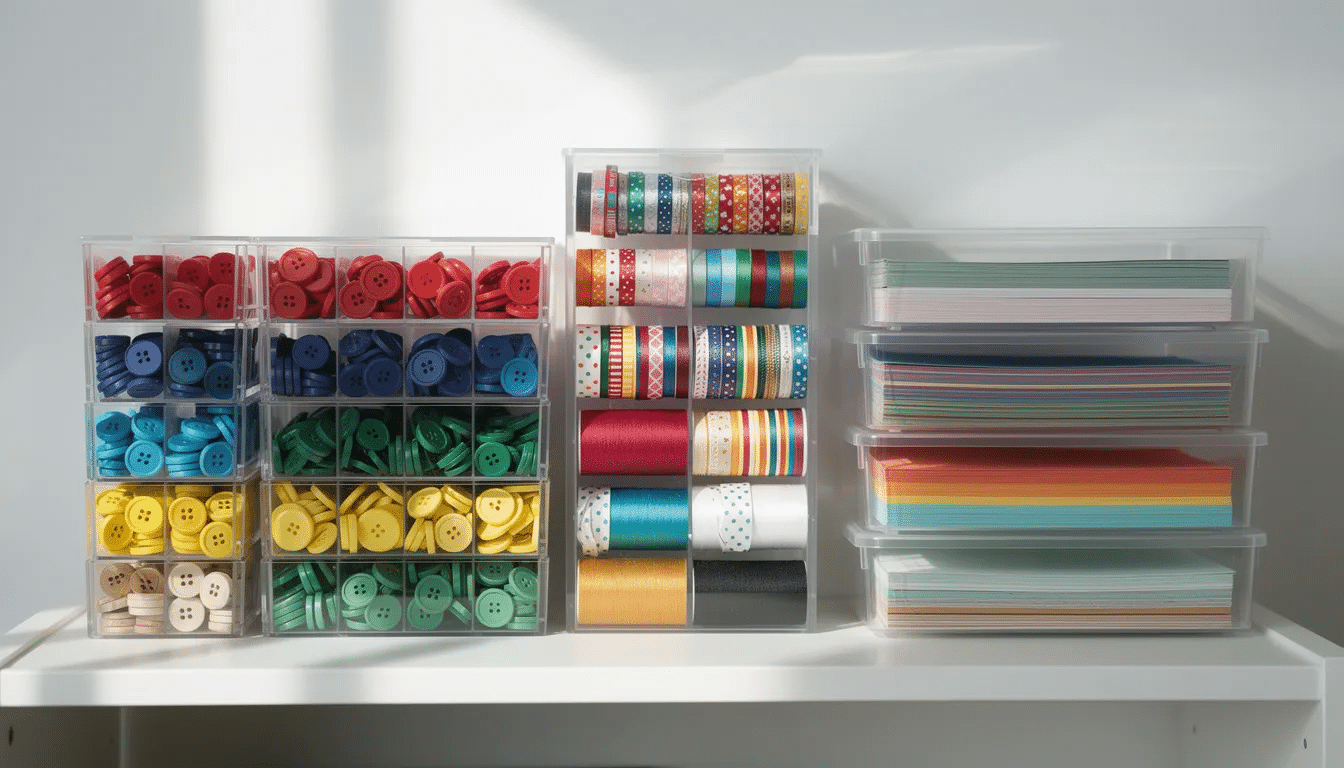
- Organize leftover supplies: Use clear bins or a rolling cart with labeled sections—paint, paper, fabric, yarn—so future family craft nights are easier to set up. When inspiration strikes, you can pull together a DIY kit in minutes.
- Let go respectfully: Photograph crafts before recycling damaged items. Involve kids in choosing what to keep versus what to release at the end of each school year. This teaches that memories live in us, not just in objects, while keeping clutter manageable.
Making Family Craft Kits Part of Your Routine
Family craft kits aren’t about perfection or Pinterest-worthy results. They’re about regular shared creativity—the kind that builds connection through small, repeated moments around the table.
- Pick a specific date: Choose one evening within the next two weeks for your first (or next) family craft night and put it on the calendar. Treat it like any other appointment. If it’s not scheduled, it probably won’t happen.
- Experiment with formats: Try both ready-made kits and simple DIY kits assembled from your own supplies to see what fits your family’s style and budget. Some families love the convenience of everything-in-a-box; others prefer the flexibility of homemade setups.
- Remember what really matters: The conversations, laughter, and small moments—like a child proudly wanting to hang their first embroidered hoop in their room—are the real results. The crooked stitches, the mismatched colors, the foil that didn’t quite stick? Those become the stories you tell for years.
We hope this post gives you the ideas and inspiration to gather your family around the table soon. Grab a kit, clear the space, and see what you create together.