
If you’ve ever felt that spark of creativity followed by the crushing realization that craft supplies cost a small fortune, you’re not alone. Frugal craft in 2026 is all about making the most of what you have—creating more with what you already own, what you can find at the dollar store, and what would otherwise end up in your recycling bin. This guide is for anyone looking to enjoy creative projects without overspending—parents, hobbyists, and anyone interested in sustainable, budget-friendly crafting.
Frugal crafting helps you save money, reduce waste, and discover new ways to be creative with everyday materials. Frugal craft involves repurposing household items like toilet paper rolls, glass jars, cardboard, and old clothes to create functional art. Upcycling transforms old clothes, broken furniture, or jars into new decor and crafts. Frugal crafting emphasizes the potential in items typically considered trash, such as pantry or recycling bin contents. Repurposing household discards into art projects promotes sustainability and creativity.
This post is your go-to guide for budget friendly craft ideas that actually look good. We’re talking stylish DIY projects using cardboard boxes from last month’s deliveries, fabric scraps from worn-out clothes, glass jars you were about to toss, Dollar Tree frames waiting for a paint refresh, and thrift store vases begging for a second life. Whether you need quick craft projects for kids after school, home decor that doesn’t scream “I made this from garbage,” or handmade gifts that people love to receive, you’ll find ideas here that work.
The focus is simple: frugal fun, minimal waste, and projects nearly anyone can tackle with basic tools like scissors, glue, and a little imagination. Think of it this way—that 2024 planner you never finished? It’s about to become 2026 gift tags. Those cereal boxes piling up? Your kids will turn them into a cardboard city this weekend. Let’s get into it.
- Core Principles of Frugal Crafting
- Frugal Craft Ideas for Kids and Family Bonding
- Budget Home Decor: Stylish Frugal Crafts for Your Space
- Textile Transformations: Using Old Clothes & Fabric Scraps
- Themed & Seasonal Frugal Craft Ideas (Gifts, Parties, Holidays)
- Frugal Crafts to Make and Sell from Home
- Planning, Organizing, and Sticking to Your Frugal Craft Budget
- Conclusion: Craft More, Spend Less, Enjoy the Process
Core Principles of Frugal Crafting
Before diving into specific ideas, it helps to establish a crafty philosophy that keeps your budget intact and your creativity flowing. These aren’t rigid rules—they’re guidelines that’ll save you money and keep the whole process enjoyable rather than stressful.
What is Frugal Craft?
Frugal craft involves repurposing household items, upcycling, and creative reuse. This means using things like toilet paper rolls, glass jars, cardboard, and old clothes to create functional art. Upcycling transforms old clothes, broken furniture, or jars into new decor and crafts. Frugal crafting often involves repurposing household items and discards, emphasizing sustainability and creativity by turning what might be trash into treasure.
Shop your home first.
Before you head to any store, walk through your house with fresh eyes. Those cardboard shipping boxes from 2025 holiday deliveries? Perfect for kids’ projects. Paper grocery bags make excellent wrapping paper or craft surfaces. Old magazines become collage material. The stuff accumulating in your junk drawer—buttons, rubber bands, twist ties—suddenly looks like craft supplies when you shift your perspective.
Set a monthly craft budget.
In 2026, $10-$20 per month is plenty for most hobbyists. Prioritize versatile staples: white glue, acrylic paint in primary colors plus black and white, masking tape, and a pack of construction paper. Skip the specialty items until you’ve exhausted what these basics can do.
Build an organized stash.
Labeled shoe boxes or repurposed cookie tins from past holidays work wonderfully for storing small items. One box for paper scraps, one for fabric, one for beads and buttons. This prevents the “I know I have that somewhere” frustration and stops you from rebuying things you already own.
Choose reusable tools.
A decent hot glue gun purchased once in 2026 serves you for years. The same goes for quality fabric scissors. Invest in tools that last rather than disposable versions that break mid-project.
Embrace eco-frugality.
Focus on compostable or recyclable materials whenever possible. Not only does this reduce waste, but these materials are often free—newspaper, cardboard, natural items from your yard. Your creativity becomes an act of environmental responsibility.
Frugal Craft Ideas for Kids and Family Bonding
Summer break, rainy weekends, after-school hours when screens start losing their appeal—these moments call for hands-on activities that don’t require a trip to the craft store. The secret is keeping simple materials ready and expectations flexible.
Using crafts as screen-light family time creates memories that last far longer than any YouTube video. Kids don’t need fancy supplies to feel inspired; they need permission to create, a few basic tools, and an adult who’s willing to get a little glue on their fingers alongside them.
Cardboard Creations

- Cardboard time machines built from large appliance boxes—add painted control panels, dials, and decorations to inspire imaginative time-travel play.
- Cardboard robot suits from large appliance boxes—cut arm holes, add painted buttons and dials, and let kids decorate with markers.
- Cereal box doll furniture or storefronts—transform empty boxes into playsets with scissors, glue, and paint.
- Cardboard cityscapes—build and paint a city from various box sizes, arranging them on a base.
Paper Bag Puppets
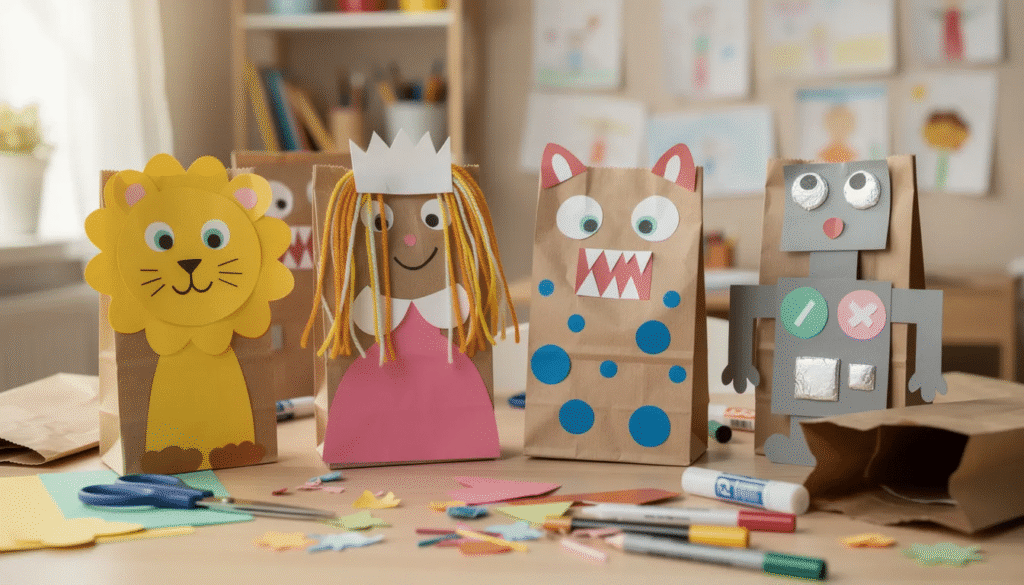
- Paper bag puppets using lunch bags, construction paper features, and cotton balls for hair or beards.
DIY Board Games
- DIY board games created on shoebox lids with hand-drawn paths, using buttons as game pieces.
- Crab paper plate crafts make a great add-on activity for ocean-themed play and storytime, and you can follow a detailed guide for a fun crab paper plate craft for kids.
Pipe Cleaner Characters
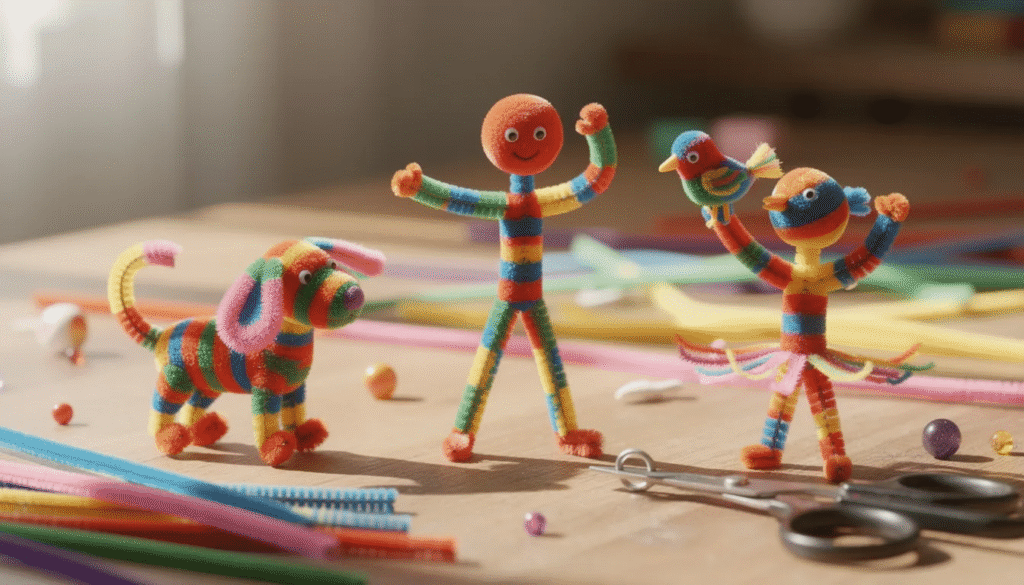
- Pipe cleaners twisted into characters that star in imaginative play scenarios.
Tissue Paper Sun Catchers
- Tissue paper sun catchers glued onto wax paper and hung in windows.
Beyond the fun factor, these activities build fine-motor skills as small hands cut and glue. Problem-solving emerges when the tower keeps falling or the puppet’s arm won’t stick. Language and storytelling develop naturally as kids explain their creations to anyone who’ll listen.
Keep a “craft tray” stocked with glue sticks, crayons, safety scissors, and tape. When you have 15-20 minutes on a school night, you can pull it out instantly instead of hunting for supplies.
Project Ideas Using Recycled Materials
Your recycling bin is secretly a treasure chest. With a little supervision and creativity, items destined for the curb become awesome projects that teach kids about reusing materials while keeping them entertained—think egg carton projects, cardboard creations, or even a treasure chest craft for kids.
Consider setting up a small labeled bin in your kitchen specifically for craft-worthy recyclables. Clean cardboard boxes, glass jars with smooth edges, paper towel rolls, plastic lids, and magazines all go in. When craft time arrives, kids can “shop” their own supply stash.
- Magazine collage posters—older kids cut out words and images to create themed artwork or vision boards.
- “Stained glass” windows—tissue paper and wrapping paper scraps arranged on contact paper.
- Tin-can pencil holders—wrap in fabric scraps or paint with leftover acrylic paint (sand any sharp edges first).
- Egg carton caterpillars or paint palettes—cut and decorate egg cartons for fun creatures or art tools.
- Cardboard cityscapes—build and paint a city from various box sizes, arranging them on a base.
These projects naturally introduce learning moments. You can talk about materials—what’s metal, what’s paper, what’s plastic. Counting pieces, identifying colors and shapes, and planning before building all sneak education into playtime.
Safety note: always use non-toxic, washable paints and glues with children. Supervise any cutting, and check can edges for sharpness before handing them over.
Nature-Based Crafts
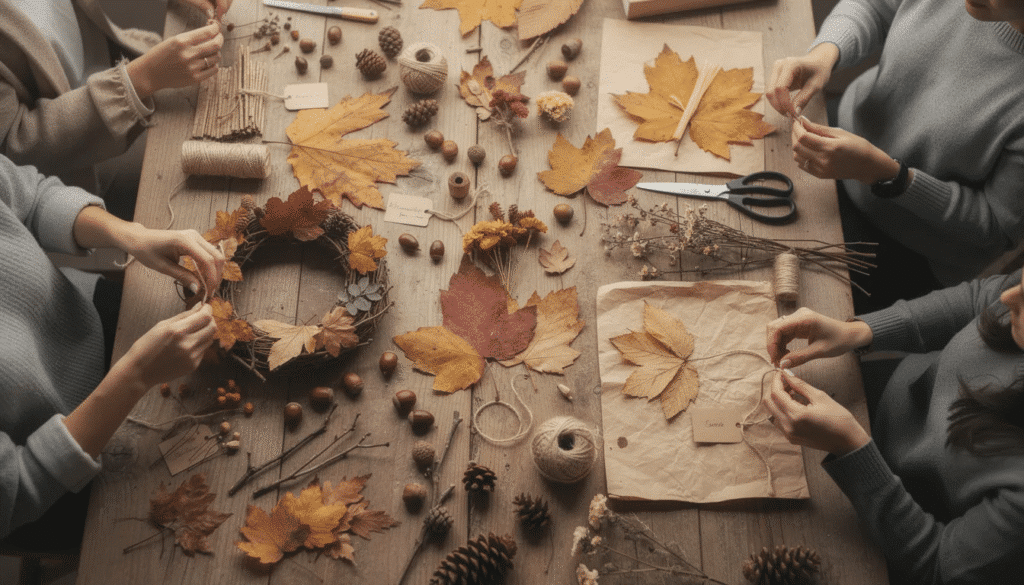
Some of the best craft supplies don’t cost a single dollar—they’re waiting outside. A neighborhood walk in spring, summer, or fall 2026 can yield materials that inspire projects for weeks.
What to collect during your outdoor supply hunts:
- Leaves of various shapes and sizes
- Acorns (especially with caps still attached)
- Pinecones of different varieties
- Small sticks and twigs
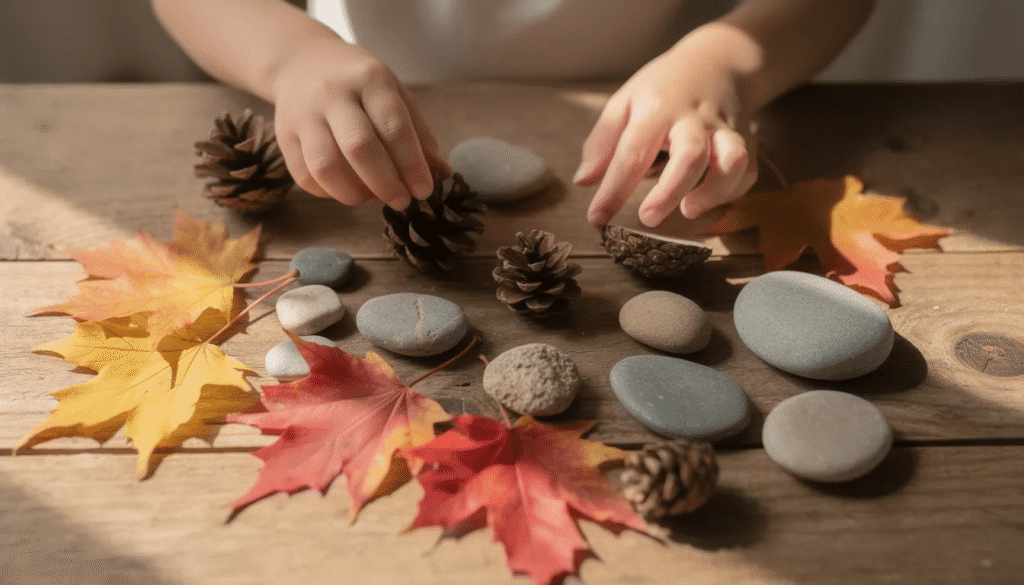
- Smooth stones from paths or creek beds
- Dried grass, seed heads, or fallen flower petals
Turn a 30-minute park visit into a supply hunt by giving kids a paper bag and a simple mission: “Find five different leaf shapes” or “Collect ten smooth stones.” The hunt becomes part of the fun, and you return home with free materials.
Project ideas using nature finds:
- Leaf rubbings—place paper over leaves and rub with crayon sides.
- Owl crafts for kids using pinecones, paper, or recycled materials—try a collection of owl craft ideas for kids that fit perfectly with nature walks and animal themes.
- Painted rock “pets”—decorate smooth stones with paint and give them names.
- Pinecone creatures—decorate with scrap yarn, googly eyes, and paint.
- Stick picture frames—tie together with string or twine.
- Pressed flower bookmarks—use heavy books and wax paper to press flowers, then glue to cardstock.
Avoid picking protected plants, and give natural items a quick freeze or low-oven bake to eliminate any hitchhiking bugs before bringing them into your craft space.
Kitchen Cupboard Creations
Your pantry holds crafting potential beyond snack time. Under adult supervision, everyday cooking ingredients become sensory-rich craft media that kids find endlessly fascinating, and you can mix in bright, low-cost rainbow crafts for kids for extra color and sensory play.
Safe, frugal materials from the kitchen include:
- Flour, salt, and water (the classic playdough trio)
- Cornstarch for oobleck—that strange substance that’s solid and liquid at once
- Food coloring for dyeing pasta, rice, or homemade doughs
- Instant coffee mixed with water for “antique” paper painting
- Dry pasta shapes for stringing into necklaces or gluing into mosaics
Quick project prompts:
- Homemade playdough—flour, salt, water, and a splash of oil (lasts weeks in an airtight container).
- Cornstarch oobleck—entertains for at least an hour.
- Coffee-water paintings—paint on paper for a vintage, sepia look.
- Pasta necklaces—paint dry pasta with leftover acrylic paint and string on yarn.
Manage the mess by laying down tablecloths, opened paper grocery bags, or newspaper. Keep these materials away from pets, and be prepared for cleanup—but realize that the sensory learning happening is worth a few extra minutes with a sponge.
Budget Home Decor: Stylish Frugal Crafts for Your Space
You don’t need a Pinterest-sized budget to make your house feel fresh and curated. In 2026, stylish home decor is increasingly about thoughtful curation and personal touches rather than expensive purchases.
Start with a small weekend makeover budget: perhaps $15 at the dollar store plus one thrift store visit. Combined with items you already own, this modest spend can transform a room’s vibe completely.
High-Impact, Low-Cost Decor Ideas
- Repaint frames from 2020-2023 in a cohesive color for a gallery wall that looks intentional.
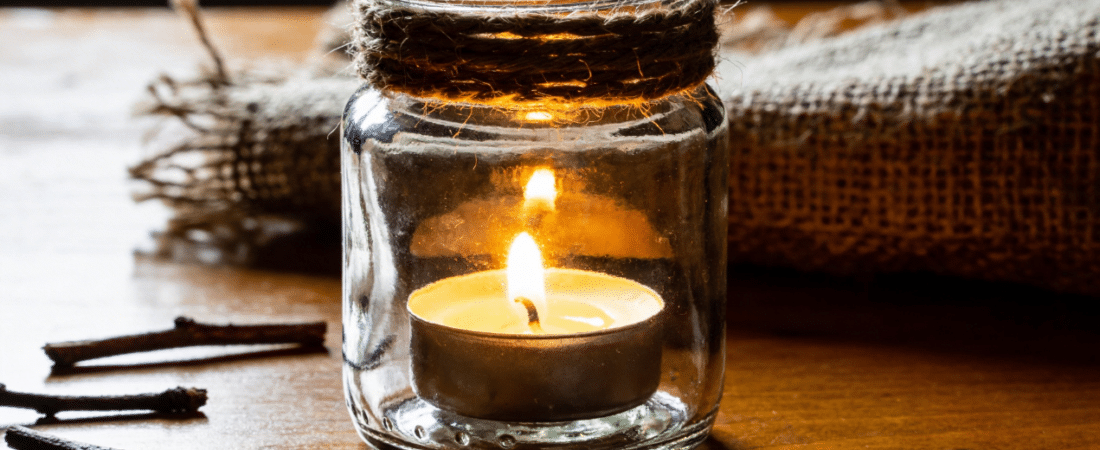
- Turn glass jars into candle holders with a coat of paint on the outside or simply cleaned up and filled with tea lights.
- Use fabric scraps to wrap old hardcover books, creating decorative objects for shelves.
- Create a tray vignette using a thrifted tray, a candle, and a small plant.
Here’s a great idea for cohesion: choose 2-3 colors and repeat them across different projects. If your palette is navy, cream, and gold, paint frames navy, use cream fabric for accents, and add gold spray paint details. Suddenly your DIY pieces look like they belong together.
Seasonal swaps keep things interesting without constant spending. Make DIY fall leaf garlands from paper, winter paper snowflakes, and spring flower arrangements in saved bottles. Rotate these throughout the year rather than buying new decor each season.
Dollar Store & Thrift Store Upcycles
A strategic trip to Dollar Tree or your local thrift store yields raw materials that look nothing like their origins once you’re done with them. The key is knowing what to look for and having a vision for transformation—browse a collection of colorful craft ideas for a fun weekend if you need inspiration for what to make with your finds.
Dollar Store Finds
- Plain glass vases (perfect for paint, decoupage, or twine wrapping)
- Simple wooden signs (sand and repaint with your own designs)
- Metal trays (spray paint transforms these completely)
- Basic picture frames (the simpler the better—you’ll customize them)
- Unfinished baskets (wrap with yarn, rope, or fabric strips)
Thrift Store Treasures
- Solid wood frames in any color (paint covers everything)
- Ceramic or glass vessels with interesting shapes
- Woven baskets in good condition
- Canvas art that can be painted over
- Fabric items like tablecloths or curtains for their material
Transformation Projects
- Spray paint a collection of thrifted frames one unified color—suddenly they’re a matched set.
- Decoupage 2024 map pages or old book pages onto metal trays for a literary look.
- Wrap tired baskets with leftover yarn, rope, or fabric strips in coordinating colors.
The magic happens when you combine $1.25 store items with free materials from home. That dollar store frame plus magazine pages plus leftover paint becomes a custom piece that looks like it cost twenty times more.
Create a seasonal decor bin to reuse pieces each year. Store your DIY fall items together, your winter projects together, and so on. This prevents the cycle of rebuying decor every season.
Paper & Scissors Magic for Grown-Up Decor
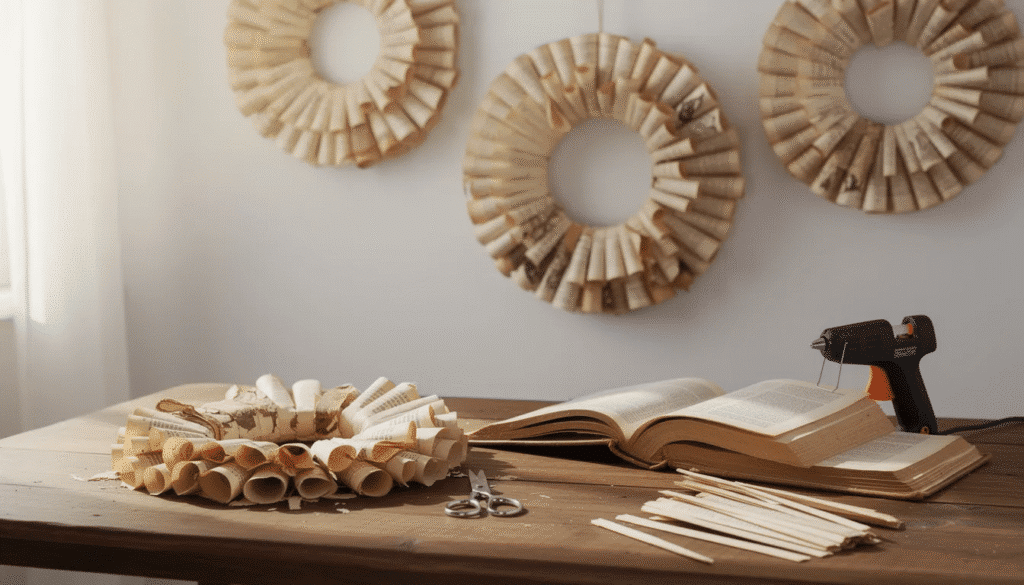
Never underestimate what you can create with paper, scissors, and a reference photo for inspiration. These materials cost almost nothing yet produce surprisingly chic results.
Paper-Based Decor Projects
- 3D paper stars for party decor or year-round wall interest.
- Book-page wreaths crafted from damaged novels (used book sales are perfect for sourcing).
- Paper garlands cut from 2025 calendars or old wrapping paper.
- Layered paper art in frames—cut shapes in graduating sizes and stack with foam tape for dimension.
- Origami installations using colored paper for a modern, sculptural look.
The cost comparison speaks for itself: a $2 pad of cardstock plus scissors you already own can yield decor for multiple rooms or several events. That’s a fraction of what you’d spend on store-bought decorations.
Simple color palettes that work beautifully with paper:
- Kraft brown and white for rustic, natural vibes
- Black and gold for elegance
- Soft pastels for 2026 weddings and baby showers
- Primary colors for kids’ spaces and birthday parties
Paper crafting requires patience but rewards you with completely custom pieces that match your exact vision. Draw your design, cut carefully, and don’t rush the folding.
Textile Transformations: Using Old Clothes & Fabric Scraps
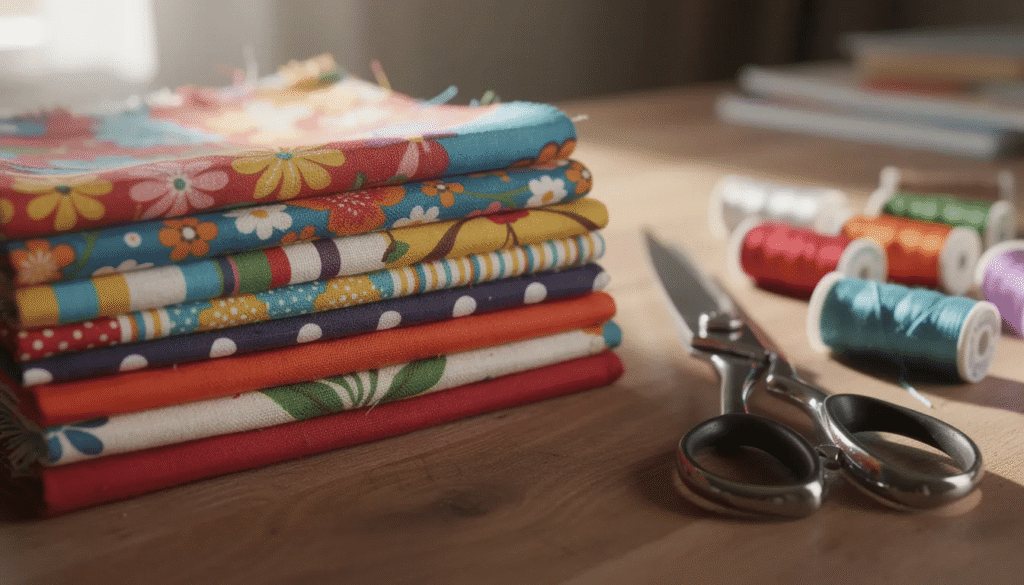
Your closet probably contains craft supplies you haven’t recognized yet. Those worn T-shirts, jeans with blown-out knees, and linens that have seen better days don’t need to go straight to landfill. With basic skills and a little imagination, they become raw materials for new projects.
Sorting and Project Ideas
Start by sorting clothes into three piles:
- Donate: Items in good condition that someone else can wear
- Wear: Clothes that still work for you
- Craft: Stained shirts, torn jeans, stretched-out tees, faded linens
The craft pile is where things get interesting. Here’s what you can make:
- T-shirt yarn for braided rugs, baskets, or chunky crochet projects
- Denim pocket organizers sewn or glued onto canvas and hung on doors
- No-sew pillow covers from flannel shirts (button closures already built in!)
- Scrap fabric bunting for celebrations
- Memory pillows or quilts from children’s outgrown sports jerseys and beloved tees
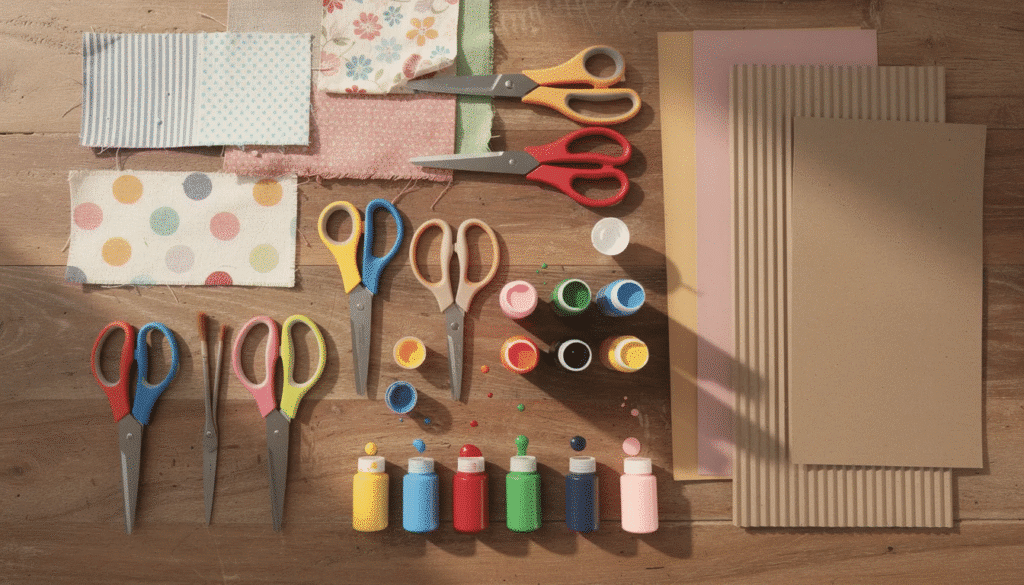
Your basic tool list for textile projects: fabric scissors (separate from paper scissors), needle and thread, safety pins, and optionally a simple sewing machine. You can accomplish a surprising amount without the machine.
The sentimental value angle shouldn’t be overlooked. Those 2022-2024 sports shirts your kids have outgrown? They hold memories. Turning them into a pillow or quilt square means those memories stay visible rather than disappearing into a donation bin.
No-Sew Frugal Fabric Projects
If the thought of threading a needle fills you with dread, this section is for you. Plenty of wonderful textile crafts require zero sewing skills—just alternative attachment methods and a willingness to experiment.
No-Sew Techniques
- Fabric glue (strong, flexible, and widely available)
- Iron-on hem tape for clean edges without sewing
- Tying and knotting for fringe effects and closures
- Braiding for rugs, headbands, and decorative elements
No-Sew Project Prompts
- Braided T-shirt headbands cut from old tees and plaited together
- Fringe scarves made by cutting strips into the bottom of stretched-out shirts
- Tied fleece blankets using two layers of clearance fleece with cut-and-tied edges
- Glued fabric-covered notebooks that transform dollar store journals into custom gifts
- Knotted fabric garlands for party decor
A note on durability: no-sew methods work best for light-use items like decor, accessories, and gifts. For items that will see heavy use—like bags or clothing—traditional sewing holds up better over time. But for most frugal craft purposes, glue and ties do the job beautifully.
Themed & Seasonal Frugal Craft Ideas (Gifts, Parties, Holidays)
Planning ahead for celebrations saves both money and stress. When you know a birthday, holiday, or school event is coming, you can gather materials in advance and create without last-minute craft store panic.
Key Themes for 2026
- Birthdays: Kids’ parties, milestone celebrations, surprise gatherings
- School events: Teacher appreciation, end-of-year gifts, classroom parties
- December holidays: Christmas, Hanukkah, New Year’s Eve
- Everyday “thank you” moments: Neighbor gifts, hostess presents, just-because tokens
Gift Ideas That Cost Almost Nothing
- Handmade bookmarks from scrap cardstock and ribbon
- Decorated jars filled with homemade cocoa mix or cookie ingredients
- Simple beaded keychains from leftover beads and wire
- Painted rocks with encouraging words
- Small canvas art pieces using leftover acrylic paint
Party Ideas That Stretch Your Budget
- DIY paper bunting in party colors (cardstock triangles on string)
- Repurposed glass jar centerpieces with flowers or candles
- Recycled cardboard photo booth props (moustaches, glasses, speech bubbles)
- Hand-lettered signs on kraft paper
Most of these ideas can be executed for under $10 per event when you combine thrift and dollar store supplies with items already at home. The key is starting early enough to avoid paying premium prices for last-minute convenience.
Frugal Christmas and Winter Crafts
December 2026 will be here faster than you think, and winter school breaks create perfect crafting opportunities. Start gathering materials in fall to avoid the holiday rush.
Concrete Projects for the Season
- Paper snowflake garlands strung across windows or mantels
- Orange-and-clove pomanders that smell wonderful and cost pennies
- Salt-dough ornaments dated 2026 and painted or stamped
- Jar-lid photo ornaments using small prints and ribbon hangers
- Glitter-dipped pinecones for table displays
Free and Nearly-Free Material Sources
- Printable templates found online
- Last year’s holiday cards (cut into gift tags or collage pieces)
- Saved ribbon from 2025 gifts
- Paper from the recycling bin
- Cotton balls for snow effects
Involving kids in making teacher gifts or neighbor presents serves double duty: it saves money and adds personal touches that recipients genuinely appreciate. A jar of homemade playdough with a handwritten label from a six-year-old carries more warmth than anything store-bought.
For busy holiday schedules, craft over newspaper and give each child their own tray. Cleanup happens in minutes instead of monopolizing your evening.
Birthday & Celebration Crafts on a Budget
Professional party decorators are lovely, but entirely unnecessary for memorable 2026 birthdays, graduations, and baby showers. DIY celebration crafts create that personal touch while keeping costs reasonable—consider adding some space-themed crafts for kids and adults if your celebration has a galaxy or astronaut theme.
DIY Decor Ideas
- Cardstock cake toppers cut into shapes or letters
- Customized banners using printed or hand-drawn letters on cardstock
- Recycled glass bottles as vases dressed up with ribbon in party colors
- Paper flowers that never wilt (tissue paper or crepe paper work beautifully)
- Balloon garlands assembled from dollar store balloons
Activity Stations That Double as Entertainment
- Decorate-your-own crown stations using cardstock, stickers, and glitter
- Mask-making tables with pre-cut shapes and art supplies
- Friendship bracelet stations with beads and string
- Rock painting corners with smooth stones and washable paint
The smartest approach: pick a color theme and reuse decor between events. A neutral banner can be re-lettered for different occasions. White and gold pieces work for graduations, weddings, anniversaries, and New Year’s Eve. Buy or make versatile pieces once, then repurpose repeatedly.
Frugal Crafts to Make and Sell from Home
What starts as a hobby can become a 2026 side income stream. The crafts you make with frugal materials can absolutely compete in the marketplace—as long as you focus on quality execution and presentation. If you work with young children, family-themed projects from a guide to preschool crafts about family can double as heartfelt gifts or custom items to offer.
The key is understanding that “frugal to make” doesn’t mean “cheap looking.” Buyers care about the finished product, not your material cost. A candle poured into a thrifted vintage glass has more character than one in a mass-produced container.
Starting Materials That Keep Costs Low
- Dollar Tree glassware and containers
- Thrifted frames and vessels
- Scrap wood from construction sites or woodworking shops
- Fabric remnants from estate sales or sewing guilds
- Beads and findings from destashed collections
Product Ideas with Proven Market Appeal
- Simple beaded bracelets with consistent sizing and quality closures
- Hand-painted mugs sealed with food-safe finishes
- Upcycled frame sets in coordinated colors
- Jar candles with clean labels and pleasant scents
- Mini canvas art sets for gifts or nursery decor
- Fabric scrunchies in trendy patterns
- Decorated clipboards or notebooks
Focus on clean finishes, cohesive color stories, and excellent photography. These elements matter more than expensive materials. Practice each product until you can make it consistently well, then document your costs and price accordingly.
Where and How to Sell Your Frugal Crafts
The 2026 marketplace offers multiple venues for handmade sellers. Choosing the right platform depends on what you’re selling and how you prefer to work.
Popular Selling Venues
- Etsy: Best for unique, searchable items with strong photos
- Facebook Marketplace: Good for local buyers and larger items
- Instagram Shops: Works well if you already have a following
- Local craft fairs: Ideal for items that benefit from in-person viewing
- Community markets: Lower fees than professional craft shows
Matching Products to Venues
- Small items like jewelry and stickers sell well online
- Larger decor pieces move better at in-person markets where buyers can see scale
- Seasonal items need lead time—list Christmas crafts by October
Photography Tips That Don’t Require Professional Equipment
- Use Dollar Tree white foam boards as backgrounds
- Simple wooden stands or risers add dimension
- Natural light near a window beats any lamp
- Take multiple angles and at least one lifestyle shot
Start small with a 10-20 item launch collection. Gather feedback, see what sells, and reinvest profits into better tools or materials. Don’t overbuild inventory before testing the market.
Basic branding keeps you looking professional: choose a simple shop name, pick two or three consistent logo colors, and package using kraft paper and twine for a cohesive, crafty aesthetic.
Planning, Organizing, and Sticking to Your Frugal Craft Budget
Even frugal crafting can spiral into overspending without intentional planning. The goal is keeping creativity joyful rather than financially stressful—especially relevant in 2026 with higher living costs affecting household budgets everywhere.
Practical Strategies That Work
- Create a project list with estimated costs. Use a simple notebook or spreadsheet to track what you want to make, what materials you need, and what you already have versus what you need to buy. This prevents impulse purchases at the craft store.
- Build a “boredom buster” jar. Write project ideas on slips of paper and drop them in a jar. When kids need an activity or you want to craft but lack inspiration, draw a slip. Include only projects that use materials you already own.
- Organize by material type. Clear bins labeled “paper,” “fabric,” “beads,” “paint supplies” make finding what you need instant. Monthly decluttering of scraps keeps things manageable—if you haven’t used those tiny fabric bits in six months, maybe it’s time to let them go.
- Establish a “use what you have first” rule. Before any Dollar Tree or craft store trip, check your stash. Often you’ll realize you can complete the project without buying anything new. This single habit probably saves more money than any other.
Budget Category | Suggested Monthly Limit | What It Covers |
|---|---|---|
Consumable supplies | $10-15 | Glue, paint, paper, tape |
Tools and equipment | $5-10 (save for bigger items) | Scissors, brushes, cutting mats |
Specialty items | $0-5 | Specific project needs only |
Total | $15-30 | Covers most hobby-level crafting |
Sample Frugal Craft Calendar for One Month
Here’s what a practical March 2026 crafting month might look like—mixing kids’ activities, home decor, and gift preparation without overwhelming your schedule or budget.
Week 1: Paper Week
- Weeknight quick craft: Paper chain decorations for upcoming spring (15 minutes)
- Weekend family project: Magazine collage posters (45 minutes)
- Ongoing: Start collecting materials for Week 4’s gift project
Week 2: Cardboard Week
- Weeknight quick craft: Toilet roll binoculars with kids (20 minutes)
- Weekend family project: Cardboard box city or playhouse (1-2 hours)
- Ongoing: Cut and prep fabric scraps for Week 3
Week 3: Fabric Week
- Weeknight quick craft: No-sew fabric bookmarks (15 minutes)
- Weekend family project: Scrap fabric bunting for spring decor (1 hour)
- Ongoing: Plan recipient list for Week 4 gifts
Week 4: Gift-Making Week
- Weeknight quick craft: Painted rock paperweights (20 minutes)
- Weekend family project: Assemble jars with homemade cocoa mix and handmade tags (1 hour)
- Wrap up: Photograph projects, note what worked for future reference
Grouping similar materials each week simplifies setup and cleanup. You’re not hunting for fabric scissors on paper night or digging out paint when you’re working with cardboard. Everything flows more smoothly, and you’re more likely to actually complete projects rather than abandoning them mid-way.
Conclusion: Craft More, Spend Less, Enjoy the Process
Frugal crafting in 2026 isn’t about deprivation or making do with less. It’s about recognizing that creativity doesn’t require expensive supplies—it requires imagination, a willingness to see potential in everyday objects, and the patience to turn that potential into something real.
The benefits compound over time. You save money, obviously. You reduce waste by diverting materials from landfills. You build skills that serve you for life. And if you involve children, you create memories and teach them that making things with your hands is both possible and deeply satisfying.
Here’s your challenge: pick one idea from this article and try it this week. Just one. Use only items already in your house—that cardboard box, those fabric scraps, that stack of old magazines. See what happens when you stop waiting for the perfect supplies and start creating with what you have.
Bookmark this post and return whenever you need seasonal inspiration or a reminder that frugal crafting is a practice, not a destination. Your personal library of favorite techniques will grow over time, and so will your confidence.
Happy crafting—now go create something wonderful.