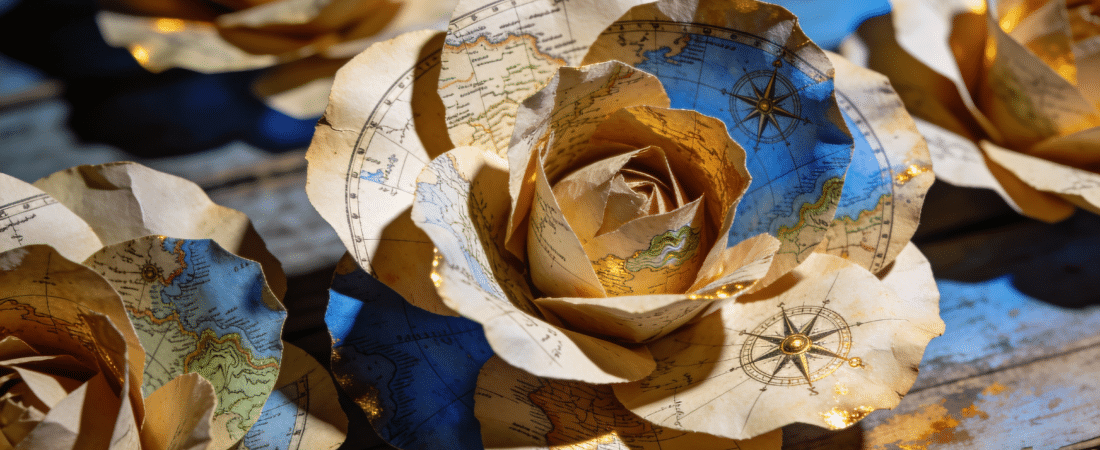

There’s something magical about holding a flower that blooms with the streets of Paris, the coastline of California, or the winding roads of your childhood hometown. Map paper flowers transform outdated atlases and vintage road maps into gorgeous, everlasting art that tells your travel story one petal at a time.
Whether you’re looking to create a stunning wedding bouquet, add character to your home decor, or craft a keepsake gift that won’t wilt after a week, map flowers offer a fun and sustainable alternative to traditional blooms. In this comprehensive guide, you’ll learn everything from basic supplies to advanced techniques for creating your own handcrafted collection of cartographic beauty.
- What Are Map Paper Flowers?
- Why Choose Flowers Made From Old Maps?
- Supplies You’ll Need to Make Map Paper Flowers
- How to Make Simple Map Paper Roses (Step-by-Step)
- Other Map Flower Styles to Try
- Ideas for Using Map Paper Flowers
- How to Care For and Display Map Paper Flowers
- Free & Paid Map Resources for Crafting
- Start Creating Your Map Flower Collection
What Are Map Paper Flowers?
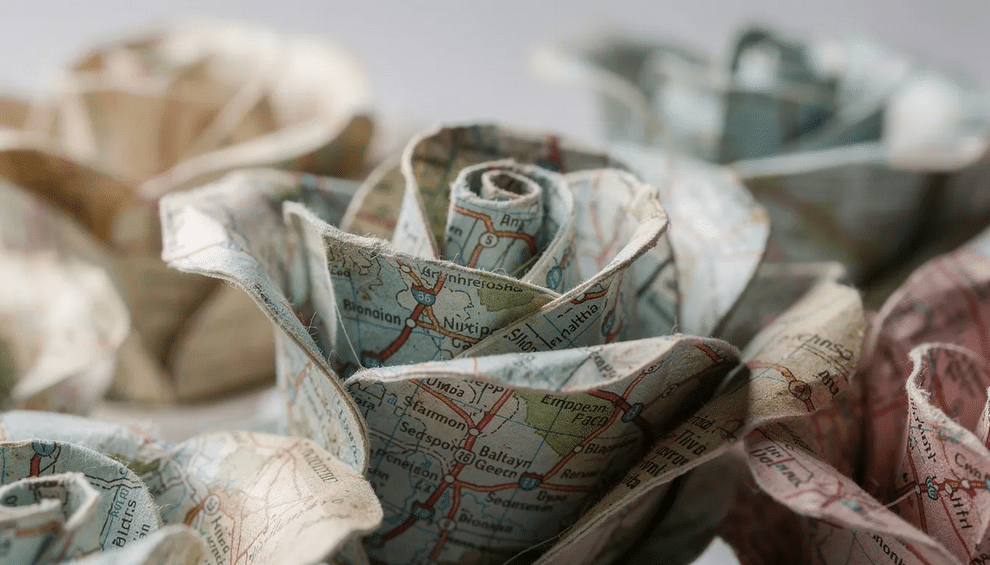
Map paper flowers are handmade blooms crafted from old road maps, world atlases, or vintage cartography pages. Each petal carries real geographic detail—cities, borders, coastlines, mountain ranges, and even old flight paths become part of the flower’s design.
These paper flowers serve as long-lasting alternatives to fresh flowers for virtually any occasion. Unlike their living counterparts, they’ll never wilt, never need water, and never fade from memory. You can display them year after year, making them perfect for home décor, weddings, anniversary celebrations, and meaningful gifts.
The travel and nostalgia angle is what makes map flowers truly special. Imagine a wedding bouquet featuring the city where the couple met, or a single rose showcasing the route of a memorable family road trip. Every bloom becomes a conversation piece with personal significance baked right into its petals.
Map paper flowers can be made in various forms:
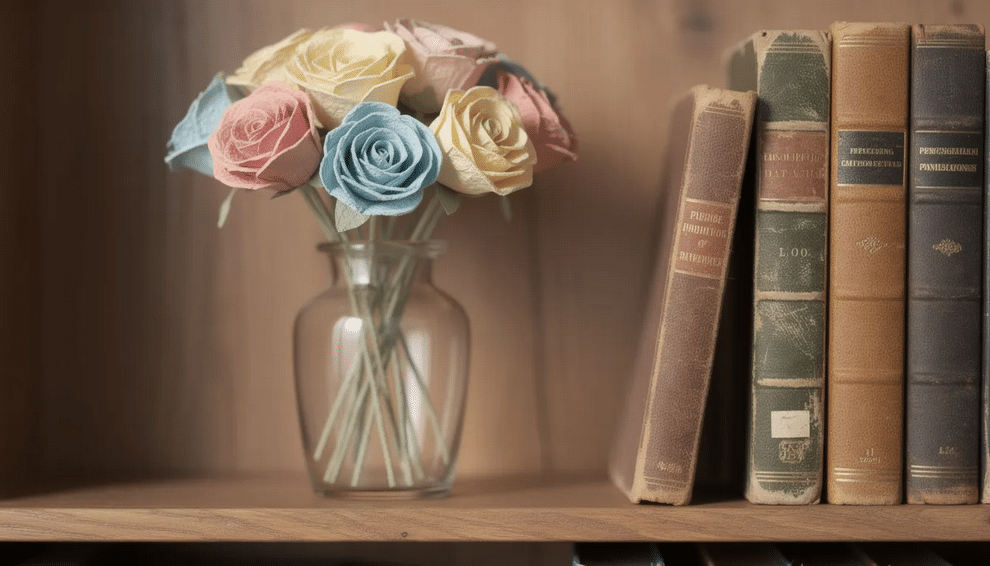
- Single stems displayed in small bottles or bud vases
- Full size bouquets for weddings and special events
- Scattered mini blossoms for table confetti or garland accents
- Framed arrangements as wall art
Why Choose Flowers Made From Old Maps?
Fresh flowers are lovely, but they come with an expiration date. Within days, petals droop, stems soften, and that beautiful bouquet ends up in the compost bin. Paper map blooms, on the other hand, maintain their beauty forever without a single drop of water or ray of sunlight.
Sustainability That Makes Sense
Creating flowers from maps is upcycling at its finest. Instead of tossing damaged atlases, outdated road maps from the 1980s–2000s, or surplus tourist maps into recycled paper bins, you’re giving them new life as functional art. Every flower you create is one less piece of paper heading to the landfill.
Sentimental Value You Can’t Buy
The real magic of map flowers lies in their personal significance:
- Use a map of your hometown for a gift to someone who moved away
- Create wedding bouquets featuring honeymoon destinations
- Craft anniversary roses from maps of every city you’ve visited together
- Make graduation gifts using campus maps or the city where they’re headed next
Design Versatility
The neutral tones found in most maps—creams, soft blues, muted greens, and gentle greys—blend seamlessly with almost any color scheme. Whether your aesthetic leans minimalist, rustic, vintage, or eclectic, map flowers complement the vibe.
And here’s what makes them truly amazing: every single flower is one-of-a-kind. No two map pages are identical, which means no two blooms will ever match exactly. Each rose might feature different rivers, cities, or country borders—creating a collection with built-in variety.
Supplies You’ll Need to Make Map Paper Flowers
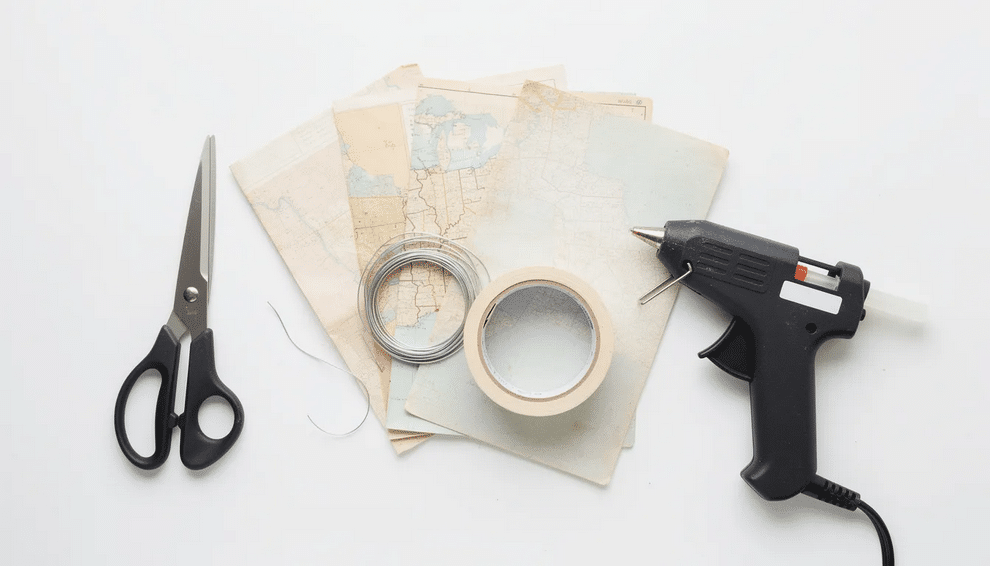
The project uses simple, inexpensive craft tools that most crafters already have in their supply box. Here’s everything you’ll need to get started:
Paper Sources
- Old Rand McNally road atlases
- 1990s Michelin fold-out maps
- Vintage National Geographic maps
- Downloadable printable vintage maps (for printing at home)
- Map-themed wrapping paper
- Pages from favorite books with travel themes
Basic Tools
- Sharp scissors (dedicated craft scissors work best)
- Craft knife for precision cuts
- Pencil for tracing templates
- Small ruler
- Ballpoint pen or wooden skewer for curling petals
Adhesives
- Tacky craft glue for secure bonds
- Hot glue gun with fine tip for quick assembly
- Glue stick for lighter layers (optional)
Floral Hardware
- 18–22 gauge floristry wire
- Green floral tape
- Wooden dowels or bamboo skewers for sturdier stems (optional)
Optional Embellishments
- Small faux pearls for flower centers
- Tiny brads
- Glitter accents
- Satin ribbon or bow for wrapping stems
- Red watercolor paint for tinting petal edges
How to Make Simple Map Paper Roses (Step-by-Step)
This tutorial walks through an easy rose design suitable for beginners. Expect to spend about 30–45 minutes per flower as you learn the process—with practice, you’ll get faster and your results will look more polished.
Step 1: Create Your Petal Templates
Draw or trace petal shapes onto cardstock in three sizes:
| Size | Height | Width | Quantity Needed |
|---|---|---|---|
| Small | 3 cm | 2.5 cm | 6 petals |
| Medium | 4.5 cm | 3.5 cm | 6 petals |
| Large | 6 cm | 5 cm | 6 petals |
Cut these templates from sturdy cardstock so you can reuse them for multiple flowers.
Step 2: Trace and Cut Your Petals
Place templates on your map paper and trace around them with a light pencil mark. For the most interesting results, position templates so readable place names fall near the petal edges where they’ll be visible in the finished flower.
Cut out all 18 petals for one rose: 6 small, 6 medium, and 6 large.
Step 3: Shape Each Petal
This step transforms flat paper into dimensional, realistic-looking petals:
- Hold a petal with one hand
- Use a pen or wooden skewer to gently curl the top edge backward
- Pinch the base of the petal to create a slight cup shape
- Repeat for all 18 petals
The shaped petals should have a natural curve that mimics real rose petals.
Step 4: Prepare Your Stem
Cut a piece of floristry wire to approximately 20–25 cm in length. Starting at one end, wrap the wire tightly with green floral tape, overlapping slightly as you work your way down. Leave about 1 cm at the top unwrapped—this is where you’ll attach your first petal.
Step 5: Build the Center Bud
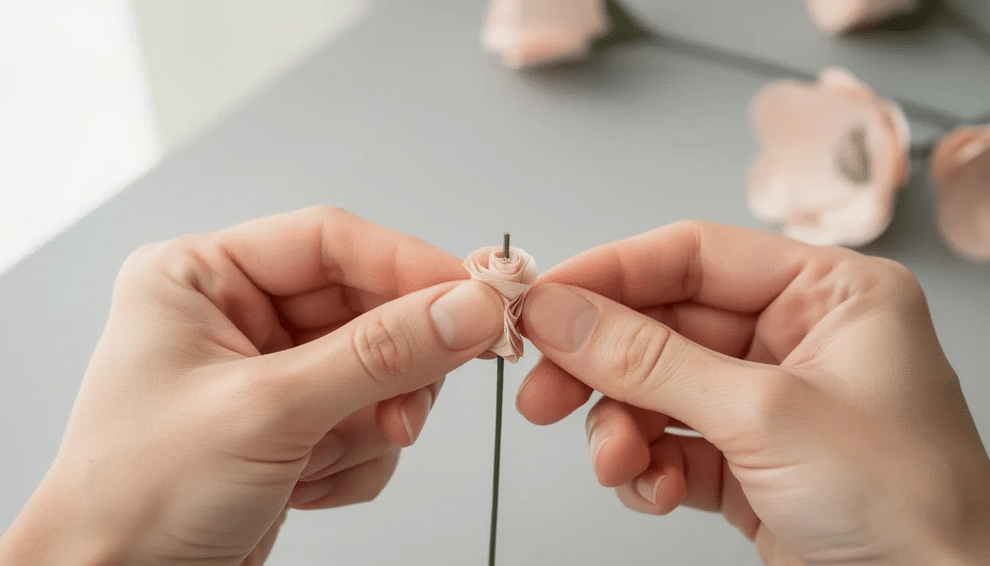
Apply a small amount of hot glue to the base of one small petal. Wrap it tightly around the wire tip, rolling it to create a tight spiral center. This forms the innermost part of your rose.
Add 2–3 more small petals around this center, overlapping each one slightly and securing with glue at the base. The bud should look like a rose that hasn’t fully opened yet.
Step 6: Add Outer Layers
Continue gluing petals in a spiral pattern around the bud:
- Attach remaining small petals first
- Add all medium petals, spacing them evenly
- Finish with large petals on the outermost layer
Each layer should sit slightly lower than the previous one, creating the classic rose silhouette.
Step 7: Flare and Finish
Once the glue has fully dried, gently flare the outer petals with your fingers to open up the flower. Adjust any petals that seem too tight or too loose until you achieve the look you want.
Tips for Neat, Realistic Map Roses
- Use thinner map paper for easier curling—if your paper is thick, lightly mist it with water before shaping
- Vary petal placement so visible words like “Paris,” “New York,” or “Pacific Ocean” appear in different parts of the bloom
- Mix map sources for eclectic size bouquets (one rose from a London street map, another from a US highway map)
- Allow glue to set fully between layers to prevent petals from sliding out of alignment
- Work in batches—cut all petals first, then shape them all, then assemble
Other Map Flower Styles to Try
Beyond classic roses, several alternative shapes suit different projects and skill levels.
- Origami-style map flowers: Made from folded squares rather than cut petals, these are ideal for faster bulk décor like garlands, backdrops, and party decorations
- Scalloped mini roses: About 1.5–2 inches across, these are created from punched or die-cut scallop circles tightly rolled into rosettes—super cute for small accents
- Layered daisy or cosmos shapes: Stack several cut map flower silhouettes and secure with a brad or button center for a different aesthetic
- Spiral-cut flowers: Cut a large circle of paper in a continuous spiral, then roll from the outer edge inward for a quick rosette
These smaller designs are lightweight enough for pin nails, wreaths, wall murals, napkin rings, and other detail work where you need fantastic decorative elements without heavy stems.
Combining Map Flowers With Other Upcycled Papers
Why stop at maps? Mixed-media arrangements add visual interest and texture:
- Pair map flowers with book-page blooms from favorite books for literary-travel themes
- Add kraft paper leaves for rustic contrast
- Include sheet music petals for a romantic, vintage vibe
- Layer colored tissue or cardstock behind delicate map petals to reinforce and add color pop
Coordinate your themes for cohesive décor—travel-centered arrangements might include luggage-tag motifs, vintage postage stamps, and old ticket stubs alongside your map blooms.
Ideas for Using Map Paper Flowers
Map flowers work beautifully for everyday decorating and special events alike. Here’s where your handmade creations can shine:
Home Décor Applications
- Display in vases on bookshelves and desks
- Create framed shadow boxes for wall art
- Arrange in clusters for gallery wall installations
- Craft wreaths for hallways and entryways
- Use as centerpieces for coffee tables
Party and Event Uses
- Travel-themed birthday party centerpieces
- Retirement celebration décor (featuring maps of dream destinations)
- Graduation open houses with campus map flowers
- Bon voyage parties for friends moving abroad
- Cake toppers and dessert table accents
Wedding Applications
Brides and wedding planners have discovered map flowers as meaningful alternatives to traditional bouquets:
- Bridal and bridesmaid bouquets featuring significant locations
- Boutonnieres for groomsmen
- Chair ties and aisle markers
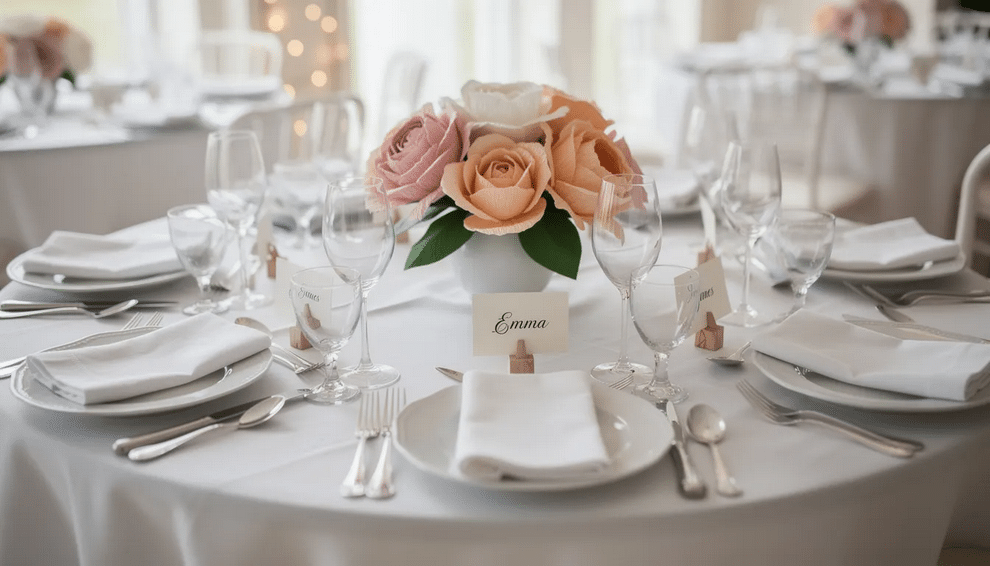
- Table numbers accented with map blooms
- Cake decorations
- Guest book table displays
Gift Ideas
- Attach a single bloom to wrapped presents as a gorgeous topper
- Create a bunch of roses for teacher appreciation gifts
- Make graduation cap decorations using campus maps
- Craft anniversary arrangements with maps from shared travels
- Elevate birthday celebrations at home with creative balloon decoration ideas
Personalized & Sentimental Map Flower Projects
The most meaningful map flowers tell a story. Here’s how to create arrangements with deep personal significance:
- First date flowers: Use a map of the city or neighborhood where you first met your partner
- Anniversary bouquets: Create one flower for each trip you’ve taken together, with small tags noting dates and destinations
- Graduation keepsakes: Feature campus maps, city transit maps, or state maps from where the graduate is headed next
- Memorial tributes: Honor loved ones with flowers from places they cherished
Consider including a short message or note explaining which maps were used and why. This transforms a lovely gift into a truly personal keepsake that recipients will treasure.
How to Care For and Display Map Paper Flowers
Map flowers are low-maintenance compared to the real thing, but a few simple care steps keep colors fresh and petals crisp for years.
Display Best Practices
| Do | Don’t |
|---|---|
| Keep in dry rooms | Display in steamy bathrooms |
| Use indirect lighting | Place in direct sunlight |
| Display in stable temperatures | Position above kettles or stoves |
| Dust regularly | Ignore for months at a time |
Sunlight warning: Direct sun will fade vintage inks and cause paper yellowing within months. If you want your map roses to last, keep them away from windows with strong light.
Dusting technique: Use a soft makeup brush or compressed air on a low setting to gently remove dust. Avoid water or cleaning sprays, which will damage the paper.
Protective display options: For long-term keepsakes like wedding bouquets, consider glass domes, shadow boxes, or shallow frames. These protect against dust, humidity, and accidental damage while showcasing your beautiful work.
Storing Map Flowers Long-Term
When your flowers aren’t on display, proper storage prevents crushing and moisture damage:
- Wrap blooms loosely in acid-free tissue paper
- Store in rigid cardboard or plastic boxes (shoe boxes work well)
- Keep storage boxes flat—never stack heavy items on top
- Store away from damp basements and hot attics
- Add silica gel packets to the box for extra moisture protection, especially in humid climates
With proper care, your map flowers can remain beautiful for decades.
Free & Paid Map Resources for Crafting
You can use both original vintage maps and modern reprints depending on your project and budget. Here’s where to find materials:
Physical Map Sources
- Charity shops and thrift stores
- Flea markets and antique malls
- Library clear-outs and book sales
- Yard sales and estate sales
- Old glove-box road maps from family cars
- Travel agency surplus (many still have stacks of outdated maps)
Digital Map Resources
Many archives and public-domain libraries offer downloadable vintage map collections perfect for printing at home. When printing:
- Use lightweight paper (standard printer paper works fine)
- Test printer settings so colors remain soft
- Ensure cartographic details stay readable at petal size
- Print on both sides for more cohesive-looking flowers
Important note: Avoid cutting up rare or collectible maps. If you have something potentially valuable, scan and print copies instead. That 1920s atlas might be worth more intact than as craft material.
Coordinating Map Crafts to Match Your Flowers
Explore companion projects using the same atlas pages:
- Map paper bead bracelets and jewelry
- Map-covered notebooks and journals
- Luggage-tag place cards for parties
- Map-wrapped vases and containers
- Decoupage picture frames
Create cohesive sets for party décor: a map flower bouquet paired with matching garland and map-wrapped vases makes a stunning centerpiece. Turn leftover scraps into small confetti hearts or tiny rolled buds for filling glass ornaments—nothing goes to waste.
Start Creating Your Map Flower Collection
Map paper flowers offer something that shop-bought décor simply can’t match: personal meaning woven into every petal. Whether you’re excited to create a wedding bouquet that tells your love story, a home décor piece featuring your hometown, or a thoughtful gift that won’t wilt, these handcrafted blooms deliver beauty with substance.
The tools are simple, the techniques are learnable, and the results are absolutely lovely. Gather those dusty atlases collecting dust on your shelf, find your scissors and hot glue gun, and give those old maps the new life they deserve.
Start with one simple paper rose this weekend. Once you see those place names curving around handmade petals, you’ll understand why crafters find this process so satisfying. From there, you can explore different styles, build full bouquets, and customize designs for every occasion.
Your maps have stories to tell. It’s time to let them bloom.