
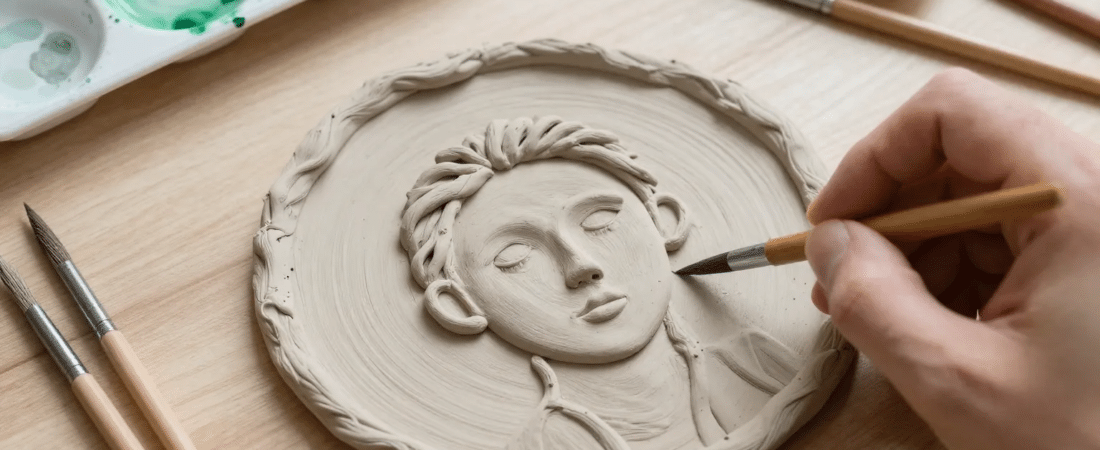

Air dry clay is a versatile, inexpensive, and easy-to-use crafting material that hardens naturally when exposed to air, eliminating the need for a kiln. Watercolor paints do work on air dry clay, but because the clay is porous, it absorbs the paint differently than traditional paper. This makes it a popular choice for a wide range of craft projects, from jewelry making to home decor. When selecting air dry clay, choosing a reputable brand can impact the quality, safety, and overall results of your project. Many crafters wonder if watercolor paints can be used on air dry clay, and the answer is yes! Watercolor paints do work on air dry clay, but because the clay is porous, it absorbs the paint differently than traditional paper. For bold, opaque finishes, acrylic paint is a better choice, but watercolor offers a soft, delicate look that’s perfect for subtle designs. Watercolor on air dry clay gives a gorgeous soft look, allowing you to add color while keeping things classy.
This guide is for crafters, hobbyists, and anyone interested in painting air dry clay with watercolors. Painting with watercolors allows for unique, delicate effects not achievable with other paints, making it an excellent technique for those seeking soft, artistic finishes on their clay creations.
- Introduction to Air Drying Clay
- Can You Paint Air Dry Clay With Watercolor Paint?
- Materials: Watercolor Paints, Acrylic Paint, Sealers
- Preparing Air Dry Clay For Painting
- Painting Air Dry Clay With Watercolor Paints
- Acrylic Paint Vs Watercolor On Air Dry Clay
- Techniques For Best Results When Painting Air Dry Clay
- Safety Precautions
- Sealing And Caring For Painted Air Dry Clay
- Step-By-Step Project: Watercolor Air Dry Clay Ornament
- Troubleshooting Paint Air Dry Clay Problems
- Final Considerations And Next Steps
- Key Takeaways for Painting Air Dry Clay with Watercolors
Introduction to Air Drying Clay
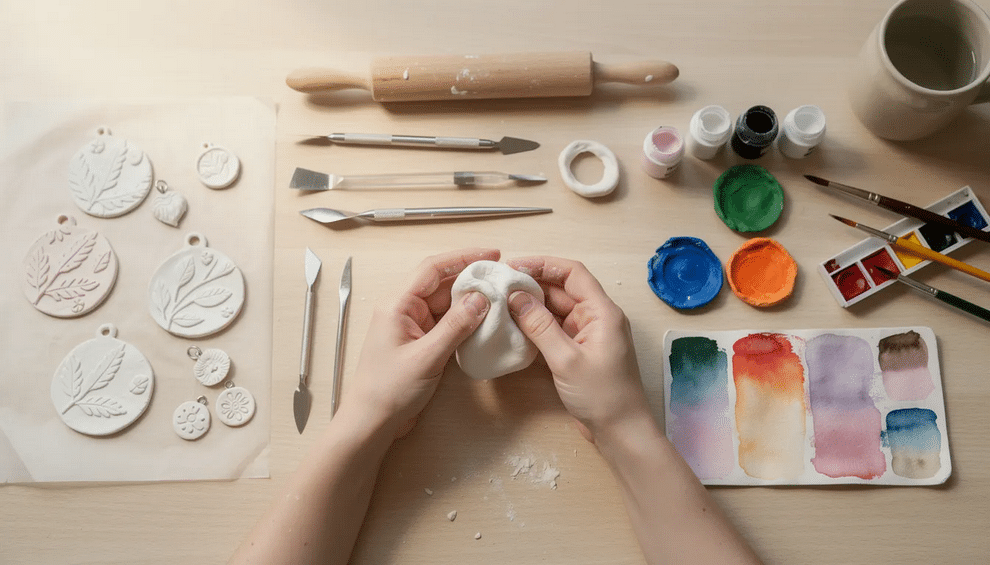
Air dry clay is a favorite among crafters for its versatility and ease of use, making it perfect for a wide range of craft projects. Unlike traditional clays that require baking or firing, air dry clay hardens naturally when exposed to air, so you can create and finish your pieces right at home—no kiln or oven needed. This makes it especially appealing for kids and beginners, as well as experienced crafters looking for a quick and accessible medium.
To get started, simply prepare your air dry clay by kneading it until soft and pliable. You can shape it by hand, use molds, or roll it out with a rolling pin to create flat pieces for jewelry, ornaments, or decorative accents. The clay is easy to cut, sculpt, and even impress with patterns or textures. Once your design is complete, let it air dry thoroughly before moving on to the fun part—adding color! Both acrylic paint and watercolor paint work well for decorating air dry clay, allowing you to experiment with different finishes and effects. Whether you want bold, vibrant colors or soft, blended washes, air dry clay is a fantastic base for creative expression in any craft project.
Can You Paint Air Dry Clay With Watercolor Paint?
Yes, you can paint air dry clay with watercolor paint. Water based paint, such as watercolor, is suitable for air dry clay because it allows for easy application and delicate effects. The porous nature of air dry clay allows it to absorb watercolor pigments quickly, which creates a beautiful soft, washed effect. Air dry clay is a very soft, porous material that absorbs watercolors nicely, making it ideal for this painting technique. Watercolor paint is ideal for adding delicate patterns and subtle color washes rather than heavy coverage. Watercolors on air dry clay preserve fine details better than thicker acrylics, and painting air dry clay with watercolors creates a soft, matte finish that highlights fine details. However, because watercolors contain moisture, it’s important to be cautious as excess moisture can weaken the clay and potentially cause it to crack or become fragile.
When To Paint Air Dry Clay / Air Drying Clay Timing
It’s essential to wait until the air dry clay is completely dry before painting. You should allow the air dry clay to dry fully before painting, which can take 24–72 hours depending on the size. Drying times vary depending on the thickness of your clay project but generally range from 24 to 72 hours. Thicker pieces require longer drying times. To ensure even drying, maximize airflow around your project by placing it in a well-ventilated area and occasionally rotating it. Following the correct process, including proper drying, is essential to avoid issues like peeling or cracking.
Materials: Watercolor Paints, Acrylic Paint, Sealers
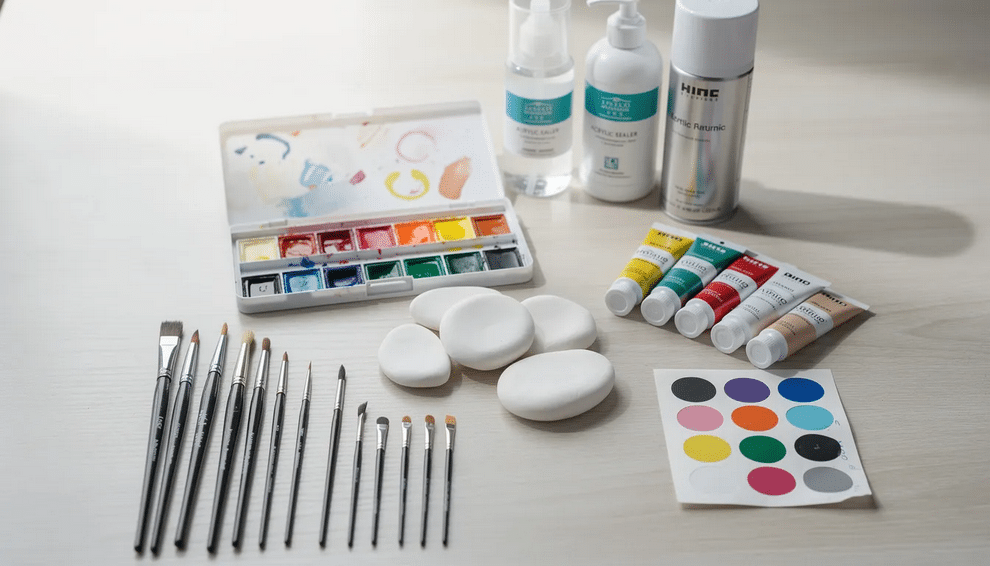
Before painting air dry clay with watercolors, gather all the necessary supplies, including high-quality watercolor paints, a selection of soft brushes for intricate designs, and a suitable sealer. Choosing quality supplies is important to achieve the best results and ensure your finished piece looks professional.
Acrylic paints are also useful to have on hand for comparison or for projects requiring more durable, opaque color. When it comes to sealing your painted clay, water-based sealers such as spray varnish or acrylic sealer work best to protect your artwork and enhance durability.
Preparing Air Dry Clay For Painting
Before painting, gently sand any rough spots on the clay surface with fine-grit sandpaper to create a smooth finish. After sanding, use a soft brush or a damp cloth to dust off any clay particles. This step is crucial to ensure your paint adheres smoothly and evenly. Watercolors work best when applied directly to the bare, porous clay, without a primer. Optionally, you can apply a light primer or test a small area with your paint to check for adhesion and color appearance.
Painting Air Dry Clay With Watercolor Paints
When using watercolor paint on air dry clay, thin the pigment sparingly with water to avoid oversaturating the clay. Apply paint into any textured areas or impressions on your clay to allow color to pool naturally, creating a cool visual effect. Use dry-brush strokes for subtle shading and layered washes to build up color gradually. Always allow each layer to dry completely before applying the next to prevent lifting or uneven color.
Acrylic Paint Vs Watercolor On Air Dry Clay
Acrylic paint is more durable and water resistant than watercolor, making it ideal for projects that require bold, opaque finishes or frequent handling. Acrylic paint can cover the surface of air dry clay completely, providing a strong, vibrant layer. Watercolor paint, on the other hand, offers a soft, matte finish that is perfect for delicate, artistic effects but requires sealing to protect the color. Each type of paint provides a different effect on air dry clay, with acrylic being the most durable and versatile. Choose acrylic paint when you want vibrant, long-lasting color and watercolor when you want a subtle, blended appearance.
Techniques For Best Results When Painting Air Dry Clay
Here are some tips to achieve the best results when painting air dry clay with watercolors. Test your colors and techniques on a scrap piece of clay before starting your main project. Work in thin layers of paint to avoid oversaturating the surface and weakening the clay. Avoid wet-on-wet watercolor techniques, as the clay absorbs moisture quickly and won’t behave like paper. Using textured impressions or stamps on your clay can enhance watercolor effects by allowing the paint to settle into the crevices, creating interesting patterns. Keep in mind that watercolor paints will highlight any crease or imperfection on air dry clay, so smooth your surface if you want a more polished look.
There are different methods for painting and sealing air dry clay, and experimenting with these methods can help you achieve the best results for your specific project.
Adding Hand-Painted Details And Mixed Media
Once your base watercolor layers are dry, you can use watercolor pencils for intricate designs on the dry clay, then blend them with a damp brush for soft, detailed effects. You can also add fine hand-painted illustration details using fine-tip markers or gouache paint for opaque accents. Metallic paints like Rub n Buff are great for adding vintage highlights or emphasizing texture. Combining different media allows you to create intricate illustrations and unique finishes on your clay crafts.
Safety Precautions
When working with air dry clay, a few simple safety steps will help keep your crafting experience enjoyable and your projects looking their best. Always work in a well-ventilated area to ensure the clay dries evenly and to avoid any buildup of moisture, which can make the clay too wet or sticky. Keep your workspace away from direct sunlight, as this can cause the clay to dry too quickly and potentially crack.
After handling air dry clay, wash your hands thoroughly, since the clay can be drying to the skin. When it’s time to paint, choose water-based paints like acrylic paint or watercolor paint for the best results. Once your project is painted and completely dry, protect the surface with a spray varnish or acrylic sealer to make it more durable and water resistant.
For easy cleanup, use a damp cloth to wipe away any spills or dust from your workspace and tools. Avoid soaking your clay creations in water, as too much moisture can cause them to soften or break apart. By following these simple precautions, you’ll keep your air dry clay projects safe, strong, and ready to display or gift.
Sealing And Caring For Painted Air Dry Clay
To protect your painted air dry clay projects, apply a suitable sealant after the paint has fully cured. Use multiple thin coats of a water-based spray varnish or acrylic sealer for a durable, water resistant finish. This will help preserve your artwork and prevent color fading or chipping. When cleaning your clay crafts, gently wipe them with a damp cloth and avoid soaking or scrubbing hard, especially if your sealer is not fully waterproof.
Step-By-Step Project: Watercolor Air Dry Clay Ornament
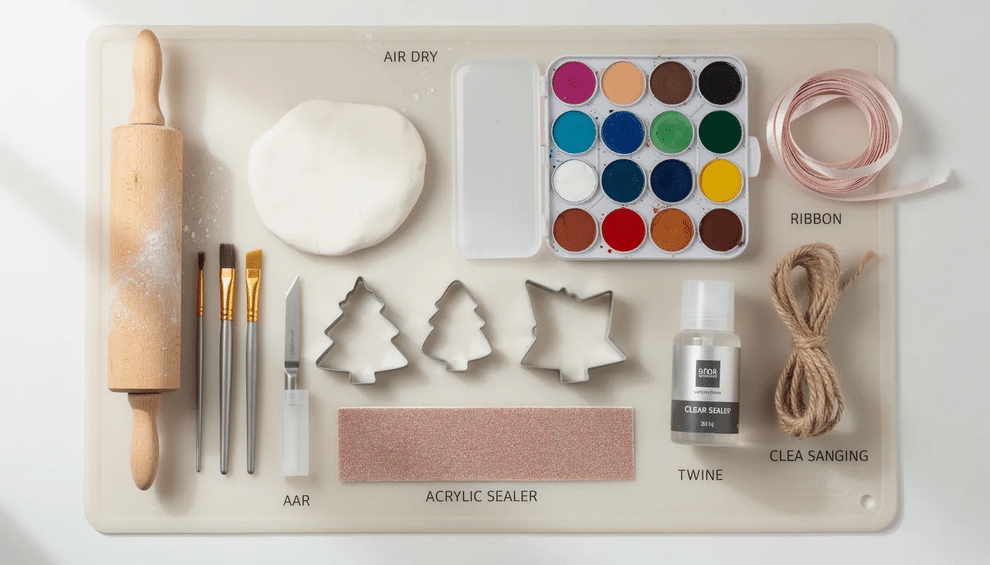
Materials Needed:
- Air dry clay
- Rolling pin
- Silicone mat
- Watercolor paints and brushes
- Craft knife or cookie cutters
- Fine sandpaper
- Sealant (spray varnish or acrylic sealer)
- Ribbon or twine for hanging
Instructions:
- Roll out your air dry clay on a silicone mat to an even thickness, about 1/4 inch.
- Use cookie cutters or a craft knife to cut out your desired ornament shapes.
- Add texture or stamp impressions to the clay surface to create interesting patterns.
- Poke a small hole near the edge of each ornament to attach hanging ribbon later.
- Allow the clay ornaments to dry completely, which may take 24-72 hours depending on thickness.
- Once dry, gently sand any rough edges and dust off the surface.
- Paint the ornaments lightly with watercolor paints, letting the pigment soak into textured areas for a soft effect.
- Allow the paint to dry fully between layers and after finishing.
- Seal the painted ornaments with multiple thin coats of spray varnish or acrylic sealer.
- Attach ribbon or twine through the holes for hanging.
Troubleshooting Paint Air Dry Clay Problems
If you notice bleeding or smudging of paint, lightly sand the affected area once dry and repaint using thinner layers. To prevent peeling paint, always ensure your clay is completely dry before painting and avoid applying thick coats of paint. If colors fade over time, apply a compatible sealer to protect the pigments.
Final Considerations And Next Steps
Painting air dry clay with watercolors is a super easy and creative way to add color and personality to your craft projects. One useful trick is to lightly dampen the clay before applying watercolors, which helps the paint blend smoothly and prevents harsh lines. Chalk paint offers a soft, matte finish that works well on air dry clay and provides a slightly textured look. You can also try Rub n Buff, a wax-based metallic paint, to achieve a vintage metallic finish on your pieces. Experiment with different paint combinations, layering techniques, and textures to find your favorite effects. Document your test outcomes and techniques for future reference. For more ideas and tutorials on painting air dry clay, explore additional resources and keep crafting!
Key Takeaways for Painting Air Dry Clay with Watercolors
- Always allow air dry clay to dry fully before painting; this can take 24–72 hours depending on the size and thickness.
- Apply watercolors directly to the bare, porous clay for best results—do not use a primer.
- Use multiple thin, watered-down layers of watercolor to build up color intensity without causing cracking or peeling.
- Avoid using excessive water when painting, as too much moisture can make the clay soft or fragile.
- Once your painted piece is completely dry, seal it with a suitable spray varnish or acrylic sealer to protect the finish and prevent the paint from rubbing off.
- Sealing is essential for durability and to enhance the vibrancy of your watercolor designs on air dry clay.