
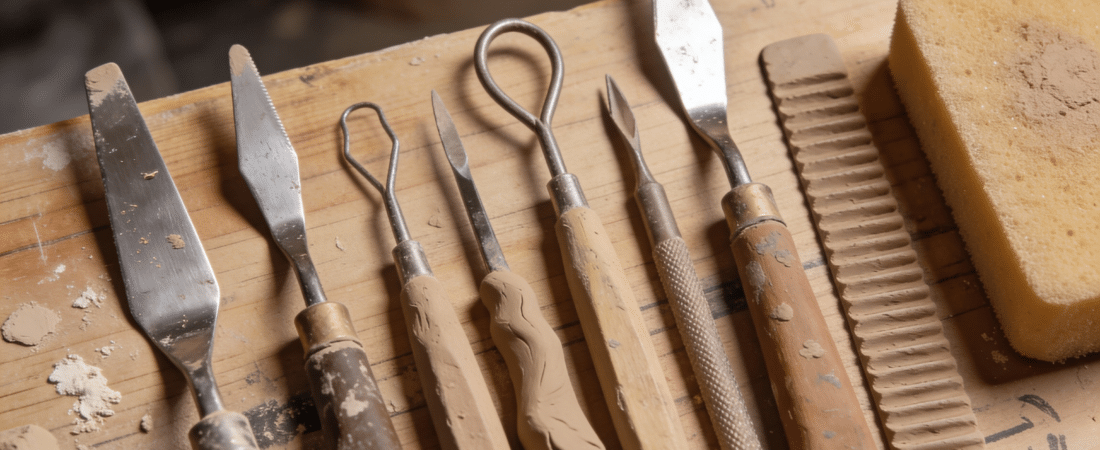

Clay crafting is a rewarding and versatile hobby that allows you to shape, mold, and create a wide variety of forms, patterns, and textures. With the right tools for clay, anyone can bring their creative visions to life, whether you’re making simple ornaments or intricate sculptures. From essential polymer clay tools to specialized sculpting tools, there’s a vast array of accessories designed to help you achieve professional results. These tools provide the precision and control needed to create various shapes and add unique details to your projects. No matter your skill level, clay crafting offers endless opportunities for self-expression, and having the right tools on hand is the first step to making your ideas a reality.
This guide is designed for both beginners and experienced artists interested in clay crafting. Choosing the right tools for clay can greatly impact the quality and enjoyment of your creative projects.
Essential Tools for Clay: Quick Reference Table
Below is a summary of the essential tools for clay, especially for beginners. These tools cover cutting, shaping, smoothing, and adding detail to your clay projects.
| Tool | Purpose |
|---|---|
| Wire Cutter | Slicing clay from larger blocks or off the wheel |
| Wooden Modeling Tools | Shaping, sculpting, and adding detail |
| Needle Tool | Cutting, incising, scoring, and measuring clay thickness |
| Ribbon Tool | Trimming, carving, and hollowing out clay |
| Fettling Knife | Precise cutting, trimming, and carving |
| Rib Tools | Shaping, smoothing, and scraping surfaces (available in wood, metal, rubber) |
| Sponges | Cleaning, smoothing edges, and controlling moisture |
| Rolling Pin | Rolling out consistent, flat slabs of clay |
| Spray Bottle | Hydrating clay during work |
| Acrylic Roller | Rolling out polymer clay and creating even slabs |
- What Are Clay Tools?
- Different Types of Clay Tools
- Preparing Clay
- Polymer Clay: Choosing and Storing
- Polymer Clay Tools: Essentials by Skill Level
- Sculpting Tools: Uses and Care
- Acrylic Roller: Tips, Sizes, and Alternatives
- Workspace Setup and Maintenance
- Baking, Finishing, and Safety for Polymer Clay
- Troubleshooting Common Issues
- Advanced Techniques
- Buying Guide and Brands
- Wholesale and Bulk Ordering Tips
- Product Comparison and Decision Tools
What Are Clay Tools?
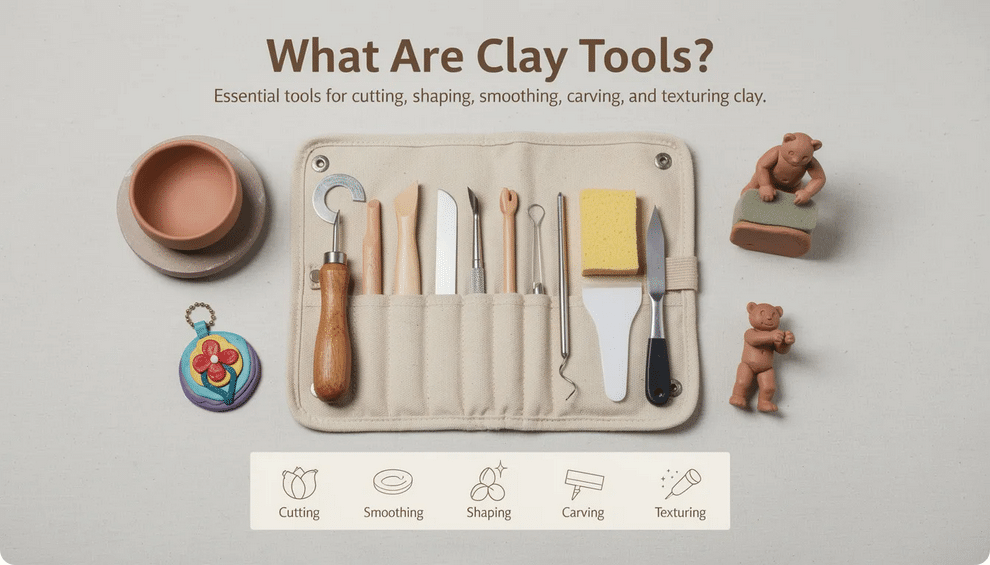
Clay tools are specialized instruments designed to assist artists and hobbyists in shaping, detailing, and finishing clay projects. Clay tools are essential for shaping, carving, and refining clay work. Whether you are working with polymer clay, pottery clay, or sculpting clay, these tools help you create clean lines, add texture, and refine your work. Quality pottery tools can enhance the creative process for artists of all skill levels. For beginners, understanding the basic functions of clay tools is essential to get started confidently and achieve professional-looking results. As you learn about the right tools, your chance of success in clay projects increases significantly.
A basic toolkit for beginners should include tools for cutting, shaping, smoothing, and adding detail.
Common clay tool functions include:
- Cutting
- Smoothing
- Shaping
- Carving
- Texturing
These tools range from simple hand tools like blades and rollers to more complex sculpting instruments such as loop tools and fine-detail needles.
Different Types of Clay Tools
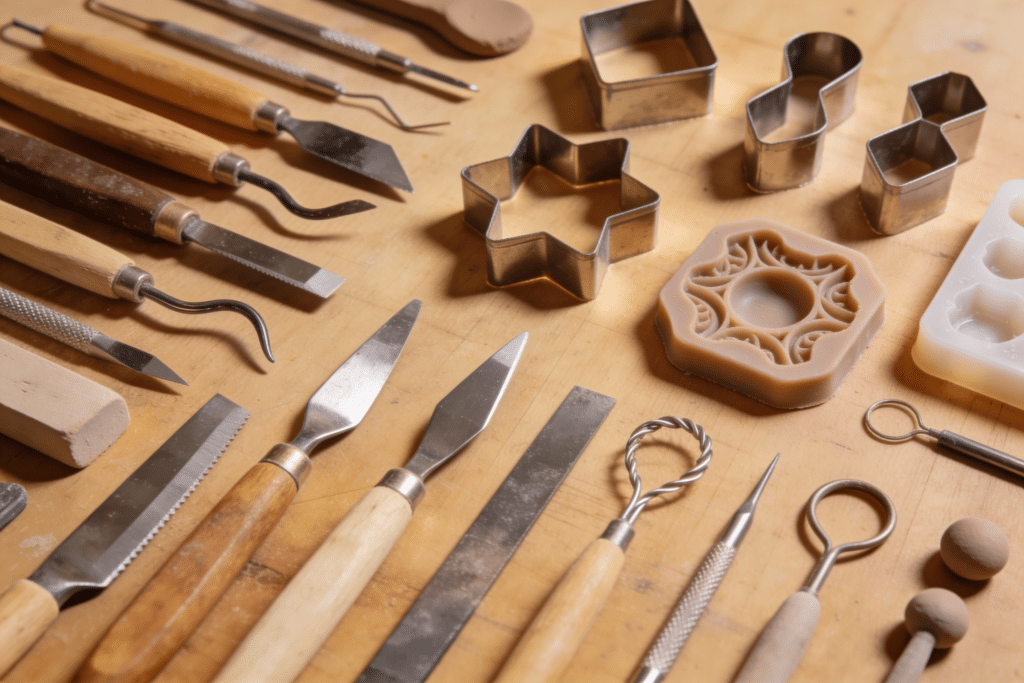
Different types of clay tools are available for various artistic techniques.
Pottery Tools
- Pottery Tools: Designed for ceramics and wheel throwing, including ribs, fettling knives, and trimming tools.
Polymer Clay Tools
- Polymer Clay Tools: Often include cutters, molds, texture sheets, and hand tools like blades and rollers.
Sculpting Tools
- Sculpting Tools: Used for detailed modeling and shaping, such as loop tools, modeling tools, and fine-detail needles.
Each category serves different purposes but can sometimes overlap depending on your project needs.
Polymer Clay Tools
Polymer clay tools are essential for working with this versatile material. Some of the most popular polymer clay tools include:
- Cutters: Available in various shapes and sizes, cutters help you create clean lines and precise shapes in your clay.
- Molds: These come in different patterns and designs, allowing you to easily imprint textures or create consistent shapes.
- Texture Sheets: Used to add surface patterns and intricate details to your clay projects.
- Hand Tools (Blades, Needles): Blades are perfect for cutting and trimming, while fine needles help with detailing and carving.
Sculpting Tools
Sculpting tools are crucial for artists working with clay for detailed modeling and fine craftsmanship:
- Loop and Ribbon Tools: These tools have a shaped metal loop and are used for carving out clay, creating intricate details, trimming, carving, and hollowing out clay.
- Modeling Tools: Versatile tools for smoothing, shaping, and adding texture.
- Fine-Detail Needles: Perfect for intricate detailing and carving small patterns.
- Wire Cut-Off Tool: A sturdy wire tool used for slicing clay from a larger block or cutting pieces off a potter’s wheel. Quality wires are important for maintaining and customizing pottery tools for better control and durability.
Preparing Clay
Before you start shaping and designing your clay creations, it’s essential to properly prepare your clay. Conditioning the clay by kneading it thoroughly helps eliminate air bubbles and makes the material more pliable and easier to work with. Using sculpting tools such as acrylic rollers and cutters can help you achieve a smooth, even texture and clean lines right from the start. Always work on a clean, stable work surface—whether it’s your kitchen table or a dedicated craft area—to prevent dust and debris from getting into your clay. Taking the time to prepare your clay with the right tools ensures a solid foundation for your project and makes the crafting process smoother and more enjoyable.
Polymer Clay: Choosing and Storing
When selecting polymer clay, consider the hardness and flexibility based on your project requirements. Beginners are often recommended to use brands like Premo or Fimo Professional, which are suitable for a wide range of crafts and provide a good balance of workability and durability.
Proper storage extends the life of your clay. Store opened blocks in airtight containers or non-reactive plastic bags, such as Ziploc, to prevent drying out. Always test storage materials to ensure they do not react with the clay.
Polymer Clay Tools: Essentials by Skill Level
Beginner Essential Tool Kit
- Acrylic roller
- Basic shape cutters
- Craft knife
- Ruler
- Oven thermometer
For more inspiration on essential art supplies that foster creativity in young artists, check out this guide.
Intermediate Tool Upgrades
- Texture sheets
- Molds
- Pasta machine for conditioning clay
- More specialized blades
Advanced Specialty Tools
- Precision sculpting tools
- Custom molds
- Professional-grade rollers
Replacement Intervals
- Consumables like blades and cutters should be replaced regularly to maintain clean cuts and fine details.
Sculpey tools are excellent choices for both beginners and professionals in the clay crafting community.
When starting with polymer clay, consider your budget and make informed decisions about which tools to buy to get the most value and effectiveness from your starter kit.
Sculpting Tools: Uses and Care
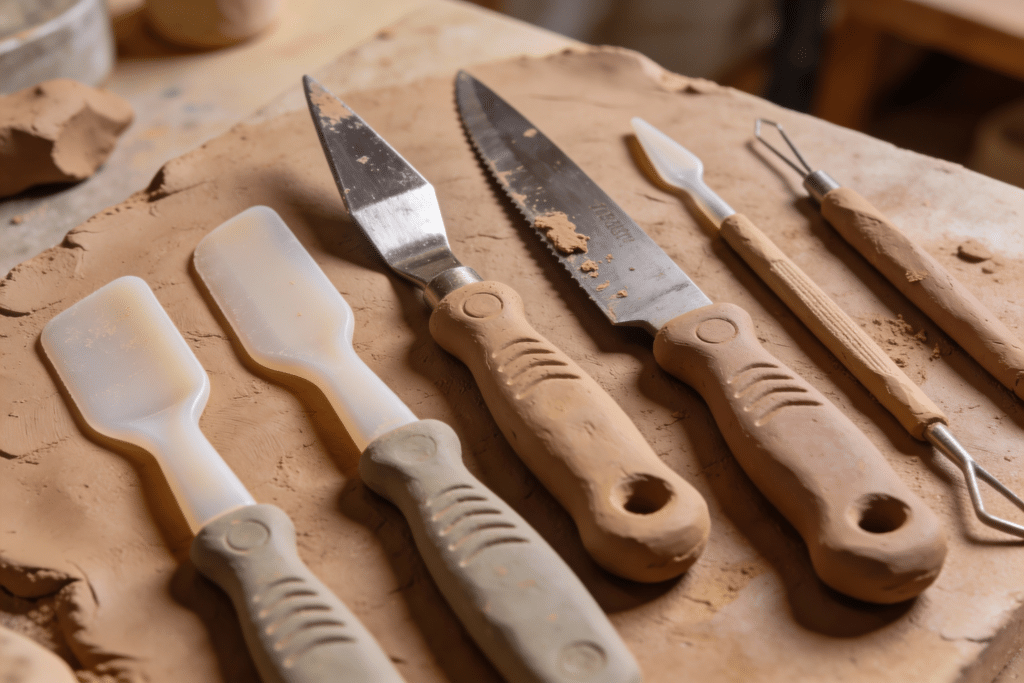
Metal sculpting tools offer sturdiness and durability, while silicone tools provide flexibility and are gentle on delicate clay surfaces. Ergonomically designed handles improve comfort during long work sessions, and a comfortable handle is essential for maintaining control and reducing fatigue when working with clay for extended periods.
A fettling knife, a sharp, thin knife for precise cutting, trimming, and carving, is one of the most used tools in pottery studios.
To keep your tools in good condition, clean them after each use with warm water and mild soap. Avoid harsh chemicals that can damage the tool surface.
Acrylic Roller: Tips, Sizes, and Alternatives
An acrylic roller is a great tool for creating even slabs of polymer clay, making it necessary for rolling out consistent, flat slabs of clay. Rollers come in various widths, with 4 to 6 inches being ideal for most projects. Use smooth, consistent pressure to avoid uneven thickness.
Alternatives to acrylic rollers include pasta machines, which can condition and flatten clay simultaneously, or simple household items like glass bottles or dowels.
Workspace Setup and Maintenance
Choosing a Workspace
Set up your workspace in a nice, well-lit place—whether it’s a dedicated studio, a room in your house, or a corner of your kitchen. A non-carpeted floor is recommended to prevent clay from getting walked into the carpet.
Essential Supplies
Use a canvas or slab mat to provide a non-stick surface for rolling clay, or try a silicone mat or glass window to prevent clay from sticking. Good lighting is essential to see details clearly, and proper ventilation helps avoid inhaling any dust or fumes.
Organization Tips
Keep your work area organized with storage containers for tools and clay accessories, making it easy to find what you need and maintain a clean environment. Having a few essential supplies on hand allows you to set up and pack away your workspace quickly. You can stock up on basic tools and supplies at a hardware store as a cost-effective alternative to specialty shops, ensuring your workspace is always well-stocked.
Baking, Finishing, and Safety for Polymer Clay
Baking Polymer Clay
Bake polymer clay in a dedicated oven or toaster oven following the manufacturer’s temperature guidelines. Avoid using your regular kitchen oven to prevent contamination and exposure to fumes.
Finishing Techniques
Finishing supplies include sandpaper, buffing tools, and varnishes to smooth and protect your finished pieces. Sponges are useful for cleaning, smoothing edges, and controlling moisture, while a spray bottle is used for hydrating clay during the finishing process. When joining slab seams, creating a bevelled edge can make the connection much stronger. Pay special attention to the ends of clay pieces, trimming or smoothing them as needed, to achieve a clean, professional finish.
Safety Tips
Always work in a well-ventilated area and use personal protective equipment like gloves and masks when sanding or applying finishes.
Troubleshooting Common Issues
Even with the best tools and preparation, you may encounter some common challenges when working with clay. If your clay feels dry or brittle, try adding a small amount of water and kneading it until it becomes soft and workable again. Uneven or lopsided shapes can result from inconsistent pressure or lack of support while working. To address this, use a ruler or straightedge to guide your tools and help maintain symmetry in your shapes. Don’t hesitate to pause and assess your work as you go—making small adjustments with your tools can help you achieve the clean, professional look you’re aiming for. By troubleshooting these issues and refining your techniques, you’ll gain confidence and enjoy the creative process even more.
Advanced Techniques
Once you’re comfortable with the basics, exploring advanced techniques and tools can open up new possibilities in your clay crafting journey. Tools like the turnet—a rotatable metal top plate—are ideal for detailed decorating, glazing, and modeling, allowing you to create intricate patterns and textures with ease. Advanced methods such as carving, cutting, and smoothing let you add fine details and unique finishes to your pieces. Investing in high-quality clay tools, polymer clay tools, and sculpting tools can make a significant difference in the level of detail and professionalism you can achieve. Whether you’re adding texture, refining shapes, or experimenting with new decorating techniques, the right equipment will help you create standout pieces that showcase your skills and creativity.
Buying Guide and Brands
When purchasing tools for clay, it’s important to choose a reputable company you can rely on for quality products and dependable customer support. Investing in the right tools is worthwhile and can make all the difference in your creative process. Recommended brands include:
- Sculpey
- Fimo
- Kato
Many artists love using ribs and scrapers—kidney-shaped tools used to smooth, shape, and compress clay surfaces. Rib tools, available in wood, metal, or rubber, are essential for shaping, smoothing, and scraping surfaces, while scraper ribs are versatile for scoring and texturing in pottery.
Purchase tools from specialized art supply stores, ceramics shops, or online retailers to ensure you receive genuine products. Compare features and prices to find the best fit for your needs and make a smart investment in tools that will last.
Wholesale and Bulk Ordering Tips
For educators, studios, or businesses, buying tools in bulk can save money. When running a busy ceramics studio, it’s essential to keep a good stock of tools and supplies to meet the demands of multiple projects or students. Negotiate discounts with suppliers and consider shipping logistics to ensure timely delivery and proper storage.
Bulk orders often include starter kits or complete tool sets that cover a wide range of clay crafting needs.
Product Comparison and Decision Tools
Use comparison tables and checklists to evaluate different tools based on material, size, function, and price. This helps you make informed decisions and select tools that best suit your projects.
FAQ Section
Q: Can I use regular kitchen knives for polymer clay?
A: It is not recommended as kitchen knives may dull quickly and contaminate your clay.
Q: How often should I replace my clay tools?
A: Replace blades and cutters when they become dull to maintain clean cuts; other tools can last years with proper care.
Q: Are silicone tools better than metal for sculpting?
A: Both have advantages; metal tools are sturdy, while silicone tools are gentler on delicate surfaces.
This guide offers a comprehensive overview of tools for clay, helping beginners and experienced artists alike to choose, use, and care for their equipment, ensuring successful and enjoyable clay crafting experiences.