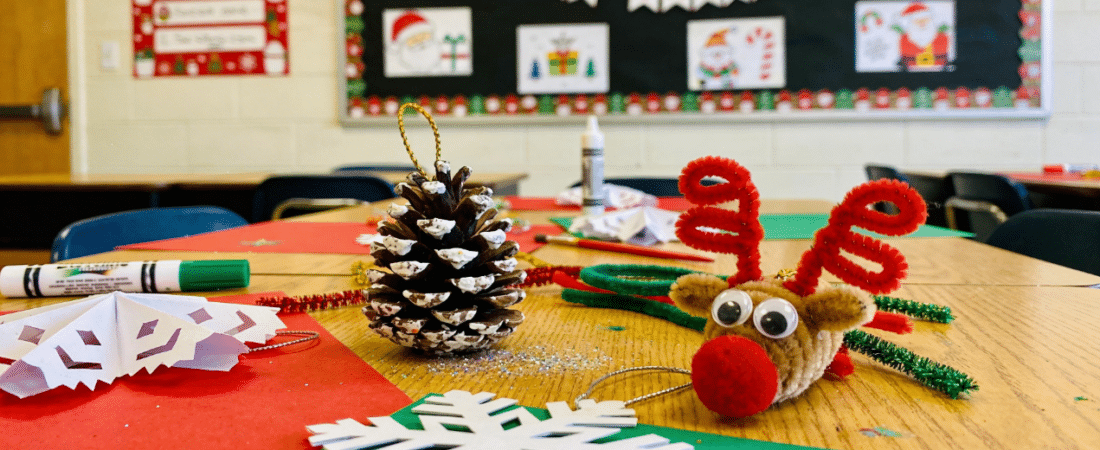

The holiday season brings unique energy to grades 4–6 classrooms—a mix of excitement, restlessness, and dwindling attention spans as winter break approaches. This guide is designed for upper elementary teachers seeking engaging, skill-building Christmas crafts for grades 4–6. Upper elementary typically refers to grades 4–6. Upper elementary Christmas crafts offer a strategic solution for teachers navigating late November through December. These Christmas crafts aren’t just time-fillers; they’re designed to balance creativity with academic skills like reading, writing, math, and STEM (Science, Technology, Engineering, and Math) concepts, so you’re not sacrificing instructional time for festive fun.
Most projects in this guide use inexpensive classroom supplies—construction paper, markers, recycled cardboard, and items you might already have in your supply closet—while still supporting the benefits of arts and crafts for child development. Each activity can typically be completed in 30–60 minutes. You’ll find concrete project ideas, estimated completion times, and practical tips for managing group work and inevitable messes throughout each section.
- Planning Upper Elementary Christmas Crafts (Without Losing Your Sanity)
- Quick One-Period Christmas Crafts (30 Minutes or Less)
- Christmas STEM and Engineering Crafts for Upper Elementary
- Literacy-Rich Christmas Crafts: Reading and Writing Connections
- Math-Integrated Christmas Crafts for Grades 4–6
- Collaborative Christmas Crafts and Classroom Displays
- Low-Prep, Low-Mess Christmas Crafts for Busy Teachers
- Inclusive and Culturally Responsive Holiday Crafting
- Finishing Touches: Display, Reflection, and Extensions
Planning Upper Elementary Christmas Crafts (Without Losing Your Sanity)
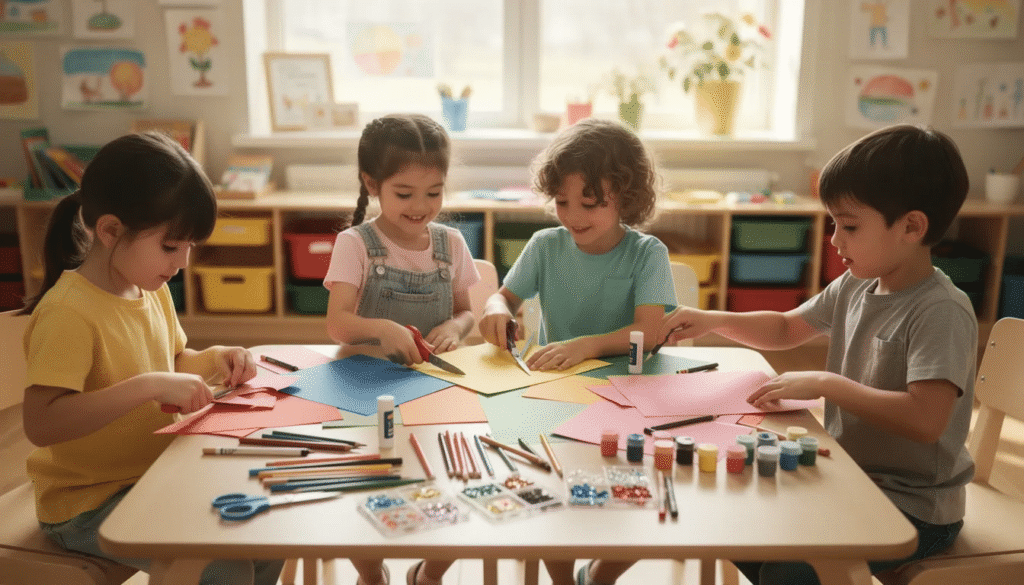
The first two weeks of December and the final 3–4 days before winter break represent prime crafting windows. During these periods, attention spans dip naturally, making hands-on holiday activities more productive than traditional instruction. Smart planning transforms potential chaos into meaningful learning experiences.
Essential planning strategies:
- Choose 2–3 anchor projects for the entire month rather than scrambling for new ideas each week
- Build in fast-finisher extensions such as adding extra details, helping classmates, or starting a bonus craft
- Create simple supply tubs for each table group containing scissors, glue sticks, markers, and craft paper
- Prep materials in advance by pre-cutting shapes or organizing materials into individual kits
Set clear expectations before any crafting session begins. Show one finished sample so students understand the goal. Write 3–4 success criteria on the board: neatness, following directions, creativity, and completion. This prevents the “Is this good enough?” questions that derail momentum.
For students who don’t celebrate Christmas, offer parallel options with winter, New Year, or generic “holiday lights” themes. Having these alternatives ready demonstrates cultural sensitivity while keeping everyone engaged in the same skill-building activities.
With your planning strategies in place, let’s explore some quick, engaging Christmas crafts you can implement in a single class period.
Quick One-Period Christmas Crafts (30 Minutes or Less)
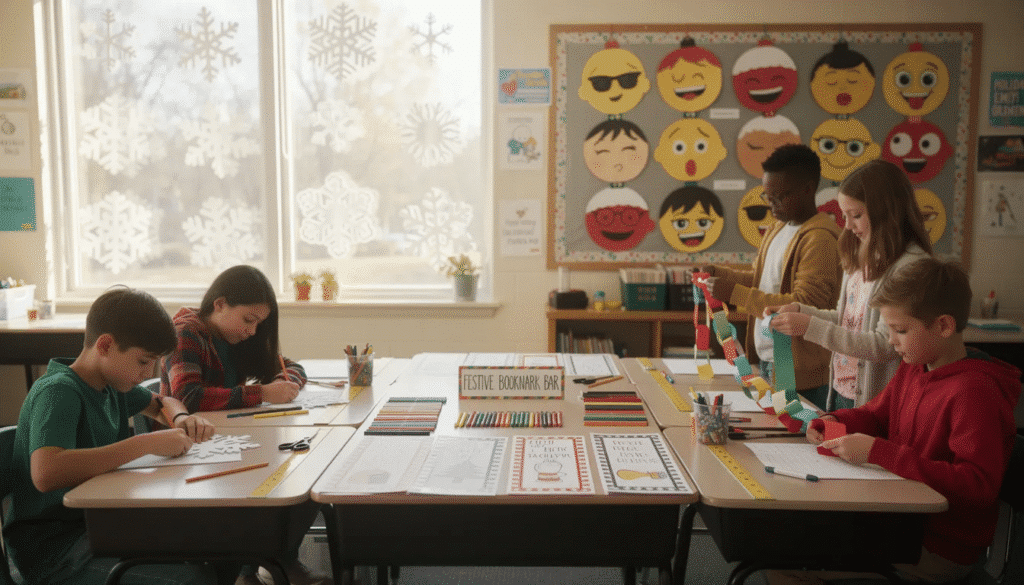
Friday afternoons and sub plan days call for grab-and-go projects that deliver maximum engagement with minimal setup. These easy Christmas crafts work beautifully when you have just 30–40 minutes and need something self-contained, especially if you’re looking for a festive round-up of DIY holiday crafts to mix and match with your classroom plans.
- Geometric Snowflake Window Clings
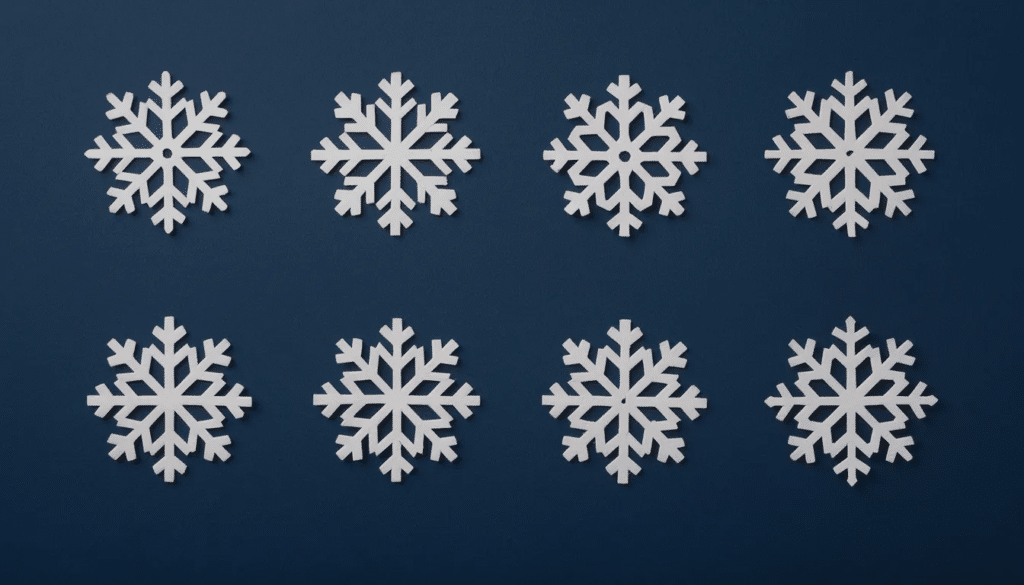
- Students use white paper, rulers, and clear tape to create paper snowflakes with intentional geometric precision. Unlike the fold-and-snip method younger children use, upper elementary students measure angles and plan cuts before executing. This project reinforces symmetry concepts while producing stunning window decorations. Ideal for grades 5–6, completing in approximately 25 minutes.
- Festive Bookmark Bar
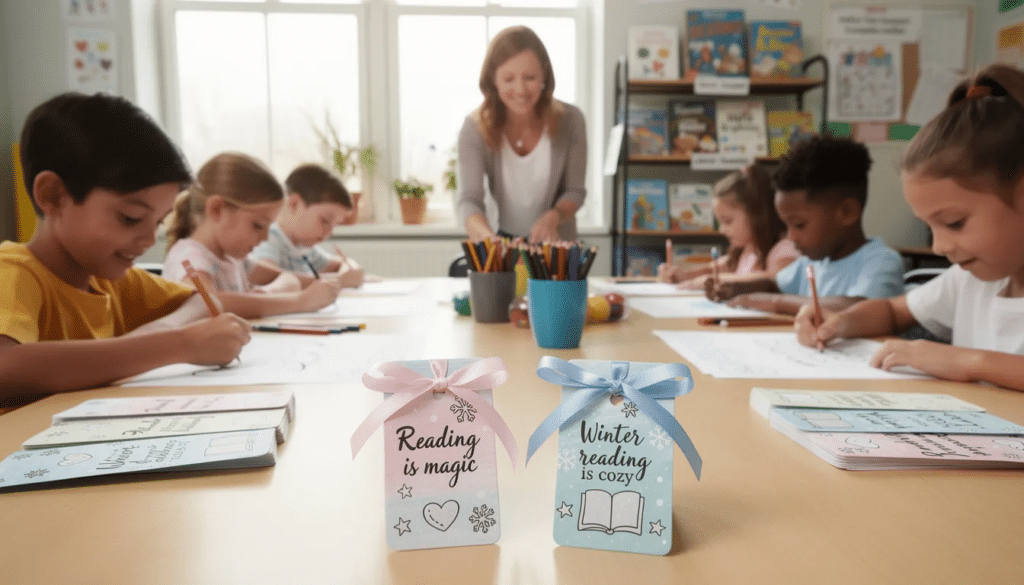
- Students design holiday themed bookmarks for their independent reading books or as gifts. Provide cardstock strips and markers, challenging students to incorporate at least three design elements (borders, illustrations, quotes). This quick activity connects to reading motivation and takes about 20 minutes for grades 4–6.
- Patterned Paper Chain Challenge
- Transform the classic paper chain into a math-focused activity. Students create symmetrical or repeating-pattern garlands using specific color sequences (AB, ABC, AABB). Challenge them to predict how many links they’ll need to reach a certain length. This reinforces patterning skills in about 25 minutes and works across all upper elementary grade levels.
- Holiday Emoji Ornaments
- Cardstock circles become expressive faces representing different emotions—joy, anticipation, gratitude, or even holiday stress. This activity ties directly to social emotional learning by prompting students to identify and illustrate emotions. Students label each ornament with the emotion name on the back. Perfect for grades 4–5, completing in 20–25 minutes.
Now that you have some quick craft ideas ready, let’s dive into Christmas STEM and engineering projects that challenge students’ critical thinking skills.
Christmas STEM and Engineering Crafts for Upper Elementary
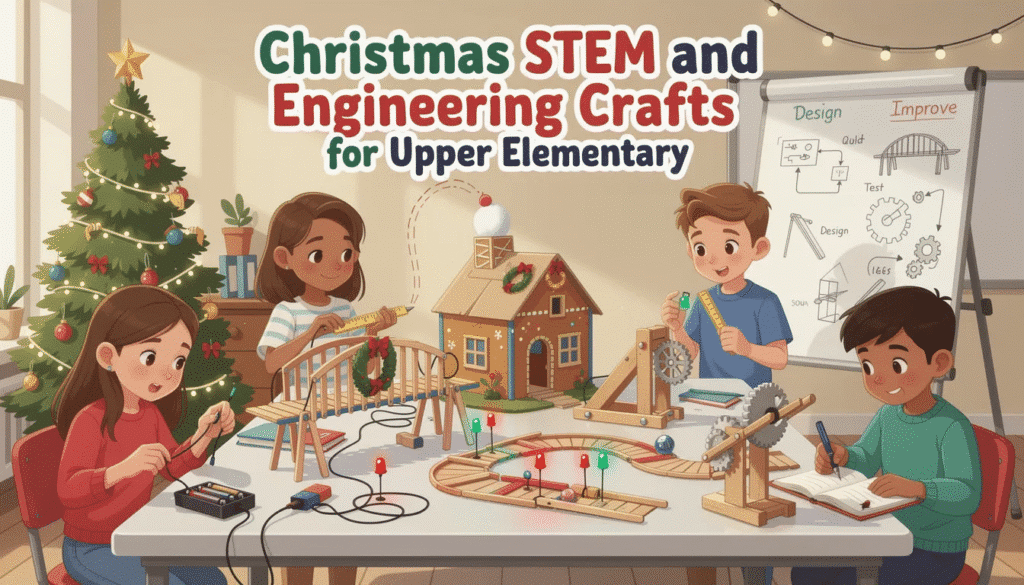
Christmas crafts can double as rigorous STEM (Science, Technology, Engineering, and Math) challenges for grades 4–6, aligning with NGSS-style practices like planning, testing, and revising designs. These fun Christmas art projects develop critical thinking while maintaining holiday cheer, and you can balance them with creative space-themed crafts for kids and adults if your class is excited about astronomy or the solar system.
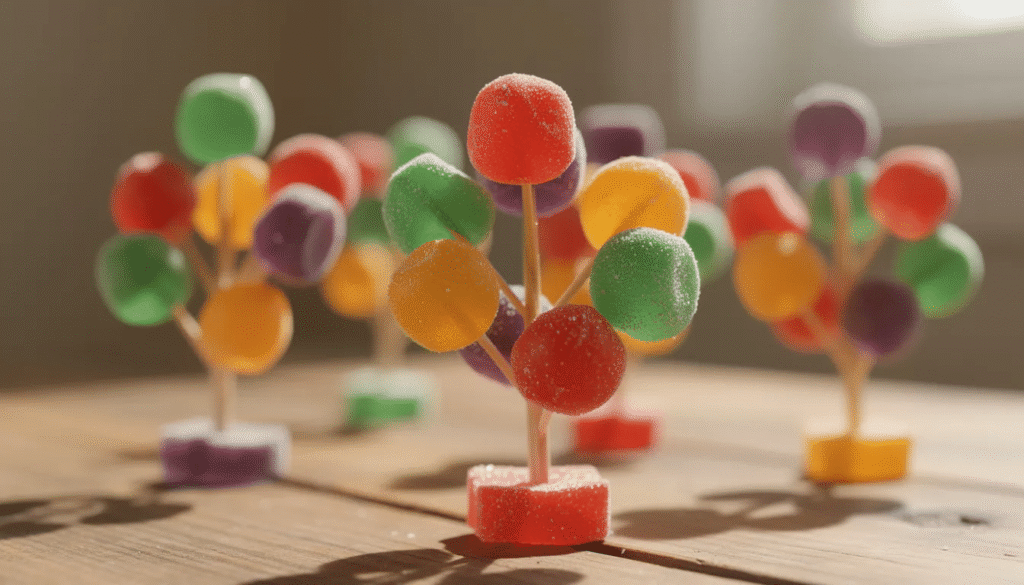
- Gumdrop & Toothpick Tree Towers
- Students build the tallest freestanding Christmas tree-shaped tower using limited gumdrops and toothpicks. Set constraints: each team receives exactly 30 gumdrops and 40 toothpicks with a 15-minute build time. Teams measure final heights in centimeters and record data. This science experiments approach emphasizes structural engineering concepts like triangulation and base support. Students discover that wide bases and triangular shapes create more stable structures than straight vertical builds.
- Snowflake Symmetry Lab
- Students design paper snowflakes, then unfold and analyze them mathematically. They label lines of symmetry using colored pencils and classify the geometric shapes present—triangles, quadrilaterals, hexagons. This activity connects hands-on learning with geometry vocabulary. Extend by calculating the number of each shape type or measuring angles with protractors.
- Elf Zipline Rescue
- Teams design a carrier to transport a small paper elf across the classroom on a string zipline. Students test distance traveled, speed, and landing accuracy, recording data in simple tables. Iteration is key—teams revise designs based on initial failures. This project develops cognitive development through problem-solving and fosters creativity in engineering design.
- Insulated Cocoa Cup Challenge
- Students engineer an insulating sleeve for a paper cup using cardboard, cotton balls, tissue paper, and foil. Fill cups with warm water (not hot for safety) and measure temperature change every 5 minutes for 15 minutes total. Students graph results and discuss which materials provided the best insulation. This connects to thermal energy concepts while keeping the Christmas themed focus.
With STEM and engineering crafts covered, let’s look at ways to integrate literacy skills into your holiday crafting sessions.
Literacy-Rich Christmas Crafts: Reading and Writing Connections
Squeezing in holiday fun without sacrificing literacy minutes matters in the weeks before December report cards. These projects maintain academic rigor while celebrating the Christmas season.
- Christmas Around the World Passport
- Students create mini paper passports using folded craft paper and add stamped or drawn pages for each country studied. Include traditions from Mexico (Las Posadas), Germany (St. Nicholas Day on December 6), and Australia (summer barbecues). Each page requires a short summary citing one fact from a nonfiction passage. This builds research and summarization skills while exploring holiday traditions globally. Students learn Christmas traditions from diverse cultures.
- Persuasive Postcards to the North Pole
- Students write short persuasive texts on illustrated postcards—arguing topics like cold vs. tropical Christmas settings or identifying the best gift for a book lover. The postcard becomes a craft with decorated borders and holiday-themed lettering. This develops communication skills and persuasive writing techniques while producing festive decorations.
- Character Ornament Reports
- After a December read-aloud like “The Best Christmas Pageant Ever,” students choose a character and design a Christmas ornament that symbolizes their traits. A 6–8 sentence paragraph attached to the ornament explains the symbolism. If a character is generous, perhaps the ornament features open hands. This strengthens character analysis and narrative skills through creative representation of Christmas characters.
- Found Poetry Gift Tags
- Students cut words and phrases from old magazines or teacher-provided printed materials and arrange them into 3–4 line poems on sturdy gift-tag cardstock. This introduces found poetry concepts while creating practical items students can gift to family members. The activity develops creative thinking and literary analysis skills.
With literacy connections in place, let’s see how you can reinforce math skills through creative Christmas crafts.
Math-Integrated Christmas Crafts for Grades 4–6
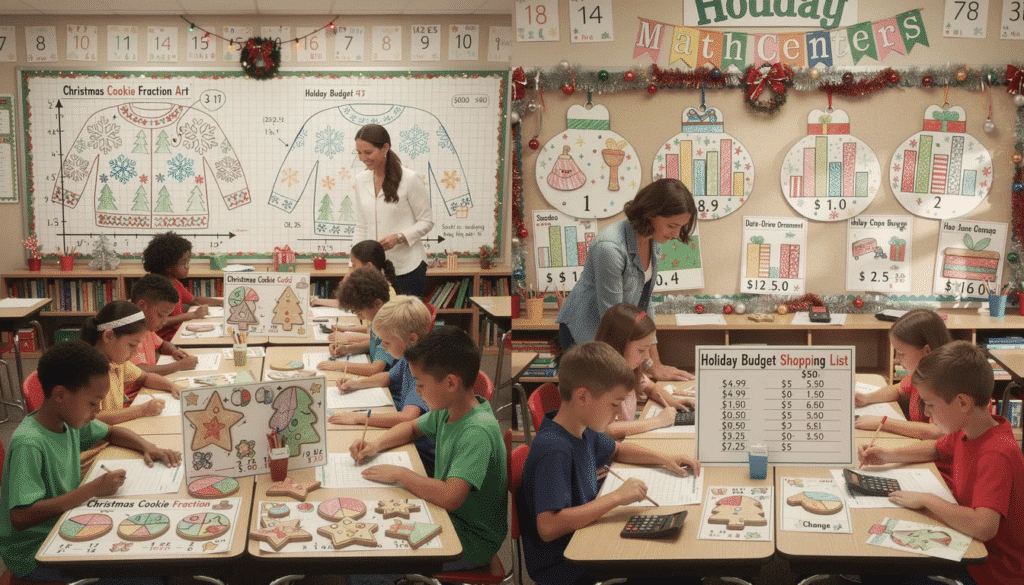
These projects connect directly to common upper elementary standards including fractions, decimals, measurement, and data representation. They’re perfect for math centers or as culminating activities for math lessons.
- Christmas Cookie Fraction Art
- Students design a sheet of paper “cookies” in various shapes—circles, stars, trees—and color exact fractions as specified. For example, color 3/8 of the trees with red ornaments, or shade 2/5 of the star cookies with sprinkles. Below each set, students write fraction and decimal equivalents. This reinforces fraction-to-decimal conversions while identifying shapes and practicing math skills.
- Holiday Budget Shopping List
- Students receive a pretend December budget of $50 and a printed price list featuring gift items with realistic decimal prices. They must select combinations, add decimals accurately, calculate change, and illustrate 2–3 chosen items on a craft poster. This real-world application develops financial literacy and decimal operations—essential skills for older kids.
- Symmetric Sweater Design
- Using grid paper, students draw and color “ugly Christmas sweaters” following symmetry rules. They can plot design elements using coordinate pairs or simply ensure the left and right halves mirror each other. Extend the activity by having students calculate the area or perimeter of their sweater outline. This connects art to geometry standards in a fun way.
- Data-Driven Ornament Graphs
- Conduct a class survey about favorite winter activities or holiday treats. Students then create bar graphs or pictographs on ornament-shaped poster board, decorating each bar with themed colors and patterns. This reinforces data collection and representation skills while producing festive decorations for your hallway display.
With math-integrated crafts ready, let’s move on to collaborative projects that build classroom community and create memorable displays.
Collaborative Christmas Crafts and Classroom Displays
Whole-class and small group projects work exceptionally well in late December to build community and create impressive hallway displays. Collaborative crafting teaches children to work together while producing one-of-a-kind artwork.
- Gratitude Garland for December
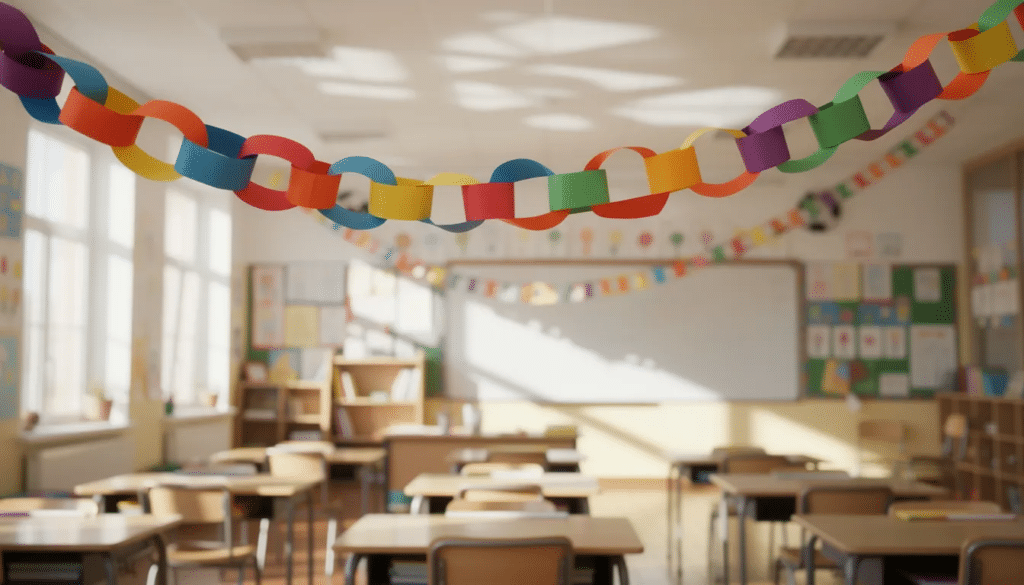
- Each student writes one thankful message on a decorated paper strip, then strips chain together around the room. Use colorful construction paper or leftover wrapping paper for variety. By month’s end, the garland circles the entire classroom—a visual representation of collective gratitude. This simple activity builds class community while encouraging children to reflect on what matters.
- Kindness Countdown Calendar
- Create a large class display with 15–20 numbered envelopes or paper stockings. Behind each is a simple act of kindness that students write and illustrate on small cards—holding a door, giving a compliment, helping a younger student. Each day, one student draws a kindness act for the class to complete. This countdown to break reinforces prosocial behavior.
- Patchwork Quilt Mural
- Each student decorates a 6×6 inch square with a symbol representing their winter tradition—Christmas, Hanukkah, New Year celebrations, winter sports, or family gatherings. Squares mount together on butcher paper to form a large hallway mural. This honors diverse age groups and backgrounds while creating stunning festive decorations, and you can even incorporate owl crafts for kids as a nature-themed option within students’ quilt squares.
- STEM Ornament Museum
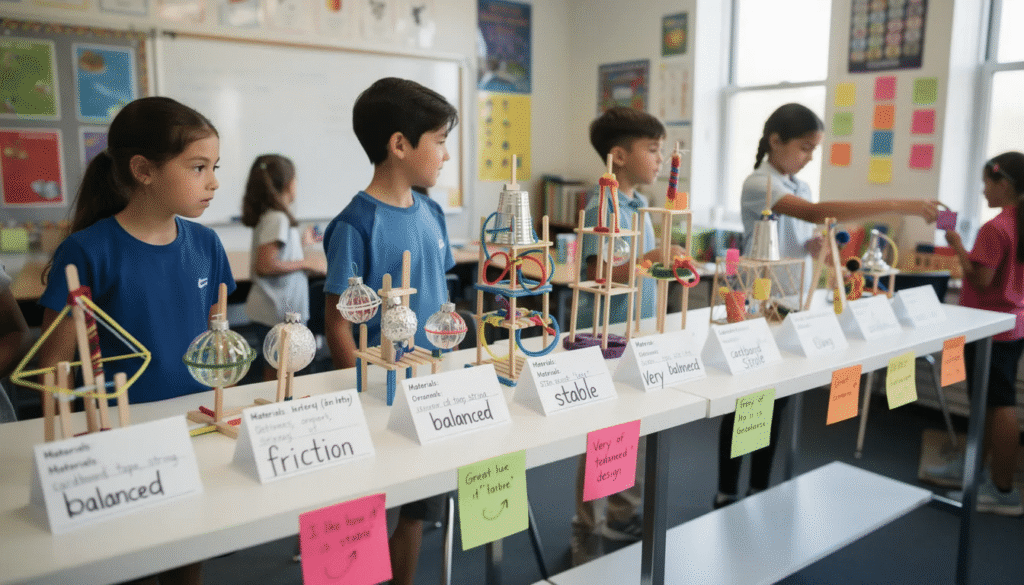
- Students display their engineered ornaments or towers on a designated “exhibit” shelf with index cards naming materials used and one STEM vocabulary term (balanced, stable, friction, tension). Classmates conduct a gallery walk, leaving sticky-note feedback. This museum approach validates student work and reinforces technical vocabulary.
After building community with collaborative crafts, let’s look at low-prep, low-mess options for those extra-busy December days.
Low-Prep, Low-Mess Christmas Crafts for Busy Teachers
When time, energy, or budget runs thin in December, these print-and-go or single-supply crafts save the day. They work perfectly for post-assembly afternoons or days when you just need something calm and contained.
- Black-and-White Zentangle Trees
- Students fill a simple tree outline with repeated patterns using only black pens on white paper. Emphasize calming, mindful drawing with no “wrong” way to complete the patterns. This meditative activity works beautifully for sensory exploration and stress reduction during the hectic festive season. No paint, no glitter, no mess—just focused pattern-making.
- One-Page Comic: “My Most Memorable December”
- Students turn a true or fictional holiday story into a 4–6 panel comic on a photocopied template. This develops visual storytelling and imaginative thinking while requiring only pencils and the template. Comics can feature family traditions, imagined adventures, or school environment memories.
- Paper Strip Snowflakes
- Using only white paper and glue sticks, students cut strips and arrange them into radial snowflake designs glued onto colored backing paper. No folding or complex cutting required—just strip arrangement. This accessible project works for all skill levels and creates impressive results with minimal fine motor skills demands.
- Bookmark Gift Sets
- Students color and cut teacher-provided bookmark templates featuring quotes about kindness or winter reading motivation. Tie completed bookmarks with ribbon as gifts for younger students or family members. This gift wrap style presentation teaches gift-giving while developing coloring precision. Grab templates from dollar tree craft books or free online resources.
With these low-prep crafts in your toolkit, let’s ensure your holiday activities are inclusive and culturally responsive for all students.
Inclusive and Culturally Responsive Holiday Crafting
Upper elementary students are developmentally ready to learn about different December traditions respectfully. Thoughtful craft choices honor diverse backgrounds while building cultural significance awareness.
Offer “Holiday Lights & Winter Wishes” themes as neutral options parallel to Christmas imagery, or include winter animal projects like polar bear crafts for a fun winter activity. This ensures every student can participate comfortably without feeling excluded from the creative experience. The goal is fostering creativity for all learners, regardless of family traditions.
- Winter Tradition Trading Cards
- Students research any seasonal tradition important to their family and create illustrated cards with 3 facts on the back. Traditions might include Diwali (when it falls in late autumn), Kwanzaa (starting December 26), Lunar New Year (previewing January celebrations), or simply how their family celebrates winter. This research project builds cultural awareness and imaginative play with identity exploration.
For explicitly Christmas-specific activities, have opt-in alternatives ready. Some students might create generic snowmen, stars, or winter scenes instead of Santa or reindeer imagery. Present these as equally valid choices rather than “alternative” options that might feel othering.
Invite students to share their preferences privately at the start of December. Those preferring not to participate in holiday themes can access winter or New Year art activities seamlessly. This approach respects family wishes while keeping everyone engaged in skill-building experiences appropriate for their big kids developmental stage.
With inclusivity in mind, let’s finish with ideas for displaying student work, encouraging reflection, and extending learning beyond the craft session.
Finishing Touches: Display, Reflection, and Extensions
Showcasing upper elementary work and prompting reflection deepens learning beyond the crafting session itself. These finishing touches transform Christmas activities into meaningful educational experiences.
- December Gallery Walk
- Dedicate one class period to a gallery walk where students leave short artist statements next to their crafts. Classmates circulate and leave positive sticky-note feedback. This builds visual aids for communication and teaches constructive critique skills. The gallery format validates student effort and creates authentic audience experiences.
- Quick Written Reflections
- Have students complete a half-page response addressing three questions:
- What did you learn (content knowledge or skill)?
- What would you change if you did this project again?
- Which December project would you want to repeat next year?
- These reflections provide valuable assessment data about innate creativity development and skill growth while encouraging metacognitive thinking.
- Have students complete a half-page response addressing three questions:
- Digital Extensions
- Students can photograph their crafts and write captions for a shared slide deck or class blog post. More ambitious classes might create short how-to videos demonstrating their process for early elementary students in a group setting. These extensions develop technology skills while preserving student work digitally, especially effective for translucent window projects like tissue paper stained glass crafts.
- Build Your December Planning File
- Store one sample photograph or physical example of each successful craft in a “December Ideas” folder. Note what worked, what flopped, and any modifications for next year. This investment in small group instruction planning pays dividends when the next holiday season arrives and you need more Christmas crafts ideas ready to go.
The best Christmas crafts for upper elementary balance creative expression with academic rigor. They keep kids involved during challenging pre-break weeks while reinforcing essential skills in math, literacy, science, and social emotional learning. Whether you’re looking for complex crafts that challenge your most capable students or easy Christmas activities that work across multiple age appropriateness levels, the key is intentional planning and clear expectations.
Start small—choose one or two projects from this guide for your first December crafting week. Notice what engages your students, what develops their skills, and what creates the kind of holiday cheer that makes your classroom memorable. Save your best samples, refine your processes, and build a December repertoire that serves you for years to come.