Sensory art activities represent a powerful intersection of creative expression and therapeutic engagement for children with special needs. Whether a child has autism, ADHD, developmental delays, or sensory processing issues, hands-on art projects offer a unique pathway to learning, regulation, and connection. These activities go far beyond keeping kids occupied—they tap into how many children naturally process the world around them.
The benefits of sensory art extend across multiple developmental domains. Children develop fine motor skills through engaging art activities while kneading playdough or gripping brushes. They practice emotional regulation through calming, repetitive motions. They build confidence as they create something uniquely their own. Most importantly, they experience joy and self expression without the pressure of verbal communication or “getting it right.” For non-verbal students or those who struggle to articulate their feelings, art becomes a language of its own.
These activities work beautifully at home, in inclusive classrooms, and in therapy settings. The projects covered here—tactile explorations, visual and auditory experiences, calming crafts, and nature inspired art—require minimal materials you likely already have: flour, rice, cardboard, recycled containers, and basic craft supplies. You don’t need a specialized budget or fancy tools to create meaningful sensory experiences that help children succeed.
- Introduction to Sensory Activities
- Core Principles of Sensory-Friendly Art Activities
- Tactile Sensory Art Activities (Touch-Based)
- Visual and Auditory Sensory Art (See and Hear)
- Calming Sensory Crafts for Emotional Regulation
- Inclusive Art Setups and Adaptive Tools
- Collaborative and Nature-Based Sensory Art
- Implementing Sensory Art Programs
- Tips for Caregivers, Educators, and Therapists
Introduction to Sensory Activities
Sensory activities are a cornerstone of development for children with special needs, offering a multi sensory experience that nurtures growth, creativity, and self-expression. For children with autism or sensory processing issues, these activities provide essential sensory input in a safe and enjoyable way, helping them explore the world through touch, sight, sound, and movement. Sensory art and sensory crafts are especially powerful, as they invite children to experiment with different textures, colors, and materials—whether it’s the soft crinkle of tissue paper, the cool squish of playdough, or the vibrant hues of digital art.
One of the greatest strengths of sensory activities is their adaptability. With minimal materials, parents, educators, and therapists can create engaging sensory bins, calming sensory bottles, or nature inspired art projects that fit each child’s unique sensory sensitivities and preferences. These simple activities can be tailored for children with physical disabilities, ensuring that everyone has the opportunity to participate and succeed. Whether in the classroom, at home, or out in the community, sensory activities become a valuable resource for fostering fine motor skills, encouraging sensory exploration, and supporting self-expression.
The benefits of sensory art extend far beyond the art table. As children create, they build fine motor strength, develop emotional regulation, and gain confidence in their abilities, mirroring many art and craft benefits for child development and growth. Sensory crafts and art ideas can be as varied as the children themselves—from exploring nature’s textures in outdoor collages to experimenting with digital tools that open new avenues for creativity. Each project offers a chance for children to express themselves, connect with others, and experience the joy of making something uniquely their own.
By embracing sensory activities, families and educators can help children with autism and special needs thrive. These experiences not only support development and learning but also bring fun, connection, and a sense of accomplishment to children of all ages. Whether you’re looking for low-prep ideas or innovative ways to explore art, sensory activities are a magical way to fill each week with creativity, discovery, and joy.
Core Principles of Sensory-Friendly Art Activities
Before diving into specific projects, understanding a few foundational principles will make your sensory art sessions more effective and enjoyable for children with special needs. These strategies support children who may be hypersensitive (avoiding certain stimulation) or hyposensitive (seeking increased sensory input).
Think of sensory art as part of a child’s “sensory diet”—the balanced mix of sensory activities throughout the day that helps regulate their nervous system. Just as we need varied textures in our meals, children with sensory sensitivities benefit from planned opportunities to explore textures, sounds, and visual input in controlled, predictable ways. Art projects can serve as calming breaks after challenging tasks or energizing activities before focused work.
Predictable routines matter enormously during art time. Consider using visual schedules or first-then boards that show children what to expect: “First we paint, then we wash hands.” This predictability reduces anxiety and helps students transition smoothly into creative activities. Offering choices—which colors to use, which tools to try, whether to work standing or sitting—supports autonomy and reduces the overwhelm that can come from too many variables at once.
Safety and accessibility should guide every setup decision. Use non-toxic materials, provide large-grip tools for children with limited hand strength, and ensure table heights accommodate wheelchairs or standers. Watch carefully for signs of sensory overload: a child covering their ears, pulling away from touch, or becoming agitated. These signals mean it’s time to gently adjust the activity, offer a break, or switch to less intense materials.
Tactile Sensory Art Activities (Touch-Based)
Many special needs learners fall somewhere on the spectrum between seeking intense touch and carefully avoiding certain textures. Tactile sensory activities let you safely meet children where they are, gradually expanding their comfort zone or providing the deep-pressure input they crave. The following projects offer varied textures and can be adapted based on each child’s unique sensory profile.
Homemade Scented Playdough
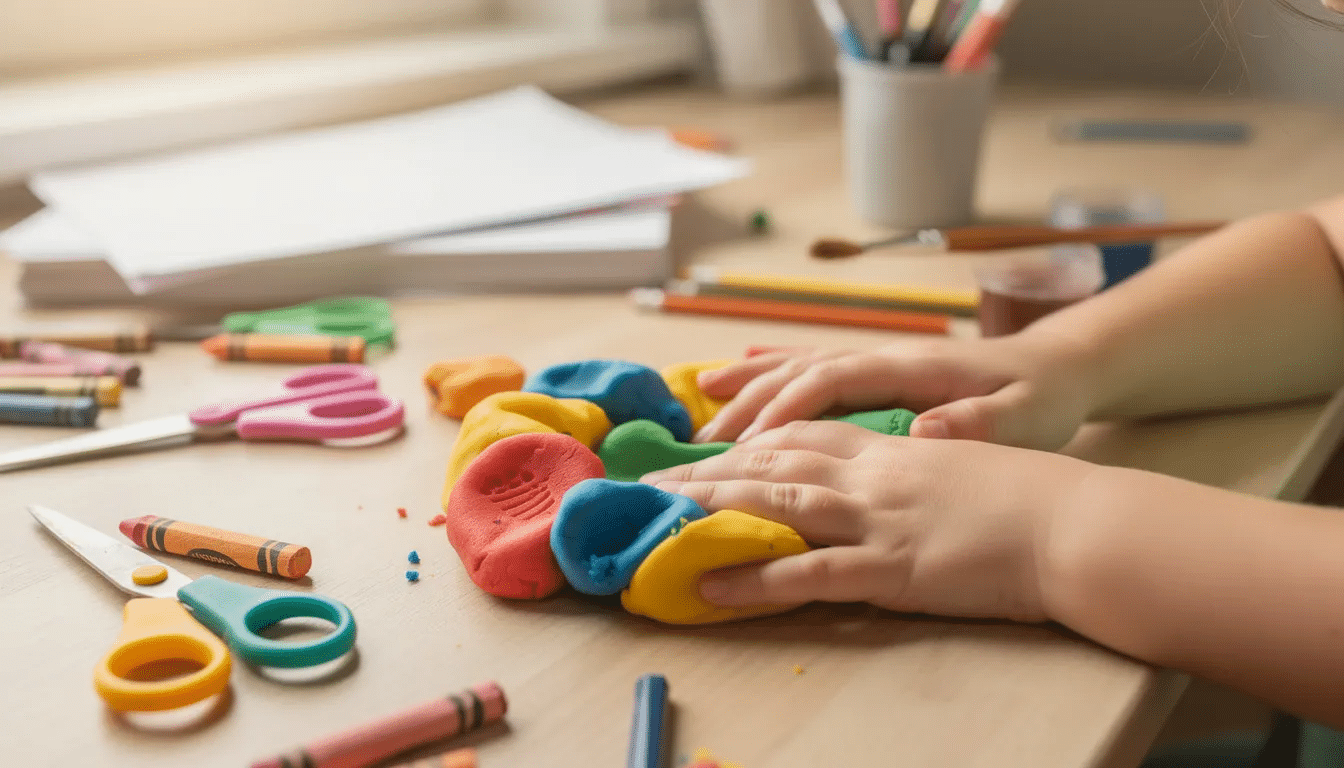
This classic remains a favorite because it delivers a multi sensory experience: touch, smell, and even visual appeal. Combine one cup of flour, half a cup of salt, two tablespoons of cream of tartar, one cup of water, one tablespoon of vegetable oil, and gel food coloring in a pot. Cook over medium heat, stirring constantly until the mixture pulls away from the sides and forms a ball. Once cool, knead until smooth. Add a few drops of vanilla or lemon extract for a calming scent. Children can roll, squish, and cut shapes with cookie cutters—excellent for building fine motor strength in fingers and hands. Other tactile activities include clay modeling, textured sand art projects, playdough with beads or small objects for added texture, and spreading shaving cream on windows or tables for sensory exploration.
Sensory Texture Collage
Gather different textures: sandpaper squares, cotton balls, aluminum foil, bubble wrap, and fabric scraps. Provide cardboard as a base and let children glue pieces wherever they choose. As they work, introduce vocabulary: “bumpy, smooth, scratchy, soft.” This simple activity encourages sensory exploration while teaching descriptive language. Use tissue paper crafts for translucent layers or add felt and ribbon for additional variety. Enhance tactile engagement by incorporating objects such as buttons, beads, or small toys into the collage.
Finger-Paint and Bag Painting Options
For children who seek tactile input, direct finger painting with thick tempera paint provides satisfying resistance and mess. For those who avoid touch or dislike the sensation of paint on skin, try bag painting: place dollops of paint inside a zip-top bag, seal it completely, and tape it flat to the table. Children can push and swirl the paint through the plastic, creating patterns without any direct contact.
DIY Textured Paint
Mix tempera paint with sand, cornstarch, or rice to create thick, resistive paint that provides additional proprioceptive input. This textured medium works well for children who benefit from deep-pressure activities. They can apply it with brushes, spatulas, or even cookie cutters pressed into the surface.
Textured painting can also be done on surfaces like sandpaper, foil, or felt to provide different resistances, allowing children to experience a variety of tactile sensations as they paint.
Each tactile activity can be adapted to individual needs: offer gloves for children who dislike mess, use trays to contain spills, or prepare smaller batches for those with short attention spans.
Sensory bins are another excellent option, allowing children to explore different textures and search for hidden toys or objects, which enhances tactile learning and engagement.
Shaving cream art is a high-sensory experience that is also easy to clean up, making it a fun and practical choice for sensory art activities.
Visual and Auditory Sensory Art (See and Hear)
Visual and auditory stimulation can either calm or energize children with autism and other special needs, depending on the intensity and the child’s individual profile, and three-dimensional projects like preschool 3D art activities can add depth and structure to these experiences. The key is offering controlled experiences that let children experiment with light, color, and gentle sounds at their own pace. Activities like spin art and finger painting are often a hit with many children with autism due to their engaging and mess-free nature.
Watercolor Salt Art
This project creates a magical visual effect that captivates many children. Draw thick lines or shapes with white school glue on cardstock. While the glue is wet, sprinkle table salt generously over the entire surface, then shake off the excess. Now touch a brush loaded with liquid watercolor or diluted food coloring to the salt lines and watch the color spread and travel. The visual process is mesmerizing and provides a low prep activity with high sensory payoff.
Calming Sensory Bottles
Fill a clear plastic bottle three-quarters full with water, then add clear glue or baby oil for slower movement. Drop in food coloring, glitter, sequins, and small beads. Seal the cap with hot glue for safety. When children slowly swirl the bottle, watching the contents drift and settle, it creates a visual focus that supports regulation during stressful moments. These bottles become portable tools for transitions, waiting rooms, or quiet corners. Sensory bottles can be customized to fit a child’s needs and provide visual stimulation.
Stained Glass Window Art offers a natural bridge to simple tissue paper stained glass crafts that can be adapted for different ages and abilities.
Paint with acrylics or permanent markers on transparent plastic sheets or laminating pouches. Once dry, hang the creations in a window where sunlight can stream through, casting colorful shadows. This visual sensory experience transforms ordinary classroom or bedroom windows into art installations.
Shaker Painting
Fill small containers or plastic eggs with dry pasta, rice, or beads and seal them securely. Dip the outside in paint, then let children tap, roll, and shake them across paper taped to the table. The combination of soft sounds and visual patterns created by the rolling containers provides a gentle auditory art experience that many children find both fun and regulating.
Finger painting and using salad spinners for spin art provide visual stimulation without mess, making them a hit for children who may be sensitive to tactile input or who benefit from engaging, low-mess activities.
Salad Spinner Art
To create salad spinner art, place a piece of paper inside a clean salad spinner, add drops of paint, then close the lid and spin. The spinning motion spreads the paint in unique patterns, offering a visually stimulating and mess-free art experience.
To modify visual intensity, dim overhead lights during activities, use pastel colors instead of neon, or offer sunglasses or visors for children sensitive to brightness.
In addition, digital painting using tablet apps can offer sensory art experiences without tactile sensitivity triggers. Digital art making can also be customized for accessibility, helping children with fine motor difficulties participate fully in sensory art activities.

Calming Sensory Crafts for Emotional Regulation
Emotional regulation remains one of the most significant challenges for many children with special needs. Calming crafts can be used proactively—before potentially stressful situations—or as recovery tools after a meltdown. The process of creating something tangible while engaging in repetitive, soothing motions helps activate the parasympathetic nervous system.
Breathing Wands
Decorate craft sticks or cardboard paper tubes with ribbons, yarn, and beads. The finished wand becomes a visual tool for practicing slow breathing: children hold the wand and blow gently, watching the ribbons flutter and move. The visual feedback helps them calibrate their breath, turning an abstract concept into something concrete and enjoyable.
Mindful Coloring
Provide thick-lined, simple designs printed on cardstock—avoid overly detailed patterns that might frustrate. Simply print designs featuring large shapes, nature scenes, or geometric patterns. Pair these with crayons or markers that have triangular grips for improved control. This quiet activity works well during transition times or as a cool-down after high-energy play.
Calm-Down Jars
Distinct from sensory bottles, these smaller jars focus specifically on timing. Fill a small jar with warm water and clear glitter glue, then add fine glitter. The mixture should be calibrated so the glitter settles in approximately 60-90 seconds—perfect for a short self-regulation break. Children can shake the jar, then focus on watching the glitter slowly descend, matching their breathing to the settling pace.
Weighted Fidget Pouches
Create small fabric pouches or decorate cloth bags, then fill them with dry beans or rice before sewing or tying shut. Children can decorate the outside with fabric paint or markers. The finished fidgets provide deep-pressure input when held or squeezed, serving as portable calming tools.
Emphasize using these crafts at predictable times: after lunch, before bedtime, or following intense therapy sessions. Consistent timing helps children anticipate and benefit from the calming process.
Inclusive Art Setups and Adaptive Tools
How you set up your art space matters as much as which craft you choose. A thoughtfully organized environment reduces barriers and allows all children to participate fully, regardless of physical disabilities or sensory challenges.
Adaptive art tools make creativity accessible to children with varied motor skills. Stock your supply collection with the best art supplies for young artists such as thick-handled brushes, foam grip pencils, loop scissors that open automatically, paint rollers, and stampers. These tools work well for children with limited fine motor strength or coordination challenges. Large-handled stamps let children create patterns without precise grip requirements.
Consider seating and positioning supports carefully. Non-slip mats prevent paper from sliding. Slanted writing boards bring the work surface closer and reduce wrist strain. Ensure table heights accommodate wheelchairs or standing frames so every child can participate comfortably.
Individual art kits or bins labeled with each child’s name and picture can hold personal sensory-friendly tools: noise-reducing headphones, favorite fidgets, preferred markers, or gloves for texture-sensitive children, and you can even include DIY kits for creative projects and learning tailored to each child’s interests. Having these resources immediately available reduces setup time and increases independence.
Visual instructions support children who process information better through images than words. Create step-by-step picture cards or one-page visual recipes for activities like DIY playdough or sensory bins. Laminate these guides so children can reference them throughout the process.
Keep the environment organized and not overwhelming by limiting choices to a few colors or tools at a time. Use trays to define personal work areas and contain materials, helping children focus without visual clutter competing for their attention.
Collaborative and Nature-Based Sensory Art
Summer is an ideal time for outdoor, nature-inspired, or group sensory art activities for children with special needs. Working together and exploring the outdoors offer unique social and emotional benefits for children with special needs. Group art projects teach cooperation and turn-taking while nature stick crafts for kids and other nature activities connect children with calming, organic sensory input.
Group Mural Projects
Tape large butcher paper to a wall or floor. Provide rollers, stamps, and sponge brushes so multiple children can contribute simultaneously without crowding each other. This collaborative format builds community while allowing each child to participate at their own comfort level. Some may paint bold strokes across the center while others add small details at the edges—all contributions matter equally.
Nature Collages
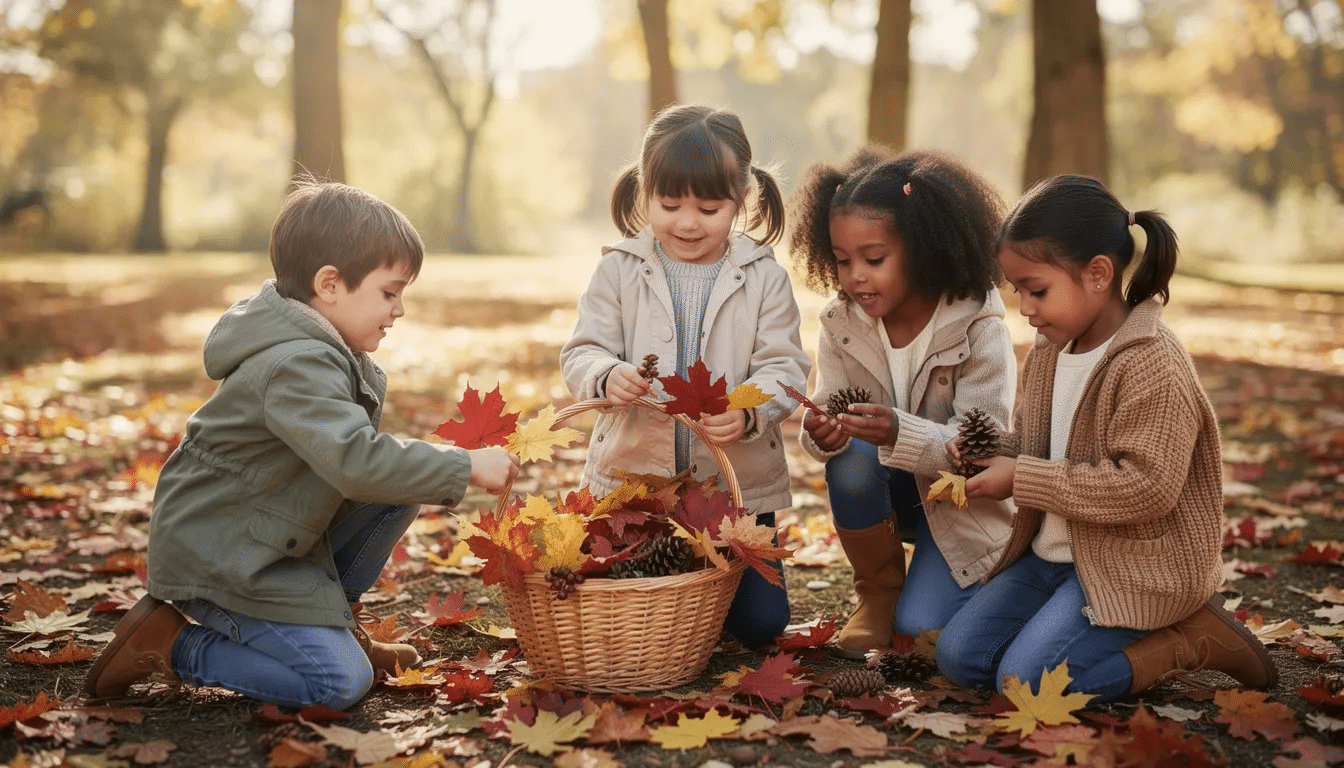
Take a short supervised walk to collect leaves, twigs, flowers, stones, and bark. Back inside, provide cardboard bases and glue for children to arrange their nature finds. This activity encourages sensory exploration of organic textures and patterns while connecting art to the natural world. Nature art projects encourage children to connect with nature while practicing their motor skills. The developmentally rich process of selecting, arranging, and gluing supports planning and decision-making skills.
Outdoor Chalk Art
Draw paths, shapes, and sensory stations on playground concrete or driveways. Create dots for hopping, wavy lines for finger tracing, or spirals for walking. This active art projects movement into the creative process, appealing to children who need physical engagement alongside visual creativity.
Painted Rocks are just one of many colorful craft ideas for a fun weekend that can be easily adapted for different sensory needs.
Wash smooth stones and let children paint them with bright acrylic paint. Once dry, seal with clear varnish. These rocks can fill sensory gardens, decorate classroom displays, or become gifts that children take pride in creating.
Adapt outdoor activities by providing shaded areas for light-sensitive children, ear defenders for those sensitive to neighborhood or playground noise, and portable seating for children who fatigue easily.
Implementing Sensory Art Programs
Implementing sensory art programs in schools, therapy centers, or at home can open up a world of creativity and growth for children with special needs. These programs are more than just a series of art projects—they are a gateway to developing fine motor skills, encouraging sensory exploration, and nurturing self-expression in a fun, supportive environment.
One of the greatest strengths of sensory art is its flexibility. Whether you’re working with children with autism, physical disabilities, or sensory processing issues, sensory art activities can be tailored to meet each child’s unique needs. For example, nature inspired art projects—like creating collages with leaves, twigs, and fabric—invite children to explore different textures and connect with the calming rhythms of the outdoors. Digital art, on the other hand, offers an accessible way for children to experiment with color and design, especially for those who may have difficulty with traditional materials.
Getting started with a sensory art program doesn’t require a large budget or complex supplies. With minimal materials such as paper, paint, glue, and tissue paper, educators and parents can design simple activities that spark creativity and support motor skills development. Sensory bins filled with rice, beans, or sand provide a tactile playground for little hands, while tissue paper collages teach children about color, layering, and pattern in a hands-on way. These art ideas are easy to adapt for different ages and abilities, ensuring that every child can participate and succeed.
The key to a successful sensory art program is variety and choice. Offer projects that let children experiment with different textures—like foam, sandpaper, or fabric—and provide a range of tools such as brushes, sponges, or stamps. Encourage children to create freely, express their ideas, and explore new materials at their own pace. This approach not only builds fine motor strength but also boosts confidence and fosters a lifelong love of art.
To implement a sensory art program, start by assessing the interests and needs of your students. Design a mix of sensory activities that incorporate tactile, visual, and even auditory elements. Create a safe, welcoming space where children feel comfortable to experiment and express themselves. Support their efforts with positive feedback and celebrate every step of the creative process.
Sensory art programs are a valuable resource for educators, parents, and therapists alike. They help children develop essential skills, connect with their peers and community, and experience the joy of making art. By embracing sensory art, you’re not just teaching children how to paint or create—you’re giving them the tools to explore, express, and succeed in their own unique way. With the right strategies, materials, and support, sensory art can become a magical part of every child’s learning journey.
Tips for Caregivers, Educators, and Therapists
Parents, teachers, occupational therapists, and ABA providers all play essential roles in making sensory art accessible and meaningful. Your observations and adaptations transform generic activities into personalized learning experiences.
Strategy | Implementation |
|---|---|
Start small | Begin with 5-10 minute sessions, gradually increasing as tolerance builds |
Document observations | Keep a simple log of materials used, child’s reactions, and preferred textures |
Collaborate with team | Align art ideas with existing therapy goals for fine motor, communication, or social skills |
Prioritize process | Celebrate effort, exploration, and engagement over “perfect” results |
Adapt freely | Modify every activity based on individual sensory profiles and interests |
Remember that the many benefits of sensory art emerge through consistent, patient practice. What overwhelms a child today may become a favorite activity next month with gradual, supported exposure. Watch for small signs of progress: a child who previously avoided paint now tolerates it through a bag, or a student who struggled with scissors now snips with adapted loop scissors. |
The magic of these activities lies not in producing gallery-worthy creations but in the process of creative exploration itself. Every child deserves the joy of artistic expression, regardless of their sensory profile or developmental differences.
Try one new sensory art activity this week. Adapt it freely to fit each child’s unique needs. Document what works, share insights with your team, and keep experimenting. The resource of sensory art remains endlessly flexible—there’s always another texture to explore, another color to swirl, another moment of connection waiting to unfold.