
Searching for preschool 3D art projects? Here you’ll find easy and fun ideas like clay modeling and paper sculptures that engage kids and foster their creativity.
Key Takeaways
- Engaging in 3D art enhances preschoolers’ fine motor skills, creativity, and problem-solving abilities, offering a sensory-rich experience.
- Using materials like recycled items or natural elements in art projects teaches children about sustainability while fostering imaginative play.
- Incorporating open-ended 3D art projects into the curriculum encourages exploration, boosts confidence, and celebrates children’s unique creative expressions.
- Understanding 3D Art for Preschoolers
- Benefits of 3D Art for Preschoolers
- Simple and Fun 3D Art Projects for Preschoolers
- Seasonal 3D Art Activities
- Incorporating 3D Art into Preschool Curriculum
- Best Tools and Materials for 3D Art
- Encouraging Creativity Through Open-Ended Projects
- Showcasing and Celebrating 3D Art Creations
- Summary
- Frequently Asked Questions
- What types of materials are best for preschool 3D art projects?
- How can I incorporate 3D art into my preschool curriculum?
- What are the benefits of open-ended 3D art projects for preschoolers?
- How can I make 3D art projects more engaging for my child?
- What should I do with my child's 3D art creations afterward?
Understanding 3D Art for Preschoolers
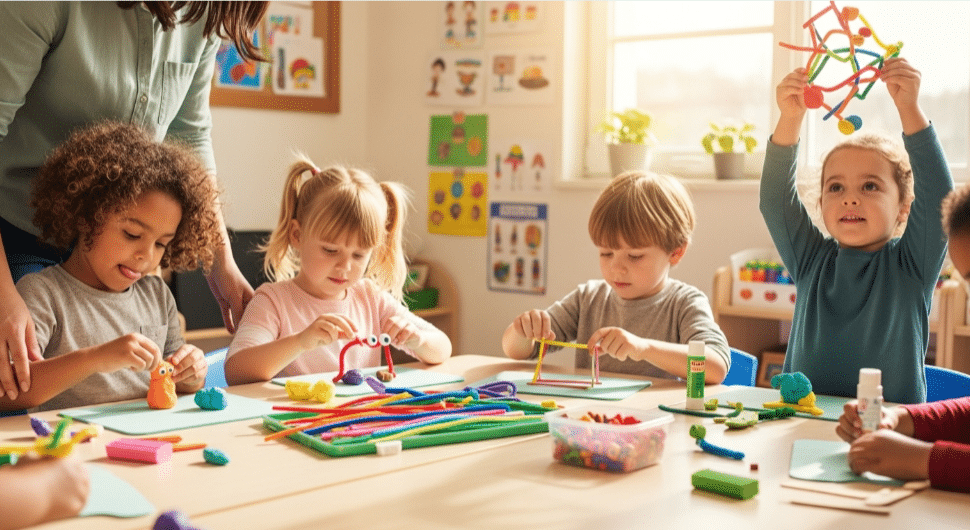
Three-dimensional art, often referred to as 3D art, is a form of creative expression that involves crafting pieces with depth, height, and width. Unlike traditional two-dimensional artwork, which lies flat on a surface, 3D art offers a more immersive and tactile experience. This type of art allows children to engage with their creations in a hands-on manner, manipulating materials to bring their ideas to life. The significance of 3D art in preschool education cannot be overstated, as it engages children in a sensory-rich experience that fosters creativity and spatial awareness.
When children engage in 3D art projects, they are not just creating objects; they are exploring the world around them in a new and exciting way. These activities provide a valuable opportunity for children to develop fine motor skills, improve hand-eye coordination, and enhance their problem-solving abilities. Working with various materials and techniques helps preschoolers think creatively and understand the physical properties of different materials more deeply.
Exploring Different Types of 3D Art
There are many different types of 3D art that preschoolers can explore, each offering unique benefits and creative opportunities. For example, clay modeling:
- Is a popular activity for young children
- Enhances fine motor skills
- Boosts creativity by shaping pliable materials into various forms
- Encourages imagination through molding animals, creating abstract shapes, or crafting simple objects
- Helps develop artistic abilities
Another exciting form of 3D art is creating paper sculptures. This activity enables children to experiment with different textures and shapes, fostering their artistic expression and creativity. By cutting, folding, and assembling pieces of paper, children can create intricate designs and structures that capture their unique vision.
Additionally, building blocks and foam sculpting provide fun and engaging ways for children to develop spatial awareness and problem-solving skills. These activities allow kids to stack and connect pieces, forming imaginative creations without the need for advanced skills.
Benefits of 3D Art for Preschoolers
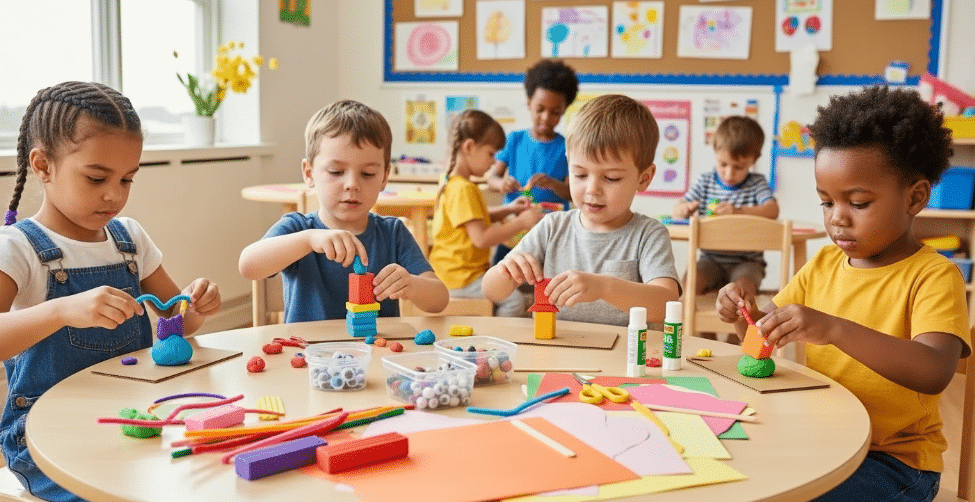
Engaging in 3D art projects offers numerous benefits for preschoolers, including:
- Development of essential skills such as spatial awareness, problem-solving, and fine motor abilities.
- Learning to understand the relationships between different shapes and sizes, enhancing spatial awareness and cognitive development.
- Promotion of fine motor skills, which are crucial for tasks like writing and self-care activities.
As children manipulate materials to create their kindergarten artwork, they gain hands-on activities experience that supports these developmental areas where children learn across various ages.
In addition to physical and cognitive development, 3D art projects also foster creativity and creative thinking by:
- Providing opportunities for children to explore and experiment with different materials and techniques
- Encouraging imaginative play and artistic expression
- Enhancing children’s language development and narrative skills through storytelling within 3D art projects, enriching the creative process.
Moreover, 3D art projects can teach children important lessons about environmental sustainability. Using recycled materials to create sculptures not only promotes creativity but also instills an understanding of reusing and repurposing items. This awareness of sustainability helps children develop a sense of responsibility toward the environment while engaging in fun and creative activities.
Simple and Fun 3D Art Projects for Preschoolers
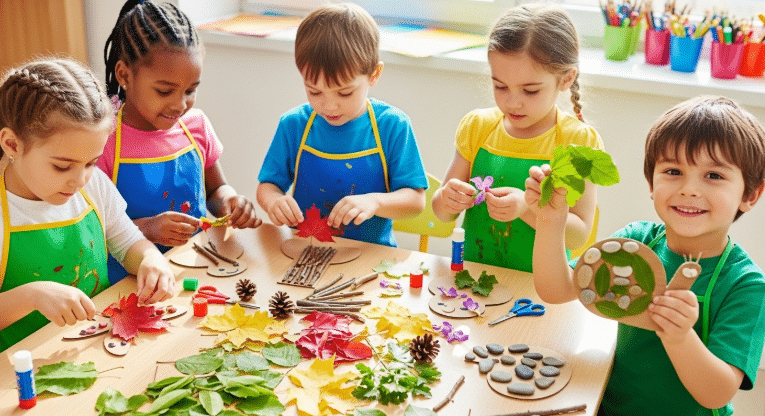
Embarking on 3D art projects with preschoolers doesn’t have to be complicated or require expensive materials. Some of the most enjoyable and creative projects utilize simple items like paper, cardboard, and natural elements. These accessible materials enable preschoolers to express their creativity freely, making art fun and approachable for everyone.
Collaborative 3D art projects also foster teamwork and social skills, as children work together with friends to bring their ideas to life.
Nature Collage Creations
Nature collage creations are a fantastic way for preschoolers to engage with the natural world while developing their artistic skills. Materials like leaves, twigs, and flowers allow children to create beautiful and unique collages that capture the textures and colors of nature. This hands-on activity encourages children to explore their environment and discover the different textures and shapes that natural elements offer.
Incorporating natural elements into organized art projects not only enhances creativity but also promotes sensory exploration and tactile learning. As children collect and arrange their materials, they develop fine motor skills and an appreciation for the beauty of the natural world that is explored, allowing them to learn.
Nature collage creations afterward are a wonderful delight way to combine art for kids and outdoor play, providing a holistic and enriching experience for young artists with paint, videos, and photos.
Recycled Sculpture Building
Recycled sculpture building is an excellent way to teach preschoolers about sustainability while encouraging their creativity and resourcefulness. Everyday materials such as cardboard, plastic bottles, and other recyclables enable children to create imaginative sculptures showcasing their innovative thinking. This activity not only promotes environmental awareness but also helps children develop problem-solving skills as they figure out how to transform ordinary objects into works of art.
Engaging in recycled sculpture building allows children to think outside the box and use their imaginations to create something new and exciting. This hands-on project fosters creativity and teaches valuable lessons about the importance of reusing materials and reducing waste. It’s a fun and educational way to inspire young artists to think creatively and sustainably.
Play Dough Animals
Creating play dough animals is a delightful and engaging activity that allows preschoolers to express their creativity while developing fine motor skills. Materials that can be used include:
- Wooden craft eggs
- Plasticine
- Foam shapes
- Air-dry clay, which hardens without baking, making it easier for children to create lasting projects
These materials let children craft various animals, enhancing their imaginative play with toys and crafts.
For younger children who might put items in their mouths, using edible materials like marshmallows and gumdrops can be a safe and fun alternative.
Play dough animal projects provide a wonderful opportunity for children to explore different textures and shapes while enjoying a hands-on and imaginative activity. It’s a fun way to develop fine motor skills and creativity in a playful and engaging manner.
Seasonal 3D Art Activities
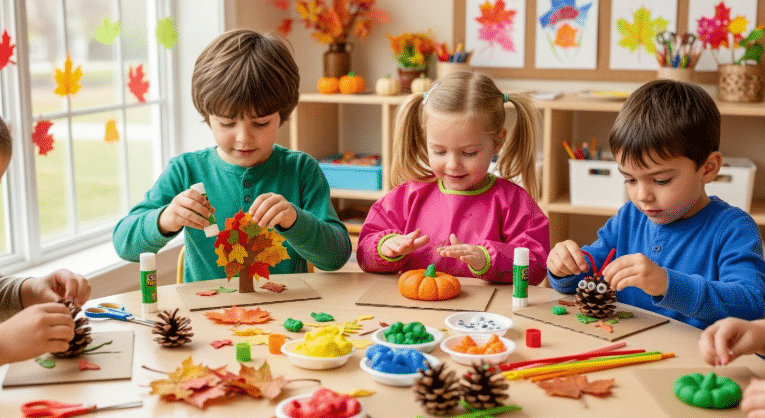
Seasonal 3D art activities are a fantastic way to keep preschoolers engaged and excited about art throughout the year. These projects allow children to connect with the changing seasons and create relevant, thematic artwork that reflects the time of year.
Whether it’s crafting colorful ice sculptures in the winter or creating vibrant sand art scenes in the summer, seasonal art workshops provide endless opportunities for creative exploration and learning.
Winter Ice Sculptures
Winter ice sculptures are a magical way to combine art and science. Colored water in ice cube trays allows children to create vibrant ice sculptures, which can be combined into larger imaginative structures. This activity allows children to explore color mixing and basic physics concepts as they watch the ice melt and refreeze.
Creating ice sculptures is not only a fun and creative activity but also an excellent way to engage children in sensory exploration. The cold, smooth texture of the ice, combined with the vibrant colors, provides a unique and tactile experience that captures children’s curiosity and imagination. It’s a perfect wintertime project that brings the beauty of the season into the classroom or home.
Spring Flower Paper Mache
Spring flower paper mache projects are a delightful way to celebrate the arrival of spring and develop fine motor skills. Using balloons as a base, children can create beautiful paper mache flowers that explore different forms and textures. This hands-on activity allows children to experiment with shape and surface, promoting tactile discovery and artistic expression.
As children manipulate the paper mache materials and balloons, they cultivate essential fine motor skills that are crucial for their development. The process of tearing paper, applying paste, and painting the final product provides a comprehensive and engaging creative experience that can be a blast.
Spring flower paper mache projects are a wonderful way to welcome the new season and inspire young artists.
Summer Sand Art
Summer sand art is a fantastic way to bring the beach into the classroom or home. Using materials like:
- sand
- glue
- sturdy bases such as cardboard or wooden boards children can create textured summer scenes that reflect their creativity and personal expression. This hands-on activity encourages sensory exploration and imaginative play, making it a perfect summer project for preschoolers.
The creative process of spreading glue, sprinkling sand, and adding details allows children to develop fine motor skills and engage in artistic exploration. Summer sand art projects provide a fun and interactive way for children to express their creativity while enjoying the tactile experience of working with sand.
It’s a great way to celebrate recently the summer season and inspired young artists to sign their work.
Incorporating 3D Art into Preschool Curriculum
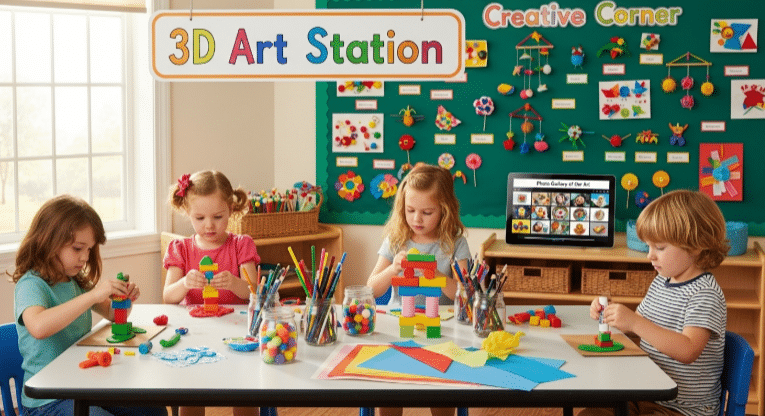
Incorporating 3D art into the preschool curriculum can greatly enhance children’s creative skills and overall learning experience. Key aspects include:
- Setting up a dedicated art station encourages children to explore 3D art at their own pace.
- Providing a space for children to experiment with different materials and techniques.
- Creating a dedicated creative area that helps children feel encouraged to display their 3D artworks.
- Promoting a sense of ownership and pride in their creations.
Organizing themed exhibitions for specific art projects can make the showcasing experience more engaging and focused for both children and their audience. Creating a photo gallery of children’s 3D art can serve as a lasting memento, allowing them to revisit their accomplishments and reflect on their artistic journey. Incorporating 3D art into the preschool curriculum not only fosters creativity but also enriches the overall educational experience.
Best Tools and Materials for 3D Art
Having the right tools and materials is essential for successful 3D art projects. Common tools for 3D modeling include child-friendly rolling pins, safety scissors, and a variety of stamps for texturing. Kinetic sand is often used in 3D art for its ability to mold easily, facilitating creative exploration.
By providing a variety of accessible and child-friendly materials, you can create a focus environment that encourages artistic expression and imaginative play on a computer using resources.
Encouraging Creativity Through Open-Ended Projects
Open-ended 3D art projects are a fantastic way to encourage creativity and imaginative play in preschoolers. These projects allow children to explore and express their ideas freely, fostering imagination and creative thinking. Providing a variety of materials for open-ended projects lets children experiment and innovate, developing problem-solving skills as they navigate creative challenges.
Imaginative play is a crucial aspect of early childhood development, and 3D art projects provide the perfect medium for this type of exploration. Imagine crafting animals with play dough, for example, encourages imaginative storytelling and enhances fine motor skills.
Open-ended projects create an engaging and accessible environment where children can freely express their creativity and develop their artistic abilities.
Showcasing and Celebrating 3D Art Creations
Showcasing and celebrating children’s 3D art creations is an important part of the creative process. Positive reinforcement of children’s efforts in open-ended projects boosts their confidence and engagement in art activities. Family art shows provide a platform for children to share their 3D art with loved ones, significantly boosting their confidence and sense of accomplishment.
Celebrating children’s art through various means helps solidify their pride in their creative abilities. Whether it’s displaying their artwork in a dedicated space, organizing themed exhibitions, or creating a photo gallery, showcasing children’s 3D art creations fosters a sense of achievement and encourages continued artistic exploration.
Summary
In conclusion, 3D art projects offer a wealth of benefits for preschoolers, from enhancing fine motor skills and spatial awareness to fostering creativity and imaginative play. By incorporating simple and fun 3D art activities into your child’s routine, you can provide a rich and engaging learning experience that supports their overall development. So gather your materials, set up a dedicated creative space, and watch your child’s creativity soar as they explore the wonderful world of 3D art.
Frequently Asked Questions
What types of materials are best for preschool 3D art projects?
Using child-friendly materials such as clay, paper, cardboard, and recycled items is perfect for preschool 3D art projects. These fun and safe supplies spark creativity and make learning enjoyable!
How can I incorporate 3D art into my preschool curriculum?
Incorporating a dedicated art station and themed exhibitions in your preschool curriculum will ignite creativity and enhance fine motor skills in young learners. Embrace this opportunity to make art a hands-on, engaging experience that inspires your students!
What are the benefits of open-ended 3D art projects for preschoolers?
Open-ended 3D art projects are fantastic for preschoolers as they boost creativity, problem-solving skills, and imaginative play. Encourage your little ones to explore and express their ideas freely—it’s a wonderful way to support their growth!
How can I make 3D art projects more engaging for my child?
Make 3D art projects more engaging for your child by incorporating seasonal themes, using diverse materials, and inviting storytelling into their creations. Celebrate their work with positive reinforcement to boost their confidence and excitement!
What should I do with my child’s 3D art creations afterward?
Celebrate your child’s creativity by displaying their 3D art in a special spot or creating a photo gallery of their masterpieces. This not only preserves their work but also inspires them to keep exploring their artistic talents!