
Getting preschoolers excited about learning doesn’t require expensive materials or complicated lesson plans. The secret lies in engaging their natural curiosity through hands-on exploration. This guide delivers ready-to-use art and craft ideas to teach the 5 senses to preschool and kindergarten children in classrooms and homes alike.
You’ll find activities targeting sight, hearing, smell, taste, and touch—each section packed with low-prep projects using common materials like cardboard tubes, paper plates, cotton balls, pantry items, and other familiar items that children recognize from everyday life. These activities support fine motor skills, language development, and sensory processing while keeping setup simple for busy teachers and parents. A muffin tin can also be used as a creative sorting tool for sensory activities by labeling each compartment for a different sense. Pick a few ideas for a single lesson or build a complete five senses unit over one week.
- What Are the Five Senses? (Kid-Friendly Overview)
- Importance of Teaching the Five Senses
- Planning a Five Senses Art & Craft Week
- Five Senses Anchor Charts & Core Crafts
- Sense of Sight Art & Craft Activities
- Sense of Hearing Art & Craft Activities
- Sense of Smell Art & Craft Activities
- Sense of Taste Art & Craft Activities
- Sense of Touch Art & Craft Activities
- Multi-Sensory Five Senses Craft Projects
- Setting Up Five Senses Centers & Stations
- Language, SEL, and Curriculum Connections
- Tips for Safety, Inclusion, and Cleanup
- Conclusion: Making the Five Senses Come Alive Through Art
What Are the Five Senses? (Kid-Friendly Overview)
Before diving into five senses crafts, it helps to establish a foundation that children can understand. The five senses are the main ways our bodies gather information about the world around us. Every experience a child has—from eating breakfast to playing outside—involves at least one of these senses working to help the brain understand what’s happening.
We see with our eyes, noticing colors, shapes, and movement all around us. Some people who are blind use their other senses, like touch, to help them learn about the world—for example, by reading braille. We hear with our ears, picking up sounds from birds singing to friends talking. Individuals who are deaf may rely on their other senses, such as sight or touch, and sometimes use hearing aids to access sounds. We smell with our nose, detecting everything from fresh cookies to flowers in a garden. We taste with our tongue, experiencing sweet, salty, sour, and bitter flavors in food. We touch with our skin, especially our hands, feeling whether something is soft, rough, hot, or cold.
Art and craft activities give children a visual and tactile way to connect each sense with the body parts that use it. When a child creates a craft representing the sense of sight, they build a concrete understanding that stays with them far longer than simply hearing about it.
Importance of Teaching the Five Senses
Teaching the five senses is a cornerstone of early childhood education, laying the groundwork for how children explore and understand their world. When educators and parents incorporate senses activities into preschool activities, they create a vibrant, interactive environment where kids can learn through play, discovery, and creativity. These hands-on experiences not only spark curiosity but also help develop essential fine motor skills and hand-eye coordination.
A well-designed five senses unit introduces children to the wonders of sight, sound, smell, taste, and touch through engaging senses crafts and games. For example, adding a few drops of food coloring or vanilla extract to kool aid paint transforms a simple art project into a multi-sensory adventure. Making pop rocks candy or exploring different flavors during taste activities lets kids experience the excitement of taste and sound all at once. These fun activities help teach kids how their senses work together, making abstract concepts tangible and memorable.
Anchor charts and senses books are powerful tools for reinforcing learning. When students cut out body parts and assemble their own senses book, they create a personalized reference that deepens their understanding. Senses games, such as using empty tissue boxes to make mystery boxes, invite children to guess what’s inside using only their sense of touch—turning everyday items into exciting learning opportunities.
Nature walks are another fantastic way to bring the five senses to life. As preschoolers explore the outdoors, they can observe the vibrant colors of flowers (sight), listen to birds chirping (sound), smell fresh grass (smell), and feel the textures of leaves and stones (touch). These real-world experiences help children connect classroom learning to the world around them.
Other ideas, like creating a texture collage or experimenting with kool aid paint, offer endless opportunities for kids to create, explore, and have fun. By weaving together sight activities, taste activities, sound activities, and touch activities, educators can build a comprehensive 5 senses unit that meets the needs of every child and make thoughtful use of the best art supplies for young artists.
Ultimately, teaching the five senses through craft activities, games, and exploration helps preschoolers develop a deeper appreciation for their environment and fosters a lifelong love of learning. With a mix of creativity, hands-on projects, and thoughtful planning, the benefits of arts and crafts for child development become clear, and the five senses become more than just a lesson—they become a gateway to understanding the world.
Planning a Five Senses Art & Craft Week
Educators can structure senses activities by dedicating one day to each sense across a Monday-to-Friday schedule, or spread projects over a longer period for deeper exploration. The key is consistency—children benefit from repetition and the chance to revisit concepts through different activities.
Here’s an example weekly plan that balances art projects with quick senses games:
Day | Sense | Art Project | Quick Game |
|---|---|---|---|
Monday | Sight | Paper Tube Binoculars | I Spy Colors Walk |
Tuesday | Hearing | Bottle Maracas | Sound Matching |
Wednesday | Smell | Scented Paint Art | Smell Sorting |
Thursday | Taste | Fruit Stamp Painting | Apple Taste Test |
Friday | Touch | Texture Hand Collage | Mystery Box |
At the start of the week, prepare a large anchor chart or poster where children can add drawings, photos, or craft pieces related to each sense. This becomes a living document of their learning that grows throughout the unit. |
Stations and centers should be clearly labeled with words and simple pictures—an eye for sight, an ear for hearing, a nose for smell, a tongue for taste, and a hand for touch. This labeling supports early literacy while helping even pre-readers navigate independently.
Five Senses Anchor Charts & Core Crafts
Anchor charts serve as visual reference points that tie all senses preschool activities together. Creating one collaboratively with your class builds ownership and helps children remember what they’ve learned throughout the unit.
For an “All About My Senses” poster craft, have each child glue or draw one item representing each sense around a photo of themselves. A picture of headphones near the ears, a flower near the nose, candy near the mouth, sunglasses near the eyes, and a fuzzy texture near the hands creates a personalized sensory map that kids love to show their families, similar to engaging preschool crafts about family that celebrate the people closest to them.
Consider a classroom wall display using five big paper circles labeled Sight, Sound, Smell, Taste, and Touch. As children complete their five senses activities throughout the week, display finished crafts under the matching sense. This creates a gallery effect that celebrates student work while reinforcing categorization skills.
Print simple picture cards showing common items associated with each sense (a bell for hearing, an orange for smell and taste) that children can sort onto the anchor chart during morning meetings or center time. You can also use a muffin tin as a hands-on sorting tool by labeling each compartment with a different sense, allowing children to classify real objects or picture cards based on sensory experiences.
Sense of Sight Art & Craft Activities
Sight activities focus on colors, shapes, patterns, and noticing details in artwork and the environment. The sense of sight is often the easiest for young children to understand, making it a great starting point for your senses unit and a natural place to explore fun rainbow crafts for kids.
Paper Tube Binoculars
Transform two toilet paper rolls into a pair of explorer binoculars. Children paint or color the tubes, then you tape or glue them together side by side. Add yarn as a neck strap and let kids find stickers or draw designs on the outside. Once complete, take children on an “I Spy Colors” nature walk indoors or outdoors, challenging them to spot specific colors through their binoculars.
Rainbow Viewfinder
This activity pairs beautifully with tissue paper stained glass crafts, which also invite children to explore how light and color change what they see.
Cut a simple frame from cardboard (an old cereal box works perfectly). Tape strips of colored cellophane or transparent folders over the opening. Children look through their viewfinders and describe how the world looks different in each color. This great activity sparks conversations about how we perceive our surroundings.
Light & Shadow Silhouette Collage
Set up a flashlight or lamp to cast shadows on a wall or large paper. Children stand between the light and paper while you trace their shadow outlines. Then students cut black paper pieces to glue and create silhouette art of their profiles or posed shapes.
Shape Hunt Drawing
Give each child a paper divided into sections labeled with basic shapes—circle, square, triangle, rectangle. Children use crayons to draw things they see in the classroom that match each shape: a circle clock, a square window, a triangle roof on a block building. This connects visual observation with drawing skills.
Sense of Hearing Art & Craft Activities
Sound crafts can double as simple instruments that children decorate and then use during music time. These sound activities are particularly engaging because kids get to play with what they create.
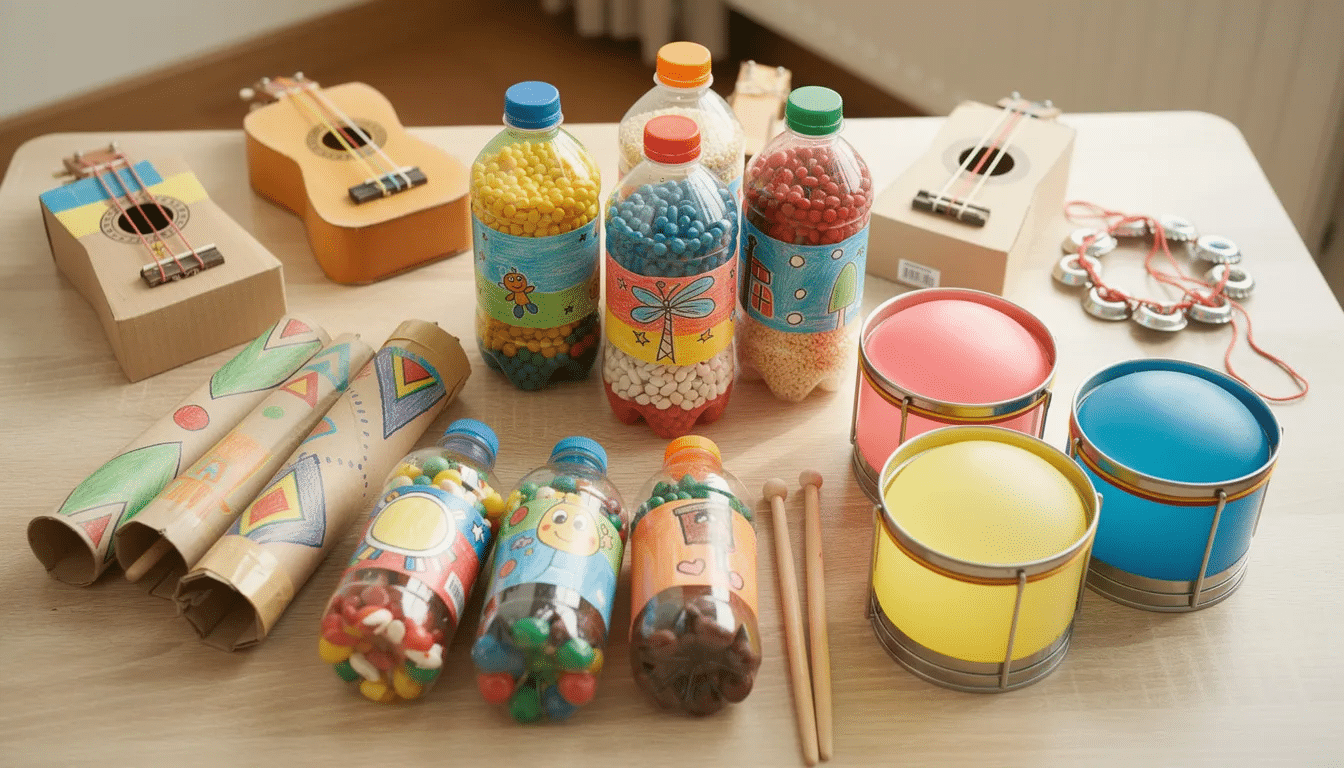
Bottle or Tube Maracas
Fill clean plastic bottles or cardboard tubes with rice, pasta, or beads. Tape the openings securely so nothing spills. Children decorate the outside with paint, washi tape, stickers, or markers. Encourage them to shake their maracas and describe the sounds—is it loud or soft? Fast or slow?
Sound Matching Shaker Game
Create pairs of decorated plastic eggs or small containers with identical fillings—two with rice, two with bells, two with cotton balls (for quiet). Children guess matches by listening and shaking, building auditory discrimination skills.
Paper Plate Tambourine
Staple or tape two paper plates together with a few jingle bells or dried beans inside. Leave a small opening to add the noisemakers, then seal completely. Kids decorate the outside with crayons, paint, or collage materials. These tambourines are sturdy enough for repeated use during group music activities.
Listening Map Art
After a short listening walk around the school yard, park, or hallway, children draw or collage the different sounds they heard onto a large sheet of paper. Did they hear birds, cars, footsteps, or talking? This activity develops attention and memory while connecting real experiences to art.
Sense of Smell Art & Craft Activities
Smell activities should use familiar, food-safe or child-safe scents. Stick with vanilla extract, cinnamon, orange peel, lavender, and similar gentle fragrances. Avoid strong chemical fragrances that might overwhelm sensitive noses.
Scented Paint Project
Mix a few drops of unsweetened drink mix, cocoa powder, cinnamon, or vanilla into washable paint. Kool aid paint works wonderfully—the grape packet makes purple paint that smells like grapes, and cherry creates fragrant red. Children create abstract paintings while discussing what they smell. This technique produces scratch-and-sniff artwork that retains scent for weeks.
Scratch-and-Sniff Collage
Cut a large nose shape from paper for each child. Provide cotton balls, coffee grounds, dried herbs, cinnamon sticks, and orange peel for gluing onto the nose template. Help children label each smell with simple words or icons. This collage becomes a portable sense of smell exploration tool.
Smell Sorting Chart
Create small sealed bags or foil packets containing scented items like vanilla-soaked cotton, lemon peel, peppermint leaves, and cinnamon. Children glue packets onto a poster under headings like “Yum,” “Strong,” or “Reminds me of…” This builds categorization skills alongside olfactory awareness.
Scented Playdough
Make homemade playdough with children, adding lemon juice, peppermint extract, or cinnamon during the kneading process. Different flavors create distinct sensory experiences. Children shape the dough into simple foods or objects while describing what they smell. Store in airtight containers to preserve scents.
Sense of Taste Art & Craft Activities
Before any taste activities, check for allergies, ensure handwashing, and maintain adult supervision throughout. When working with sweets or new foods, communicate with parents beforehand and have alternatives ready for children with dietary restrictions.
A fun way to explore taste is by using a muffin tin as a tasting tray—label each compartment with a different sense or flavor, and fill them with a variety of foods for children to sample and compare. Another creative activity is Edible Painting, where children use pudding or fruit juices as paint to create artwork they can eat afterward, or you can tie taste exploration into an ocean theme with a simple crab paper plate craft.
Taste Bud Color Wheel
Divide a paper plate into four sections labeled sweet, salty, sour, and bitter. Children cut out small images of foods from magazines or use simple drawings—a lemon for sour, a pretzel for salty, chocolate for bitter, and a strawberry for sweet. Glue the images into the matching sections to create a visual taste map.
Fruit & Veggie Stamp Art
Cut apples, potatoes, or bell peppers into halves or simple shapes. Mix food coloring with washable paint to create vibrant colors. Children dip the produce into paint and stamp patterns onto paper. After the art dries, consider tasting the actual fruits and vegetables to connect the visual with the sense of taste.
Edible Texture Painting
Using a clean pastry brush or fingers, children spread safe, thin edible “paint” like yogurt mixed with food coloring onto plain crackers. They can describe how the finished creation tastes—is it sweet, tangy, or plain? Pop rocks candy scattered on top adds an exciting element where children feel fizzing sensations while tasting.
Apple Taste Test Chart
Gather three apple varieties (Gala, Granny Smith, and Fuji work well). Cut samples for children to taste, then discuss different flavors—which is sweetest? Sourest? Create a class graph using colored paper squares where each child places their vote for favorite. Display the completed chart to show data collection in action.
Sense of Touch Art & Craft Activities
Touch crafts should include a range of textures—soft, rough, squishy, bumpy—while keeping materials non-sharp and age-appropriate. Sensory activities promote fine motor skills through manipulation of various objects. The sense of touch is highly engaging for preschoolers who learn through tactile exploration, especially when you incorporate open-ended preschool 3D art projects that invite building and sculpting with different materials.
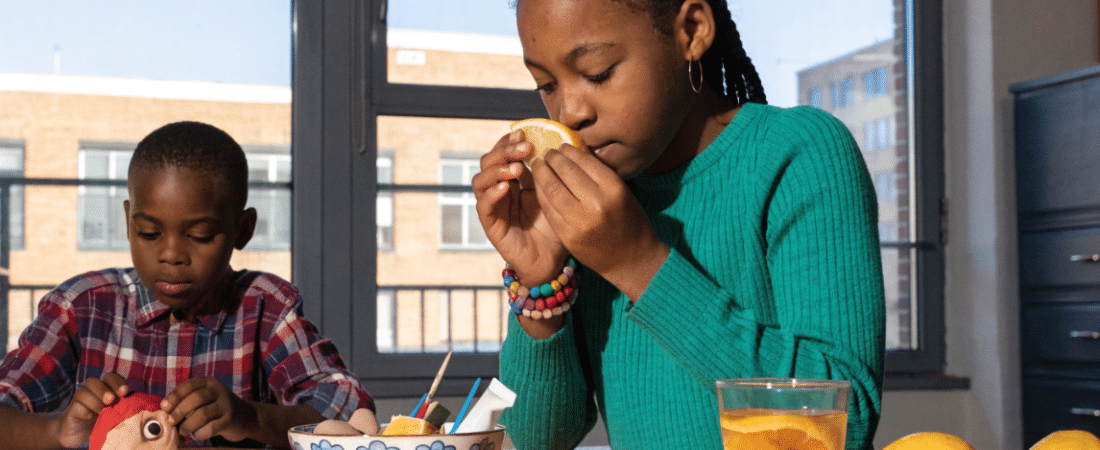
To enhance these activities, use familiar items from around the home or classroom to fill sensory bins or touch stations. Try Sandpaper Art, where children draw with crayons on sandpaper to experience a rough texture. Create a sensory bin filled with materials like rice, beans, or sand to encourage tactile exploration. Using items like shaving cream or playdough can further enhance sensory experiences by engaging children’s sense of touch. Mystery touch boxes are also a great way to help children identify objects using only their sense of touch.
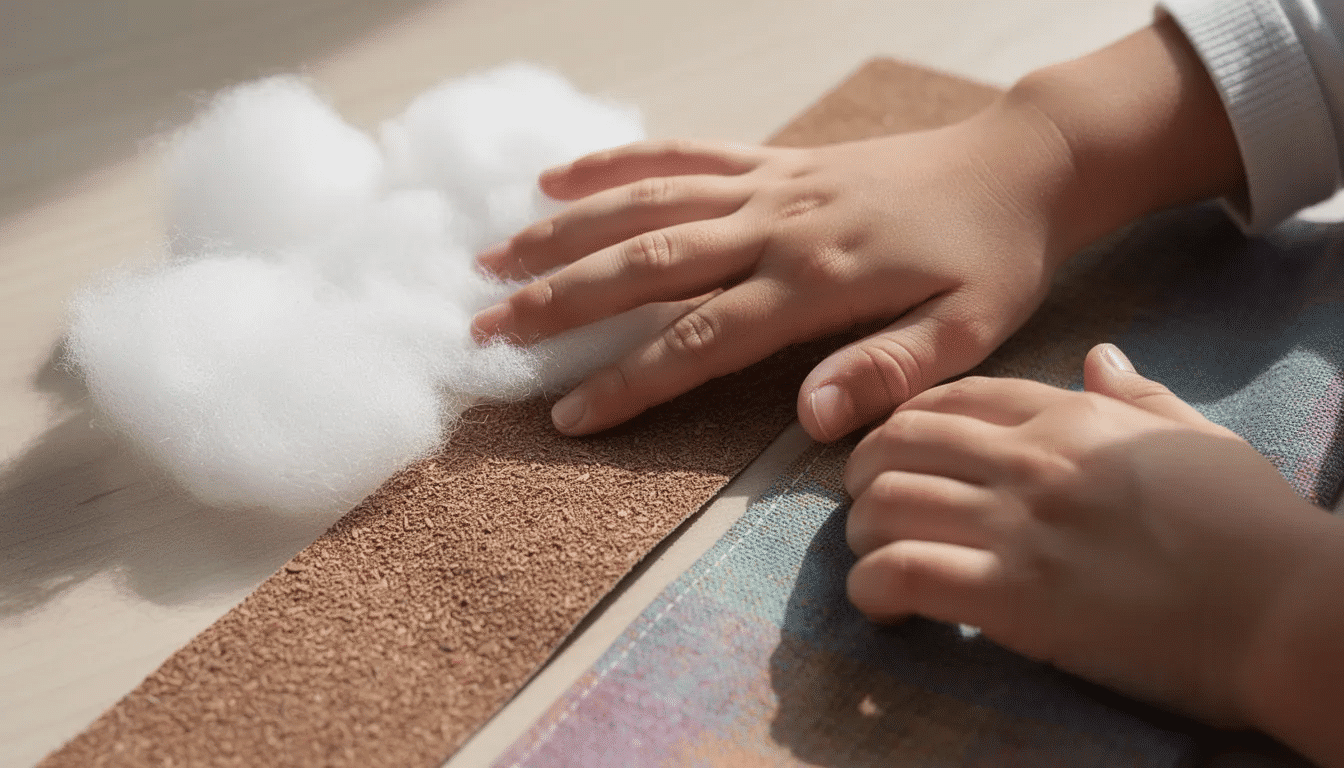
Texture Hand Collage
Children trace their hand on cardstock. Provide materials like cotton balls, sandpaper, foil, yarn, bubble wrap, felt, and corrugated cardboard. Each finger gets filled with a different texture through gluing. This texture collage becomes a portable touch exploration tool and looks beautiful displayed on bulletin boards.
Mystery Texture Box
Transform empty tissue boxes into mystery touch stations. Place hidden items like a sponge, Lego brick, feather, or pine cone inside. Children reach through the opening, feel the object, and describe what they think they’re touching before revealing the item. Then they draw or collage what they felt.
Sensory Path on Paper
On a long sheet of butcher paper, children glue textured items in a winding path—felt squares, corrugated cardboard strips, pom-poms, fabric scraps, and sandpaper pieces. Once complete, kids find joy in driving toy cars or moving fingers along the “road” while describing each texture they encounter.
Salt Dough Impressions
Mix simple salt dough (flour, salt, and water) and give each child a flattened portion. Children press leaves, shells, buttons, blocks, or different objects into the dough to create impressions. Let the dough dry completely (overnight or bake at low temperature), then paint the hardened textured tiles.
Multi-Sensory Five Senses Craft Projects
Some of the richest learning experiences intentionally combine two or more senses in a single art or craft activity. These engaging activities help children understand that we rarely use just one sense at a time in the real world.
Popcorn Senses Poster
This classic activity engages all five senses in sequence. Children watch kernels popping (sight), listen to the popping sounds (hearing), smell the buttery aroma (smell), feel the bumpy texture of popped versus unpopped kernels (touch), and finally taste the finished popcorn. Create a poster where children draw or glue pictures representing each step, labeled by sense.
Scented Texture Painting
Combine smell and touch by mixing thick homemade paint with sand, oats, or rice plus vanilla or cinnamon. Children apply the textured, fragrant paint with hands or brushes onto cardboard. As they create, encourage them to describe both how the paint feels and smells.
Oobleck Color Lab
Make non-Newtonian fluid by mixing cornstarch and water with food coloring. Children explore this fascinating substance that acts like both a liquid and solid. Discuss how it looks (sight), feels (touch), and sounds while squishing (hearing). This fun way to learn science concepts doubles as a sensory art experience.
Seasonal Sensory Collage
Collect real nature items during a nature walk—autumn leaves, spring flowers, pine needles, or smooth stones. Children attach these items to paper, creating collages they can see, feel, and smell. This reinforces that the same object can engage multiple senses and connects learning to the natural world.
Setting Up Five Senses Centers & Stations
Transforming a classroom or home space into clearly defined sensory centers makes your five senses unit run smoothly. Each station should invite exploration while keeping activities contained and manageable.
Use color-coded bins or labels for each sense:
Sense | Color | Icon | Sample Materials |
|---|---|---|---|
Sight | Yellow | Eye | Magnifying glasses, pattern blocks, I Spy bottles |
Hearing | Blue | Ear | Shakers, bells, sound matching containers |
Smell | Purple | Nose | Scented cotton balls, spice jars, scratch-and-sniff cards |
Taste | Red | Tongue | Flavor sorting cards, food picture books |
Touch | Green | Hand | Texture boards, playdough, fabric swatches |
Each center should include at least one keepable craft (like a decorated shaker or collage) and one reusable activity (like a matching game or exploration materials). This balance reduces prep time while ensuring children have tangible work to take home, much like curated DIY kits for creative projects that bundle everything needed into one grab-and-go set. |
Label everything with both words and simple pictures to support early literacy and help children navigate independently. A simple icon of an eye with the word “SIGHT” beneath it makes life easier for teachers and students alike.
Language, SEL, and Curriculum Connections
Five senses crafts naturally build vocabulary as children learn words like rough, smooth, sour, fragrant, loud, and muted during hands-on activities. Take advantage of informal conversation during craft time to introduce and reinforce descriptive language.
Add quick reflection prompts after activities to support social-emotional learning:
- “Which sense did you use most during this activity?”
- “How did that texture make you feel?”
- “What did the smell remind you of?”
These questions help children connect sensory experiences to emotions and memories, building self-awareness alongside content knowledge.
Tie senses projects into other ideas and themes throughout the year. Autumn leaf collages connect to fall science units. Spice-scented ornaments work perfectly in December celebrations. Animal senses comparisons extend into biology discussions. The versatility of sensory poetry and expression makes these crafts valuable across curriculum areas.
Document children’s comments and artwork on a “We Used Our Senses Today” bulletin board. This shares learning with families, supports assessment, and creates a record of growth throughout the senses unit. Subscribe to a weekly newsletter focused on early childhood education to gather other ideas for extending sensory learning.
Tips for Safety, Inclusion, and Cleanup
Before any preschool activities involving food, scents, or natural materials, check for allergies with families. Some children react to common items like cinnamon, nuts, or certain flowers. Having this information prevents problems and shows parents you prioritize safety.
Offer choice and opt-out options for children who feel overwhelmed by certain textures, sounds, or smells. Some preschoolers with sensory processing differences need gentler alternatives:
- Soft fabrics instead of sticky slime
- Visual observation instead of hands-in exploration
- Headphones during loud activities
- Unscented versions of scented crafts
These adaptations ensure all children can participate at their comfort level while still learning about the senses.
Streamline cleanup with practical strategies:
- Use smocks or old t-shirts as aprons
- Cover tables with newspaper or plastic tablecloths
- Place clearly labeled trash and recycling bins within reach
- Set a 5-minute tidy-up routine with a cleanup song at each session’s end
For children needing extra support with fine motor skills, provide larger handles on tools, pre-cut shapes, and thicker paper that doesn’t tear easily. Shaving cream on tables makes a forgiving surface for finger drawing practice.
Conclusion: Making the Five Senses Come Alive Through Art
Five senses art and craft activities help children notice the world, build vocabulary, and develop both fine motor and sensory processing skills. Through play-based, hands-on activities, abstract concepts become concrete experiences that children remember.
Start with one simple activity this week—paper tube binoculars for sight or a texture hand collage for touch—and gradually build toward a complete multi-day five senses unit. You don’t need to do everything at once to create meaningful learning experiences.
Repeat favorite projects in different seasons or with new materials so children can compare how sights, sounds, smells, tastes, and textures change over time. The potato head craft that seemed simple in September becomes richer in January when children bring more vocabulary and understanding to the activity, just as a focused number 9 craft activity can grow more meaningful as preschoolers gain number sense and confidence.
During their waking hours, children constantly explore through their senses. By channeling this natural curiosity into creative, playful experiences, you help young learners truly understand and remember how their five senses work—knowledge they’ll carry with them into first grade and beyond.