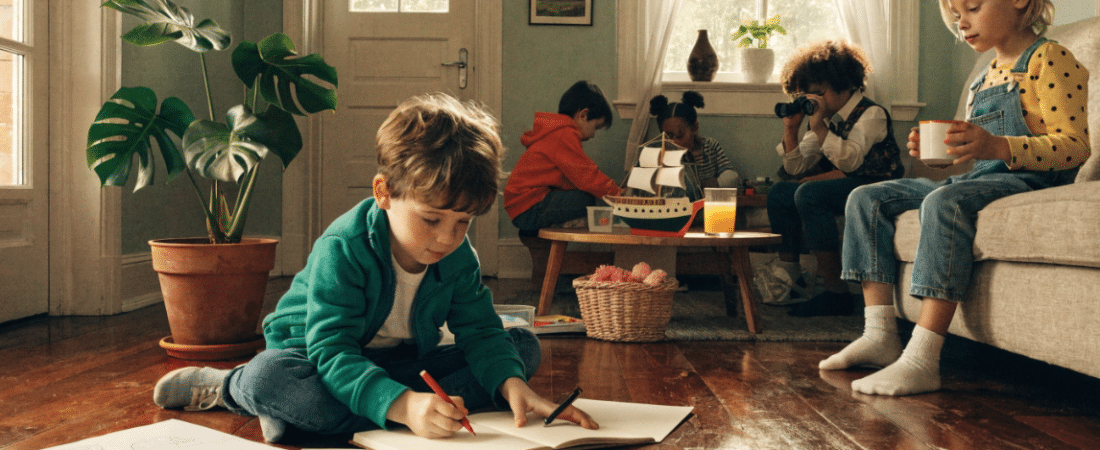

Finding engaging activities for your little ones doesn’t require expensive toys, elaborate setups, or hours of preparation. Preschool learning activities matter, whether they happen at home or elsewhere, because they contribute meaningfully to your child’s development. The best preschool learning happens through everyday moments—counting spoons at lunch, building towers from tissue boxes, or turning a rainy day into a dance party adventure. Home is the first learning environment where a child begins to explore, dream, and develop. This guide gives you practical, tested ideas to keep preschoolers learning and laughing without adding stress to your already full plate.
- Quick-start ideas to keep preschoolers busy today
- Setting Up a Space for Preschool Play and Learning
- Screen Free Fun for Preschoolers
- Playful literacy games at home
- Simple math and number fun around the house
- Science and exploration activities for curious minds
- Creative art and sensory play (minimal mess options too)
- Indoor movement and gross-motor play
- Learning Through Games at Home
- Everyday life as learning: routines, cooking, and chores
- Outdoor and nature activities near home
- Nurturing emotional intelligence at home
- Supporting social skills through play and daily life
- Planning a simple preschool-at-home rhythm
- Frequently asked questions about preschool activities at home
Quick-start ideas to keep preschoolers busy today
These are fast, low-prep activities you can start within 10 minutes using common household items already in your house. No shopping trip required, no elaborate setup needed—just grab what you have and begin. These activities are perfect to keep in mind for the next rainy day when outdoor play isn’t possible.
Each activity supports early literacy, math, and motor skills while feeling like play, not lessons. Your preschooler won’t realize they’re practicing counting or building vocabulary—they’ll just think they’re having fun.
Try one of these right now:
- 10-Minute Letter Hunt: Call out a letter and race through the living room finding objects that start with that sound. “Find something that starts with B!” Watch your child discover the bookshelf, a ball, and their favorite blanket.
- Lunch Counter Count: Before eating, have your child count how many forks are on the kitchen table, how many spoons in the drawer, how many grapes on their plate. Simple math practice happens naturally.
- Kitchen Band Dance Party: Grab wooden spoons, plastic containers, and metal pot lids. Put on music and let your child create their own rhythm while you both dance around the room.
- Blanket Fort Reading Nook: Drape a blanket over two chairs, toss in some pillows and a stack of books. Reading stories in a cozy fort feels magical and builds a love of words.
These are great screen free activities to keep preschoolers engaged.
Pick one activity to try immediately before reading the rest of this article. Seriously—your child will thank you, and you’ll see how easy these moments can happen.
You can initiate preschool learning activities at home as early as two years of age.
Setting Up a Space for Preschool Play and Learning
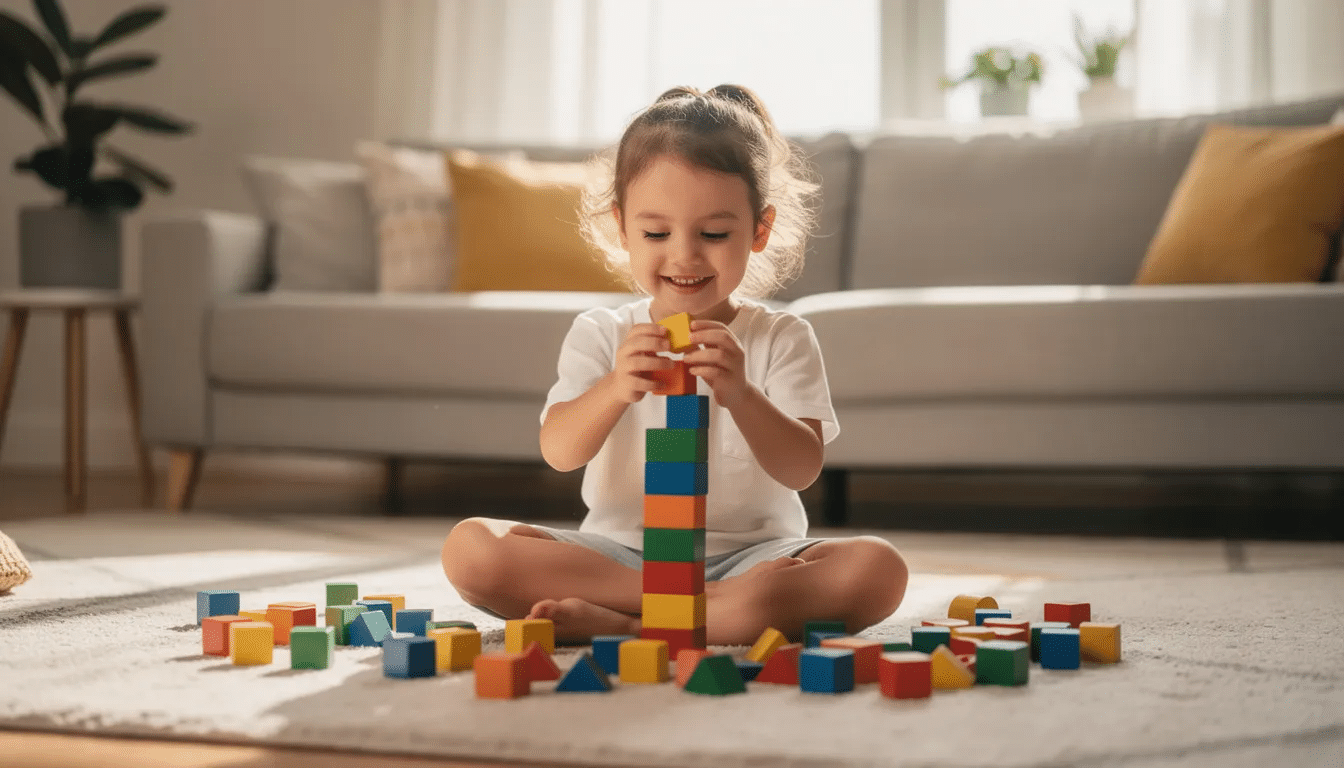
Creating a special space for preschool play and learning in your home doesn’t require a full room makeover—just a little intention and creativity. Whether it’s a cozy corner in the living room, a sunny spot in the kitchen, or a shaded area in your own backyard, dedicating a space helps your child know that learning and fun are always welcome.
Start by organizing toys and materials in bins or baskets that are easy for little hands to reach. Set up different “zones” for various activities: a soft rug with pillows for reading, a small table for art projects, and a shelf for building blocks or small toys. Add a sensory bin filled with rice, beans, or sand, and hide small toys or objects inside for your child to discover—this not only sparks curiosity but also develops fine motor skills as they dig and explore.
Incorporate natural elements like plants, rocks, or a water table to encourage your preschooler to explore and interact with their environment. Rotate toys and materials every few weeks to keep the space fresh and exciting. By creating an inviting and organized area, you help your child develop essential skills, build confidence, and foster a lifelong love of learning—all while having fun and making memories together.
Screen Free Fun for Preschoolers
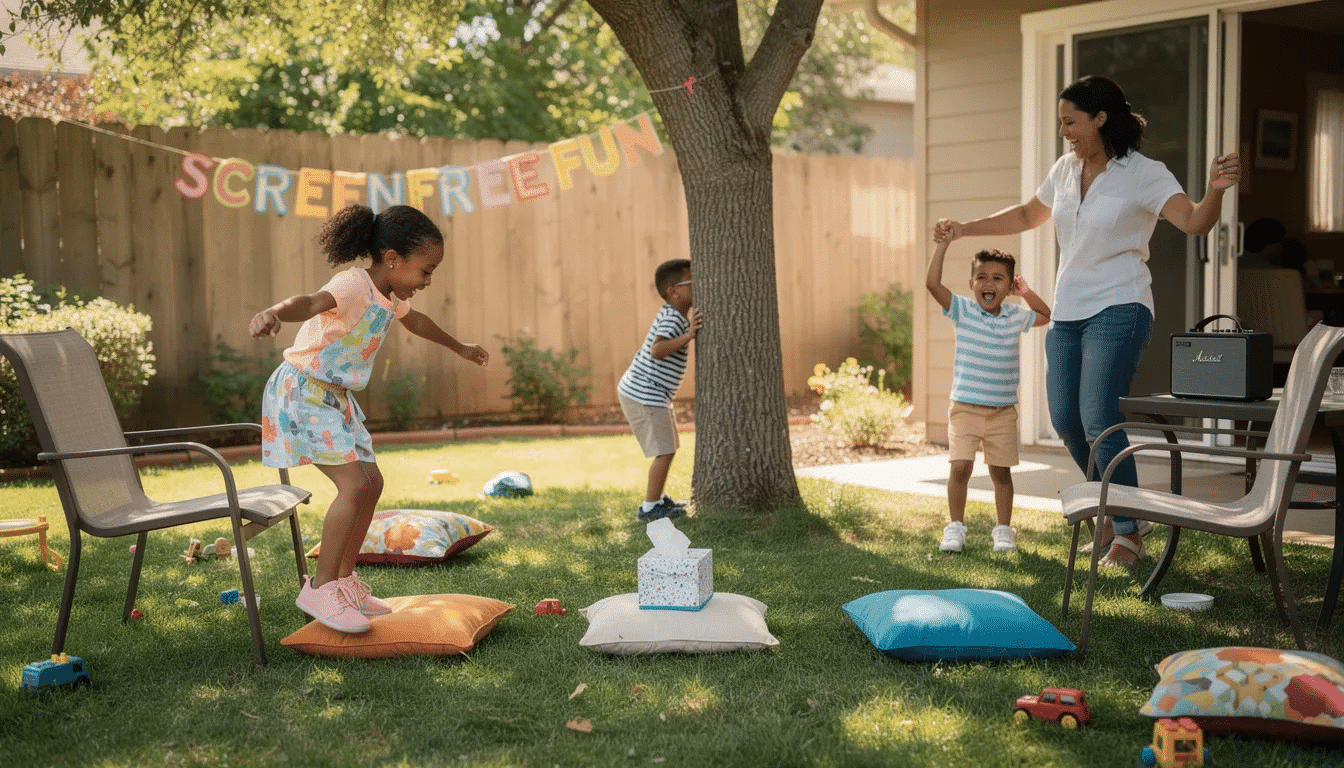
Screen free activities are essential for preschoolers, offering countless opportunities to build confidence, develop fine motor skills, and spark creativity—all without the need for screens. One of the best places to start is your own backyard. Transform this space into a playground for imagination and learning by setting up a simple obstacle course using pillows, chairs, or even tissue boxes. Let your preschooler jump, crawl, and balance their way through the course, cheering them on as they develop physical skills and self-assurance.
Another classic screen free activity is a game of hide and seek. Whether you play indoors or outside, this game encourages your child to move, think, and problem-solve as they seek out the perfect hiding spot or search for friends and family. You can also practice counting by hiding small toys or other items around the yard or house and challenging your preschooler to find them all. This not only makes counting fun but also helps develop observation and memory skills.
Don’t forget the power of a spontaneous dance party! Put on your child’s favorite music and let them move, jump, and spin around the room. Dancing is a joyful way to build gross motor skills, express creativity, and bond as a family. These screen free activities are not only fun—they’re essential for helping preschoolers play, create, and develop the skills they’ll need for school and life. Every time you put away the screens and encourage open-ended play, you’re helping your child build confidence and discover just how much fun learning can be.
Playful literacy games at home
Everyday games build phonics, vocabulary, and early writing skills without workbooks or formal lessons. When kids play with letters and sounds, they develop the foundations they’ll need for kindergarten reading success. The best part? These games create excitement around learning that carries into school years.
Alphabet Treasure Trail
Write individual letters on sticky notes and place them on doors, furniture, and walls throughout one room. Give your child a small bag and send them on a hunt: “Find the letter that makes the /s/ sound!” Once collected, have them arrange the letters in order or build simple words together.
Sound Snack Time
At snack time, gather 3-4 different items—an apple, crackers, yogurt, and a banana. Say a beginning sound aloud (“/cr/ sound”) and have your child guess which snack matches. This game teaches phonemic awareness while making snack prep interactive.
Name Builder Station
Set up fridge magnets or cut paper letters on the kitchen table. Start with your child’s name—most preschoolers recognize their own name first. Then build family members’ names, pet names, or today’s day of the week. This hands on activity connects letters to meaningful words in their life.
Story Starter Basket
Place 5-6 random objects in a bowl: a toy car, a sock, a spoon, a small dinosaur, a leaf. Take turns pulling objects and weaving them into a silly oral story. “Once upon a time, there was a dinosaur who loved to eat with a giant spoon…” This builds narrative skills, vocabulary, and creative thinking without any writing required.
Little Eye, Big Discover
Play a variation of “I Spy” focusing on letters: “I spy with my little eye something that starts with the letter T.” Let your child explore the room searching for matches. This simple game builds letter recognition and beginning sound awareness.
Simple math and number fun around the house
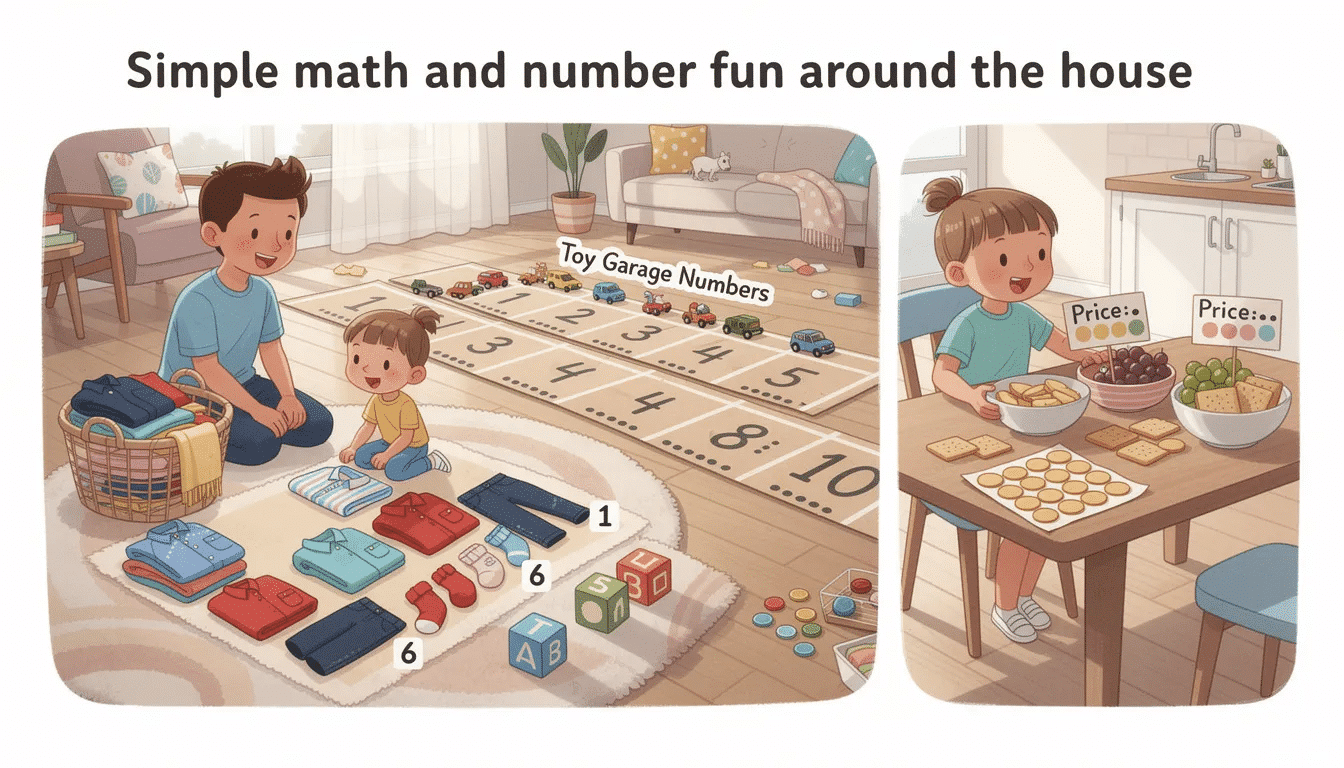
Turning normal routines—setting the table, laundry, and tidy-up time—into counting and sorting games makes math feel natural rather than intimidating. Try putting your preschooler in charge of sorting or putting items away as part of the learning process. Research shows that integrating learning into daily routines helps children see mathematics as part of everyday life, not something scary that only happens in a classroom.
Laundry Sorting Laboratory
Dump a basket of clean laundry on the floor and let your child become a scientist. First, sort by color—all the blue items in one pile, red in another. Then sort by type: shirts versus socks versus pants. Finally, count each pile together. “We have 6 socks! Can you count them with me?”
Sorting games using buttons, beads, or toys can also help preschoolers practice color and size sorting.
Toy Garage Numbers
Cut a cardboard strip and write numbers 1-10 in parking spaces. Toy cars, animals, or small toys park in their numbered spots. For younger preschoolers, use dot patterns alongside numbers so they can match quantities. This game makes learning numbers tactile and playful.
Snack Shop Pretend Play
Set up a pretend shop at the kitchen table with real snack items. Place 5 grapes in one bowl (price: 2 circles), 3 crackers in another (price: 1 circle). Cut paper circles as “money” and let your child practice counting to “buy” snacks. This introduces basic commerce concepts while reinforcing one-to-one counting.
Playing shop is a fun way to practice early math skills and helps children see how numbers and counting are part of everyday life, and you can add in focused games like a fun number 9 craft activity for preschoolers when your child is ready.
Step Counter Adventure
How many steps from your child’s bedroom to the bathroom? Count together. Now count steps from the room to the front door. Which path is longer? This activity builds number sense, comparison skills, and makes physical movement part of math learning.
Pattern Builders
Use rubber bands, popsicle sticks, or LEGO bricks to create patterns your child can extend. Red-blue-red-blue… what comes next? Once they master simple patterns, let them create patterns for you to guess.
Science and exploration activities for curious minds
Preschoolers are natural scientists, always eager to explore, experiment, and discover how the world works. You don’t need a lab—just a sense of adventure and a few simple materials from around the house or your own backyard.
Try a classic homemade volcano: fill a small container with baking soda, add a splash of vinegar, and watch the fizzy eruption together. This hands-on experiment introduces basic science concepts in a way that’s both fun and memorable. For a change of pace, organize a nature scavenger hunt in your backyard or at a local park. Give your child a list of items to find—like a smooth stone, a feather, or a leaf with jagged edges—and let them explore, collect, and compare their discoveries.
Create sensory bottles by filling clear plastic bottles with water, oil, food coloring, and small toys or beads. Preschoolers will love shaking and watching the swirling colors and objects, all while learning about liquids and movement. For older kids, try building a simple solar system model with balls or playdough, explore age-appropriate DIY craft kits for creative science projects, or experiment with making slime for a gooey, hands-on science lesson.
These activities not only teach science concepts but also encourage kids to ask questions, make predictions, and develop critical thinking skills. By making science a part of everyday play, you help your children develop a love for learning and discovery that will last a lifetime.
Creative art and sensory play (minimal mess options too)
Parents worry about mess—that’s completely reasonable. Here’s a mix of low-mess table activities alongside one or two higher-mess options for days when you have more time and energy for cleanup. These creative art and sensory play ideas are excellent screen free, low-mess activities for toddlers and preschoolers that keep preschoolers engaged and learning without the need for devices.
Make Your Own Playdough
Making your own playdough is a fun and engaging activity that allows children to shape and create. Kids can help mix the ingredients, then use the playdough for imaginative play. Set up playdough stations with cookie cutters, plastic knives, or beads and keep a small basket of age-appropriate art supplies for young artists nearby to enhance sensory exploration and creativity.
Sticker Story Page
Use any stickers you have at home—even price stickers work—on plain paper. Your child places stickers around the page, then draws lines, shapes, or characters connecting them. Ask them to tell you the story, and write their words underneath. This develops fine motor skills, storytelling, and early writing concepts simultaneously.
Kitchen Stamp Studio
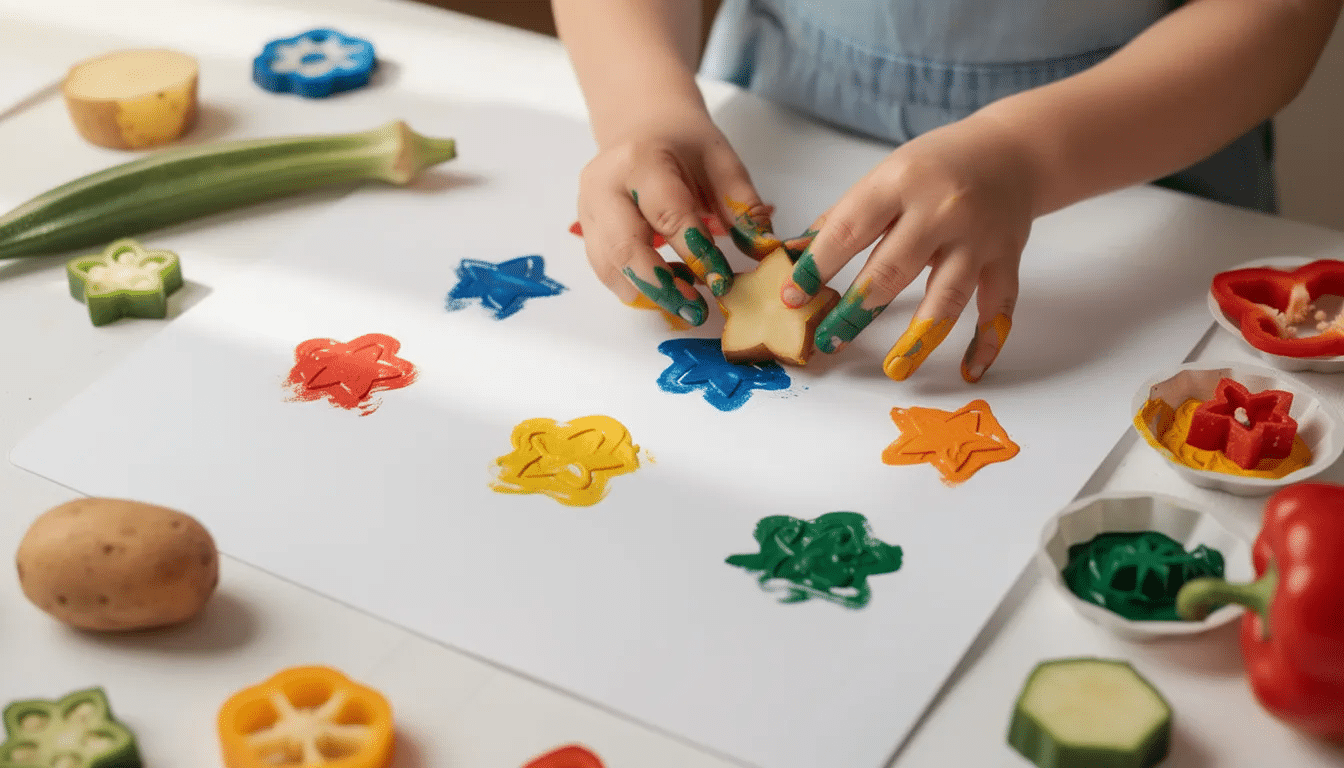
Cut a potato in half, slice celery at the base, or cut sponge pieces into shapes. Dip lightly into watercolor paints or washable ink on a plate and stamp onto large paper. The natural patterns create exciting discoveries—celery ends make beautiful flower shapes! Painting with sponges allows kids to create different effects while exploring their creativity. Use a standard metal baking tray underneath to contain any drips.
Texture Hunt Drawing
Send your child to collect 4-5 textured items: a leaf, a coin, a LEGO brick, a piece of cardboard. Place paper over each item and rub with the side of a crayon. The hidden textures appear like magic, teaching cause-and-effect while developing hand strength and can be a simple introduction to preschool 3D art projects and explorations.
Quiet Sensory Tray
Pour a thin layer of salt or flour onto a standard metal baking tray. Your child uses a finger or paintbrush to draw shapes, letters, or roads for toy cars. Shake gently to erase and start again. This open ended play activity is nearly mess-free and endlessly reusable. For extra sensory fun, create a sensory bin with rice and hide small objects inside—kids can embark on a sensory-fueled archaeological adventure to find hidden treasures.
Collage Creation Station
Gather old magazines, junk mail, tissue paper, and other items headed for recycling. Let your child tear and cut (with safety scissors) pieces to glue onto paper. You can even try simple tissue paper stained glass crafts on contact paper or clear plastic for a colorful window display. Tearing paper is excellent for fine motor development, and the process of creating something from “garbage” builds resourcefulness.
Indoor movement and gross-motor play
Movement matters for attention, sleep, and emotional regulation—especially on rainy day afternoons when cabin fever sets in. Physical activity helps preschoolers process energy and emotions, making them more ready for quieter learning activities afterward. Clear breakables from the area and use soft items only for safety.
Pillow Path Obstacle Course
Create a course using couch cushions as stepping stones, a blanket draped over two chairs as a tunnel, and a line of painter’s tape on the floor as a balance beam. Call out instructions: “Jump to the red pillow! Crawl through the tunnel! Walk the balance beam without falling into the lava!” Time runs with a kitchen timer and try to beat previous records.
Color Dance Party
Play music and hold up different colors of scarves, T-shirts, or construction paper. Each color means a different movement: jump for red, tiptoe for blue, spin for yellow, freeze for green. This game builds listening skills, color recognition, and gross motor coordination while burning energy.
Balloon Keep-Up Challenge
Blow up a balloon and count together how many taps you and your child manage before it touches the floor. Start with hands only, then try elbows, heads, or feet. This simple game develops hand-eye coordination and practice counting in an exciting context.
Hallway Bowling
Line up 6 empty plastic bottles or paper towel tubes as pins at the end of a hallway. Roll a soft ball and count how many pins fall down each turn. Kids can reset the pins themselves, building independence and responsibility.
Animal Movement Parade
Call out animals and have your child move like each one: slither like a snake, hop like a bunny, stomp like an elephant, fly like a bird. This game builds vocabulary about animals while providing varied physical movements that develop different muscle groups.
Learning Through Games at Home
Games are a fantastic way to make preschool learning hands on, engaging, and fun. By turning everyday moments into playful challenges, you help your child develop essential skills like counting, vocabulary, and problem-solving—all while building confidence and making memories together.
A favorite game for many families is the scavenger hunt. Create a list of items for your preschooler to find around the house or in your own backyard—think of things like a red sock, a round stone, or a toy car. As your child seeks and finds each item, they practice observation, vocabulary, and even early reading skills if you use picture clues. This screen free activity is perfect for a rainy day or anytime you want to get kids moving and thinking.
Pattern games are another wonderful way to teach early math concepts. Use popsicle sticks, blocks, or even rubber bands to create simple patterns—red-blue-red-blue, or long-short-long-short—and invite your child to guess what comes next or create their own. This activity develops fine motor skills, encourages logical thinking, and introduces the idea of sequences and repetition.
For a creative twist, try building a mini obstacle course indoors using tissue boxes, pillows, and other safe household items. Time your child as they complete the course, or challenge older kids to design their own. This not only promotes physical activity but also helps develop planning and problem-solving skills.
Art games can also be learning games. Set out watercolor paints and paper, and encourage your preschooler to create a picture using only certain colors or shapes. As they paint, talk about the colors, shapes, and patterns they’re using, building vocabulary and creative confidence.
No matter which games you choose, the key is to keep them playful and pressure-free. By weaving these screen free activities into your daily routine, you help your preschooler develop essential skills, build confidence, and discover that learning is something to look forward to—rainy day or not.
Everyday life as learning: routines, cooking, and chores
Daily routines—mealtimes, getting dressed, tidying, and simple errands—are ideal learning opportunities that require no extra planning. The moments that already happen in your day become powerful teaching tools when you add a little intentional conversation. This approach helps children see learning as part of life rather than something separate that only happens at preschool.
Mini Chef Helper
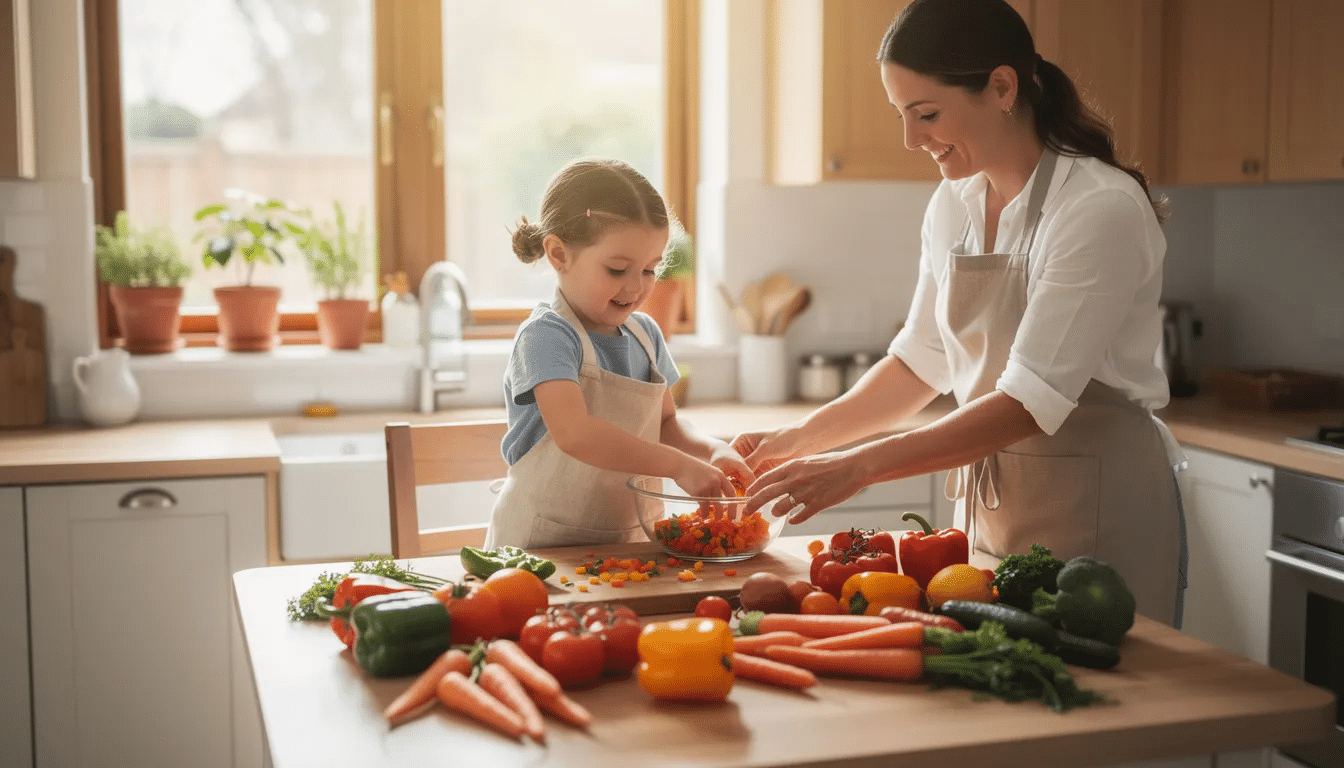
Invite your child to help wash cherry tomatoes, tear lettuce leaves, or stir pancake batter. While cooking together, talk through counting (“We need three eggs”), colors (“These peppers are different colors—what colors do you see?”), and sequence (“First we pour, next we stir, last we bake”). These kitchen table conversations build vocabulary and math concepts naturally. Cooking with children can be a fun way to engage them in screen-free activities.
Morning Checklist
Create a simple visual checklist with pictures: toothbrush, T-shirt, shoes, book bag. Your child points to or crosses off each item with a dry-erase marker as they complete morning tasks. This builds independence, sequencing skills, and the confidence that comes from completing responsibilities.
House Sound Walk
Move slowly through your home, stopping to listen carefully. What sounds do you hear? The washing machine humming, a clock ticking, the refrigerator running, birds outside the window. Talk about loud versus quiet, fast versus slow. This mindfulness activity develops listening skills essential for school readiness.
Helping Hands Time
Let your child choose one daily job: matching socks from the laundry, watering plants every Tuesday, or feeding the family pet. Try putting your child in charge of certain tasks, such as putting items away after playtime or putting the napkins on the table for dinner. Connect these tasks to counting (“How many socks did you match today?”) and responsibility. Children who contribute to household tasks develop confidence and a sense of belonging.
Getting Dressed Discovery
Turn getting dressed into a learning moment. “Can you find something with a zipper?” “Count the buttons on your shirt.” “What shape are the snaps on your jacket?” These questions transform a necessary routine into early science and math exploration.
Parents, recognize that you are already your child’s first and most important teacher. Every conversation, every shared activity, every moment of connection contributes to their development. Simple projects like preschool family-themed crafts and activities can celebrate your relationships while building skills. The learning that happens in your home environment matters enormously. Learning at home is an effective way to build confidence and foster stronger relationships with parents and children.
Outdoor and nature activities near home
Even a small backyard, balcony, or sidewalk outside your apartment door offers opportunities for exploration and learning. Nature provides free educational materials—leaves, sticks, stones, and shadows—that engage children’s curiosity better than many expensive toys and can be transformed into creative nature stick crafts for kids.
Front Step Nature Hunt
Create a simple scavenger hunt with 5-6 concrete items to search for:
- A brown leaf
- A tiny stone
- Something smooth
- Something that smells nice
- Something shaped like a circle
- Something smaller than your thumb
Check off items as you discover them together in your own backyard or on the sidewalk nearby.
Shadow Shapes
On a sunny day, take small toys outside and trace their shadows with chalk on the sidewalk. Return at a different time of day and notice how the shadows have changed position and size. This simple activity teaches early science concepts about the sun and introduces observation skills.
Neighborhood Number & Shape Walk
During a walk around the block, look for house numbers, stop signs (octagon shapes!), and store logos with letters. When you return home, talk about what you found: “We saw the number 42! We found three different circles!” This connects outdoor exploration to preschool readiness skills.
Weather Window Journal
Choose one window in your home. Once a day, have your child draw what they see outside—sun, clouds, rain, or snow. Write today’s date and one or two words underneath (“sunny,” “rainy day”). Over time, this becomes a simple record of weather patterns and daily observation practice.
Bug Safari
Grab a magnifying glass (or just crouch down low) and search for insects, worms, or other small creatures. Count legs on bugs you find. Notice different colors on butterflies or beetles. This activity develops observation skills and introduces basic biology concepts while sparking curiosity about the natural world.
Nurturing emotional intelligence at home
Helping preschoolers understand and express their feelings is just as important as teaching them letters and numbers. Emotional intelligence is the foundation for healthy relationships, self-confidence, and success in school and life.
Start by creating a “feelings chart” with faces showing different emotions—happy, sad, excited, frustrated—and encourage your child to point to how they feel each day. Use play and toys to act out different scenarios, like sharing or waiting for a turn, and talk about what each character might be feeling. Role-playing helps preschoolers practice empathy and learn how to handle big emotions in a safe, supportive way.
Encourage your child to draw or use simple writing to express their feelings—sometimes a picture or a few words can help them process what’s going on inside. When your child is upset, validate their feelings by saying, “I see you’re feeling sad. That’s okay. Let’s talk about it.” This teaches them that all emotions are normal and manageable.
By weaving emotional learning into daily routines and play, you help your preschooler develop essential life skills like self-awareness, self-regulation, and empathy—skills that will support them in school and throughout their lives.
Supporting social skills through play and daily life
Social skills are the building blocks for friendships, teamwork, and positive experiences in school. The best way for preschoolers to develop these skills is through play and everyday interactions with family and friends.
Invite your child to join in group activities like a dance party or a homemade obstacle course, where they can practice taking turns, following directions, and cheering each other on. You can also adapt engaging group activities for 5 year olds to your home setting so children practice teamwork and communication. Set up pretend play scenarios—like a tea party or a grocery store—where your child can practice using manners, greeting others, and sharing toys.
Create a simple “social skills chart” with pictures of different situations, such as saying hello, asking for help, or resolving a disagreement. Talk through each scenario and ask your child what they would do. Encourage your preschooler to play with siblings or friends, and gently guide them through moments of conflict or cooperation.
By supporting social skills through play and daily routines, you help your child develop essential abilities like communication, cooperation, and empathy. These skills are not only important for school success but are also vital for building strong, healthy relationships throughout life.
Planning a simple preschool-at-home rhythm
You don’t need a strict school timetable—just a gentle rhythm combining play, rest, and connection throughout the day. Research shows that preschoolers benefit most from short, varied activities rather than long structured lessons. A relaxed flow works better than rigid scheduling for this age group, and many creative kindergarten classroom ideas can be simplified and brought home to keep your routine playful and engaging.
Sample morning flow:
- After breakfast: One literacy activity (15 minutes)
- Around 10:00 a.m.: Movement game or outdoor time (20-30 minutes)
- Before lunch: Free play or sensory activity (15 minutes)
- After lunch: Quiet time with books or puzzles
Choosing daily activities:
Pick one literacy activity, one movement game, and one quiet creative activity each day. Rotate through different sections of this article so activities stay fresh and exciting. You don’t need to do everything—consistency matters more than quantity.
Following your child’s lead:
Watch for signs of waning interest. If your child stops engaging, switch to a different activity rather than forcing completion. Child-led preschool activities build confidence and curiosity better than adult-directed drill work. Let their interests guide exploration.
Night-before preparation:
Prepare a small “activity basket” each evening with 2-3 materials: crayons and paper, one puzzle, a favorite book. Having materials ready reduces morning decision fatigue and helps activities happen smoothly.
Time expectations:
Even 30-45 minutes of focused play-and-learn time spread throughout the day is enough for most preschoolers. Don’t pressure yourself to recreate a full classroom experience. Short, joyful interactions build stronger foundations than lengthy formal lessons.
Frequently asked questions about preschool activities at home
Parents commonly ask these questions about home preschool activities. Here are straightforward answers to help you feel confident in your approach.
How long should activities last?
Most preschool activities work best at 5-15 minutes, depending on your child’s interest and energy level. If they’re deeply engaged, let the activity continue. If attention wanders after 5 minutes, that’s completely normal—switch to something different without stress.
Do I need special toys or materials?
Everyday items work beautifully: plastic containers, spoons, cardboard boxes, old magazines, socks, rubber bands, and paper towel tubes. Expensive educational toys aren’t necessary. Your child will often find tissue boxes and popsicle sticks more exciting than fancy purchased materials.
What if my child only wants screens?
Offer one short, fun screen free activity before allowing screen time. Connect topics from favorite shows to hands on play afterward—if they watched a show about animals, set up animal figures for pretend play. Gradually, physical activities become appealing alternatives rather than barriers to screens.
When should I start these activities?
Many ideas in this article work from ages 2-5, adjusted for safety and complexity. Younger preschoolers need simpler versions with more adult involvement. Older kids can handle multi-step activities with greater independence. Watch your child’s response and adjust accordingly.
What about siblings of different ages?
Older kids can participate by being “helpers” or taking on leadership roles. A 6-year-old might read the story while a 3-year-old turns pages. Siblings can seek and play hide together during scavenger hunts, with older children helping younger ones find items.
How do I know if my child is ready for kindergarten?
These activities naturally build kindergarten readiness: letter recognition, counting, following directions, fine motor control, and social-emotional skills. If your child engages with play-based learning at home, they’re developing essential foundations for school success.
Mix and match ideas from all sections to fit your family’s schedule and space. There’s no perfect formula—the best preschool learning activities are the ones that actually happen in your home, with your unique child, adapted to your real life.