Whether you’re wrapping a birthday gift, helping kids with a school project, or packaging products for your Etsy shop, craft paper is the foundation of countless creative endeavors. This versatile material comes in dozens of types, weights, and finishes—each suited to specific uses that can make or break your creations.
In this guide, you’ll find everything you need to choose, use, and care for craft paper. From understanding the difference between construction paper and cardstock to selecting the perfect kraft roll for sustainable packaging, we’ve covered the practical details that actually matter for your next project.
- Quick Answers: What Is Craft Paper Used For Today?
- Key Types of Craft Paper and When to Use Each
- How Craft Paper Is Made: From Pulp to Finished Sheet
- Choosing the Right Craft Paper for Your Project
- Storing, Caring For, and Preserving Craft Paper
- Inspiration: Practical Craft Paper Projects You Can Start This Week
Quick Answers: What Is Craft Paper Used For Today?
Craft paper is a collective term for durable, versatile paper types designed for arts, crafts, and creative applications. It encompasses everything from lightweight tissue paper to heavyweight cardstock, and it’s become a staple in homes, classrooms, and small businesses worldwide.
Top uses for craft paper in 2026:
- Gift wrapping: Wrapping birthday and holiday gifts with kraft rolls or patterned sheets (think Christmas 2024 gift stations)
- Handmade cards: Creating Valentine’s Day, birthday, and thank-you cards with cardstock and decorative papers
- Kids’ school projects: Collages, posters, and seasonal décor like Halloween bats and Christmas paper chains
- Small business packaging: Etsy sellers using kraft sheets and tags for jewelry, candles, and handmade goods
- DIY home décor: Party banners, wall art, and table runners for events and everyday sophistication
- Scrapbooking: Preserving memories with themed paper packs and acid free photo mats
Craft paper vs. kraft paper—what’s the difference?
Craft paper is the broader category describing any paper intended for creative use. Kraft paper is a specific type within that category: strong, brown paper made through the kraft chemical pulping process, prized for its durability and eco-friendly profile.
Common sizes you’ll find:
- 8.5” x 11” (letter size) for printing and general crafts
- 9” x 12” for construction paper and drawing pads
- 12” x 12” for scrapbooking layouts
- A4 for international projects and printable designs
- Large rolls: 16” x 75”, 17.5” x 200 ft, and 36” x 100 ft for table covers and wrapping stations
Key Types of Craft Paper and When to Use Each
Different projects demand different materials. The weight, texture, and finish of your paper will determine whether your project succeeds or struggles—a flimsy paper won’t hold up as a gift tag, and a rigid cardstock won’t fold smoothly for origami.
Major craft paper types to know:
- Cardstock (65–110 lb)
- Construction paper
- Kraft paper (rolls, sheets, shaped blanks)
- Drawing and marker paper pads
- Scrapbook paper
- Specialty papers (glitter, vellum, tissue, crepe, washi)
How weight and coating affect your project:
- Weight (65 lb vs. 110 lb): Lighter weights are easy to fold and layer; heavier weights stand alone as cards or tags
- Coating (uncoated vs. glossy): Uncoated absorbs ink well for printing and writing; glossy resists smudging but may not accept all markers
- Color range: Solid colours work for clean, modern designs; patterned papers add visual interest without extra effort
Cardstock and Scrapbook Paper
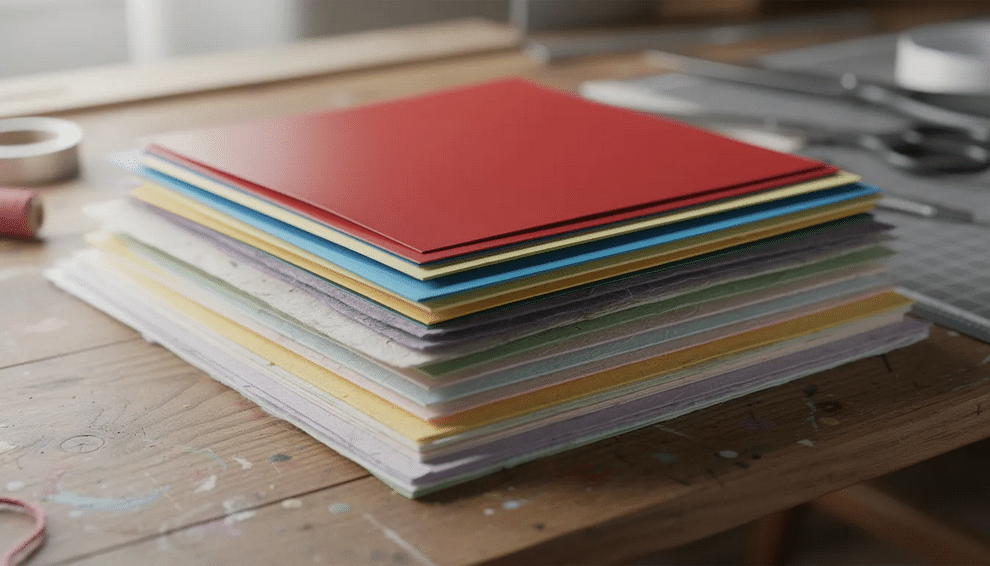
Cardstock is the backbone of cardmaking and scrapbooking. Ranging from 65 to 110 lb, it provides the structure that lighter papers can’t match while remaining easy to cut, score, and embellish.
Common cardstock products:
- 72-sheet packs in 8.5” x 11” with 18 colours (typically 65 lb matte finish)
- 12” x 12” “creative collection” starter kits for scrapbooks
- Specialty stock with linen, canvas, or metallic finishes
Ideal uses for cardstock:
- Greeting cards and invitations
- Photo mats for framed displays
- Die-cut shapes using manual or electronic cutting machines
- Sturdy layers in mixed-media projects
- Tags and labels for gift packaging
Choosing the right weight:
| Weight | Best For |
|---|---|
| 65 lb | Layering, kids’ projects, paper flowers |
| 80 lb | Invitations, lightweight cards |
| 100–110 lb | Stand-alone cards, tags, small 3D models |
For archival scrapbooks, select acid free cardstock that won’t yellow your photos over 10+ years. Scrapbook papers often come in coordinated themes—seasons, weddings, baby milestones, holidays—making layout designs easier to pull together.
Construction Paper and Kids’ Craft Pads
Construction paper is the rough-textured, bold-coloured paper that dominates school art rooms and kids’ craft kits. It’s affordable, available in rainbow assortments, and easy enough for small hands to cut and glue.
Typical products:
- 240-sheet 9” x 12” assorted colour packs
- 48-sheet “giant” pads with stencils and project ideas
- Holiday-themed sets with pop-out shapes (pumpkins, snowflakes, hearts)
Core uses:
- Collages and layered artwork
- Early cutting and pasting practice for ages 3–8
- Classroom posters and bulletin board displays
- Simple cards for Mother’s Day, Father’s Day, and birthdays
- Seasonal décor like paper chains and window decorations
Pros and cons:
| Pros | Cons |
|---|---|
| Low cost | Colours fade in sunlight |
| Bold, vibrant colours | Not archival quality |
| Easy to cut and glue | Can tear if handled roughly |
| Available everywhere | Limited weight options |
For best results, pair construction paper with washable glue sticks and kid-safe scissors. “Giant” pads (16” x 22” or larger) are perfect for murals and group projects spread across easels or the floor.
Kraft Paper: Rolls, Sheets, and Shaped Blanks
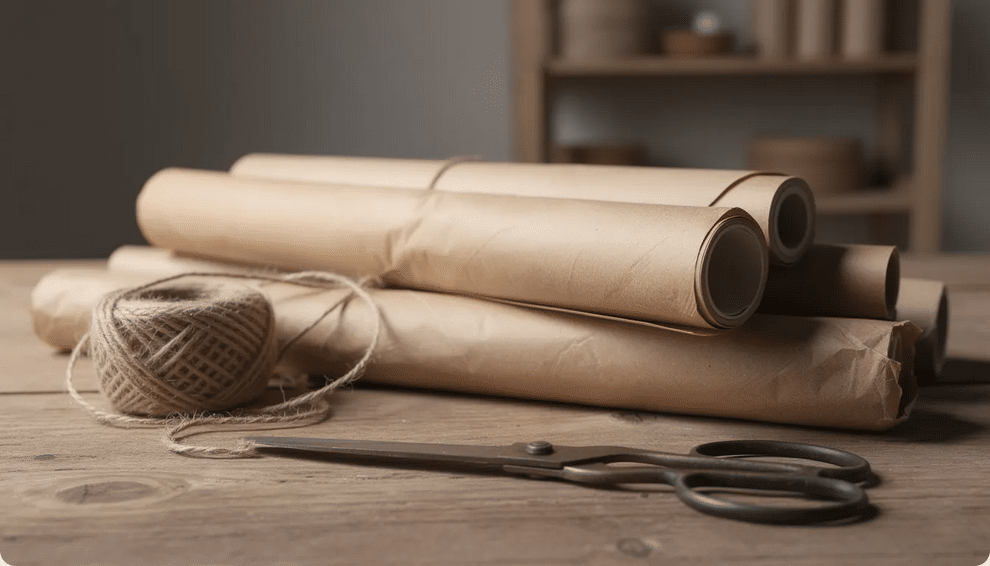
Kraft paper is made through the kraft chemical pulping process, which removes lignin from wood chips and leaves behind long, strong cellulose fibers. The result is a sturdy, flexible paper with natural brown colour—often 100% recycled and fully recyclable.
Large rolls for big projects:
- 36” x 1200” (100 ft) rolls for floor-to-table covers and protective surfaces during painting
- 17” x 75” easel rolls for wall art, murals, and kid-friendly drawing stations
- 17.5” x 2400” (200 ft) jumbo rolls for gift wrapping, postal parcels, and moving house
Sheets and printable formats:
- 8.5” x 11” kraft sheets (100-pack, 120 gsm) for printable invitations, menus, and rustic wedding stationery
- A4 sheets for international designs and tags
Specialty shapes:
- Round kraft blanks (20–50 pieces per set) for coasters, garlands, and painted ornaments
- Thickened neat-edge disks for product tags and favour labels
Eco credentials:
- 100% recycled options widely available
- Minimal bleaching compared to white papers
- Recyclable and often compostable
- Ideal for sustainable packaging and eco-conscious small businesses
For industrial applications, sack kraft paper offers high degree of elasticity through a “microcrepping” process that allows 4–10% elongation without breaking. Coated kraft (with polyethylene or zein layers) provides moisture and grease resistance for food packaging.
Drawing, Painting, and Marker Paper Pads
Dedicated drawing and marker pads prevent bleed-through and support wet media far better than ordinary craft paper. If you’re using markers, tempera paint, or watercolours, standard paper will buckle and bleed—specialized pads solve that problem.
Popular pad formats:
- 9” x 12” heavy-weight painting and marker pads
- 9” x 12” medium-weight drawing pads for dry media
- 16” x 22” giant sketch pads with handles for portability
Weight and usage guide:
| Paper Weight | Best Media |
|---|---|
| Light (50–70 gsm) | Graphite, coloured pencil, light sketching |
| Medium (90–120 gsm) | Markers, crayons, light washes |
| Heavy (150+ gsm) | Tempera, gouache, watercolour, heavy markers |
Large-format pads work well for classroom group projects, mural planning, and oversized posters. For younger users, pair these pads with water-based markers and washable paints to minimize bleed and warping.
Specialty Craft Papers: Glitter, Vellum, Tissue, Crepe, and More
Specialty papers add texture, shine, transparency, or cultural flair to projects that need something beyond the basics.
Glitter cardstock:
- 30-sheet double-sided packs (300 gsm, 8.5” x 11”) in seasonal colours
- Quality glitter paper sheds less and cuts cleanly
- Perfect for invitations, party banners, and holiday décor
Vellum:
- Semi-transparent, smooth paper
- Used for overlays on invitations, softening bold backgrounds, and layered scrapbook elements
- Creates elegant, professional-looking designs
- Thin, translucent sheets for gift wrapping and pom-poms
- Stained-glass-style window crafts and delicate collages
- Note: colours may bleed with wet glue—use dry adhesives when possible
Crepe paper:
- Crinkled, stretchable texture
- Ideal for realistic paper flowers, garlands, and party backdrops
- Available in graduated colour sheets for natural-looking petals
Washi and mulberry papers:
- Handmade or fiber-rich appearance
- Used for premium cards, decoupage, and mixed-media art
- Adds texture that printed papers can’t replicate
These specialty papers work best when layered over sturdy bases like cardstock or kraft for added durability.
How Craft Paper Is Made: From Pulp to Finished Sheet
Understanding how paper is manufactured helps you select the right type for your project—and appreciate why some papers cost more than others.
The pulping process:
Paper starts as wood chips (or cotton, recycled fibers, or alternative sources like bamboo). The chips are broken down into pulp, separating individual cellulose fibers from the lignin that makes wood rigid.
The kraft process (for kraft paper):
- Wood chips are treated with a hot mixture of water, sodium hydroxide, and sodium sulfide in large pressure vessels called digesters
- This chemical treatment dissolves lignin while preserving long, strong cellulose fibers
- The resulting pulp is washed, screened, and optionally bleached
- Pulp is spread onto a wire mesh, pressed to remove water, and dried on heated cylinders
- Finished paper is wound into rolls or cut into sheets
Colour variations:
- Unbleached brown kraft: Natural colour, maximum strength
- Partially bleached: Natural-toned papers with slightly lighter appearance
- Fully bleached white: Used for printing, art projects, and applications where colour accuracy matters
Additives and treatments:
- Fillers and sizing agents adjust opacity and printability
- Dyes create the variety of colours available in craft papers
- Surface coatings (glossy, matte, PE layers) change feel and moisture resistance
- Recycled content is de-inked and blended with virgin pulp for adequate strength
The chemicals and processes sound complex, but the result is simple: paper with predictable strength, texture, and life for your specific application.
Choosing the Right Craft Paper for Your Project
Project type, tools, and desired lifespan should guide your paper choice. A birthday card for a child needs different materials than a wedding invitation or an archival scrapbook page.
Questions to ask before you select:
- Will the paper be folded, painted, mailed, or stored for decades?
- Is this project for kids or adults?
- Will it be displayed indoors, outdoors, or in a frame?
- Is it disposable (wrapping paper) or a keepsake (scrapbook)?
- What tools will you use: scissors, die-cutting machines, inkjet printer, markers?
Quick project-to-paper pairings:
| Project Type | Recommended Paper |
|---|---|
| Kids’ school projects | 9” x 12” construction paper, medium drawing pads |
| Greeting cards and invitations | 65–110 lb cardstock, decorative scrapbook sheets |
| Eco-friendly gift wrap | Kraft rolls, kraft sheets, round kraft tags |
| Painting and marker art | Heavyweight pads designed for wet media |
| Premium décor and keepsakes | Textured mulberry, glitter cardstock, vellum overlays |
| Scrapbooking | 12” x 12” themed paper, acid free cardstock mats |
Printing considerations:
Most home inkjet printers handle 8.5” x 11” paper up to about 80–90 lb cardstock. Heavier or textured sheets may require manual feed or professional printing services. Test a single sheet before committing to a full run.
Budget guidance:
- Bulk packs (240-sheet construction, 72-sheet cardstock): Best for classrooms, frequent crafters, and ongoing projects
- Curated theme packs: Ideal for occasional, themed projects where coordination matters
- Starter kits: Recommend for beginners to find what works with their tools and style
Storing, Caring For, and Preserving Craft Paper
Proper storage prevents fading, warping, and yellowing—especially important for long-term keepsakes and archival projects like scrapbooks and family memories.
Basic storage guidelines:
- Store paper flat in cool, dry rooms away from direct sunlight and radiators
- Ideal conditions: approximately 18–23°C (65–73°F) with moderate humidity
- Keep large rolls on wall-mounted dispensers or in original packaging
- Avoid crushing corners of heavy cardstock by using appropriately sized containers
For archival materials:
- Use acid free folders, boxes, or binders for photos, certificates, and finished scrapbook pages
- Place protective sheets (tissue or glassine) between specialty papers like glitter cardstock and vellum
- Label containers by size and type for fast access when starting new projects
Humidity concerns:
- Kraft and construction paper curl easily in damp basements or attics
- Use sealed plastic bins if humidity is an issue in your storage area
- Silica gel packets can help absorb excess moisture in enclosed containers
Quick tips:
- Don’t store paper near chemicals, cleaning supplies, or strong odours that can transfer
- Rotate stock occasionally—use older paper first to ensure freshness
- Keep a small variety pack accessible for spontaneous project ideas
Inspiration: Practical Craft Paper Projects You Can Start This Week
The best way to learn about craft paper is to use it. Here are project ideas tied to seasons and occasions, complete with paper recommendations you can add to your cart today.
Rustic gift wrap station:
- Brown kraft roll + natural twine + round kraft tags
- Perfect for birthdays, Christmas, or “just because” gifts
- Personalize tags with stamps or hand-lettering
Classroom Valentine’s Day cards:
- 9” x 12” construction paper in reds, pinks, and purples
- Pastel cardstock accents for hearts and borders
- Making 25 cards? Bulk packs keep costs low
DIY party banner:
- 8.5” x 11” glitter cardstock cut into pennants
- Thread with ribbon for birthdays, graduations, or New Year’s Eve
- Mix colours for visual interest—three complementary shades work well
Family scrapbook spread:
- 12” x 12” themed scrapbook paper (vacation, holidays, baby milestones)
- Acid free cardstock photo mats to protect prints
- Vellum overlays for journaling blocks
Kids’ mural afternoon:
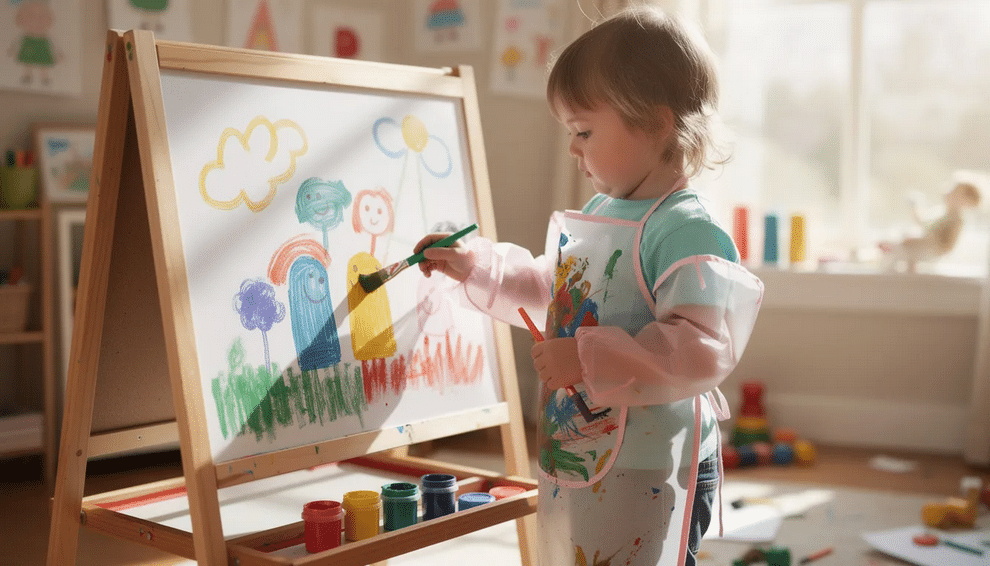
- Giant 16” x 22” pads or easel rolls
- Washable markers and tempera paints
- Tape paper to walls or lay flat on floors for group creativity
Small business packaging refresh:
- 100-pack kraft sheets for printed thank-you cards
- Matching kraft tags for product labeling
- Coordinate with twine and stamps for cohesive brand look
Combining paper types for depth:
- Layer vellum over kraft for elegant invitations
- Add glitter shapes to plain cardstock for festive cards
- Use tissue paper pom-poms as toppers on kraft-wrapped gifts
Even beginner-friendly projects benefit from stronger bases like kraft or heavyweight cardstock. The durability ensures your creations last, whether they’re sold, gifted, or displayed in your home.
Your next project starts with the right paper. Whether you’re building a department of supplies for a classroom, starting a small business, or simply looking to add creativity to everyday life, understanding craft paper types gives you the foundation to create with confidence.
Start with a variety pack to test different weights and finishes, then build your collection based on what works for your tools and style. The perfect paper for your project is out there—you just need to choose it.