The handmade market has never been more accessible—or more competitive. Whether you’re looking to turn a weekend hobby into consistent income or scale an existing craft business, understanding what sells and where to sell it separates thriving makers from struggling ones. This guide breaks down the best craft sellers of 2024-2026, covering both the products flying off shelves and the platforms that make those sales happen.
- Quick Answer: The Best Craft Sellers Right Now
- What Makes a “Best” Craft Seller in 2026?
- Top-Selling Craft Categories (with Real Product Ideas)
- Best Places to Sell Crafts Online (and Who They’re Best For)
- Etsy: The Go-To Marketplace for Handmade Best Sellers
- Amazon Handmade and Standard Amazon Listings
- eBay and Mercari: Good for Price-Sensitive or Mixed Inventories
- Facebook Marketplace, Groups, and Instagram Shops
- Shopify and Your Own Website: Best for Long-Term Brand Builders
- Emerging and Ethical Marketplaces (Goimagine, Artisans Cooperative, etc.)
- Best-Selling Crafts by Price Point
- Local Craft Best Sellers: Where Handmade Shines In Person
- Pricing Your Crafts So Best Sellers Actually Make a Profit
- Marketing Strategies of Top Craft Sellers
- Case Study Style Examples of Best Craft Sellers
- How to Choose Your Own Best-Selling Craft (Step-by-Step)
- Final Thoughts: Building Long-Term Success with Your Best Craft Sellers
Quick Answer: The Best Craft Sellers Right Now
Before diving into the details, here’s the practical snapshot you need to start selling today.
Best-selling craft product categories:
- Jewelry remains the undisputed champion—think minimalist birthstone pieces, resin earrings with dried flowers, and personalized name bracelets
- Home decor including macrame wall hangings, printable art, and custom doormats
- Candles and self care products like soy candles with wood wicks and artisan bar soaps
- Digital printables from wedding signage to planner inserts
- Seasonal products driving massive Q4 revenue through personalized ornaments and holiday signs
Best platforms to sell crafts:
- Etsy for instant access to millions of buyers searching for handmade goods
- Shopify or your own website for complete control and higher profit margins
- Amazon Handmade for high-volume sellers wanting Prime shipping benefits
- Facebook Marketplace and Instagram for local sales and community building
- Local craft fairs and markets where touch, scent, and storytelling close sales
The 2024-2026 trends show concrete winners: personalized birth-flower necklaces, boho wall hangings in neutral tones, soy candles with wood wicks in amber jars, and printable wedding signage bundles. If you just want to start today, choose one or two products from jewelry or home decor and list them on Etsy while building your email list for future independence.
What Makes a “Best” Craft Seller in 2026?
The term “best craft sellers” carries two meanings: the products that consistently sell well and the venues where those sales happen most profitably. The real magic happens when you combine high-demand products with the right selling platforms.
Here are the core criteria that separate top sellers from average performers:
Profit margin matters more than sales volume. Resin earrings costing $3 in materials that sell for $28 generate sustainable income. Products with 70%+ margins give you room for marketing, platform fees, and inevitable mistakes.
Repeat-purchase potential builds consistent income. Handmade soap, candles, and planners bring customers back quarterly or monthly. One-time purchases like wall art require constant customer acquisition.
Shipping friendliness protects your profits. Lightweight, non-fragile items like jewelry and printables cost less to ship and arrive intact. Heavy ceramics and oversized decor eat into margins and create damage claims.
Scalability determines growth potential. Products you can batch-produce or partially automate let you fill more orders without burning out. Digital downloads scale infinitely with zero additional production time.
Data from major marketplaces shows jewelry, home decor, and self care products consistently dominating bestseller lists through 2024-2025. But products alone don’t create success—branding and customer experience turn good sellers into long-term earners. Thoughtful unboxing, personalization options, and memorable packaging transform one-time buyers into repeat customers who recommend you to friends.
Top-Selling Craft Categories (with Real Product Ideas)
Understanding which product types consistently perform helps you focus your creative energy where it pays off. The following categories rank among the best sellers across platforms, each offering multiple entry points for new makers.
Jewelry: Always at the Top of Craft Best-Seller Lists
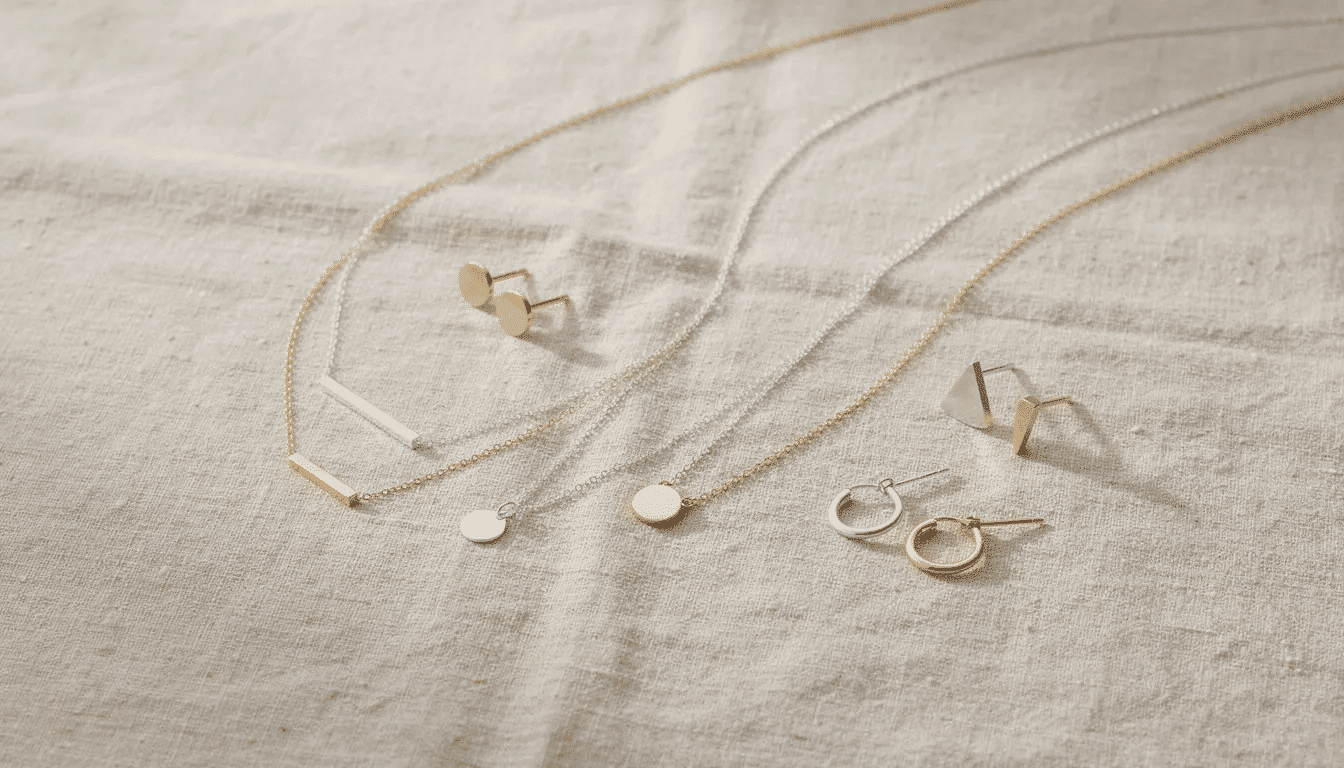
Jewelry has dominated Etsy sellers and other handmade marketplaces for years, and for good reason. High margins, low shipping costs, and universal giftability create the perfect storm for profitability.
The 2024-2025 trends reveal specific winners:
- Minimalist birthstone necklaces on delicate chains
- Resin earrings with dried flowers, moss, or gold leaf
- Personalized name bracelets for kids, bridesmaids, and new moms
- Hammered gold hoops and organic-shaped statement pieces
- Matching sets marketed for mother-daughter gifting
Jewelry shops perform exceptionally well across multiple channels. An Etsy shop captures search-driven buyers, Instagram showcases your aesthetic to impulse purchasers, and local craft fairs let customers try pieces on. The giftability factor means most buyers know they can sell handmade items in this category year-round.
Start with a small, cohesive line rather than hundreds of random designs. Ten to fifteen SKUs in a single style or theme photograph better, tell a clearer brand story, and simplify production. You can expand once you understand what resonates with your target market.
Home Decor: Wall Art, Textiles, and Functional Pieces
Home decor surged during 2020-2024 as people invested in their living spaces and home offices. The category remains strong as buyers continue refreshing rooms and seeking unique pieces mass retailers don’t offer.
Proven best-selling items include:
- Printable wall art featuring motivational quotes, nursery prints, or abstract designs—these digital products require no inventory
- Macrame plant hangers and wall hangings in neutral boho tones that photograph beautifully for social media
- Hand-painted mugs with custom designs, though shipping fragile items requires careful packaging
- Custom doormats with family names or funny phrases that make excellent housewarming gifts
- Personalized wooden signs for kitchens, nurseries, and entryways
Decor works well on Etsy, Amazon Handmade, and at local markets like farmers’ markets and holiday fairs. The key is matching your product type to the right venue—large pieces sell better locally where shipping costs don’t apply, while printables and small items thrive online.
Seasonal decor creates predictable revenue spikes. Halloween signs, Christmas ornaments, and Fourth of July porch decorations can drive 40-60% of yearly income during Q4. Smart sellers design seasonal products in summer and list them by early fall.
Candles, Soaps, and Self-Care Products
Bath, body, and candle products qualify as “consumable best sellers”—they get used up, creating repeat purchases and ongoing customer relationships. This category builds the kind of loyalty that transforms a shop into a handmade business.
Concrete product ideas performing well in 2024-2025:
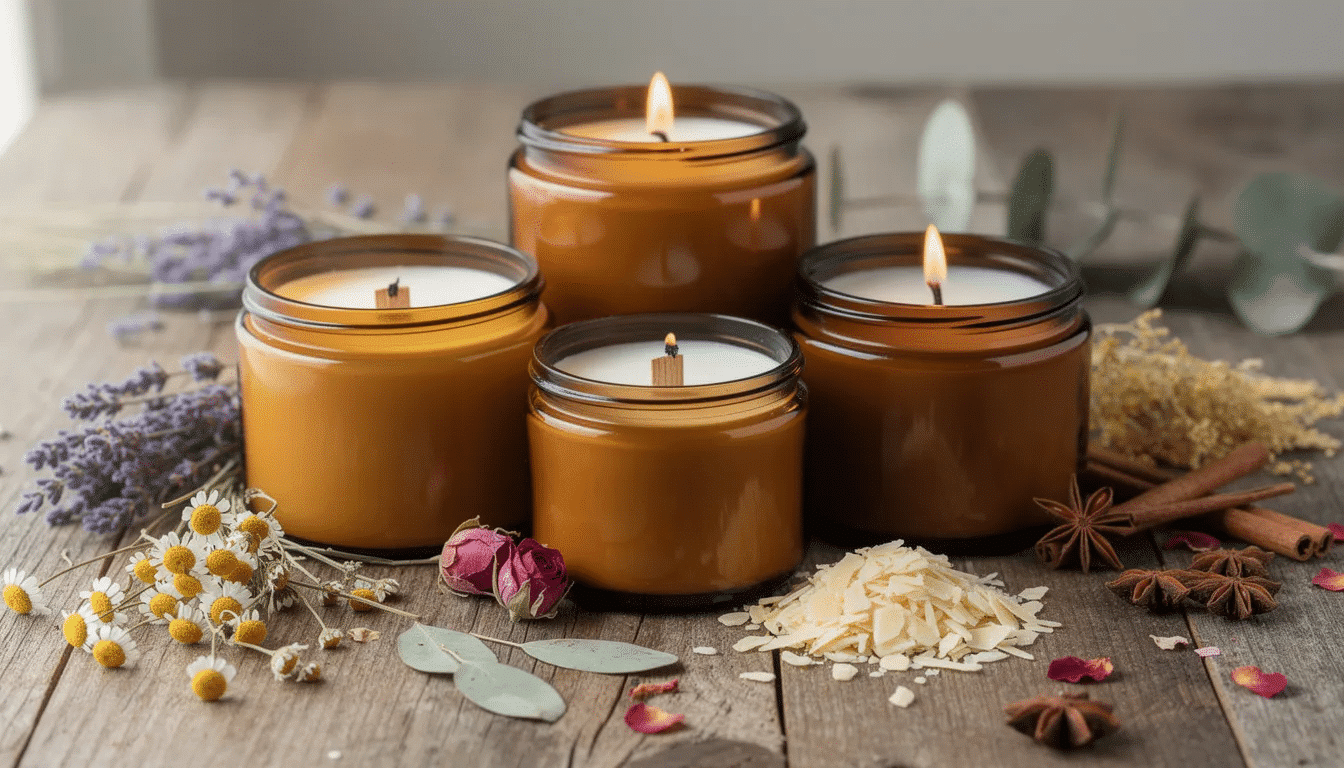
- Soy candles with wood wicks in amber jars with minimalist labels—the crackling sound adds sensory appeal
- Artisan bar soaps featuring natural clays, botanicals, and recognizable scent families like lavender, citrus, or eucalyptus
- Shower steamers and bath bombs in gift-ready packaging for self-gifting and occasions
- Handmade soap sets bundled as gift boxes for holidays and thank-you gifts
- Body butter and lotion bars with clean ingredient lists appealing to ingredient-conscious buyers
A word of caution: regulatory and labeling requirements govern this category. IFRA guidelines restrict fragrance usage, US law requires ingredient lists, and EU/UK rules add additional compliance layers. Research these requirements before your very beginning production batches hit the market.
These products perform strongly on Etsy, at local boutiques, through salons and spas seeking wholesale accounts, and on subscription-box platforms like Cratejoy for recurring revenue models.
Stationery, Planners, and Paper Goods
Planners and stationery consistently rank among top craft sellers, especially around New Year (planning season) and back-to-school (August-January). The seasonality creates predictable demand you can prepare for.
Specific profitable products include:
- Printable planner inserts with daily, weekly, and monthly layouts for 2025-2026
- Wedding invitation suites and Save the Date cards with matching RSVP and program designs
- Personalized notepads and teacher gifts like “From the desk of Mrs. Smith” pads
- Digital sticker sheets for iPad planners compatible with GoodNotes and Notability
- Greeting card sets with original illustrations for birthdays, holidays, and encouragement
Digital formats reduce overhead dramatically. PDFs and editable Canva templates sell infinitely without extra production time, shipping costs, or inventory management. One design can generate money for years.
Best platforms for this category include Etsy for printables with its massive search traffic, a Shopify store for growing brands wanting more control, plus Instagram and Pinterest for visual marketing that drives traffic back to your listings.
Seasonal and Holiday Crafts
Top sellers often rely on Q4 (October through December) for 40-60% of yearly revenue. Holiday shopping creates urgency and gift-buying behavior that benefits handmade goods positioned as special and meaningful, especially when you lean into DIY holiday crafts and handmade decorations.
Concrete seasonal product ideas by holiday can sit alongside colorful weekend craft projects like paper flowers, painted rocks, and DIY jewelry:
Christmas:
- Personalized ornaments with names and years
- Family name stockings in matching sets
- Advent countdown signs and calendars
- Teacher appreciation gift bundles
Valentine’s Day:
- Couple name prints and custom portraits
- Love coupon booklets
- Heart-shaped jewelry and keychains
- Galentine’s gift sets for friend groups
Halloween:
- Themed candles with spooky scents
- “Welcome to our web” door signs
- Costume accessories like witch hat headbands
- Boo basket items for kids
Other occasions:
- Mother’s Day and Father’s Day personalized gifts
- Graduation season items (May-June)
- Back-to-school teacher gifts (August-September)
The critical timeline: design and list holiday items 8-10 weeks before each date. Christmas products should appear in your shop by early October to capture early shoppers and build sales momentum before peak season.
Batch your designs for efficiency—create one base design and offer multiple colorways or personalization options to maximize inventory quickly without starting from scratch each time.
Digital Designs and Printables
Digital downloads represent one of the best craft “sellers” in terms of profit margin and scalability. No inventory, no shipping, and the ability to sell crafts online globally 24/7 while you sleep.
Real-world examples dominating the market:
- SVG cut files for Cricut and Silhouette users—designs like “Mama 2025” shirt graphics or seasonal door hanger templates
- Printable wall art bundles such as six-piece gallery sets for nurseries or home offices
- Crochet or sewing patterns sold as PDFs with step-by-step photos and video links
- Social media templates for small business owners wanting polished Instagram grids
- Wedding printables including seating charts, welcome signs, and program templates
Success in this space requires strong SEO to capture search traffic, professional mockups showing products in real settings, and clear usage licenses distinguishing personal from commercial use. Many digital sellers create tiered pricing—personal use at $5, small commercial use at $15, extended commercial at $35—to capture different buyer needs.
Niche Fabric & Fiber Arts (Knitting, Crochet, Block Printing)
For makers who love textiles, this niche offers opportunities to stand out from mass-produced goods with handcrafted quality that factory items simply can’t replicate.
Examples of top sellers in this category—including curated DIY craft kits for creative projects and fun learning—illustrate how fabric and fiber arts can become scalable products:
- Chunky knit blankets and cardigans especially popular in fall and winter months
- Crocheted amigurumi animals for nurseries, baby gifts, and collectors
- Block-printed tea towels and tote bags with original motifs and artisan appeal
- Hand-dyed yarn for the maker-to-maker market
- Baby blankets and milestone accessories for the newborn gift market
Interestingly, patterns often sell better long-term than finished items because they scale more easily. A crochet pattern sells for $5-8 infinitely, while each finished amigurumi requires hours of labor for a single sale.
Platform strategy matters here: Etsy works for both patterns and finished goods, Ravelry dominates the knit and crochet pattern market with its dedicated community, and local craft fairs command higher prices for finished items where buyers appreciate the craftsmanship in person.
Best Places to Sell Crafts Online (and Who They’re Best For)
Choosing the right platform matters as much as choosing the right product. Each marketplace attracts different buyers, charges different fees, and offers different levels of control over your brand. Understanding these trade-offs helps you place your products online where they’ll perform best.
Etsy: The Go-To Marketplace for Handmade Best Sellers
Etsy remains the primary starting point for most craft sellers, and for good reason. The platform delivers massive built in audience searching specifically for handmade goods, vintage items, and craft supplies.
Current fee structure (2024-2025):
- $0.20 per listing fee (listings last 4 months or until sold)
- 6.5% transaction fee on total sale price including shipping
- Payment processing around 3% + $0.25 per transaction
- Offsite ads fee of 12-15% on sales generated through Etsy’s external advertising (mandatory for shops earning over $10,000 annually)
Strengths: Search-driven discovery means buyers find you without your own marketing efforts. The platform’s reputation for handmade crafts attracts quality-conscious customers. Tools like coupons, sales events, and Etsy Ads help boost visibility. Setup is relatively straightforward compared to building your own website.
Drawbacks: High competition makes standing out difficult in saturated categories. Frequent policy and fee changes create uncertainty. You’re building on rented land—Etsy controls the algorithms, the customer relationships, and could change rules at any time.
For jewelry, decor, printables, and gifts, Etsy makes an excellent first channel. But smart sellers plan beyond Etsy from day one, building an email list and considering their own site as they grow.
Amazon Handmade and Standard Amazon Listings
Amazon Handmade operates as a separate program from regular Amazon selling, requiring an application and approval process typically completed within 48 hours.
Key differences from standard Amazon:
- Handmade is invitation/application-based for verified artisans
- Products must be genuinely handcrafted, hand-altered, or hand-assembled
- Different category restrictions than standard Amazon selling
Fee structure:
- 15% referral fee on each sale
- No monthly subscription fee for Handmade sellers
- No per-listing fees
- FBA fees apply if using Fulfillment by Amazon
This channel shines for high-volume, giftable handmade products like candles, home decor, and bath products that benefit from Prime shipping. Access to 250 million customers worldwide provides serious reach.
Fulfillment by Amazon (FBA) works for scalable craft sellers who can produce in batches and ship inventory to Amazon’s warehouses. This removes shipping hassles but adds storage fees and further reduces your per-item margin.
The trade-off: reduced branding control and limited direct connection with customers. Buyers remember they bought from Amazon, not necessarily from your brand. Building customer loyalty proves more difficult than on platforms where your shop identity takes center stage.
eBay and Mercari: Good for Price-Sensitive or Mixed Inventories
eBay isn’t ideal for building a warm, handmade brand, but it remains a powerful search marketplace with global reach and 159 million active buyers.
Fee examples:
- eBay charges approximately 12.7% of total sale amounts up to $2,500, plus $0.30 per order
- Store subscriptions can reduce insertion fees for high-volume sellers
- Mercari charges a flat 10% seller fee with no separate payment processing charges
These platforms work best for:
- Craft supplies like destash yarn, beads, and fabric
- One-off handmade pieces or prototypes you’re testing
- Clearance items from collections that didn’t perform
- Sellers prioritizing fast turnover over brand-building
The reality: these sites have a more “commodity” feel than Etsy or Amazon Handmade. Price competition runs intense, and most buyers aren’t specifically seeking artisan goods. Use them strategically for specific inventory rather than as your primary handmade goods channel.
Facebook Marketplace, Groups, and Instagram Shops
Facebook Marketplace excels at local sales—large decor, furniture, craft fair leftovers, and items where shipping costs would kill your margins. For local pickup with cash payment, fees drop to zero.
Strategic uses across Meta platforms:
Facebook Marketplace: Perfect for testing prices locally, moving inventory quickly, and reaching community-based buyers. Works especially well for items too heavy or fragile to ship economically.
Facebook Groups: Create or join niche communities where you can run “drop” sales for limited collections. Jewelry makers often release one-of-a-kind batches monthly to engaged followers who show up ready to buy.
Instagram Shop: Shoppable posts, product tagging, and integration with platforms like Shopify create seamless purchasing. The visual nature of Instagram suits handmade goods perfectly.
The best approach treats social platforms as marketing and community-building tools complementing a primary sales channel. Sell custom tumblers via Instagram Reels and DMs, then invoice through your good website or direct buyers to your Etsy shop for the actual transaction.
Shopify and Your Own Website: Best for Long-Term Brand Builders
A dedicated online store offers maximum control, branding power, and profit per sale—but zero built-in traffic. You drive traffic yourself through marketing, SEO, social media, and email.
Example pricing:
- Shopify Basic plans start around $29/month
- Payment processing via Shopify Payments runs approximately 2.9% + $0.30 per transaction
- Additional apps and themes may add costs
Advantages that matter:
- Custom design reflecting your brand identity
- Email list integration for building direct customer relationships
- Upsells, bundles, and subscription options you control
- Detailed customer data for marketing and product development
- No platform algorithm determining your visibility
This route works best once you have proof of demand from Etsy, markets, or social media and want to grow a recognizable brand. Starting with Shopify before validating your products means paying monthly fees while figuring out what sells.
Real examples of branded craft sites: subscription boxes delivering quarterly seasonal candles, loyalty programs rewarding repeat purchases, exclusive collections available only to email subscribers. These strategies work when you own the customer relationship—not when a marketplace stands between you and your buyers.
Emerging and Ethical Marketplaces (Goimagine, Artisans Cooperative, etc.)
Smaller, value-driven platforms attract buyers actively seeking independent makers and ethical shopping options.
Goimagine: Launched in 2020, this US-focused platform offers a free plan with 12 listings and paid plans at $15 monthly for unlimited listings with just 2% transaction fees plus standard credit card processing. The “Main Street” community feel attracts buyers specifically wanting American-made handmade products.
Artisans Cooperative: A cooperative model giving makers ownership stakes and democratic governance, operating on lower fees than corporate platforms.
Zibbet: Positions itself with no listing fees, no sales fees, and free accounts, hosting over 57,000 independent creatives. Lower traffic than giants like Etsy, but minimal financial risk for testing.
These marketplaces typically see less traffic than Etsy or Amazon—Goimagine receives roughly 70,000-100,000 monthly visits compared to Etsy’s millions. But they attract buyers who actively seek independent makers and may convert at higher rates.
Recommend these as secondary channels for sellers who care about ethics, community ownership, or want to reduce reliance on large corporations. Diversifying across multiple platforms protects your business if any single platform changes policies or raises fees.
Best-Selling Crafts by Price Point
“Best craft sellers” also depend on pricing tiers. Different buyers shop differently at various price levels, and your product type should match the purchasing behavior you’re targeting.
Under $20: Impulse buys and small gifts
This tier captures add-on purchases and impulse decisions. Buyers don’t overthink—they see something cute and buy it.
Products that thrive here: keychains, stickers, simple earrings, small candles, car fresheners, bookmarks, hair accessories, magnets, and digital downloads. These items work as cart-builders when customers already have something in their basket.
$20-$50: Thoughtful gifts and personal treats
The sweet spot for gift-giving. Buyers feel they’re getting something meaningful without major financial commitment.
Products in this range: necklaces and quality jewelry, wall prints, planner bundles, soap and candle gift sets, personalized items like name signs, and subscription box purchases. This tier represents where most handmade sellers find their primary price point.
$50-$150: Considered purchases and special occasions
Buyers research before purchasing. They read reviews, compare options, and want assurance of quality.
Products at this level: chunky knit blankets, custom portraits, statement jewelry pieces, large home decor items, and curated gift collections. Photography, descriptions, and reviews matter more here—buyers need convincing.
$150+: Investment pieces and premium art
This tier requires trust, reputation, and often a relationship with the maker. Purchases feel significant and may involve customization discussions.
Products commanding these prices: large original artwork, furniture, wedding packages, heirloom-quality textiles, and commissioned custom work. Selling at this level often works better in person or through your own website where you control the entire experience.
Understanding buyer psychology at each tier informs everything from product photography to description length to follow-up marketing.
Local Craft Best Sellers: Where Handmade Shines In Person
Some crafts sell far better in person than online. Touch, scent, and storytelling close sales that product photos simply can’t achieve. Local events also let you test products, get immediate feedback, and build community connections.
Farmers’ Markets
Typical fees range from $50-$200 per market day. Products that sell best: handmade soap (customers can smell it), candles, small home decor, jewelry, and food items where permitted. Most markets run weekly from spring through fall, with some year-round options.
Craft Fairs and Street Fairs
Booth fees vary wildly from $200 for small local fairs to $500+ for large juried events. Holiday markets (November-December) command premium pricing but deliver premium traffic. Jewelry, ornaments, and giftable items perform especially well during holiday season.
Pop-Up Events
Temporary retail spaces in malls, breweries, or event spaces. Costs vary by location and duration. These work well for testing new markets without long-term commitment.
Consignment and Local Gift Shops
Wholesale pricing (typically 50% of retail) or consignment arrangements (shop takes 30-40% of sales). Great for steady income without manning a booth, but margins shrink significantly.
Salons and Spas
Perfect for bath, body, and self-care makers. These businesses seek products to retail to clients and may purchase wholesale or on consignment.
School and Community Fairs
Lower fees ($50-$100 typically) with captive audiences of families. Kids’ items, teacher gifts, and family-oriented products perform well, especially when you highlight how arts and crafts support child development and emotional growth.
Compliance note: Local events in the US and UK often require seller permits and sales-tax collection. California requires a seller’s permit for anyone making taxable sales. UK sellers must register with HMRC once crossing income thresholds. Check your local requirements before your first event.
Pricing Your Crafts So Best Sellers Actually Make a Profit
A product can be a “best seller” in volume while still losing money if priced incorrectly. Understanding your true costs protects your business from exhausting work that doesn’t pay.
The pricing formula that works:
(Materials + Labor + Overhead) × 2 = Wholesale Price Wholesale Price × 2 = Retail Price
Worked example:
- Materials for a candle: $4 (wax, wick, fragrance, jar, label)
- Labor: 15 minutes at $20/hour = $5
- Overhead allocation: $1 (portion of tools, packaging, marketing)
- Total cost: $10
- Wholesale price: $20
- Retail price: $40
This formula ensures you can sell to boutiques at wholesale and still profit, while retail customers pay a fair price that supports your handmade business.
Common pricing mistakes:
Underpaying yourself: Many new sellers forget to include labor costs. If you wouldn’t work for that hourly rate at a job, don’t accept it in your business.
Forgetting fees and packaging: Platform fees, shipping costs, packaging materials, and payment processing all reduce your margin. A $30 sale on Etsy with $8 shipping might net you only $18 after all fees.
Pricing too low for perceived value: Cheap prices signal cheap products. Buyers often distrust suspiciously low prices for handmade goods.
Research competitors on platforms like Etsy and Amazon Handmade, but don’t simply copy their prices. Position slightly above or below with clearer value—better photos, superior descriptions, or genuine differentiation.
Create multiple price points within your line. Offer $15 earrings, $35 necklaces, and $75 statement sets to capture different customer budgets. The customer who can’t afford your hero product might still purchase an entry-level item—and return later for the bigger piece.
Marketing Strategies of Top Craft Sellers
Most “best-selling” craft businesses succeed because of smart marketing, not just great products. Beautiful handmade items sitting unseen in a shop with no traffic don’t generate sales.
SEO-optimized listings use real search phrases buyers actually type. “Engraved men’s leather bracelet gift for dad” outperforms “Cool bracelet” every time. Research what terms buyers use and incorporate them naturally into titles, tags, and descriptions.
High-quality photos and mockups show products in context. Lifestyle shots of wall art hanging in living rooms sell better than flat lays on white backgrounds. Jewelry photographed on models converts higher than product-only shots. Invest in photography—it’s your most important marketing asset.
Email list building creates your own traffic independent of any platform. Include signup incentives on your website, add cards to physical packages encouraging signups with discount codes, and actually email your list regularly with new products, behind-the-scenes content, and exclusive offers.
Social media content that works:
- Instagram Reels showing your making process
- TikTok “pack an order with me” videos that humanize your brand
- Pinterest pins for printables and home decor that drive traffic for years
- Facebook Lives revealing new collections to engaged followers
Collaborations and influencer gifting expand your reach through established audiences. Micro-influencers in your niche (5,000-50,000 followers) often accept gifted products for honest reviews, providing exposure to engaged communities.
The pattern among successful craft sellers: consistency. Posting 3-4 times per week, showing your process, sharing your materials and values, and actually engaging with followers builds the kind of recognition that generates more sales over time.
Case Study Style Examples of Best Craft Sellers
These illustrative scenarios show how different makers succeed with different products and platforms.
Case 1: The Jewelry Maker
Sarah started her Etsy shop in January 2024 selling resin earrings with dried flowers. Initial investment: $300 in supplies and $150 in photography equipment. Her first best-selling product emerged after testing: birth flower earrings priced at $28.
By month six, she averaged 80 orders monthly. She added a Shopify store in early 2025 to capture repeat customers directly, offering email subscribers early access to new designs. She also sells at four local craft fairs annually, where her average transaction reaches $65 (higher than her $32 online average).
Key growth decisions: investing in professional product photography after month three, and launching a subscription option where customers receive quarterly seasonal earrings.
Case 2: The Digital Product Designer
Marcus creates printable planners and wall art, selling exclusively digital products. His only costs are design software subscriptions and his time. He launched on Etsy in 2024 with 20 products and now maintains 200+ active listings.
His strategy: Pinterest drives 60% of his traffic. Each pin links to his website (built on Squarespace) where he captures email addresses, then directs buyers to either his site or Etsy depending on where conversion rates are higher.
From zero to 300 orders monthly over 18 months. His best-selling product—a minimalist 2025 daily planner bundle at $12—has sold over 2,000 times with zero additional production cost per sale.
Case 3: The Candle and Soap Maker
Jennifer focuses on farmers’ markets and boutique wholesale, with a small Shopify site handling repeat orders from existing customers.
She started with handmade soap at a single farmers’ market in 2023, paying $75 weekly for her booth. After establishing a following, she added candles and expanded to three markets. Local boutiques now carry her products (wholesale at 50% of retail), and her website captures repeat purchases from customers who discovered her locally.
Monthly revenue breakdown: 40% from markets, 35% from wholesale accounts, 25% from online store. The online store requires minimal marketing because her in-person presence builds the customer base that later shops online.
How to Choose Your Own Best-Selling Craft (Step-by-Step)
Feeling overwhelmed by options? This decision process helps you narrow down from infinite possibilities to a focused starting point.
Step 1: List your skills and available tools. What can you actually make? Do you sew, illustrate, work with resin, pour candles, code digital products, or curate quality art supplies for young artists? Start with what you already know rather than learning from scratch.
Step 2: Research demand on Etsy and Amazon. Type keywords related to your potential products and examine top results. Look at review counts (high reviews indicate sales volume), check if listings appear professionally photographed (indicating serious competition), and read reviews to understand what buyers care about.
Step 3: Estimate costs and pricing. Can you achieve a healthy margin after materials, labor, and fees? If your handmade item costs $15 to make and similar products sell for $18, that’s not a viable business. Discard ideas that can’t support real pricing.
Step 4: Prototype 3-5 products and test in small batches. Before ordering 100 of anything, make 5-10 and see how they sell. Test at a local market, list on Etsy, or offer to friends at full price. Actual sales data beats assumptions.
Step 5: Choose 1-2 primary platforms based on your product type. Jewelry goes to Etsy and Instagram. Printables go to Etsy and Pinterest. Candles go to local markets and Etsy. Match your product to where those buyers actually shop.
Step 6: Set a 90-day experiment period with clear goals. Define success before you start. Maybe it’s 50 sales, 3 local events, or 500 email subscribers. Having a target lets you evaluate whether to continue, adjust, or pivot after three months.
The critical principle: start narrow. One cohesive product line beats dozens of unrelated crafts. You can expand later once you understand what your specific customers want.
Final Thoughts: Building Long-Term Success with Your Best Craft Sellers
The “best” craft sellers combine high-demand products, the right platforms, solid pricing, and consistent marketing. No single element creates success alone—they work together as a system.
View your first best-sellers as a starting point, not a final destination. Markets and trends evolve constantly through 2026 and beyond. The birth flower jewelry selling today may saturate tomorrow, requiring you to innovate. The platform that works this year may raise fees next year, pushing you toward alternatives.
Diversifying channels—Etsy plus local fairs plus your own site—protects your business and increases stability. Sellers dependent on a single platform risk everything when that platform changes. Those with multiple revenue streams adapt and survive.
Your next action: choose one category from the product sections above, select one platform from the online options, and commit to testing within the next 30 days. Don’t spend months planning the perfect launch. Start selling, learn what works for your specific situation, and adjust as you go.
The craft sellers who succeed aren’t necessarily the most talented makers—they’re the ones who actually put products in front of buyers, listen to feedback, and keep showing up. Start today, and let your first sales teach you what to do next.