

That dusty 1990s resin urn sitting at your local thrift store for $4? It’s about to become the centerpiece of your dining table. The brass lamp with the questionable shade? A coat of matte black paint transforms it into something you’d see in a design magazine. Upcycled home decor is the art of taking what others discard and giving it a repurposed life that fits your style, your budget, and your commitment to keeping perfectly good items out of landfills.
- What Is Upcycled Home Decor (And Why It Matters in 2026)
- Where To Find The Best Items To Upcycle
- Essential Prep: Cleaning and Repairing Before You Upcycle
- Step‑By‑Step: Transforming a 1990s Urn and Accessories
- Fast & Creative Upcycled Decor Ideas for Every Room
- Upcycled Lamp Shades and Thrifted Lamps
- Simple Glass Vases Turned Into Faux Stone or Moody Art Pieces
- Wooden Cutting Boards and Random Wood Pieces as Wall Decor
- Ceramic Birds, Pitchers, and Mismatched China
- Upcycled Textiles: Sweaters, Jeans, and Cloth Napkins
- Repurposed Luggage Racks, Carts, and Small Furniture
- Seasonal and Holiday Upcycled Decor Ideas
- Tips for Successful Upcycling (So Your Projects Look Intentional, Not Random)
- Bringing It All Together: Your Upcycled Home Decor Plan
What Is Upcycled Home Decor (And Why It Matters in 2026)
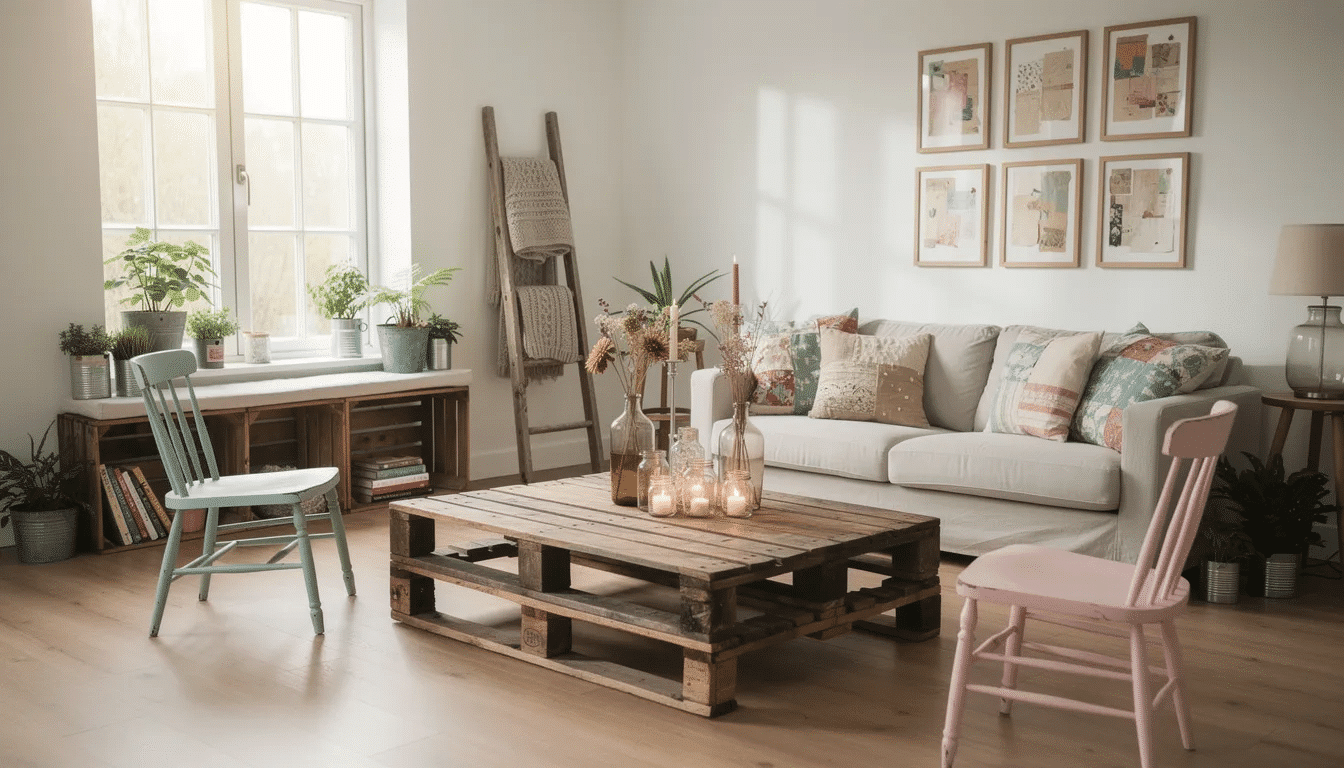
Upcycling differs fundamentally from recycling. While recycling breaks materials down into raw components for new production, upcycling reimagines objects in their existing form—elevating them to higher quality, functionality, or aesthetic value without deconstruction. In 2026, this practice has moved far beyond a fleeting trend into an ingrained approach to sustainable living and budget-conscious decorating.
Concrete examples make this concept click. A dated 1990s resin urn from Pier 1 becomes a faux-stone planter with the right paint and aging technique. A brass lamp that screams “grandma’s house” gets a matte black finish and suddenly looks like a $200 boutique find. An old rake head, wired with greenery and terra‑cotta pots, turns into a front-door wreath that stops neighbors in their tracks. These aren’t recycling projects—they’re creative transformations that give items new life while preserving their original structure.
The benefits stack up quickly. Upcycling cuts waste by diverting items from landfills. It saves serious money compared to buying new retail decor in 2026. And it lets you create custom, personal pieces that tell a story—something mass-produced decor simply cannot offer. This article delivers specific ideas, project examples, and step‑by‑step outlines inspired by popular thrift store decor blogs rather than vague style advice. You’ll leave with a concrete plan for your next visit to the thrift shop.
Where To Find The Best Items To Upcycle
Great upcycled home decor starts with smart sourcing. You don’t need expensive antiques—just solid, well‑made pieces that are past their prime but structurally sound. The charm comes from what you do with them, not what you pay.
Here are your best hunting grounds:
Source | What to Expect | Best Finds |
|---|---|---|
Local thrift stores (Goodwill, Salvation Army) | Consistent inventory, low prices | Lamps, frames, ceramics, glassware |
Habitat for Humanity ReStore | Building materials, furniture | Cabinet doors, hardware, small furniture |
Neighborhood yard sales | Negotiable prices, unique items | Vintage decor, old furniture, textiles |
Flea markets | Curated vintage, higher prices | Quality wood pieces, brass items |
Facebook Marketplace / Buy Nothing groups | Free or cheap, requires patience | Furniture, large decor, complete sets |
Your attic or basement | Already owned, zero cost | Forgotten pieces ready for transformation |
Look for specific items: wooden trays, 1980s–1990s decorative urns, outdated framed art, lamps with good bases but ugly shades, cutting boards, brass candlesticks, ceramic birds, glass vases, and old cabinet doors. These are the raw materials for endless possibilities. |
Prioritize solid wood over particleboard, real glass and ceramic over flimsy plastic, and intact frames and bases that only need fresh paint. Keep a simple “wish list” on your phone—wall shelves, entryway organizer, unique planters—so you shop with intention instead of creating organized clutter at home.
Essential Prep: Cleaning and Repairing Before You Upcycle
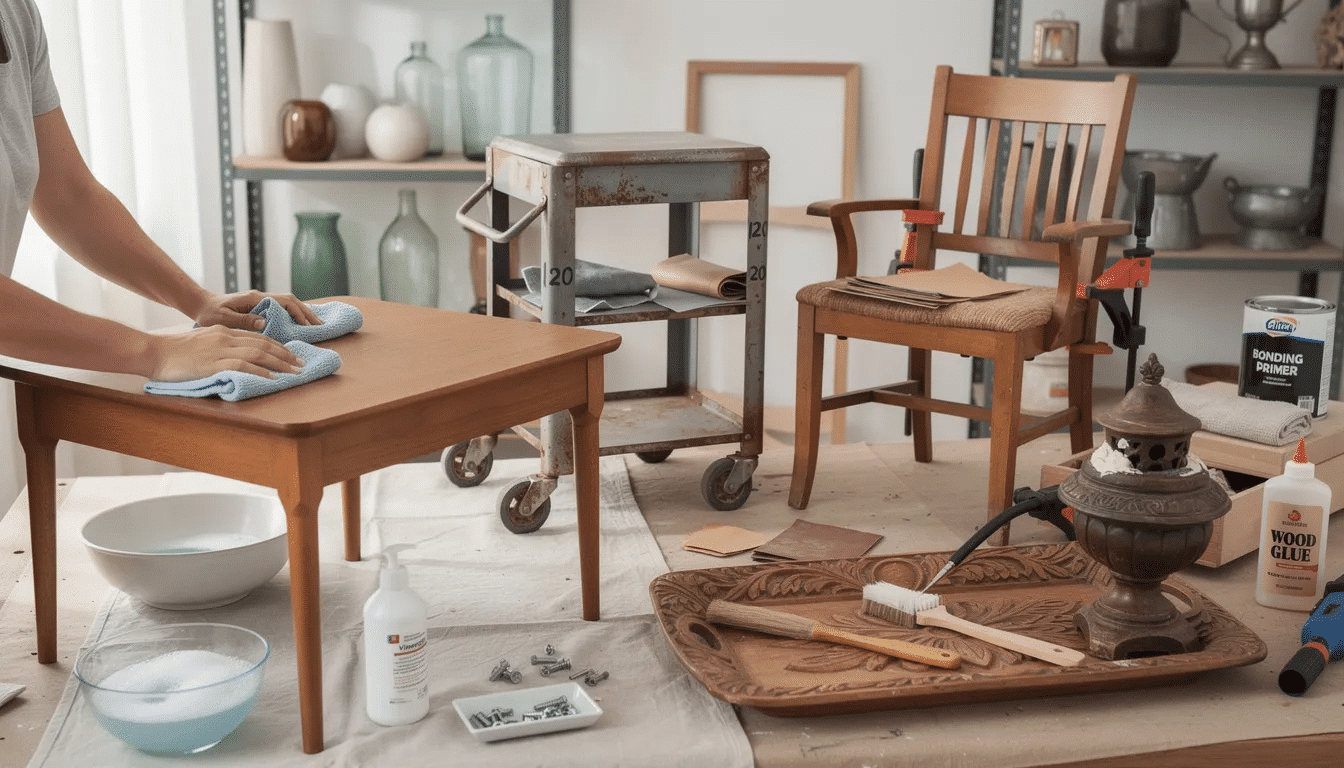
The unglamorous step that separates amateur projects from pieces that look intentional is thorough cleaning and repair. Paint sticks better, finishes last longer, and the final result looks professional when you invest time here first.
Your basic cleaning routine requires simple tools: microfiber cloths, mild dish soap, white vinegar for stubborn grime, a small scrub brush, and a toothbrush for crevices on carved trays or ornate urns. For furniture and decor from thrift stores, remove all hardware, vacuum drawers and crevices, wipe away grease and dust, and let everything dry completely before any paint touches the surface.
Repairs make the difference between a project that falls apart and one that lasts years. Tighten loose screws. Fill dings in frames and trays with wood filler. Use wood glue and clamps for loose chair legs or cabinet doors. Sand rough spots with 120–220 grit sandpaper. This step matters especially for dated 1990s resin decor, old classroom carts, and flea-market metal pieces that may have rust spots.
Some surfaces—laminate, glossy ceramics, glass—need extra attention. A light sanding or bonding primer ensures paint adheres properly. Skip this step, and you’ll watch your beautiful finish peel off within weeks.
Step‑By‑Step: Transforming a 1990s Urn and Accessories
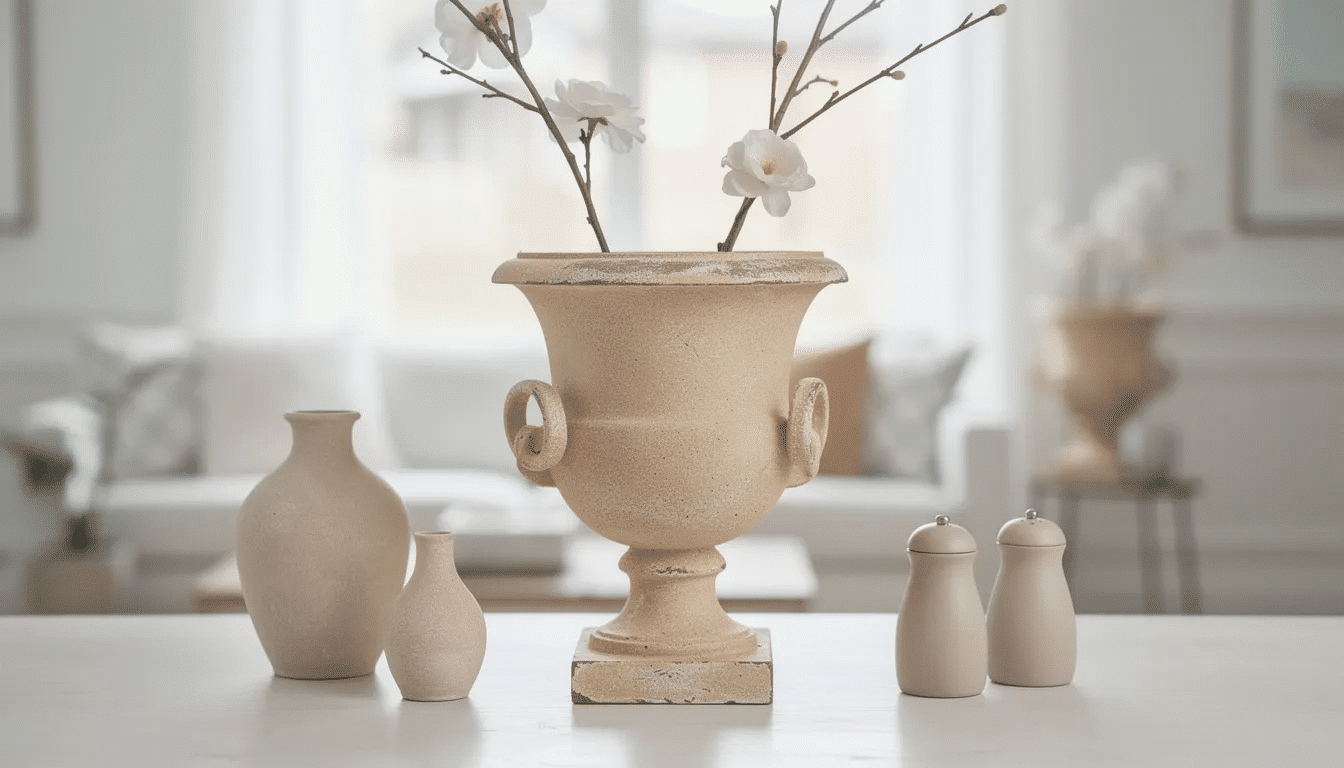
This project takes a dated 1990s resin decorative urn—the kind once sold at Pier 1 or Kirkland’s with that faux-antique finish—and transforms it into a modern centerpiece. The process covers cleaning, painting, aging the finish, and styling the urn alongside coordinating pieces like salt and pepper shakers or small vases.
Expect to spend $5–$7 for the urn and $1–$2 for small accessories at any thrift store. The total investment for a piece that looks like a $75 boutique find? Under $15 including paint.
Step 1: Clean and Prep the Urn
Wipe the urn with a damp microfiber cloth and a drop of dish soap, paying special attention to grooves, handles, and base details where dust loves to hide. Use an old toothbrush for deep crevices—these urns often have ornate detailing that traps years of grime.
Inspect for chips or cracks and lightly sand any rough edges with 220‑grit sandpaper. Porous resin or plaster pieces shed dust after sanding, so wipe again with a clean, dry cloth before moving forward. A perfectly clean surface is your foundation for everything that follows.
Step 2: Paint the Urn in a Modern Finish
Choose a neutral chalk‑style paint color that feels current—warm greige, soft clay, or mushroom tones work beautifully in 2025–2026 and update the 90s faux‑antique look immediately. A little paint goes a long way when you apply it correctly.
Use a round or French tip brush to reach ornate details. Apply two light coats rather than one heavy coat, letting each layer dry according to the paint’s instructions. Built‑in primer/sealer paints speed the project, but for very slick surfaces, a separate bonding primer prevents future peeling.
For optional texture that mimics stone or plaster, lightly stipple the second coat using a dry brush technique. This hides small surface flaws and creates visual interest that makes the piece look like it cost far more than your thrift store receipt suggests.
Step 3: Upcycle Coordinating Salt & Pepper Shakers or Small Accessories
While at the thrift store, grab inexpensive ceramic salt and pepper shakers or mini vases. These become matching decor pieces that create a cohesive vignette on any shelf or table.
Fill shaker holes with wood filler or spackle, let dry, and sand smooth. Clean like you did the urn. Paint them in the same color to create a unified set—use a small artist’s brush for tight areas around handles or bases.
The finished pieces serve multiple purposes: tiny bud vases for single stems, place‑card holders for dinner parties, or purely decorative objects arranged on a tray. Thinking in sets rather than isolated items elevates your entire space and demonstrates the fun of coordinated creative projects.
Step 4: Add Gold Details and an Aged Effect
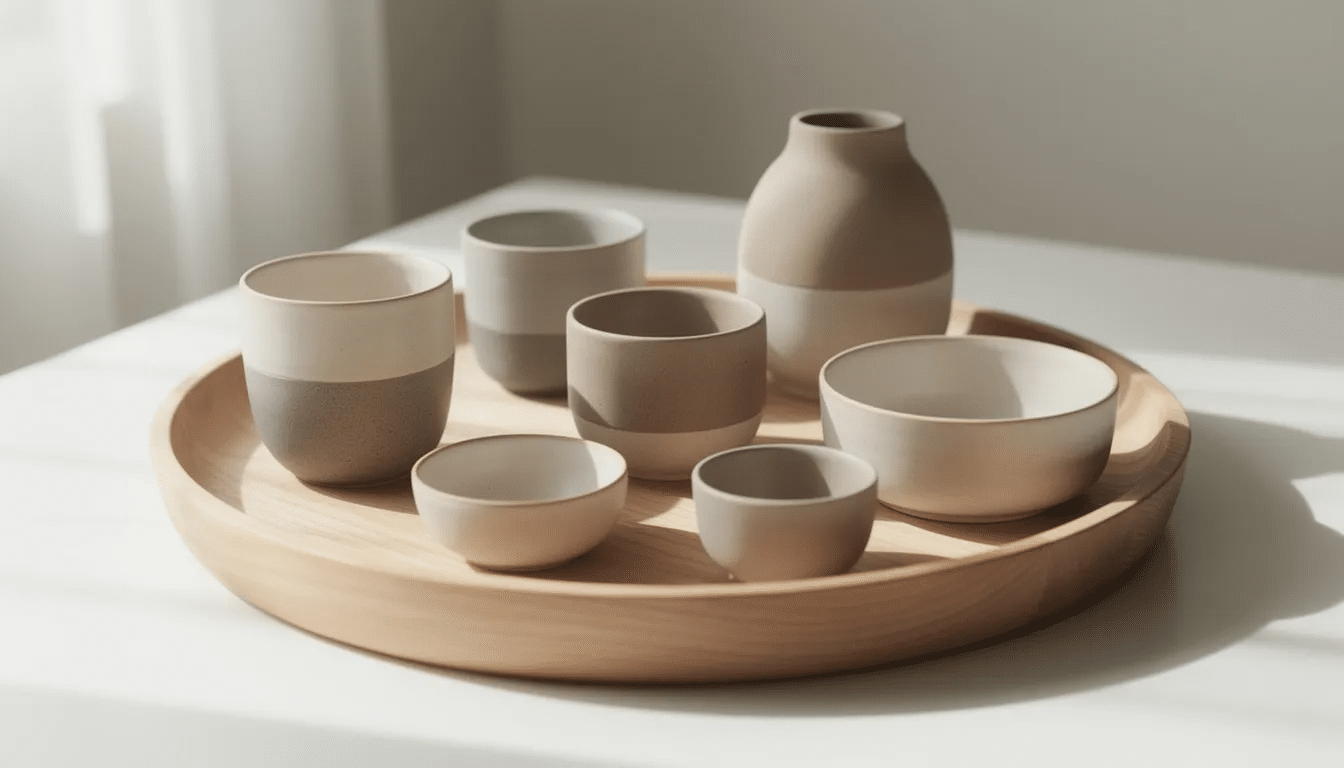
Subtle glam elevates the transformation. Brush gold or brass metallic paint onto raised details—urn handles, the rim, and base edges. Wipe back excess with a soft cloth for a softly highlighted look rather than an overwhelming gold finish.
Create natural-looking wear by gently scraping edges with a craft knife or fine sandpaper to reveal the underlying color. Apply dark or antique wax into crevices to deepen shadows and create vintage patina, then buff high points to create contrast.
Adjust the aging level to match your style. Heavy distressing suits farmhouse aesthetics while lighter aging works for modern classic spaces. The piece you create should feel like it has a history, a story—that’s what gives upcycled decor its soul.
Step 5: Style the Finished Urn for Everyday or Seasonal Decor
Fill the urn with florist foam, cover it with preserved moss, then tuck in a small grapevine wreath to create a “nest” effect inside. This base works year-round with simple seasonal swaps.
Seasonal filler ideas to transform your piece:
- March–April: Faux spring branches, pastel eggs, small decorative birds
- June–August: Dried lavender, sea glass, shells
- September–November: Mini pumpkins, eucalyptus, pinecones
- December: Glass ornaments, fairy lights, evergreen clippings
Hot‑glue small decorative birds, eggs, or pinecones in place for nature-inspired arrangements. Display the urn on a stack of books on a coffee table, as a dining table centerpiece, or on a fireplace mantel. One piece, styled thoughtfully, becomes the highlight of any room.
Fast & Creative Upcycled Decor Ideas for Every Room
Not every project requires multiple days and complex techniques. Many small home accents transform in an afternoon, making upcycling accessible even when time is limited, especially if you pull ideas from colorful weekend craft projects that can double as home decor.
Common thrifted items—lamp shades, glass vases, wooden cutting boards, luggage racks—serve as the base for fresh decor. Each idea below outlines a different quick project with concrete objects and suggested styles. Mix several of these smaller projects in one room for a collected, curated look that feels inspired rather than random.
Upcycled Lamp Shades and Thrifted Lamps
Repaint outdated brass or faux‑gold lamp bases in matte black, deep green, or off‑white using spray paint or brush‑on mineral paint. The transformation takes fifteen minutes of active work plus drying time.
Wrap a plain drum shade in a 100% cotton thrifted tablecloth or flannel shirt for cozy texture—secure with fabric glue or a stapler on the inside rim where it won’t show. For boho style, add macrame fringe or jute trim to the bottom edge for a 1970s-inspired vibe.
Create a matching pair for bedroom nightstands or a living room console table. Two coordinated thrift store lamps, refreshed with paint and new shades, replace retail pairs that cost $150 or more.
Simple Glass Vases Turned Into Faux Stone or Moody Art Pieces
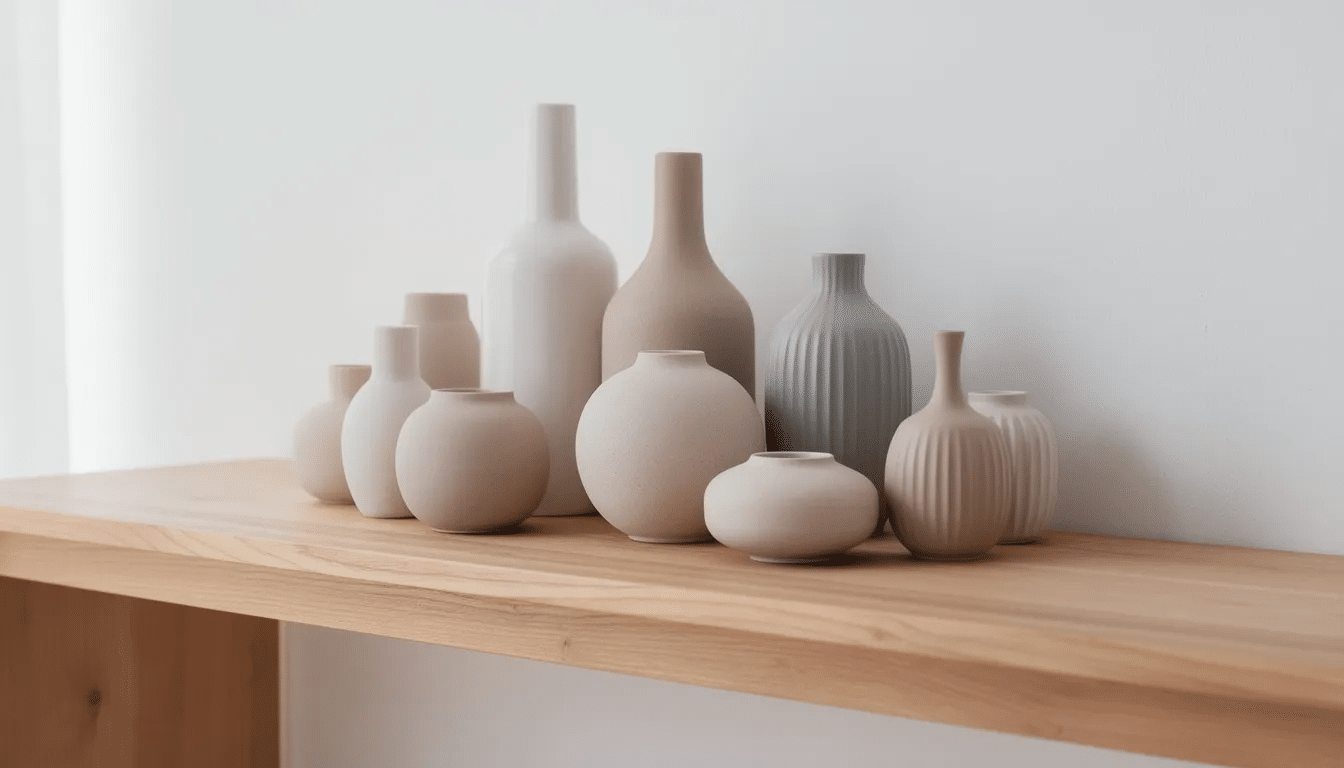
Transform clear, inexpensive glass vases into faux stoneware using flat paint mixed with baking soda. The baking soda creates texture that mimics ceramic or stone. Seal once dry with matte clear coat.
Current colors that fit 2026 minimalist and Japandi trends include charcoal, mushroom, and terracotta tones. For modern centerpieces, try an “ombre” or dipped‑paint effect on tall cylinders—tape off the top third and paint only the bottom.
Group 3–5 vases of varying heights together on a tray or mantel for impact. Even if each vase cost $1 at the thrift store, the grouped arrangement looks deliberate and expensive. This is where creativity meets smart shopping.
Wooden Cutting Boards and Random Wood Pieces as Wall Decor
Source old wooden cutting boards, cabinet doors, or scrap boards and sand them to remove stains and rough spots. These flat wood pieces become instant wall art with minimal effort.
Bleach or whitewash dark, dated wood for a lighter farmhouse look, or oil it with cutting board oil for a rich mid‑century style. Use stencils to add words like “BAKERY” or “MARKET” on long boards for kitchen art. Create a simple peg rail using vintage rulers or yardsticks for hanging towels, bags, or lightweight decor.
Arrange 3–7 boards on a kitchen wall to create a “cutting board gallery”—a trend that gained traction in 2021–2025 and continues forward with updated color palettes. The result feels collected over time rather than purchased in one shop visit.
Ceramic Birds, Pitchers, and Mismatched China
Small ceramic birds, pitchers, and odd teacups from thrift stores unify beautifully with a single paint color—soft white or greige—plus light distressing. What looked like random junk becomes a curated collection.
Use gilding wax or metallic paint to accent beaks, handles, or edges. The gold details tie disparate pieces together and create visual cohesion across your mantel or bookshelf.
Pitchers serve as vases. Teacups become ring dishes or tiny planters for succulents. Birds perch on mantels and bookshelf corners. Shop specifically for “orphan” pieces—cheap because they’re not part of a complete set—then turn them into an intentional grouping with love and a little paint.
Upcycled Textiles: Sweaters, Jeans, and Cloth Napkins
Turn thrifted cable‑knit sweaters into cozy pillow covers by cutting to size and sewing or hot‑gluing seams. Add buttons or zippers from the sweater’s original closure for functional charm. Use old jeans to create durable cushion covers, storage baskets, or patchwork pillow fronts with visible stitching.
Cloth napkins transform into seasonal decor—mini fabric pumpkins for fall mantels or bunting banners for spring and summer parties. Cut a ribbon of fabric to create simple ties for rolled napkins at your next dinner gathering.
These projects work perfectly for beginners and often require only basic hand sewing or fabric glue. No sewing machine, no scissors skills beyond basic cutting—just willingness to experiment, or even start with all‑in‑one DIY craft kits if you prefer guided projects. Coordinate colors with existing decor for pieces that feel intentional rather than crafty.
Repurposed Luggage Racks, Carts, and Small Furniture
An old luggage rack refreshes with paint and new webbing or leather straps. The transformed piece works as a bedside table, plant stand, or guest room suitcase stand. A metal school or utility cart with reclaimed wood shelves and fresh paint becomes a bar cart, craft station, or bathroom storage.
Add personality with stencils or transfers on flat surfaces—botanical designs, French bakery motifs, or industrial numbers give each piece character. These compact items especially serve apartments or small homes where storage doubles as decor.
Check the website of makers like petticoat junktion for tutorials and video inspiration on furniture transformations. The community sharing around these projects—from cindy rust to reinvented delaware creators—offers endless ideas for your own pieces.
Seasonal and Holiday Upcycled Decor Ideas
Holidays and seasons provide the perfect excuse to rotate in upcycled decor made from thrifted glassware, fabrics, and outdoor finds. The same base items—an urn, a tray, a glass cylinder—need only new fillers or colors to stay fresh from January through December.
Build a small “seasonal decor box” of thrifted items: colored glass bottles, cloth napkins in seasonal colors, faux greenery, and a few versatile containers. Restyle these pieces each year rather than buying new seasonal decor. Your house gains charm while your wallet stays happy.
Spring and Summer: Light, Bright, and Botanical
Paint glass bottles and jars in sea glass tones—soft aqua, pale green, frosted white—for spring and summer centerpieces. Fill with fresh herbs or wildflowers from your garden or the grocery store’s clearance section, or mix in tissue paper floral and lantern crafts for extra color and texture.
Turn an old rake head into a front door wreath base. Wire on greenery, small terra‑cotta pots, and vintage seed packets for a garden‑themed entry from April through August, or try a playful recycled Christmas wreath made from household packaging when winter rolls around. A vintage bicycle or tricycle with fresh paint and a basket of flowers makes charming porch decor throughout warm months.
Layer thrifted white linens and lace runners under upcycled vases and trays for light, airy tablescapes. The combination of flea market finds and fresh flowers creates the relaxed elegance of a French country farmhouse—at a fraction of the cost.
Fall: Cozy Textures and Warm Metals
Create sweater pumpkins from thrifted cable‑knit sleeves. Cut the sleeve, stuff with batting or plastic bags, tie the ends with jute, and top with twig “stems.” Arrange on mantels and dining tables from September through November.
Use bleached or whitewashed wooden bowls to hold pinecones, acorns, and mini pumpkins. The neutral base lets the natural textures shine without competing colors. Turn outdated Halloween decor—dated signs or figurines—into neutral fall pieces with matte paint and simple wording like “Harvest” or “Welcome.”
Incorporate brass or gold accents: painted ceramic birds, candlesticks, amber glass vases. The warmth of metals pairs perfectly with fall’s cozy textures. Sarah from uncommon slice suburbia and pam from blu suburbia consistently feature these techniques in their fall decor posts—proof that the approach works beautifully.

Winter and Holiday: Sparkle, Glow, and Layers
Fill upcycled urns, vases, or silverplate pitchers with evergreen clippings, fairy lights, and vintage ornaments. The combination creates instant holiday magic without buying a single piece of new decor and pairs beautifully with festive holiday craft round‑ups full of DIY ornament and gift ideas.
Turn thrifted glassware into candle holders by frosting the glass with etching cream or translucent spray paint. Add tealights for soft winter glow throughout December and beyond. Set up a hot cocoa bar using mismatched china: cups for toppings, creamers for syrup, pitchers for candy canes.
Add subtle winter touches—pinecones inside glass cloches, snowflake stencils on mirrors, plaid napkins—that can stay out through January rather than ending with Christmas week. The layered, cozy vignettes built from secondhand finds create the perfect backdrop for the season.
Tips for Successful Upcycling (So Your Projects Look Intentional, Not Random)
The goal of upcycled decor is curated cohesion, not a pile of mismatched thrift store finds. A few guiding principles keep your spaces looking polished:
- Commit to a color palette: Choose 3-4 colors for each room (whites, woods, black, plus one accent) and repaint most upcycled pieces within that palette
- Repeat materials: Use woven textures, warm wood, or black metal across several projects to create visual connection
- Edit ruthlessly: Display only what you love and what serves a purpose—donate or re-upcycle items that no longer fit your style
- Seal appropriately: Use wax for decorative items, polyurethane for pieces handled daily like trays and small furniture
- Embrace experimentation: Thrifted items cost so little that mistakes become learning opportunities, not disasters
Join communities where creators share their work—an inlinkz link party, cindy’s group, or delaware-based upcycling circles. Leave a comment on posts that inspire you. The collective creativity makes every individual project better.
Bringing It All Together: Your Upcycled Home Decor Plan
The journey from thrift store trash to treasured decor follows a clear path: source solid pieces, clean and repair thoroughly, paint and refinish with intention, and style thoughtfully. Each step builds on the previous one.
Your 30-Day Upcycled Home Action Plan:
Week | Focus | Action Items |
|---|---|---|
Week 1 | Source | Visit your local thrift store, check Facebook Marketplace, search your attic—collect 3-5 items with good bones |
Week 2 | Prep | Clean everything thoroughly, make repairs, sand surfaces, apply primer where needed |
Week 3 | Transform | Paint, distress, add gold accents, seal finished pieces |
Week 4 | Style | Arrange your upcycled pieces, photograph before-and-after results, share your work |
Start with one room—the entryway or living room works well—and add 2-3 upcycled pieces there before moving on. This focused approach prevents overwhelm and lets you see real results quickly. |
Document your progress with before-and-after photos. The visual record keeps you motivated and shows just how far a $3 vase or $7 urn can travel with creativity and purpose, and you can even turn a favorite image into custom photo appliqué art for quilts or pillows. Share your transformations on social media or in DIY groups. The feedback fuels your next project.
Look around your home right now. That tired lamp in the corner? The vase you chose years ago that no longer fits your style? The perfect piece for your next project might already be inside your house, ready for you to see it with fresh eyes.
This weekend, head to the thrift store with your wish list ready. Grab one item—a tray, a lamp, a vase. Come home, clean it, and create something that’s yours alone. The only thing standing between you and an upcycled home filled with one-of-a-kind pieces is the decision to start.