
If you’re looking to transform an empty corner of your venue into a family magnet, commercial soft play equipment is one of the smartest investments you can make. These padded, foam-based play structures are specifically engineered for high-traffic commercial environments where durability, safety, and child engagement must work together seamlessly.
Whether you operate an indoor playground, a pediatric waiting room, a hotel kids’ club, or a shopping mall family zone, this guide walks you through everything you need to know—from product categories and safety standards to planning, installation, and choosing the right supplier.
- Quick Overview of Commercial Soft Play Equipment
- Featured Commercial Soft Play Solutions
- Our Experience in Commercial Soft Play Design
- Commercial Soft Play Product Categories
- Benefits of Commercial Soft Play for Businesses
- Safety, Materials, and Compliance in Commercial Soft Play
- Custom vs. Ready-Made Commercial Soft Play
- Planning, Installation, and Maintenance of Commercial Soft Play
- Choosing the Right Commercial Soft Play Partner
Quick Overview of Commercial Soft Play Equipment
Commercial soft play equipment refers to padded play structures and items crafted from high-density foam, reinforced vinyl, and commercial-grade stitching. Unlike home-use alternatives, these systems are built to withstand daily use by dozens or even hundreds of children while maintaining safety and appearance over years of operation.
You’ll find this equipment in a wide range of venues: indoor playgrounds, church playrooms, nursery schools, pediatric and dental waiting rooms, shopping centers, airports, play cafés, family entertainment centers, and hotel kids’ clubs, as well as kindergarten classrooms designed for engaging learning experiences. Essentially, anywhere families gather and children need a secure space to burn energy.
Three key benefits stand out immediately:
- Child safety – High-density foam cores and seamless stitching eliminate hard edges and absorb impacts, keeping little ones protected during active play.
- Increased dwell time – Parents stay longer when kids are happily occupied, which translates directly to higher spending in retail and hospitality settings.
- Revenue potential – A well-designed play zone can justify premium entry fees, minimum spend policies, or membership tiers.
Modern commercial soft play uses multi-layer construction—typically a laminated board base, pearl cotton padding, sponge layers, and a durable PU leather or PVC exterior. This combination delivers the durability needed for 2024 and beyond, ensuring your investment continues to perform under heavy daily traffic.
Featured Commercial Soft Play Solutions
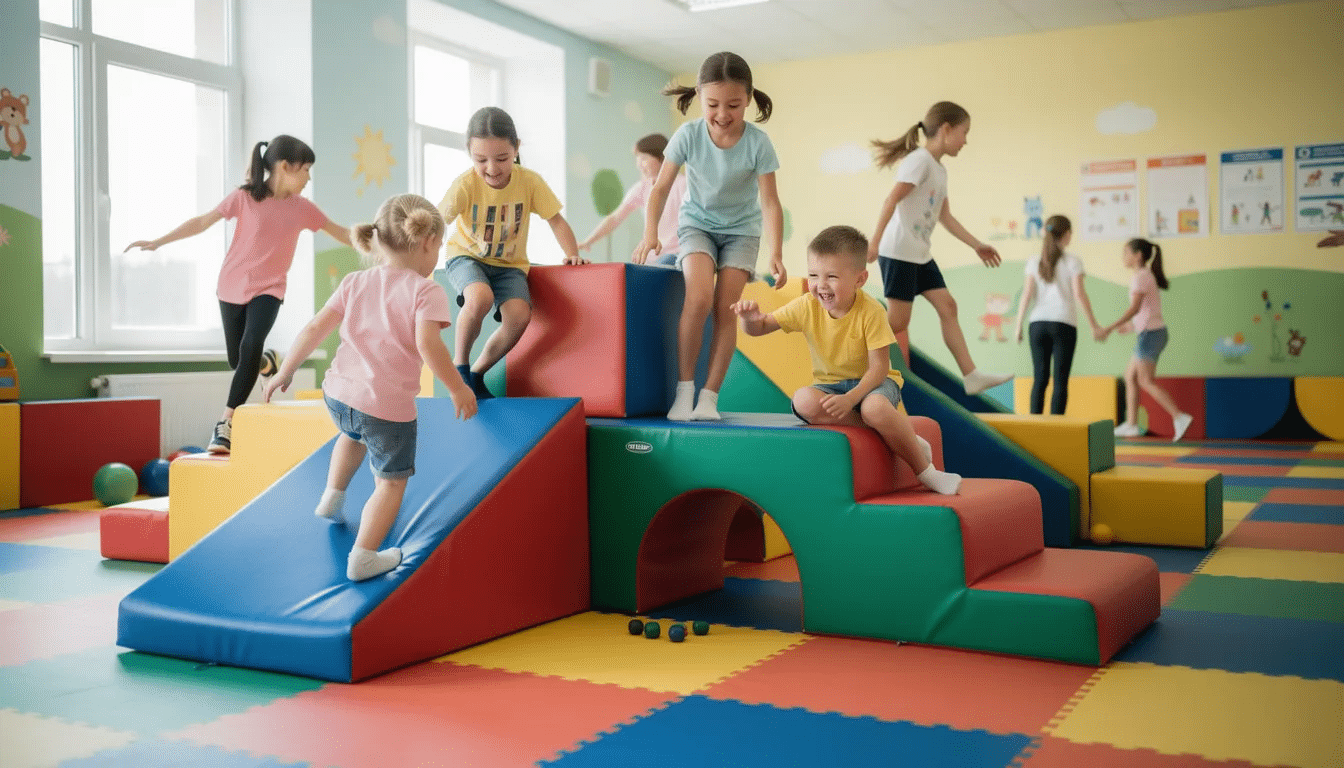
When it comes to flagship installations that transform a venue into a true destination, multi-activity soft play zones lead the way. These are the hero products designed for high-traffic commercial spaces where you want maximum impact and extended visit times.
The Galaxy Adventure Soft Play Arena represents the kind of featured solution that anchors a family entertainment center or mall play zone. Here’s what a flagship installation typically includes:
Multi-Level Padded Platforms and Ramps Children can climb, crawl, and explore across multiple height levels connected by gentle ramps and steps. All surfaces are covered in impact-absorbing foam with easy-clean vinyl exteriors.
Soft Climbing Blocks and Tunnels Modular climbing elements in various shapes encourage imaginative play and physical development. Tunnels add an element of exploration and create natural traffic flow through the play area.
Contained Soft Ball Pool A soft play ball pit with reinforced foam walls and an easy-clean liner provides a classic attraction. For commercial settings, expect to fill pits with several thousand balls depending on size—larger pools may require 5,000 or more.
Interactive Wall Panels and Sensory Elements Touch panels, texture walls, and light/sound elements add cognitive stimulation alongside physical play. These sensory components are increasingly popular as venues look to offer more than just climbing and sliding.
Age Range and Capacity A flagship zone like this is typically designed for children ages 3–10, with capacity guidelines recommending 20–30 children at a time for safe, supervised play.
Ideal Footprint Expect to allocate 60–100 m² for a full-featured multi-activity zone. Smaller footprints work for more focused installations, but flagship attractions need room to deliver the experience that keeps families coming back.
Ideal Locations Shopping malls, family entertainment centers, leisure clubs, and large play cafés benefit most from these high-impact installations.
Our Experience in Commercial Soft Play Design
Designing and supplying commercial soft play equipment requires more than just understanding foam densities and safety standards—it demands hands-on experience with real-world venues and the challenges they face.
Since the early 2010s, specialized suppliers have completed hundreds of play installations in schools, nurseries, leisure facilities, and family entertainment venues across North America and Europe. This track record provides the foundation for understanding what works in different environments, from compact church playrooms to sprawling indoor playgrounds.
Key credentials to look for in an experienced supplier:
- Years active: Over a decade of focused work in commercial soft play design
- Project volume: Hundreds of completed installations across diverse venue types
- Markets served: Experience in the USA, Europe, and other international markets
- Collaboration: Track record of working alongside architects, interior designers, and contractors during new-build and renovation projects
- Safety compliance: Adherence to relevant standards including EN 1176 in Europe, ASTM F1918 and CPSIA in the U.S., with third-party testing where applicable
A typical project timeline runs 8–12 weeks from first concept sketch to installation, depending on project size and customization requirements. Throughout this process, experienced suppliers guide clients clearly through each phase—from initial measurement and design to final installation and handover.
Commercial Soft Play Product Categories
Understanding the main product categories helps you build a play environment that matches your venue, budget, and target age groups. Most commercial projects combine several of these categories to create a complete experience.
Soft Play Climbers & Obstacle Courses These form the backbone of most installations. Block sets, ramps, balance beams, and crawl-through shapes encourage active play and build coordination for children ages 2–8. Modular designs allow you to configure layouts that fit your available space and create natural traffic flow.
Ball Pits and Sensory Pools Square and circular ball pits remain perennial favorites. Commercial versions feature reinforced foam edging, durable vinyl liners, and easy-access entry points. For sizing reference, a small pit (1.5m × 1.5m) might need 2,000–3,000 balls, while larger pools require 5,000 or more.
Soft Seating & Modular Lounges Don’t overlook the parents’ area. Poufs, ottomans, and modular foam sofas provide comfortable seating for supervising adults. These pieces also work well in reading corners and quiet zones within nurseries and libraries.
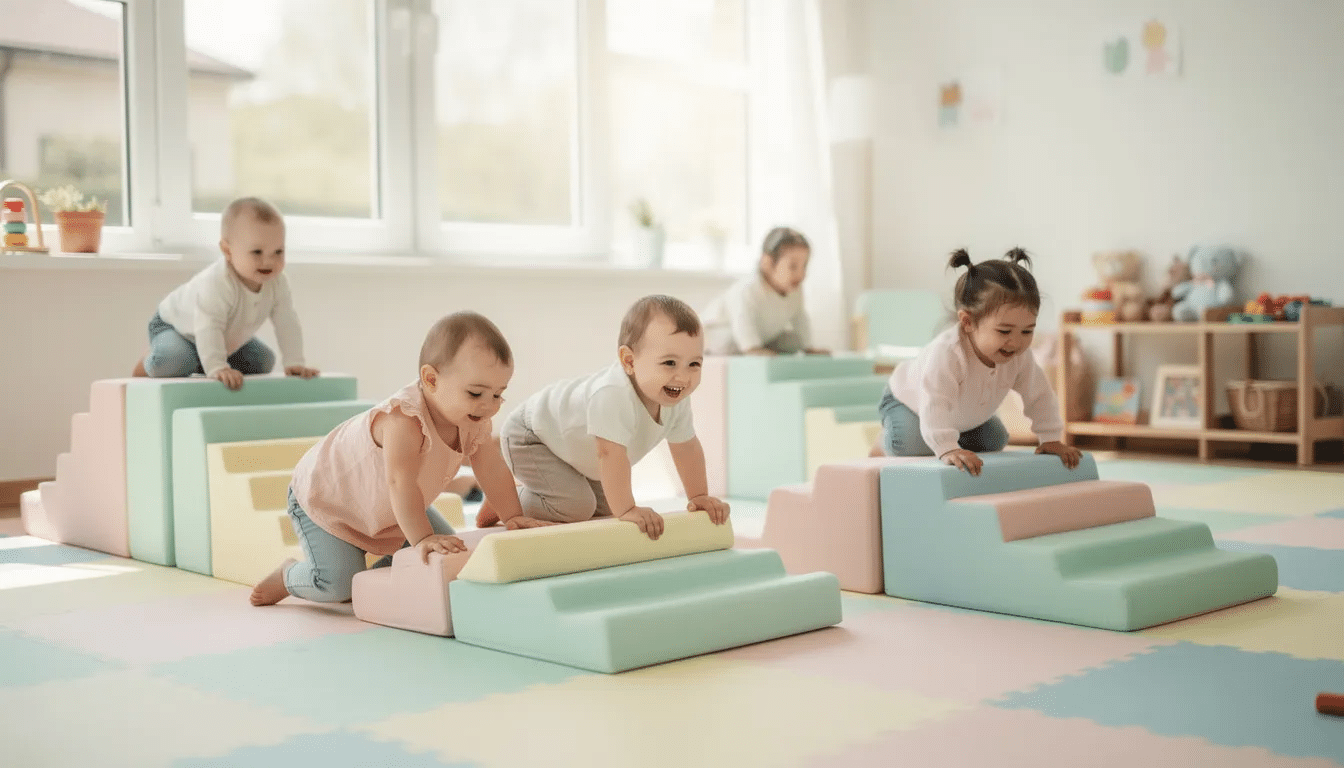
Toddler Zones (Ages 1–3) Dedicated areas for the youngest visitors feature low-height climbers, gentle rockers, crash mats, and enclosed play yards. As children grow, thoughtfully planned zones can evolve into spaces that support engaging group activities for 5 year olds while still keeping age groups appropriately separated to prevent collisions and ensure toddlers can explore safely.
Interactive Panels & Sensory Items Texture walls, mirror panels, shape sorters, and light/sound panels designed for commercial settings add cognitive stimulation to physical play. These elements are particularly valuable in educational venues and spaces serving children with diverse sensory needs.
Themed Play Elements Foam sculptures shaped as vehicles, animals, sea creatures, fantasy castles, or custom mascots bring imagination to life. These themed elements help venues create unique identities and memorable experiences that families talk about and return to.
Venue-specific recommendations:
- Nurseries and preschools: Focus on toddler zones, sensory panels, and themed elements
- Hotel kids’ clubs: Combine climbers with soft seating for mixed-age appeal
- Play cafés: Balance ball pits and obstacle courses with comfortable parent seating
- Family entertainment centers: Go big with multi-level structures and interactive technology
Benefits of Commercial Soft Play for Businesses
Commercial soft play is both a child-development tool and a strategic business investment. When you create a dedicated play space, you’re not just providing fun for children—you’re building a revenue-generating asset.
Increased Footfall & Dwell Time A well-designed play zone extends customer visits significantly. In retail environments, families that might browse for 20 minutes often stay for an hour or more when children have somewhere safe and engaging to play. This extended visit time creates more opportunities for spending.
Higher Average Spend When kids are happily occupied, parents relax and open their wallets. Restaurants, cafés, and malls consistently report higher average transaction values from families using on-site play areas. A small play café that adds a 25 m² toddler zone can often justify premium entry pricing or minimum spend requirements.
Differentiation & Brand Image Themed or branded soft play helps your venue stand out in a crowded market. Custom elements featuring your company colors, mascots, or unique themes create memorable experiences that families share on social media and recommend to friends.
Safe, Controlled Play Environment Predictable, padded play areas dramatically reduce accident risks compared to unstructured running around. This protection matters for your customers and your liability exposure alike.
All-Weather, Year-Round Attraction Indoor soft play provides stable revenue regardless of weather conditions. While outdoor attractions suffer during rain, cold, or extreme heat, your indoor playground remains consistently busy—and consistently profitable.
Community & Member Loyalty Gyms, churches, community centers, and clubs use soft play strategically to attract and retain family memberships. When parents know their children have a safe, engaging space during adult activities, membership renewal rates climb.
Safety, Materials, and Compliance in Commercial Soft Play
Safety and durability separate true commercial-grade equipment from home-use products. In high-traffic venues, these factors directly impact your liability, maintenance costs, and long-term ROI.
Material Specifications
The foundation of quality commercial soft play lies in its construction:
- High-density foam cores (typically 24–30 kg/m³ density) maintain shape retention over years of heavy use. Premium foams like V24 offer optimal density-to-weight ratios, lasting 2–3 times longer than standard alternatives.
- Reinforced, phthalate-free PVC vinyl covers resist tearing, staining, and bacterial growth. Look for materials that are easy to sanitize with standard commercial cleaners.
- Non-slip bases prevent equipment from shifting during active play.
- Secure Velcro or zipper closures keep foam inserts contained while allowing access for deep cleaning when needed.
Hygiene and Cleaning
Commercial venues require rigorous cleaning protocols:
- Daily wipe-downs of all surfaces with approved sanitizers
- Weekly deep cleaning schedules, including ball pit balls (commercial ball washers are available for high-volume venues)
- Antimicrobial surface treatments that inhibit bacterial growth between cleanings
Safety Standards and Testing
Reputable equipment meets or exceeds recognized safety standards:
- EN 71 and EN 1176 (Europe) – Covering toy safety and playground equipment
- ASTM F1918 (USA) – Soft contained play equipment safety standards
- CPSIA – Consumer product safety requirements
Equipment should be engineered to avoid hard edges, entrapment hazards, and tip-over risks. Poorly stitched seams can create entrapment points, while detachable parts pose choking hazards—quality manufacturers test specifically for these issues.
Operational Guidelines
Clear age labels, maximum user guidelines, and visible signage help operators maintain safe play. Staff training on supervision requirements and emergency procedures completes the safety picture.
Custom vs. Ready-Made Commercial Soft Play
One of the first decisions you’ll face is whether to invest in customized soft play equipment or choose from ready-made modular sets. Both approaches have clear advantages depending on your venue, timeline, and budget.
Custom Projects
Custom-designed play environments make sense when:
- Your room has unusual shapes, ceiling heights, or structural columns that standard products won’t accommodate
- You want to integrate corporate branding, specific colors, or mascots into soft play elements
- You’re creating a unique theme (jungle, underwater, sea creatures, cityscape, space) that becomes part of your venue’s identity
- You’re building a flagship location where the play area serves as a primary attraction
Custom projects typically require longer lead times (8–12 weeks from design to installation) and higher upfront investment, but they deliver unique environments that competitors cannot replicate.
Standard Sets
Ready-made modular systems offer different advantages:
- Faster lead times – Standard sets can often ship within 1–3 weeks
- Predictable pricing – No surprises during the design process
- Pre-validated safety layouts – Proven configurations that meet standards out of the box
- Easy replacement – Damaged pieces can be reordered as exact matches
- Future expansion – Add matching components as your business grows
When to Choose Which
Custom solutions work best for flagship venues where the play area is a primary draw and marketing asset. Standard sets suit smaller play cafés, rental operators, waiting rooms, and businesses adding play as a secondary amenity. Many operators start with standard sets to prove the concept, then upgrade to custom installations as revenue justifies the investment.
Planning, Installation, and Maintenance of Commercial Soft Play
From first measurement to daily operations, understanding the full life cycle helps you maximize your investment and keep equipment performing safely for years.
Planning Your Play Space
Before contacting suppliers, gather essential information:
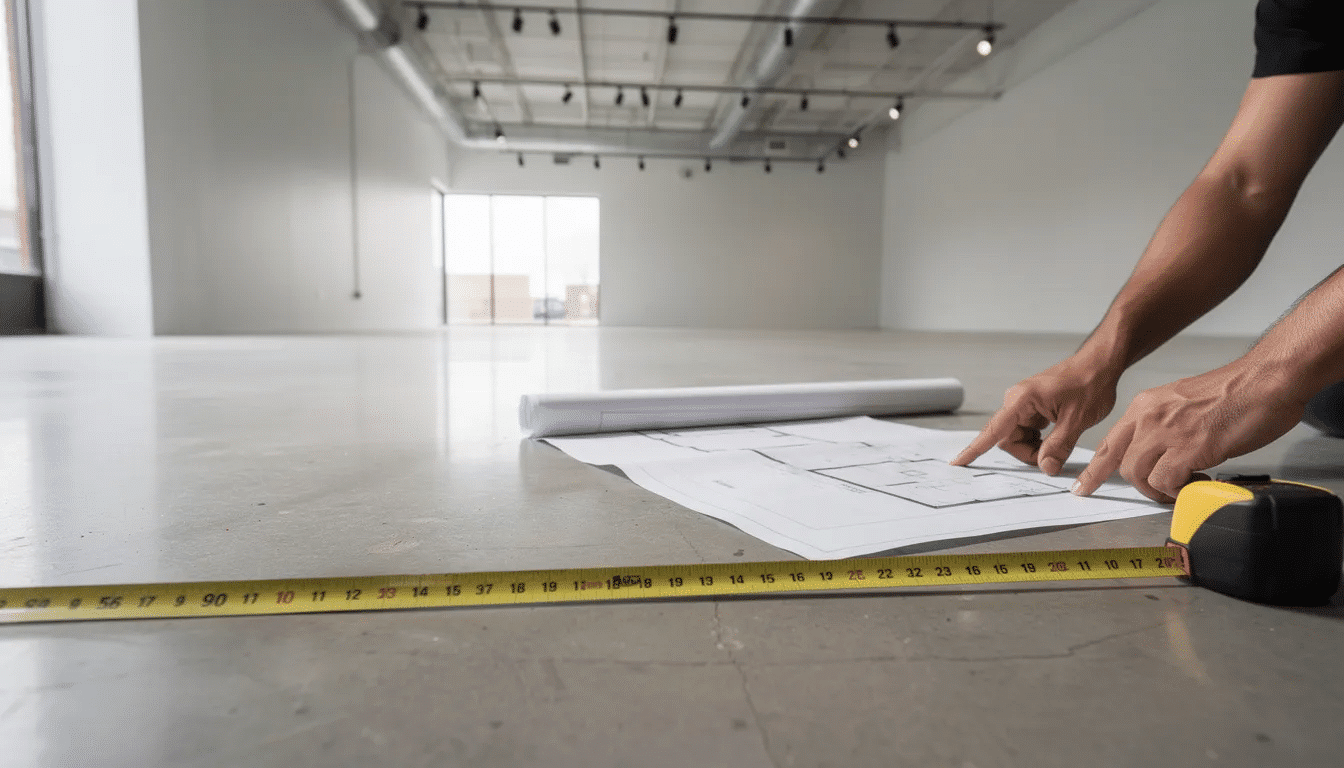
- Measure room dimensions carefully – Note ceiling height, door widths, window locations, and emergency exit positions
- Identify structural constraints – Columns, HVAC vents, and electrical outlets affect layout options
- Define your target age groups – Different ages require different equipment and separate zones for safety
- Estimate maximum occupancy – How many children will use the space simultaneously?
- Consider traffic flow – Parents need clear sightlines for supervision; entry/exit points should be controlled
Creating simple layout sketches helps communicate your vision to designers. Many suppliers offer free design consultations where they’ll create professional 2D layouts and 3D visuals based on your space and requirements.
Installation
Installation complexity varies significantly by project scope:
- Small zones (under 30 m²): Often completed in a single day by experienced installers
- Medium installations: Expect 2–3 days for multi-element zones with wall-mounted features
- Large play centers: Full installations may require a week or more, including structural work
Key installation considerations:
- Anchoring requirements for wall-mounted and elevated elements
- Proper spacing between equipment pieces for safe traffic flow
- Clear access paths for staff supervision
- Compliance with local building codes and fire regulations
Professional installation is strongly recommended for larger or multi-level elements. While modular floor pieces can often be arranged by venue staff, structural components require expertise.
Maintenance
Ongoing maintenance protects your investment and keeps play safe:
Daily:
- Visual inspection for visible damage, loose covers, or displaced elements
- Surface cleaning and sanitization
- Ball pit check for debris or damaged balls
Weekly:
- Deeper inspection of seams, zippers, and Velcro closures
- Check anchoring points and wall-mounted elements
- Thorough cleaning of all surfaces and hard-to-reach areas
Quarterly:
- Detailed safety review against manufacturer specifications
- Foam compression testing on high-traffic elements
- Documentation for insurance and compliance records
Replacement planning:
- Stock spare covers and high-wear items
- Budget for ball pit ball replacement (annual or semi-annual depending on use)
- Plan foam core replacement for heavily used elements every 5–10 years
Keeping maintenance logs creates documentation valuable for insurance purposes and demonstrates compliance with safety standards during inspections.
Choosing the Right Commercial Soft Play Partner
Supplier selection directly affects the safety, durability, and long-term ROI of your play equipment. The cheapest quote rarely delivers the best value when you factor in replacement costs, maintenance requirements, and liability exposure.
Key criteria to evaluate:
- Proven commercial experience – Request references from similar venues (malls, schools, hotels, play cafés) and ask about equipment performance over time
- Transparent safety documentation – All materials and components should have clear certifications and test reports available
- In-house design support – Look for suppliers offering 2D layouts and 3D visuals of your proposed play area before you commit
- Clear warranties – Multi-year coverage for structural foam and seams indicates manufacturer confidence in their products
- After-sales support – Responsive service when issues arise, plus availability of replacement parts
- Matching add-ons – The ability to expand your installation with compatible components as your business grows
Avoid purchasing purely on price. A supplier offering equipment at 30% below market rates may be cutting corners on foam density, vinyl quality, or safety testing. These shortcuts become expensive when equipment fails prematurely or creates liability issues.
The best commercial soft play partners function as consultants, not just vendors. They’ll ask questions about your specific needs, recommend solutions that match your budget and goals, and guide you through the entire process from planning to installation and beyond.
Ready to bring your vision to life? Whether you’re launching a new family entertainment center, adding a toddler zone to your café, or upgrading an aging play area, start by measuring your space, identifying your target age groups, and reaching out to discuss your timeline and budget.
The right commercial soft play installation doesn’t just keep children safe and engaged—it builds a business asset that drives customer loyalty, extends visit times, and generates revenue for years to come. Browse available options, request a design consultation, and take the first step toward creating a play environment that families will love.