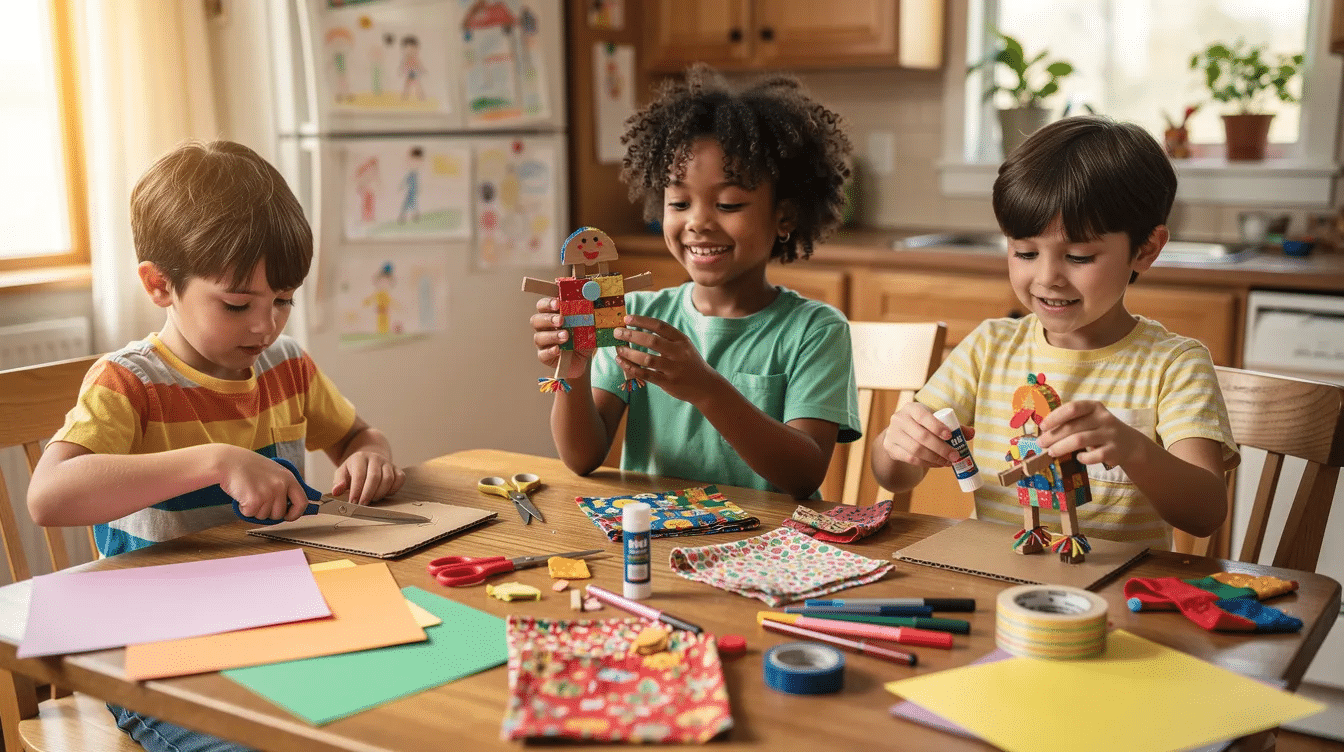
Creating diy toys from recycled materials is a great way to save money, reduce waste, and give children an opportunity to explore how ordinary things can turn into toys. If you run a kids activities blog or simply need more ideas for home crafts, these recycled toys bring fun, learning, and imagination into everyday life.
- How We Chose the Best Recycled Materials for DIY Toys
- Top 7 Recycled Materials for DIY Toys
- Quick Comparison of the Best Recycled Materials
- How to Choose the Right Recycled Material
- Which Material Is Best for You?
- Final Thoughts
How We Chose the Best Recycled Materials for DIY Toys
We chose materials by looking at safety, ease of cutting, durability, cost, and creative value. Parents should still watch for small parts: the CPSC toy safety guidance notes that small detachable items can be choking hazards, especially for children under 3.
The promise is simple: choose recycled materials that kids can handle, decorate, and understand. Acknowledge sharp edges, loose bottle caps, toxic paint, and any hole that could trap fingers before play begins.
Top 7 Recycled Materials for DIY Toys
1. Cardboard Boxes and Tubes
Cardboard boxes, toilet paper rolls, and paper towel rolls are the most flexible recycled items for toy making, whether you’re building simple play structures or following a step-by-step cardboard sword tutorial.
Why It Stands Out
A cardboard box train is an easy craft that allows children to get creative with recycled items, requiring only glue, paint, and drawing materials. A cardboard box train is an easy DIY project that allows children to get creative with recycled items, requiring just glue, paint, and drawing materials.
Best For
Ages 3-12; ideal for a house, plane, castle, or pretend shop.
Key Strengths
Cardboard is easy to draw on, cut with scissors, and build into large shapes. Using toilet paper rolls, children can make race cars, which is a simple and engaging craft that utilizes common household items, or even turn a big box into a cardboard time machine for imaginative play.
Possible Limitations
It is not waterproof and may bend during rough play.
2. Plastic Containers and Bottles
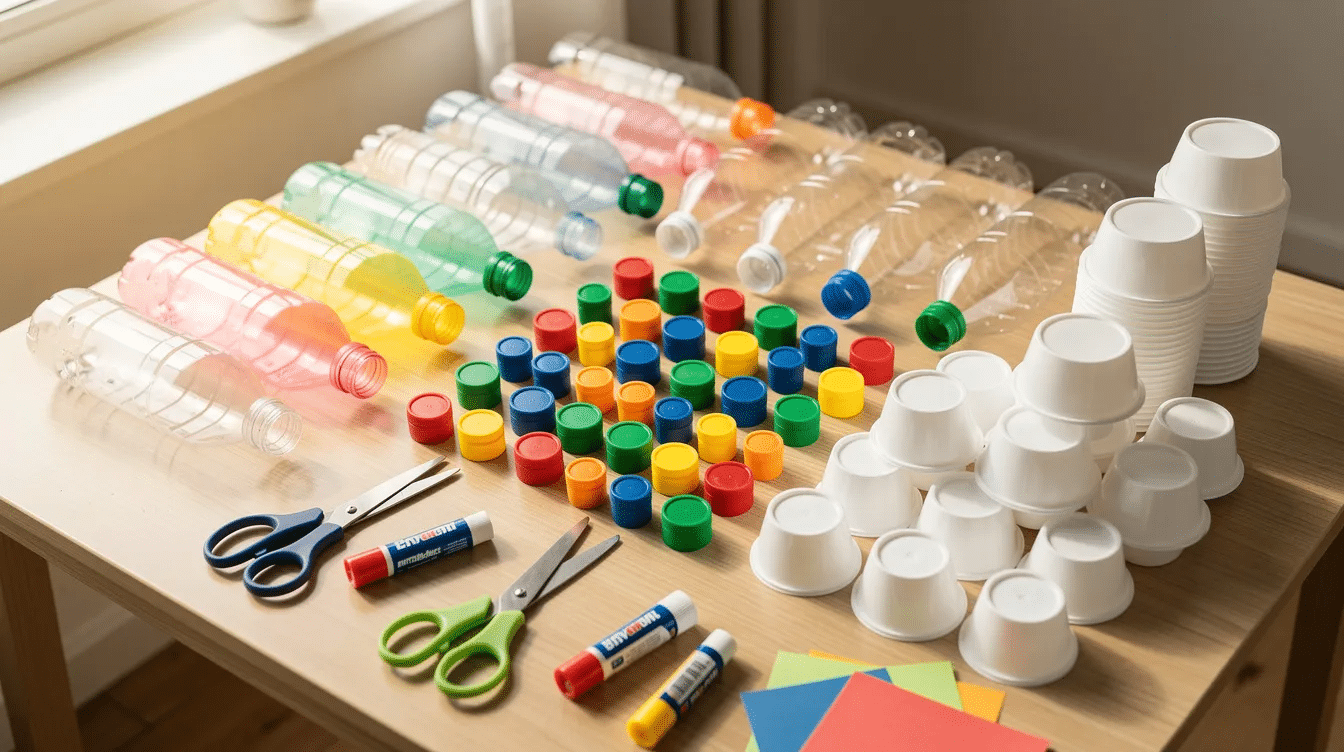
Plastic containers work well for summer water play, scooping, sorting, and sensory activities.
Why It Stands Out
Plastic is durable, washable, and comes in many shapes. Plastic bottle caps can be used as stamps for painting, providing a fun way to create patterns.
Best For
Toddlers and preschoolers, with supervision.
Key Strengths
Empty yogurt cups can become pretend ice cream cones by decorating them with colors and textures to simulate different flavors.
Possible Limitations
Adults should handle cutting and sanding. Avoid sharp edges, tiny lids, and brittle plastic.
3. Egg Cartons
Egg cartons are simple, light, and useful for early learning.
Why It Stands Out
Their built-in cups make it easy to match colors, count objects, or sort pebbles.
Best For
Preschool and early elementary kids.
Key Strengths
They help small hands practice coordination while making bugs, boats, or counting games.
Possible Limitations
They crush easily and should stay dry.
4. Tin Cans and Metal Containers
Tin cans are strong materials for music, gardening, and outdoor toys.
Why It Stands Out
Kids can create their own coffee can drums, which provide a fun way to make music and tap into their creativity. Kids can create their own coffee can drums, which not only serve as a fun musical instrument but also encourage creativity in crafting.
Best For
School-age children.
Key Strengths
Coffee can drums last for years. You can also tie fabric around cans or add safe tape to cover edges.
Possible Limitations
Adults must smooth metal rims. Drums can be loud, so set clear play times.
5. Paper and Magazines
Paper, junk mail, and magazines are excellent for quiet art projects, especially when paired with quality art supplies for young artists.
Why It Stands Out
Using junk mail or magazines for art projects can create mosaics, letters, or shapes, and combining them with tissue paper craft projects adds color and texture without much extra cost.
Best For
Ages 4-10.
Key Strengths
Paper supports folding, cutting, collage, puppets, flashcards, and creative storytelling.
Possible Limitations
It tears easily and is not made for wet play.
6. Glass Jars
Glass jars are best for older kids who can handle breakable materials carefully.
Why It Stands Out
They offer a clear view for sensory bottles, nature displays, and science activities, and you can also pair them with DIY craft kits for creative projects when you want a ready-made set of materials.
Best For
Ages 8+ with adults nearby.
Key Strengths
Collecting items like twigs, leaves, and pebbles can be used for nature collages as part of art projects, or turned into owl-themed recycled crafts for kids that connect art with nature learning.
Possible Limitations
Glass can break, so it is not for babies or unsupervised siblings.
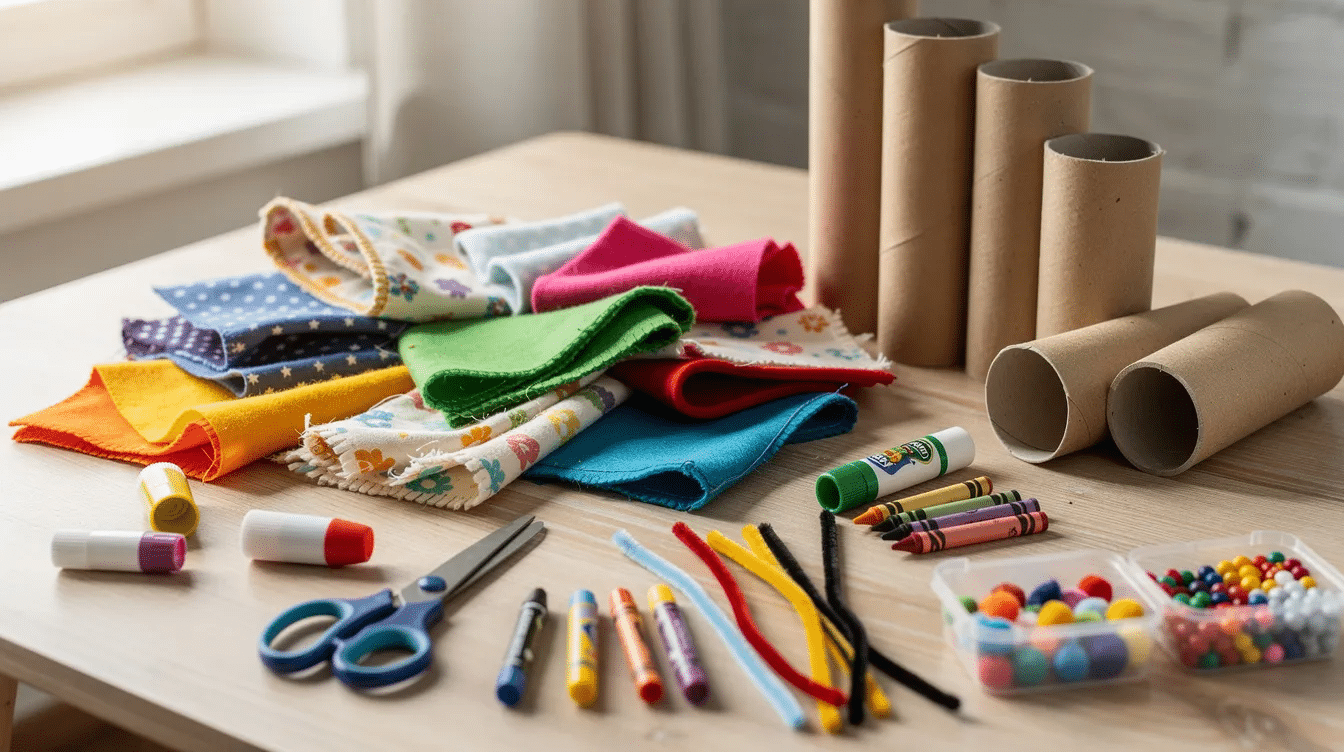
7. Fabric Scraps
Fabric scraps are soft, washable, and inspiring for pretend play.
Why It Stands Out
Fabric feels different from hard recycled items, making it great for tactile learning.
Best For
All ages, especially babies and toddlers when seams are secure.
Key Strengths
Use scraps to create puppets, dress-up pieces, stuffed shapes, or soft blocks, or mix them into colorful weekend craft ideas that use both recycled and traditional materials.
Possible Limitations
Some projects need sewing, adding time and adult help.
Quick Comparison of the Best Recycled Materials
Material | Best use |
|---|---|
Large builds and imagination | |
Plastic containers | Water play and outdoor durability |
Egg cartons | Counting and sorting |
Tin cans | Drums and lasting toys |
Paper and magazines | Fine motor crafts |
Glass jars | Sensory exploration |
Fabric scraps | Soft toys and texture play |
How to Choose the Right Recycled Material
Choose Based on Your Child’s Age
Younger children need big, soft, simple materials. Older kids can try tools, glass jars, and more complex crafts.
Choose Based on the Intended Play Environment
Choose plastic for water, cardboard for indoor builds, and fabric for cozy play. Around the holidays, you can even turn recycling into decor by making a playful recycled Christmas wreath. The EPA shows paper and plastic make up major waste categories, so reusing them at home can make a real difference.
Choose Based on Skill Development Goals
Use egg cartons to learn counting, paper for scissors practice, and tin cans for rhythm. DIY projects can encourage kids to see the potential in items usually destined for the recycling bin, and seasonal projects like holiday craft round-ups for families can keep that creativity going all year.
Which Material Is Best for You?
- Choose cardboard if your child loves to build.
- Choose plastic if you want tough outdoor toys.
- Choose egg cartons if learning is the goal.
- Choose tin cans if music matters.
- Choose paper if art, letters, and colors are the focus.
Final Thoughts
Transforming common trash into playable items fosters creativity and sustainability. Common household items like cardboard boxes, toilet paper rolls, and tin cans can be transformed into creative toys, encouraging children’s imagination and creativity.
Using recycled materials to create toys not only saves money but also contributes to a healthier environment by reducing waste. DIY toys made from recycled materials can be reused and repurposed, allowing children to engage in sustainable play and learn about recycling, just like tissue paper stained glass crafts show how simple supplies can become lasting art.
Before you throw something away this week, bring it to the craft table. With a little glue, paint, and inspiration, kids can create new things for hours.