A good fidget can keep hands busy without taking over the whole room. If you’re searching for diy fidget toy kids at home ideas, the goal is simple: create small toys that help kids focus, self-regulate, and meet sensory needs through touch, movement, or visual play.
Fidget toys can help children focus and self-regulate their behavior, especially when the tool matches the child’s sensory preferences. A 2023 parent survey found that families of autistic children often rated fidgets as helpful for anxiety relief, while sensory-seeking children may benefit most from the right option. DIY fidget toys are also cheap, customizable, and easy to make with items already in the house.
How We Chose the Best DIY Fidget Toys
We chose these ideas based on practical criteria:
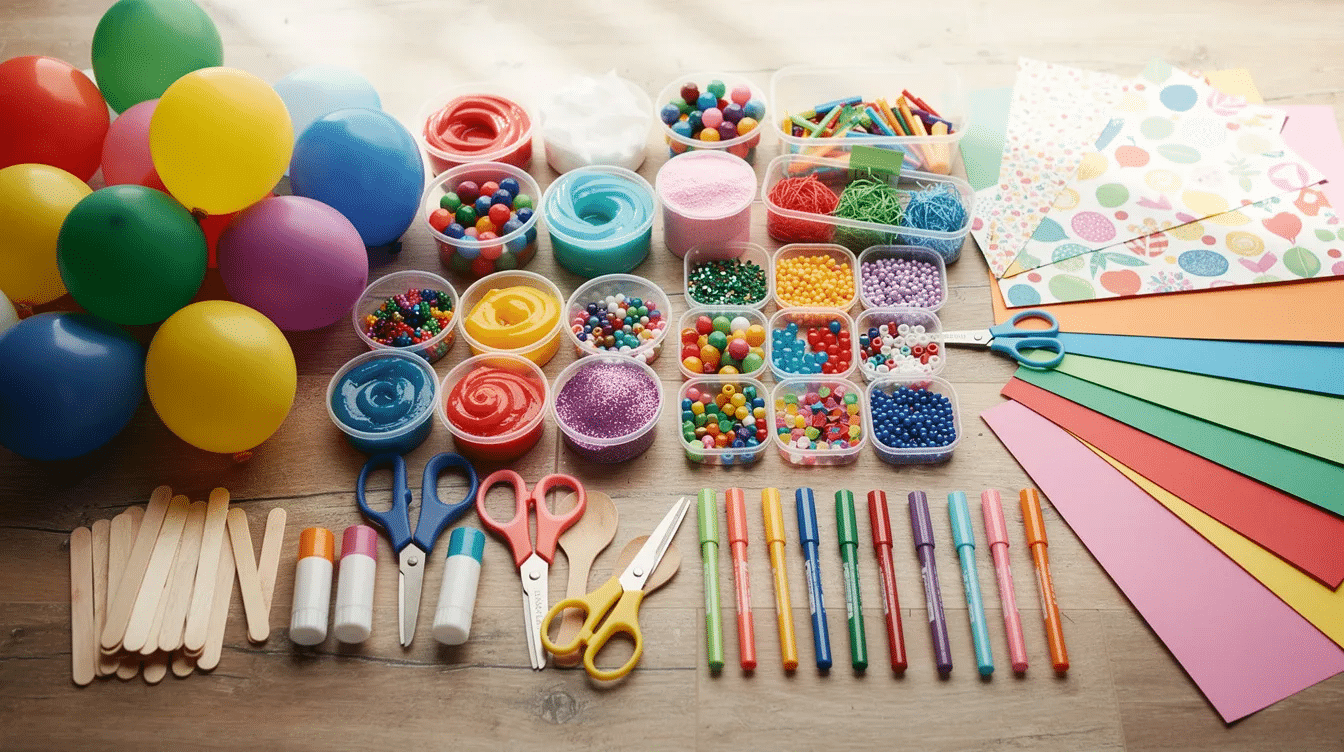
- Common supplies: balloons, beads, pipe cleaners, paper, duct tape, flour, sand, and recycled items.
- Safety: avoid tiny parts for toddlers, sharp edges, strong magnets, and unsafe fillers. Check age guidance from the CPSC toy safety recommendations.
- Sensory value: squish, stretch, roll, slide, spin, pop, or textured feedback.
- Durability: the finished craft should survive normal play.
- Quiet use: helpful for school, classroom, students, homework, and therapy settings.
- Time: quick enough that kids stay engaged from start to finish.
Kids can create DIY fidget toys at home using household items like balloons, beads, and pipe cleaners, or branch out into colorful craft ideas for a fun weekend, which makes this a fun and inexpensive craft for moms, teachers, and young crafters.
Top 6 DIY Fidget Toys for Kids to Make at Home
1. Balloon Stress Balls
Balloon stress balls are classic diy stress toys because they are soft, portable, and satisfying to squish.
Why It Stands Out: Balloon stress balls can be made by filling balloons with various materials such as flour, cornstarch, or clean sand, allowing for different textures and squishiness. Orbeez stress balls are created by adding water beads to a thick balloon, which can be filled to a size suitable for small hands, making them a popular choice for kids.
Best For: Kids who need tactile pressure input during homework, car rides, or transitions.
Key Strengths: They use cheap supplies, are colorful, and can be made softer or firmer depending on the fillers. A simple method for making squishy stress balls involves using two water balloons filled with flour, which provides a secure and mess-free way to create a fun stress-relieving toy, or you can experiment with homemade kinetic sand for sensory play as an alternative filler activity.
Possible Limitations: Balloons can burst with rough handling, and flour can be messy if the balloon breaks.
2. DIY Paper Fidget Spinners
Paper spinners are a cool way to combine art and motion without buying specialty toys, much like simple dragonfly craft projects for kids that blend creativity and fine-motor practice.
Why It Stands Out: You can create a DIY fidget spinner using common household items like paper, duct tape, and bearings, allowing for a personalized touch. A simple method to make a fidget spinner involves using a paper clip and beads, which can be spun with a thumb for a quick fidgeting experience. You can also make a fidget spinner out of LEGO pieces, which combines building and fidgeting into one fun activity.
Best For: Kids who love to decorate, spin, and watch movement.
Key Strengths: Use a free template from a craft blog like red ted art, or draw your own design. Kids can add stickers, markers, or christmas colors.
Possible Limitations: A diy fidget spinner made from paper will not spin as long as metal fidget spinners or store-bought spinners.
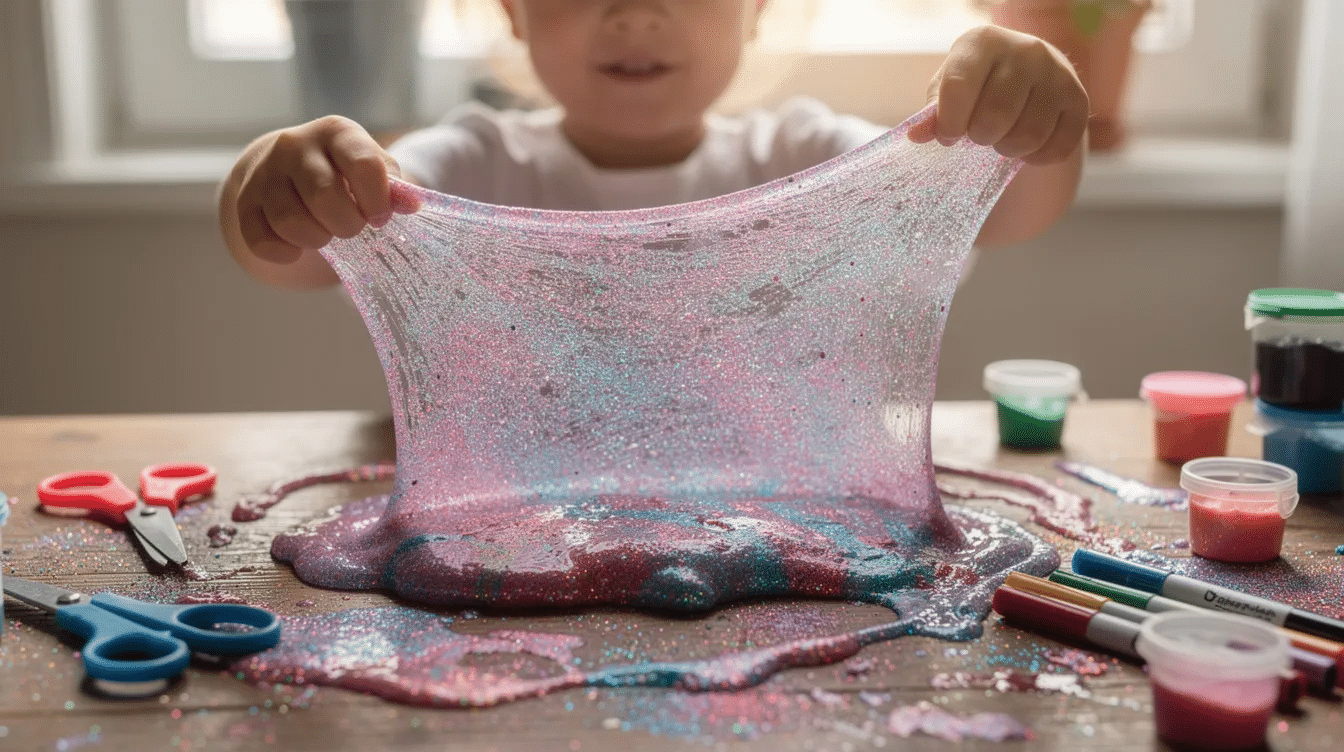
3. Glitter Slime
Glitter slime is stretchy, sparkly, and absolutely popular with kids who enjoy messy sensory play.
Why It Stands Out: Glitter slime can be made using glue, baking soda, contact lens solution, and glitter, resulting in a stretchy and visually appealing fidget toy. Easy 2-ingredient slime can be created with just dish soap and cornstarch, making it a quick and simple project for kids.
Best For: Kids who want to stretch, fold, poke, and explore textures.
Key Strengths: Slime is highly customizable. Butter slime, which has a smooth texture, is made from a combination of hand lotion, modeling clay, glue, baking soda, contact lens solution, and food coloring. You can also follow a fluffy slime without shaving cream recipe. Use a recipe or tutorial from youtube, then adjust to your heart’s content.
Possible Limitations: Slime may stick to fabric, so keep it at a table and away from a pencil case, carpet, or couch.
4. Beaded Fidget Bracelets
Beads are considered the original fidget toys due to their colorful and tactile nature, making them enjoyable to play with.
Why It Stands Out: Pony bead bracelets are a popular type of beaded fidget toy, as they can be strung together and manipulated for sensory engagement. Bead snakes, made from cords and multicolor pony beads, allow kids to personalize their fidget toys while engaging in a creative process.
Best For: Kids who want portable fidget bracelets they can wear.
Key Strengths: These combine fashion and function. Use elastic cord, pipe cleaners, or soft string. DIY fidget sticks can be made using wood craft sticks, plastic beads, and pipe cleaners, making them an inexpensive and easy-to-create fidget tool, and a fuzzy felt activity board offers another portable, tactile craft for busy hands.
Possible Limitations: Small beads can be a choking hazard, so use supervision and skip this for very young children.
5. Zipper Fidget Toys
Zipper fidgets use an old zipper from clothing and turn it into a quiet, repetitive slide tool.
Why It Stands Out: They are silent, reusable, and nearly free if you have an old jacket in the middle of the closet.
Best For: Kids who need quiet fidgeting during class, reading, or waiting rooms.
Key Strengths: They fit in a pocket and do not catch much attention. Fidget bands can be made from old T-shirts or any stretchy fabric, braided together to create a silent fidget tool that helps kids who can’t sit still. Paper clip fidget chains can be created by linking paper clips together, providing a quiet and low-cost option for fidgeting that can be easily manipulated during class. Adhesive-backed Velcro strips can provide a quiet, peel-and-stick sensory experience.
Possible Limitations: Zippers are less visually exciting than slime or beads.
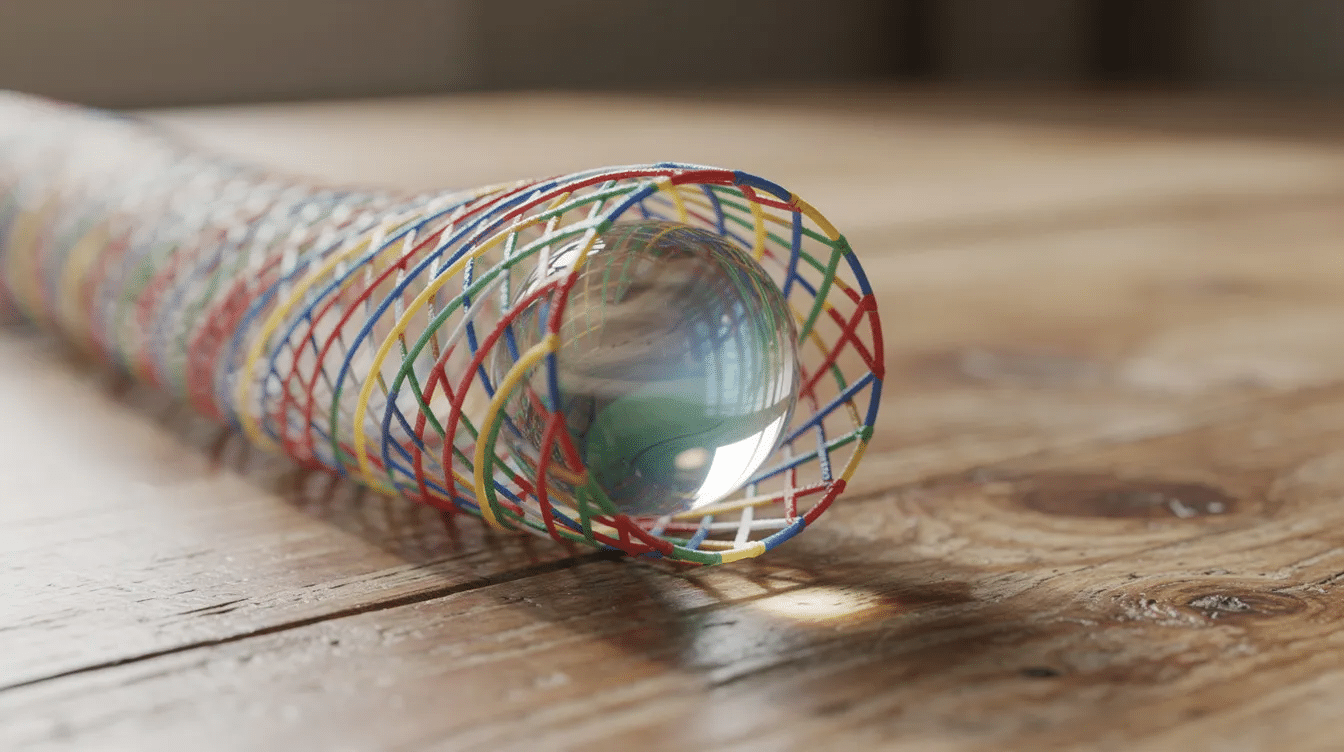
6. Marble Mesh Tubes
Marble mesh tubes let kids push a marble back and forth through a sleeve.
Why It Stands Out: Produce netting can be used to create a pouch for a marble, which kids can slide back and forth. The smooth roll is calming and quiet.
Best For: Kids who enjoy visual stimulation plus tactile movement.
Key Strengths: This is durable, pocket-sized, and good for sensory breaks. A plastic water bottle filled with water, glue, and glitter can create a visual fidget toy that promotes mindfulness. Kids can also construct an endless maze using LEGO pieces on a small flat building brick, or even build a cardboard time machine craft for larger-scale imaginative play.
Possible Limitations: You need mesh material, and marbles are not safe for children who may mouth toys.
Quick Comparison of the Best DIY Fidget Toys
DIY option | Best use |
|---|---|
Balloon Stress Balls | Best for tactile pressure and stress relief |
Paper Fidget Spinners | Best for creative kids who enjoy spinning motions |
Glitter Slime | Best for messy sensory play and visual appeal |
Beaded Fidget Bracelets | Best for portable, wearable fidget needs |
Zipper Fidget Toys | Best for silent, classroom-appropriate fidgeting |
Marble Mesh Tubes | Best for calming visual and tactile combination |
How to Choose the Right DIY Fidget Toy
Choose Based on Sensory Preferences
Tactile seekers often like stress balls, slime, clay, Velcro, and textured beads. Visual seekers may prefer glitter bottles, marble tubes, LEGO mazes, tissue paper stained glass window crafts, or anything they can watch move. Fidget toys can provide great sensory engagement and are customizable, so let kids test several tools.
Choose Based on Usage Environment
For classroom use, choose quiet tools: zipper fidgets, bracelets, paper clip chains, fabric bands, or marble mesh tubes. At home, messier ideas like glitter slime, butter slime, or sand-filled balloons are easier to manage, or you might explore DIY craft kits for creative projects that keep everything organized.
Choose Based on Available Materials
Start with what you already own. If you have balloons and flour, fill stress balls. If you have paper, make spinners. If you have beads, create bracelets. If you have an old shirt, braid a fidget band.
Which Option Is Best for You?
Choose Balloon Stress Balls if you need immediate stress relief and have basic household supplies.
Choose Paper Fidget Spinners if your child enjoys crafting and spinning movements.
Choose Glitter Slime if sensory play and customization are priorities.
Choose Beaded Fidget Bracelets if you need a school-appropriate, wearable solution.
Choose Zipper Fidgets if quiet operation and zero cost are most important.
If your child has autism, ADHD, anxiety, or sensory needs, notice whether the fidget helps attention or becomes a distraction. You can always adjust the size, texture, color, weight, and durability.
Final Thoughts
The best diy fidget toys depend on the child, the environment, and the supplies already in your house. Start with something simple, like balloon stress balls, then explore more creative ways to craft, combine, and play.
Make one toy together, let your child test it, and invite them to comment on what feels best. That small conversation can help kids understand their own sensory needs for life.