A memorable birthday party doesn’t require a four-figure budget, a rented venue, or a team of professional entertainers. Some of the most talked-about celebrations happen in living rooms, on covered porches, and across the sprawling backyards that make ranch-style homes ideal for entertaining.
If you’ve got an open floor plan, a decent-sized patio, or access to a local park, you already have everything you need to host a great birthday party. The secret isn’t spending more—it’s being intentional about where your money goes. With a budget of $50 to $150 and a little creativity, you can throw a celebration that feels thoughtful, stylish, and genuinely fun for everyone involved.
This guide covers concrete birthday party ideas for kids, teens, and adults. You’ll find examples like park picnics with scavenger hunts, backyard movie nights under the stars, and creative at-home themes that cost a fraction of what venues charge. Whether you’re planning a child’s party for a handful of preschoolers or a casual gathering for friends, these approaches work.
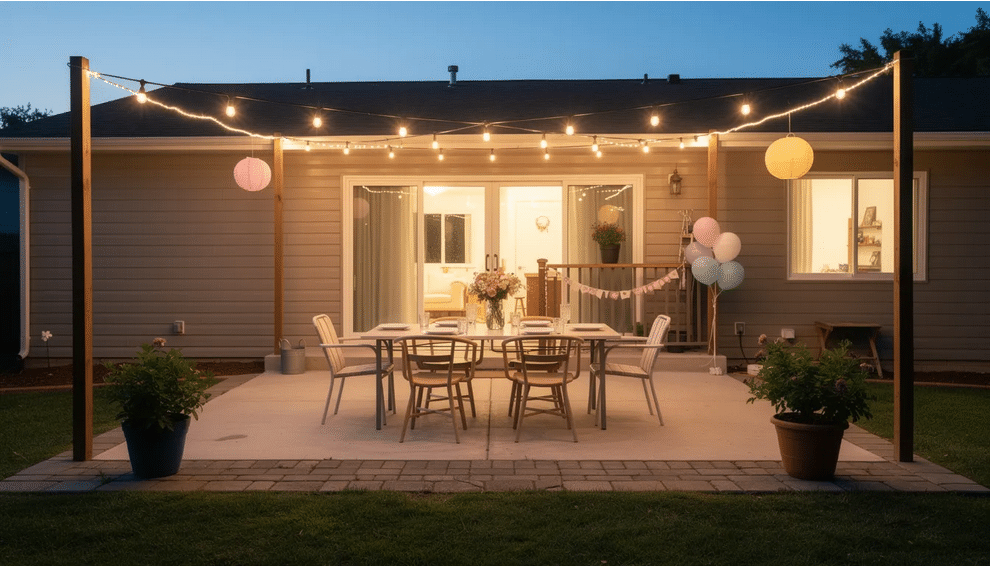
The home-first angle matters here. Ranch homes with their wide living spaces, connected dining rooms, and easy indoor-outdoor flow are practically built for entertaining. Your house, yard, or a nearby local park can serve as the main stage—no rental fees required, no awkward time limits, and complete control over every detail.
Set Your Budget and Guest List First
Before you browse Pinterest boards or order balloons, nail down two decisions: how much you’re willing to spend and how many people you’re inviting. These choices shape everything else—from whether you can afford a bouncy castle to what kind of food you’ll serve.
- Under $75: Expect to bake your own cake, serve simple snacks like finger foods and fruit, use DIY decorations (balloons, paper garlands, printed banners), and plan 2-3 games using items you already own. This works beautifully for younger kids who care more about play than production value.
- $75–$150: You have room for a few store-bought conveniences—a supermarket cake, pre-made party bags, maybe a helium balloon bouquet or themed paper goods. You can also add one special element like a craft station or a rented popcorn machine.
- Guest list for kids: Limit children’s birthday parties to 6–10 close friends. More kids means more food, more party supplies, more chaos, and often less quality interaction. A focused guest list keeps the total cost manageable and the energy controllable.
- Guest list for adults: Invite a number that comfortably fits your living room, dining room, or patio. Overcrowding a house party creates stress for everyone—including your budget.
- Skip the full classroom invite: You don’t need to invite every classmate or entire families. “Friends only” or “drop-off” kids parties dramatically reduce your food and space requirements.
- Consider gift-free wording: “No gifts, please” or “Instead of presents, bring a snack to share” reduces pressure on guests and helps you avoid the clutter of items your child doesn’t need. Parents often appreciate the permission to show up without shopping stress.
Choose a Money-Saving Time and Location
When and where you host can instantly save money—often $50 to $200—without guests even noticing it was a budget decision. Venue fees and catering costs are the two biggest line items in most party budgets, so eliminating them makes everything else easier.
Host mid-afternoon (2–4 p.m.): This timing falls between lunch and dinner, which means you can serve snacks instead of a full meal. Think popcorn in paper bags, veggie sticks with dip, a simple cheese board, cupcakes, and a pitcher of lemonade. Nobody expects a three-course spread at 3 p.m.
Use your home as the party venue: A house party is free and infinitely customizable. Ranch-style homes work particularly well—use your living room for crafts or games, set up a buffet along the kitchen island, and send kids outside to the backyard or porch for active play. You control the timeline, the noise level, and the cleanup pace.
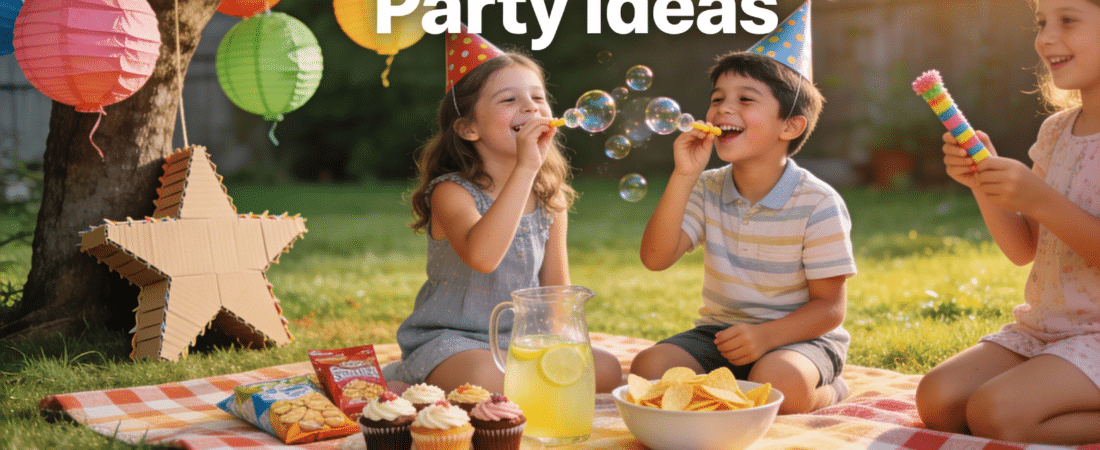
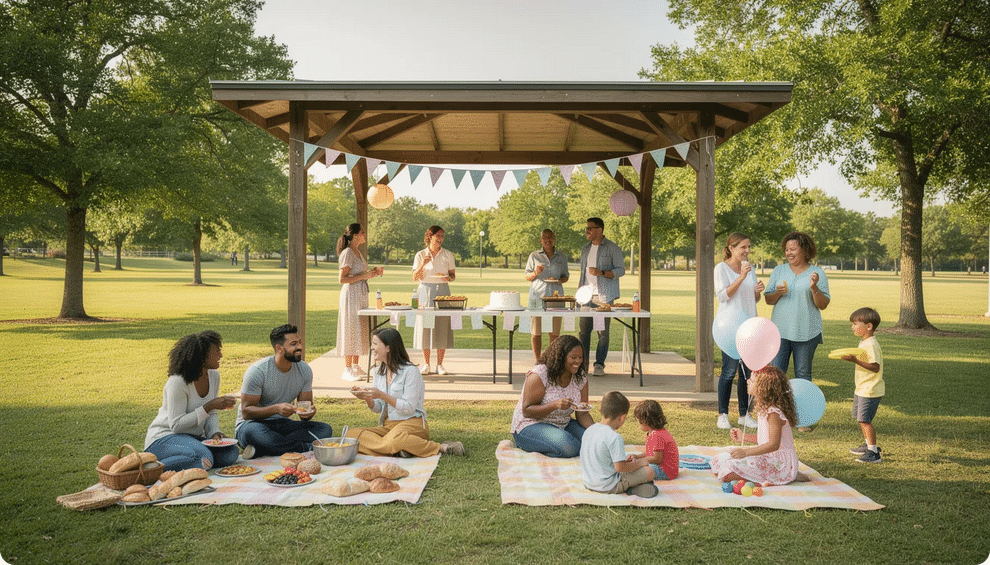
Take it to a local park: Public parks with playgrounds and picnic areas offer built-in entertainment at zero cost. Pack a cooler with drinks and snacks, bring blankets for seating, and let the playground equipment do the work. Outdoor games like relay races, hot potato, and scavenger hunts feel natural in this setting.
Affordable indoor alternatives: If you’re planning a winter birthday or need a weather-proof backup, look into local church halls or community centers. Many offer free or low-cost rentals for residents. Just watch how extra guests, decorations, and entertainment requirements can creep costs back up once you leave your own space.
Inexpensive Kids’ Birthday Parties (Ages 3–12)
Parents face real pressure to book soft play centers, trampoline parks, or character entertainers for children’s birthday parties. The marketing makes it seem like anything less will disappoint your child. But here’s what actually happens: kids love running around with their friends, eating cake, and playing simple games. The venue matters far less than the energy.
The classic at-home party structure:
- Decorate with balloons in two colors and a DIY banner (construction paper, markers, string)
- Serve simple food: finger sandwiches, fruit slices, veggie sticks, crisps, and cupcakes
- Plan 3–4 classic games: musical statues, pass the parcel, pin the tail, musical chairs
- End with birthday cake, singing, and a simple party bag
Sample cost breakdown for 8 kids:
| Item | Estimated Cost |
|---|---|
| Groceries (snacks, sandwich supplies, fruit) | $25–30 |
| Cake ingredients or box mix + frosting | $8–12 |
| Balloons and streamers | $8–10 |
| Paper plates, napkins, cups | $6–8 |
| Small party bag items | $10–15 |
| Total | $57–75 |
Compare that to $20+ per child at a trampoline park (plus food, plus party room fees), and the savings become obvious.
Low-cost theme ideas that kids love:
- Backyard Campout: Set up tents in the yard, make s’mores over a fire pit or on the stove, tell stories, and stargaze. Total cost beyond groceries: nearly zero if you borrow tents.
- Baking Party: Kids decorate their own cupcakes with frosting, sprinkles, and candies. They take their creations home as both entertainment and party favor.
- Mini-Farm Day: If a local petting farm charges under $8–10 per child, bring a picnic and let the animals provide the entertainment.
Skip the plastic tat in party bags: Instead of filling bags with cheap toys that break within hours, offer edible favors like home-baked cookies in paper bags, a single full-size chocolate bar, or the craft item they made during the party. Parents will thank you.
Classic and Creative Low-Cost Kids’ Games
You don’t need to hire a magician or rent a bouncy castle to keep kids busy for two hours. Old-school party games have survived generations because they work—and they cost almost nothing.
The key is matching games to your space and age group. A game of musical chairs needs a clear area and works for ages 4 and up. Simon Says travels anywhere. Duck Duck Goose needs room to run but requires zero supplies.
Classic games that never fail:
- Musical Chairs (all you need: chairs and favorite songs on a speaker)
- Musical Statues (same setup, kids freeze when music stops)
- Simon Says (no supplies needed)
- Duck Duck Goose (outdoor or large room)
- Hot Potato (pass any soft object while music plays)
- Pass the Parcel (wrap small prizes in layers of newspaper)
- Pin the Tail on the Donkey (print an image, use tape or a pushpin)
Creative twists tied to themes:
- Pin the Star on the Sheriff: Perfect for a ranch or cowboy birthday party theme—print a sheriff image and cut out paper stars
- Treasure Hunt: Hide clues around the house or yard for a pirate theme; the “treasure” can be the party bags
- Obstacle Course Rodeo: Use pool noodles, hula hoops, and pillows to create a timed course in a large backyard
Use what you already own: Pillows become obstacles. Masking tape marks start lines. Printed images from your computer replace store-bought game boards. The total cost for an afternoon of games: essentially free.
Timing a 2-hour party:
- 0–15 minutes: Arrivals, free play
- 15–60 minutes: Organized games (3–4 rounds)
- 60–80 minutes: Food and drinks
- 80–100 minutes: Cake and singing
- 100–120 minutes: One final quick game, goodbyes, party bags
Low-Budget Party Ideas for Teens and Adults
Teenagers and adults care more about atmosphere than expensive venues. A well-styled living room, a deck with string lights, or a barn-style space with good music creates the right vibe. You don’t need to rent anything.
DIY movie night: Set up a projector against an exterior ranch wall or in your family room. Create a popcorn bar with different seasonings, add blankets and pillows for seating, and serve homemade snacks. This costs a fraction of cinema tickets for a group and feels more personal. Older kids and adults alike appreciate the relaxed atmosphere.
Signature drink + snack bar: Instead of stocking a full bar or ordering catering, focus on one big batch cocktail or mocktail (think sangria, lemonade punch, or a themed drink), water, and a few crowd-pleasing nibbles:
- Chips and homemade dips
- Flatbread pizzas (make a big batch in advance)
- Brownies or cookies on a tiered stand
- Cheese and crackers
This approach feeds guests well without the expense of a full meal.
Game ideas for open-plan homes:
- Card games at the dining room table
- Charades or Pictionary in the living room
- Trivia night with printed questions (free templates online)
- Karaoke using a basic Bluetooth speaker and free YouTube instrumental tracks
Potluck format for adults: Suggest “bring a dish from your favorite restaurant” or a classic potluck where each guest contributes. You provide the space, drinks, and dessert. Everyone else shares the food cost, and you end up with a more generous spread than you could afford alone.
Budget-Friendly Themes That Look Stylish
A birthday party theme doesn’t require elaborate store-bought decorations. A simple color palette or mood is enough to make everything look intentional in photos—and to give guests a sense that you planned ahead.
Inexpensive themes that work for teens and adults:
| Theme | Key Decor/Food Ideas | Items You Likely Own |
|---|---|---|
| Black and White Night | Monochrome balloons, white tablecloth, black napkins | Serving dishes, candles |
| Backyard Fiesta | Colorful paper flowers, salsa bar, string lights | Mason jars, blankets |
| Rustic Ranch Picnic | Plaid blankets, wildflowers in jars, charcuterie board | Baskets, wooden cutting boards |
| Board Game Bash | Stack of games as centerpiece, snack stations | Your existing game collection |
| ‘90s Throwback | Printed decade references, playlist of hits, neon accents | Old CDs, cassette tapes for display |
- Choose one visual anchor instead of decorating every corner. A styled food table against a blank wall or a banner over the fireplace photographs well and focuses attention.
- Stick to 2–3 colors maximum. This makes dollar store purchases look cohesive and intentional.
- Encourage teens to help DIY decorations and build playlists. Their involvement personalizes the party and saves you from buying everything pre-made.
DIY Decor, Invitations, and Entertainment
The small details—invites, banners, music—can feel polished and “designer” even on a dollar store budget. The trick is consistency and restraint.
Invitations: Skip printed cards and postage. Use free digital invitations through Canva, Evite, or even a group text with a designed image attached. Match the colors to your party theme, include all the essential details, and track RSVPs digitally. This is both free and eco-friendly.
Sample wording: “You’re invited to celebrate [Name]’s birthday! Join us for backyard fun, snacks, and games on [Date] at [Time]. Please RSVP by [Date].”
Simple DIY decor:
- Balloon bundles in two coordinating colors (buy a bag of 50 at the dollar store for under $5)
- Paper garlands cut from cardstock or scrapbook paper
- Printed signs in frames you already own (or thrifted frames)
- Seasonal greenery from your yard arranged in mason jars or simple vases
Entertainment setup: Create a playlist on Spotify, Apple Music, or YouTube. Play it through a Bluetooth speaker you already own. This serves as your free “DJ” for the entire party. For kids parties, mix in songs they can dance to. For adult gatherings, set the mood with background music that allows conversation.
The one-activity rule: Choose one main activity—games, a craft, a movie, karaoke—instead of trying to schedule multiple paid entertainments. This keeps focus, reduces chaos, and prevents budget creep. Kids don’t need a magician AND a face painter AND a bounce house. One well-executed activity is more than enough.
Homemade Cakes and Budget-Friendly Food
Cakes and catering are where party costs escalate fastest. A custom-decorated birthday cake from a bakery can run $50–100. Ordered pizzas for 15 kids add up quickly. This is also where DIY efforts have the biggest financial impact.
You don’t need baking skills to produce a great cake. Box mixes with homemade frosting taste better than many people expect, and the decorating process can become part of the party itself.
- Use a simple sheet cake or tray of cupcakes from a box mix ($3–4)
- Make homemade buttercream frosting with butter, powdered sugar, and vanilla ($5)
- Decorate with sprinkles, candies, or small toys that match the theme
- Total cost: under $15 for a cake that serves 12–16
Supermarket cake upgrade: If baking isn’t your thing, buy a plain frosted cake from the grocery store bakery ($15–20) and personalize it yourself. Add a printed cake topper, extra piped frosting, fresh berries, or themed candles. You get the convenience without the custom bakery price.
Snack-style menu instead of full meals:
- Veggie sticks with ranch dip
- Chips and salsa
- Popcorn in individual paper bags
- Fruit platters (grapes, strawberries, melon cubes)
- Mini pizzas or sliders (make one big batch at home)
Avoid overcatering: Calculate portions based on actual guest count and time of day. An afternoon party for 10 kids needs far less food than parents typically prepare. If you end up with leftovers, send guests home with extras rather than overspending upfront. A 2-hour window with snack-style food requires roughly:
- 4–5 pieces of finger food per child
- 1 slice of cake per person
- 1–2 drinks per guest
Favors, Party Bags, and When to Skip the Big Party
Party bags add hidden costs—and often end up as clutter in guests’ homes within days. The good ideas here focus on simple, meaningful alternatives that kids actually appreciate.
Better favor options:
- A single full-size chocolate bar (often under $1 each when bought in bulk)
- Homemade cookies in paper bags tied with ribbon
- Seed packets for a garden party theme
- The craft item guests made during the party (decorated cupcakes, friendship bracelets, painted rocks)
- A book from a used bookstore ($1–2 each)
What to skip: Avoid overfilled plastic party bags stuffed with cheap toys, stickers, and candy. This approach costs more, creates waste, and rarely excites children beyond the car ride home. Kids are genuinely happiest with a slice of cake and one or two small treats.
Permission to scale back: Some years, you don’t need a big party at all. For toddlers who won’t remember, for milestone-heavy seasons when the family budget is stretched, or simply when life is busy—consider a special family outing instead. A trip to the zoo, a farm visit, or an ice cream outing with just parents and siblings can feel more special than a chaotic gathering, and creates memories without the planning stress.
The real point: The memories guests keep from inexpensive birthday parties aren’t about how much you spent. They remember laughter, attention, the games that got everyone moving, the moment the candles were blown out. A thoughtfully planned party on a budget, hosted at your own house or a local park, can feel more special than any pricey venue with time limits and generic decorations.
Start with what you have—your home, your yard, your creativity. Pick one idea from this guide, set your budget, and plan ahead. The best birthday celebrations aren’t measured in dollars spent. They’re measured in how guests felt while they were there.