Key Takeaways
- This beginner crochet dishcloth pattern free project uses basic crochet stitches: chain, single crochet, and double crochet.
- Chain 27 to start a roughly 8” x 8” crochet dishcloth with worsted weight cotton yarn and a 5.0 mm hook.
- 100% cotton yarn is best for absorbent crochet dishcloths and crochet washcloths that wash well and hold up to scrubbing dishes.
- This free crochet pattern works up quickly, usually in about 30–45 minutes once you know the repeat.
- You can customize the size, border, color, and texture without changing the simple stitch pattern.
Why This Is the Perfect Beginner Crochet Dishcloth Pattern
A dishcloth is one of the best first project ideas in crochet because it is small, useful, and forgiving. Free beginner crochet dishcloth patterns are ideal for practicing basic stitches while making practical items you can actually use for washing dishes, wiping counters, or gifting.
This easy crochet dishcloth pattern uses a lemon peel crochet stitch pattern, which alternates single crochet and double crochet. The Lemon Peel stitch is a popular choice for crochet dishcloths due to its easy memorization and effective scrubbing texture, making it suitable for everyday cleaning tasks.
The Easy Crochet Dishcloth pattern is a beginner-friendly project that uses basic stitches such as chain stitch, single crochet, and double crochet, resulting in a dishcloth approximately 9” x 9” in size. This version is written in standard US crochet terms and finishes closer to 8” x 8” with worsted cotton and a 5.0 mm hook.
Supplies You’ll Need for Your First Crochet Dishcloth
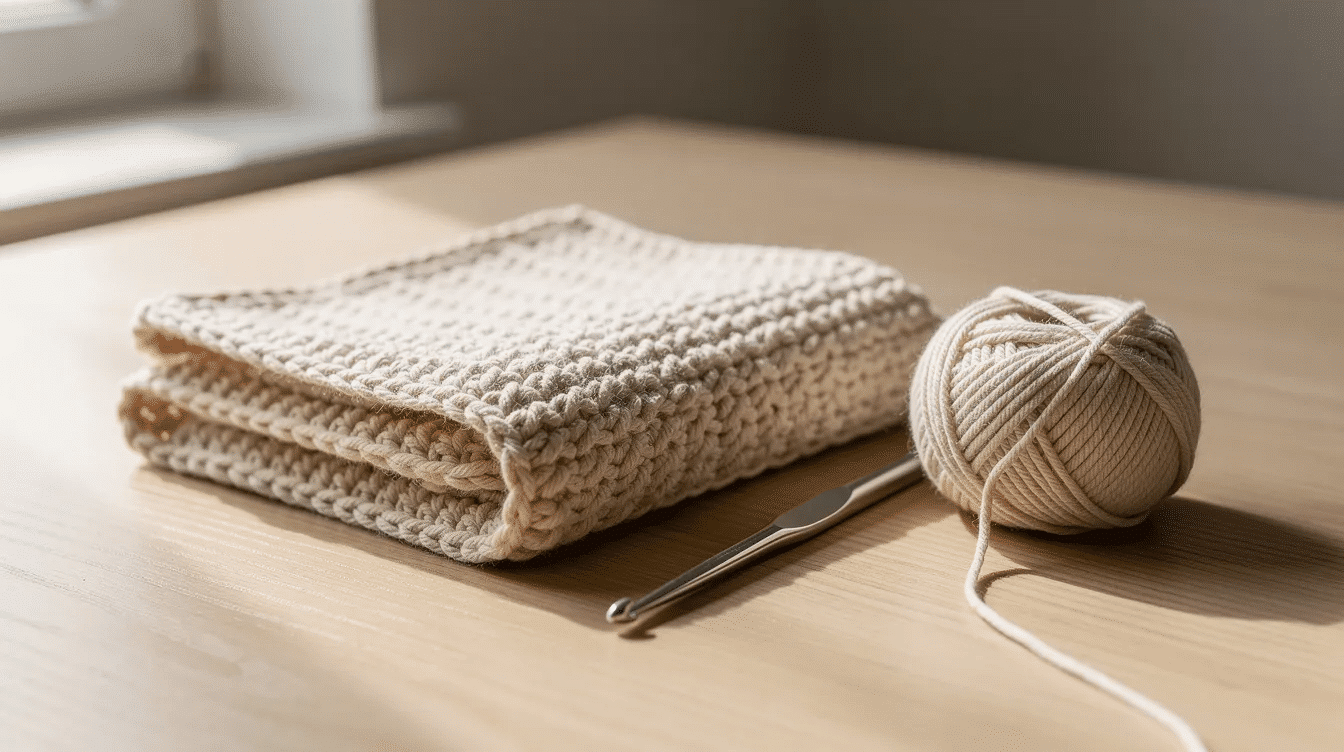
You do not need many tools for this free pattern. A ball of cotton, a hook, and a tapestry needle are enough to make finished projects that feel useful right away.
Supply | Recommendation |
|---|---|
Yarn | 100% cotton yarn, worsted weight yarn, #4 medium |
Hook | US H/8, 5.0 mm crochet hook |
Denser option | US G/6, 4.0 mm hook |
Tools | Scissors, tapestry needle, optional tape measure |
The best yarn to use for crochet dishcloths is 100% cotton, as it is absorbent and durable, making it ideal for frequent use in the kitchen. Well-known kitchen cotton lines from craft stores, including Hobby Lobby options, are fine if they feel sturdy; use your favorite cotton yarns or check your yarn stash for solid colors.
One standard 120–150 yard ball of cotton is usually enough for 2–3 crochet dishcloths, depending on the same amount of border, tension, and finished size. Cotton dishcloths also make great gifts, a hostess gift, or a housewarming gift when paired with soap or a small dish towel.
Gauge, Finished Size & How to Adjust Your Dishcloth
Gauge matters less for dishcloth patterns than it does for sweaters, but it still changes the size and feel of the cloth. A typical gauge in lemon peel stitch is about 13 stitches and 14 rows = 4” square with worsted weight cotton and a 5.0 mm hook.
The average size for a standard dishcloth is usually between 7” x 7” to 8” x 8”. This crochet dishcloth pattern makes an approximately 8” x 8” square crochet washcloth once washed and dried, though your tension may make it slightly smaller or larger.
Many crochet dishcloth patterns can be customized in size by adjusting the initial chain length, with common sizes ranging from 4”x4” to 8”x8” or larger, depending on personal preference. For this beginner crochet stitch pattern, make the starting chain an odd number, then add or subtract chains in multiples of 2 + 1.
Step-by-Step Beginner Crochet Dishcloth Pattern (Free)
This is a true beginner friendly crochet pattern, but it still gives you a textured cloth that looks more advanced than plain rows. If you prefer to watch hands move before following written instructions, a video tutorial for the lemon peel stitch can help, but the row-by-row guide below is enough to begin.
Foundation chain: Chain 27 for a roughly 8-inch dishcloth. Working into the back bump of the chain is optional, but using the “back bump” of the chain while crocheting helps create a cleaner, more professional edge.
Row 1: Work a single crochet stitch in the second chain from the hook. Work a double crochet stitch in the next chain. Continue alternating one stitch at a time: single crochet in the next stitch, double crochet in the next st, across the foundation row. You should end with double crochet in the last stitch.
Row 2: Chain 1 for the turning chain and turn. Work single crochet in the first stitch, then double crochet in the next stitch. Continue the same stitch pattern across the row, always placing a short stitch over a tall stitch and a tall stitch over a short stitch.
Repeat row: Repeat Row 2 until your cloth is square, usually about 20–22 rows. Stop when the height matches the width, or keep going if you want a small hand towel instead of a square dishcloth.
For a clean top edge, work the last row entirely in single crochet. Then cut yarn, fasten off, and weave in the ends with a tapestry needle. Years ago, I learned this as my favorite new crochet stitch for dish cloths because it teaches rhythm without becoming boring.
Optional Simple Border for a Neat Edge
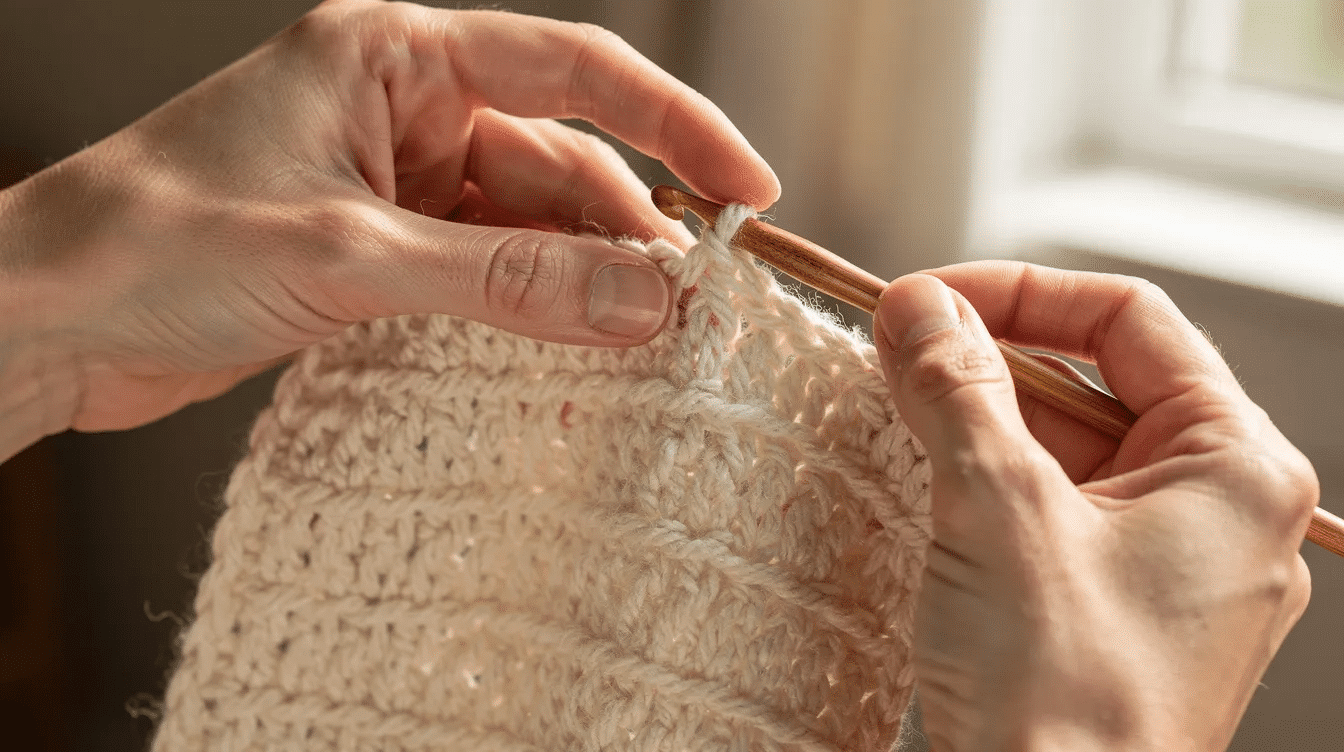
A border is not required, especially on your first dishcloth, but it gives the crochet washcloth a neater, gift-ready finish. A simple single crochet border is just the thing if your row ends look uneven.
Join yarn in any corner, chain 1, and work single crochet evenly around the edge. Place 3 single crochet stitches in the same stitch at each corner so the border can turn without curling.
Work 1 single crochet per row along the sides and 1 stitch per stitch along the top and bottom edges. If the edge pulls in, add an extra stitch near every third stitch along the side; if it ripples, use fewer stitches.
Slip stitch to the first stitch of the round, fasten off, and weave in ends. Beginners can skip the border on the first easy crochet dishcloth and add it to later projects for fun.
Best Yarn & Crochet Stitches for Dishcloths and Washcloths
Crochet dishcloths work best when the yarn can absorb water, handle frequent washing, and keep enough texture for cleaning. Crochet dishcloths are made from absorbent cotton yarn, making them effective for scrubbing dishes and cleaning surfaces.
Cotton yarns are preferred for dishcloths because they can be easily washed and maintain their shape and absorbency after multiple uses. Cotton can also handle hot water and high temperatures better than many synthetic fibers.
Using acrylic yarn for dishcloths is not recommended, as it does not hold up well and can feel mushy when wet, unlike cotton yarn which is more effective for cleaning tasks. Acrylic yarn is fine for practice, decorative dishcloth patterns, or learning a new crochet stitch before using nicer cotton.
Common crochet stitches used in dishcloth patterns include single crochet, half-double crochet, and double crochet. The Moss Stitch, also known as the linen stitch, creates a beautiful, durable fabric using only single crochets and chain spaces. For beginners, practice the basic single crochet stitch first, then try combining single crochet and double crochet for textured crochet dishcloths.
How to Customize Your Beginner Crochet Dishcloth Pattern
Once you master this easy pattern, you can change the size, color, and texture without learning a complicated crochet stitch. Making your own crochet dishcloths allows for customization in size and design, making them a personal and unique addition to your home.
To change size, adjust the starting chain in small increments and work more or fewer rows. Chain fewer stitches for face cloths or baby washcloths, or chain more stitches and add rows for a larger dish towel.
For color, use stripes every 2 rows, make the body in one color and the border in another, or use solid colors for a clean farmhouse look. You can also turn the square into a hanging hand towel by adding a small chain loop at one corner and reinforcing it with single crochet.
The same pattern also works as a crochet washcloth, spa cloth, coaster, or small kitchen cloth. These small changes make handmade cotton dishcloths feel like the perfect gift instead of a plain practice square.
Care Instructions: Making Your Crochet Dishcloths Last
Proper care keeps crochet dishcloths fresh, absorbent, and long lasting. Crochet dishcloths are environmentally friendly alternatives to disposable paper towels, as they can be washed and reused multiple times.
Machine wash warm with regular laundry and avoid fabric softener when possible because it can reduce absorbency. Tumble dry low or hang to dry; cotton may shrink slightly and tighten the crochet stitch pattern after the first wash.
After each use, rinse and wring out the cloth, then hang it so it can dry fully. Over time, older cotton dishcloths can be demoted to heavy cleaning while newer ones stay in rotation for dishes and pretty kitchen accents.
More Beginner Friendly Crochet Ideas After Your First Dishcloth
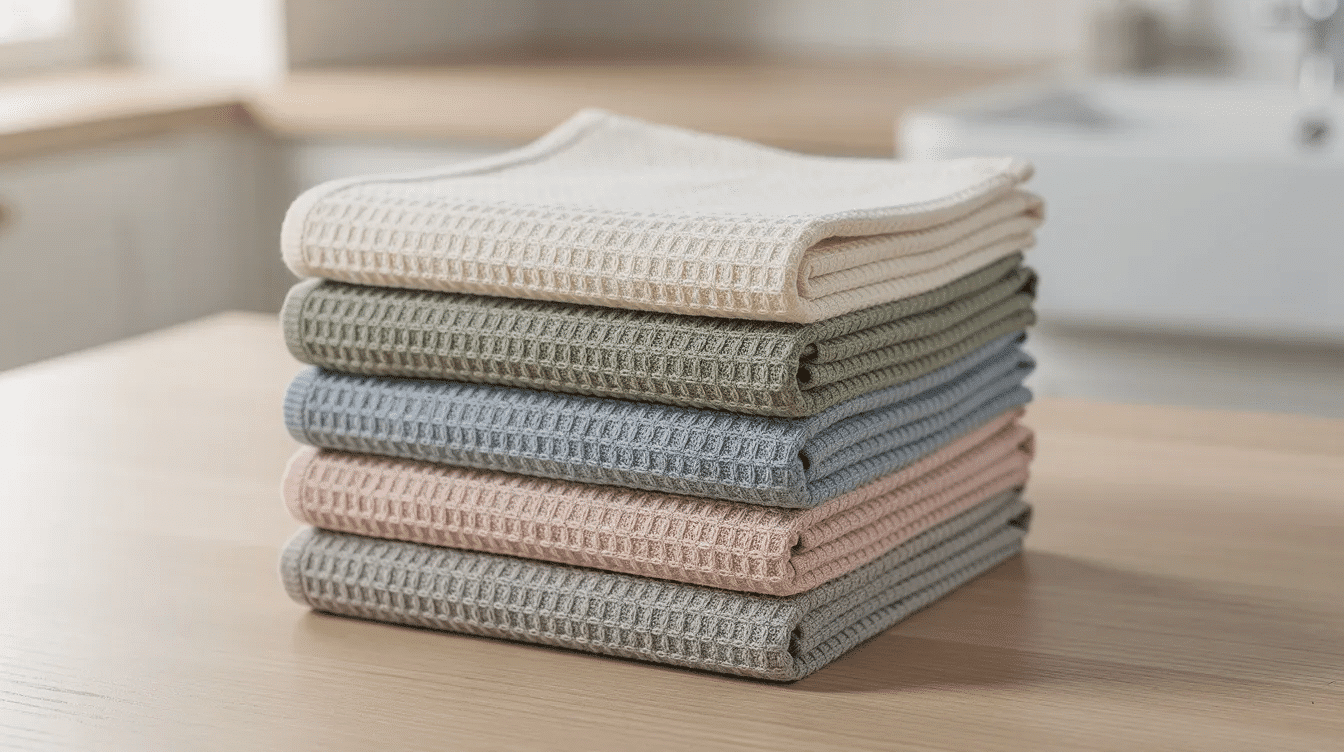
If you finished this crochet dishcloth pattern, you are ready for more simple crochet patterns that use the same basic stitches. Try making a set of three crochet washcloths in coordinating colors and tie them with soap for great gifts.
You can also use the same lemon peel stitch pattern for a mug rug, beginner scarf, trivet, coaster, or small baby blanket. Pick one new crochet stitch per project so your skills grow while your finished projects stay practical.
Thank you so much for crocheting along. Keep experimenting, use up your yarn stash, and happy crocheting.
Frequently Asked Questions
How long does it take to crochet one beginner dishcloth?
Most beginners can complete a basic 8” x 8” crochet dishcloth in 30–60 minutes, depending on speed. The first dishcloth may take longer while you learn the crochet stitch pattern, but the next one usually works up much faster.
Can I use this pattern with different yarn weights?
Yes. The pattern works best with worsted weight cotton, but you can adapt it to DK or bulky weight yarn by changing hook size and the number of chains. Lighter yarn makes a more delicate crocheted washcloth, while thicker cotton makes a chunky, super-scrubby dishcloth.
Do I have to use the lemon peel stitch, or can I just single crochet?
You can use the same row and size structure entirely in single crochet for an even easier first project. Once you feel comfortable with single crochet, alternate single crochet and double crochet to get the textured lemon peel effect.
How many crochet dishcloths can I get from one ball of cotton yarn?
A 120–150 yard ball of worsted weight cotton yarn usually makes 2–3 standard 8” squares. Larger dish towel sizes, thicker borders, or tighter tension will use more yarn and reduce the total number per skein.
Are crochet dishcloths sanitary compared to store-bought cloths?
Yes, cotton crochet dishcloths are easy to keep sanitary because they can be machine washed and dried frequently. Keep several in rotation so one cloth can dry while another is in use, and replace heavily worn cloths when they become thin or frayed.