
Working with thin yarn opens up a world of delicate, drapey projects—but choosing the wrong stitch can turn your crochet session into a frustrating mess. The good news? Once you know which stitches pair naturally with fine fibers, you’ll create beautiful fabric that shows off every yard of your precious skein.
This guide breaks down the best crochet stitch for thin yarn across different project types, from airy shawls to tiny amigurumi. Whether you’re reaching for lace weight thread or a ball of sport weight cotton, you’ll find practical recommendations you can use tonight.
Quick Answer: The Best Crochet Stitches for Thin Yarn
If you’re short on time, here are the top performers for lightweight yarn:
- Moss (Linen) Stitch – Alternating single crochet and chain spaces create a subtle woven texture that’s easy to see even in fingering weight. Perfect for beginners tackling their first thin yarn project.
- V-Stitch – A double crochet, chain space, and another double crochet worked into one stitch produces elegant “V” shapes with excellent drape. Ideal for shawls and summer tops.
- Simple Lace Mesh – Double crochets separated by chain spaces form an open, breathable fabric that stretches your yardage further—research suggests lace patterns use 20-50% less yarn than solid stitches for equivalent coverage.
- Shell Stitch – Multiple double crochets fanned into one space create refined scallops that look far less bulky in fine yarn than in worsted weight.
- Single Crochet – The classic dense stitch remains the go-to for amigurumi and tiny accessories where you need tight, gap-free fabric.
These stitches work across lace (weight 0), fingering/sock (weight 1), and sport/fine (weight 2) yarns. They balance drape, stitch visibility, and reasonable working speed.
Later sections will show you exactly how to match each stitch to specific projects—whether you’re making delicate shawls, baby blankets, garments, or home decor items.
What Counts as Thin Yarn in Crochet?
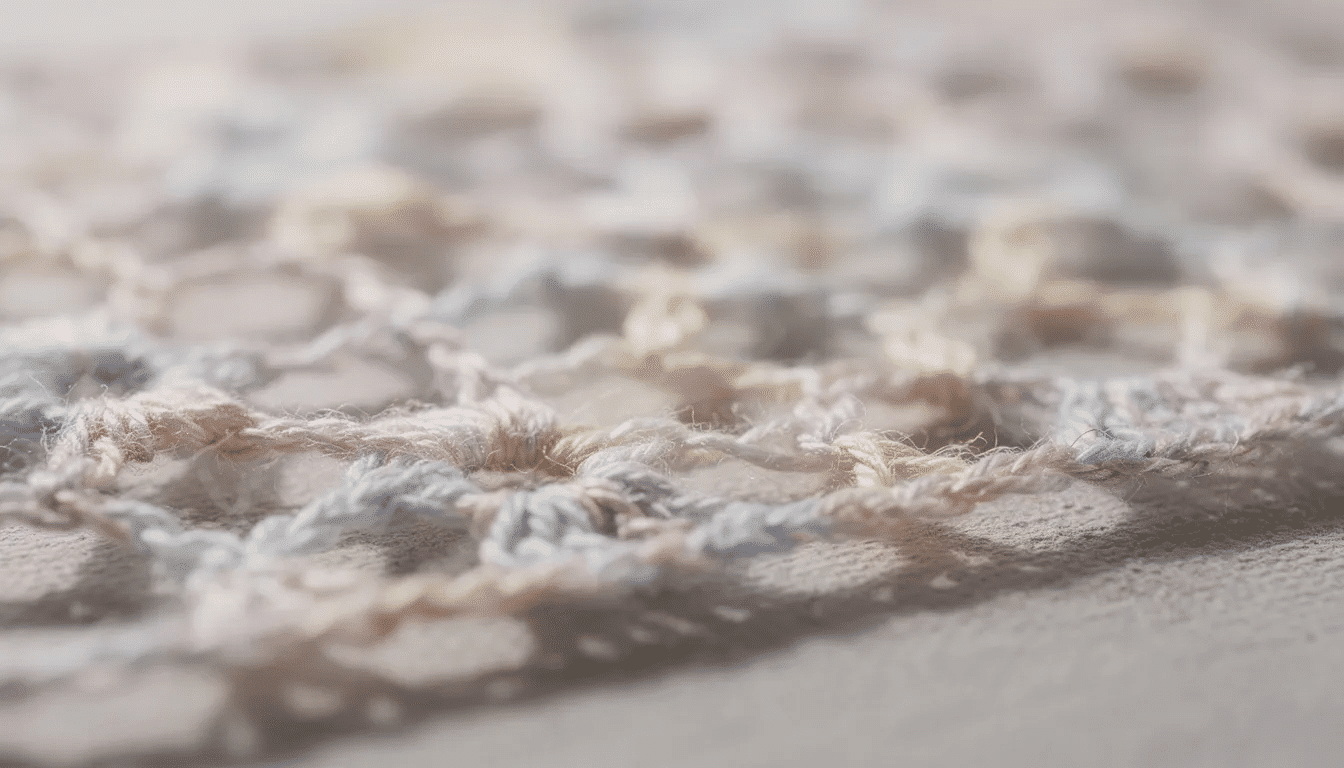
Thin yarn in crochet typically refers to yarn weights 0 through 2 on the Craft Yarn Council’s standard weight system. These include lace weight (0), super fine or fingering weight (1), and fine or sport weight (2). Some crocheters also include DK weight (3) in the “thin” category, though it sits on the border between fine and medium.
Working with these lighter weights creates fabric with more drape and more visible stitch definition than you’d get with worsted or bulky yarn. The tradeoff? Progress feels slower because you’re working with smaller hooks and finer fibers. A single row in lace weight takes considerably longer than the same row in chunky yarn.
Common projects for each weight include lace mohair shawls and intricate doilies in lace weight, sock yarn shawls and actual socks in fingering weight, and light summer tops plus baby blankets in sport weight. Each weight has its sweet spot for different stitches and project types.
Lace (0), Fingering (1), and Sport (2) at a Glance
Lace weight yarn (weight 0) typically calls for hook sizes between 1.5mm and 2.5mm, sometimes even smaller steel hooks for thread crochet. You’ll find this weight in heirloom doilies, wedding shawls, and delicate overlays. The fiber is so fine that complex stitch patterns can overwhelm the fabric—simpler, more open stitches often work better.
Fingering weight (weight 1), sometimes labeled “sock” or “baby” on the ball band, pairs well with hooks from 2.25mm to 3.5mm. This is the workhorse weight for triangle shawls, lightweight scarves, and of course, handmade socks. Most crocheters find fingering more forgiving than true lace weight while still producing refined results.
Sport weight (weight 2), occasionally called “fine” or “baby,” uses hooks from 3.25mm to 4mm. It’s the most approachable thin yarn for beginners—visible enough to count stitches easily but light enough for summer garments and breathable baby items.
The thinner the yarn, the more open and simple your stitch pattern should usually be. Dense, textured stitches that look gorgeous in worsted weight can become stiff and time-consuming in lace or fingering. Keep this principle in mind as you choose your next stitch.
How to Choose the Best Stitch for Thin Yarn
There’s no single universal “best” crochet stitch for every thin yarn project. The optimal choice depends on four main factors: drape, opacity, speed, and visibility.
Desired drape determines whether you want floaty, flowing fabric or something with more structure. For an airy wrap that pools gracefully around shoulders, pick mesh or V-stitch with their built-in chain spaces. For a structured baby cardigan that holds its shape, you’d choose moss stitch or small shells instead.
Level of opacity matters for wearable projects. Lacy mesh stitches look stunning in a shawl but might be too revealing for an office-appropriate top. If you need modest coverage, denser stitches like moss stitch or offset shells provide it while still working well with fine yarn.
Speed versus detail is a practical consideration. Open stitches with lots of chain spaces work up faster because you’re not inserting your hook into as many stitches. Dense single crochet fabric takes longer per square inch but creates the tight texture needed for amigurumi and pouches.
How easy it is to see and feel your stitches in thin yarn shouldn’t be underestimated. Some stitches are simply harder to read in fine fibers. Moss stitch, with its clear alternating pattern of sc and chain, remains visible even in fingering weight. Complex cables or post double crochet patterns might frustrate you in anything finer than sport weight.
For airy shawls, pick mesh or V-stitch. For baby garments, choose shells or moss stitch for coverage with softness. For amigurumi, stick with tight single crochet. Match the stitch to your project goals, and thin yarn becomes a pleasure rather than a struggle.
Top Crochet Stitches That Shine in Thin Yarn
This section covers the specific stitches that perform exceptionally well with lightweight yarn. Each stitch description includes what it looks like, why it pairs with fine fibers, typical projects and hook sizes, and any watch-outs to keep in mind.
These aren’t full step-by-step tutorials—they’re practical overviews to help you decide which stitch to learn next for your thin yarn collection.
Moss (Linen) Stitch – For Even, Delicate Texture
The moss stitch (also called linen stitch) alternates single crochet and chain one across the row. On subsequent rows, you work your sc into the chain spaces rather than into the previous stitches. This creates a subtle woven texture that looks almost like fabric.
Why does this stitch work so well with fingering and sport yarn? The fabric is light but not too holey—perfect when you want coverage without bulk. The simple two-stitch repeat is easy to see even in thin yarn, and the chain spaces prevent the dense, stiff quality that solid single crochet can develop.
Typical uses include baby blankets in fingering weight, lightweight scarves, and simple summer wraps. Most crocheters use a 3.25mm to 3.75mm hook for sport weight moss stitch projects.
This is an excellent first thin yarn stitch for beginners. The repeat is easy to memorize (sc, ch 1, skip one stitch, repeat), and slight tension inconsistencies don’t show as dramatically as they would in solid fabric. If you’re nervous about working with fine yarn, start here.
V-Stitch and Mesh Stitches – For Airy Shawls and Summer Tops
V-stitch consists of a double crochet, chain one (or two), and another double crochet all worked into the same stitch or space. The result is elegant “V” shapes that create an open, breathable fabric. Simple mesh follows a similar principle: double crochets separated by chain spaces arranged in a grid.
Thin yarn plus V-stitch or mesh produces the drapey, flowing fabric that makes shawls and beach cover-ups so appealing. The openwork pattern stretches your yardage significantly—you’ll cover more area with less yarn compared to solid stitches.
These stitches work especially well with hand-dyed fingering yarns. The open pattern shows off subtle color changes and variegation without looking busy or overwhelming. Each “V” frames the colors beautifully.
A fun fact: fingering-weight triangle shawls worked in open mesh with a 3.5mm to 4mm hook have become increasingly popular in recent pattern collections. The combination creates a lightweight accessory that works across seasons.
Shell and Fan Stitches – For Romantic, Lacy Edges and Garments
Shell stitches are small fans of multiple double crochets (sometimes half double crochet or treble crochet) worked into a single stitch or space. The stitches fan out to create scalloped, decorative fabric with a romantic, vintage feel.
In thin yarn, shells become refined rather than chunky. The same shell pattern that looks heavy in worsted weight transforms into delicate lace in fingering. This makes shells ideal for cardigans, baby dresses, and decorative borders on blankets.
Shell patterns can be adapted based on your opacity needs. Tighter shells with fewer chain spaces between them provide more coverage. Spaced-out shells with chain separations create a lacier effect perfect for overlay garments.
A quick tip: if your shells flop or twist when working in lace weight, go down half a hook size or plan to block the finished piece. Blocking sharpens shell shapes dramatically and gives your project a professional finish.
Single Crochet and Waistcoat Stitch – For Dense, Tiny Projects
Standard single crochet remains the go-to stitch for amigurumi, tiny pouches, and fine details. Why? It creates a dense, non-gappy fabric even with thin yarn. When you’re stuffing a miniature toy, you don’t want the filling peeking through—tight sc solves that problem.
Waistcoat stitch (also called split single crochet) is a knit-look variant where you insert your hook into the “V” of the previous row’s stitch rather than under the two loops on top. In sport weight, this produces very smooth, almost knitted fabric that’s perfect for bags and structured accessories.
In true lace or very fine cotton, waistcoat stitch can be hard on your hands and slow going. Reserve it mainly for sport weight and heavier fingering yarn where your fingers won’t cramp from the tight work.
One caveat: these dense stitches aren’t ideal for large garments in thin yarn. A sweater in fingering-weight single crochet would take forever and might end up stiff rather than drapey. Save sc and waistcoat for smaller projects where density is actually desirable.
Granny-Style Stitches Adapted for Thin Yarn
Traditional granny clusters (three dc worked into a space) look completely different in thin yarn compared to worsted or bulky weights. The same stitch pattern creates lighter, lacier fabric when worked with fingering or sport weight fibers.
Projects like fingering-weight granny square tops and sport-weight baby blankets use this to advantage. The clusters keep your work moving faster than solid stitches despite the tiny yarn, and the built-in chain spaces between clusters add drape.
Working into chain spaces instead of actual stitches is a major advantage with thin yarn. It’s easier on your eyes, prevents fatigue from hunting for stitch placement, and reduces the risk of accidentally splitting your yarn with the hook.
When making granny-based shawls and garments, use a slightly larger hook than the ball band suggests. This adds extra drape and prevents the stiff, dense fabric that can result from too-tight tension in cluster patterns.
Matching Stitches to Thin-Yarn Projects
Stitch choice should follow your intended project. What works beautifully for a lace shawl may not suit socks or baby sweaters at all. Here’s how to match the stitches from the previous section to common thin-yarn project types.
Shawls, Wraps, and Scarves
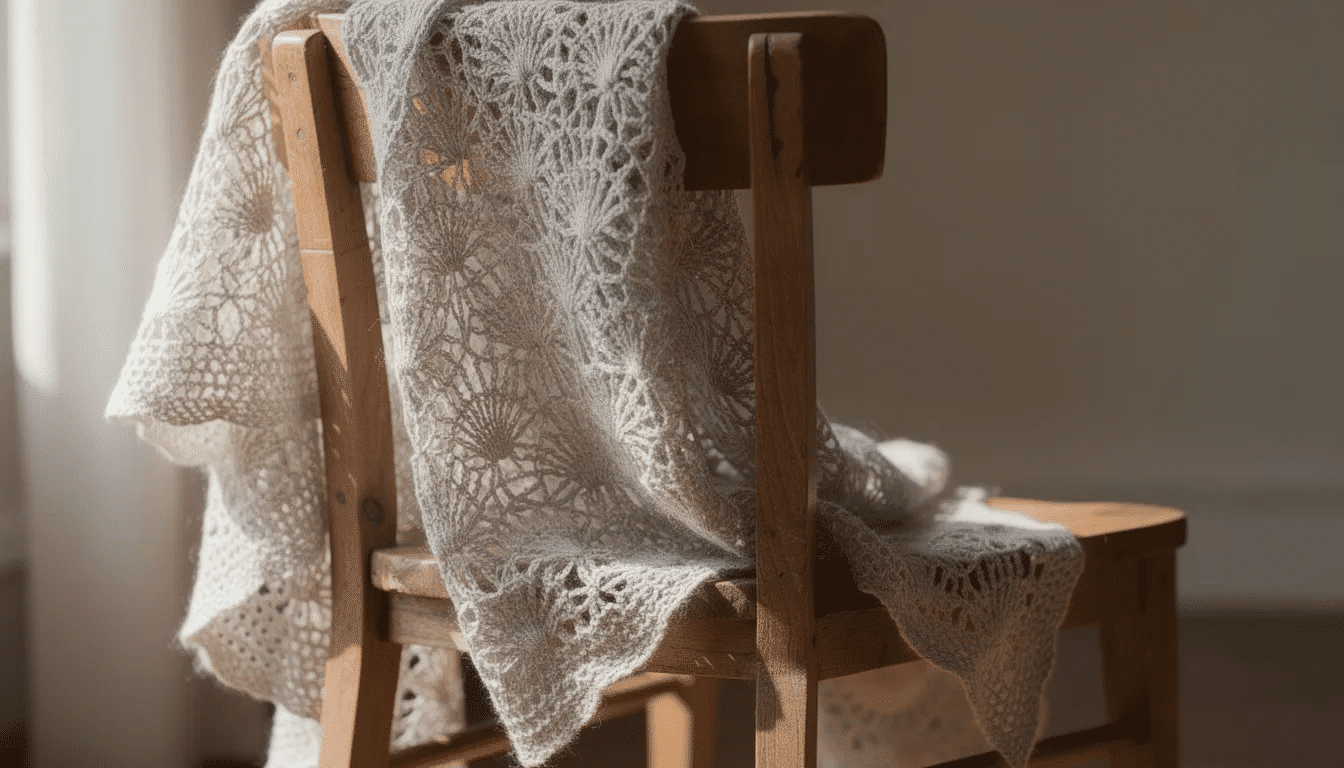
Shawls and wraps benefit most from stitches with lots of drape: mesh, V-stitch, shell lace, and simple chain-space patterns. These create the flowing, elegant fabric that makes a handmade shawl feel special.
Consider these pairings:
- Lace-weight triangular shawl in open mesh with a 2.25mm to 2.75mm hook
- Fingering-weight rectangular wrap in V-stitch with a 3.5mm hook
- Sport-weight crescent shawl in shell lace with a 4mm hook
Blocking is essential for thin-yarn lace. Your finished piece might look scrunched and underwhelming straight off the hook, but wet blocking or steam blocking opens up the stitches and reveals the pattern’s true beauty. Always block your shawls and scarves.
Garments and Summer Tops
For wearable, non-see-through fabric in thin yarn garments, reach for moss stitch, light shell patterns, and modified granny stitches. These provide coverage while maintaining the drape that makes thin yarn garments comfortable to wear.
Crocheters aiming for office-friendly tops should pick denser stitches like moss stitch or offset shells in sport or fine weight. Beach cover-ups and layering pieces can use lacier mesh in fingering yarn where some sheerness is actually desirable.
For a summer-ready cropped tee, try sport-weight cotton in moss stitch with a 3.75mm hook. The combination gives you structure plus drape without the bulk of heavier yarn weights.
Swatching and measuring gauge are critical in thin-yarn garments. Small stitch-count changes dramatically affect fit when you’re working at 28-32 stitches per four inches. Always create a gauge swatch before starting a garment, and measure honestly.
Baby Clothes and Lightweight Baby Blankets
Babies need soft, gentle stitches with minimal holes. Moss stitch, small shells, and simple single crochet with occasional eyelets all work well for infant items. Avoid large open mesh patterns where tiny fingers could get caught.
Choose sport or fingering weight yarns that are machine-washable and non-itchy. Cotton blends and superwash merino are popular choices for baby projects because parents can throw them in the washing machine without worry.
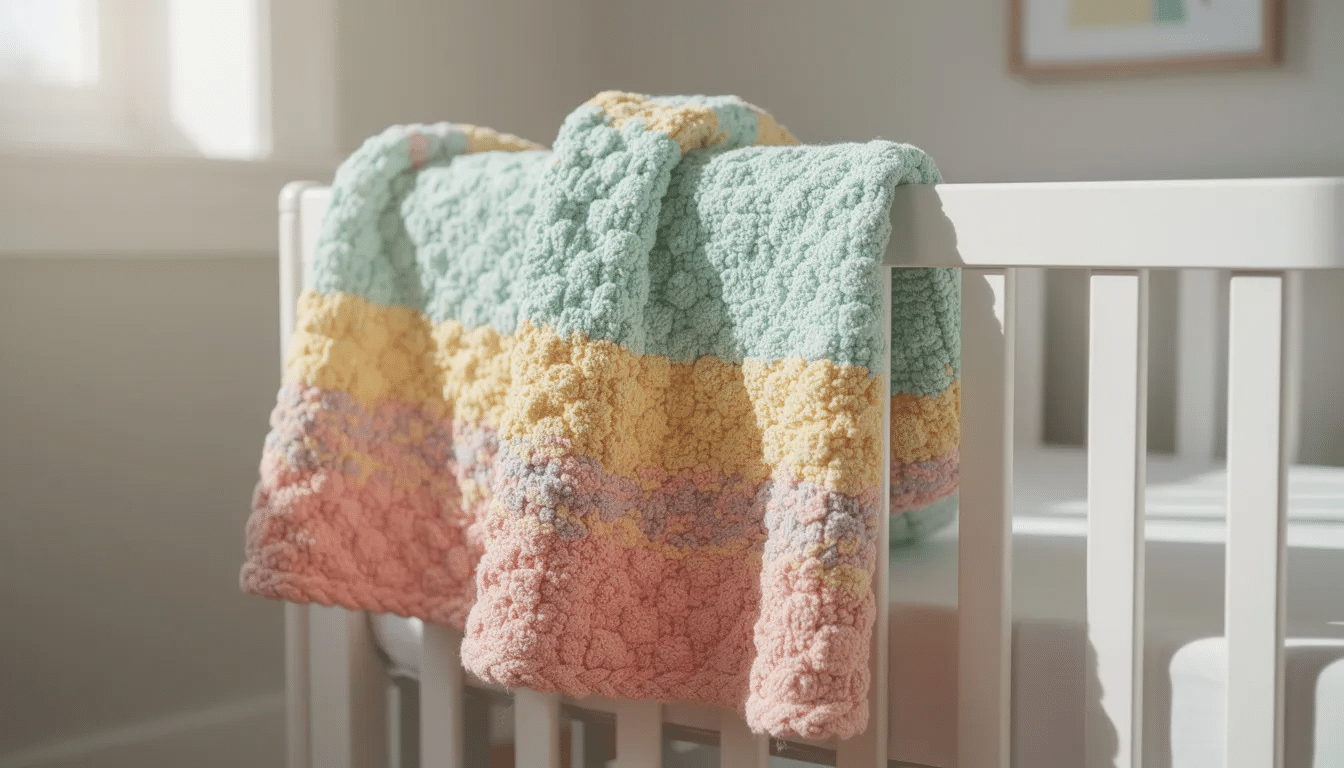
A sport-weight moss stitch baby blanket (approximately 30” x 35”) using a 3.5mm to 4mm hook creates a light but cozy fabric perfect for strollers and car seats. The blanket won’t overheat babies but provides enough warmth for air-conditioned spaces.
Comfort and practicality matter as much as prettiness for baby items. Stick to techniques that create soft fabric without scratchy texture or tight stitches that could irritate delicate skin.
Amigurumi and Tiny Accessories
Amigurumi made with thin yarn produces miniature, detailed figures that show off intricate features. Single crochet is the preferred stitch because it prevents stuffing from showing through the fabric. You’ll insert hook, pull through, yarn over, and pull through two loops over and over—simple but effective.
Use fingering or sport weight for small toys and keychains. The resulting figures are delicate and detailed, often half the size of the same pattern worked in worsted weight. Waistcoat stitch can create a knit-look surface for certain designs, though it’s slower.
Accessories like fine coin purses, tiny bags, and even crochet jewelry benefit from dense stitches in thin cotton. The tight sc or waistcoat creates sturdy, polished results that hold their shape and last through daily use, and these small projects are also a great canvas if you want to turn a favorite photo into an appliqué to add personalized fabric art.
Tight tension and sharp hooks matter especially when working such small stitches in thin yarn. Dull hooks will split fine fibers constantly, making the work frustrating rather than enjoyable.
Home Décor and Lace Details
Thin cotton or linen yarn combined with lace stitches, shells, and classic thread motifs creates doilies, coasters, and lacy table runners. These home decor items showcase the delicate beauty that only fine yarn can achieve.
For modern wall hangings and plant holders in thin yarn, try simple mesh or filet-style stitches rather than overly complex vintage patterns. New stitches and new crocheters don’t need to tackle century-old lace charts to create beautiful home decor.
Traditional heirloom-style doilies and tablecloths use size 10 crochet cotton and steel hooks—beautiful work, but challenging. Newer crocheters can start with sport-weight cotton and a 3mm to 3.5mm hook for easier handling while still achieving an elegant look.
Quick project ideas inspired by these techniques include linen-stitch coasters, shell-edge placemats, and simple filet crochet wall art. Start small before committing to a full tablecloth.
Tips for Crocheting Thin Yarn Stitches Successfully
Working with thin yarn comes with common struggles: harder-to-see stitches, slower progress, more tangling. But the right techniques and habits can transform thin yarn from frustrating to deeply satisfying.
Hook Size, Material, and Comfort
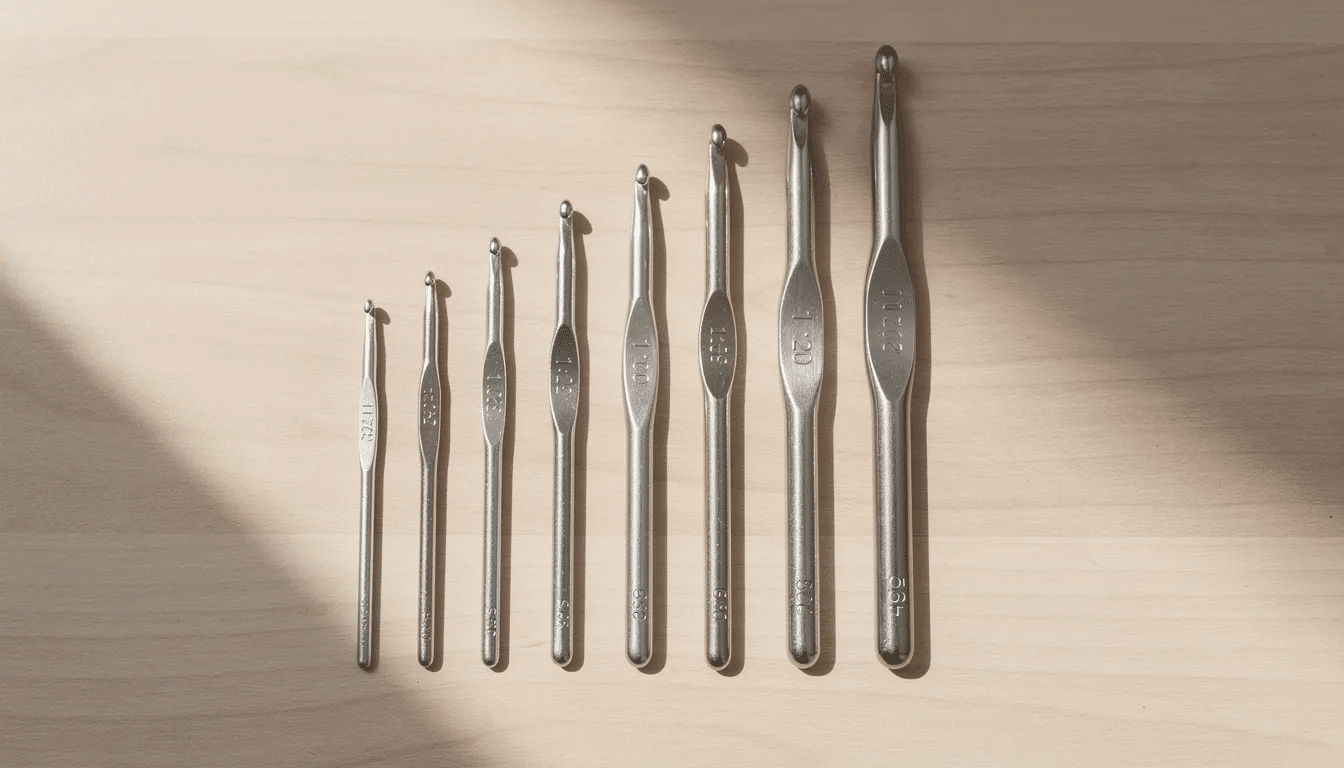
Going up half to one full hook size from the yarn label recommendation often improves drape and makes thin-yarn stitches easier to see. Don’t be afraid to experiment. The ball band suggestion is a starting point, not a rule.
Ergonomic hooks reduce hand fatigue significantly, especially when working dense stitches like single crochet or waistcoat stitch in fine yarn. If you’re planning a large project, invest in comfortable tools before you begin.
Smooth metal hooks glide better with cotton and lace fibers, while wood or bamboo hooks provide more grip for slippery materials like silk blends. Match your hook material to your yarn for the best experience.
For fingering-weight cotton in moss stitch, many crocheters prefer a 3.25mm to 3.5mm ergonomic hook for hours of comfortable stitching. The slightly larger size opens up the fabric without losing stitch definition.
Seeing Your Stitches and Managing Tension
Strong lighting makes an enormous difference when working with thin yarn. Position yourself near a window during the day or use a bright task lamp at night. Your eyes will thank you.
Choose high contrast between your yarn and your background. A light yarn shows best against dark fabric; dark yarn needs a light surface behind it. Avoid very dark thin yarns for your first project with new stitches—save those for after you’ve mastered the pattern.
Thin yarn exaggerates tension issues that would be barely noticeable in worsted weight. Practice your chosen stitch on a small swatch to find relaxed, even tension before starting a big project. Adjust your hook size if needed.
Stitch markers and lifelines help when working complex lace or shell patterns in lace weight. Place markers at the beginning of each repeat, and thread a lifeline through your stitches every few rows. If you need to rip back, you’ll have a safety net.
Blocking and Finishing Thin-Yarn Stitch Patterns
Blocking means wetting or steaming your finished piece, shaping it on a flat surface with pins, and letting it dry in position. For stitches like mesh, shells, and lace in thin yarn, blocking is essential—not optional.
Use wet blocking for natural fibers like wool and cotton. Soak the piece in cool water with a drop of wool wash, squeeze gently in a towel, and pin to shape. For acrylic blends, gentle steam from an iron held above (not touching) the fabric works well. Always test on your gauge swatch first.
Blocking transforms curled, scrunched moss stitch or shell patterns into flat, professional-looking fabric. The difference is dramatic. A shawl that looked disappointing off the hook often becomes stunning after proper blocking.
Consider photographing your project before and after blocking. The comparison demonstrates just how much difference this finishing step makes—and reminds you to always block your thin-yarn lace projects.
Conclusion: Start Simple, Then Explore Fancier Thin-Yarn Stitches
The best crochet stitch for thin yarn balances beauty with ease. For most beginners, moss stitch or simple mesh offers the perfect entry point—visible, forgiving, and quick enough to show progress. Once you’re comfortable, shells and more complex lace patterns become achievable. For tiny toys and accessories, dense single crochet remains the reliable choice.
Pick one thin-yarn project and one stitch from this article to start with. A moss-stitch scarf in sport weight makes an excellent first project—it works up in an even number of stitches, creates soft fabric, and teaches you how thin yarn handles without overwhelming complexity. Or try a V-stitch shawl in fingering weight if you’re ready for something lacier.
Thin yarn isn’t something to fear. It’s a way to level up your crochet skills and create heirloom-quality pieces that feel special to make and give. The key is matching the right stitch to your project goals.
Grab a skein of your favorite lightweight yarn, choose one stitch from this guide, and swatch tonight. Your collection of thin-yarn techniques is about to grow.