Sensory bin ideas for toddlers at home work because they turn ordinary stuff around the house into hands-on learning. A sensory bin is simply a container filled with sensory bin fillers, tools, and toys that invite toddlers to scoop, pour, dig, sort, and explore. According to WebMD, sensory bins can support touch, sight, sound, language, and movement development.
Sensory play is critical for child development as it encourages problem-solving, exploration, and curiosity, which are essential skills for learning. Engaging in sensory play helps children develop fine motor skills, which are important for tasks such as writing and using utensils later in life. Exposure to a variety of sensory experiences can lead to increased adaptability and a greater sense of curiosity in children as they grow.
How We Chose the Best Sensory Bin Ideas
The best sensory bins for toddlers are safe, easy to set up, affordable, and interesting enough to engage young kids for more than two minutes. Engaging sensory bins can be created using a variety of safe, textured materials like dry rice, beans, pasta, kinetic sand, water beads, or shredded paper, though water beads should be avoided for little ones who mouth objects. Common materials used in sensory bins include grains, legumes, craft materials, and pasta.
For setup, a shallow, wide bin of roughly 25 QT facilitates easy access for children while managing mess. A large clear plastic bin or a designated sensory table can also help keep the activity contained and reduce mess during sensory play. Add sensory items such as scoops, spoons, measuring cups, tongs, tweezers, funnels, and small magnifying glasses. Popular themes for sensory bins include seasonal topics, nature, and imaginative play.
Top 7 Sensory Bin Ideas for Toddlers
1. Rice Discovery Bin
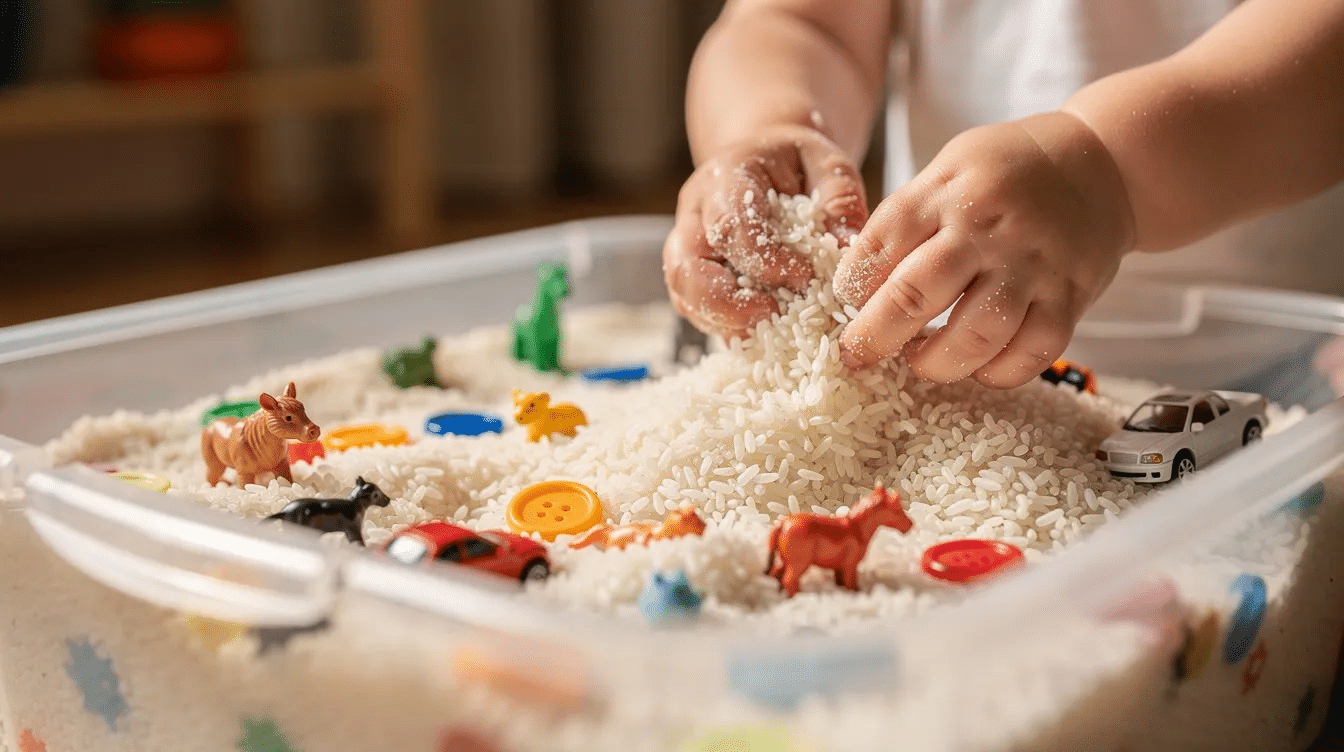
A rice bin is one of the favorite ones for parents because it is super simple, reusable, and easy to theme. Dried rice is a very affordable sensory bin filler, and it can be dyed with liquid watercolors or food coloring for added visual interest. To make colored rice, add rice, a few drops of color, and a splash of vinegar to a ziploc bag, shake, then dry fully.
Dried rice is an affordable and popular sensory bin filler that can be dyed with food coloring for added visual interest, and it can be paired with scoops and cups for interactive play. Dyeing rice for sensory bins can be done easily at home, and when stored properly, it can last for years, reducing the need for frequent replacements and mess.
Best for: toddlers who love pouring, hiding small toys, and treasure hunting. Possible limitation: rice can be messy and is not ideal for kids who still taste everything.
2. Water Play Sensory Bin
A water play bin is the most accessible of all easy sensory bins. A simple and fun sensory bin idea is to create a water play bin using a shallow container filled with water, sponges, and cups, along with plastic animals or toy boats for added excitement. Add ice cubes for temperature play or a few trucks for a pretend wash station.
Kids love the splash, pour, and float-or-sink learning. It is a great place to introduce words like full, empty, cold, wet, and heavy. Best for: bath-loving toddlers and preschoolers. Possible limitation: water can spread fast, so use towels and never leave children unattended around water.
3. Cloud Dough Sculpting Bin
Cloud dough is made from flour and vegetable oil, creating a soft, moldable material that feels soothing. Cloud dough can be made by mixing 2 cups of flour with ¼ cup of vegetable oil, creating a soft, moldable material that is soothing for toddlers to play with. It is one of those bin ideas that feels like sand but holds shapes better.
Add cookie cutters, cups, pom poms, or maybe something from the dollar store. Cloud dough, made from flour and vegetable oil, is a popular sensory bin filler that is soft and moldable, providing a soothing tactile experience for children. Possible limitation: some sensory materials, like cloud dough, can create too much mess for indoor play, so it is advisable to save those activities for outdoor play when the weather permits.
4. Oobleck Science Bin
Oobleck is made with cornstarch and water, usually close to two parts cornstarch to one part water. Non-Newtonian fluids like oobleck provide a solid-liquid texture that is highly engaging for children. Press it quickly and it feels firm; let it rest and it drips through fingers.
This sensory experience is so much fun for curious kids because it introduces early science without a worksheet. Best for: toddlers who like unusual textures. Possible limitation: it is very messy, so use a sheet or tablecloth underneath the sensory bin to help contain spills and make cleanup easier, allowing materials to be poured back into the bin after play.
5. Nature Treasure Bin
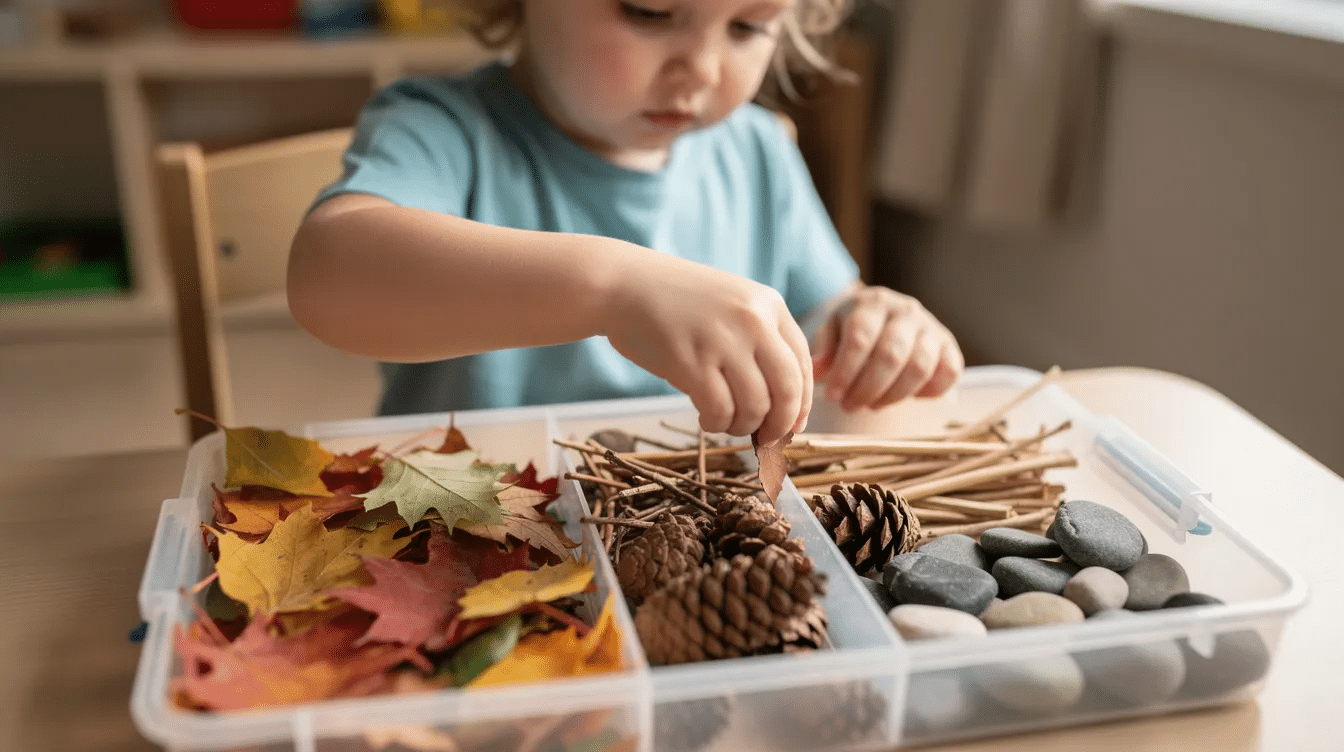
A nature treasure bin can be created by collecting leaves, sticks, pinecones, and rocks during a nature walk, allowing children to explore real-world textures and engage in sorting and stacking activities. You can even turn favorite finds into simple nature stick crafts for kids. Add faux flowers, animals, dirt, or dry pasta for a pretend forest theme.
This is a perfect backdrop for open ended play because toddlers can sort, stack, compare, and create stories. It supports imagination while connecting little ones to the world outside the house. Possible limitation: check materials for sharp edges, bugs, mold, and allergens before play.
6. Kinetic Sand Bin
Kinetic sand is a unique sensory bin filler that is moldable and provides a satisfying tactile experience, making it a favorite among children. If you want to make your own, choosing the best sand for kinetic sand recipes helps it hold shapes and stay soft. It behaves like sand, but it sticks to itself more than regular sand, which makes it easier to shape and contain.
Add molds, small toys, or construction vehicles for digging and loading. A corn kernel sensory bin can be created by using corn kernels or other dry food items, along with small trucks for children to engage in rumbling, dumping, and loading activities; kinetic sand gives a similar dig-and-dump play style with less scatter. Possible limitation: it requires purchase and still needs containment.
7. Bubble Foam Bin
Bubble foam is made by whipping water with gentle soap until it becomes fluffy. It is fun for pretend baby baths, car washes, animal rescues, and ocean play. Add plastic animals, measuring cups, and washable toys to create an easy sensory bin that feels light and bubbly.
Best for: toddlers who enjoy bath play and different textures. Possible limitation: foam disappears over time and works best in a waterproof area. For a taste safe version, use a toddler-safe soap and supervise closely.
Quick Comparison of the Best Sensory Bin Ideas
Sensory bin | Best for | Mess level |
|---|---|---|
Rice Discovery Bin | Beginners and endless themed play | Medium |
Water Play Bin | Hot weather and splash-loving toddlers | High |
Cloud Dough Bin | Creative sculpting and fine motor development | High |
Oobleck Bin | Science-loving families and sensory seekers | Very high |
Nature Treasure Bin | Seasonal learning and outdoor curiosity | Low-medium |
Kinetic Sand Bin | Medium | |
Bubble Foam Bin | Pretend play and bath-loving kids | High |
Shredded paper can be used as a sensory bin filler, providing a fun and engaging texture for children to explore, and it can be easily recycled after use. |
How to Choose the Right Sensory Bin for Your Toddler
Choose Based on Mess Tolerance
If mess stresses you out, start with nature items, shredded paper, or larger dried beans instead of water, foam, or oobleck. You can also rotate in no-mess activities for 2 year olds on days when you do not want to clean up loose materials. Establishing a rule that materials must stay in the bin can help manage mess during sensory play, encouraging children to try the activity again later if they can’t follow the guideline.
Choose Based on Your Toddler’s Interests
If your daughter or son likes to build, try kinetic sand or cloud dough. If they like to dig, use rice, beans, corn kernels, or dirt. If they love animals, add plastic animals to almost any bin. The right sensory experience should match your child’s senses, comfort level, and current learning stage.
Choose Based on Available Materials
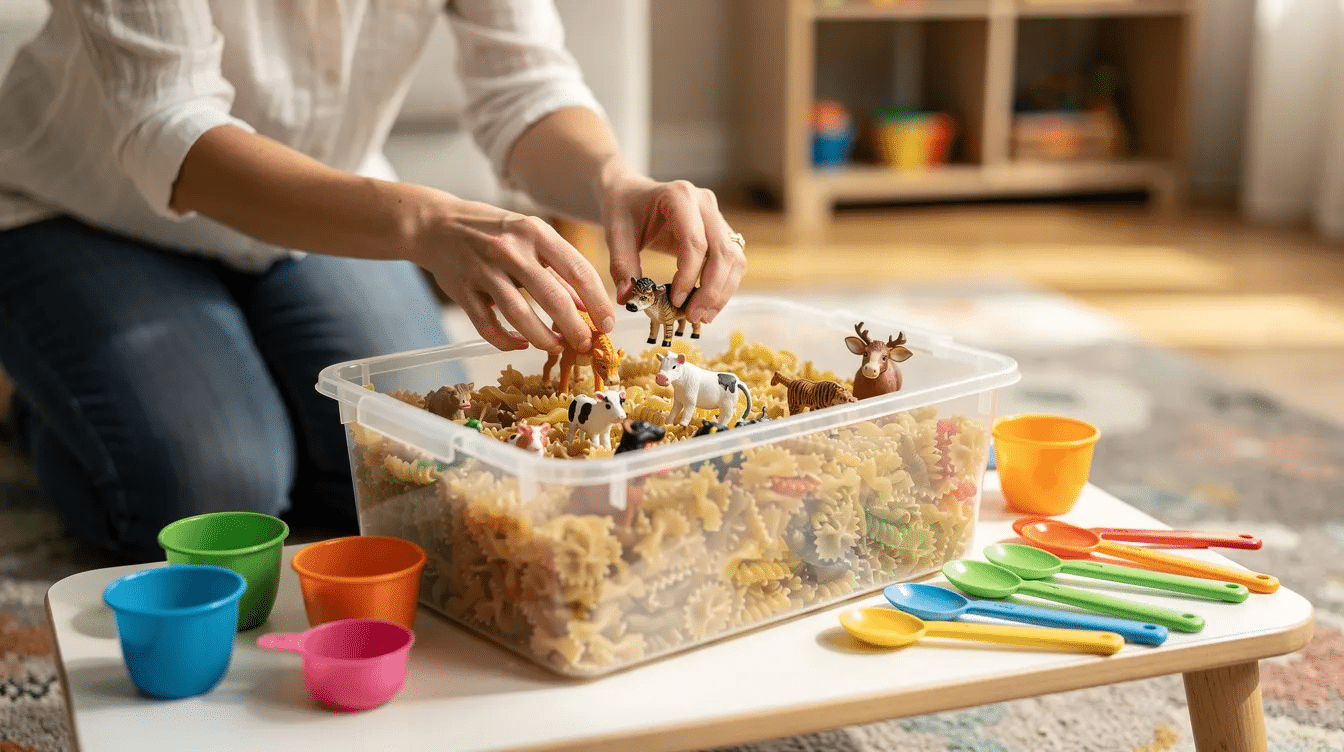
Parents do not need fancy supplies to create their own sensory bin. Look around the house first: rice, dry pasta, dried beans, cups, spoons, pom poms, toys, and craft materials are enough for many easy sensory bin ideas. Specialty items like kinetic sand can come later if your child enjoys sensory play.
Which Sensory Bin Is Best for You?
Choose Rice Discovery Bin if you want a long-lasting option with endless theme ideas. Choose Water Play Bin if your toddler loves splashing and you do not mind towels. Choose Cloud Dough Bin if your child enjoys Play-Doh-style creative play. Choose Nature Treasure Bin if you want free materials, seasonal learning, and less prep.
The best choice depends on space, budget, mess tolerance, and your toddler’s personality. If you are new to sensory, start small, fill the bin halfway, and keep the first activity short.
Final Thoughts
The best sensory bin ideas are the ones your child will actually use safely. Start with simple materials, supervise closely, and adjust the bin as your toddler grows. Try one idea this week, then rotate in new textures, tools, and themes to keep sensory play fresh, practical, and fun.