
Finding the right sewing machine can feel overwhelming when you’re faced with hundreds of models, conflicting reviews, and marketing claims that all sound the same. This 2025 guide takes a consumer-reports approach—pulling from lab-style testing data, long-term owner feedback, and insights from repair technicians who see what actually breaks down after years of use.
Whether you’re threading your first bobbin or upgrading from a machine you’ve had for decades, this guide cuts through the noise to help you make a confident decision.
- Quick Answer: Best Sewing Machines by Category
- Manual vs. Computerized Sewing Machines
- Why You Can Trust This Guide
- Who This Guide Is For
- A Note on Vintage and Used Machines
- How We Picked and Tested (Consumer-Reports Style)
- Top Pick: Brother CS7000X
- Runner-Up & Alternative Top Machines
- Other Sewing Machines Worth Considering (By Type)
- How to Choose a Sewing Machine (Consumer-Style Checklist)
- Key Consumer-Report Style Criteria: Sewing, Ease of Use, and Buttonholes
- Price Ranges and What to Expect (2025)
- Frequently Asked Questions About Sewing Machines
- Sources and Expert Input
Quick Answer: Best Sewing Machines by Category
This consumer-reports style guide synthesizes multi-year testing programs, verified owner reviews, and repair shop feedback to identify machines that consistently perform well across real-world conditions. Here are the top picks across major categories:
- Best overall for most home sewists: Brother CS7000X (computerized, 70 stitches, strong value under $250 as of early 2025)
- Best budget mechanical under $150: Baby Lock Zest or Janome Arctic Crystal for simple mending and basic projects
- Best for quilting and serious hobbyists: Juki HZL-F300 or Janome 3160QDC
- Best heavy-duty for denim & canvas: Singer Heavy Duty 4423 with a clear caveat on quality-control concerns
- Best straight-stitch semi-industrial: Juki TL-2010Q or Janome HD9 for high-speed quilting and heavy fabrics
The sections below dive into detailed specifications, pros and cons, and testing methodology. But if you’re in a hurry and need a machine that works reliably for most home sewing projects, the Brother CS7000X remains the safest recommendation for its price-to-performance ratio.
Manual vs. Computerized Sewing Machines
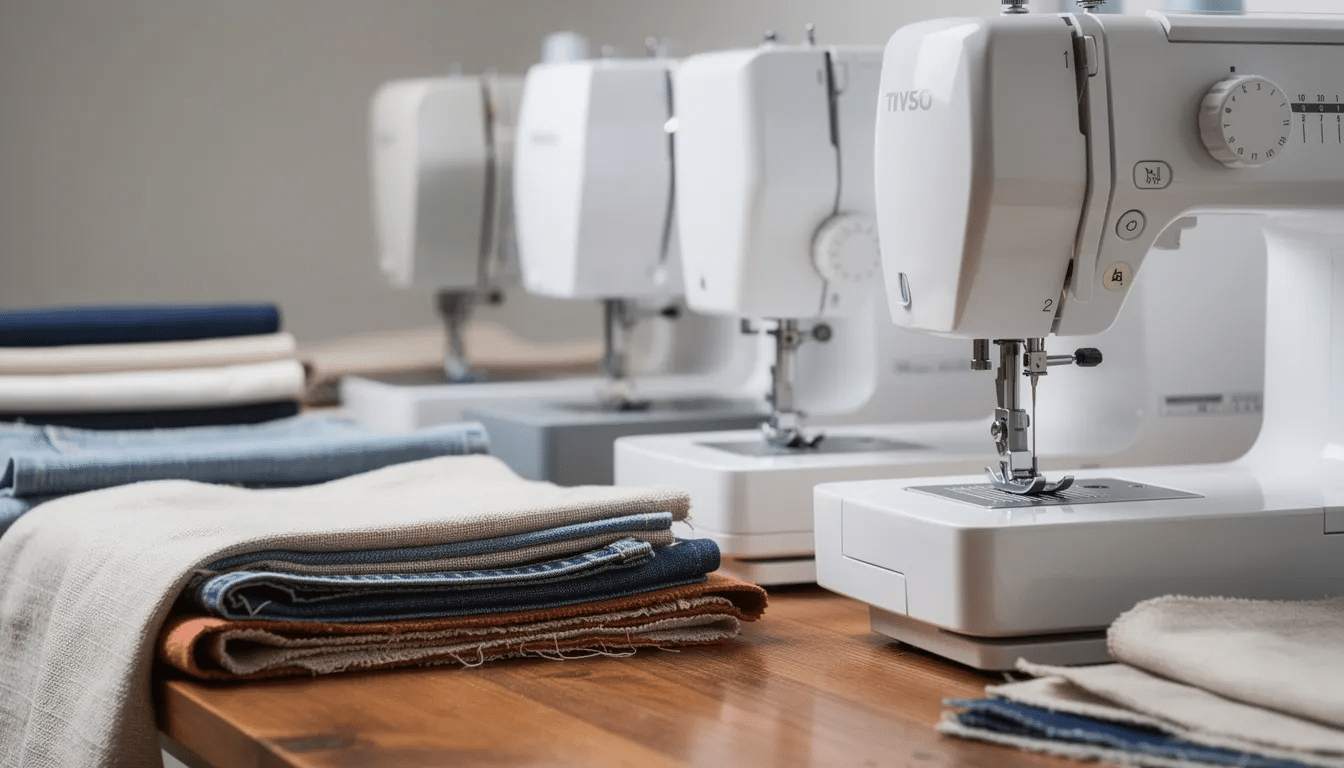
One of the first decisions you’ll face when using consumer-style reviews is whether to go mechanical (manual) or computerized. Mechanical machines use physical dials and levers to control stitches, while computerized models rely on digital screens, buttons, and often automated features. This choice affects everything from long-term durability to daily convenience.
Durability and repair considerations:
- Solid mechanical models like the Pfaff Select 4.2, Janome HD1000, and Elna 3210 for Jeans often last decades with routine oiling and can be serviced by most sewing machine technicians without specialized training
- Computerized sewing machines (Brother CS7000X, Singer 9960 Quantum Stylist, Juki HZL-G220) pack more convenience but may be more expensive or complex to repair after 10–15 years when circuit boards become obsolete
- A mechanical sewing machine with metal internals typically has fewer failure points than a computerized machine with multiple electronic components
Ease of use differences:
- Modern computerized machines aimed at beginners (Brother HC1850, Brother CS5055) can lock out common mistakes like sewing with the presser foot up or selecting incompatible buttonhole settings
- Mechanical dials are more tactile and intuitive for some learners, especially when taught in person or at community sewing classes where instructors can demonstrate adjustments hands-on
- Many new machines in both categories now include clear threading diagrams that make initial setup straightforward
Features and price comparisons:
- Computerized models under about $500 (as of 2025) now routinely offer 60–200 built in stitches, automatic buttonholes, and memory functions for storing custom settings
- Contrast this with mechanical workhorses like Janome Arctic Crystal or Singer Simple 2263 that offer 8–23 stitches but excel at straight stitch and zigzag stitch reliability
- For users focused on basic sewing tasks, the simpler stitch selection on a mechanical machine may actually be preferable to scrolling through decorative stitches they’ll never use
Which should you choose:
- Choose manual/mechanical for “buy-it-for-life” minimalists who want simple operation, easy repairs, and decades of service from a basic machine
- Choose computerized for people who value built-in guidance, one-step buttonholes, decorative stitches, and automated features like an automatic needle threader
Why You Can Trust This Guide
This guide is written in a consumer-reports style: independent evaluations with no sponsorship bias and a focus on long-term reliability over marketing hype. The goal is to help you identify machines that actually perform well in real sewing rooms, not just on spec sheets.
- Recommendations are based on comparing data from professional sewing machine reviews (2017–2025), repair shop feedback, and verified owner reports rather than single-person opinions or sponsored content
- The guide reflects cumulative experience across home sewing machines used for garment sewing, quilting, light upholstery, and general crafting—not just a single niche perspective
- Unlike brand marketing or store catalogs, machines here are included only if they show consistent sewing performance across multiple independent sources and model years
- Older but still-available models (for example Brother CS7000X, Singer 9960, Janome 3160QDC) are judged alongside newer 2024–2025 releases where reliable data exists
- Where consumer reports conflict, this guide leans toward repair-technician experience and patterns of owner complaints (jamming, timing issues, electronics failures) as the deciding factor
Who This Guide Is For
This consumer-style report focuses on home users, from first-time sewists learning to thread a bobbin winder to advanced quilters who still use domestic (not industrial) machines. If you’re shopping for a machine to use at home rather than in a commercial setting, this guide is designed for you.
- People shopping in roughly three price tiers: under $200 (basic), $200–$500 (feature-rich domestic), and $500–$1,500 (serious hobby/quilting and semi-industrial straight stitch)
- Beginners who want to learn essential skills like threading, bobbin winding, and simple seam construction and are looking at models like Brother GX37, Janome MOD-30, or Singer 1512 Promise II as a beginner machine
- Hobby garment sewists and quilters who need consistent stitches, stretch stitches, and better feed dogs systems (e.g., Juki HZL-F300, Janome 3160QDC, Bernette 37)
- Makers who occasionally handle heavy fabrics—hemming jeans, canvas bags, or home décor—needing more powerful motors such as on Singer Heavy Duty 4423, Elna 3210 for Jeans, or Janome HD3000
- If you’re unsure about any model, try to test a machine in person at a dealer or community class, even if you plan to buy a machine online later—understanding size, noise, and control layout makes a significant difference in satisfaction
A Note on Vintage and Used Machines
Many sewing enthusiasts swear by older all-metal models from the 1960s–1980s (Singers, Kenmores, Pfaffs), and for good reason. However, this guide primarily reviews current production machines because they’re easier to purchase, support, and find parts for. That said, vintage deserves acknowledgment.
Advantages of vintage machines:
- Often feature extremely durable metal internals and powerful motors ideal for straight sewing and simple zigzag stitch work
- When properly serviced, models like older Pfaffs with IDT or Japanese-made Kenmores can rival or beat modern budget machines in stitch quality and thread tension consistency
Downsides to consider:
- Parts (motors, foot pedal controls, specific specialty presser feet) may be harder to find in 2025, and local repair expertise is uneven depending on your region
- Many vintage machines lack stretch stitches, one-step buttonholes, and modern safety features that new machines provide and new sewists often expect
Practical advice for vintage buyers:
- Budget for a professional tune-up (typically $75–$150) and inspect for cracked plastic gears, missing presser foot attachments, and worn wiring before committing
- All detailed model recommendations in this guide are new or current-production machines, but vintage is a strong secondary option for those willing to invest the effort in finding and maintaining a quality stitch machine
How We Picked and Tested (Consumer-Reports Style)
The selection process mirrors a consumer reports approach: define use cases, set price caps, shortlist from multiple brands, then perform comparable tests across fabrics. This methodology ensures recommendations reflect real-world performance rather than marketing claims.
Selection criteria:
- Limited main picks to machines generally under $1,500, with core focus around $200–$500 where most home sewists actually shop
- Prioritized models widely available in North America in 2024–2025 (Brother, Janome, Juki, Singer, Bernette, Pfaff, Baby Lock, Elna) with established service networks
- Required a track record of at least 1–2 years on the market with sufficient owner reviews and service feedback, except for clearly updated successors to proven tested models
Test fabrics and tasks:
- Tested on quilting cotton, linen, silk or rayon challis, knits, light upholstery fabric, multiple layers of denim, and quilt sandwiches with batting
- Assessed straight stitch, zigzag, stretch stitches, and at least one automatic buttonhole on each machine
- Included zipper foot installation, hemming, and topstitching to evaluate feed consistency and control across thicker materials
Scoring factors:
- Approximately 40–45% weight on stitch quality and fabric handling (including how the machine coped with transitions from thin to thick and maintained consistent stitches)
- Around 30–35% weight on ease of use: threading, bobbin winding and loading (including drop in bobbin system evaluation), control layout, visibility, noise, and included manual quality
- Remaining weight on reliability indicators, accessories, warranty, long-term owner complaints, and serviceability (availability of parts and technicians)
Disqualifying factors:
- Models with frequent reports of jamming, thread tension problems, or early electronic failures were downgraded even if they looked attractive on paper
Top Pick: Brother CS7000X
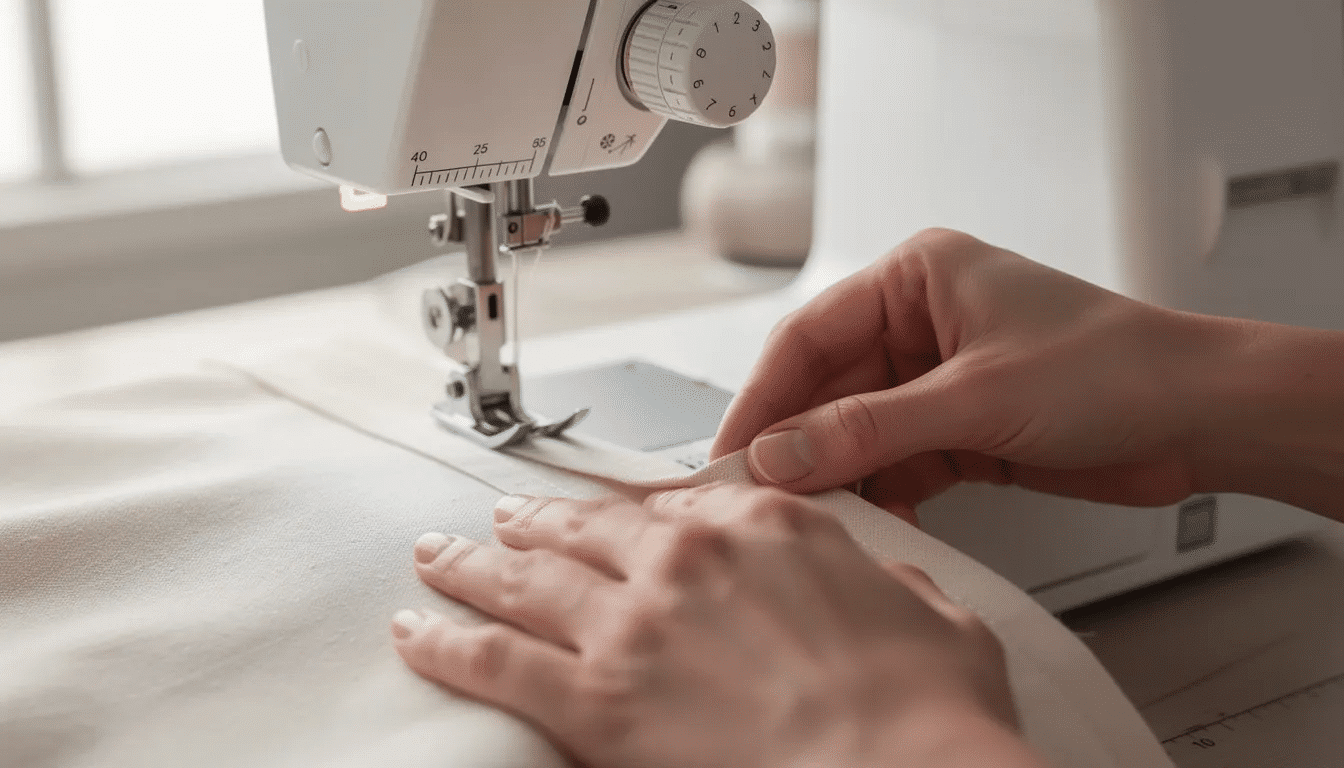
The Brother CS7000X is the best sewing machine for most home users as of 2025, based on its feature set, price (often under $250), and strong performance in independent consumer reviews. It’s been a market leader for years and continues to earn recommendations from teachers, reviewers, and repair technicians alike.
Key strengths:
- 70 built in stitches (including utility, stretch, and basic decorative stitches) and 7–10 one-step buttonhole styles depending on region-specific configuration
- Comes with multiple presser foot options typically including walking foot, zipper foot, buttonhole foot, and quilting guide, plus a wide extension table and sometimes a hard cover
- Easy-to-use top drop-in bobbin, clear bobbin cover, and automatic needle threader suitable for beginners returning to sewing after years away
- LCD screen displays stitch selection and recommended settings clearly, reducing guesswork for new users
Performance highlights:
- Handles quilting cotton, light denim hems, knits, and light canvas well in most tests, though it remains a domestic machine and is not ideal for heavy leather or constant multi-layer canvas work
- Produces even, balanced straight stitches and excellent buttonholes for its price; good control at both slow and medium-fast speeds via foot pedal or speed slider
- The free arm configuration works well for sleeves, cuffs, and other cylindrical projects
Common quirks and limitations:
- Default needle position is slightly off-center on many units, which can confuse new users until they learn to adjust the needle plate settings
- Adjustable presser foot pressure is not available—presser foot pressure is fixed, which can make extremely slippery or lofty materials more finicky to handle
- Automatic buttonholes may look less refined than those from some higher-end machines like Singer 9960 or Juki HZL-F300, though they’re still quite good for the price
- Not a premium machine, so expect some plastic components and limitations when pushing heavy fabrics consistently
Ideal buyer:
- Best suited for beginners through intermediate sewists who want a single versatile sewing machine for garments, small quilting projects, and household projects without spending more than mid-range pricing
Runner-Up & Alternative Top Machines
Some readers have different priorities—more stitches, mechanical simplicity, or higher power—so this section highlights strong alternatives to the Brother CS7000X. Each of these machines earned high marks in sewing machine ratings but serves slightly different needs.
- Singer Quantum Stylist 9960: This very popular machine offers 600 stitches, 13 presser feet, automatic thread cutter, and extension table. Best for decorative stitches and garment details. Note the higher complexity, average-quality manual, and approximately $450–$550 pricing. The sheer number of stitch patterns makes it appealing for creative sewists, though many machines in this category offer far more stitches than most users need.
- Pfaff Select 4.2: A mechanical machine with IDT integrated walking foot, renowned for smooth feed and longevity. Excellent for piecing and garment sewing where consistent fabric feeding matters. Note that it uses proprietary presser feet (purchased separately in many cases) and carries a higher price than many other mechanical machines. This is a machine built to last decades.
- Juki HZL-F300: A powerful computerized machine with excellent straight stitch, 900 stitches per minute, and strong layered-fabric performance. The Juki machines line has a reputation for industrial-quality stitching in a domestic package. Higher price point and steeper learning curve, but outstanding for committed sewists who prioritize sewing prowess over beginner-friendliness. The Juki HZL series (including the Janome Memory Craft competitors) represents some of the best options for serious hobbyists.
- Janome Sewist 740DC or Janome MOD-30: Strong options for users wanting sturdy build quality and simpler feature sets. Janome machines consistently earn praise for reliability and balanced bobbin thread tension.
- Bernette 37: Strong stitch quality in a compact, no-frills computerized package with fewer included accessories. Good for users who want quality stitching without paying for features they won’t use.
- Before finalizing any purchase, test-drive these models if you care most about the feel of the feed system, noise level, or button layout—these factors differ noticeably between brands and can significantly affect your daily sewing experience
Other Sewing Machines Worth Considering (By Type)
Many machines perform well but narrowly miss “top pick” status due to price, availability, or niche focus. This section organizes them by category so readers can compare within their specific needs. All the machines listed here have sufficient testing data to recommend with reasonable confidence.
Computerized under $500:
- Brother HC1850: solid for quilting classes and beginners wanting guidance
- Brother CS5055: simplified feature set, great for light garment work
- Janome C30: reliable build, 30 stitches, good value
- Janome 49018: basic computerized model with essential features
- Bernette 37: compact with strong stitch quality for its size
- Juki HZL-G220: excellent straight stitch for a versatile machine in this range
Mechanical entry-level:
- Janome Arctic Crystal: easy setup, excellent for basic stitches and learning
- Singer 1512 Promise II: affordable entry point with decent stitch selection
- Singer Simple 2263: budget-friendly but watch for tension complaints
- Janome 128: stripped-down basic sewing machine with solid fundamentals
- Singer Prelude 8280: very basic, suitable for occasional mending only
Heavy-duty and jeans-focused:
- Elna 3210 for Jeans: purpose-built for denim and thick seams
- Janome HD1000: metal frame, strong motor, excellent for upholstery-weight projects
- Janome HD3000: upgraded from HD1000 with more stitches and features
- Singer Heavy Duty 4423: capable motor but quality control concerns persist; best for users who can exchange if they receive a problematic unit
Quilting-focused and midrange computerized:
- Janome 3160QDC: excellent balance of features for quilting machine use, includes extension table and consistent quarter-inch piecing
- Janome 41012: basic mechanical option for patchwork purists
- Juki HZL-F300 and related models: premium performance for free motion sewing and layered projects
- Janome Sewist 740DC: knee lift on some configurations, solid for garment sewing and quilting
Models with mixed or poor consumer feedback:
- Singer M3500, Singer 6699 Starlet, Singer C5200, Brother XR9550PRW: these models have attractive specs but show patterns of bobbin jamming, thread tension issues, or noisy operation reported by owners
- These are not first-choice recommendations but may be viable if obtained at steep discount with good return policies—test thoroughly before committing
How to Choose a Sewing Machine (Consumer-Style Checklist)
Beyond model names, understanding how consumer testers evaluate machines helps you make a smarter decision. This sewing machine buying guide checklist covers the factors that matter most for long-term satisfaction.
Usage frequency considerations:
- How often you sew matters: differentiate between occasional menders (who may do well with simple mechanicals like Janome 128 or a basic machine under $150) and weekly sewists who should invest in more robust models like Janome 3160QDC or Juki HZL-F300
- A typical machine sees different wear patterns depending on whether it’s used monthly or daily—budget accordingly
Project type factors:
- Garments, quilting, bags, and home décor each have different demands
- Suggest heavier-duty models for frequent denim and canvas work; more stitch options and better buttonholes matter more for dressmaking and sewing garments
- Consider whether you need a quilting machine with larger throat space or a compact machine for travel and classes
Mechanical vs. computerized recap:
- Mechanical: simpler repairs, tactile controls, often longer lifespan, fewer machine features but excellent fundamentals
- Computerized models: more stitches, automated convenience, guided setup, but potentially more expensive repairs as electronics age
- Beginners often do well with either; tech-comfortable users may prefer computerized; long-term minimalists typically prefer mechanical
Specific feature considerations:
- Stitch options: recommend at least straight stitch, zigzag stitch, stretch/knit stitch, and a one-step buttonhole for most machines; decorative stitches are nice-to-have but not essential
- Bobbin system: top drop-in (like Brother CS7000X, HC1850) is easier for most beginners; front loading bobbin systems are preferred by some experienced sewists for tension consistency
- Stitch length adjustment: standard stitch length of 2.5mm works for most fabrics; ensure your machine allows easy adjustment
- Speed and control: typical machines offer 700–800 spm; heavy-duty and advanced models reach 900–1,100 spm; speed slider controls help beginners maintain consistent pace
Ergonomics and build quality:
- Weight and housing: prefer metal internal frames and at least some heft for stability; very light machines like Janome MOD-30 or Brother GX37 are easier to carry to classes but may vibrate more
- Sewing surface size: consider whether the standard sewing table area is sufficient or if you need an extension table for larger quilting projects
- Lighting and controls: check LED brightness, dial vs button layout, and LCD clarity, especially important for older eyes or low-light sewing spaces
- Needle plate access: easy removal for cleaning feed dogs and removing lint improves maintenance
Service and warranty:
- Consider warranty length, availability of local authorized technicians, and spare parts availability for brands like Brother, Janome, Juki, and Singer
- Two machines at the same price may have very different long-term support—factor this into your decision
Key Consumer-Report Style Criteria: Sewing, Ease of Use, and Buttonholes
Similar to lab-style reviews, this guide breaks sewing performance into three main scoring areas: sewing quality, ease of use, and buttonhole performance. Understanding these criteria helps you evaluate any machine—not just the ones recommended here.
Sewing quality criteria:
- Straight stitch consistency: tension balance and stitch formation on cotton, knits, and multiple layers of denim
- Feed system behavior: how evenly machines like Juki HZL-F300, Pfaff Select 4.2, and Janome HD3000 move fabric, especially across seams and when transitioning between thicker materials
- Specialty tasks: performance on zippers (with zipper foot), topstitching, and quilting through batting; Juki HZL-F300 and Singer 9960 often score highly here
- Quality stitch formation across different fabric weights is the single most important factor
Ease of use criteria:
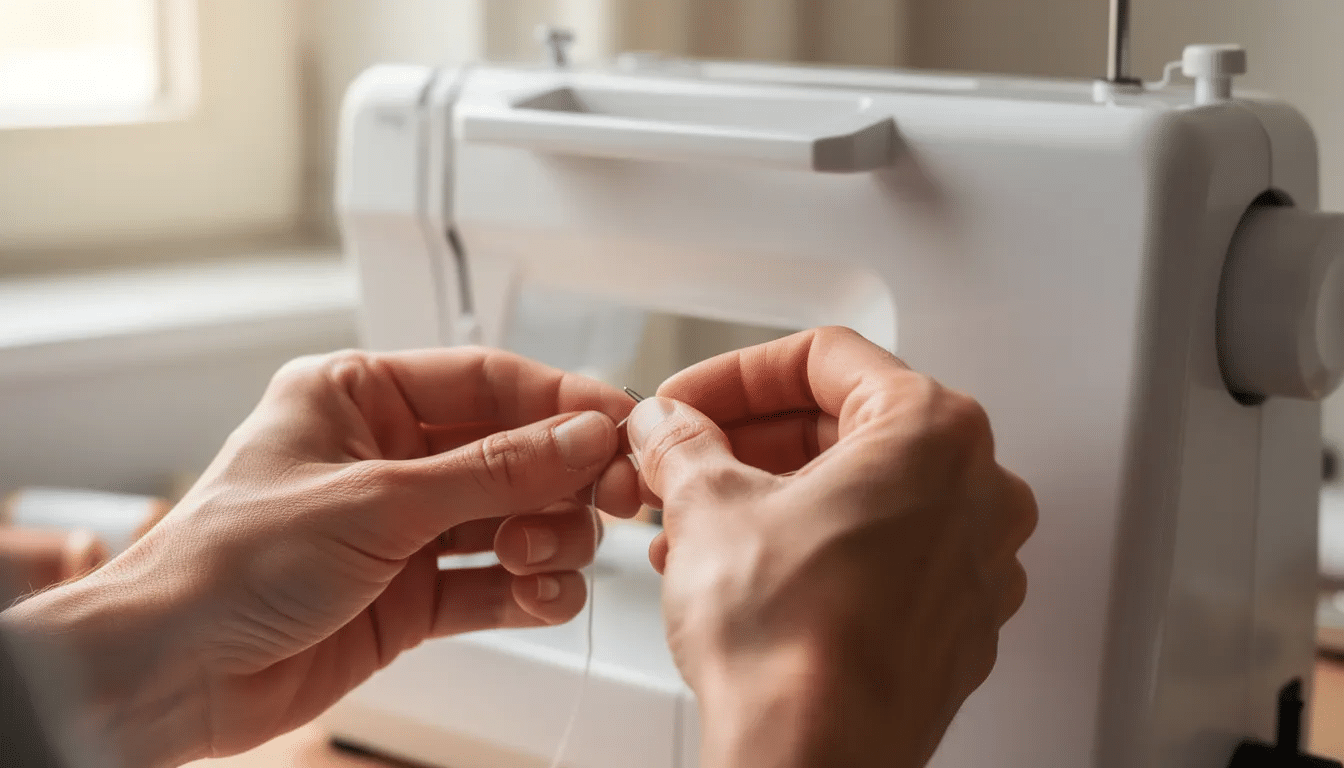
- Setup: clarity of manuals, threading paths, bobbin winding; Brother machines often excel here with numbered diagrams and clear screens
- Needle threader function: automatic needle threader reliability varies significantly between brands and even between new machines of the same model
- Intuitive controls: how easy it is to change stitches, adjust stitch length and width, and switch presser feet without constant reference to the manual
- Maintenance: accessibility of the bobbin area for cleaning, ease of removing the needle plate, and availability of instructional videos; thread cutter placement matters for workflow
Buttonhole criteria:
- One-step vs four-step mechanisms: most machines today (Brother CS7000X, HC1850, Singer 9960) use one-step methods with a buttonhole foot that measures the button automatically
- Quality on different fabrics: look for clean, dense stitching that doesn’t tunnel on quilting cotton or collapse on knit interlock
- Alignment aids: colored markings on specialty presser feet and clear diagrams help beginners position buttonholes accurately; the ability to sew buttonholes consistently is a key differentiator between budget and mid-range machines
Price Ranges and What to Expect (2025)
Understanding price tiers helps set realistic expectations. Actual street prices vary by retailer and promotions, but these ranges reflect typical 2025 pricing for other sewing machines in each category.
Under $200:
- Typically mechanical or very basic computerized machine options
- Examples: Baby Lock Zest, Janome Arctic Crystal, Singer Simple 2263
- Expect fewer stitches (8–25), more plastic housings, and limited included accessories
- Suitable for basic sewing, mending, and learning fundamentals
- An expensive machine isn’t necessary for beginners—many machines in this tier teach essential skills effectively
$200–$500:
- Sweet spot for most beginners and hobbyists
- Examples: Brother CS7000X, HC1850, CS5055, Janome MOD-30, Janome C30, Bernette 37
- Expect multiple buttonhole styles, drop-in bobbins, and decent included feet
- Most machines in this range handle quilting cotton, light denim, and basic knits well
- A few hundred dollars in this range gets significantly more machine than budget tier
$500–$1,500:
- Higher-end domestic and semi-industrial territory
- Examples: Juki HZL-F300, Janome 3160QDC, Janome Sewist 740DC, Juki TL-2010Q, Janome HD9
- Expect superior motors, larger throat space for quilting, and more specialized features like knee lifts
- Many machines in this range approach or match light commercial performance
Additional pricing notes:
- Some dealer-only brands or models (especially Bernina, Baby Lock, certain Janome lines) use “MAP pricing” and may not advertise their lowest possible prices online—visiting a dealer in person sometimes yields better deals
- Budget part of your total investment for essential notions: quality needles, thread, scissors, extra bobbins, seam ripper, and pressing tools rather than spending every dollar on the machine itself
Frequently Asked Questions About Sewing Machines
This section addresses common questions that arise when researching sewing machine reviews and comparing options.
How long should a sewing machine last?
Quality machines often last 10–25+ years with proper care. Mechanical machines like Pfaff Select 4.2 or Janome HD3000 may outlast cheaper computerized units if serviced regularly. Plan for professional servicing every 1–2 years for heavily-used machines. The machine’s lifespan depends significantly on maintenance, including regular cleaning of feed dogs, proper oiling (where applicable), and using quality thread that doesn’t shed lint.
What is the best sewing machine overall?
There is no single “best” answer for everyone. For most home sewists in 2025, the Brother CS7000X balances cost, features, and reliability exceptionally well. Singer 9960 and Juki HZL-F300 are better choices if you need more features or power and accept higher prices and learning curves. The best machine is ultimately one that matches your specific project needs and skill level—not necessarily the one with the most impressive specifications.
What accessories do I really need?
Start with basics: spare needles in multiple sizes (universal 80/12 for wovens, ballpoint 75/11 for knits, jeans 90/14–100/16 for denim), extra bobbins, seam ripper, small sharp scissors, pins or clips, and a quality iron with ironing board. Most machines include zipper foot and buttonhole foot, but a walking foot for quilting may need to be purchased separately. Specialty presser feet expand your capabilities but aren’t essential for beginners.
How do I avoid constant thread jamming?
Use quality thread (Gutermann, Coats & Clark, Mettler—not bargain bin thread that sheds fibers), ensure correct threading path (including proper bobbin thread tension), match needle size to fabric weight, and clean lint from the bobbin area regularly. Some lower-rated models have design quirks that make jams more common regardless of user skill—this is why checking consumer feedback matters before purchasing.
Is a combo sewing and embroidery machine a good first machine?
Models like Brother SE700 or Bernette 79 can be excellent and offer an embroidery machine capability alongside regular sewing. However, they add complexity and cost that beginners may not need. If you’re certain you want embroidery, a combo machine can be cost-effective. Otherwise, master basic sewing first and add an embroidery machine later if interest develops.
Should I buy online or from a local dealer?
Both have advantages. Buying online often offers lower prices and easier comparison shopping. Local dealers provide hands-on testing, setup assistance, and often include lessons with purchase. For higher-end machines or if you’re uncertain about what you need, dealer relationships can be valuable for ongoing support. For proven models like Brother CS7000X that have extensive online documentation, buying online is generally safe.
Sources and Expert Input
This guide synthesizes information from long-running sewing machine review projects, independent lab tests, consumer-owner reports, and interviews with sewing teachers and repair technicians from 2017 through early 2025. The goal is to provide guidance that reflects real-world performance over time, not just initial impressions.
- Multi-year testing programs that compared domestic home sewing machines head-to-head on multiple fabrics, with updated results in 2023–2025, form the foundation of these recommendations
- Interviews and informal consultations with sewing educators, pattern designers, and repair professionals who routinely see brands like Brother, Janome, Juki, Singer, Pfaff, Bernina, and Baby Lock on their service benches
- Analysis of warranty terms, parts availability, and long-term reliability patterns, especially for popular lines such as Brother CS series, Janome QDC series, and Singer Heavy Duty series
- While exact numerical scores from proprietary consumer testing organizations cannot be reproduced, relative rankings (top tier, mid tier, avoid) inform the recommendations throughout this guide
- Combine this synthesized guidance with hands-on testing at local dealers or sewing classes to confirm comfort with any machine before committing—no amount of research replaces the experience of actually sewing on a machine you’re considering
The sewing machine market continues to evolve, with new machines releasing regularly. However, the fundamental principles remain consistent: look for quality stitch formation, reliable feed systems, reasonable build quality, and a track record of owner satisfaction. Whether you choose a computerized model loaded with features or a mechanical workhorse built for decades of service, the best machine is ultimately one you’ll enjoy using consistently.