
If you’ve ever wondered how experienced crocheters create those intricate textures and patterns, the answer often sits on their bookshelf. A book of crochet stitches—also called a stitch dictionary—is your roadmap to hundreds of techniques, textures, and design possibilities.
Whether you bought your first hook last month or you’re ready to design your own blanket from scratch, understanding what these books offer and how to choose the right one will save you time, money, and frustration.
- Quick answer: what is a “book of crochet stitches” and who is it for?
- What you’ll find inside a crochet stitch book
- How to choose your first crochet stitch book
- Crochet stitch books for beginners
- Stitch dictionaries for improvers and intermediate crocheters
- Books of crochet stitches for designers and garment makers
- Specialized “book of crochet stitches”: borders, motifs, granny squares & more
- How to actually use a crochet stitch book in your projects
- Print vs. digital crochet stitch books (and building your 2024 library)
- Conclusion: turning pages of stitches into your own crochet style
Quick answer: what is a “book of crochet stitches” and who is it for?
A book of crochet stitches is essentially a reference guide packed with hundreds of stitch patterns, each presented with swatches, charts, and detailed how-tos. Think of it as a visual and technical library you can flip through whenever you need inspiration or want to learn something new. These books range from compact beginner guides with 50 stitches to comprehensive stitch dictionaries containing 500 or more patterns covering everything from basic textures to complex cables and lace.
The audience for these crochet books spans the entire skill spectrum. Absolute beginners benefit from titles that combine foundational lessons with a small collection of stitches to practice. Improvers who already know single crochet and double crochet use them to expand their repertoire and find the perfect stitch pattern for their next project. Aspiring designers rely on them constantly—some professionals report consulting their stitch dictionaries every single time they design a new pattern.
This post focuses on physical and digital crochet stitch books published roughly between 2000 and 2024, not random one-off crochet patterns floating around the internet. We’ll cover what’s actually inside these books, how to choose your first one, and specific recommendations grouped by skill levels and project type. By the end, you’ll know exactly which book belongs in your yarn basket.
What you’ll find inside a crochet stitch book
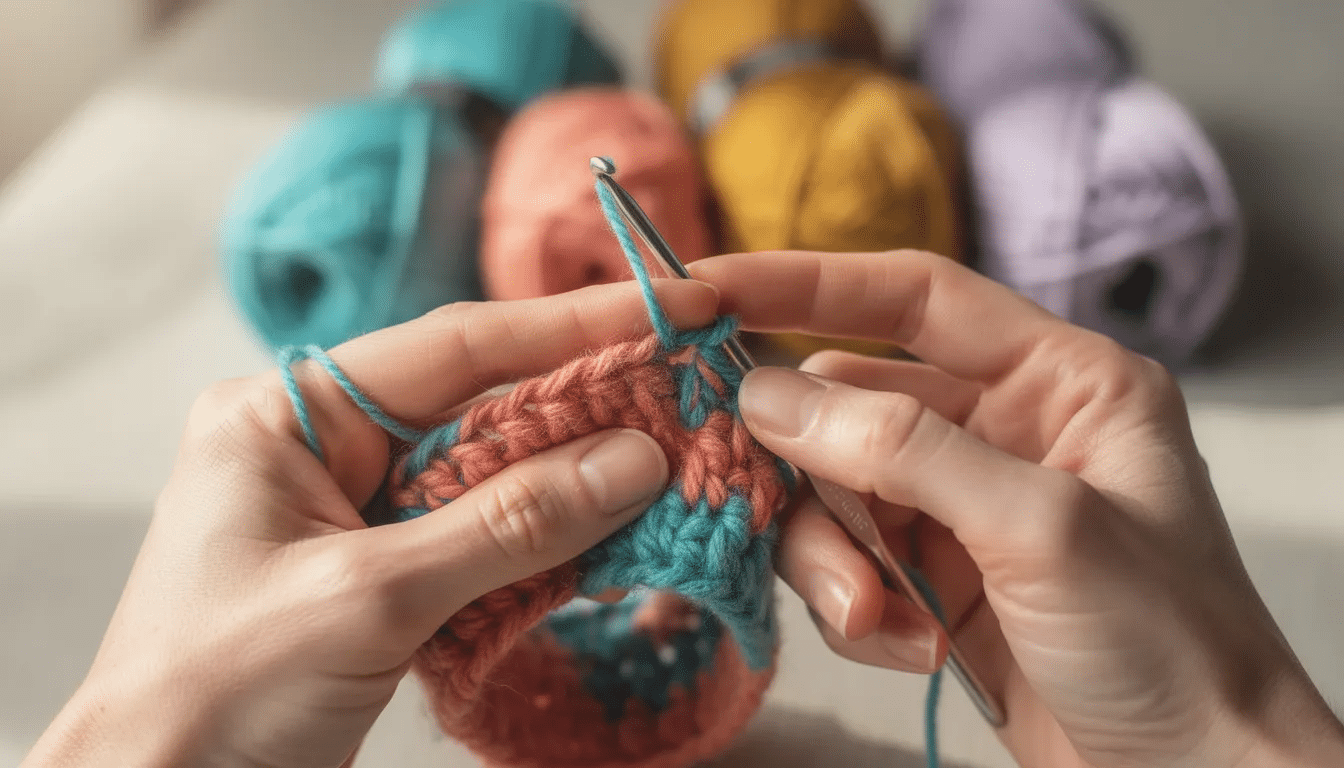
Most stitch dictionaries follow a predictable structure that makes them genuinely useful as both learning tools and ongoing references. You’ll typically find an introductory section covering basic stitches—the foundation chain, slip knot, single crochet, half double crochet, double crochet, and treble crochet. After that comes the main event: hundreds of textured stitches organized into categories like lace patterns, shells and fans, post stitches, clusters and bobbles, cables, colorwork, and motifs. Many books also include dedicated sections for edgings and borders, which are invaluable when you want to finish a project with a polished edge.
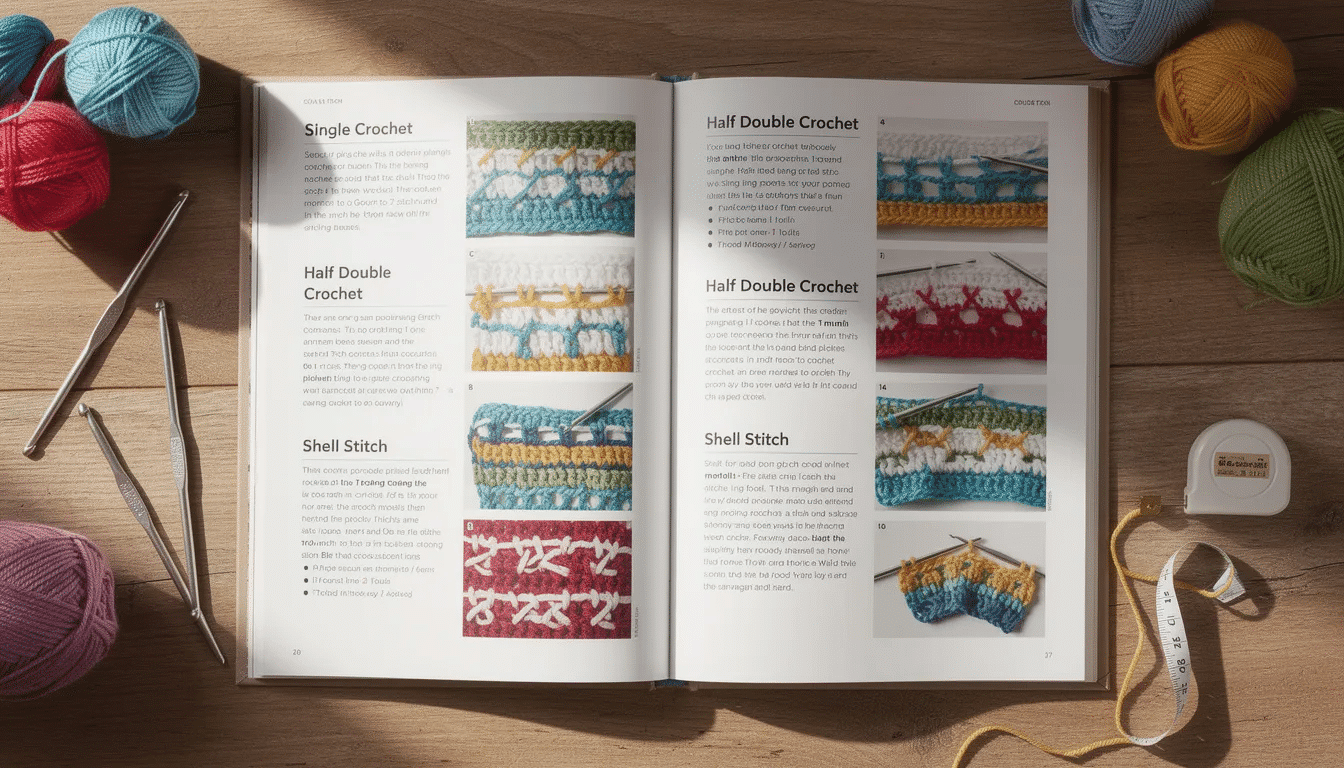
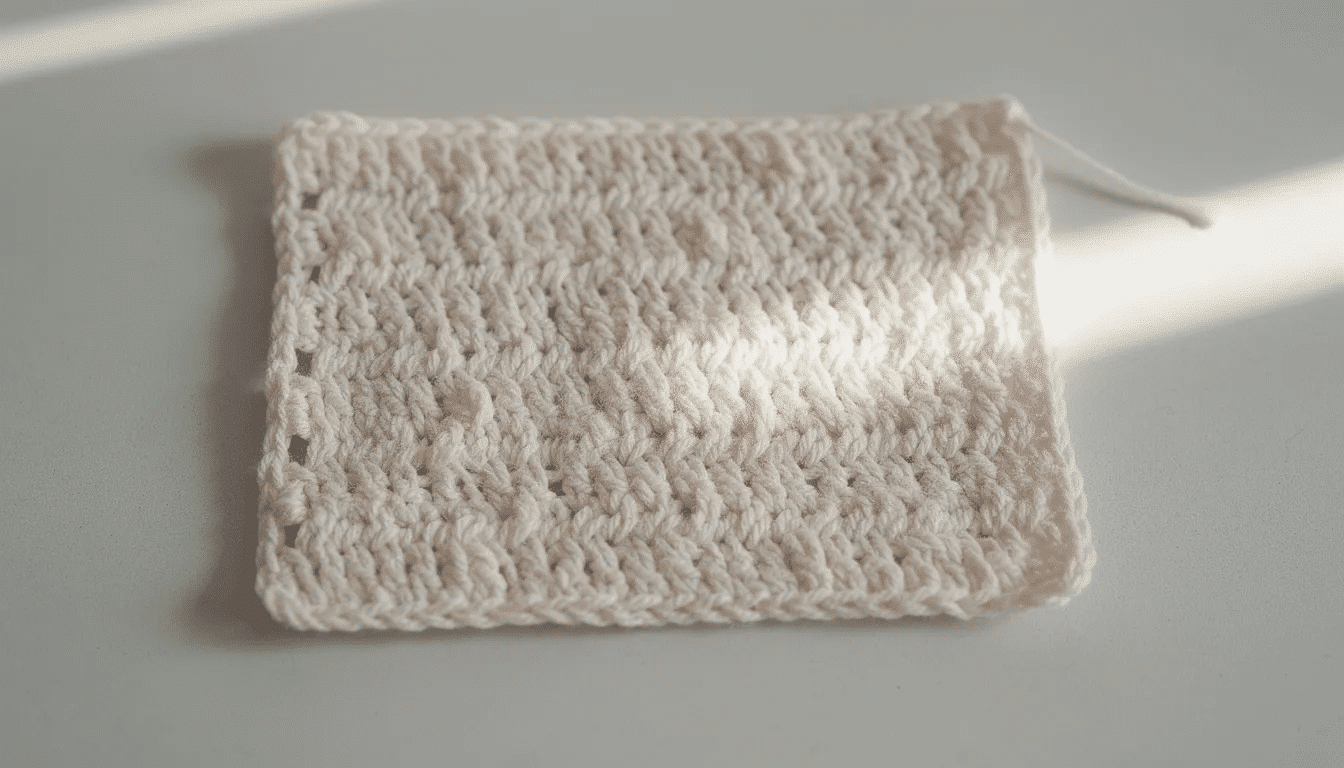
The typical page layout presents one stitch pattern at a time. You’ll see a large close-up swatch photo showing exactly what the finished fabric looks like, paired with written instructions that walk you through each row. Most modern books also include international symbol charts—those visual diagrams using standardized crochet symbols—alongside the written directions. You’ll often find skill tags indicating whether a stitch is suitable for beginners or more advanced crocheters, plus helpful tips about yarn weight, hook size, and potential project applications.
Many books published from the 2010s through 2024 include both US and UK terms, recognizing that crochet terminology differs between these traditions. Some offer left-handed diagrams alongside right-handed versions. A growing number provide QR codes or URLs linking to supporting videos, bridging the gap between static pages and multimedia learning.
Note that some “book of crochet stitches” titles focus on a specific niche rather than offering general coverage. You’ll find books dedicated entirely to borders and edgings, granny squares, Tunisian crochet, or amigurumi textures. These specialized volumes go deeper into their category but won’t give you the broad foundation of a general stitch dictionary.
How to choose your first crochet stitch book
Shopping for crochet related books can feel overwhelming when you’re staring at dozens of titles online or in a bookstore. Here’s a practical buyer’s guide to help you make a confident purchase.
Check the publication year. A book published in 2023 will likely include contemporary design sensibilities, updated photography, and possibly digital extras. Older editions from 2000–2010 remain perfectly useful for the stitches themselves, but may lack modern features like QR codes or dual US/UK terminology.
Verify the terminology. If you learned crochet using US terms, grabbing a book that only uses UK terms will cause confusion. A “double crochet” in UK terminology is actually a US single crochet—completely different stitches. Many recent books now include both, but always check before you purchase.
Look for charts. Some crocheters strongly prefer written instructions while others think visually and want symbol charts. The best crochet pattern books include both formats side by side, letting you choose your preferred method or cross-reference when something seems unclear.
Consider size and portability. A massive 400-page hardcover makes a wonderful home reference but won’t fit in your project bag. If you travel with your yarn or crochet at appointments, a compact paperback or ebook might serve you better.
We recommend starting with a general stitch dictionary containing roughly 200 to 500 stitches before investing in specialized volumes. Titles with phrases like “Ultimate Stitch Bible,” “Complete Stitch Directory,” or “500 Crochet Stitches” in their names typically fall into this category.
When evaluating a book, skim the table of contents and index. Look for logical categories you’ll actually use: basic stitches, shells and fans, post stitches, granny variations, lace panels, edgings and trims. If the organization makes sense to you at a glance, you’ll find the book easier to navigate when you’re mid-project.
Use “Look Inside” preview features online or flip through a library copy before buying. Check whether the beautiful photos are truly clear and whether the charts feel readable to your eyes. Personal taste matters here—what works brilliantly for one crocheter might feel cramped or confusing to another.
Here’s a real-world scenario: you want to design a baby blanket in 2024 and need a book heavy on easy, repeatable textures. You’d look for a general stitch dictionary with a strong “texture stitches” or “blanket stitches” section, probably 200+ patterns, with clear gauge information and suggestions for worsted-weight yarn.
Crochet stitch books for beginners
If you learned chains and single crochet this year, you want a gentle first crochet book that won’t overwhelm you with advanced techniques before you’ve mastered the basics.
The ideal beginner stitch book contains somewhere between 50 and 150 stitches, presented with extensive step by step instructions. You’re looking for large fonts, plenty of arrows pointing to exact hook placement, and close-up photos showing each stage of a stitch. Some beginner resources—like comprehensive online courses—combine 12 foundational tutorials with practice patterns and even video support, which represents the modern evolution of craft instruction.
When shopping, look for titles branded as “complete guides for absolute beginners” published after 2010. These typically combine basic lessons with a small stitch dictionary, giving you both the foundation and the inspiration to keep practicing.
What should beginners expect to learn from their first stitch book? The fundamentals include:
- Foundation chain creation and the slip knot
- Single crochet, double crochet, and half double crochet
- Basic increases and decreases
- Reading simple stitch diagrams and understanding multiples
- How to work in rows and create turning chains
Many books published in the 2020s include small practice projects—dishcloths, scarves, or granny-square coasters—that use newly learned stitches. This hands-on practice transforms abstract techniques into actual finished items, which feels wonderful when you’re just beginning.
Quick tip: check whether your chosen book supports both right-handed and left-handed crocheters. Left-handed instruction was historically rare, but many modern titles now include diagrams for both orientations.
Stitch dictionaries for improvers and intermediate crocheters
After a year or so of crocheting, stitch dictionaries become powerful idea generators. You’ve mastered the basics and now want to create blankets, shawls, and accessories with more interesting textures and visual appeal.
An intermediate-friendly stitch book typically contains 200 to 500 stitch patterns spanning multiple categories: texture stitches, lace, post stitches, clusters, bobbles, popcorns, and perhaps introductory cables and colorwork. This breadth lets you explore different techniques without needing to buy multiple specialized volumes.
Improvers typically use these books by browsing categories rather than reading cover to cover. You might flip to “Lace Panels” when designing a summer shawl, then jump to “Popcorn and Bobble Stitches” when planning a cozy winter blanket. The book becomes a reference you return to repeatedly rather than something you read once and set aside.
When choosing a book at this level, look for one that includes motifs and edgings alongside straight, flat stitch patterns. Having all these elements in one book broadens your design options considerably. You can pick a main stitch pattern, find a complementary border, and select corner motifs—all from the same collection.
Many well-known titles in this category use phrases like “Ultimate Crochet Stitch Bible,” “Complete Crochet Stitch Directory,” or “500 Crochet Stitches” in their names. When searching online or in stores, these phrase patterns help you identify comprehensive intermediate-level references quickly.
Improvers benefit enormously from books that show both written patterns and charts side by side. This dual presentation helps you develop chart-reading skills while still having written backup when a symbol seems unclear. Eventually, you may find yourself working primarily from charts—a skill that opens access to international patterns published in any language.
Books of crochet stitches for designers and garment makers
This section is for crocheters who are comfortable modifying existing patterns and now want to design sweaters, cardigans, or complex shawls from scratch.
Advanced stitch books differ from general dictionaries in one crucial way: they focus on shaping within stitch patterns. Creating a beautiful texture swatch is one thing; maintaining that pattern across armholes, necklines, and sleeve caps requires different knowledge entirely. Designer-focused books teach built-in increases and decreases, bust darts, neckline shaping, and sleeve cap adjustments—all while preserving the visual integrity of your chosen stitch.
Some books explicitly brand themselves as “stitch dictionaries for designers” or include titles like “Design Your Own Crochet Garments.” These typically combine stitch pattern collections with chapters on construction methods: top-down versus bottom-up construction, raglan shaping, circular yokes, and modular approaches. The stitch patterns aren’t presented in isolation but as components of garment-making systems.
Designers in 2024 typically use these books by first selecting a main stitch pattern based on drape, texture, and gauge characteristics. They then rely on the book’s shaping notes to understand how to increase or decrease within that pattern without disrupting the visual flow. This process requires understanding concepts like ease, measuring real bodies, grading across sizes, and converting swatch measurements into full garment schematics.
Look for titles that combine stitch dictionaries with genuine design theory. Dora Ohrenstein’s work exemplifies this approach, covering top-down methods, creating underarms, and technical considerations including shaping, gauge, drape, and blocking—all paired with practical project patterns demonstrating these concepts in action.
Many modern title pages clearly indicate whether a book covers grading and pattern-writing standards, which helps you identify designer-focused resources before purchase.
Specialized “book of crochet stitches”: borders, motifs, granny squares & more
Not all stitch books aim for general coverage. Many focus tightly on one category, offering depth that broad dictionaries can’t match. If you know what type of project you want to create, a specialized book might serve you better than a general reference.
A dedicated borders and edgings book typically contains 100 to 200 border patterns, each photographed around a rectangular swatch so you can see exactly how it frames fabric. These patterns are usually sorted by style: delicate picots, bold scallops, geometric chevrons, lacy frills, and sturdy functional edgings. When you’re finishing a blanket or adding polish to a cardigan, having 150 border options beats having 20.
Motif-based stitch books collect squares, hexagons, circles, flowers, and three-dimensional motifs—all the building blocks for modular crochet. Many include a helpful directory showing how many motifs you’d need for common blanket sizes or suggesting arrangements for joining different shapes. This practical guidance transforms a simple collection into an actual design resource.
Granny-square focused books have experienced a renaissance in the 2010s and 2020s. Modern titles present updated color palettes moving beyond the 1970s aesthetic, three-dimensional appliqué techniques, and project ideas spanning bags, garments, and home décor. These aren’t your grandmother’s granny squares—though the fundamental technique remains unchanged.
Many specialized stitch books include small project patterns demonstrating how to combine individual stitch patterns into finished designs. A borders book might include a pillowcase pattern. A motifs book might walk you through a complete blanket. These projects show techniques in context, which is genuinely helpful when you’re learning.
Choose a specialized book based on the type of projects you plan for the next year. If you’re interested in making baby gifts and kids items, motif and granny-square books offer wonderful options. If you’re focused on garments, a borders book helps you finish necklines and hemlines professionally.
How to actually use a crochet stitch book in your projects
Owning a stitch book is one thing. Integrating it into your creative practice is another. Here’s how to move from browsing to actually creating.
Step one: Browse with purpose. When you have a project idea—say, a baby blanket—flip through your stitch dictionary looking specifically for stitches that match your requirements. For a blanket, you might want a four-row repeat in worsted-weight yarn, something textured but not too lacy. Mark promising candidates with sticky notes or tabs.
Step two: Create a swatch. Pick your top candidate stitch and work a practice swatch at least four inches square. This isn’t optional—it’s how you figure out gauge, see how the fabric drapes, and determine whether you actually enjoy working that particular stitch pattern repeatedly. Some stitches look gorgeous but feel tedious; others are fun to work but don’t photograph well.
Step three: Measure and calculate. Once your swatch is complete, measure your gauge: how many stitches and rows per inch? Then calculate your project dimensions. If you want a 30-inch-wide blanket and your gauge is 4 stitches per inch, you need 120 stitches—adjusted for the stitch multiple specified in your pattern.
Step four: Combine elements. The real power of a stitch book emerges when you combine multiple sections. Use a central texture from the basics section as your main blanket body. Add a border from the edgings chapter. Perhaps incorporate a corner motif from the motifs section. Your stitch book becomes a menu you’re assembling into a custom meal.
Step five: Keep notes. Mark favorite stitches directly in your own book—it’s yours to annotate. Write in the margins: “used for Sarah’s blanket, size I hook, worked beautifully” or “too fiddly, wouldn’t repeat.” These notes make your book more valuable over time as it becomes a personalized record of your experience.
When you encounter a tricky symbol or technique, there’s no shame in looking up a video tutorial online for clarification. Your book’s chart and swatch photo provide the reference; the video shows the motion. This combination of resources teaches concepts more effectively than either alone.
Print vs. digital crochet stitch books (and building your 2024 library)
The print versus digital debate in crochet publishing comes down to how and where you work.
Physical books offer undeniable tactile pleasure. You can flip pages quickly, spread the book open on a table, and access content without battery concerns. Many crocheters appreciate lay-flat spiral bindings that stay open to your page. However, large stitch bibles are heavy—not ideal for travel—and searching for a specific stitch means flipping through an index rather than typing a search term.
Digital editions—ebooks and PDFs—solve portability. Your entire stitch library fits on a tablet you can carry anywhere. Search functions let you find specific stitches instantly, and you can zoom into charts for better visibility. The downside? Reading on screens for extended periods causes eye strain for some, and you need battery power and sometimes internet access.
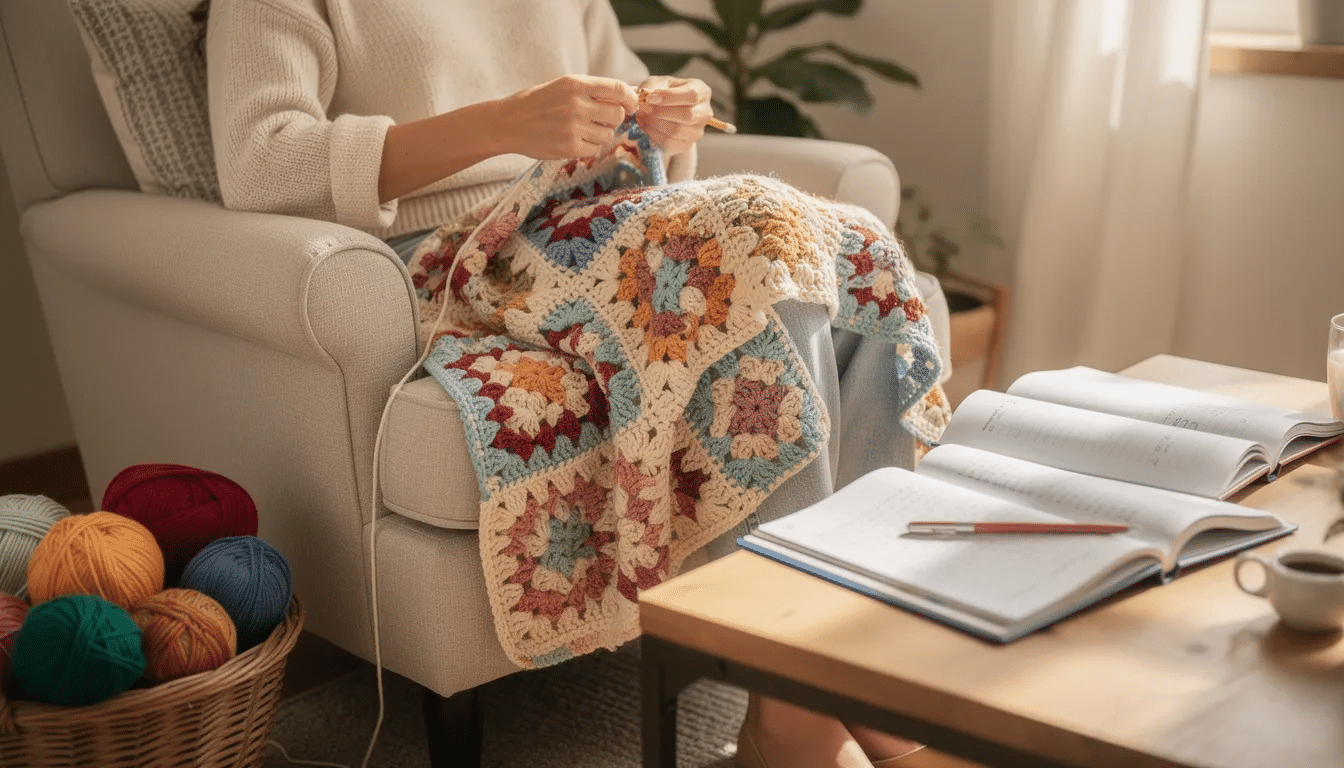
Many crocheters in 2024 mix formats strategically. Keep one or two books comprehensive print stitch bibles at home as primary references, plus a couple of digital titles on a tablet for crocheting on the go. This approach gives you the best of both worlds without excessive cost.
For building a well-rounded stitch library, consider this four-book foundation:
Category | Purpose |
|---|---|
One general stitch dictionary (200-500 stitches) | Your everyday reference for most projects |
One borders and edgings book | Professional finishing for all projects |
One motif or granny-square book | Modular design options for blankets and bags |
One design/garment-focused title | When you’re ready to create original garments |
You don’t need to purchase all four at once. Start with the general dictionary and add specialized volumes as your interests develop.
Don’t overlook libraries, second-hand shops, and used-book marketplaces. Older or out-of-print stitch books contain timeless patterns that work just as well today. A 2005 stitch dictionary teaches the same double crochet cluster as a 2023 edition—often at a fraction of the extra cost.
Conclusion: turning pages of stitches into your own crochet style
A book of crochet stitches is more than a reference you consult occasionally. Over time, it becomes a source of long-term inspiration and a tool for developing your personal crochet style. The stitches you return to repeatedly, the textures you find yourself drawn toward, the borders that feel “you”—these patterns emerge through regular engagement with your stitch collection.
Beginners, improvers, and designers all use stitch books differently, but everyone benefits from owning at least one good general stitch dictionary. It’s the kind of resource that rewards repeat visits. A friend once described her stitch dictionary as a book she’d been working through for years, learning something new each time she picked it up. That’s the wonderful thing about comprehensive stitch dictionaries—they grow with you.
Set yourself a concrete next step this month. Borrow a stitch book from your library and spend an afternoon browsing. Or choose one stitch per week to swatch, building your skills systematically. If you find a stitch that delights you, start a simple project—a dishcloth, a scarf, a baby blanket—using that new technique.
Keep your book near your yarn basket so it becomes part of your regular practice. Every time you reach for hook and yarn, that book is there waiting with ideas, techniques, and possibilities you haven’t yet explored. That’s how pages of stitches transform into your own crochet style—one project at a time.