

There’s something deeply satisfying about pulling a homemade vanilla cake from the oven—golden edges, a tender crumb, and that unmistakable buttery aroma filling your kitchen. This vanilla cake recipe is designed specifically for home bakers who want reliable results without professional training or specialty equipment.
Whether you’re baking for a birthday, a casual weekend treat, or simply because you want something better than what comes from a box mix, this recipe delivers every time.
- Overview of This Vanilla Cake Recipe
- What Makes This Vanilla Cake Special
- Ingredients You’ll Need (With Roles Explained)
- Tools and Pan Sizes
- Step-by-Step: How to Make the Vanilla Cake
- Why This Method Works (And How It Avoids Dry Cake)
- Variations and Flavor Twists
- Pan Size Guide and Bake Times
- Simple Frosting and Decorating Ideas
- Storage, Make-Ahead, and Freezing
- Common Questions and Troubleshooting
- Recipe Notes
Overview of This Vanilla Cake Recipe
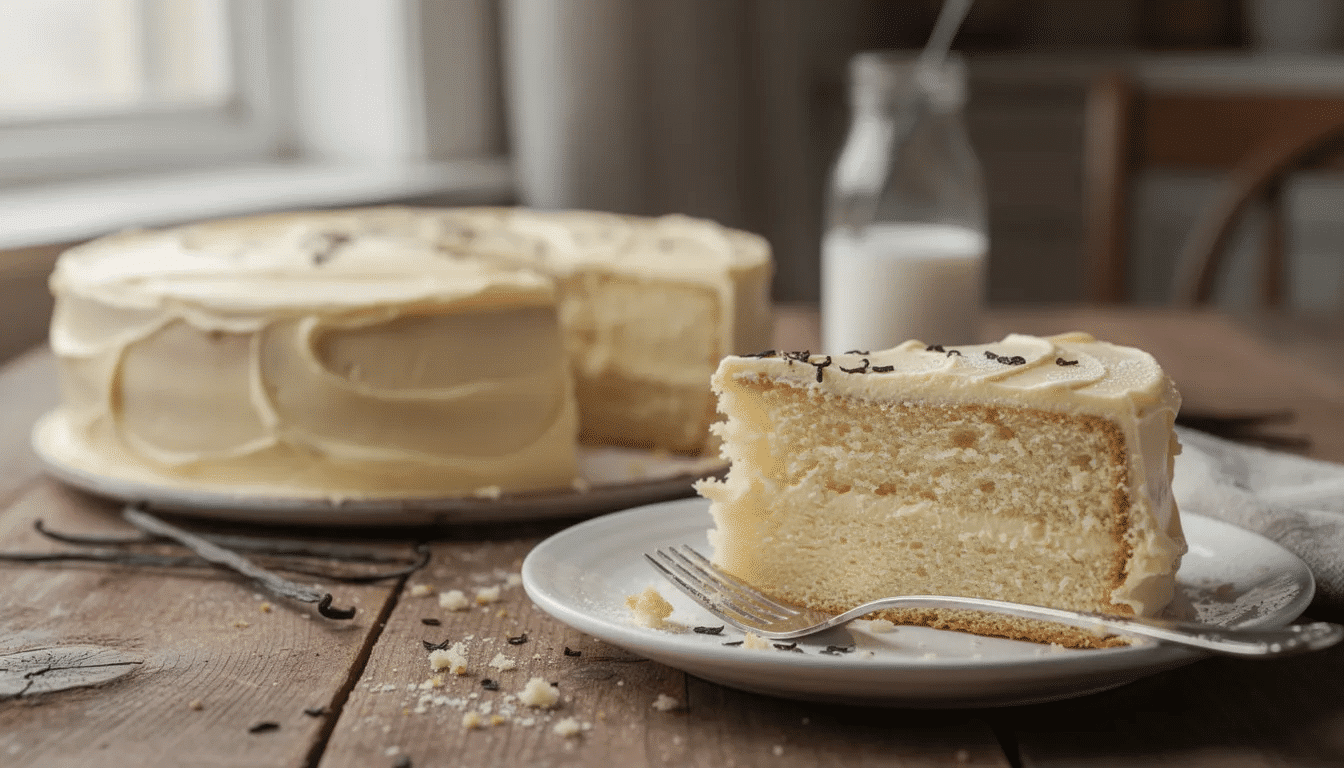
This from-scratch vanilla cake is built for tenderness and moisture, using a combination of techniques that help even beginners achieve bakery-quality results in 2026. The crumb stays incredibly soft for at least 3–4 days when stored properly at room temperature in an airtight container—no dry, crumbly leftovers here.
The same batter works seamlessly for both 8-inch layer cakes and standard cupcakes without any formula adjustments. You can prep and bake a two-layer cake in under an hour, making this a realistic weeknight project when you plan ahead.
- Prep time: approximately 20 minutes
- Bake time: 30–35 minutes for 8-inch rounds
- Yield: two 8-inch round layers or 24 standard cupcakes
- Real butter and vanilla extract create balanced, not overly sweet flavor
- A butter-and-oil combination keeps the cake soft longer than butter-only recipes
- The batter comes together with basic kitchen equipment—no stand mixer required
- Flat-topped layers mean minimal trimming before frosting
What Makes This Vanilla Cake Special
Most homemade cakes fall into two disappointing categories: dense and gummy like grocery-store sheet cakes, or dry and crumbly like something you’d politely eat once and never request again. This recipe sidesteps both problems entirely.
- The crumb is fine and plush rather than coarse, with enough structure to stack two or three layers without collapsing under buttercream frosting
- Flavor stays balanced: real unsalted butter and pure vanilla extract come through clearly, but the sweetness doesn’t overwhelm—no greasy aftertaste, no cloying finish
- A combination of softened butter, neutral oil, and whole milk creates the moist texture that keeps this cake pleasant on day three or four
- The batter bakes with a relatively flat top in standard cake pans, so you spend less time trimming and leveling before decorating
- Each slice has that perfect tender bite—soft enough to feel indulgent, sturdy enough to hold together on a fork
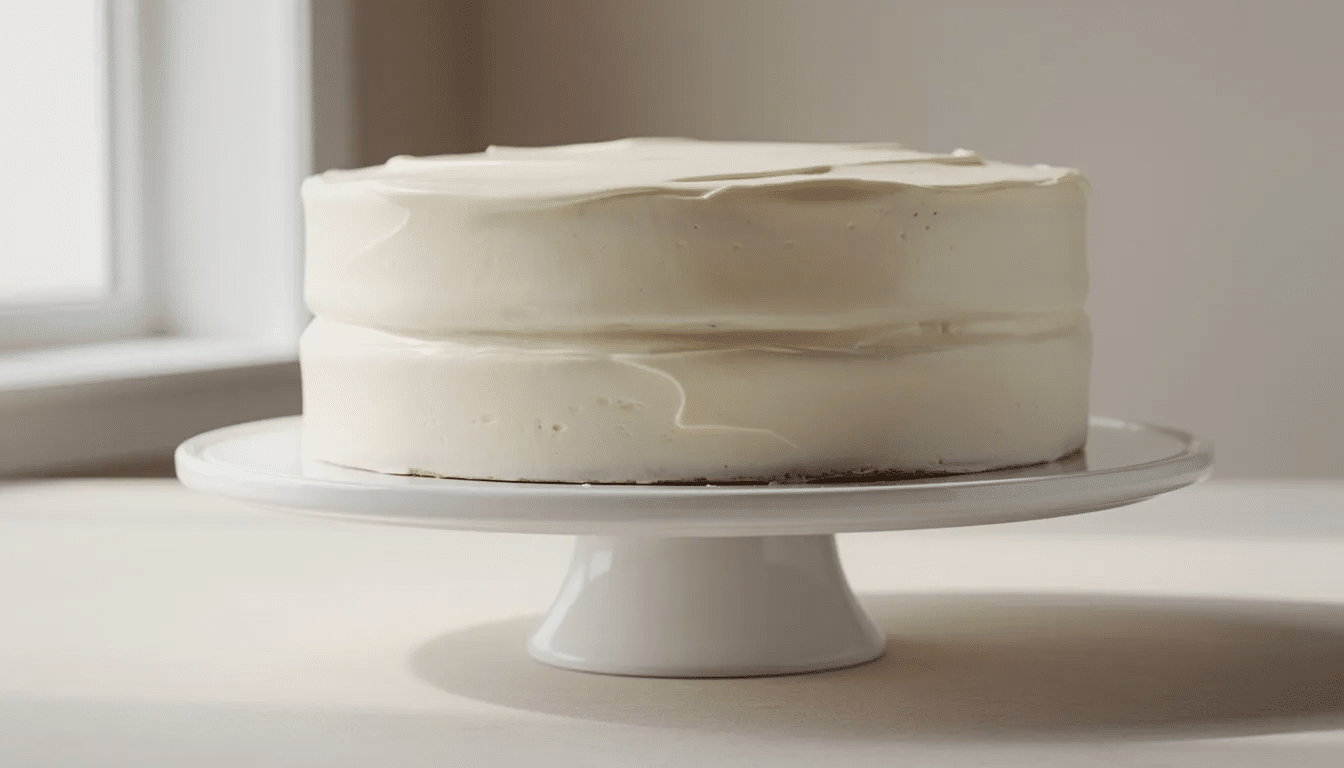
Ingredients You’ll Need (With Roles Explained)
This section breaks down exactly what goes into the batter and why. Understanding each ingredient’s purpose helps you troubleshoot problems and make confident substitutions when needed.
- All purpose flour (2½ cups / 310g): provides the structure and backbone of the cake; too much creates a dense, dry result, so measure carefully or use a kitchen scale
- Granulated sugar (1¾ cups / 350g): sweetens the cake while also contributing to moisture retention and tender crumb; sugar pulls water and helps keep baked goods soft
- Unsalted butter (½ cup / 115g, softened): adds rich flavor and helps create air pockets during creaming; using unsalted butter lets you control the salt level precisely
- Neutral oil such as canola oil or vegetable oil (¼ cup / 60ml): keeps the cake soft even after refrigeration since oil stays liquid at room temperature, unlike butter which firms up
- Large eggs (3, at room temperature): provide structure, richness, and help bind the batter; room temperature eggs incorporate more smoothly and create better emulsion
- Whole milk or buttermilk (1 cup / 240ml, room temperature): adds tenderness and moisture; buttermilk creates a slightly more tender crumb with a subtle tang
- Baking powder (2½ teaspoons): the primary leavening agent that creates carbon dioxide bubbles for lift; always use fresh baking powder for best rise
- Fine salt (¾ teaspoon): enhances flavor and balances sweetness without making the cake taste salty
- Pure vanilla extract (2 teaspoons): provides the signature vanilla flavor; real vanilla extract tastes noticeably better than imitation versions
- Note: Room temperature ingredients matter—butter, eggs, and milk that are all around 65-70°F emulsify significantly more effectively, creating a smoother cake batter
Tools and Pan Sizes
You don’t need professional bakery equipment to make this cake. Standard kitchen tools handle the job perfectly well, and you likely already own most of what’s required.
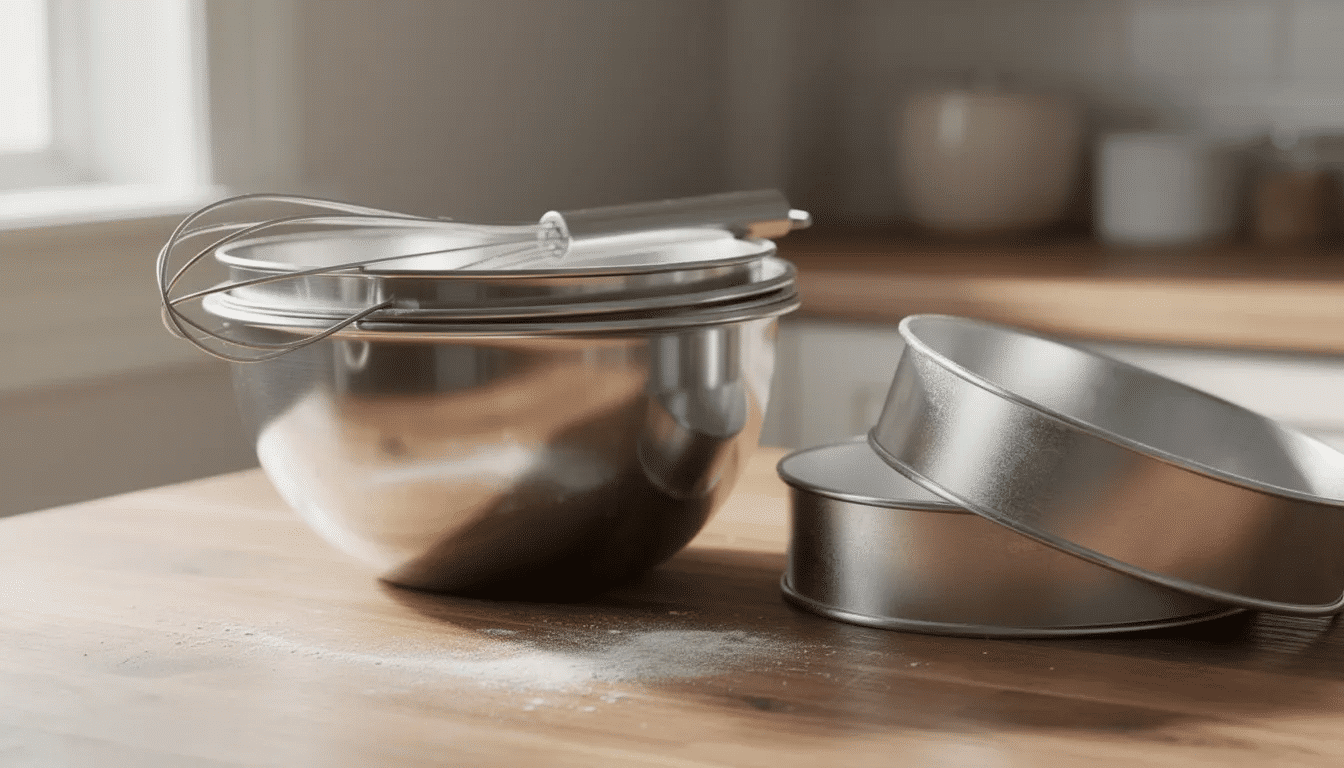
- Mixing bowls: one large bowl for the batter, one separate bowl for dry ingredients
- Electric mixer: a hand mixer works fine; a stand mixer fitted with a paddle attachment is convenient but not essential
- Rubber spatula: for scraping down the bowl and folding the final batter
- Whisk: for combining dry ingredients evenly
- Measuring cups and spoons, or a digital kitchen scale for more accurate measurements
- Two 8-inch (20 cm) round cake pans, at least 2 inches (5 cm) tall—grease with butter or shortening, then line bottoms with parchment paper rounds
- Wire rack or cooling rack for proper airflow during cooling
- Alternative pan options: one 9×13-inch (23×33 cm) rectangular pan, a 9-inch square pan, or a standard 12-cup muffin tin for cupcakes
- Approximate bake times by pan: 8-inch rounds take 30–35 minutes, a 9×13 pan takes about 28–32 minutes, and cupcakes take 17–20 minutes
Step-by-Step: How to Make the Vanilla Cake
This walkthrough follows a standard creaming method—the most common approach for butter cakes—with a few adjustments that make the process more forgiving for home bakers. Read through once before starting so there are no surprises.
- Preheat your oven to 350°F (175°C) before you begin mixing; leavening agents like baking powder activate as soon as liquid hits them, so you want prepared cake pans and a preheated oven ready to go
- Prepare your cake pans by greasing the sides with butter or shortening, then placing a parchment paper round in the bottom of each pan; this combination ensures clean release every time
- In your large mixing bowl, cream the softened butter with granulated sugar on medium speed for 3–5 minutes until the butter mixture turns pale, fluffy, and noticeably lighter in color
- Add the neutral oil (canola oil or similar) and beat until fully combined, about 30 seconds
- Add eggs one at a time, beating briefly after each until just incorporated; scrape down the sides of the mixing bowl between additions to ensure everything blends evenly
- Mix in the vanilla extract until combined
- In a separate bowl, whisk together the flour, baking powder and salt until evenly distributed throughout the flour mixture
- Add the dry ingredients to the butter mixture in 2–3 portions, alternating with the milk or buttermilk, beginning and ending with the dry ingredients; this alternating method prevents the wet batter from curdling and creates a more uniform crumb
- Once the last addition of flour goes in, mix only until no streaks remain—overmixing at this stage develops gluten and leads to a tough, dense cake
- Finish by folding the batter gently with a rubber spatula, scraping the bottom of the bowl to catch any unmixed pockets
- Divide the batter evenly between your prepared cake pans; you can eyeball this or weigh the pans on a kitchen scale for precision
- Level the tops with an offset spatula or the back of a spoon, then tap each pan firmly on the counter 2–3 times to release large air bubbles trapped in the batter
- Place pans on the center rack of your preheated oven, leaving at least an inch of space between them for air circulation
- Avoid opening the oven door for the first 20 minutes; temperature fluctuations during early baking can cause the cake to sink or bake unevenly
- Start checking for doneness at 28–30 minutes by inserting a toothpick into the center of each layer
- The cake is done when a toothpick inserted in the center comes out with a few moist crumbs attached—not wet batter, not completely dry; the top should spring back when lightly pressed, and the edges will pull slightly away from the pan sides
- Let the cakes cool in their pans on a wire rack for about 10 minutes; this allows the structure to set enough for safe removal
- Run a thin knife around the edges, then invert each layer onto the cooling rack, peel off the parchment paper, and let the cake layers cool completely before frosting
Why This Method Works (And How It Avoids Dry Cake)
Many homemade cakes turn out dry or dense not because of bad ingredients, but because of technique problems that compound during baking. Understanding why each step matters helps you repeat success every time.
- Creaming butter and sugar properly incorporates millions of tiny air pockets into the fat; these pockets expand during baking, helping the cake rise evenly and develop a fluffy texture
- Using both butter and oil creates a cake that stays soft for days—butter provides flavor and structure, while oil remains liquid at room temperature and prevents the cake from firming up during storage (bakery tests show oil-butter combinations retain 15-20% more moisture after three days)
- Alternating dry ingredients with milk coats flour particles gradually, preventing lumps and encouraging a uniform crumb; dumping everything in at once often causes a curdled, uneven batter
- Stopping mixing as soon as flour streaks disappear prevents gluten overdevelopment; overworked cake batter creates a tough, bread-like texture with tunnels running through the crumb
- Testing with a toothpick helps you avoid the most common mistake: over baking; a completely dry toothpick usually means the cake has been in the oven 5–10 minutes too long, leading to dry edges and a crumbly texture
- Room temperature ingredients create a stable emulsion more easily—cold butter won’t cream properly, and cold eggs can cause the batter to curdle or separate
Variations and Flavor Twists
Once you’ve mastered this basic vanilla cake, adapting it for different occasions takes minimal effort. The core structure stays the same; you’re just adding complementary flavors.
- Funfetti birthday cake: fold ¾ cup of rainbow sprinkles into the finished batter just before pouring into pans; use baking-stable sprinkles (often labeled “jimmies”) to prevent colors from bleeding into the batter
- Lemon-vanilla cake: add the finely grated zest of two lemons and 1 tablespoon fresh lemon juice along with the vanilla extract; if the batter seems too thin, reduce the milk by 1 tablespoon
- Strawberry shortcake style: bake the cake layers as written, then fill with lightly sweetened whipped cream and sliced fresh berries—ideal for late spring and early summer when strawberries are at peak flavor
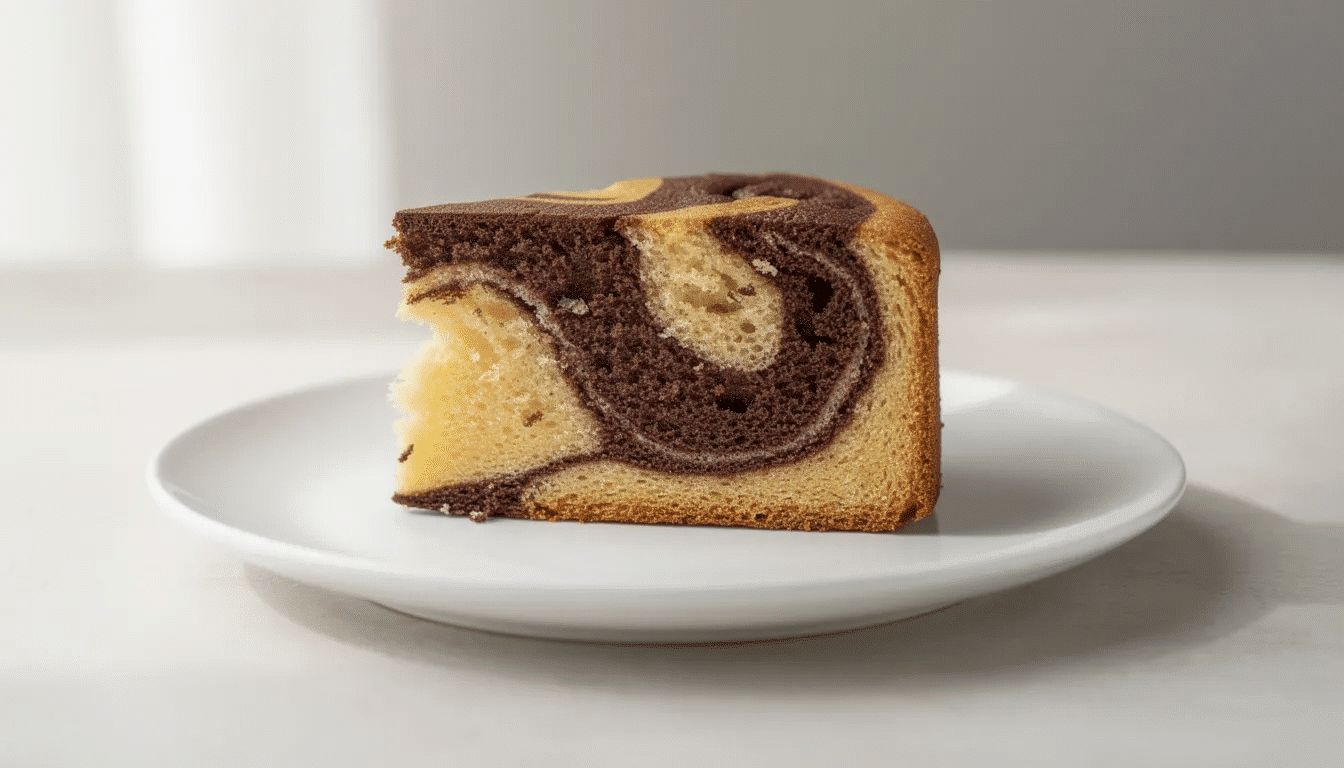
- Marble cake: reserve about 1 cup of finished batter in a separate bowl, stir in 2 tablespoons cocoa powder, then dollop the chocolate cake batter over the vanilla in the pans and swirl with a knife for a dramatic effect
- Almond variation: replace 1 teaspoon of the vanilla extract with pure almond extract for a subtle, bakery-style flavor that pairs beautifully with chocolate frosting
Pan Size Guide and Bake Times
Different pan sizes work with this same batter recipe—just adjust your baking time and watch for visual doneness cues rather than relying only on the timer.
- Two 8-inch (20 cm) round pans: fill each about halfway with batter, bake at 350°F (175°C) for approximately 30–35 minutes; this is the default option for classic layer cakes and birthday cakes
- Three 6-inch (15 cm) round pans: divide batter evenly (slightly less per pan), bake for about 22–26 minutes; these smaller layers bake faster, so start checking earlier to avoid over-baking
- One 9×13-inch (23×33 cm) pan: spread batter in an even layer, bake for approximately 28–32 minutes until the center springs back and a toothpick inserted comes out with moist crumbs
- One 9-inch (23 cm) square pan: similar to the 9×13, bake for 30–35 minutes; produces a taller single-layer cake suitable for simple frosting or a dusting of powdered sugar
- Standard cupcakes (24): fill cupcake liners about two-thirds full, bake at 350°F (175°C) for 17–20 minutes; test the center cupcakes first since edge cups often bake faster
- One bundt pan (10-12 cup): grease thoroughly and dust with flour, bake for 45–55 minutes; bundt cakes need longer due to their density
- Every oven runs slightly different—use the toothpick test and visual cues (springy top, edges pulling away) as your primary indicators rather than time alone
Simple Frosting and Decorating Ideas
This vanilla cake has a neutral, balanced flavor that pairs well with almost any frosting, from rich buttercream frosting to lighter whipped options. Choose based on your occasion and preferences.
- Classic American buttercream frosting: beat 1 cup softened butter with 4 cups powdered sugar, 2 teaspoons vanilla extract, and 2–3 tablespoons whole milk or heavy cream until very light and fluffy (about 4–5 minutes on medium-high speed); this forgiving frosting works for beginners and experienced decorators alike
- Simple chocolate frosting: add ¾ cup cocoa powder to the buttercream base, or fold in 4 ounces melted and cooled dark chocolate for a richer, more intense chocolate cake contrast
- Whipped cream topping: for a lighter option, whip cold heavy cream with powdered sugar and a touch of vanilla, stabilizing with a tablespoon of cream cheese if you need it to hold for several hours; ideal when serving with fresh berries
- Sour cream frosting: fold sour cream into buttercream for a tangy, less overly sweet option that cuts through rich cake layers
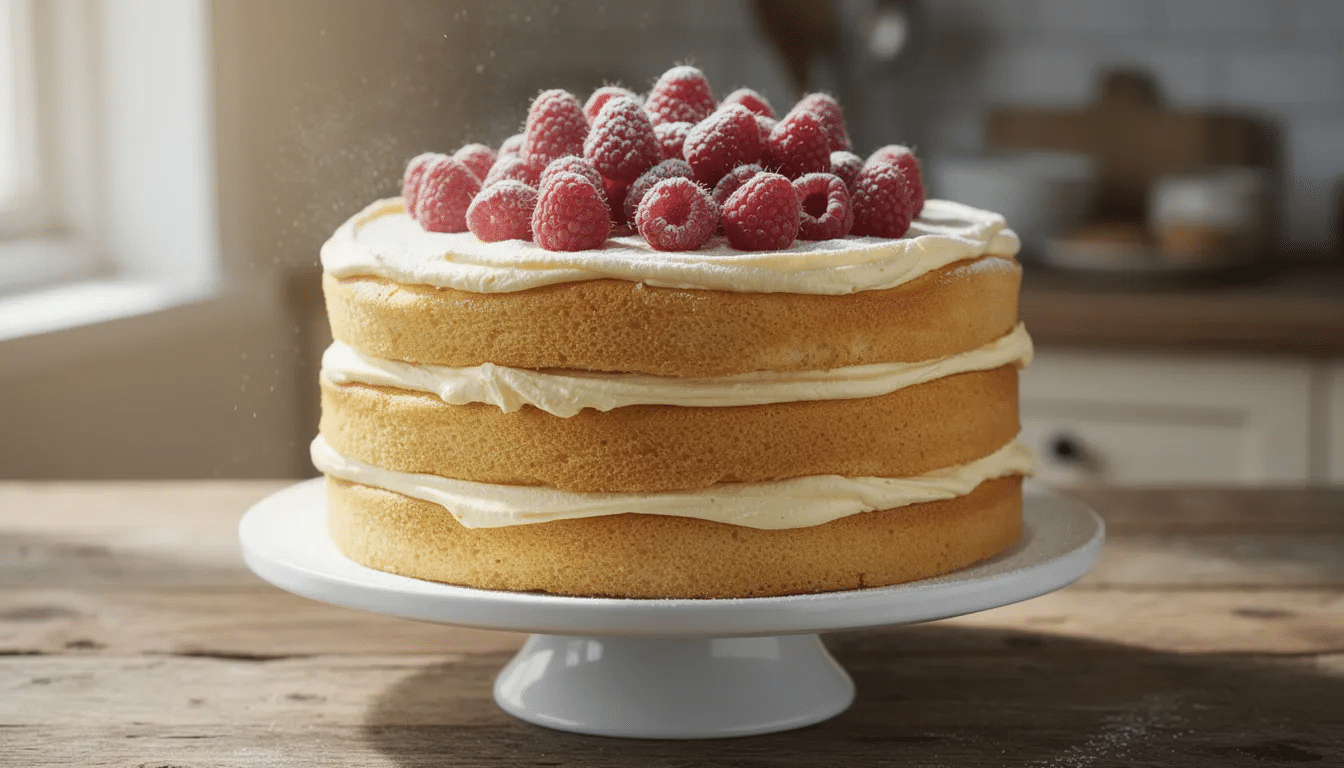
- Quick decoration for everyday: spread a smooth coat of your favorite frosting, dust the top lightly with powdered sugar, or arrange fresh berries in a simple ring around the edge
- Birthday cakes decoration: for a two-layer 8-inch cake, pipe a simple border along the top and bottom edges using a round tip, add candles to the center, and scatter a few colored sprinkles for a festive but clean look
- Naked or semi-naked finish: spread a very thin layer of frosting between cake layers and around the outside, letting some of the cake show through—modern, elegant, and easier than a perfectly smooth coat
Storage, Make-Ahead, and Freezing
This recipe is designed with busy schedules in mind. You can bake the layers ahead, freeze them, and assemble when you’re ready—making it realistic to serve a perfect cake even on hectic event days.
- Unfrosted cake layers at room temperature: wrap completely cooled layers tightly in plastic wrap (no gaps or exposed edges) and store at cool room temperature for up to 2 days; this is ideal for baking the night before decorating
- Unfrosted layers in the refrigerator: wrap tightly and refrigerate for up to 4 days; let them come to room temperature before frosting for easier spreading
- Frosted cakes with buttercream: keep covered at cool room temperature for 1–2 days; the butter in the frosting acts as a seal that helps maintain moisture
- Frosted cakes with whipped cream or cream cheese: refrigerate immediately and consume within 2 days; let the cake sit at room temperature for 20–30 minutes before serving for best texture
- Freezing unfrosted layers: wrap cooled layers first in plastic wrap, then in aluminum foil, label with the date, and freeze for up to 2 months; frozen cake layers maintain excellent quality for make-ahead baking
- Thawing frozen layers: place wrapped layers on a cooling rack at room temperature until completely thawed (2–3 hours for 8-inch rounds), then unwrap to prevent condensation from soaking into the crumb
- Even on day 3 or 4, properly stored cake remains moist and pleasant—the oil in the batter prevents that stale, dry texture common in butter-only recipes
Common Questions and Troubleshooting
Even with a reliable recipe, occasional problems arise. Here are the most frequent issues home bakers encounter and how to fix them.
- Why is my cake dry? The most common causes are too much flour (always spoon flour into your measuring cup rather than scooping, or use a kitchen scale), over-baking, over-mixing the batter after adding flour, or an oven that runs hot; an oven thermometer costs a few dollars and prevents countless baking failures
- Why did my cake sink in the middle? Under-baking is the usual culprit—the structure hadn’t set before cooling began; opening the oven door too early disrupts temperature and can cause collapse; too much baking soda or baking powder can also create excessive rise that the structure can’t support
- Can I make this a white cake with only egg whites? Yes, replace the 3 whole eggs with 5–6 egg whites for a paler crumb; the texture will be slightly lighter and less rich, and you’ll lose some of the golden color
- Can I use only oil instead of the butter-oil combination? You can, but the cake will lose its buttery flavor; for best results, keep both fats in the good recipe as written
- Can I use salted butter instead of unsalted? Yes, but reduce or eliminate the added salt to avoid an overly salty result
- Can I substitute buttermilk for whole milk? Absolutely—buttermilk creates a slightly more tender crumb with subtle tang; if you don’t have buttermilk, make a substitute by stirring 1 tablespoon lemon juice or white vinegar into 1 cup milk and letting it sit for 5 minutes
- Can I use cake flour instead of all purpose flour? Yes, cake flour creates an even more tender crumb; substitute 1 cup plus 2 tablespoons cake flour for every 1 cup all purpose flour called for in the recipe
- Why does my batter look curdled? Usually this happens when eggs are too cold or added too quickly; the cake will likely still bake fine, but for best texture, always use room temperature eggs and add them one at a time
- How do I know when the cakes cool enough to remove from pans? After 10 minutes in the pan, the edges should pull away slightly and the bottom should feel warm but not hot when you touch the pan
Recipe Notes
A few final details to help you achieve the best vanilla cake every time you bake.
- This recipe makes enough batter for two 8-inch layers, 24 cupcakes, or one 9×13 sheet cake
- For taller layers on birthday cakes, bake in three 8-inch pans instead of two and reduce bake time to about 22–25 minutes
- If you want an even flatter top, try baking strips wrapped around your pans or reducing oven temperature to 325°F and baking slightly longer
- This batter works with olive oil for a slightly fruity undertone, though neutral oils produce a more classic vanilla flavor
- Vanilla beans can replace vanilla extract for a more intense, speckled appearance—scrape the seeds from one bean and add along with the extract
- Simple syrup brushed lightly on slightly warm layers adds extra moisture for cakes that will be refrigerated or served over multiple days
- Looking for more cake recipes? This same technique adapts to chocolate cake, pound cake recipe variations, and even delicious recipes using brown sugar for deeper caramel notes
This vanilla cake recipe earns 5 stars from home bakers because it solves the most common problems—dryness, density, and unpredictable results—while remaining approachable enough for a Tuesday evening project. Master this foundation, and you’ll have a reliable base for countless dessert cuisine adventures.
The best way to improve at baking is simply to bake. Start with this recipe, take notes on how your oven performs, and adjust timing based on your own results. Before long, you’ll be the person everyone asks to bring the cake.