
A craft thrift store is a treasure trove for anyone who loves to create without breaking the bank. These specialized shops collect donated or consigned art supplies, fabric, yarn, beads, and countless other creative materials, then sell them at a fraction of regular price. Whether you’re a teacher stretching a classroom budget, a maker experimenting with new mediums, or simply someone who wants to reduce waste while fueling your creativity, craft thrift stores offer an accessible and inspiring solution.
This guide walks you through everything you need to know: where to find these stores, what kinds of supplies to expect, how to donate and shop smart, and ways to join the creative reuse community.
- What Is a Craft Thrift Store?
- How Craft Thrift Stores Support Community and Sustainability
- What You Can Find in a Craft Thrift Store
- Donating to a Craft Thrift Store
- How to Shop Smart at a Craft Thrift Store
- Memberships, Workshops, and Creative Spaces
- Finding a Craft Thrift Store or Creative Reuse Center Near You
- How You Can Support Craft Thrift Stores
What Is a Craft Thrift Store?
A craft thrift store is a secondhand or donation-based shop that specializes in arts, crafts, and maker supplies. Unlike a general thrift store filled with housewares, clothing, and furniture, these stores focus specifically on items that fuel creative projects.
Think yarn and knitting needles, fabric by the yard, paint sets, stamps, beads, jewelry-making notions, and tools of all kinds.
Many craft thrift stores operate as nonprofits or mission-driven small businesses. Their purpose goes beyond retail—they support local creatives, educators, students, and families by making supplies accessible at prices typically 65–75% below retail. Some stores function similarly to creative reuse centers, which have grown nationwide through organizations like SCRAP USA that help communities launch and sustain these spaces.
Inventory is always changing based on what the community donates each week. One visit might yield vintage sewing patterns and ribbon; the next could bring a haul of acrylic paints and scrapbook paper. This unpredictability is part of the fun—and a reason to visit often.
How Craft Thrift Stores Support Community and Sustainability
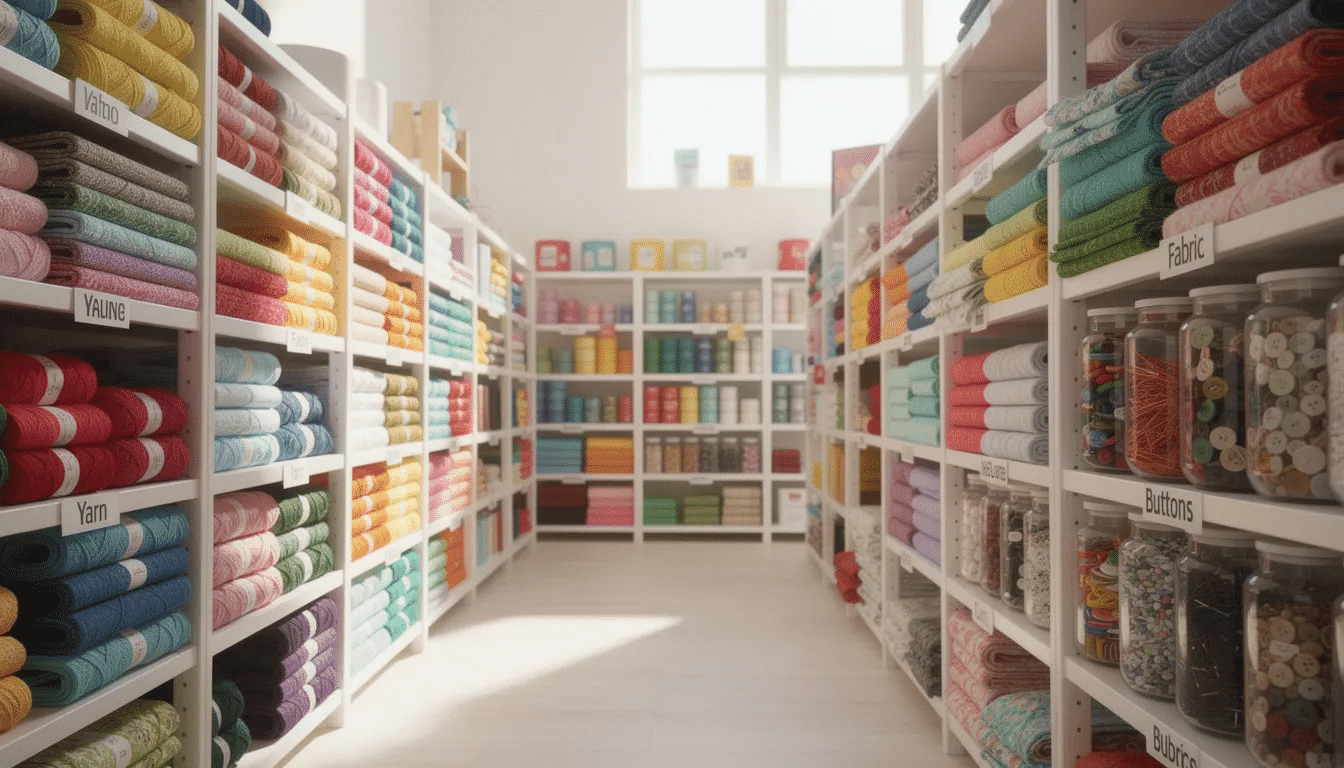
Every roll of fabric, partial paint set, and bundle of yarn that lands in a craft thrift store is one less thing headed to landfills. In a world where sustainable creativity matters more than ever, these stores play a quiet but powerful role in diverting usable materials from waste streams.
The environmental impact is real: creative reuse centers keep craft supply overstock from local businesses, household cleanouts, and industry discards in circulation rather than in the trash. This model extends the life of items and supports a circular economy where materials get multiple chances to inspire.
Beyond sustainability, craft thrift stores strengthen community ties:
- Teachers and educators stock classroom art corners without draining school budgets
- After-school programs and summer camps access supplies they couldn’t otherwise afford
- Homeschoolers find manipulatives, puzzles, and learning tools at low cost
- Children and students experiment freely when materials are cheap and plentiful, gaining the developmental benefits of arts and crafts when they create regularly with well-chosen art supplies for young artists.
Some stores take community support further by partnering directly with schools or hosting free workshops. A store might supply an elementary school art program in the fall or provide fabric for a community quilting event. These partnerships inspire creativity while making a tangible difference in people’s lives.
What You Can Find in a Craft Thrift Store
Because inventory depends on donations, every visit to a craft thrift store feels like a small treasure hunt. Visiting often is part of the experience—popular items like quality yarn or canvases move quickly.
Here’s what you can typically expect to find:
Fiber arts and sewing:
- Yarn, knitting needles, crochet hooks
- Fabric yardage, fat quarters, thread, buttons
- Sewing patterns, zippers, elastic, notions
Paper and mixed media:
- Scrapbook paper, cardstock, journals
- Stamps, ink pads, stickers, washi tape
- Envelopes, gift wrap, blank cards
Art materials:
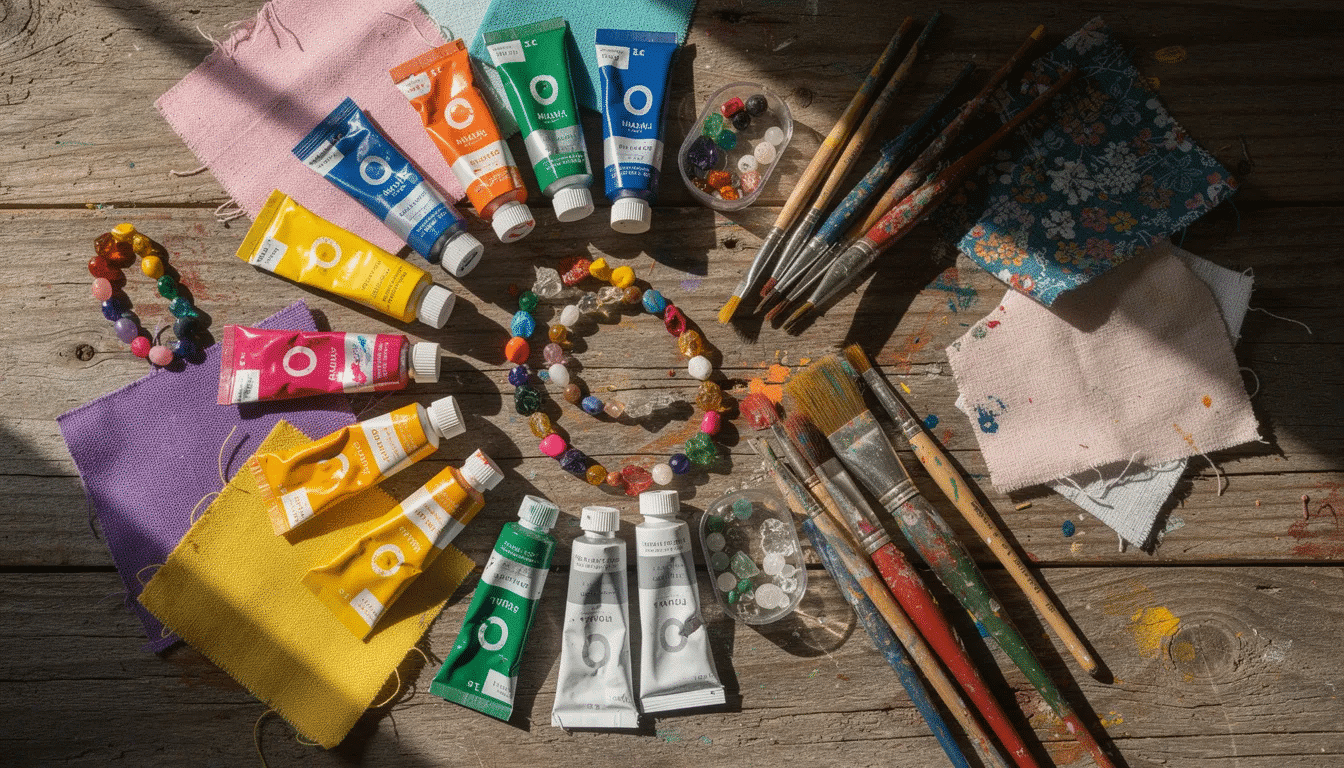
- Acrylic and watercolor paint, brushes
- Canvases, sketchbooks, pastels
- Colored pencils, markers, kids’ craft kits
Unique and unexpected finds:
- Vintage sewing notions and embroidery hoops
- Leather scraps, bottle caps, wood offcuts
- Beads from dismantled jewelry
- Classroom manipulatives and puzzles
Tip: Look for materials by texture, shape, and color rather than their original purpose. A stack of old frames becomes a gallery wall; glass jars transform into yarn-wrapped vases, or you dive into colorful craft ideas for a fun weekend using whatever supplies you uncover. This is how makers recreate and upcycle thrifted pieces into something entirely new.
Donating to a Craft Thrift Store
Donations are the backbone of every craft thrift store. They keep prices low and ensure a steady flow of fresh supplies for the community. If you have craft materials gathering dust, donating them gives those items new life while supporting local makers.
Typical acceptable donations include: You can also gather unopened DIY craft kits for creative projects that you no longer plan to use, as many stores are happy to resell them.
Category | Examples |
|---|---|
Fabric and fiber | Clean fabric, unused or gently used yarn, thread |
Art supplies | Full or mostly full paint tubes, brushes, pastels |
Paper goods | Cardstock, scrapbook paper, journals, stickers |
Tools | Functioning scissors, rotary cutters, knitting needles |
Small items | Beads, buttons, ribbons, stamps |
Common restrictions (varies by store): |
- No broken electronics or large furniture
- No stained, damaged, or moldy materials
- No recalled items or infant safety equipment
Before you bring donations, sort and clean items first. Bundle like items together—rubber stamps in a box, beads sorted by color, fabric folded neatly. This saves volunteers time and helps your donations reach the sales floor faster.
Check each store’s site or social media page for current donation hours. Some accept walk-in donations; others require appointments or offer drive-up drop-off on specific days like Saturday.
Note that some craft thrift stores operate as nonprofits and may provide tax-deduction receipts, but this varies—verify locally before assuming.
How to Shop Smart at a Craft Thrift Store
Getting the most value from a craft thrift store requires a slightly different mindset than regular retail shopping. Here’s how to make each visit count.
Visit regularly. New items arrive daily or weekly. If you’re hunting for something specific—like quality yarn or a particular fabric—checking in frequently increases your odds. The best pieces don’t last long.
Come prepared. Bring measurements, project lists, and color swatches when shopping for fabric or home decor DIYs. This prevents impulse buys that don’t quite fit your vision.
Inspect before you purchase. Secondhand craft items need a quick review, especially specialty papers like tissue paper for creative crafts or materials you’ll use in tissue paper stained glass projects:
- Check paint tubes for dryness (give them a gentle squeeze)
- Examine fabric for stains, holes, or odors
- Test tools for safe, working condition
Embrace low prices for experimentation. Many stores price basics incredibly low—paper starting around $1–$2, yarn bundles at a fraction of retail. This is your chance to try new mediums without financial risk. Always wanted to attempt watercolor? Buy a small set for a few dollars and experiment.
Think creatively. Don’t limit yourself to items’ original purposes. Old jewelry becomes beads for new creations. Fabric scraps combine into quilts. Mismatched frames get painted and grouped into cohesive gallery walls. Sticks from a nature walk can turn into creative nature stick crafts for kids, and a bin of red and green supplies might become your next holiday craft decorating session. The possibilities stretch as far as your imagination.
Memberships, Workshops, and Creative Spaces
Some craft thrift stores offer more than just shopping—they become hubs for learning and making.
Memberships at certain locations provide access to dedicated crafting spaces equipped with tools you might not own:
- Sewing machines and sergers
- Cricut Maker cutting machines
- Heat presses for transfers
- Large cutting mats and rotary cutters
These spaces often include shared consumables like scrap fabric, yarn odds and ends, stamps, and paper for in-store projects. It’s a cost-effective way to access resources without buying equipment yourself.
Workshops are another draw. Common classes include:
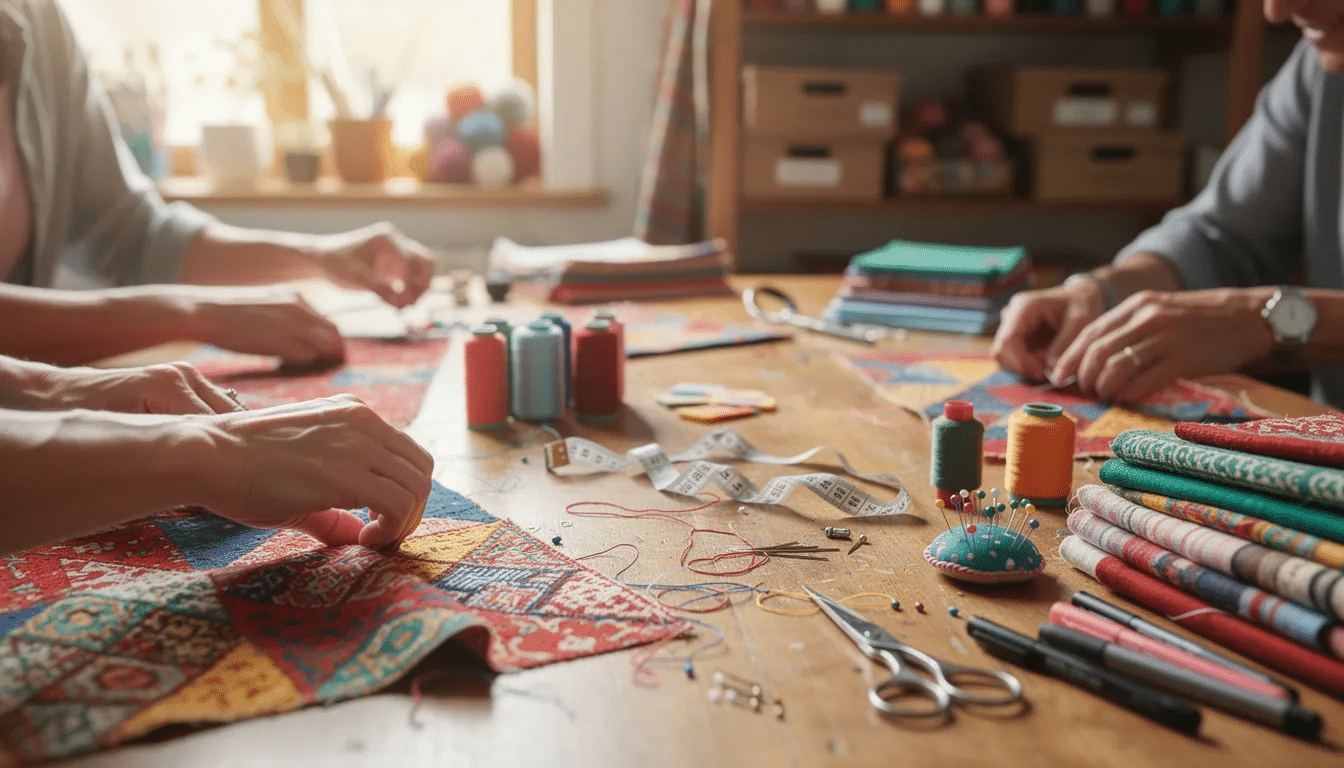
- Beginner sewing and visible mending
- Collage and mixed media art
- Kids’ art sessions
- Seasonal decor using thrifted materials
- Teacher-focused sessions on classroom crafts
Check event calendars or follow stores on social media for class schedules. Many workshops are free or low-cost, making them accessible to students, children, and anyone curious to learn.
These programs do more than teach skills—they host a creative, supportive community around the store and deepen the impact of reused materials.
Finding a Craft Thrift Store or Creative Reuse Center Near You
Craft thrift stores and creative reuse centers now exist in many states across the USA, though they’re often concentrated in larger metro areas.
To find one near you:
- Search online maps using phrases like “craft thrift store,” “creative reuse center,” or “art supply thrift” plus your city or state
- Look for SCRAP USA affiliates or similar organizations in your region
- Check community boards, library bulletin boards, or local maker groups
States with multiple creative reuse locations include California, New York, Texas, Washington, and Massachusetts. Cities like Somerville, Utica, and Portland have established stores that serve as community anchors.
If you’re in a smaller town, don’t give up. Some shops accept donations by mail or operate hybrid online stores alongside brick-and-mortar locations. Others hold pop-up events at community centers or farmers markets.
When you find a good directory or map-style resource, bookmark it—these listings update as new stores open and existing ones expand hours or locations.
How You Can Support Craft Thrift Stores
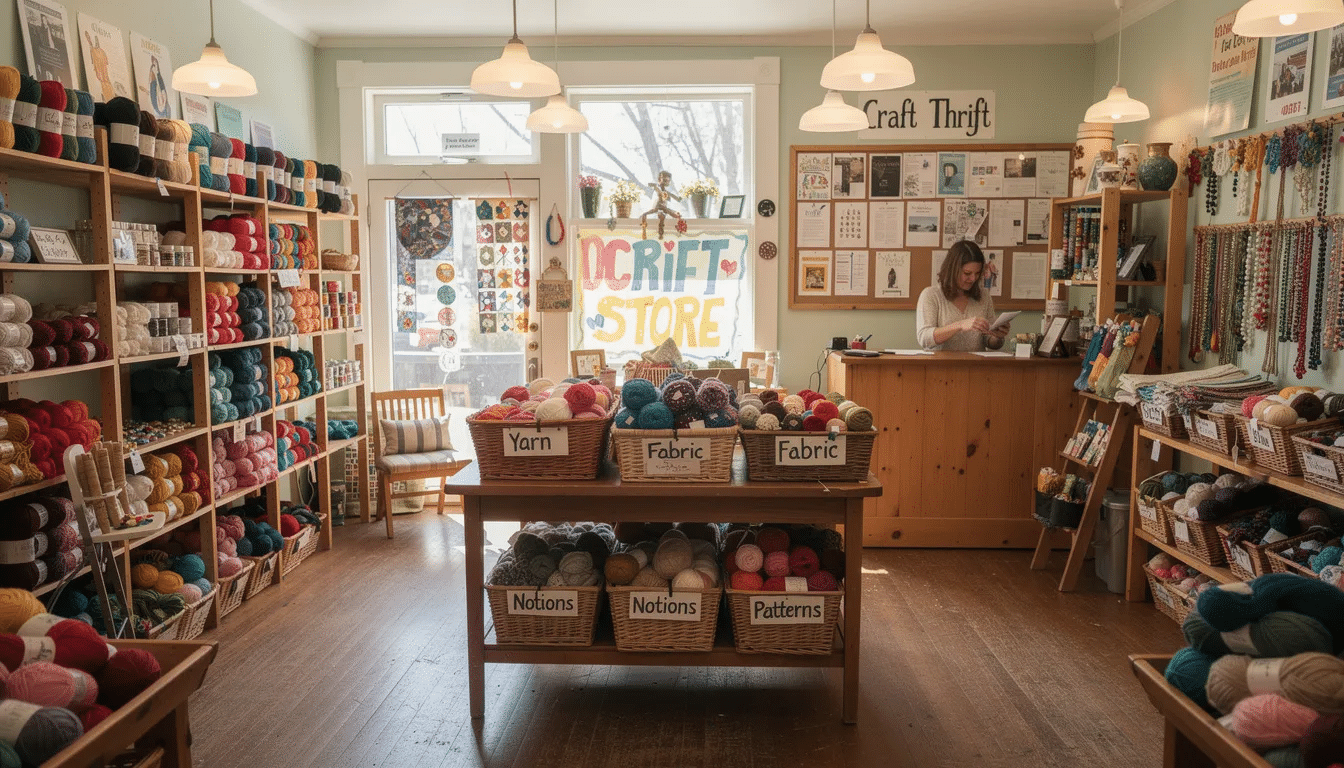
These stores thrive on more than just purchases. Community involvement—sharing, giving, and showing up—keeps them sustainable.
Ways to support your favorite craft thrift store:
- Spread the word. Tell friends, family, colleagues, and local teachers about the store. Word-of-mouth remains the most powerful marketing.
- Leave a review. Honest, positive reviews on Google, Facebook, or local directories help others discover the store. A quick review takes minutes but creates lasting impact.
- Share skills. If you know sewing, quilting, jewelry making, or classroom crafts, offer to host a workshop or demonstration. Stores often welcome community-led events.
- Engage on social media. Follow the store’s accounts. Share their posts when they highlight donation needs, sales, or events. Sign up for their newsletter if they have one.
- Add your projects. When you create something using thrifted materials, share photos and tag the store. This inspires others and shows the community what’s possible.
Every donation, purchase, review, and shared project strengthens the creative reuse ecosystem. It keeps more materials in circulation, supports makers at every skill level, and ensures these stores can continue their mission for years to come.
Ready to explore? Search for a craft thrift store near you this weekend, bring a bag of supplies you’re no longer using, and see what treasures you find. The creative reuse community is waiting—and there’s always room for one more maker at the table.