Choosing the right crochet hook for amigurumi can mean the difference between a polished stuffed toy and one with visible stuffing peeking through gaps. Unlike blankets or garments where gauge flexibility exists, making amigurumi demands tight, dense fabric that holds its shape and hides the filling inside. This guide breaks down everything you need to know about hooks for amigurumi—from the best brands and sizes to how materials and head styles affect your finished toys.
- Quick Answer: The Best Crochet Hooks for Amigurumi in 2024
- How Crochet Hooks Affect Your Amigurumi
- Parts of a Crochet Hook (and Why They Matter for Toys)
- Key Factors When Choosing Crochet Hooks for Amigurumi
- Brand-by-Brand Review: Popular Crochet Hooks for Amigurumi
- Budget Hooks vs Premium Hooks for Amigurumi
- Hook Size FAQs for Amigurumi (2024 Edition)
- Matching Yarn and Hook for Amigurumi
- Final Thoughts: Finding Your Perfect Amigurumi Hook
Quick Answer: The Best Crochet Hooks for Amigurumi in 2024
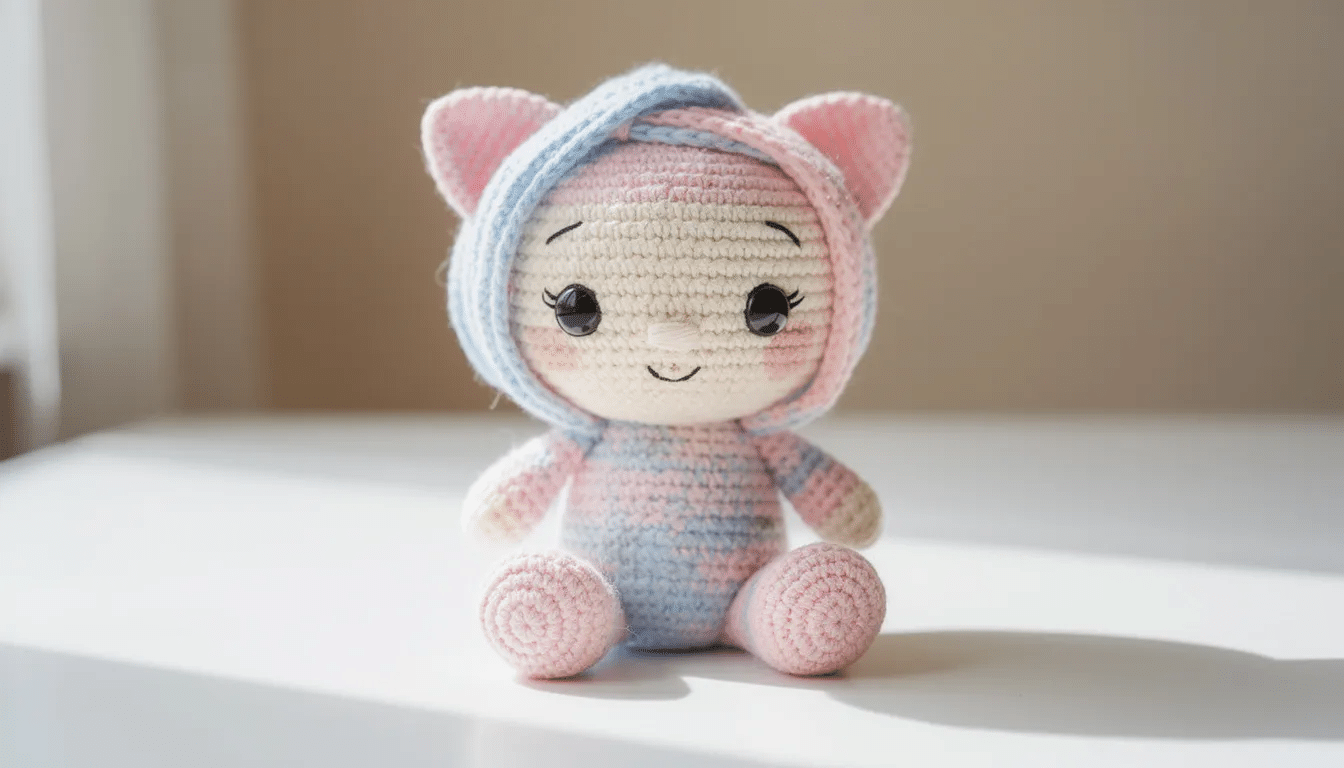
If you’re short on time and just want to know what to buy, here are the top picks that consistently perform well for tight amigurumi stitches:
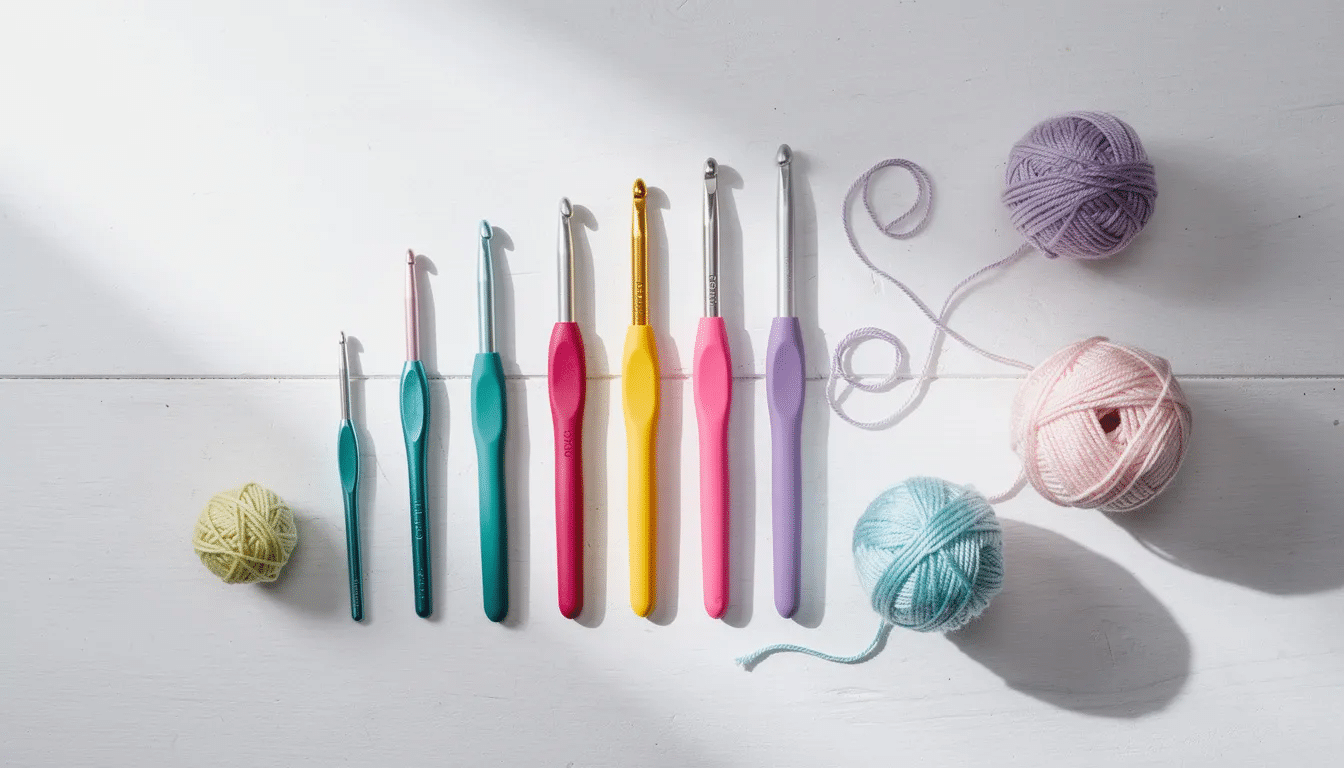
- Best overall: Clover Amour – Smooth aluminum shaft, soft elastomer handle, color-coded sizes. Around $8–$10 per individual hook; multi-packs run $40–$70 depending on size range.
- Best for small hands: Tulip Etimo – Compact, firm rubber grip with an ultra-smooth tip. Approximately $12–$13 per hook on Amazon.
- Best ergonomic metal: Furls Odyssey – Heavy curved handle with nickel-plated head, ideal for crocheters with wrist issues. Around $26 per hook.
- Best wooden ergonomic: Furls Streamline – Similar ergonomic shape but lighter weight wood or resin construction. Usually under $20 per hook.
- Best budget upgrade from bare aluminum: WeCrochet Brights set – Comfortable grip at a reasonable price point. About $25 for a set, though some users note the grip can feel slippery.
All of these recommendations are based on what matters most for crocheting amigurumi: smooth glide through dense fabric, comfortable handles for extended sessions, and the ability to create tight stitches that hide stuffing completely.
For hook sizes, start about 0.5–1.0 mm smaller than your yarn label recommends. For DK yarn, a D/3.25 mm hook works well. For light worsted, try an E/3.5 mm. This undersizing is what creates that characteristic dense amigurumi fabric.
How Crochet Hooks Affect Your Amigurumi
Amigurumi uses tighter stitches than typical crochet projects like blankets or scarves, so your hook choice has an outsized impact on your finished toys.
Here’s what your crochet hook actually controls:
- Stitch tightness and stuffing visibility – The right hook creates dense fabric where individual stitches stack closely together. Side-by-side swatch tests show that a 3.5 mm hook on Stylecraft DK reveals small gaps, while a 3 mm hook on the same yarn yields a smooth, stuffing-proof surface.
- Comfort during long sessions – A single amigurumi toy can involve hundreds of single crochets worked in continuous rounds. Handle shape and material determine whether your hand cramps after thirty minutes or three hours.
- Stitch definition and shaping – Hook anatomy—particularly head pointiness and whether the design is inline or tapered—affects how cleanly you can execute invisible decreases and maintain neat shaping on curves like heads and limbs.
If you’ve been frustrated with messy or gappy amigurumi, the issue might not be your technique. Many crocheters discover that switching hook styles solves problems they blamed on their own skill level.
The rest of this post compares specific brands and hook types commonly used for toys, including Clover Amour hooks, Tulip Etimo, Furls, Boye, Susan Bates, and more.
Parts of a Crochet Hook (and Why They Matter for Toys)
Understanding basic hook anatomy helps you choose the right tool for tiny stitches. This isn’t an exhaustive anatomy lesson—just the parts that matter for amigurumi makers.
- Head and point (tip): A slightly pointed tip helps you pierce tight loops and work invisible decreases without splitting the yarn. The hook head on premium models like Tulip Etimo is polished smooth, making it easier to slip into dense stitches.
- Throat (inline vs tapered): The throat is the recessed area that holds the yarn. Inline throats sit below the shaft width, while tapered throats slope gradually. Many amigurumi makers prefer tapered for speed since yarn slides off easily, though some like inline for crisper stitch definition.
- Shaft: A smooth, consistent-width shaft ensures stitches glide evenly without catching. This matters especially with cotton yarn or mercerized threads that can squeak against rough metal.
- Handle: Thickness, material, and length all affect grip and strain. Clover Amour has a soft rubber handle with elastomer coating; Furls Odyssey features a heavy ergonomic resin grip. The difference is significant over multi-hour sessions.
- Thumb rest: A defined thumb rest provides control when working small circular pieces. It’s particularly helpful for heads, limbs, and ears where precise stitch placement determines the final shape.
Key Factors When Choosing Crochet Hooks for Amigurumi
Selecting the right hook involves balancing size, material, handle comfort, and head style. Here’s how each factor applies specifically to stuffed toy construction.
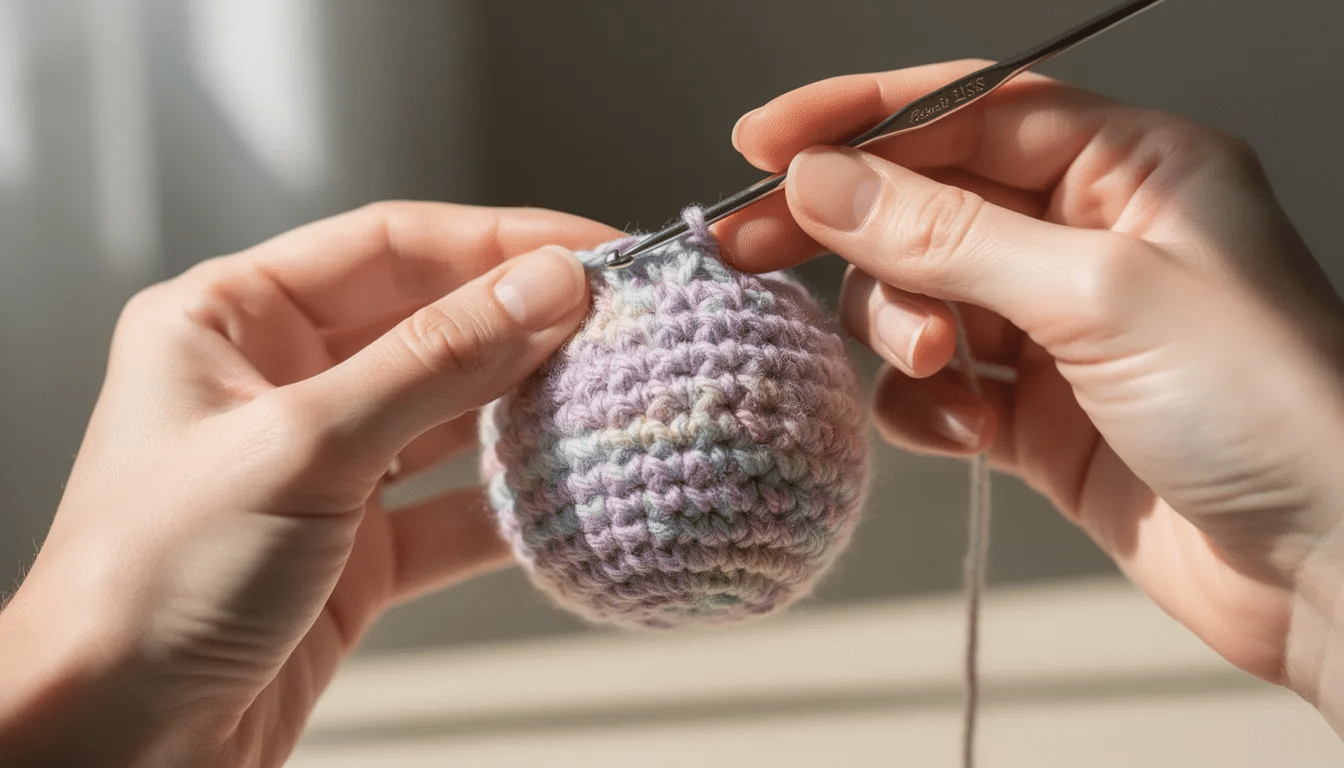
Size is perhaps the most critical consideration. Amigurumi almost always requires hooks 0.5–1.0 mm smaller than the yarn label suggests. This undersizing creates fabric dense enough to prevent stuffing from showing through gaps. Common pairings include:
Yarn Weight | Ball Band Recommendation | Amigurumi Hook Size |
|---|---|---|
Sport cotton (e.g., Catania) | 2.5–3.5 mm | 2.5 mm or C/2.75 mm |
DK | 4 mm | D/3.25 mm |
Light worsted | 4.5 mm | E/3.5 mm |
Modern toy patterns in 2024 typically tell you to size down at least once from ball band recommendations. Trust the pattern, not the yarn label.
Material affects both glide and durability. Metal hooks—aluminum hooks specifically, or nickel-plated versions—usually glide best through tight stitches. The worst crochet hooks for amigurumi tend to be rough or painted metals that catch yarn fibers or discolor light-colored threads. Wood hooks offer more friction, which some beginners find helpful for maintaining tighter tension, but they can slow down experienced crocheters and may splinter in sizes under 3 mm. Plastic hooks are affordable but tend to bend under sustained tight-tension work and produce squeaky sounds with acrylic yarns.
Handle/Grip determines long-term comfort. Bare aluminum hooks like basic Susan Bates or Boye models work fine for short sessions but can cause fatigue during extended amigurumi marathons. Soft rubber or elastomer handles—found on Clover Amour and similar ergonomic hooks—distribute pressure across your palm rather than concentrating it at a thin contact point. Consider your grip style too: knife-grip crocheters often prefer longer handles, while pencil-grip users may favor shorter, thicker handles for control.
Head Style (Inline vs Tapered) influences how yarn behaves as you work. Inline hooks (like Susan Bates) have a throat recessed below the shaft diameter, giving crisp stitch definition but sometimes snagging on splitty yarns. Tapered hooks (like Boye and Clover) slope gradually, allowing yarn to slide off more easily—useful for the fast, repetitive single crochets in amigurumi rounds. Experiment with both styles on a small test sphere before committing to a full project. Many toy makers develop a strong personal preference for one or the other.
Brand-by-Brand Review: Popular Crochet Hooks for Amigurumi
This section covers the popular crochet hooks you’ll encounter when shopping in 2024, with honest pros and cons specifically for toy-making rather than general crochet.
Clover Amour hooks feature color-coded elastomer handles and anodized aluminum shafts that glide smoothly through both cotton and acrylic. At $8–$10 per hook (or $40–$70 for sets), they hit a sweet spot between quality and price. The tapered head works well for invisible decreases, and the soft grip reduces hand fatigue during long sessions. The main drawback is handle length—crocheters with very large hands sometimes find them a bit short. These are excellent for small animals, chibi dolls, and detailed amigurumi where stitch neatness matters.
Tulip Etimo hooks run about $12–$13 per hook on Amazon, positioning them as a slight upgrade from Clover. The handle is firmer rubber, more compact, and particularly comfortable for those with small hands. The hook tip is exceptionally smooth, making it ideal for tiny amigurumi and tight cotton yarns where control matters more than speed. The firmer grip might feel less cushioned than Clover Amour during very long sessions, but many consider this their favorite hook for miniature work.
Furls Odyssey hooks represent the premium ergonomic category at around $26 per hook. The heavy, curved handle and nickel-plated head divide opinion. Crocheters with larger hands or wrist issues often love the weight distribution and ergonomic shape. Others find the weight tiring or feel it slows their rhythm. These work best for longer sessions with larger plushies where comfort trumps maximum speed. The price puts them on the pricey side, but devotees consider them worth every dollar.
Furls Streamline hooks offer similar ergonomic shaping in wood or resin at usually under $20. The lighter weight appeals to those who found Odyssey too heavy. Wood creates more friction against yarn, which can help beginners maintain even tension but may slow fast crocheters. These work well with thicker yarns and bigger amigurumi, less ideal for super tiny toys using cotton thread.
Clover Soft Touch hooks blend inline and tapered benefits with a smooth finish that handles natural fibers like cotton particularly well. Despite the name, the handle is actually hard plastic, not the soft elastomer found on Amour hooks. They’re more affordable than Clover Amour and work fine for casual amigurumi, but lack the cushioned grip for marathon sessions.
WeCrochet Brights sets offer a mid-range option around $25 for a full set. The colored handles add visibility and the grip is comfortable enough for most users. Some crocheters note the handles can feel slightly slippery compared to Clover Amour, and the hook tips may not be quite as polished. They’re a solid budget upgrade from bare aluminum without the premium price.
Susan Bates aluminum hooks are ubiquitous in craft stores at just a few dollars each. Their inline design gives crisp stitch definition, and they’re durable enough for everyday use. However, the thin metal handles offer no ergonomic support, and extended tight-tension work can cause hand strain. Fine for beginners testing whether they enjoy amigurumi, but most dedicated toy makers upgrade after their first set of projects.
Boye aluminum hooks offer similar pricing to Susan Bates but with a tapered head that many prefer for the smooth yarn release. The same comfort limitations apply—thin handles and no cushioning. Generic bamboo hooks in this price range add unwanted friction and tend to splinter in small sizes.
Addi Comfort Grip hooks feature ergonomic plastic handles and quality metal heads, positioning them between basic aluminum and premium ergonomic options. They’re worth considering if you prefer a lightweight hook with some handle support but don’t want to invest in Furls pricing.
Best Overall: Clover Amour for Amigurumi
Clover Amour hooks consistently appear as the go-to recommendation for amigurumi in 2024, and for good reason.
- The color-coded elastomer handles make it easy to grab the right size quickly when switching between body parts, and the anodized aluminum shafts provide the smooth glide essential for tight single crochet in the round.
- Comfort works well across different hand sizes, though crocheters with very large hands occasionally wish for a bit more handle length. The soft grip conforms slightly to your fingers during use.
- Realistic 2024 pricing: individual hooks run $8–$10 at major retailers; sets covering common amigurumi sizes (around 2.5mm–5mm) typically cost $40–$70 depending on range and retailer.
- The D/3.25 mm and E/3.5 mm sizes see the most use for stuffed toys made with DK and light worsted yarns—consider purchasing these first set of individual hooks if you’re testing whether Clover Amour suits your grip.
- Ideal for: small animals, chibi dolls, and detailed amigurumi where stitch neatness is crucial. The combination of smooth metal and cushioned handle lets you maintain even tension across hundreds of stitches without hand fatigue.
Best for Small Hands: Tulip Etimo
The Tulip Etimo hook has earned devoted fans among crocheters with smaller hands or those who prefer a compact, precise tool.
- The handle shape is notably different from Clover Amour—shorter, thicker at the grip point, and made from firmer rubber. This gives excellent control for detailed work but feels less cushioned during very long sessions.
- The hook tip is exceptionally smooth, polished to minimize catching even on splitty cotton yarns. For tight cotton yarns like Catania or Phildar Cotton 3, many crocheters prefer Tulip Etimo’s glide over other hooks.
- 2024 pricing sits around $12–$13 per hook on Amazon, sometimes higher in local yarn shops. This positions them as a moderate premium over Clover Amour.
- Ideal use: miniature toys, keychains, or detailed facial features where control matters more than speed. The compact handle suits knife-grip and pencil-grip styles equally well.
Ergonomic & Premium Options: Furls Hooks
Furls hooks—both the Odyssey and Streamline lines—represent the premium ergonomic category and inspire strong opinions among amigurumi makers.
Furls Odyssey features a heavy, curved handle designed to reduce wrist strain during extended crochet sessions. The nickel-plated metal head maintains smoothness over time, and the wider tip relative to the neck base facilitates precise entry into tiny loops for neat stitches. At around $26 per hook purchased directly from Furls, these are a significant investment. Crocheters with larger hands or chronic wrist issues often consider Odyssey their favorite hook, while others find the weight actually increases fatigue. Best for: longer sessions with larger plushies where comfort trumps speed.
Furls Streamline offers similar ergonomic shaping but in lightweight wood or resin construction, typically under $20 per hook. The wood adds friction against yarn—a feature some beginners appreciate for maintaining tighter tension while learning. However, experienced fast crocheters may find the added resistance slows their workflow. These work well with thicker yarns and bigger amigurumi; they’re less ideal for tiny toys worked in fine cotton thread.
Practical tip: if you’re unsure whether Furls hooks suit your style, try one Streamline in a commonly used size (3.5 mm or 4.0 mm) before investing in multiple hooks or a full set.
Budget Hooks vs Premium Hooks for Amigurumi
You don’t need to spend a lot in 2024 to make great amigurumi—plenty of gorgeous toys have been crafted with $3 aluminum hooks. But upgrades can genuinely improve both comfort and consistency.
Category | Price Range | Examples | Best For |
|---|---|---|---|
Budget | Under $10 | Susan Bates, Boye, generic sets | Beginners testing the craft |
Mid-range | $10–$20 | Clover Amour, WeCrochet Brights, Clover Soft Touch | Regular amigurumi makers |
Premium | $20+ | Furls Odyssey, Tulip Etimo, Furls Streamline | Heavy users, ergonomic needs |
Many crocheters start with a $5 hook and only upgrade once they begin making multiple toys per month. That’s a perfectly sensible approach—you’ll have a better sense of your preferences after completing a few projects.
The trade-offs break down simply:
- Budget hooks sacrifice handle comfort and sometimes metal smoothness for low price
- Mid-range hooks add ergonomic handles and more polished shafts
- Premium hooks maximize comfort and durability for serious long-term use
A sensible upgrade path: begin with a budget set or whatever came in your starter kit, then purchase one or two premium hooks in your most-used sizes for amigurumi. For most toy makers, that means 2.75 mm, 3.0 mm, or 3.5 mm depending on your preferred yarn weight.
The “best” hook is ultimately the one that lets you crochet comfortably and create consistently tight stitches. Personal preference matters enormously—a hook another crocheter loves might feel wrong in your hands.
Hook Size FAQs for Amigurumi (2024 Edition)
These questions come up constantly in amigurumi communities. Here are straightforward answers with specific numbers.
Should you use a smaller hook for amigurumi? Yes, almost always. Using a hook 0.5–1.0 mm smaller than your yarn label recommends creates denser fabric that hides stuffing. This is fundamental to amigurumi technique—the undersizing principle appears in virtually every toy pattern.
What is the best crochet hook size for amigurumi? For DK weight yarn (the most common choice), a D/3.25 mm hook works well. For light worsted, try E/3.5 mm. For sport weight cotton like Catania, start with 2.5–2.75 mm. Always check your pattern’s gauge recommendation and adjust based on your personal tension.
What is the most common crochet hook size in general? H/8 (5.0 mm) is the most common for general crochet with worsted weight yarn. However, this applies to blankets and garments, not tiny toys. Amigurumi typically uses much smaller hook sizes.
Can you use a smaller hook size than the pattern recommends? Yes, but it makes your fabric denser and your finished piece smaller. If size accuracy matters—say, you’re making pieces that need to fit together—watch your gauge carefully. Some crocheters intentionally use even smaller hooks for very firm toys.
How do I know if my hook is too big for amigurumi? Signs include: visible stuffing through the fabric, loose or uneven stitches, and gaps appearing when you stretch the fabric slightly. If you see these issues, drop down 0.25–0.5 mm and try again.
Matching Yarn and Hook for Amigurumi
Different yarn fibers and brands behave differently with the same hook, so pairing them intentionally improves your results.
Popular amigurumi yarns and suggested starting hooks:
Yarn | Weight | Starting Hook Size |
|---|---|---|
Schachenmayr Catania | Sport | 2.5 mm |
Drops Paris | DK | 3.5–4.0 mm |
Paintbox Cotton DK | DK | 3.0–3.25 mm |
Phildar Cotton 3 | Sport | 2.5 mm |
Stylecraft Special DK | DK | 3.0 mm |
Smooth mercerized cotton often works best with very smooth metal hooks—Clover Amour or Tulip Etimo minimize the squeaking and snagging that can occur with rougher hooks. The shiny, matted finish on amour hooks reduces friction against natural fibers.
Splitty acrylic yarns pair better with slightly rounded, tapered heads that don’t catch and separate strands. A more pointed tip can be frustrating with cheap acrylics that want to split.
Before starting a full project, make a tiny test ball or flat swatch with your chosen yarn and hook. Stuff it lightly and check for visible stuffing showing through. If you see gaps, drop down 0.25–0.5 mm and test again. This five-minute investment saves hours of frustration.
Concrete example: if you use Catania Original (sport-weight cotton), start with a 2.5–2.75 mm hook and adjust based on your tension. Early experiments with 2.25 mm hooks often produce overly rigid fabric, while 2.5 mm softens the results while retaining the necessary tightness.
Final Thoughts: Finding Your Perfect Amigurumi Hook
There’s no single perfect hook for every amigurumi maker—hand size, grip style, yarn preference, and personal comfort all factor into the equation. That said, models like Clover Amour and Tulip Etimo have earned their reputation as reliable starting points in 2024 for good reason.
The key principles remain consistent: choose a smaller hook size than the yarn label suggests, prioritize handle comfort for long sessions, favor smooth metal for tight stitches, and test both inline and tapered head styles if possible. These guidelines will serve you well regardless of which specific brand you choose.
I hope this guide has been helpful in narrowing down your options. Rather than replacing all your hooks at once, consider picking up one upgraded hook in your most-used size and testing it on your next project. Pay attention to how your hand feels after an hour of work and whether your stitches look cleaner than usual.
Your next step: pick one hook from the quick-answer list at the top of this post and try it on your next amigurumi project. You might be glad to discover that a simple tool change transforms your toy-making experience.