

Ready to create something beautiful in your backyard this year? Whether you’re working with a sprawling yard or a tiny patio, the right diy garden projects can completely transform how you use and enjoy your outdoor space. This guide delivers practical, budget-friendly garden ideas you can tackle over a weekend—or even in an afternoon.
From raised beds that make growing vegetables super easy to upcycled planters that bring personality to every corner, these projects are designed for real gardeners with real budgets. Let’s dig in.
- Quick-Start DIY Garden Projects for 2026
- Planning Your DIY Garden Makeover
- Easy DIY Raised Beds and Productive Garden Structures
- Vertical Gardening & Small-Space Solutions
- Indoor Garden Projects: Tea, Salad & Herb Gardens
- Seasonal DIY Garden Decor: Spring to Fall
- Wildlife-Friendly Garden Projects
- Upcycling & Junk Gardening: Budget-Friendly Ideas
- Lighting, Paths & Comfort Features
- Season Extension & Outdoor Workspaces
- Family-Friendly & Just-For-Fun Garden Projects
- Bringing It All Together: Designing Your 2026 DIY Garden
Quick-Start DIY Garden Projects for 2026
If you’re interested in getting your hands dirty right away, here are seven achievable diy projects you can start this weekend. Each uses materials you’ll find at Home Depot, Lowe’s, or your local hardware store.
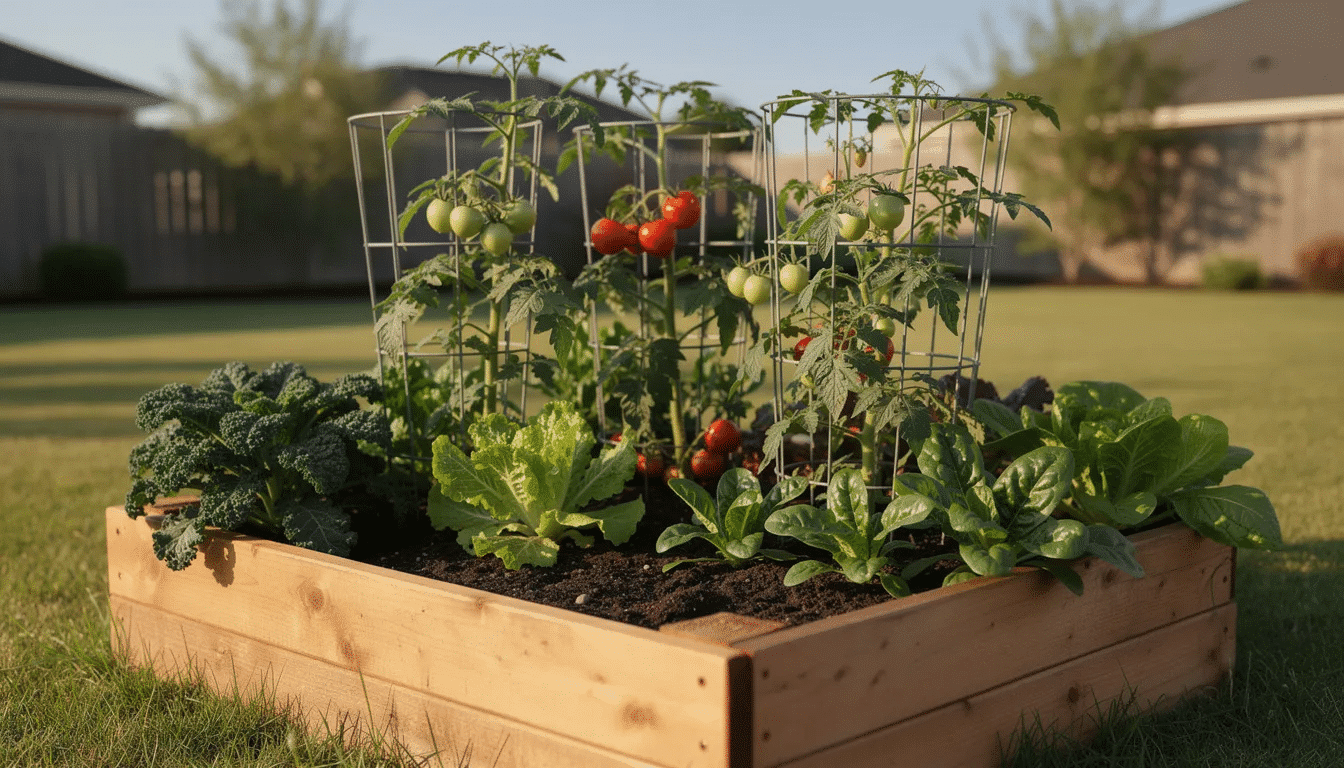
- 4×8 Raised Veggie Bed: Build a simple wooden frame using 2×10 cedar or pine boards and deck screws. Perfect for tomatoes, peppers, and leafy greens. Cost: $75–$150. Time: One afternoon.
- Hanging Strawberry Basket Tree: Stack three wire hanging baskets on a shepherd’s hook or wooden post, planting strawberries in each tier. Cost: Under $40. Time: 1–2 hours.
- Simple Pallet Walkway: Lay reclaimed pallets flat between garden beds to keep feet clean after rain. Sand rough edges and add landscape fabric underneath. Cost: Under $30 (free pallets). Time: 2–3 hours.
- Tire Planter: Paint an old tire in bold colors, fill with potting soil, and plant trailing petunias or herbs. Cost: Under $20. Time: 1 hour plus drying time.
- Solar Mason Jar Lights: Insert solar LED lids into mason jars and place along pathways or hang from branches. Cost: Under $25 for a set of six. Time: 30 minutes.
- DIY Bird Feeder: Create a simple feeder from a plastic bottle, wooden spoons for perches, and twine for hanging. Cost: Under $10. Time: 1 hour.
- Chalkboard Plant Markers: Cut wooden stakes, paint with chalkboard paint, and use chalk markers to label your vegetables and herbs. Cost: Under $15. Time: Weekend project including dry time.
Planning Your DIY Garden Makeover
Before you grab your tools, spend 30 minutes with a pencil and paper. Good planning saves money, prevents wasted materials, and helps you create a space you’ll actually love using.
- Sketch your garden area on paper or use a free app like Garden Planner. Mark where the sun hits in the morning versus afternoon—this determines where vegetables go versus shade-loving plants.
- Choose a theme that fits your 2026 vision: cottage garden with flowing perennials, modern minimalist with clean lines and gravel, pollinator-friendly with native wildflowers, or a kid-focused play garden with room to explore.
- Set a realistic budget for the season. Many gardeners find $150–$200 covers 3–5 solid diy projects without breaking the bank.
- Prioritize three to five key projects instead of attempting dozens. Finishing a few well beats abandoning many half-done.
- Plan your space in zones: a growing zone for food (raised beds, containers), a relaxing zone (seating, lighting), and a wildlife zone (feeders, butterfly plants).
- Watch for sales at the end of each season—fall is perfect for snagging half-price pots, and early spring clearances offer deals on lumber.
Easy DIY Raised Beds and Productive Garden Structures
Raised beds form the foundation of a productive garden, especially if your native soil is compacted clay or sandy and nutrient-poor. They give you control over soil quality, improve drainage, and make weeding far easier on your back.
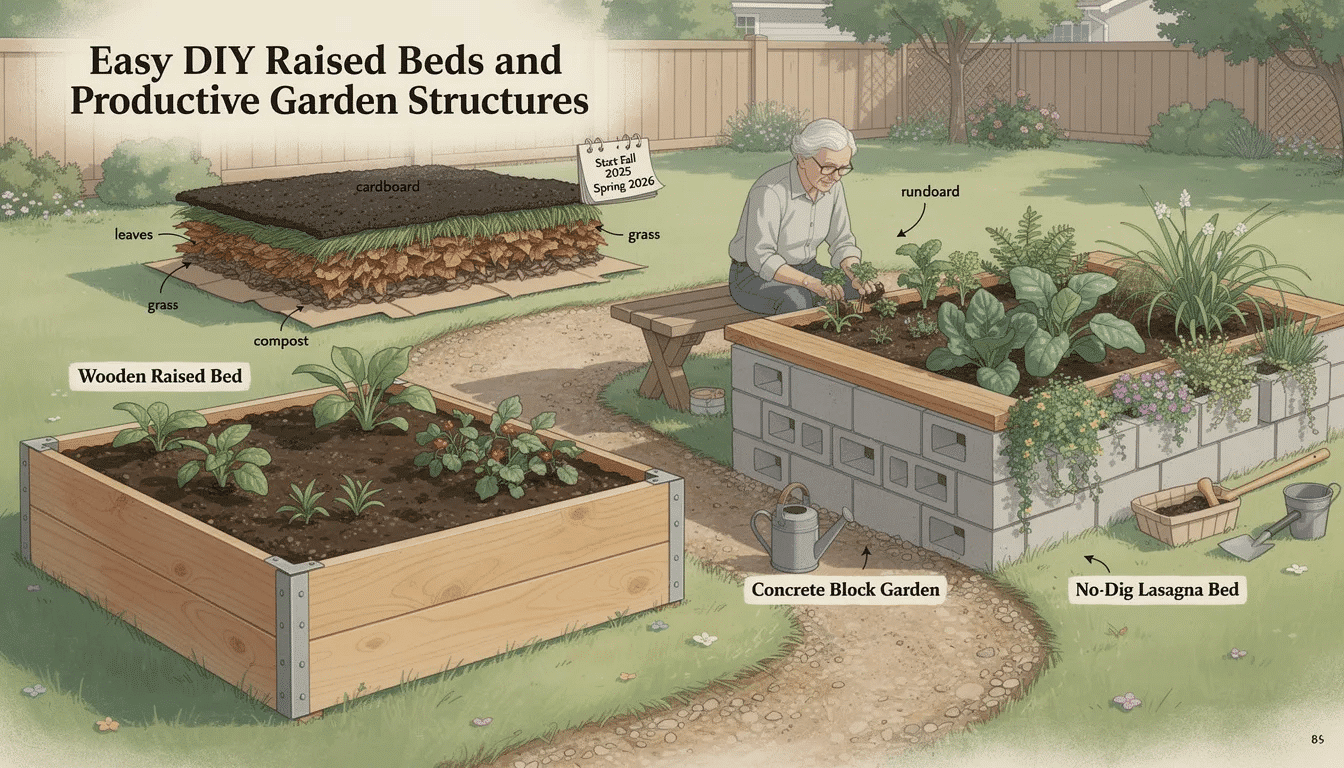
- Simple 4×8 Wooden Raised Bed: Use eight 2×10 boards (four at 8 feet, four at 4 feet), corner brackets or deck screws, and optional weed barrier fabric. One person can build this in an afternoon. Fill with sandy loam soil from a local nursery for the best water retention and drainage balance.
- Concrete Block Garden: Arrange 8x8x16 concrete blocks in a rectangle—no cutting required. Fill the hollow cores with soil to plant herbs or trailing flowers along the edges while the center holds larger vegetables.
- Lasagna Garden (No-Dig Bed): Layer cardboard on grass, add fall leaves, grass clippings, and finished compost. Start in fall 2025 and let it decompose over winter. By spring 2026, you’ll have rich planting soil without digging a single shovelful.
- Choosing Your Approach: Wood frames look classic but require replacement every 5–10 years. Concrete blocks work great for renters (they’re removable) and last indefinitely. No-dig beds cost almost nothing but require patience.
- Accessibility Options: Add a wide ledge or bench around your raised bed’s edge. This gives gardeners with back or knee issues a place to sit while planting and harvesting—a small design change that makes a large difference.
Vertical Gardening & Small-Space Solutions
When your yard space is limited, think upward. Vertical structures multiply your growing area and add visual interest to patios, balconies, and narrow side yards.
- Veggie Trellis from Conduit: Build a 6–7 foot trellis using electrical conduit or wooden stakes with garden netting stretched between. Perfect for peas, pole beans, and cucumbers that love to climb.
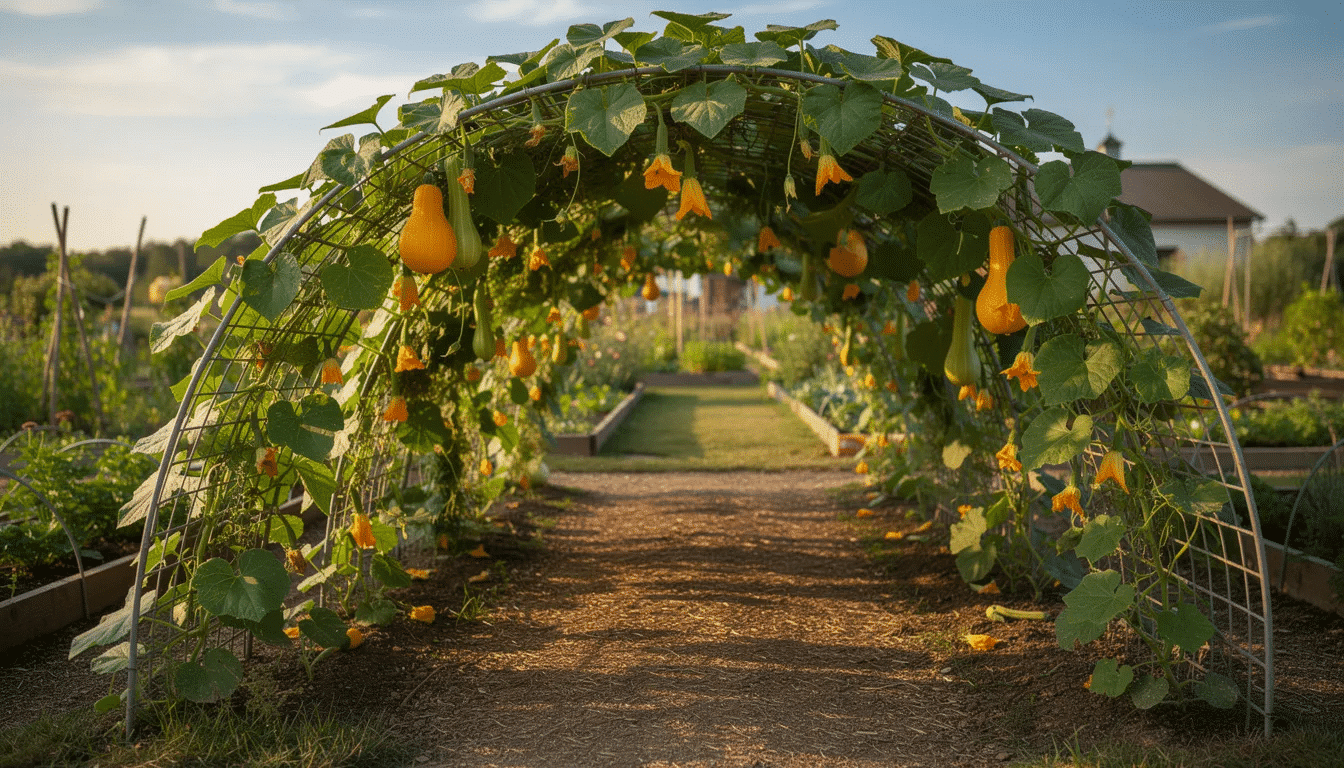
- Cattle Panel Arch: Bend a 16-foot cattle panel into an arch between two raised beds, creating a tunnel effect. Train squash, melons, and indeterminate tomatoes up the sides for a stunning display and easy harvest.
- Corner Trellis: Tuck a 4-foot wide, 6-foot tall trellis into a 90-degree fence corner. Ideal for cucumbers or flowering vines like morning glories and sweet peas that need vertical support.
- Bamboo Tower: Tie seven to eight 7-foot bamboo poles together at the top with garden twine, spreading the bottoms into a cone shape. Place around indeterminate tomatoes for sturdy, natural-looking support.
- Portable Planters with Casters: Mount large containers on plant caddies with wheels. Roll them between shade and sun throughout the day or season as light patterns change.
- Creative Vertical Ideas: Transform a wooden pallet into an herb shelf by attaching it to a fence, or repurpose an old ladder as a tiered plant stand for tiny patios.
Indoor Garden Projects: Tea, Salad & Herb Gardens
Indoor gardening lets you harvest fresh greens year-round, regardless of your climate. For apartment dwellers or those facing cold 2026 winters, these container garden setups bring the garden inside.
- Indoor Tea Garden: Grow peppermint, chamomile, lemon balm, lemon verbena, stevia, and lavender on a south-facing windowsill or under LED grow lights. Most tea herbs tolerate lower light than vegetables and thrive in 6-inch pots.
- Indoor Salad Garden: Use shallow trays or window boxes for lettuces, arugula, spinach, and microgreens. Sow seeds every 10–14 days for continuous harvest. Microgreens are ready in just 10–14 days from seeding.
- Kitchen Herb Garden: Keep basil, thyme, parsley, cilantro, and rosemary in pots with drainage holes near your cooking area. Use a drip tray to protect counters, and harvest regularly to encourage bushy growth.
- Growing Success Tips: Use a light potting mix, water when the top inch of soil feels dry, and expect first harvests at different times—microgreens in 10–14 days, lettuce in 30–45 days, and herbs ongoing after 4–6 weeks.
- Indoor Garden Decor: Match your pots for a cohesive look, install a small wall shelf for vertical herb display, or use a narrow rolling cart that moves between sunny windows throughout the day, adding bright tissue paper stained glass crafts to nearby windows for extra color.
Seasonal DIY Garden Decor: Spring to Fall
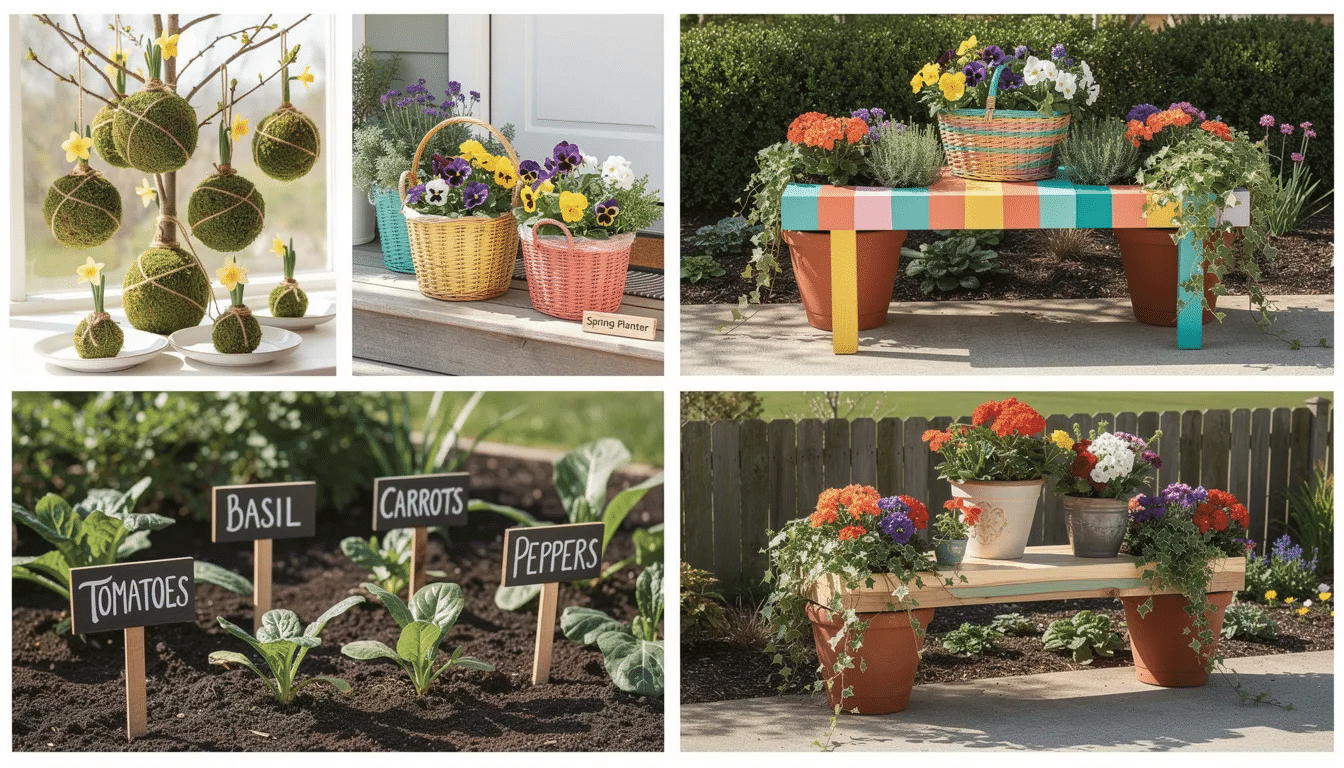
Rotating handmade decor through the seasons keeps your garden fresh and gives you new projects to look forward to all year.
- Spring – Daffodil Kokedama Balls: Wrap store-bought daffodil bulbs in moss balls using string, creating living hanging ornaments for March and April. Hang them from branches or display on plates indoors.
- Spring – Painted Basket Planters: Use outdoor acrylic paint to brighten wicker baskets, line with plastic, and plant with pansies, violas, or early herbs for porch display.
- Summer – DIY Flower Bench: Build a colorful bench using scrap plywood and sturdy planted pots as legs. This adds height to container displays and creates a focal point.
- Summer – Chalkboard Plant Markers: Paint wooden stakes with chalkboard paint and label with chalk markers. These work beautifully in veggie beds and make easy gifts for entertaining guests or teachers.
- Fall – Creative Pumpkin Groupings: Stack pumpkins in planters on your porch, combining them with ornamental kale and mums, and bring in themed winter polar bear crafts indoors when the weather turns cold. Group in odd numbers for the most visually appealing arrangements.
- Fall – Succulent Centerpieces: Create rock garden arrangements in shallow bowls using sedums and hens-and-chicks. These low-maintenance displays provide late-season interest and can move indoors before frost.
Wildlife-Friendly Garden Projects
Supporting birds, bees, and butterflies adds life to your garden while contributing to local ecosystems. These builds are perfect for weekend projects with family and can easily be paired with imaginative outdoor play activities that keep kids engaged while you work.
- Upcycled Bird Feeders: Create colorful tennis ball tube feeders with paint, easy pine-cone-and-peanut-butter feeders for kids, or sleek modern feeders from acrylic tubes and wooden dowels.
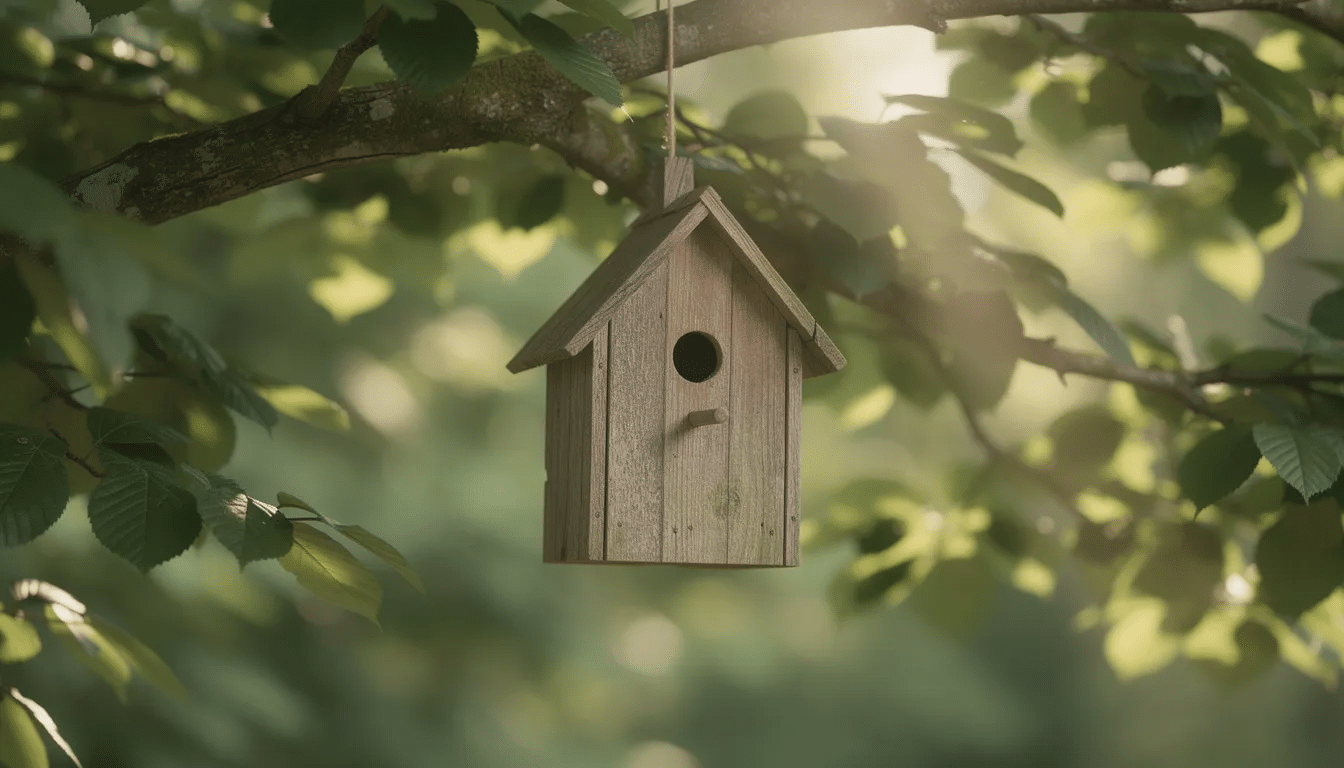
- Whimsical Birdhouses: Build a chandelier birdhouse cluster from thrift store finds, a cedar picket birdhouse planter combination, or budget butterfly houses from fence pickets and scrap wood.
- Bug Hotels: Construct insect habitat from wooden crates filled with drilled logs, hollow stems, pinecones, and natural materials collected on nature walks, or add simple nature stick crafts for kids nearby to turn the area into a mini outdoor classroom. Mount on a fence or freestanding post.
- Wild Corner Setup: Dedicate a small backyard corner to wildlife with a shallow water dish, a toad house made from a tilted clay pot, and dense plantings of native grasses or shrubs for shelter.
- Pollinator Features: Add butterfly feeders near seating areas, plant nectar-rich flowers like coneflowers and bee balm, and leave a small patch of bare soil for ground-nesting bees.
Upcycling & Junk Gardening: Budget-Friendly Ideas
Junk gardening turns cast-offs into character-filled garden art and functional pieces—perfect when you love creative projects but have a tight budget.
- DIY Tire Planters: Paint old tires in bright colors, stack them for height, or hang them as planters for trailing annuals. Wrap with sisal rope for a more polished look.
- Pallet Projects: Create walkways between beds, build ladder-style herb shelves, or construct a rustic potting bench almost entirely from reclaimed pallet wood. Sand thoroughly to avoid splinters.
- Kitchen Junk Decor: Transform cheese graters into owl sculptures, draw ideas from easy owl craft projects for kids, mount vintage teapots on copper tubing as whimsical garden features, or create crystal “watering can” art with faux water streams from beads.
- Concrete and Metal Art: Cast concrete garden globes using thrifted glass lamp globes as molds, create layered concrete jewel vases, or weld small scrap-metal sculptures for industrial charm.
- Furniture Makeovers: Refresh an aluminum chair with colorful paracord weaving, convert an old dresser into a farmhouse-style outdoor bar, or build a DIY hose holder from basic lumber scraps.
Source materials from local thrift stores, yard sales, or your own garage. Seal all painted pieces with outdoor polyurethane for durability through rain and sun.
Lighting, Paths & Comfort Features
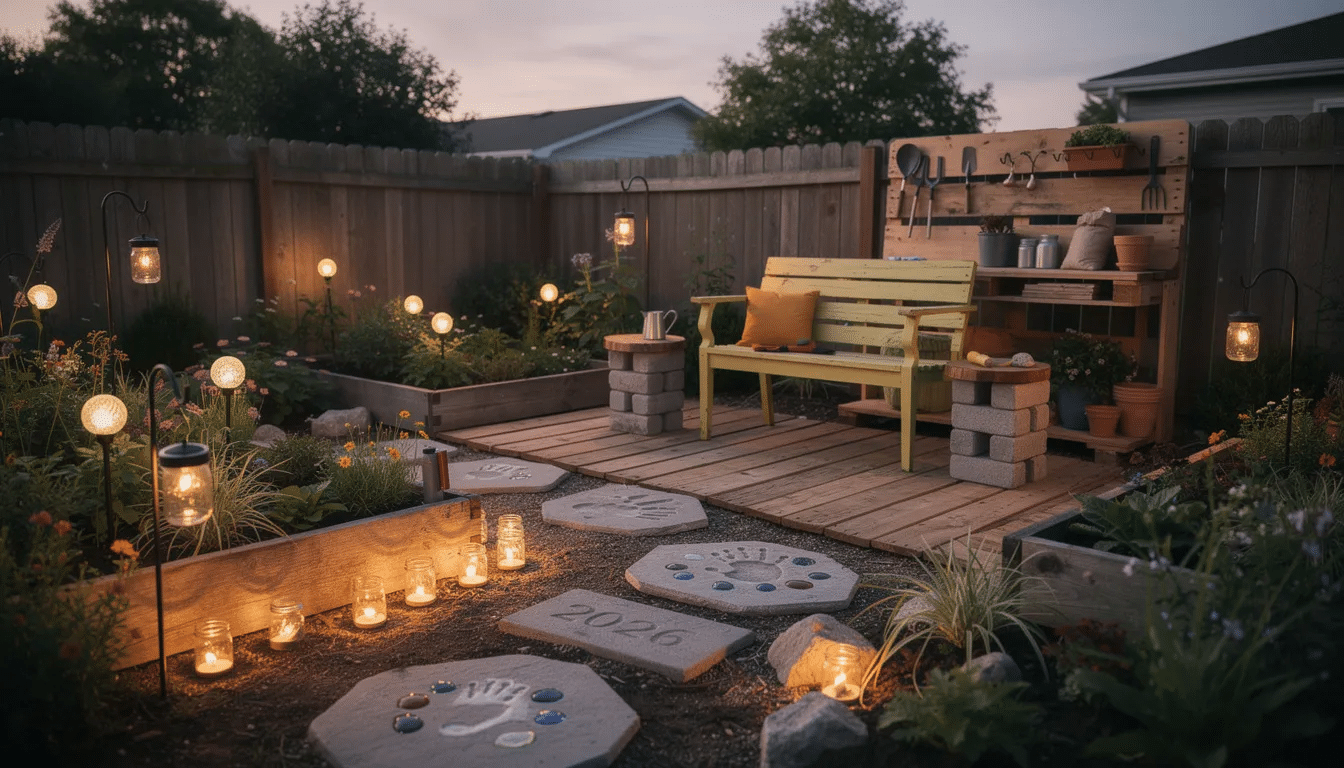
Making your garden enjoyable into the evening transforms it from a work zone into a true living space.
- Solar Mason Jar Lights: Place solar-powered jar lights along paths, cluster on outdoor tables, or hang from shepherd’s hooks. Waterdrop solar globes add magical ambiance to borders.
- Pallet or Scrap-Wood Walkways: Lay weathered pallet boards or scrap lumber between raised beds to keep feet clean and reduce mud tracking after summer storms.
- Embossed Stepping Stones: Pour sand topping mix into molds and let kids decorate with handprints, glass gems, or fossils. Create a 2026-dated stone as a memory marker for your garden projects.
- Seating Upgrades: Repaint old benches with exterior paint, stack pavers and wood rounds for DIY side tables, or build a flower bench that doubles as a plant stand for container garden displays.
- Compact Potting Bench: Construct a small workstation from pallets with hooks for tools and shelves for supplies. This makes planting and maintenance far more comfortable.
Always check surfaces for stability and consider non-slip finishes on walkways that may get wet.
Season Extension & Outdoor Workspaces
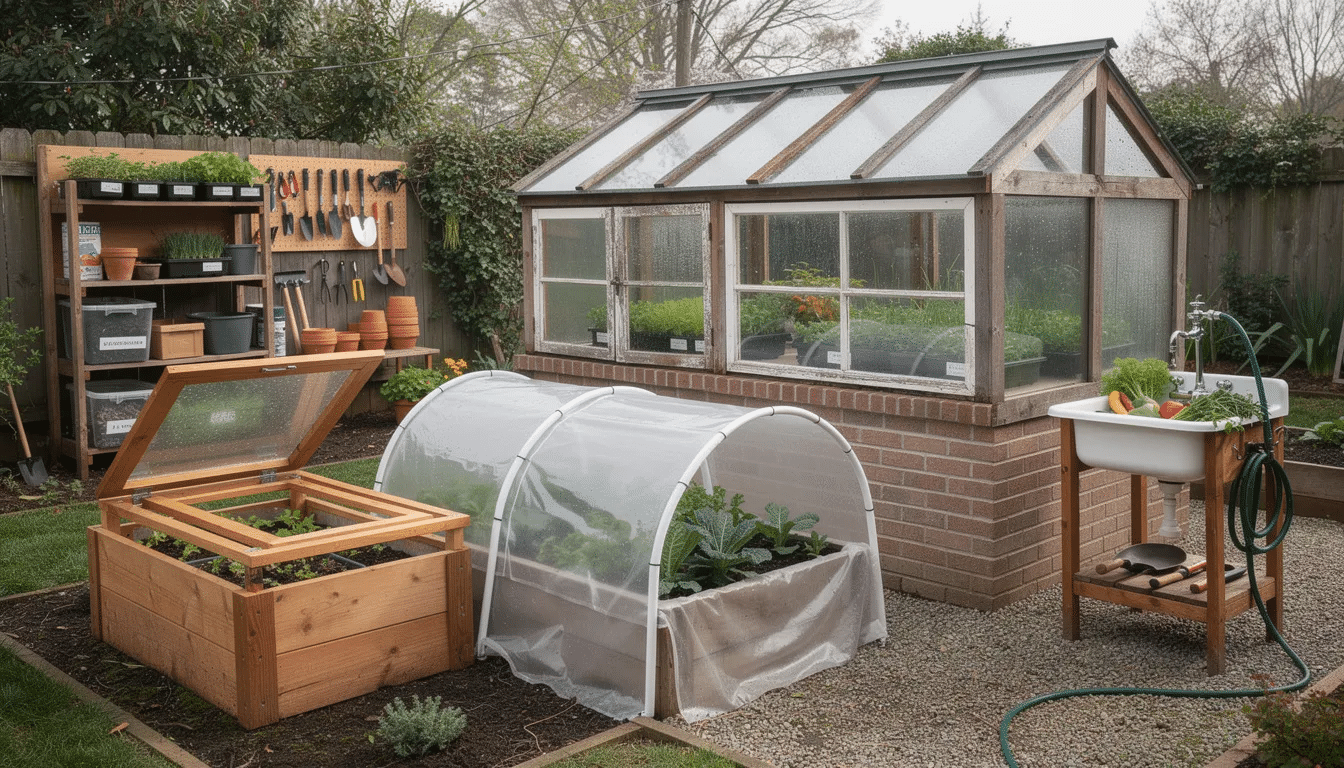
Get more from your growing season with protective structures and functional work areas designed for serious gardeners.
- Raised Bed Cold Frame: Build a hinged frame with clear polycarbonate panels sized to fit a 4×4 raised bed. This simple structure lets you start seedlings weeks earlier and extend fall harvests.
- Fold-Down Mini Greenhouse: Create a lightweight PVC and plastic sheeting cover that lifts for warm days and folds over the bed before frosts in early spring and late fall 2026.
- Advanced Mini Greenhouse: For intermediate builders, construct a permanent structure from bricks, cement, lumber, and reclaimed windows. This weekend project requires basic carpentry skills but lasts for years.
- Outdoor Sink Station: Install a reclaimed sink basin on a basic wooden stand with hose connection. Use it for washing produce, cleaning tools, and rinsing hands without tracking mud inside.
- Potting and Seed-Starting Corner: Set up dedicated shelves, storage bins, and tool hooks in a shaded corner of your garden or garage. Having an organized workspace makes every project easier.
Family-Friendly & Just-For-Fun Garden Projects
The best gardens are shared creative spaces where kids and adults work together—not just places for chores.
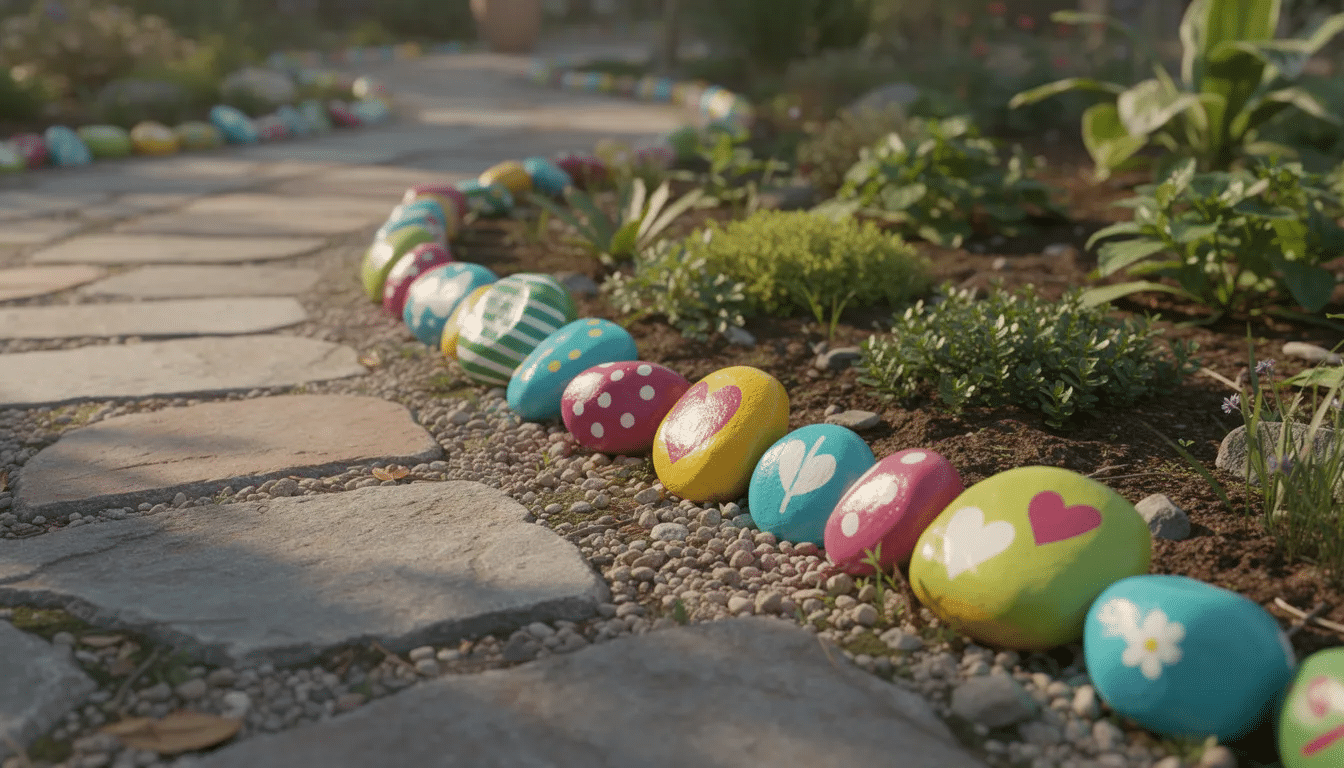
- Kid Crafts: Make air-dry clay garden gnomes, try colorful weekend craft projects, paint rocks for pathway markers, or create DIY stepping stones with handprints and glass gems that become permanent garden memories.
- Whimsical Wildlife Features: Build mushroom bird feeders from bowls mounted on dowels, craft playful butterfly feeders or whimsical dragonfly garden crafts, or paint bright bee hotels as colorful art projects.
- Larger Play Structures: Construct an A-frame playhouse from scrap lumber, build a simple teepee frame from bamboo poles for a reading nook, or plant a bean tunnel that kids can walk through by summer’s end, then use family-themed preschool crafts inside to turn the space into a cozy learning spot.
- Decorative Statement Pieces: Create an extra-large ruler planter for teaching garden measurements, build crystal watering cans, craft shutter angels from architectural salvage, or make faux faucet shepherd’s hooks for hanging baskets.
Choose one or two “just for fun” projects each season to keep the garden joyful and personal—not only productive; a small fairy garden retreat tucked into a corner bed is a great example.
Bringing It All Together: Designing Your 2026 DIY Garden
You don’t need to choose between a productive vegetable patch and a beautiful outdoor space. The best gardens combine food-growing projects, seasonal decor, wildlife features, and upcycled art into one cohesive design.
- Priority Projects for Spring 2026: Pick three main builds—perhaps a raised bed, a vertical trellis, and solar pathway lighting—that establish your garden’s foundation, and consider using DIY project kits if you want all the materials and instructions ready to go.
- Year-Round Timeline: Plan early spring builds (beds, structures), peak summer enhancements (decor, seating), and fall projects (season extension, wildlife prep).
- Maintenance Schedule: Add annual tasks to your calendar—repaint outdoor wood, check fasteners on trellises, replace worn ropes or cords, and clean feeders and bee hotels each fall.
- Document Your Progress: Take photos each season to track how your diy garden evolves. You’ll be amazed at the transformation by December 2026.
Your inspiration is right here, and so are the ideas. Visit your local hardware store’s website, gather materials this week, and pick one project to start Saturday morning. The garden you’ve been imagining is waiting—you just need to build it.