Leftover fabric piles up fast: trimmings from dresses, off-cuts from quilting projects, miscut pieces of fabric, and those “too pretty to throw” bits from previous projects, including old shirts that can be transformed into a little girl’s dress from a shirt. The good news is that easy sewing projects with leftover fabric can help you save money, reduce waste, and turn a crowded scrap bin into useful items.
A scrap fabric project is “easy” when it uses basic skills, finishes quickly, and does not require specialty supplies. The sewing projects below were chosen because they work with different scrap sizes, are beginner-friendly, and create practical results from leftover fabric scraps.
- How We Chose the Best Scrap Fabric Projects
- Top 6 Easy Sewing Projects for Leftover Fabric
- 1. Fabric Scrunchies
- Why It Stands Out
- Best For
- Key Strengths
- Possible Limitations
- 2. Reusable Makeup Wipes
- Why It Stands Out
- Best For
- Key Strengths
- Possible Limitations
- 3. Quilted Coasters
- Why It Stands Out
- Best For
- Key Strengths
- Possible Limitations
- 4. Simple Drawstring Pouches
- Why It Stands Out
- Best For
- Key Strengths
- Possible Limitations
- 5. Baby Bibs
- Why It Stands Out
- Best For
- Key Strengths
- Possible Limitations
- 6. Fabric Bookmarks
- Why It Stands Out
- Best For
- Key Strengths
- Possible Limitations
- Quick Comparison of the Best Scrap Fabric Projects
- How to Choose the Right Scrap Fabric Project
- Which Project Is Best for You?
- Final Thoughts
How We Chose the Best Scrap Fabric Projects
We focused on scrap fabric projects that meet six standards:
- Easy completion for beginners who can sew a straight stitch.
- Flexible sizing for tiny scraps, small scraps, and larger scraps.
- A realistic time investment, usually under 2 hours.
- Practical results, not only decorative items.
- Minimal extras beyond thread, scissors, elastic, batting, or bias tape.
- Forgiving construction, so uneven edges or small mistakes do not ruin the project.
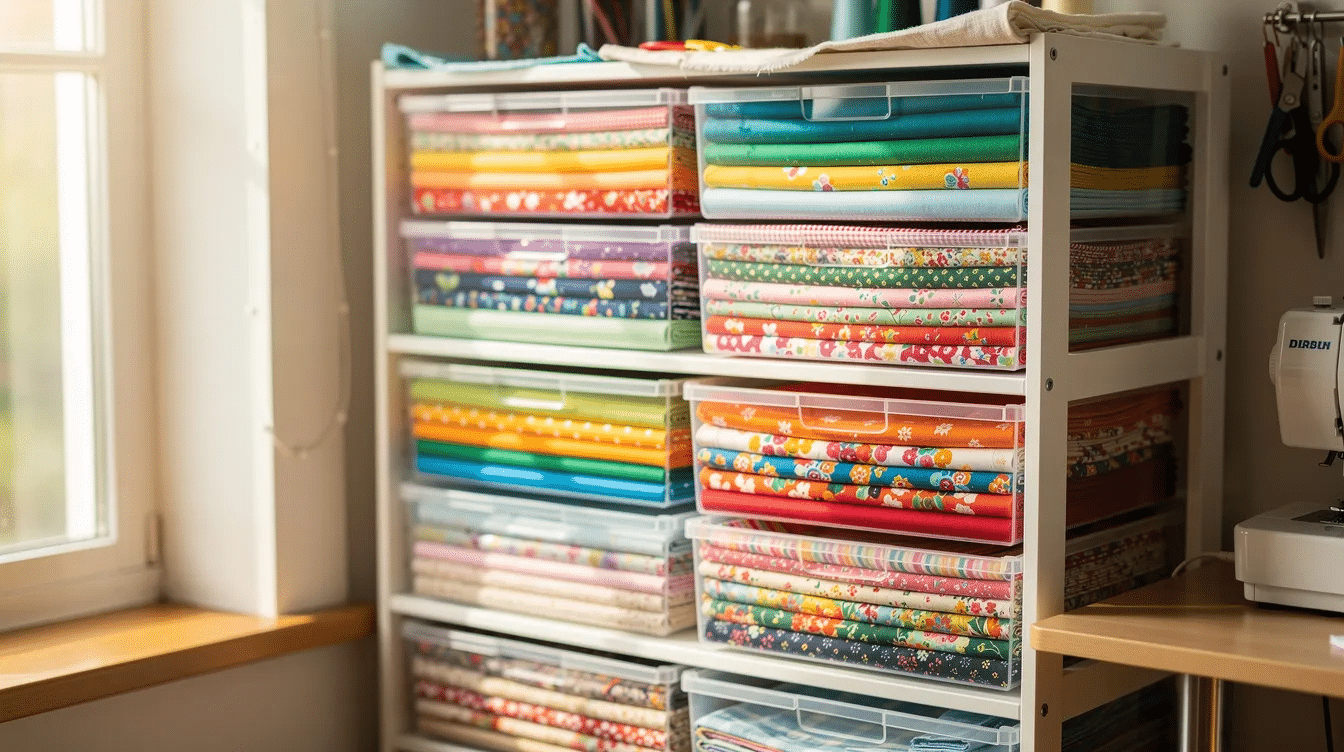
Before you start, organize fabric scraps by color to make it easier to find the right piece for future projects. Clear storage bins or drawers keep fabric scraps visible and accessible. It is recommended to keep fabric scraps that are at least two by two inches in size, as smaller pieces may not be useful for most projects. For larger scraps, such as fat quarter size, fold them and place them in bins sorted by color to maintain an orderly sewing room.
Textile waste is also worth considering. The EPA reported that U.S. municipal solid waste included about 17 million tons of textiles in 2018, with only around 14–15% recycled. Using scraps to make new fabric, gifts, and home decor is a small but meaningful way to reduce fabric waste.
Top 6 Easy Sewing Projects for Leftover Fabric
1. Fabric Scrunchies
Fabric scrunchies are made from a fabric tube gathered around elastic. Scrunchies require a thin strip of fabric and a few inches of elastic to make, which makes them ideal when you have long fabric strips left over.
Why It Stands Out
This is a quick and easy project because you simply cut a rectangle, sew one long seam, turn the tube, insert elastic, and stitch the ends closed.
Best For
Absolute beginners, kids learning to sew, anyone with a favorite fabric print, and anyone wanting a 15-minute fun project.
Key Strengths
- Uses leftover fabric pieces as small as 4×18 inches.
- Requires only straight stitching.
- Makes super cute small accessories, hair clips embellishments, or a perfect gift.
Possible Limitations
Scrunchies work best with lightweight cotton, silky fabric, or soft knits. Heavy scrap fabric can feel bulky, and this project will not use up larger scraps quickly.
2. Reusable Makeup Wipes
Reusable makeup wipes turn small squares of cotton, flannel, or terry cloth into washable beauty pads. Leftover fabric can be used for quick and budget-friendly sewing projects like this because the pieces are tiny and the construction is simple.
Why It Stands Out
They are a practical zero-waste alternative to disposable pads. Simply cut two small squares, place them together, and finish the edges with a zigzag, serger, or tight straight stitch.
Best For
Eco-conscious crafters, anyone with soft cotton scraps, and sewists who want scraps to make something useful.
Key Strengths
- Uses scraps as small as 4×4 inches.
- Works well in batches.
- Creates daily-use items from small fabric scraps.
Possible Limitations
Best results require soft, absorbent fabric. Slippery or scratchy scraps of fabric are better saved for fabric flowers, mini bunting, fabric covered buttons, or decorative pillows.
3. Quilted Coasters
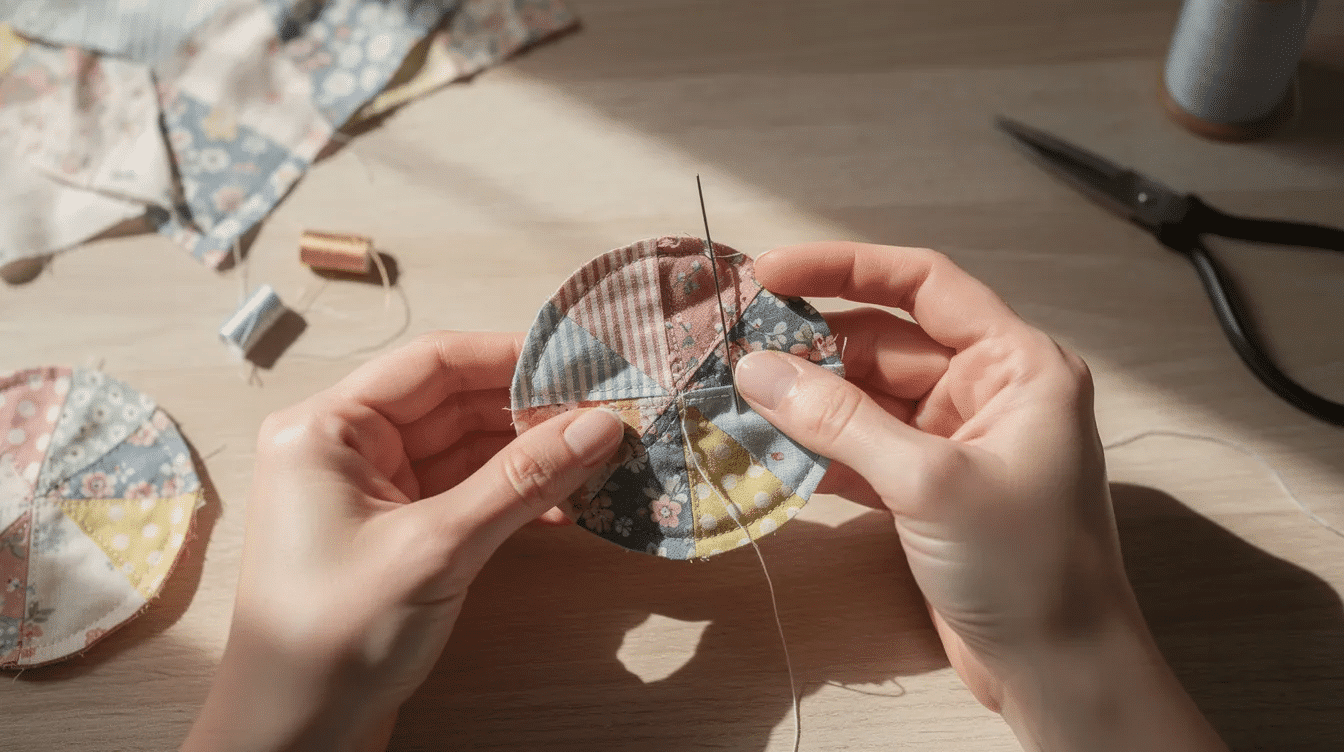
Coasters are a simple and quick project that can be made from fabric scraps, allowing for creative designs and color combinations. Add batting between a top and backing layer, then quilt straight lines across the surface.
Why It Stands Out
Quilted coasters teach basic patchwork and quilting without the commitment of a full quilt. They are also closely related to mug rugs, which are slightly larger and useful beside a coffee cup.
Best For
Beginners who want to try quilting projects, crafters with 5–6 inch fabric pieces, and anyone making home decor.
Key Strengths
- Uses batting scraps along with fabric pieces.
- Turns small pieces into coordinated sets.
- Makes a great gift for hosts, teachers, or coworkers.
Possible Limitations
You need batting or another heat-safe middle layer. Binding the edges takes more time, but leftover bias tape or fabric strips work well.
4. Simple Drawstring Pouches
Simple drawstring pouches are useful for travel, storage, party favors, and reusable gift bags. Reusable gift bags can be made by sewing simple drawstring bags or fabric pouches.
Why It Stands Out
Pouches maximize larger leftover pieces while teaching seams, casing, and drawstring finishing. They are more functional than many small decorative items.
Best For
Sewers with pieces around 8×10 inches or larger, gift-makers, and anyone who wants practical storage.
Key Strengths
- Great project for larger scraps.
- Teaches casing and wrap-style closures.
- Useful for jewelry, chargers, doll clothes, cat toys, or small notions.
Possible Limitations
This is not ideal for very small pieces. You also need cord, ribbon, fabric yarn, or fabric twine. Fabric twine can be created by cutting or ripping scraps into strips and tying them together end-to-end.
5. Baby Bibs
Baby bibs turn medium scraps into useful baby accessories. They usually combine an absorbent cotton front with a backing layer.
Why It Stands Out
Bibs are practical, personal, and excellent for gift-giving. They also introduce curved seams, topstitching, and binding in a manageable format.
Best For
New parents, baby shower makers, and sewists ready to practice curves.
Key Strengths
- Uses 8–12 inch fabric pieces well.
- Helps build confidence with a pattern.
- Pairs nicely with fabric napkins or burp cloths.
Possible Limitations
Bibs require bias tape, binding strips, snaps, or hook-and-loop tape. They also work best with absorbent cotton fabric rather than stiff synthetics.
6. Fabric Bookmarks
Fabric bookmarks are narrow stitched strips that showcase a beautiful print. They are one of the fastest ideas for leftover fabric.
Why It Stands Out
They use long strips as narrow as 2×8 inches and need only basic straight stitching. Add interfacing if you want a firmer finish.
Best For
Complete beginners, readers, teachers, and anyone with special scraps from meaningful projects.
Key Strengths
- Uses strips and small pieces efficiently.
- Lets you create a polished item quickly.
- Works well as a perfect gift tucked inside a book.
Possible Limitations
Bookmarks are less functional than pouches or bibs. For durability, finish the edges neatly or add interfacing.
Quick Comparison of the Best Scrap Fabric Projects
Project | Best Use | Typical Scrap Size | Time |
|---|---|---|---|
Fabric Scrunchies | Absolute beginners and tiny scraps | 4×18 in | 15–20 min |
Reusable Makeup Wipes | Eco-friendly cotton scraps | 4×4 in | 5–10 min each |
Quilted Coasters | Learning quilting basics | 5×5 in | 15–30 min each |
Simple Drawstring Pouches | Larger scraps and storage | 8×10 in+ | 30–45 min |
Baby Bibs | Gifts and curved seams | 8–12 in | 1–1.5 hrs |
Fabric Bookmarks | Special prints and strips | 2×8 in | 5–10 min |
A few extra project ideas are worth saving for more posts: lavender sachets are made by filling stitched squares with dried lavender; zipper pouches are quick and easy to make, requiring only about a fat quarter’s worth of fabric; and fabric flowers can be made from small scraps and are perfect for embellishing clothing or accessories. Common scrap fabric projects include making fabric flowers, mini bunting, and decorative pillows, which can utilize even the smallest pieces of fabric, and they pair well with colorful craft ideas for a fun weekend that use upcycled materials and simple techniques. |
How to Choose the Right Scrap Fabric Project
Choose Based on Scrap Size
Match the project to the pile. Tiny scraps and very small pieces can become stuffing, appliqué, fabric flowers, yo yo decorations, a pin cushion, or fabric covered buttons with mod podge accents. Fabric scraps can be a great eco-friendly alternative to store-bought stuffing, as they help reduce waste and repurpose leftover materials. To use fabric scraps as stuffing, simply cut or shred them into small pieces for filling items like pincushions, stuffed ornaments, and soft toys. Different types of fabric scraps will affect the texture of the stuffing; for example, cotton scraps create a firmer fill, while softer fabrics like fleece or felt result in a fluffier feel.
Medium scraps suit coasters, makeup wipes, a glasses case, patchwork blocks, or even a simple fabric kite craft for kids. Larger scraps work best for pouches, bibs, fabric napkins, and zipper pouches.
Choose Based on Skill Level
If you are brand new, choose bookmarks, wipes, or scrunchies. If you can sew steady seams, try coasters or a pouch. If you want to grow, choose bibs, patchwork, or simple bag patterns that introduce curves and finishing.
Using fabric scraps for projects not only reduces waste but also encourages creativity, as limited materials can lead to unique designs.
Choose Based on Time Available
For 15 minutes, make a scrunchie, bookmark, or a few wipes. For an hour, create a coaster set or small pouch, or experiment with turning a favorite photo into an appliqué to personalize quilts or bags. For 1–2 hours, make baby bibs, mug rugs, or several reusable gift bags, or work on festive holiday crafts and handmade decorations that use your fabric stash for seasonal projects.
Which Project Is Best for You?
Choose scrunchies if you want the fastest project with guaranteed success. Choose makeup wipes if you prioritize eco-friendly, practical everyday items. Choose coasters if you want to learn quilting while creating home decor. Choose pouches if you have larger scraps and want maximum functionality. Choose bibs if you enjoy gift-making and want to practice new techniques. Choose bookmarks if you want to showcase beautiful fabric with minimal effort.
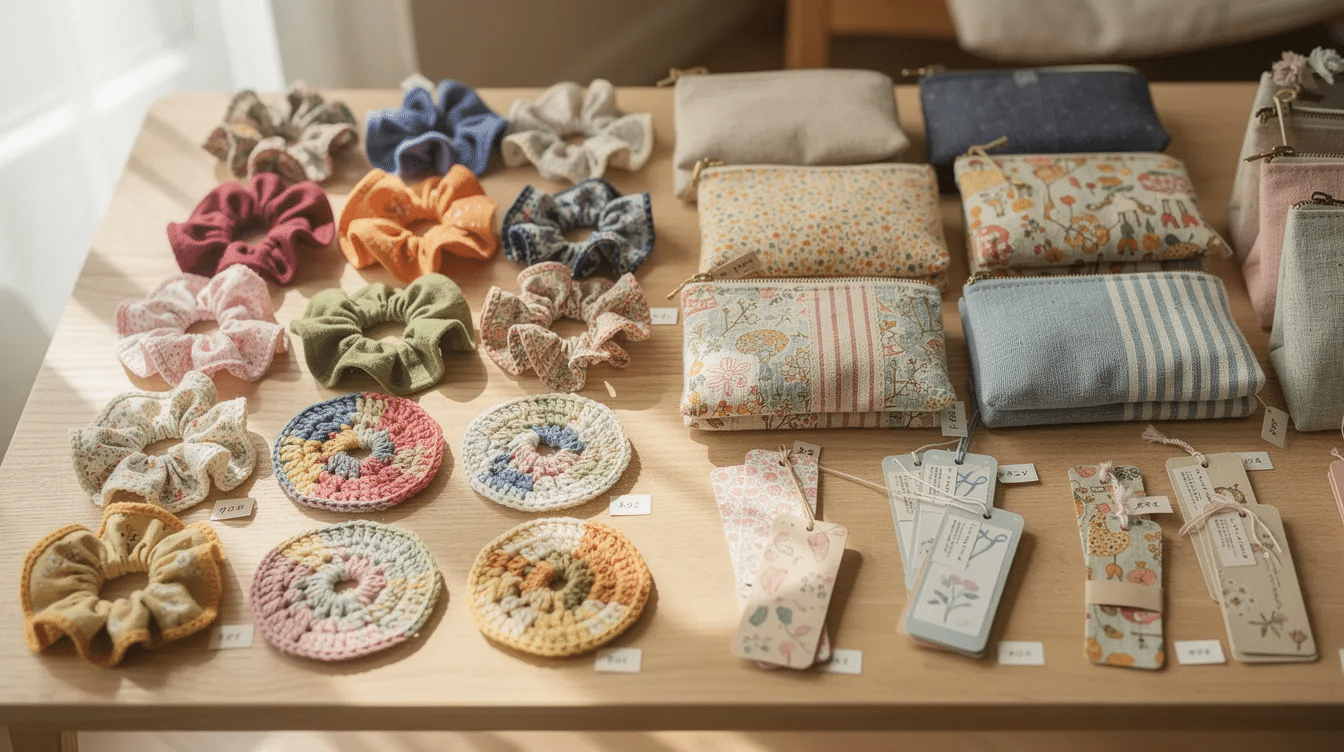
Fabric scraps can be transformed into a variety of projects including patchwork quilts, fabric flowers, and small accessories like zipper pouches and coasters.
Final Thoughts
The best easy sewing projects with leftover fabric depend on your materials, time, and goals. Start with an easy project, build confidence, and then move into more creative ways to use scraps.
Whether you create a bookmark, pouch, quilt block, or fabric flower, each stitch keeps useful material out of the waste stream. Pick one idea from your scrap bin today and make something small, useful, and so much fun.