
Hey there—if you’ve noticed crochet popping up everywhere from fashion runways to your social media feed, you’re not imagining it. Handmade crochet has made a remarkable comeback, and for good reason. Unlike machine-made textiles, each handmade piece is crafted stitch by stitch using a single hook to interlock loops of yarn, creating fabric with distinct texture, warmth, and character that simply can’t be replicated by automated production.
Since around 2020, the global revival of crochet has accelerated rapidly. Tied to slow fashion movements, DIY culture, and the explosion of craft videos on TikTok and Instagram, crochet has transformed from a nostalgic hobby into a modern trend. Reports show that #CrochetTok alone has garnered over 2.5 billion views, with millions discovering the joy of creating beautiful things by hand.
This post explores the world of handmade crochet—from its rich history to practical styling tips, home décor ideas, and guidance on supporting ethical artisans. Whether you’re looking to add a unique piece to your wardrobe, find the perfect gift, or simply enjoy learning about this heritage craft, there’s something here for you. I hope you’ll discover why so many people have fallen in love with the artistry of handmade crochet.
The Art and History of Crochet
Understanding crochet’s history reveals that this isn’t just a passing trend—it’s a heritage craft with deep roots across cultures and continents.
Crochet as we know it crystallized in early 19th-century Europe. The Dutch magazine Penélopé published the first explicit crochet patterns in 1823, and by the 1840s, pattern books were spreading across England, France, and Germany. Perhaps the most significant chapter came during Ireland’s Great Famine (1845-1852), when Irish crochet lace became an economic lifeline for impoverished women who produced delicate motifs for export. This wasn’t just survival work—it elevated crochet into a cultural staple with lasting influence.
From Europe, crochet techniques spread globally. Artisans in India, Nepal, Eastern Europe, and Latin America adapted patterns to reflect local motifs, colors, and traditions. Today, you can find:
- Indian artisan crochet featuring vibrant cotton pieces with natural dyes
- Nepalese wool work incorporating traditional mountain motifs
- Latin American designs blending indigenous patterns with European techniques
Techniques like granny squares, lace trims, and filet crochet developed over time and remain foundational in modern handmade pieces. What makes contemporary handmade crochet special is how it blends this tradition with sustainable values and fresh designs—honoring the past while creating something entirely new.
Handmade Crochet Apparel
Handmade crochet apparel offers something mass-produced clothing simply cannot: texture, visual interest, and individuality. For both women and men, options range from cardigans and crop tops to dresses, vests, and sweaters—each piece carrying the mark of human hands.
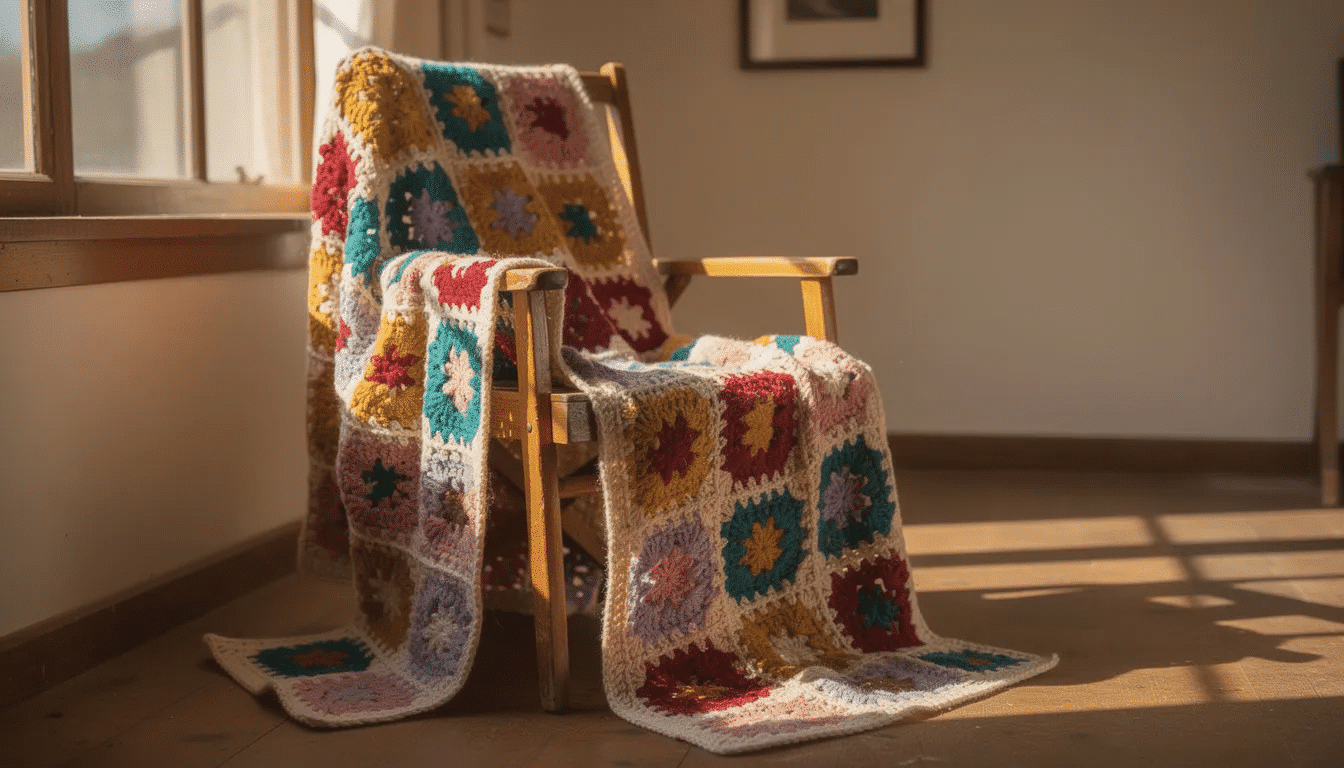
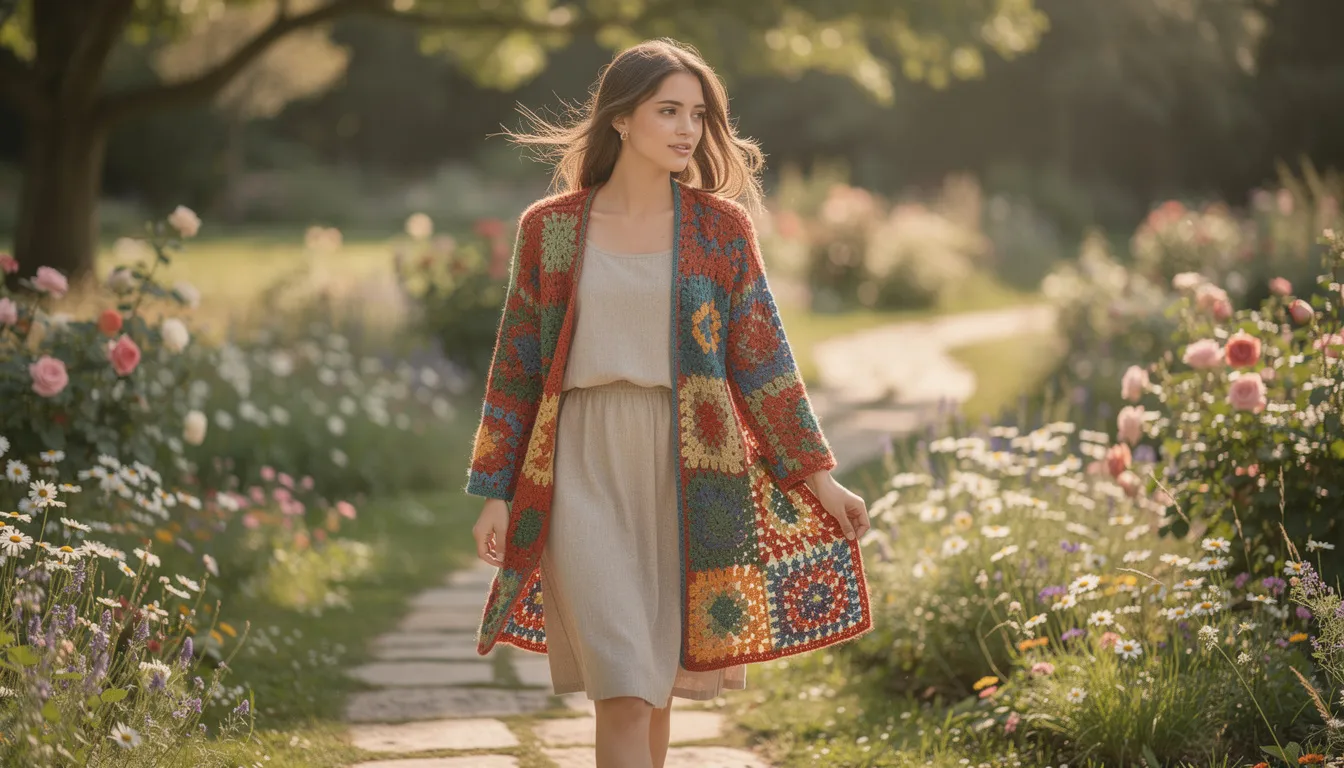
Granny square garments have become iconic in the handmade crochet world. These vivid color-block designs feature patchwork construction where individual squares are joined together, making every item one-of-a-kind. No two granny square cardigans are ever exactly alike, which is precisely the point.
Many artisan studios in regions like India and Nepal produce hand-crocheted apparel using cotton, wool, and natural-dyed yarns. Natural dyes—turmeric for golden yellows, madder root for warm reds, and pomegranate peels for earthy tones—add depth and character that synthetic dyes can’t match.
Crochet layers work perfectly for transitional seasons. In spring and autumn, a crochet cardigan offers breathable warmth that pairs beautifully with jeans, flowy skirts, or casual dresses. Here are some standout product examples you might find when you shop for handmade crochet apparel:
Item | Description | Best Season |
|---|---|---|
Granny square cardigan | Multicolor patchwork, relaxed fit | Spring/Autumn |
Crochet bralette top | Delicate openwork pattern, cotton yarn | Summer |
Wool crochet vest | Neutral tones, chunky texture | Winter |
Crochet maxi dress | Boho-inspired, natural dyes | Summer |
 |
Styling Handmade Crochet in Everyday Outfits
Let’s get practical—here’s how to actually wear handmade crochet in real life.
Outfit ideas to try:
- Spring brunch look: Layer a cream crochet cardigan over a linen midi dress. Add simple sandals and minimal jewelry for an effortlessly elegant vibe.
- Street style 2024: Pair a colorful granny square vest over a crisp white shirt tucked into high-waisted jeans. This combination is fun, bold, and perfectly on-trend.
- Evening outfit: Style a black crochet crop top with high-waisted wide-leg trousers and statement earrings for a sophisticated night out.
The key to styling crochet is balance. Since crochet has significant texture, complement it with simpler fabrics like denim, linen, and plain cotton to avoid visual overload.
Quick care notes when styling:
- Avoid snagging on zippers, watches, or chunky jewelry
- Consider wearing a camisole under open-stitch tops for comfort and modesty
- Store pieces flat or folded—never on hangers that can stretch the fabric
Handmade Crochet Home Décor
Handmade crochet can transform your living spaces, adding warmth, personality, and a sense of intentional design that mass-produced home goods simply can’t replicate.
Here’s what you might find when exploring crochet home décor:
- Throw blankets – Cozy granny square designs in rainbow hues or muted neutrals
- Cushion covers – Textured accent pieces that add depth to sofas and beds
- Table runners – Elegant cotton pieces perfect for dining tables
- Plant hangers – Macramé-inspired crochet holders for trailing greenery
- Coasters – Cute, practical sets in seasonal colors
- Wall hangings – Artistic fiber pieces that serve as focal points
Imagine a multicolor granny square throw draped across your sofa, a neutral cotton table runner for Sunday dinners, or a set of sage green coasters for your spring 2025 table setting. These pieces add soul to a home, much like other colorful craft ideas for a fun weekend that bring personality and playfulness into everyday spaces.
Color palette ideas for current interior trends:
Style | Suggested Colors |
|---|---|
Modern boho | Earthy terracotta, sage green, cream |
Minimalist | Monochrome black, white, gray |
Coastal | Soft blues, sandy beige, white |
Eclectic | Bold jewel tones, mixed brights |
Seasonal and Festive Crochet Décor
Crochet adapts beautifully to holidays and seasons throughout the year, making it perfect for festive decorating alongside other DIY holiday crafts and handmade decorations.
Seasonal project ideas:
- Christmas 2026: Mini crochet baubles, star ornaments, and tiny stockings for the tree
- Autumn: Pumpkin-shaped coasters, harvest-toned table runners
- Spring/Easter: Pastel bunting, egg cozies in soft yellows and pinks
- Valentine’s Day (February): Heart-shaped garlands, romantic rose-toned throws
Small festive items like mini ornaments and coasters make approachable starter projects for beginners. They’re also perfect handmade gifts that show real thought and effort—something you’d be proud to give or receive.
Crochet Accessories and Everyday Essentials
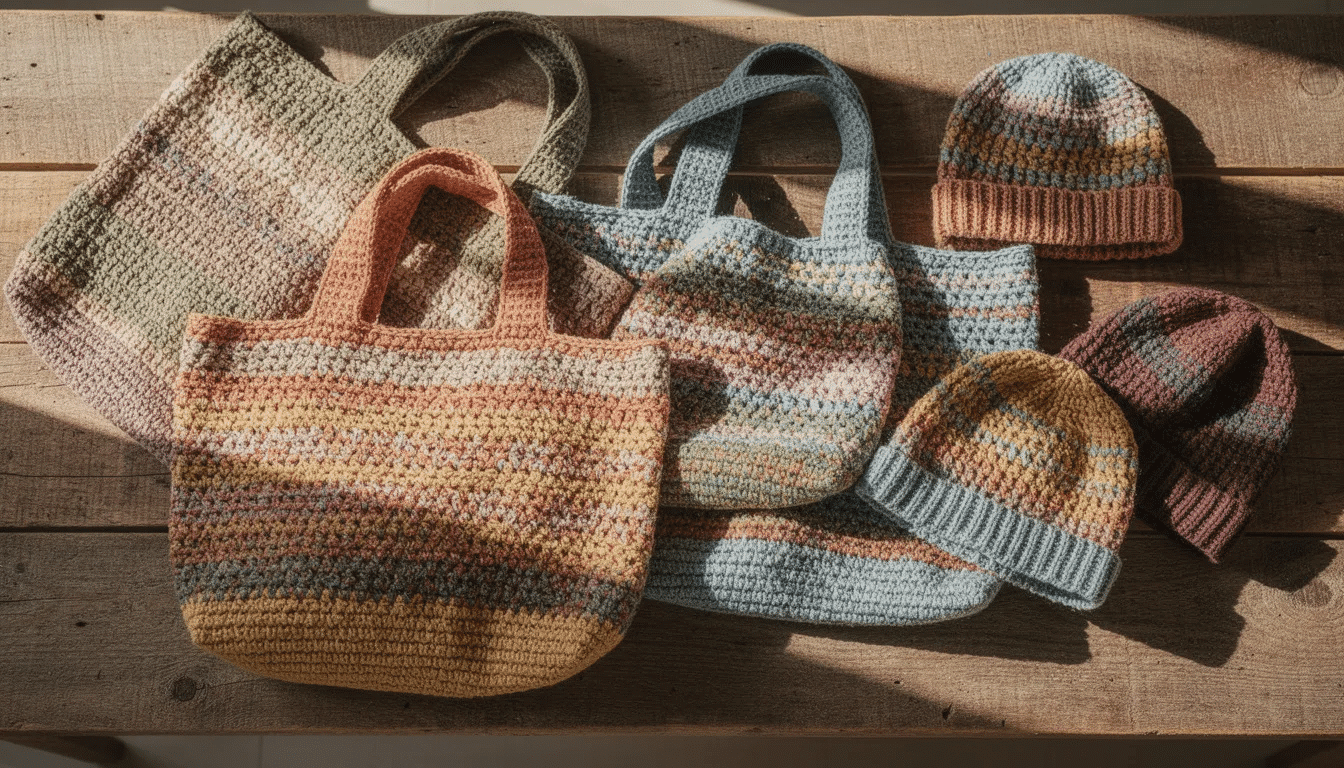
Accessories offer a practical way to enjoy handmade crochet daily, even if full crochet outfits aren’t your thing. These smaller pieces let you appreciate artisan work without a major wardrobe commitment.
Popular crochet accessory options:
Accessory | Function | Why It Works |
|---|---|---|
Beanies | Warmth in cold weather | Soft, stretchy, customizable colors |
Headbands | Keep hair back stylishly | Breathable, washable cotton options |
Scarves | Layer for added warmth | Textured, lightweight, versatile |
Fingerless gloves | Keep hands warm while typing | Practical for work and outdoor activities |
Tote bags | Carry essentials | Durable, stretchy, statement-making |
Market bags | Grocery shopping | Reusable, plastic-free, expandable |
Phone pouches | Protect devices | Cute, padded, easy to find in a bag |
Sustainable items like cotton crochet produce bags and large market totes have become popular as plastic-free shopping alternatives. They’re ideal for weekly grocery trips or farmers’ market runs—and they last for years with proper care. |
Small accessories are more affordable entry points into artisan-made crochet. They’re easy to gift, collect in multiple colors, and order when you want to support independent makers without a major investment.
Handmade Crochet Gifts
Handmade crochet gifts feel personal and thoughtful because each piece represents time, skill, and intention. Every stitch is work done by human hands—not a machine.
Gift ideas by occasion:
- Birthdays: A set of cotton washcloths with a matching soap saver in the recipient’s favorite color
- Christmas: A cozy lap blanket for grandparents who deserve extra warmth
- Mother’s Day: A delicate crochet shawl or infinity scarf
- Housewarmings: Kitchen accessories like pot holders and dish towels
- Baby showers: Soft blankets, booties, or cute amigurumi toys
Personalized details make each gift unique. You can request specific colors, add initials, or choose stitch patterns that have meaning. When you order from artisan makers, many offer customization options that let you create something truly one-of-a-kind. That personal touch is what gets announced to everyone when the gift is opened—proof that you cared enough to find something special.
Materials, Techniques, and Skill Levels
Understanding yarns, hooks, and stitches helps you appreciate the work behind every handmade crochet piece—whether you’re buying, learning, or simply curious.
Common yarn choices:
Material | Best For | Qualities |
|---|---|---|
Cotton | Dishcloths, summer tops | Breathable, washable, durable |
Wool | Winter garments, blankets | Warm, elastic, naturally insulating |
Alpaca blends | Luxury scarves, sweaters | Ultra-soft, lightweight warmth |
Bamboo/linen | Eco-friendly pieces | Sustainable, breathable, silky texture |
Basic crochet techniques in plain terms: |
- Chain stitch – Foundation for most projects; creates a flexible starting row
- Single crochet – Tight, dense stitches; great for sturdy items
- Double crochet – Taller stitches with more drape; faster to work
- Slip stitch – Joins pieces or creates smooth edges
- Granny square – Modular square worked in rounds; the building block of many designs
Projects are typically labeled by skill level. Here’s what that looks like in practice:
Level | Example Project | Time Estimate |
|---|---|---|
Beginner | Simple scarf or dishcloth | 3-5 hours |
Intermediate | Granny square blanket | 30-50 hours |
Advanced | Lacy cardigan with shaping | 80+ hours |
The form and density of each piece depends on hook size, yarn weight, and the maker’s passion for precision. That’s why handmade crochet has such character—it reflects individual artistry in every row. |
Care and Longevity of Handmade Crochet Items
Proper care protects the time and skill invested in each handmade piece. With attention, crochet items can last for decades—even becoming heirloom pieces passed down through families.
General care guidelines:
- Gentle handwashing or delicate machine cycles in cool water
- Use mild detergent without harsh chemicals
- Flat drying on a clean towel to maintain shape and prevent stretching
- Reshape while damp if needed
Specific cautions:
- Avoid high heat in dryers—it can shrink wool and damage fibers
- Store wool items with cedar or lavender sachets to deter moths
- Never hang heavy crochet garments to dry; gravity will stretch them out
- Keep items away from direct sunlight to prevent fading
Well-cared-for crochet pieces genuinely last. Many families still use blankets made by grandmothers decades ago—added proof that handmade quality stands the test of time.
Supporting Artisans and Choosing Ethical Handmade Crochet
When you buy handmade crochet, you’re not just getting a product—you’re supporting fair wages, preserving traditional skills, and reducing fast-fashion waste. That choice matters.
What to look for when shopping:
- Information about who made the piece and where it was crafted
- Details about how artisans are paid (fair trade certifications are a good sign)
- Transparency about materials and production methods
- Stories about the artisan communities involved
Priorities for ethical purchasing:
Priority | Why It Matters |
|---|---|
Small businesses | Keep money in local/artisan economies |
Independent makers | Support individual livelihoods |
Fair-trade cooperatives | Ensure equitable wages and conditions |
Regional traditions | Sustain heritage techniques |
Ethical choices help sustain regional crochet traditions, empower women artisans (who historically have been crochet’s primary practitioners), and keep heritage techniques alive for future generations. When you visit a maker’s website, look for their story—it’s often a sign they value transparency. |
Every time you choose authentic handmade crochet over mass-produced imitations, you cast a vote for a more sustainable, human-centered economy. The pieces may cost more than fast-fashion alternatives sold at big-box stores, but they carry something priceless: the mark of someone’s hands, time, and creative passion.
Ready to explore handmade crochet? Find a local artisan, browse ethical online shops, or even try your own beginner project. Join the millions who’ve discovered that crochet isn’t just a craft—it’s a way to bring intention, beauty, and warmth into everyday life. Your next perfect piece is waiting.