Key Takeaways
- A sensory bottle is a sealed clear container with a liquid filler and objects toddlers can shake, roll, and watch; it works at home, in the car, in preschool, or during quiet transitions.
- This guide shows how to make a sensory bottle for toddlers with only a few materials, including reused plastic bottles, clear glue, baby oil, corn syrup, glitter, water beads, and pom poms.
- Safety comes first: use sturdy plastic, keep loose choking hazards away from kids under 3, supervise sensory play, and glue every lid shut before use.
- You’ll get step by step directions for a starter bottle, glitter calm down jars, a water bead color bottle, and a pom pom discovery bottle.
- The FAQ covers leaks, mold, age safety, how long diy sensory bottles last, and whether they help children self regulate.
What Is a Sensory Bottle (and Why Toddlers Love Them)?
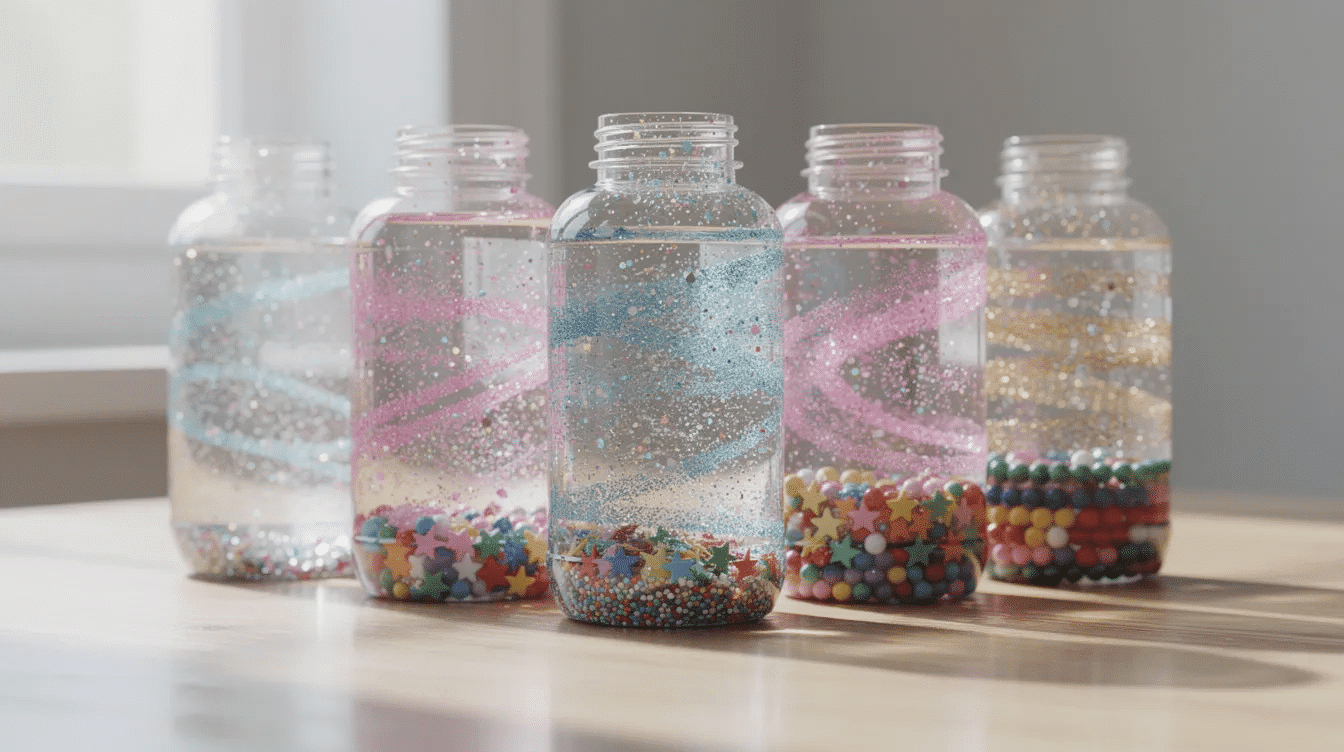
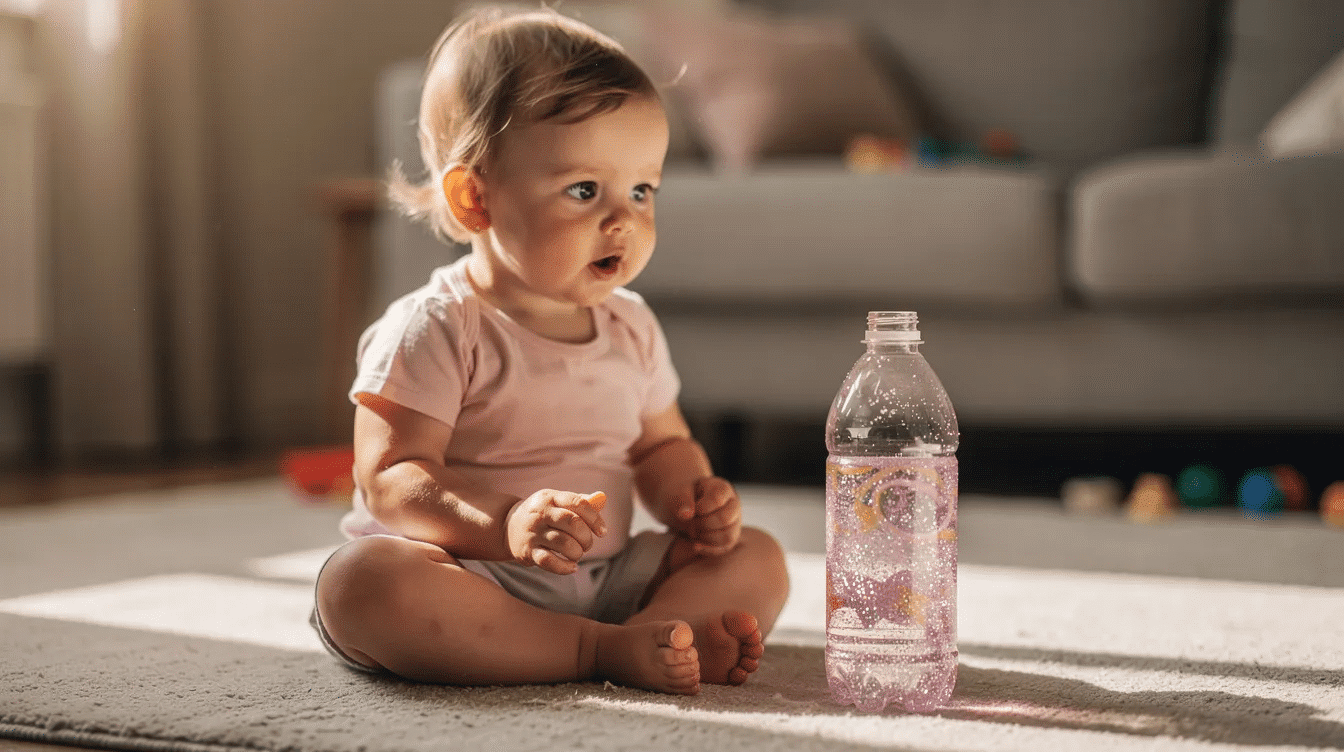
A sensory bottle is a sealed plastic bottle filled with liquid and small objects that toddlers can shake, squeeze, roll, and watch. Glitter swirling, water beads floating, or pom poms tumbling gives calming sensory input and can captivate children’s attention, including children with autism and other sensory needs.
- Sensory bottles provide a calming effect that can help children self-regulate their emotions and sensory input.
- Using sensory bottles can help improve focus and attention in children, making them useful in educational settings.
- They support color naming, cause-and-effect learning, and attention span.
- They are a cleaner alternative to bins, sand trays, or messy goo.
- They help in waiting rooms, long rides, bedtime routines, and early childhood classrooms.
- Choosing the Right Bottle for Toddler Sensory Play
- Basic DIY Sensory Bottle: Simple Step‑by‑Step Instructions
- Popular Sensory Bottle Fillers (Wet and Dry Ideas)
- Step‑by‑Step: Glitter Calming Sensory Bottle
- Step‑by‑Step: Water Bead Sensory Bottle for Color Exploration
- Step‑by‑Step: Pom Pom & Bead Discovery Bottle
- Safety, Maintenance, and When to Replace Sensory Bottles
- FAQ
Choosing the Right Bottle for Toddler Sensory Play
Bottle choice matters because small hands need a light, sturdy, easy-grip container. Sturdy, clear plastic bottles are recommended for creating sensory bottles for toddlers.
- Choose an 8–12 oz water bottle, 330 ml juice bottle, clear craft bottles, or voss bottles.
- Use plastic, not glass, for floor play and tossing; when creating sensory bottles, it’s important to choose a clean and clear bottle, which can be made from materials like plastic or glass, depending on the desired weight and sturdiness.
- Start with a clean and clear bottle, and consider using Goo Gone to remove labels, sticky residue, and goo.
- Check cracks, threads, and whether the lid screws tightly.
- You can find containers at a thrift store, dollar store, craft aisle, or recycling bin.
Basic DIY Sensory Bottle: Simple Step‑by‑Step Instructions
This starter recipe is the base for many diy sensory bottles and helps you learn the process before creating your own sensory bottles.
Materials: empty water bottle, warm water, clear glue or light corn syrup, glitter or sequins, funnel, super glue or hot glue.
- Wash and dry the bottle completely.
- Fill it halfway with warm water; avoid hot water around a child.
- Add clear glue or corn syrup and mix until the liquid slows.
- Add glitter, beads, or other items.
- Top up with water, leaving room at the top.
- Test the movement: more glue slows objects; more water makes them move faster.
- Dry the rim, add super glue or hot glue inside the lid, screw it on, and let the seal cure.
Common base liquids for sensory bottles include warm water, clear glue, baby oil, and light corn syrup.
Popular Sensory Bottle Fillers (Wet and Dry Ideas)
Most bottles use a combination of liquid and dry fillers. Changing the materials changes how fast objects move and how the senses respond.
- Liquid filler options: plain water, colored water, mineral oil, baby oil, glycerin, cooking oil, liquid soap, clear glue, glitter glue, hair gel, corn syrup, and liquid watercolor.
- When creating a sensory bottle, you can use a variety of liquid fillers such as water, colored water, mineral oil, or baby oil to achieve different effects.
- Water gives a fast swirl; clear glue, glycerin, or corn syrup creates a slow lava-lamp effect; baby oil and water separate into bubbles.
- Dry fillers for sensory bottles can include items like fine glitter, sand, beads, rice, and small toys, providing a variety of textures and visual effects.
- Fillers for sensory bottles can include glitter, sequins, pony beads, small toys, pom-poms, buttons, loom bands, or natural items like shells.
- Dry fillers for sensory bottles can include items like fine glitter, beads, or small toys, allowing for endless creative possibilities.
- Avoid sharp metal, fresh food, tiny parts, or anything that can dissolve into sludge.
Step‑by‑Step: Glitter Calming Sensory Bottle
A calming effect can be created in a sensory bottle by filling it with warm water, clear glue, and glitter. These calm down jars are great before naps or bedtime.
Supplies: 10 oz clear bottle, 1/2 cup warm water, 1/2 cup clear glue, 2–3 teaspoons glitter, a few drops of liquid watercolor or food coloring, and strong glue.
- Pour warm water and clear glue into the bottle.
- Cap and shake to mix.
- Add glitter, then add a few drops of color; blue food coloring with silver glitter makes a night-sky glow.
- Add water until nearly full, leaving a small air gap.
- Watch how fast the glitter falls. Add more clear glue for slower movement or water for faster movement.
- Seal the lid securely with super glue or a hot glue gun and let it dry.
Themes make it fun: ocean blue, rainbow unicorn, autumn gold, or starry night.
Step‑by‑Step: Water Bead Sensory Bottle for Color Exploration
Water beads are colorful spheres that bounce and float, but they require extra care. The CPSC warns about ingestion risks, so supervise closely and seal well.
Materials: clear bottle, 1 tablespoon dry water beads, bowl, cold water, funnel, plain water or baby oil, and glue.
- Soak water beads in plenty of cold water for 4–6 hours or overnight.
- Sort colors before filling.
- Use a funnel to pour hydrated beads into the bottle.
- Add plain water or water plus baby oil for separation and slow motion.
- Ask: “Find a blue bead” or “Count three red beads.”
- Seal and store out of sunlight to reduce clouding.
Step‑by‑Step: Pom Pom & Bead Discovery Bottle
This lightweight bottle is ideal for toddlers who drop or roll toys often.
Materials: clear plastic bottle, pom poms, large pony beads, mini erasers, optional letters or small toys, and strong glue or tape.
- Invite your toddler to drop pom poms and beads through the opening.
- Fill it about 2/3 full so the rest of the contents can tumble.
- Count each bit as it goes in and name colors.
- Play I Spy: “Can you find the yellow pom pom?”
- Leave it dry for rattling, or add a small amount of water and clear glue for softer motion.
- An ‘I Spy’ sensory bottle can be made with dry fillers like rice or sand and include small items like alphabet beads or miniature toys.
- Magnetic sensory bottles can include magnetic letters or paperclips and are filled with mineral oil, with a magnet used on the outside to move items inside.
Safety, Maintenance, and When to Replace Sensory Bottles
DIY sensory play is generally safe when the bottle is sealed, checked, and used with supervision. Toddlers explore by taste, so assume the contents must never escape.
- Always supervise children under 3.
- Keep loose mini erasers, beads, and small toys out of reach while making sensory bottles.
- The CPSC small parts guidance is a helpful reference for choking hazards.
- Fill below the rim, dry the threads, glue the cap, and test over a sink.
- Store away from heat, direct sun, and hot cars.
- Replace if liquid stays cloudy, mold appears, plastic cracks, or the cap no longer feels secure.
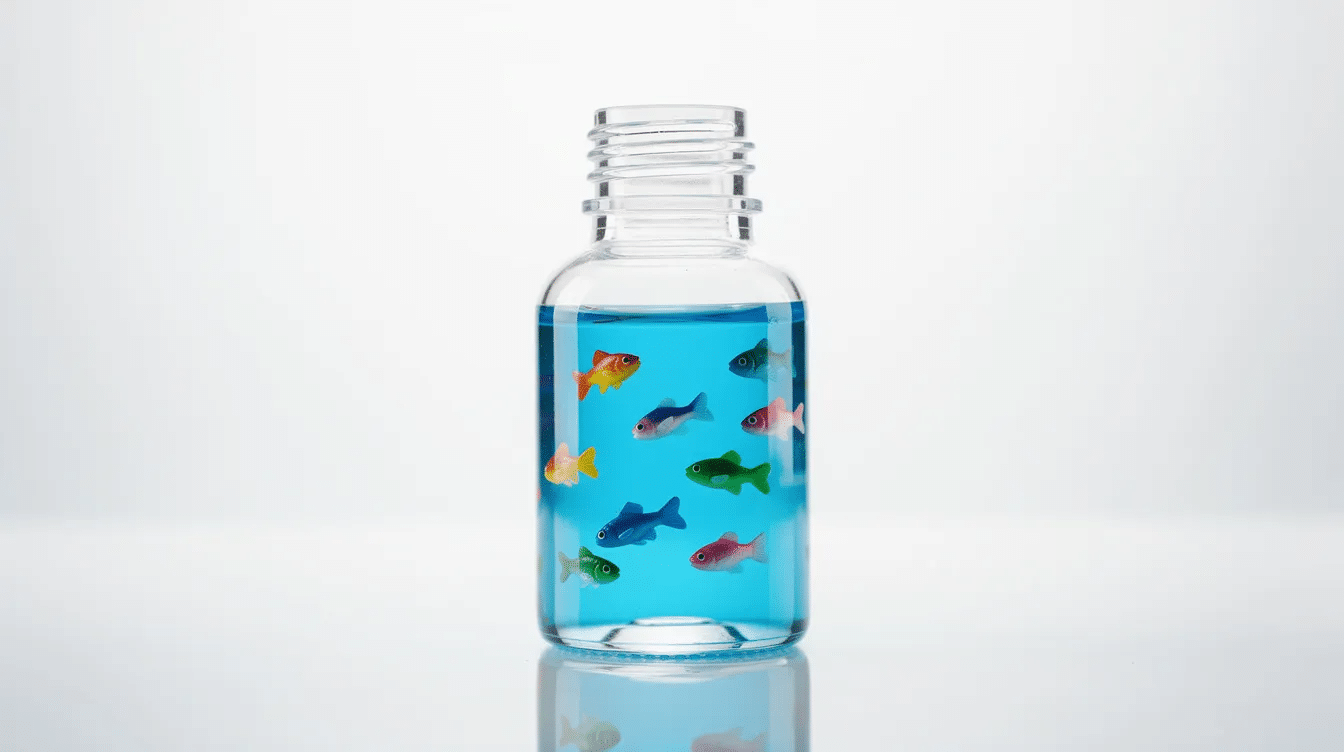
- To create a wave bottle, fill the bottle with water, add food coloring or drops of food coloring, and top with baby oil or mineral oil plus plastic sea creatures like fish for an ocean effect.
FAQ
How long do homemade sensory bottles usually last?
Most water-based bottles last several months to a year if kept cool and out of direct sun. Dry pom pom, rice, sand, or bead bottles can last longer. Check weekly for odor, cracks, cloudiness, or a loose lid.
Can I make sensory bottles for babies under 1 year old?
Yes, but only as a supervised visual toy during tummy time. Use a very lightweight plastic bottle, seal it extremely well, and avoid loose tiny objects. A simple colored-water bottle with a bit of clear glue is best.
What can I use instead of clear glue or corn syrup as a thickener?
Try clear hair gel, liquid soap, glycerin, or sugar water. Each changes how fast glitter and beads move. Sugar water may cloud faster, so rebuild the bottle if the liquid looks off.
How do I prevent mold from growing in my sensory bottle?
Start with a clean, dry bottle and use distilled or boiled-then-cooled water. Avoid food, real leaves, or fresh flowers. A small amount of clear glue or a tiny drop of dish soap can help the liquid stay clearer.
Can sensory bottles really help toddlers calm down?
Many parents and teachers use them for calming routines: shake, breathe, and watch the glitter settle. Try saying, “When the glitter is at the bottom, our body is ready.” I hope this becomes a simple, creative tool, not a replacement for comfort, connection, or professional support.