
Creating spaces where children can climb, slide, and explore year-round has never been more important. Indoor play systems offer complete play environments that keep kids active regardless of weather, support physical development, and fuel imaginative play for children ages 2–12.
Indoor Play Systems: Quick Overview
Indoor play systems are comprehensive play environments—think jungle gyms, soft play zones, obstacle courses, and climbing structures—built specifically for controlled indoor settings. These systems range from compact home setups that fit into a corner of a playroom to sprawling commercial installations spanning hundreds of square meters in family entertainment centers.
The benefits are immediate and measurable. Children develop gross motor skills through climbing and balancing, build coordination navigating tunnels and bridges, and engage in creative play that supports cognitive growth alongside art-based fine motor skill activities. Studies show that 60 minutes of daily activity in well-designed play environments can lead to 15–20% gains in motor proficiency for children aged 3–5.
Today, you’ll find these systems in family entertainment centers opened after 2020, modern childcare facilities emphasizing active learning, occupational therapy clinics supporting neurodiverse children, and upgraded home playrooms where parents want to provide safe, engaging spaces. The indoor playground has evolved from a simple ball pit into a sophisticated environment designed to support every aspect of childhood development.
This article will help you understand the types of systems available, design choices that matter, safety standards you need to know, and buying considerations that ensure you make the right investment for your space.
Indoor Play Systems for Every Space
Modern indoor play systems are modular by design, letting them fit into spaces ranging from compact 10 m² home corners up to 500+ m² commercial centers. The key is understanding how different spaces demand different play solutions.
Homes offer opportunities for dedicated playrooms, basements, lofts, and even apartments with ceiling heights of 2.4 m and above. Wall-mounted climbing bars, ceiling swings, and foldable climbers transform unused space into daily activity zones where kids burn energy without leaving the house. Parents appreciate that these setups provide fun while keeping children active during long winter months or rainy days.
Educational settings have seen major shifts since 2022 curriculum updates emphasized physical activity. Preschools, kindergartens, and primary schools are adding indoor activity zones that support both structured fitness programs and engaging kindergarten learning experiences. These installations help teachers keep kids engaged while meeting developmental milestones.
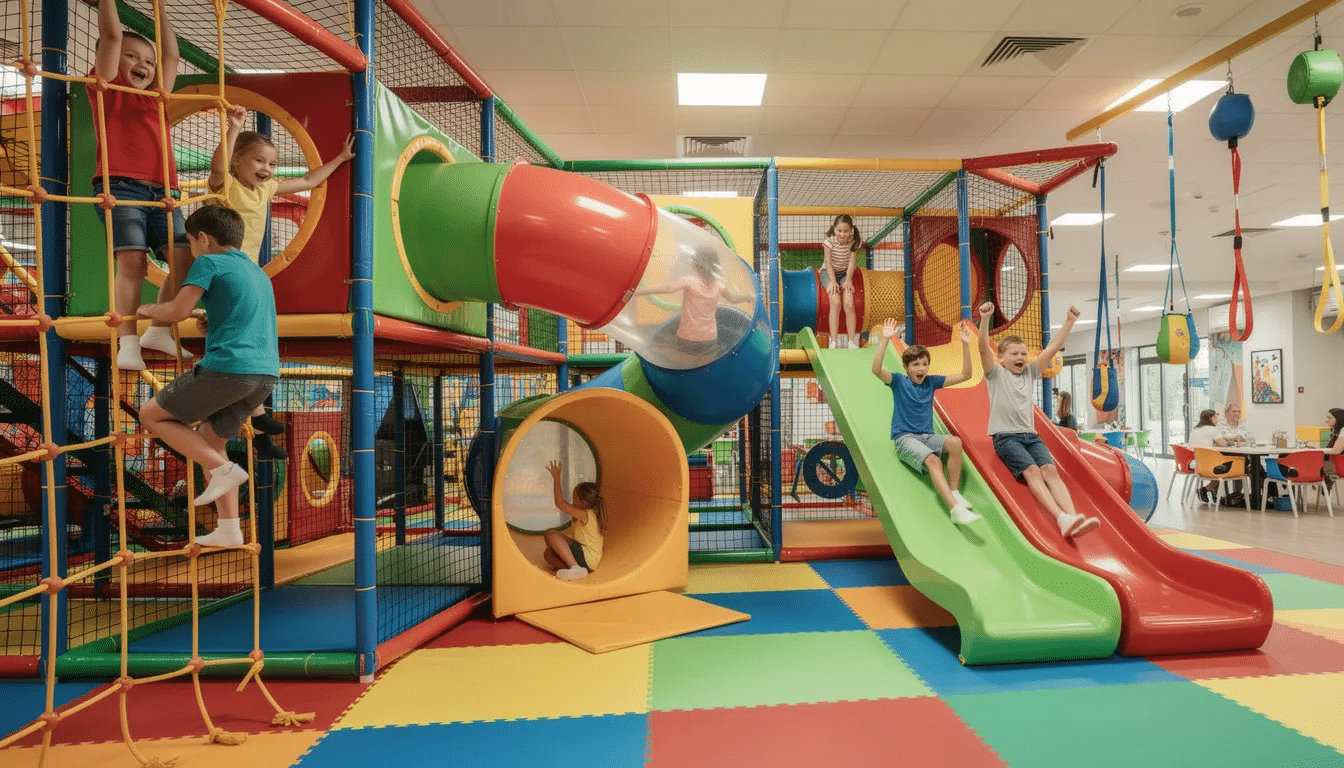
Commercial venues represent the largest installations. Malls, family entertainment centers, trampoline parks, and restaurant play areas use multi-level structures with slides, ball pools, and themed elements to attract families seeking birthday parties and regular entertainment. These spaces can accommodate 100+ users simultaneously and generate significant revenue—the U.S. indoor play center industry alone produces $2.5 billion annually.
Healthcare and therapy settings require specialized approaches. Occupational therapy rooms and sensory gyms use low-impact soft play modules, balance boards, and tactile walls to support children with diverse needs.
Design considerations vary by setting:
- Noise control matters in homes and therapy clinics where quiet operation is essential
- Traffic flow becomes critical in commercial venues managing hundreds of daily visitors
- Sight lines for supervision help parents and staff watch children from designated areas
- Integration with existing décor ensures the system enhances rather than disrupts the space
Types of Indoor Play Systems
Indoor play structures combine different play components—climbing, sliding, balancing, and sensory areas—into cohesive systems that serve specific age groups and development goals. Understanding the categories helps you find the perfect fit for your needs.
Major categories of indoor play systems:
- Indoor jungle gyms and multi-level play structures feature slides, tunnels, bridges, and platforms that challenge children to explore vertically and horizontally. These work best for ages 4–12 and form the backbone of most commercial indoor playground installations.
- Wall bars and Swedish ladders provide climbing and gymnastics-style exercises. These vertical structures fit against walls, making them ideal for home use where floor space is limited. They support children aged 3–10 and build strength and coordination.
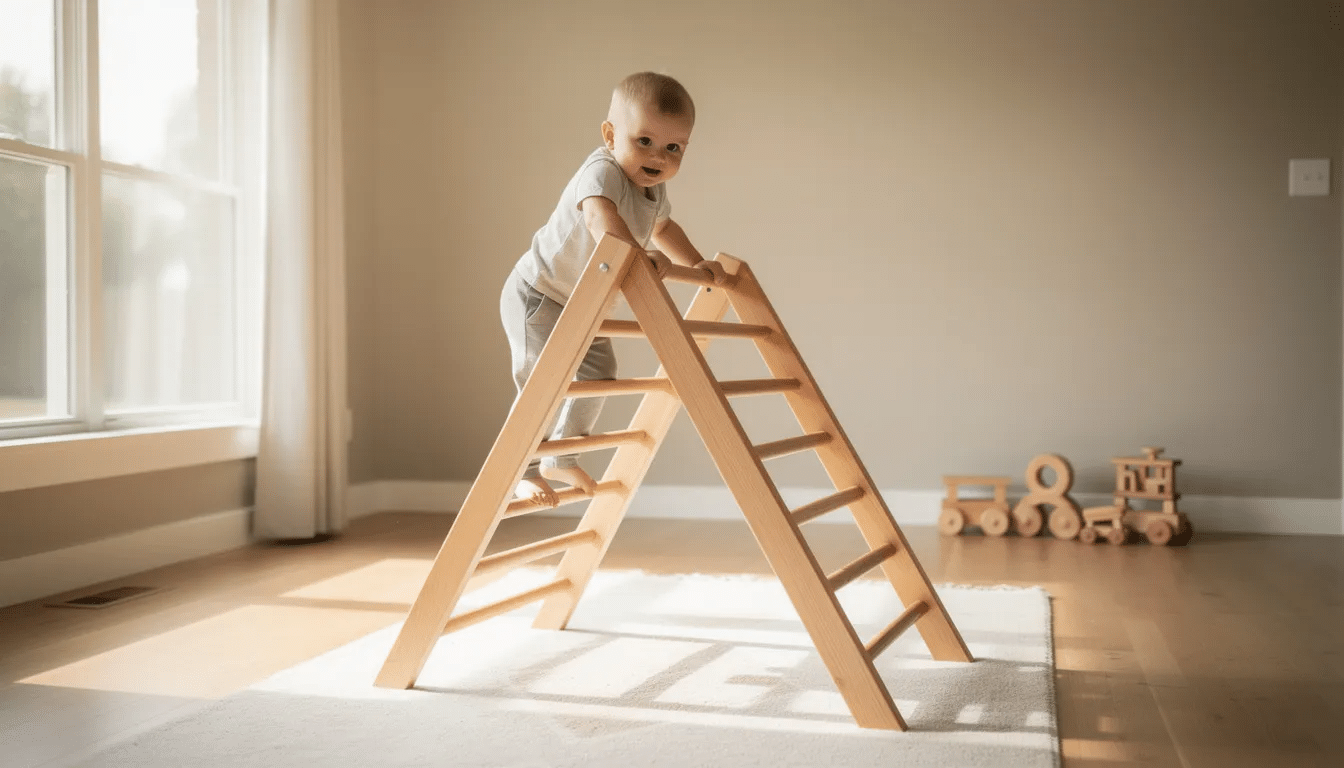
- Montessori-inspired climbers like Pikler triangles, arches, and ramps cater to toddlers aged 18 months to 4 years. These wooden structures encourage independent exploration and support early gross motor development in safe, age-appropriate ways.
- Soft play zones with foam blocks, balance beams, and low-height obstacles serve children under 5. With 99% padding coverage, these environments minimize injury risk while allowing toddlers to climb, tumble, and build without fear.
- Sensory play areas include textures, light panels, and interactive walls designed for neurodiverse kids and early learners. These zones stimulate multiple senses—sight through color-shifting lights, touch via varied textures, and even sound through embedded instruments.
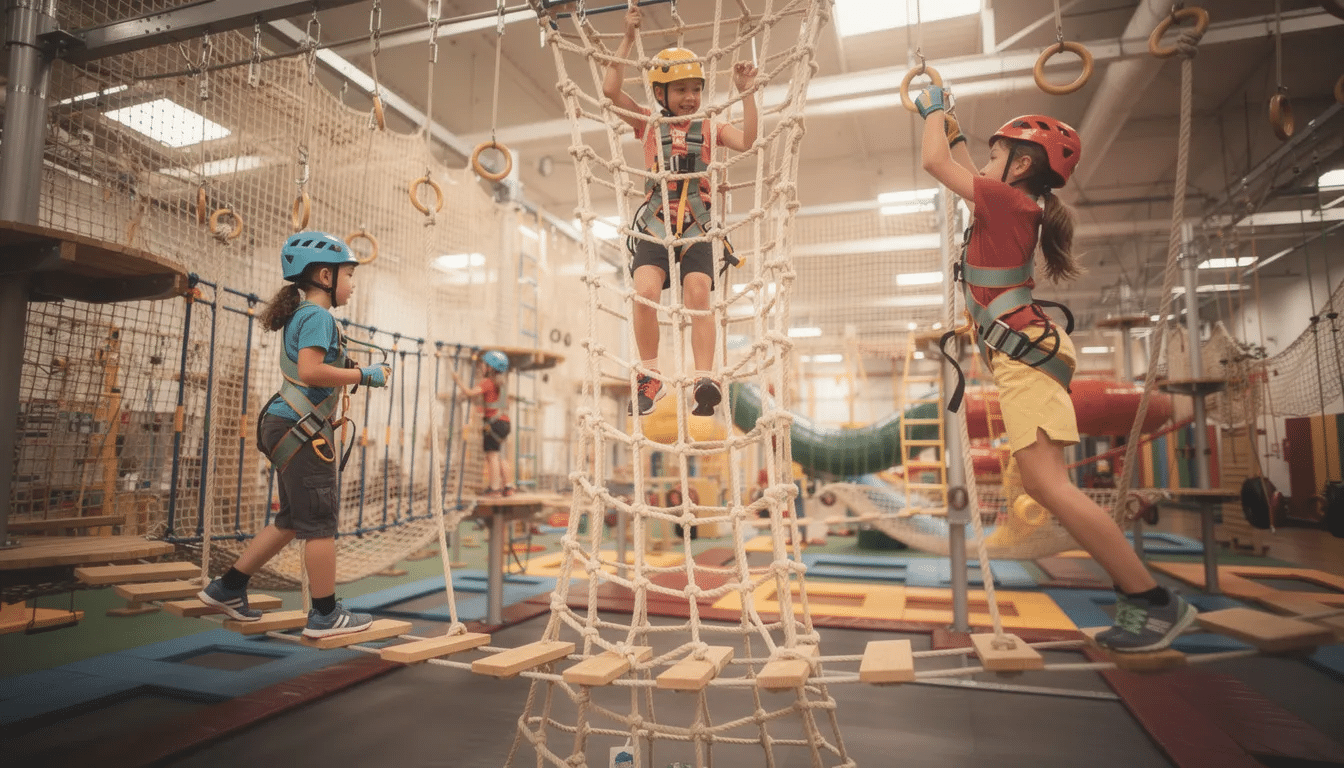
- Obstacle and ninja courses challenge older children and teens with hanging rings, cargo nets, and balance challenges. These fitness-focused systems build endurance and problem-solving skills while keeping kids active and entertained.
Components can be combined into custom configurations. A ground-level soft play zone might connect to an elevated rope-bridge level, allowing siblings of different ages to play together while each finds age-appropriate challenges.
Our Indoor Play Systems Collection
Our indoor play offerings span the full range of environments, from intimate home playrooms to expansive commercial facilities. Each system reflects our commitment to quality, durability, and thoughtful design that keeps children coming back.
Home-focused systems include compact wall bars, ceiling-mounted swings, and foldable climbers designed to fit rooms as small as 3×3 m. These solutions prioritize quiet operation, non-marking floor interfaces, and components that parents can reconfigure as their children grow. A basement corner or loft space can turn into an active play destination that rivals any outdoor playground.
Commercial systems feature multi-story steel-frame playgrounds with hot-galvanized pipes, net tunnels, ball pools, and themed panels. These installations support high traffic volumes and meet the demands of family entertainment centers, malls, and play cafés where durability and easy maintenance matter as much as play value.
Sensory and therapy solutions provide low-impact soft play modules, balance boards, and tactile walls for clinics and specialist centers. These systems support occupational therapists working with children who benefit from proprioceptive input, vestibular stimulation, and calming environments.
Our collection includes:
- Slides in straight, spiral, and multi-lane configurations
- Rope ladders, monkey bars, and climbing walls
- Interactive panels with AR projections and motion sensors
- Modular foam elements that can be reconfigured seasonally
- Ball pools with easy-clean surfaces and impact-absorbing bases
Design goals remain consistent across all products: powder-coated steel resists corrosion, high-density foam absorbs impacts, and anti-slip vinyl surfaces clean easily. Every system uses modular parts that can be upgraded or reconfigured as needs evolve.
Recent installations include family entertainment centers opened in 2023–2024, updated school gyms emphasizing active learning, and modern indoor play cafés where parents can watch their children explore while enjoying quality time themselves.
Featured Indoor Play Systems
Three standout system concepts demonstrate how indoor play equipment can transform different spaces:
Urban Adventure Multi-Level Course
This hex-style obstacle layout combines cargo nets, angled climbing ramps, and tube slides into an immersive experience for children aged 6–12.
- Fits venues of 200–400 m² including family entertainment centers and large indoor playgrounds
- Features multiple pathways so children can choose their own challenge level
- Incorporates ninja-style elements like hanging rings and balance beams
- Supports high throughput for busy venues hosting birthday parties and group events
Cozy Home Climber Hub
A compact Swedish wall bar set with attached rope ladder, gym rings, and small slide fits into rooms with 2.5 m ceilings.
- Designed for daily use by children aged 3–8
- Quiet operation ensures it won’t disturb neighbors in apartments
- Non-marking floor interfaces protect hardwood and carpet
- Easy installation allows families to start enjoying the system within days
- Builds strength, coordination, and confidence in a safe home environment
Sensory Discovery Zone
A soft play environment with tunnels, foam steps, tactile panels, and calming color schemes serves early learners and sensory-sensitive children.
- Ideal for therapy clinics, inclusive preschools, and home sensory rooms
- Low-height obstacles prevent falls while encouraging exploration
- Textured surfaces invite touch and proprioceptive input
- Calming lighting options reduce overstimulation
- Modular design allows therapists to create custom configurations
Safety, Standards & Quality Assurance
Safety forms the foundation of every indoor play system—not an afterthought, but the starting point for every design decision.
International standards guide how playground equipment must be designed, manufactured, and maintained. EN 1176 in Europe and ASTM/CPSC guidelines in North America establish requirements for materials, fall heights, entrapment prevention, and structural integrity. Equipment meeting these standards has been tested to ensure it performs safely under real-world conditions.
Key safety practices include:
- Use of certified materials free from sharp edges, toxic finishes, and pinch points
- Appropriate fall zones with impact-absorbing flooring beneath and around climbing elements
- Age-appropriate design with restricted heights, guardrails, and netting where required
- Tunnel widths of at least 50 cm to prevent entrapment
- Critical fall height calculations ranging from 0.6 m for toddler areas to 3 m for adventure zones
- Flame-retardant materials and easy-clean surfaces that prevent bacterial growth
Our quality assurance process begins before installation with engineering checks on every structural component. Load testing verifies that frames, anchors, and connections exceed safety margins. Post-installation walkthroughs confirm that every element meets specifications and operates as intended.
Ongoing safety requires attention from operators and homeowners. We provide inspection checklists, maintenance schedules, and signage that keeps everyone informed about safe use. Regular maintenance—typically 10–15% of operating budgets for commercial venues—ensures equipment remains in peak condition year after year.
Planning, Installation & Ongoing Support
Moving from initial idea to fully operational indoor play system follows a clear process designed to deliver results that fit your space, budget, and goals.
Planning Phase
The journey starts with a space assessment:
- Measuring ceiling height, available floor area, and access points (doors, elevators, hallways)
- Discussing target age groups and expected daily visitor numbers
- Identifying any special needs such as inclusive play features or sensory requirements
- Reviewing budget parameters and timeline expectations
Concept design brings ideas to life through 2D layouts and 3D renders showing exactly how the system fits within existing architecture. You’ll see traffic flow patterns, supervision sight lines, and how different components connect before any equipment arrives.
Installation Services
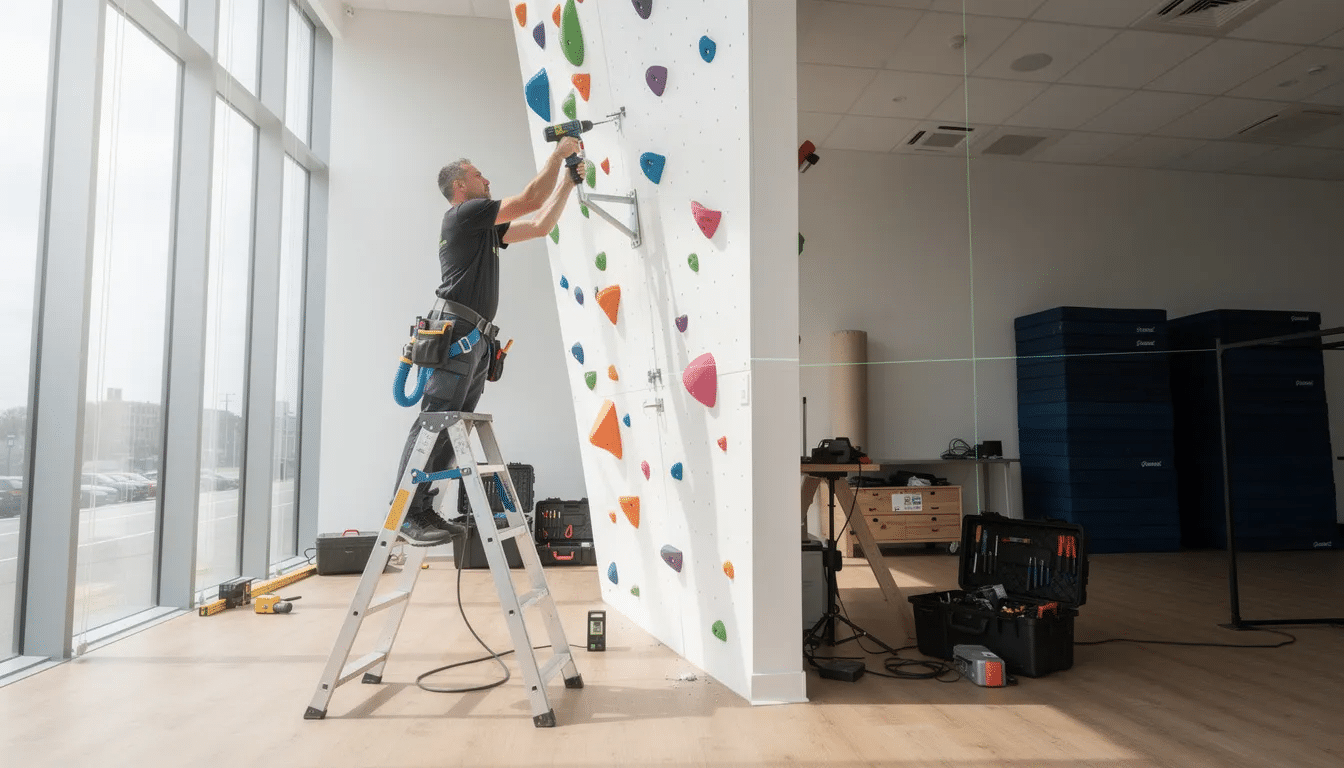
Professional, trained crews handle delivery, assembly, and anchoring to floors, ceilings, and walls. Typical timeframes depend on scope:
- Home systems: 1–2 days from delivery to completed install
- Commercial structures: 7–14 days depending on size and complexity
- Coordination with local safety inspectors or building management happens throughout
Our teams bring all necessary tools and hardware, minimizing disruption to your facility and ensuring the system meets all safety standards upon completion.
Post-Installation Support
Getting the system installed is just the beginning. We provide:
- User training for staff or parents on supervision best practices and safe use
- Maintenance guidance with detailed care instructions for every component
- Optional service plans featuring periodic inspections, part replacement, and system upgrades
- Ongoing consultation as your needs evolve—whether adding new elements or reconfiguring existing ones
A well-planned indoor play system becomes a legacy investment that serves families for years. Whether you’re creating a space where children explore their creativity at home or building a commercial destination that draws customers day after day, the right process ensures results that exceed expectations.
The world of indoor play offers options for every space, budget, and vision. From compact home climbers that elevate daily activity to sprawling commercial structures that bring communities together, these systems create environments where children develop physically, socially, and cognitively while having the time of their lives.
Ready to start planning your indoor play system? Map out your space, identify your goals, and take the first step toward creating a place where play never stops.