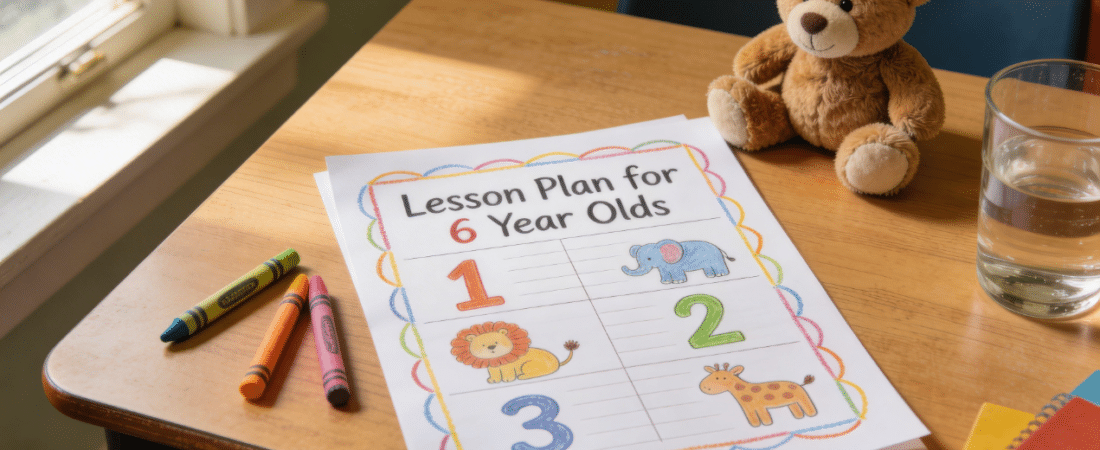

Creating a solid lesson plan for 6 year olds can transform a chaotic school day into a structured learning adventure. Whether you’re a teacher preparing your first Year 1 class or a parent looking for homeschool ideas, having a clear roadmap makes all the difference.
It’s important to prepare all your materials ahead of time to ensure your lesson runs smoothly and you can focus on teaching rather than searching for resources.
This guide walks you through a complete full-day lesson plan designed specifically for the unique developmental needs of children at this age. You’ll find practical activities, specific timings, and ready-to-use resources that actually work in real classrooms. You can also download free lesson plan templates and activity sheets—just follow the links provided for instant access.
- Note: Free downloadable resources are available throughout this guide. Use the links to download lesson plans, worksheets, and more for easy preparation.
Quick Overview of the Lesson Plan
- This is a full-day lesson plan designed for typical 6-year-olds in Year 1 or Grade 1 settings
- The plan combines literacy, numeracy, science, movement, and creative arts into one coherent day
- Timings are approximate (20–40 minutes per block) and can be adjusted for different class sizes
- Activities use common classroom resources: whiteboard, markers, picture books, counters, crayons, paper, and simple craft materials
- Each block includes clear learning objectives tied to early primary curriculum standards
- Transitions between activities account for the 12–15 minute attention span typical of this age group
- Activities are intentionally designed to require children to interact with their peers and the teacher, as interaction is a key part of the lesson plan. Promoting communication and collaboration among students is central to every block.
- Activity blocks are kept short—usually around 20 minutes—because 6-year-olds can concentrate on a particular topic for about twenty minutes at a time. This structure helps maintain engagement and focus throughout the day.
Learning Objectives for 6 Year Olds Age Group
At age 6, children are at a pivotal stage where they begin to develop reading fluency, number sense, and crucial social skills that form the foundation for future learning.
Academic Goals
| Subject Area | Specific Objectives |
|---|---|
| Reading | Read simple sentences independently, decode CVC words |
| Writing | Form lowercase letters correctly, write short sentences |
| Maths | Count to 30, add within 20, recognize basic 2D shapes |
| Science | Classify objects, make simple observations |
Social-Emotional Goals
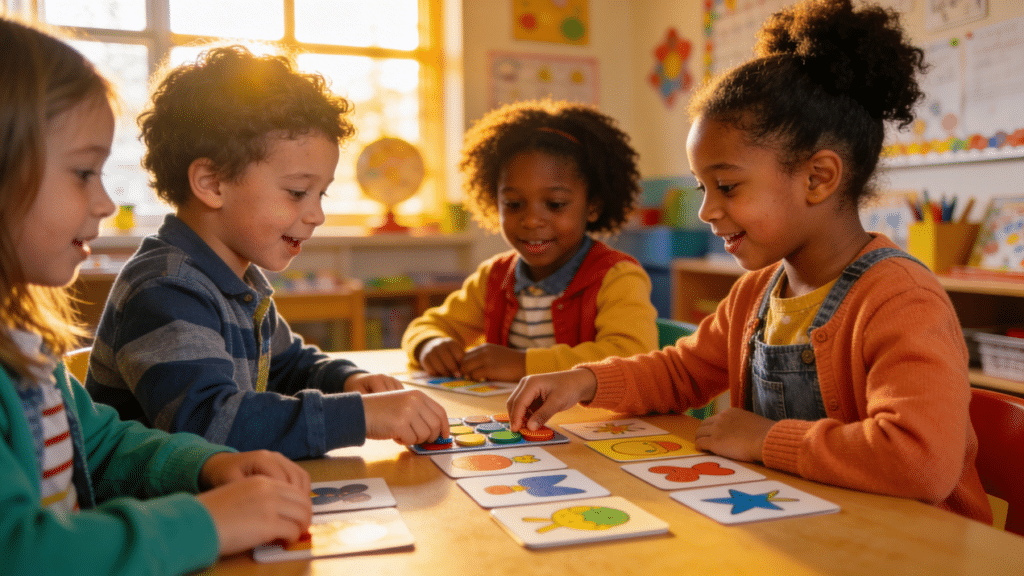
- Taking turns during group activities and games
- Listen to classmates without interrupting
- Express feelings using words rather than actions
- Follow 2–3 step instructions independently
- Recognize and appreciate differences among classmates, including physical differences and cultural backgrounds
- Make and value friends as part of social-emotional development
- Follow classroom rules to promote respect and inclusion
Diversity and inclusion lesson plans help children appreciate differences among their peers, celebrate different cultures, and develop important socio-emotional skills and peer relationships. These lesson plans often include activities and discussions about physical differences, family structures, and cultural backgrounds, fostering an environment where children can celebrate what makes everyone unique. Creating a classroom environment where children can celebrate their differences is important for socio-emotional development. Short class activities can be linked to the experiences of children to enhance socio-emotional learning and help build strong peer relationships.
Physical Development Goals
- Improve fine motor skills through writing, cutting, and drawing activities
- Develop gross motor skills through movement games and play
- Practice proper pencil grip and letter formation
- Build hand-eye coordination through art and craft activities
These objectives align broadly with early primary curricula used in the 2024–2025 school year across English-speaking countries including the UK, US, Australia, and Canada.
Choosing the Right Activities
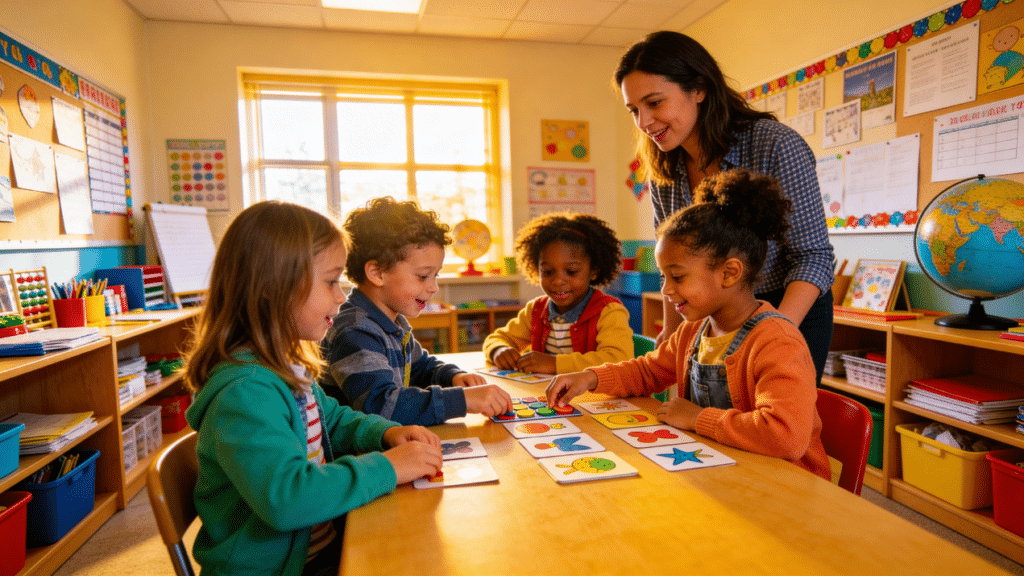
Selecting the right activities for 6-year-olds is a crucial part of building an effective lesson plan. At this age and grade level, children are naturally curious and learn best through hands-on experiences, play, and interactive lessons. By choosing fun activities that match their developmental stage, teachers and parents can help students build essential skills while keeping them engaged and excited about learning.
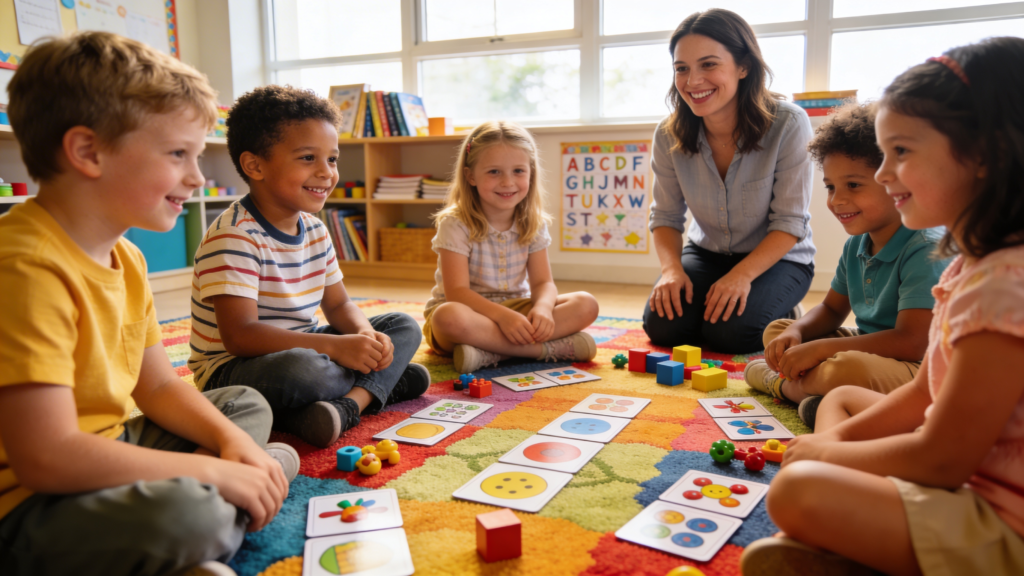
One of the best ways to support learning in this age group is to incorporate a variety of games and group activities. For example, a matching game using sight words or phonics cards can help kids develop reading and word recognition skills in a playful way. Role play and drama activities allow students to explore social studies topics, such as family, community, and history, by acting out real-life scenarios. These types of lessons encourage children to use their imagination, practice speaking and listening, and work together in groups.
In the classroom, teachers can organize students into small groups for science experiments, art projects, or cooking activities. Using everyday materials like paper, toys, and objects found around the house or school, children can explore new concepts and develop their creativity. For instance, a simple science experiment with water and different objects can teach kids about floating and sinking, while an art lesson using drawing or painting helps develop fine motor skills and self-expression.
To make lessons even more engaging, educators can use a mix of resources such as songs, videos, and stories. A short video about a person from another country can introduce students to diversity and different cultures, sparking discussion and encouraging empathy. Follow-up activities like drawing a picture, writing a short story, or sharing ideas in class help children process what they’ve learned and express their understanding in different ways.
Parents and teachers can also use creative tips and ideas to make learning fun at home or in school. Organizing a phonics scavenger hunt, creating a classroom newspaper, or hosting a mini science fair are just a few examples of how to bring the curriculum to life. These activities not only support academic skills like reading, writing, and science, but also help children develop hobbies, teamwork, and problem-solving abilities.
When preparing a lesson plan, it’s important to consider the interests and needs of your students. Offering a variety of activities ensures that every child can find something they enjoy and can succeed at, whether it’s through art, games, cooking, or storytelling. By using a range of materials and resources, and encouraging participation through fun and interactive lessons, teachers and parents can help kids develop a lifelong love of learning.