
Nap Time Crafts: Fabric Kite for Kids is my new favorite project for a sunny day. This guide is perfect for parents and caregivers looking for a fun, creative outdoor project to enjoy with children. I’d had the idea of making a fabric kite since the first warm breeze, and it didn’t disappoint. My little one loved every second, from picking out fabric to running wild in the park. The whole process is so easy. Most of this stuff is already hiding somewhere in your house. You’ll end up with something you actually want to bring outside and play with. These afternoons, when we make and do together, are the best—and there are even more ideas like creative nature stick crafts to inspire your next outdoor project. We made a bright kite in no time. Trust me, it isn’t hard—and you’ll love seeing it fly.
A fabric kite is a type of kite made using materials like durable ripstop nylon, polyester, or high-tech blends, designed for specific performance needs. Fabric kites vary from simple flat designs to complex inflatable structures, using these materials for strength, flexibility, and longevity.
Introduction to Kite Crafts
Kite making is a timeless activity that brings together creativity, fun, and a sense of adventure. Whether you’re a beginner or a seasoned crafter, there’s a whole world of kite designs and materials to explore. One of the best choices for your kite’s sail is ripstop nylon—a fabric known for being both lightweight and incredibly durable. This material is perfect for crafting a kite that can handle breezy days and plenty of outdoor play. With so many options for colors, patterns, and shapes, you can create a kite from scratch that truly reflects your personality. From classic diamond shapes to wild, imaginative designs, the range of possibilities is endless. So gather your materials, let your imagination soar, and discover just how much fun kite making can be!
Gathering Your Kite-Making Supplies
First step: gather supplies. The less hunting, the happier your kid. Most of this was in my sewing bin and the garage, but I’ll lay out the must-haves right here.
What you need:
- Dowel rods: Two skinny ones, 0.5cm thick (I just used leftovers from another project).
- Fabric: A fat quarter or any light material. Kites can be made from a variety of materials, including cloth, paper, and high-performance fabrics. Here are some common fabric types and their properties:
- Ripstop nylon: lightweight, durable, available in ½ oz, ¾ oz, and 1½ oz per square yard
- Ripstop polyester: tear-resistant, holds shape well
- Dacron: classic, durable, good for entry-level kites
- High-performance fabrics: Aluula, Ultra PE, Mylar, Cuben Fiber (extreme strength, low weight) The weight of the fabric, typically measured in ounces per square yard or sailmaker’s yard, is important for kite performance—lighter weights are best for gentle winds, while heavier weights add durability. Many kites are made from rolls of fabric found on the shelf at the fabric store, making it easy to source materials. I’ve made my own kites from many different materials, and fabric kites can range from simple flat designs to complex inflatable structures, depending on your needs.
- Ribbon: Thin, about 3mm. Using fabric scraps or ribbon for the tail is convenient and adds both decoration and stability.
- Super glue: The strong kind works best.
- String: Needed for both the frame and for flying the kite.
- Kite reel: Grab one online if you want, but you could just use a stick.
- Felt scraps: Go wild with colors to make things extra cute.
Step 1: Building the Kite Frame
Now, let’s build the bones of the kite.
I grabbed two dowels and cut them down. The vertical one measured 21 inches. The horizontal piece was 15 inches. Be sure to measure each dowel to the correct inch length and double-check your measurements for accuracy.
To get them to fit together snug, I cut a notch in each: halfway down the short dowel and about two-thirds the way up the long one. You want them to kind of lock in.
A dab of super glue in each notch, then press them into a cross. Make sure the angles are correct—right angles are important for stability—and that the center where the dowels cross is secure, as this is crucial for balance. Hold it, let it dry, and don’t rush. A straight frame means more stable flying.
In the past, kite makers would use a pattern (template) to trace and cut fabric pieces to fit the frame precisely. Kites can be designed in various shapes, such as diamond, box, or delta. Box kites feature rigid frames for stability, while delta kites have a triangular shape and are the easiest to launch and fly, performing well in a wide range of winds. Key types of kites include soft parafoils (which have no spars and use air cells for easy launch), boxed kites, deltas, and power kites (inflatable or C-shaped, made with advanced fabrics for high performance).
Step 2: Stringing the Frame and Attaching the Fabric
Time for the outline and the all-important sail.
I snipped little grooves at each dowel tip—cutting small slits or notches helps the embroidery thread or string sit securely. After that, I wrapped the string around all four ends, forming a diamond shape. For extra strength, wind the embroidery thread around the outside of the frame twice, making sure the thread is tight and secure to maintain the kite’s shape. Tighten it up, tie a solid knot at the intersection (center) of the two sticks, and begin to criss-cross diagonally for added stability. Add a bit of glue to keep everything from slipping.
Now, drop your fabric pretty side down. Place the frame on top. Fold the outside edges of the fabric over the string, gluing each layer for a strong hold. If you’re using a fabric sleeve, slide the dowel into the sleeve while keeping the vinyl tubing in place (make a small hole in the tubing with a nail for the dowel to fit through). Trim any excess fabric for clean, stable edges.
When choosing fabric, consider porosity and other properties. Here’s a quick comparison:
| Property | Ripstop Nylon | Ripstop Polyester |
|---|---|---|
| Porosity | Zero (air and water can’t pass through) | Low |
| Stretchability | More stretchable, handles gusts better | Holds shape better |
| Water Absorption | Can absorb water and fade when wet | Less water absorption |
| UV Resistance | Good, but can fade over time | Superior UV resistance |
| Tear Resistance | Excellent (woven with larger threads) | Very good, but more prone to tearing |
| Color | Often dyed for bright, lasting colors | Holds color well |
Step 3: Creating the Kite Tail
No kite’s complete without a tail.
Cut your ribbon long enough to stream behind. I stitched mine to the bottom, but glue works too. I made some tiny felt bows for ours (eight, to be exact). My daughter picked colors and even handed me scissors. We spaced them along the ribbon, stitching each one in place. It was fun and made for a pretty, wiggly tail.
Step 4: Getting Ready for Liftoff
Almost flying time.
I poked a small hole in the top and bottom of the main vertical dowel. Ran embroidery floss through both, tying it along the back. For extra stability, tie your string at the center (the intersection of the two sticks) and begin to criss-cross diagonally. When attaching your reel or flying string, tie a loop in the end of your line for secure attachment. Make sure all knots are tight and secure, and consider wrapping the string around the dowel to keep everything in place. For larger kites, use a line with a strength of 50–150 lb test for safe recreational use. Tie your string onto your dowel and wind it all on.
And just like that, it was finished. My kid was bouncing, waiting to try it out.
Safety and Flying Tips
Choosing a Location
Before you head out to fly your new creation, always choose a wide, open area—think parks or fields—where there are no trees, power lines, or buildings to snag your kite string.
Selecting the Right String
Using a strong, durable kite string is key; it should be able to handle the wind without snapping or tangling.
Wind and Weather Tips
As you get ready to fly, pay attention to the wind: if it’s too strong or too light, adjust the length of your string to keep your kite steady and under control. Hold onto the string firmly, and keep an eye on your surroundings to make sure everyone stays safe. With these tips, you’ll be set for a fun and worry-free day of kite flying!
Enjoying the Experience
Flying Our Homemade Kite
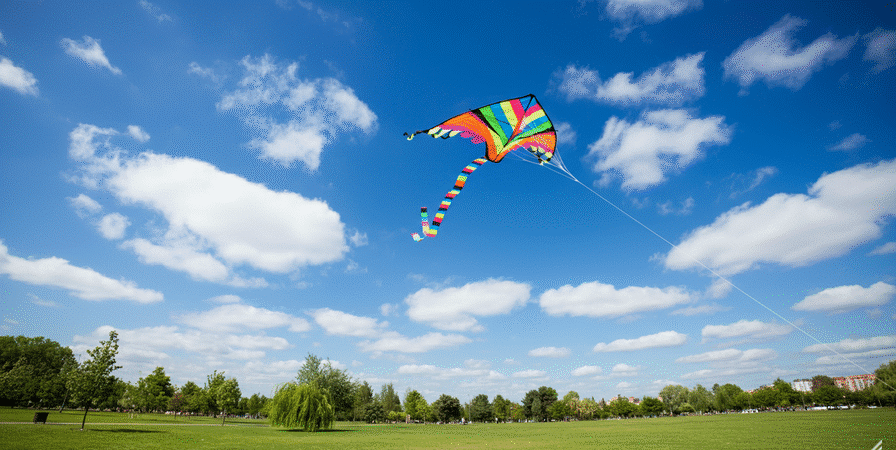
We packed up and hit the park as soon as it was dry. Kite-making can be a creative outlet for children and adults alike, and children especially enjoy the process of making and flying their own kites. My daughter’s technique? Mostly run like mad and giggle while the kite bounced behind her. She hasn’t really figured out the “let go and wait for the wind” bit. But, wow, the laughs. Those bows trailed behind and looked adorable in motion.
Sometimes it did lift up and she cheered like she’d just won a race. We spent ages out there, getting rosy-cheeked and loving every minute.
Simple project, big feeling. Making a toy with your child and then playing together beats anything you could buy. Nap Time Crafts: Fabric Kite for Kids is top of my must-do list now.
Conclusion and Encouragement
There’s something truly special about making your own kite and watching it soar across the sky. Kite making is not only a fun and creative project, but it’s also a wonderful way to spend quality time with your family. With just a little effort and the right materials, you can create a durable, one-of-a-kind kite that will bring smiles and laughter to everyone involved. Don’t be afraid to experiment with different fabrics, colors, and designs—each kite you make is a chance to learn and have fun together. So gather your supplies, let your creativity lead the way, and enjoy the thrill of flying a kite you made yourself. Happy crafting and happy flying!