Key Takeaways
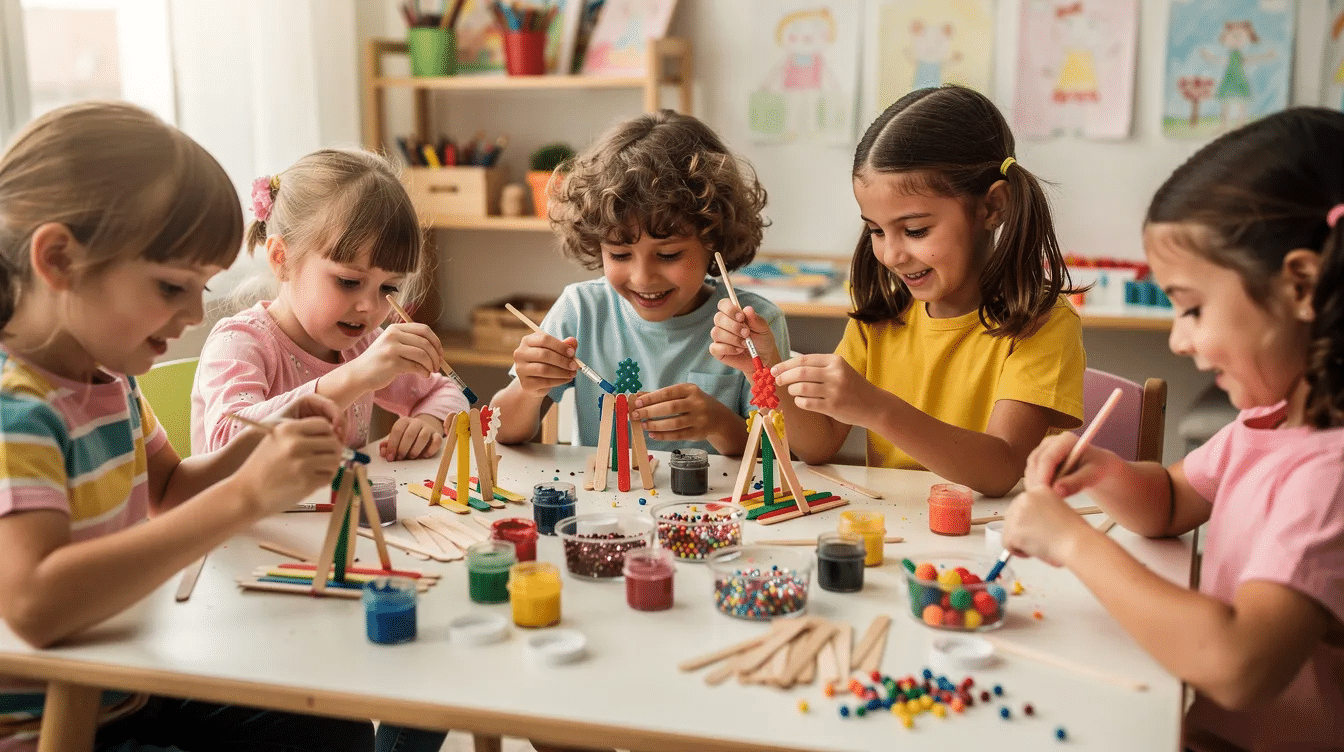
- Kids can build a simple popsicle stick house, or a popsicle stick fairy house, in one afternoon with basic craft supplies like popsicle sticks, glue or tape, and optional paint.
- This wonderful craft works best for children ages 4–10; adults should handle hot glue, while preschoolers and toddlers can use school glue, tape, or pre-colored craft sticks.
- Popsicle stick crafts support STEM learning, fine motor skills, creativity, problem-solving, and imaginative play, offering many of the same arts and crafts benefits for child development that teachers and parents look for in everyday activities.
- Supplies are low-cost and easy to grab from dollar stores, supermarkets, craft stores, and online value packs in 2026.
- This post includes three projects: a flat house on paper, a 3D popsicle stick house, and a whimsical fairy house.
Why Popsicle Stick Houses Are Perfect Kids’ Crafts
Popsicle sticks are a versatile craft material that can be used to create a variety of fun and imaginative projects for kids, including animals, picture frames, popsicle stick dragonfly crafts, and even fairy houses. Because the sticks are straight, light, and easy for little hands to hold, they make an awesome first building material for rainy days, summer afternoons, homeschool art centers, or a classroom activity.
A popsicle stick house can become a garage, barn, school, rustic cabin, haunted mansion for Halloween, school bus for back-to-school projects, or part of a mini town. In January 2026, imagine siblings putting a bunch of houses together during winter break, then using toy animals and friends’ figures to create a whole village or pairing it with a cardboard time machine craft for even more imaginative role-play. Designing a simple blueprint is an effective way for kids to visualize their popsicle stick house before starting construction, while counting sticks and comparing lines introduces early measure skills.
- Essential Craft Supplies for Popsicle Stick House Projects
- Simple Popsicle Stick House on Paper (Great for Preschoolers)
- Building a 3D Popsicle Stick House for Kids
- Whimsical Popsicle Stick Fairy House
- Learning Benefits: STEM Skills and Imaginative Play
- Tips for Crafting With Different Age Groups
- Display, Play, and Storage Ideas
- FAQ
- How many popsicle sticks do I need for a basic popsicle stick house?
- Can I make a popsicle stick fairy house that survives outside?
- What glue works best for popsicle stick crafts with children?
- How long does it take to build a popsicle stick house with kids?
- Are popsicle stick house crafts suitable for classrooms and youth groups?
Essential Craft Supplies for Popsicle Stick House Projects
To create a popsicle stick house, you will need popsicle sticks, glue or tape, and optionally paint for decoration. Keep the supplies simple: jumbo popsicle sticks, regular popsicle sticks, white school glue, a hot glue gun for adults, craft paint, markers, small paintbrushes, scissors, and an optional craft knife for grown-ups.
For decorating, add buttons, sequins, craft foam, foam paper for windows and doors, felt scraps, yarn, bottle caps, mini pebbles, artificial moss, twigs, stones, and tiny figurines. Using materials like foam paper for windows and doors can enhance the visual appeal of popsicle stick houses, making them more vibrant and engaging for imaginative play. Pre-colored craft sticks can be used to avoid painting, making projects suitable for younger children.
You can find materials year-round at dollar stores, major supermarkets, big-box retailers, and online marketplaces; bulk value packs are usually cheaper, and you can also explore DIY craft kits for creative projects that bundle supplies for busy families. Cover the table with newspaper or a reusable mat. Hot glue dries instantly and is ideal for quick construction of crafts, while alternatives like tacky glue take longer to dry. Using a hot glue gun is recommended for quick and sturdy construction of popsicle stick houses, but adults should supervise or handle it because burns can happen; Poison Control also recommends reading art-supply labels carefully.
Simple Popsicle Stick House on Paper (Great for Preschoolers)
This is the easiest idea for ages 3–6: kids glue sticks onto cardstock to make a flat house picture. It is a fun way for preschoolers to practice shapes without worrying about a standing structure.
- Print a free printable house outline, use any printable template, or draw a simple house on A4 or US Letter cardstock, about 8.5 x 11 inches.
- Children glue colored popsicle sticks over the walls and roof lines, choosing their own colors and patterns. Perfect alignment is not important.
- Add a foam or paper door, window shapes, and a paper chimney or sun. Kids can use markers to draw bricks, window panes, flowers, or a house number.
- Once dry, the finished flat popsicle stick house can become a storytelling prompt or part of a poster village with roads, trees, and a cute family scene.
Teacher tip: Turn this into a name activity by having kids write their name above the door. Take a picture, hang the work, and save it as a sweet classroom gift.
Building a 3D Popsicle Stick House for Kids
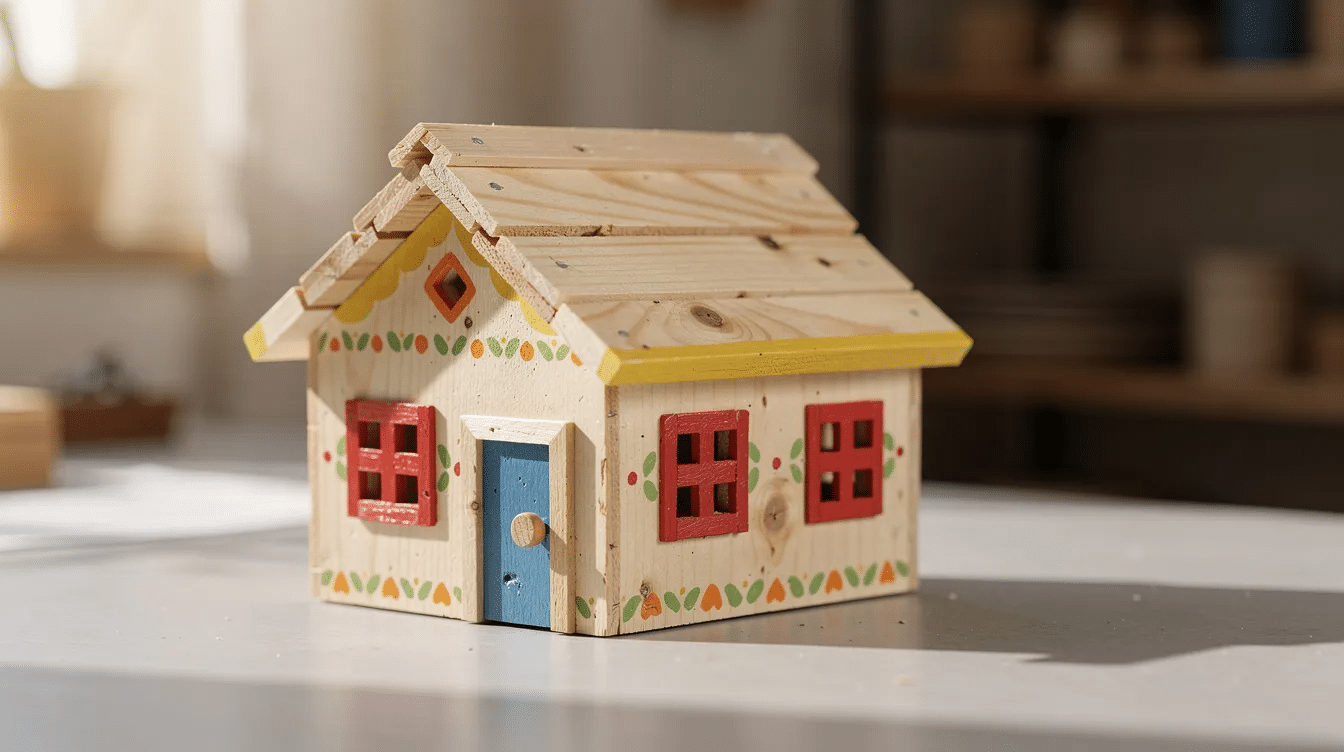
This classic stand-up popsicle stick house uses four walls and a roof, making it ideal for ages 6+ with some adult help. Start by laying out the popsicle sticks to form the base and walls of the house, ensuring a solid structure before gluing them together.
Base: Lay 10–12 popsicle sticks side by side, about 12–15 cm wide. Glue two cross sticks across them underneath to make a sturdy floor.
Walls: Glue sticks edge-to-edge to create three panels for the side and back walls. When constructing the walls, you can use additional popsicle sticks across the base for added stability, and glue the walls together before attaching them to the base.
Front wall and door: Leave a door opening by using half-length sticks at the bottom center, then use full sticks for the rest. Add a cut-out window if adults can safely help. Glue all four walls upright around the base and fix the corners with extra vertical sticks.
Roof: For the roof, you can create two angled walls that meet at the top, or use flat pieces to cover the structure, depending on your design preference. A flat roof is easier for younger children; a pitched roof looks cool but takes more patience. Decorate with paint, brown markers for a wood-plank look, a small flag, or furniture inside the house to enhance the creative experience of building with popsicle sticks.
Whimsical Popsicle Stick Fairy House
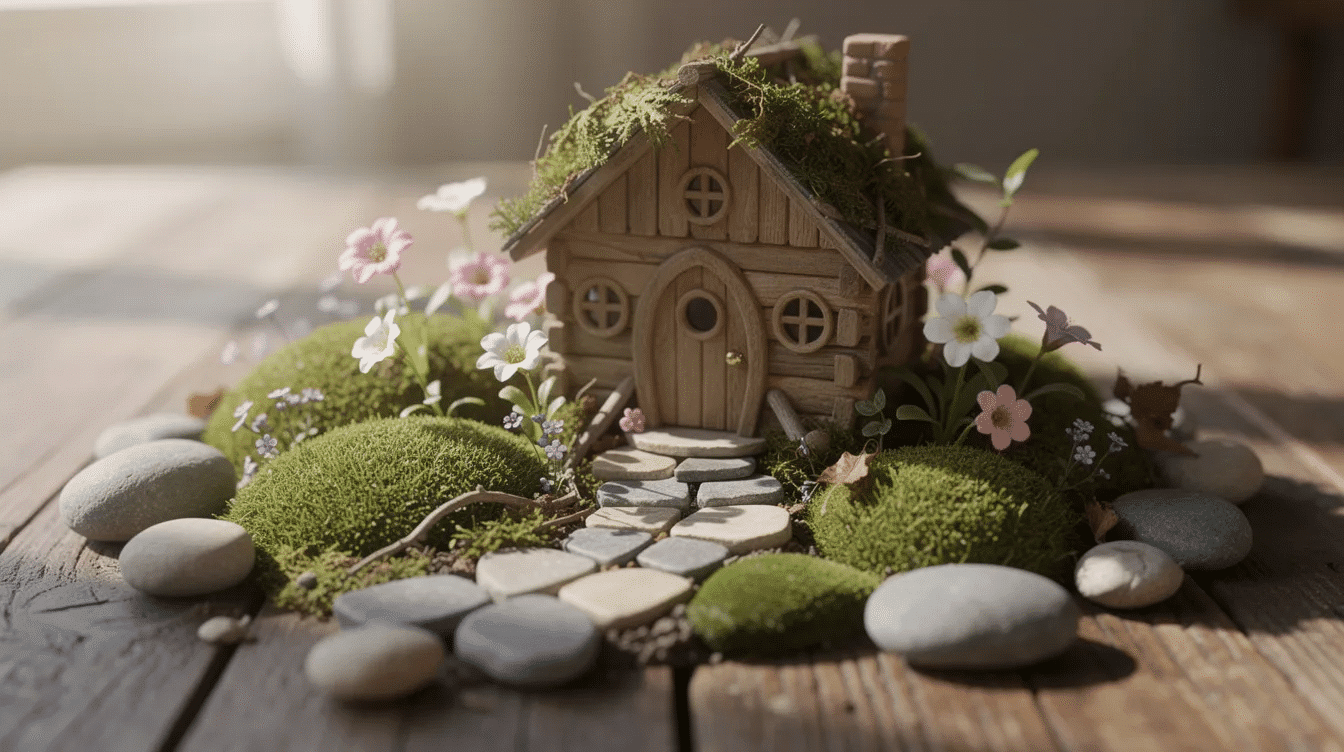
A popsicle stick fairy house can sit on a tray of moss, pebbles, tiny mushrooms, and flowers, inviting children to imagine a secret fairy who lives inside. This version builds on the basic house but adds curved doors, bright colors, glitter accents, and natural elements.
Adults should handle hot glue when attaching heavier pieces like pebbles, bark, or a chimney made from cut sticks. Make the fairy house cottage-like with lower walls, a steeper roof, and a tiny attic window for a “fairy light.” Add a button doorknob, pebble path, faux moss roof edge, felt or paper flowers, and a twig fence. Incorporating natural elements, such as twigs or stones, can add a rustic charm to popsicle stick houses, making them blend beautifully with outdoor fairy gardens or themed displays and inspiring kids to help design enchanting fairy garden spaces.
Keep the finished house indoors on a shelf, windowsill, or covered tray because basic glue and plain sticks do not tolerate rain. Children can name the fairy, write a tiny welcome note, and use the house in bedtime stories.
Learning Benefits: STEM Skills and Imaginative Play
Crafting with popsicle sticks can help children develop fine motor skills, creativity, and problem-solving abilities as they design and build their projects. Small projects using popsicle sticks focus on improving art fine motor skills in children and spatial awareness, especially when kids squeeze glue, line up sticks, and press decorations into place.
Popsicle sticks can be used to create various engineering projects, such as building structures that are both visually attractive and structurally sound, encouraging children to engage in creative problem-solving. Guiding children to solve problems during the building process enhances their engineering skills. Try STEM challenges: test which roof shape holds more toy animals, or build a mini catapult to explore physics and engineering while measuring the distance that objects fly when launched. Engaging in STEM activities with popsicle sticks can help children develop fine motor skills, critical thinking, and engineering skills through hands-on building and experimentation.
For literacy, let kids turn the house into a pet clinic, superhero hideout, or fire station. Then have them draw a map of the village and label each house.
Tips for Crafting With Different Age Groups
Popsicle stick houses can be adapted for toddlers, preschoolers, early elementary kids, and older children.
- Ages 3–4: Use the flat house on paper, jumbo sticks, washable glue, pre-cut doors, and pre-colored sticks.
- Ages 5–7: Try simple 3D houses with flat roofs, drying breaks, and adult help to fix corners.
- Ages 8–10+: Encourage two-storey houses, garages, fairy villages, rustic cabins, haunted mansions, or seasonal projects like winter polar bear crafts. Let kids sketch a plan first.
- Groups: Set up supply stations, pre-count sticks per child, and schedule drying space.
- Adaptations: Use shorter sessions, visual step cards, or tape instead of glue for kids who dislike stickiness.
Popsicle stick houses can be decorated in countless ways, allowing for creativity and personalization, such as using colored popsicle sticks, adding embellishments like buttons for a whimsical touch, or pairing them with tissue paper stained glass crafts to create colorful “windows.” Don’t forget to ask children to comment on what they would change next time; reflection is part of learning.
Display, Play, and Storage Ideas
Finishing the house is only the beginning. Display a bookshelf neighborhood, a spring windowsill fairy garden tray, or a classroom shelf with name labels.
For play, pair the house with toy people, cars, animals, or fairy figures, and rotate themes from farm to city to fantasy, or add rocket ships and planets from space-themed crafts for kids to turn it into a mini universe. Store fragile crafts on a cardboard base, in shallow boxes, or in a plastic bin with accessories. Heavy handling may loosen joints over weeks, but a glue repair becomes another mini engineering lesson. When a house finally breaks, remove decorations and compost plain wooden sticks if local rules allow.
FAQ
How many popsicle sticks do I need for a basic popsicle stick house?
A simple 3D popsicle stick house with four walls and a flat roof usually takes around 80–120 regular popsicle sticks, depending on size. A flat house on paper uses fewer sticks, often 15–30 per child, which is ideal for large groups.
Can I make a popsicle stick fairy house that survives outside?
Standard school glue and untreated popsicle sticks are not weatherproof and may warp or come apart in rain or heavy dew. For a semi-outdoor fairy house on a covered porch, adults can use waterproof adhesive and seal the finished house with clear outdoor varnish while children decorate.
What glue works best for popsicle stick crafts with children?
White school glue is safest for most popsicle stick crafts with kids, but it needs at least 20–30 minutes of drying time for each major stage. Hot glue sets almost instantly and helps with strong joints or heavy decorations, but adults should handle the glue gun.
How long does it take to build a popsicle stick house with kids?
Plan about 20–30 minutes for the flat paper version and 60–90 minutes, including drying pauses, for a basic 3D house. More detailed projects, like a fairy village, work best over two or three shorter sessions.
Are popsicle stick house crafts suitable for classrooms and youth groups?
Yes. Popsicle stick house projects work well in classrooms, scout meetings, libraries, and after-school clubs if adults plan drying space and supervise adhesives. Prepare kits with pre-counted sticks, a small glue pot, and pre-cut paper doors and windows to keep the activity smooth.