
Summer camps come in many forms, but few offer the blend of creativity, practical skill-building, and tangible accomplishment that a sewing camp delivers. These specialized programs invite kids and teens to step away from screens and dive into hands-on making—learning to operate a sewing machine, choose fabrics, and construct real items they can use and wear.
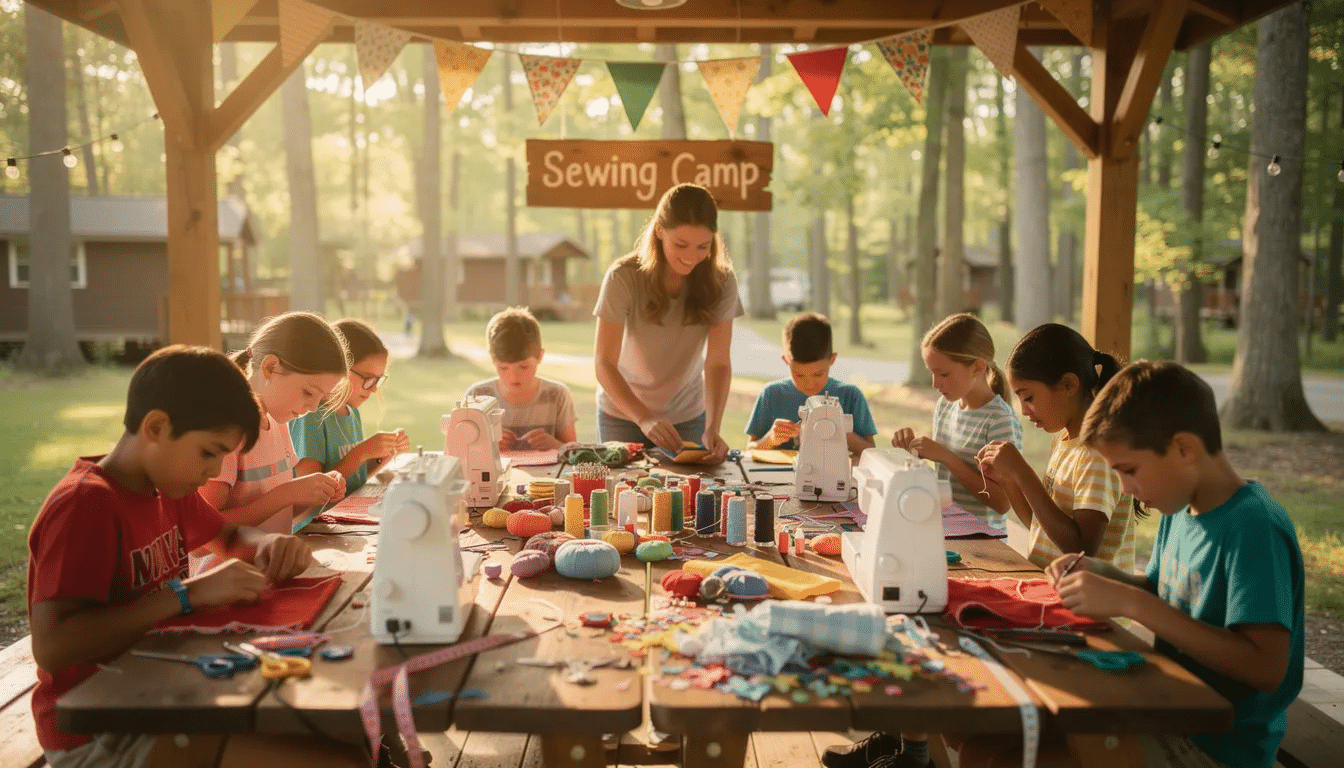
Sewing camp is designed for children and teens roughly ages 7 to 15 who want to learn in a fun, friendly, and supportive environment. No prior sewing experience is required. Whether your child has never touched a needle or already knows the basics, camps welcome both beginners and returning students with open arms. Campers work on real sewing projects—think tote bags, pillowcases, simple skirts, and drawstring backpacks—and proudly bring their creations home at the end of each week.
What to Expect at Sewing Camp
A typical sewing camp runs Monday through Friday, often from 9:00 a.m. to 3:00 p.m., giving kids a full week of immersive learning. Mornings usually focus on skill-building: threading machines, practicing stitches on fabric scraps, and understanding how patterns work. Afternoons shift into dedicated project time, where campers apply what they learned to create finished items.
The experience is refreshingly hands-on. Kids spend most of their day cutting fabric, pinning seams, sewing at machines, pressing with irons (under supervision), and fitting their projects. Instructors teach students how to safely use sewing machines, select appropriate fabrics and trims, and troubleshoot common issues like tension problems or skipped stitches.
Key activities include:
- Learning to thread a sewing machine and wind a bobbin
- Practicing straight seams, zigzag stitches, and backstitching
- Choosing fabrics, patterns, and notions for projects
- Cutting, pinning, sewing, and pressing completed items
- Collaborating with friends and receiving personalized feedback
Age Groups and Skill Levels
Sewing camps typically structure classes by age and experience to ensure every child is appropriately challenged. A younger group—generally ages 7 to 9—focuses on hand sewing basics and gentle introductions to machine skills. These campers often create small projects like felt animals, mini pillows, or simple pouches that build confidence without overwhelming them.
The middle group, roughly ages 9 to 12, dives into beginner-friendly garments and accessories. Students in this range might tackle elastic-waist skirts, pajama shorts, pencil cases, and lined tote bags. They learn to read simple patterns, take basic measurements, and understand seam allowances (like the standard 5/8-inch used in most home sewing).
Older campers, ages 12 to 15, often explore garment sewing with more complexity. This age group may work on fitted tops, A-line skirts, and light fashion design elements like sketching ideas and creating mood boards, similar in spirit to open-ended 3D art projects for preschool and early grades that encourage thinking in shapes and layers. Returning students can take on advanced projects within their age group, ensuring each child continues growing on their sewing journey without feeling overwhelmed.
Skills Kids Learn
Sewing camp teaches both creative expression and practical life skills that extend far beyond the studio. Research shows craft programs can improve fine motor dexterity by up to 30% in youth participants, while also reducing anxiety through focused, repetitive activities, mirroring many of the arts and crafts benefits for child development.
Core technical skills: Parents who want even more ways to support fine motor skills through art activities at home will find that these camp techniques translate easily into everyday projects.
- Threading a sewing machine and winding a bobbin
- Sewing straight seams and mastering backstitching
- Seam finishing techniques (zigzag, overlock basics)
- Pressing seams properly with an iron
Hand sewing skills:
- Running stitch and whipstitch
- Sewing on buttons and snaps
- Basic appliqué and decorative stitching
Planning and design skills:
- Reading simple patterns and following written instructions
- Measuring accurately with a tape measure
- Selecting appropriate fabrics and notions for each project
Beyond the technical, kids develop patience, problem solving abilities, and the confidence that comes from completing something with their own hands. Following multi-step directions, recovering from mistakes, and seeing a project through from start to finish—these are skills that serve students well in school and life.
Projects and Themes
Each week of camp can feature a different theme with a curated set of projects. This keeps things fresh for returning campers and lets kids explore various aspects of sewing, especially when paired with age-appropriate art supplies for young artists to support creativity at home.
Sample themes include: Families can also try colorful craft ideas for a fun weekend to keep kids creating between camp sessions.
- Everyday Accessories Week: Tote bag, pencil pouch, scrunchies, fabric headband inspired by creative nature stick crafts for kids or other outdoor finds
- Sleepover Week: Pillowcase, eye mask, drawstring bag, cozy blanket
- Fashion Forward Week (older campers): Simple top, elastic-waist skirt, basic alterations like hemming
- Gift-Making Week: Stuffed animals, fabric coasters, zipper pouches for family and friends
Every camper finishes at least 2 to 4 complete projects by the end of a standard 5-day session. The goal is tangible accomplishment—kids leave with items they made themselves, not half-finished experiments, and many continue at home with DIY kits for creative projects and fun learning.
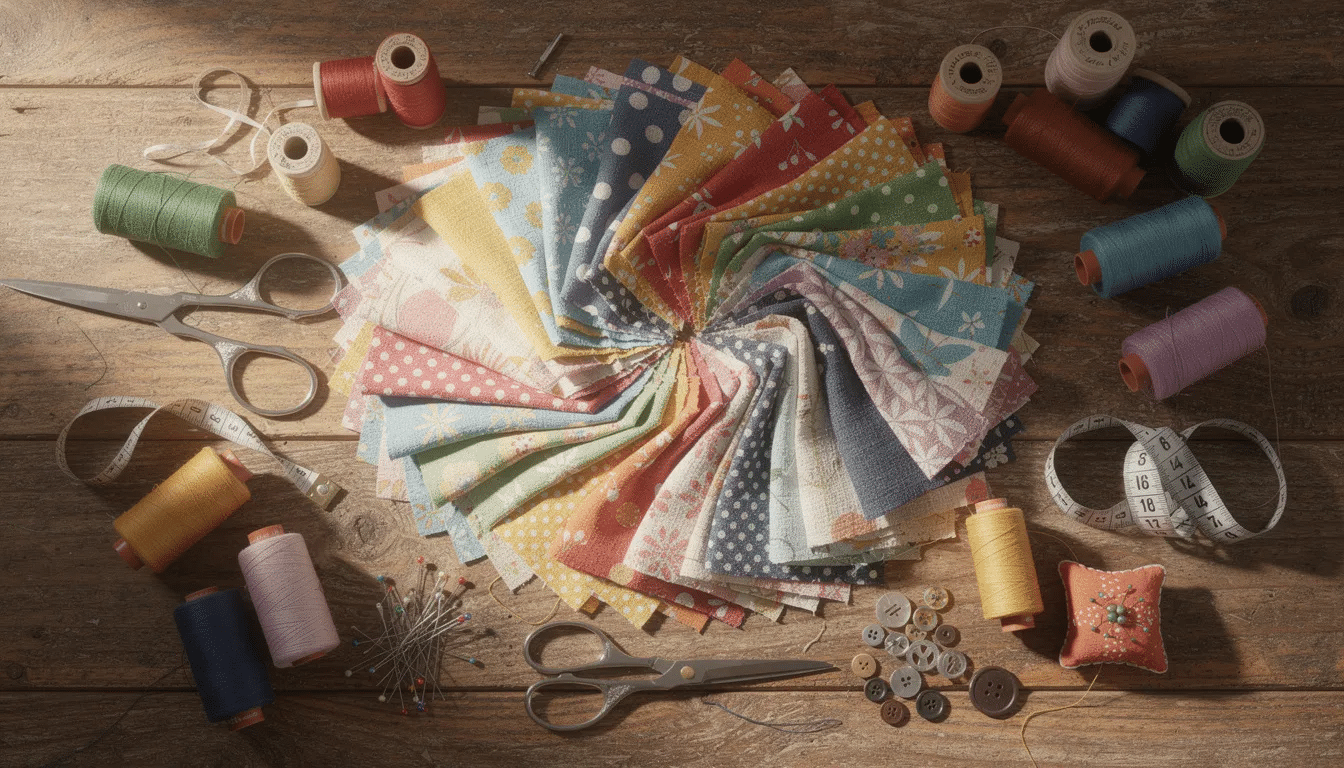
Showcase and Take-Home Experience
The final 30 to 45 minutes of the last camp day are reserved for a special showcase event. Families and friends are invited to see what campers have created throughout the week. Garments, accessories, and other sewn items are displayed on tables or modeled by excited kids ready to show off their work.
During the showcase, each camper talks briefly about their favorite project, what they learned, and what they want to create next at home. It’s a moment that helps children feel genuinely proud of their accomplishments while giving parents a clear sense of the skills their daughter or son gained.
Campers leave with both finished projects and the confidence to keep sewing—many return the following summer excited to tackle new challenges.
Summer Sewing Camp Details
Summer sessions typically run in weekly blocks from early June through mid-August. For example, camps might be offered June 10 through August 16, Monday through Friday, with new groups starting each week.
Typical schedule:
- Full-day sessions: 9:00 a.m. to 3:00 p.m.
- Optional early drop-off: 8:30 a.m.
- Lunch break and snack time built into the day
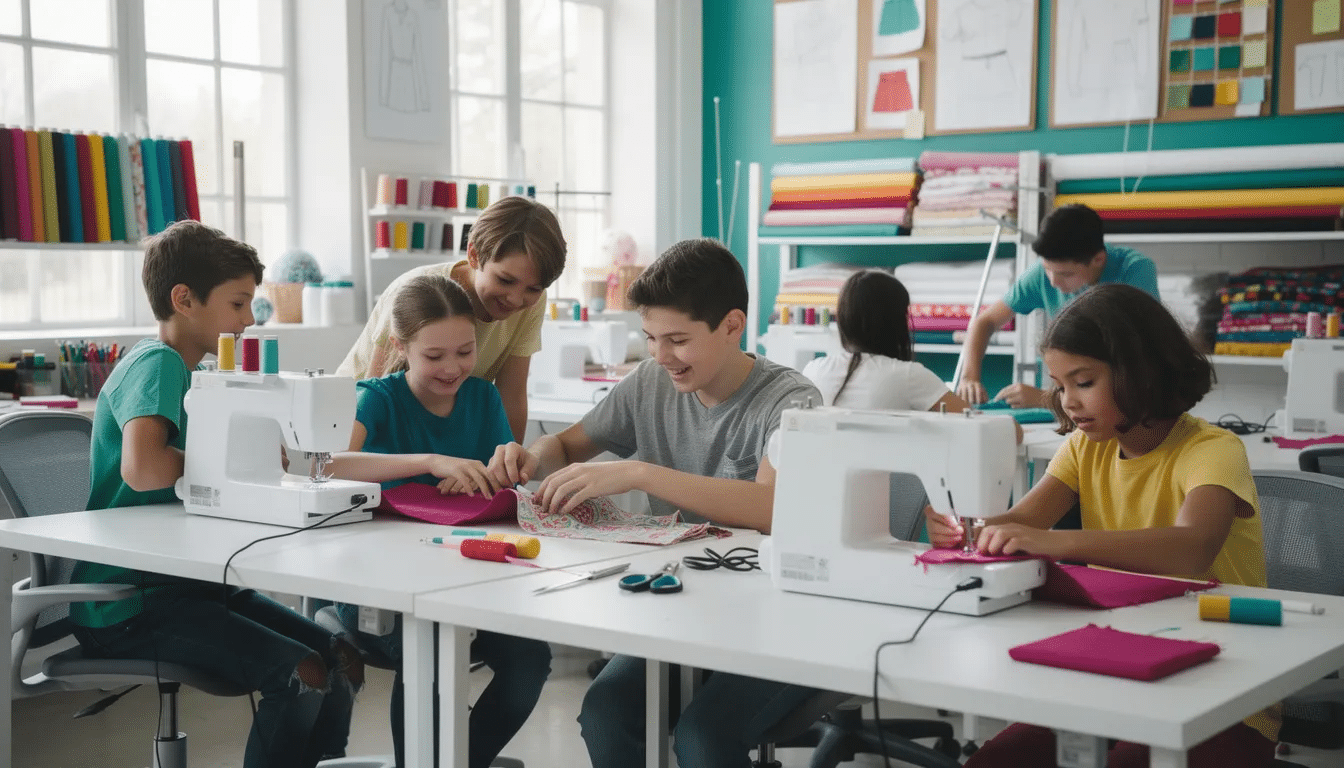
Camps are held in local studios or community spaces with bright lighting, sturdy work tables, and safely arranged sewing machines. Tuition generally includes use of machines, most fabrics, thread, patterns, and basic tools.
What campers should bring:
- Water bottle
- Nut-free snack
- Lunch for full-day sessions
- Enthusiasm and imagination
Spots are limited to keep class sizes small—typically 6 to 12 students per session—so advance registration is recommended. Visit the registration page or send an email to sign up and ensure your child’s spot in an upcoming program.
Safety, Supervision, and Accessibility
Parents can expect a sewing camp committed to safety and positive supervision. All instructors are experienced sewists who teach children with patience and care. They’re trained in machine safety protocols and classroom management, creating an environment where kids feel comfortable asking questions and making mistakes.
Student-to-instructor ratios typically range from 6 to 8 campers per adult, ensuring one-on-one guidance when needed. This ratio allows teachers to watch over machine use, help troubleshoot problems, and provide individual feedback on projects, while still supporting engaging group activities for young children that build social skills and cooperation.
Safety measures include:
- Machine guards on all equipment
- Clear rules for iron use (adults handle or closely supervise)
- Safe storage of pins, scissors, and rotary cutters
- Step-by-step demonstrations before independent work begins
- Materials selected to avoid common allergens when possible
Parents are encouraged to inform staff about allergies, learning needs, or accessibility concerns so accommodations can be arranged in advance. The goal is to create a welcoming space where every child can learn and create successfully, much like thoughtfully planned creative kindergarten classroom experiences that balance structure with hands-on exploration.
Hand Sewing vs. Machine Sewing
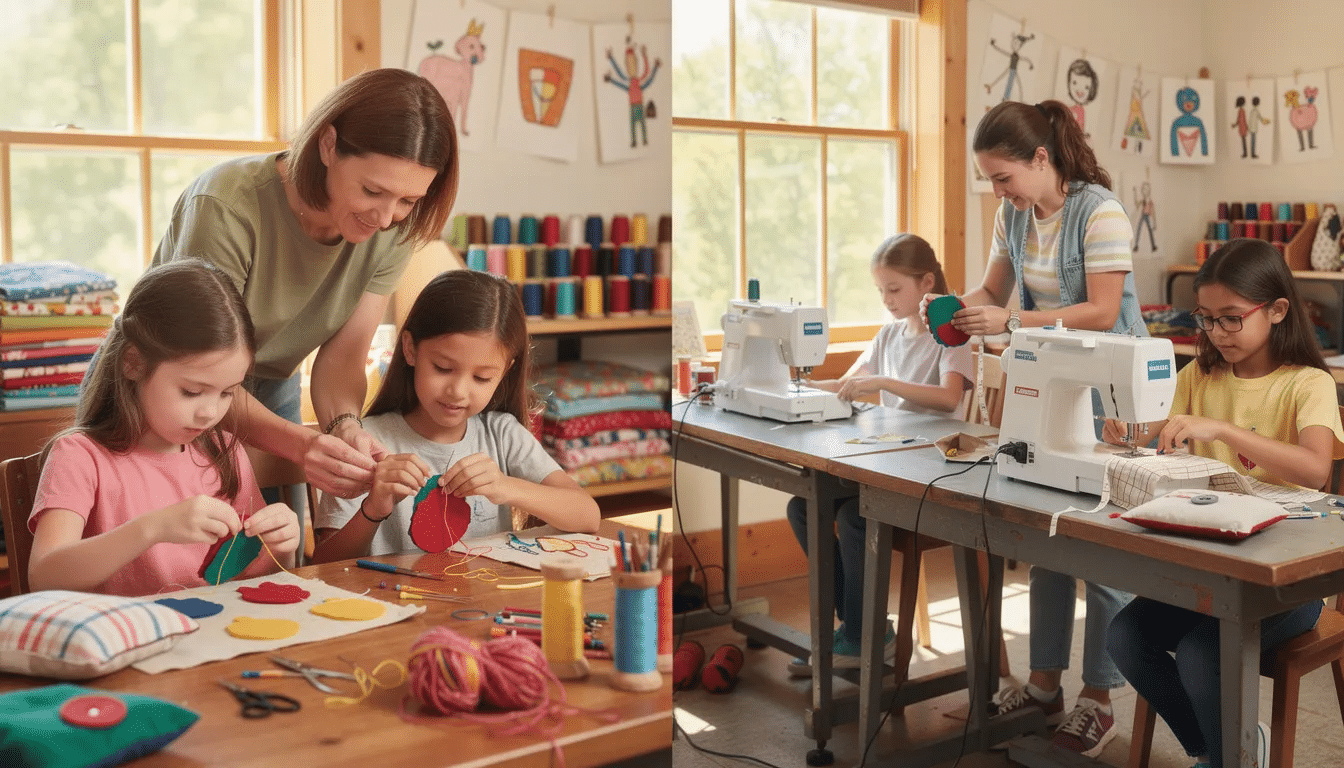
Younger or more cautious campers often begin with hand sewing projects before graduating to a sewing machine. This approach builds foundational skills—threading needles, controlling stitch length, understanding how fabric behaves—without the intimidation of electric equipment.
The camp introduces machines gradually:
- Full demonstration by the instructor
- Supervised practice on fabric scraps
- Short seams on simple beginner projects
- Independent work as confidence grows
Older or more experienced students may spend most of their time on machine-based projects, using hand sewing only for finishing touches like attaching buttons or closing openings. But both approaches are framed as equally creative and valuable. Kids who prefer hand sewing still complete impressive work and feel successful alongside their machine-sewing peers.
This measured approach ensures no student is rushed into using equipment before they’re ready—and that every camper, regardless of skill level, has a rewarding experience.
Ready to help your child discover the art of sewing this summer? Register early to secure a spot, and watch them come home with new skills, creative confidence, and projects they made themselves.