Sight word games for kindergarteners at home turn early reading practice into something kids actually want to do. Instead of asking a child to stare at a list and wait to be tested, these games help children practice sight words through movement, memory, touch, and play.
Sight words are high frequency words like the, and, is, and said that early readers need to recognize quickly. Many kindergarten programs use the Dolch Pre-Primer and Kindergarten lists, while others introduce Fry words; the first 100 Fry words appear in a large share of everyday text. When kids learn sight words automatically, they can focus more on meaning, spelling patterns, and the sentence in front of them.
Sight word practice can be transformed into playtime using movement and sensory games. Active, hands-on repetition helps kindergarteners recognize words quickly and naturally without the pressure of traditional drilling. Fun and effective sight word games for kindergarteners combine active movement with repetition, which makes learning essential words for early readers more engaging and enjoyable.
How We Chose the Best Sight Word Games for Home
The best sight word activities for home are simple enough for parents to start this week, but structured enough to build real reading confidence.
We looked for word games that meet these criteria:
- Easy setup with index cards, sticky notes, magnetic letters, or printable materials
- Short sessions that fit a 5- to 10-minute practice routine
- Enough repetition for children practice without feeling like a drill
- Flexible difficulty for new sight words and review words
- Parent-friendly rules that do not require a teacher manual
- Adaptable for apartments, shared spaces, or a larger house
- Useful for one child, siblings, small groups, or reading groups
Research supports this kind of repeated, playful practice. For example, studies on Reading Racetracks and flash cards show that timed, game-like repetition can improve sight word fluency and retention. Incremental Rehearsal, which mixes mostly known words with a few unknown ones, is also widely used to teach sight words while keeping frustration low.
Multi-sensory activities engage various senses beyond just visual and auditory, incorporating movement and touch to enhance learning. That matters because some kids need to hear the word, read the word, touch the letters, write the word, and use it in a sentence before it sticks, which aligns with how arts and crafts support overall child development.
You can download free printable sight word playing cards for the Dolch list and the Fry list to use in various sight word games. Printable leveled booklets are also available for download, allowing parents to choose appropriate reading levels that align with specific sight words their child needs to learn.
Top 5 Sight Word Games for Kindergarteners at Home
1. Sight Word Bingo
Sight word bingo is a classic bingo game adapted for early reading. Instead of numbers, the bingo cards are filled with sight words. A parent calls out a word, and the child covers the corresponding word if they can find it.
Printable sight word bingo cards can be created using the first 100 words from the Fry Sight Words list, allowing for repeated use in classrooms or at home. You can also print a blank grid and fill it with the week’s school words.
Why It Stands Out
Sight word bingo feels familiar. Kids understand the goal quickly, and parents can focus on helping them read instead of explaining complicated rules.
Best For
Choose this if your child likes structured games, a clear win condition, and the excitement of calling “bingo.”
Key Strengths
- Easy to set up with printable cards or simple materials
- Works with one child, siblings, or a whole class-style setup
- Builds recognition speed and confidence
- Can be used for free choice practice after school
- Lets kids hear, read, and mark each word correctly
Possible Limitations
- Requires printing or purchasing bingo cards
- You may need coins, cereal pieces, or small markers
- Some kids focus more on winning than reading, so pause often and ask them to read the word aloud
2. Sight Word Memory/Concentration
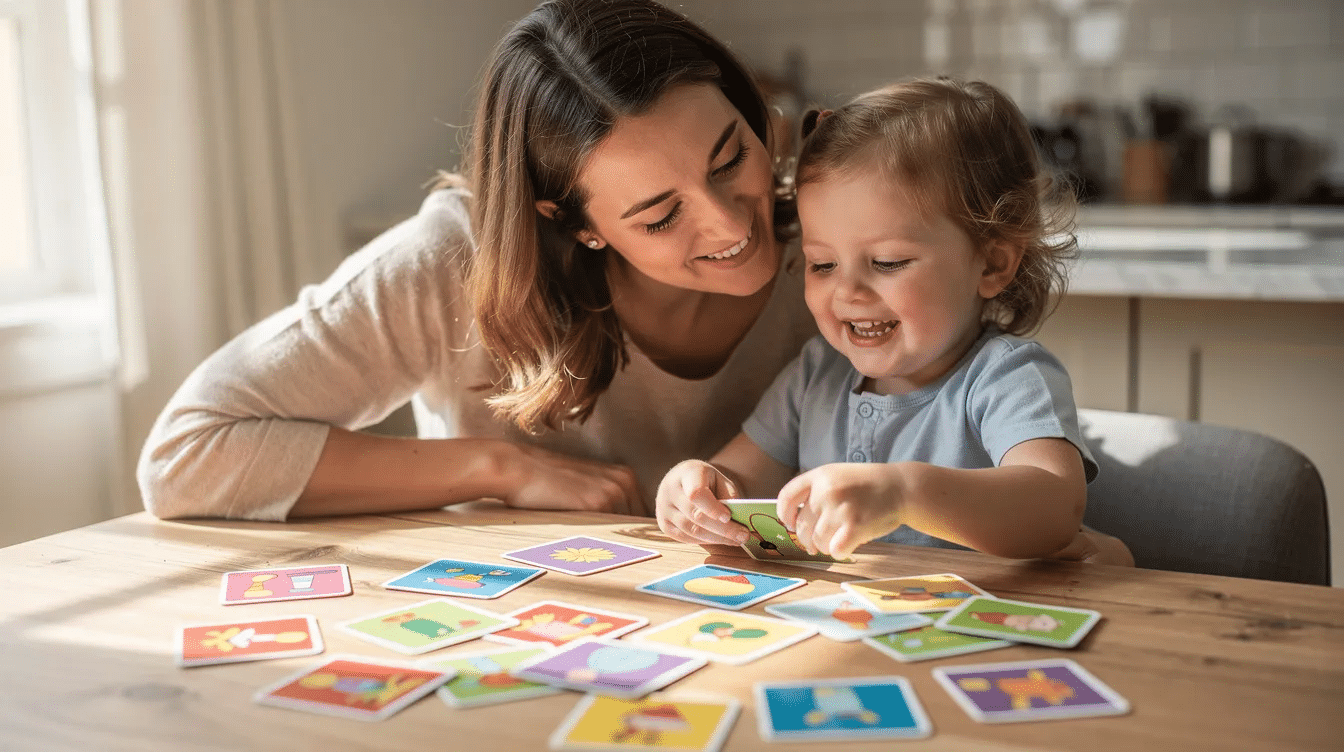
For this memory game, write each sight word on two cards. Turn the cards face down on the floor or table. The child flips two cards, reads both, and keeps the pair if the words match.
Why It Stands Out
Memory combines sight word recognition with visual recall. It is quiet, reusable, and easy to adjust by changing the number of cards.
Best For
Choose this if your child enjoys calm, focused games and does not need constant movement to stay engaged.
Key Strengths
- Uses simple index cards most families already have
- Improves memory skills alongside sight word recognition
- Self-pacing allows the child to work at a comfortable level
- Easy to mix known words with new sight words
- Great for parents who want a low-prep original game they can play again
Possible Limitations
- Requires time to create matching cards initially
- Can be frustrating for children with shorter attention spans
- Too many cards can overwhelm a kindergarten reader
To keep it manageable, start with six to ten pairs. If your daughter, son, or student misses a match, simply say the word correctly and have them repeat it.
3. Indoor Sight Word Scavenger Hunt
In this game, parents hide sight word cards around the house. The child finds each card, reads it aloud, and matches it to a master list.
Children can find sight words hidden on sticky notes in a game of Word Hide-and-Seek. In the Scavenger Hunt game, children find sticky notes with sight words around the house and match them to a master list, promoting active learning.
Why It Stands Out
This game turns the whole room into a reading space. It is especially useful for kids who need to move before they can focus.
Best For
Choose this if your child is active, restless after school, or more motivated by exploring than sitting.
Key Strengths
- Combines physical movement with learning
- Uses the home space creatively
- Easy to customize by choosing obvious or tricky hiding spots
- Works well with sticky notes on doors, chairs, shelves, or windows
- Lets parents post words in places the child sees all week
Possible Limitations
- Requires setup before each session
- May not work well in very small spaces
- Kids may rush to find cards and forget to read them
A simple rule helps: the child must read each word before placing it on the master list. If they cannot read it, they can ask for help, trace it with a finger, and try again.
4. Fly Swatter Sight Words
Spread sight word cards across the floor. Call out a word, and your child uses a clean fly swatter to swat the matching card.
The Fly Swatter Sight Words Game involves calling out a word and having students swat the corresponding card, making it a fun and active way to learn sight words.
Why It Stands Out
It is silly, fast, and physical. For many kindergarteners, that is exactly what makes it work.
Best For
Choose this for high-energy kids who need a quick blast of practice before dinner, bath time, or homework.
Key Strengths
- Highly engaging and silly enough to keep kindergarteners interested
- Builds quick recognition and reaction time
- Requires minimal materials
- Can be played with Dolch, Fry, or classroom words
- Easy to change from untimed to timed practice
Possible Limitations
- Can be noisy for apartment living or quiet households
- Needs safe floor space
- Some kids may swat too hard, so set rules first
If you worry the game will get too wild, use a soft pointer, rolled paper towel tube, or even a hand tap instead.
5. Sight Word Go Fish
Sight Word Go Fish uses pairs of sight word cards. Each player asks for a word: “Do you have come?” If the other player has it, they hand it over. If not, the player must fish from the pile.
Why It Stands Out
This game adds conversation, turn-taking, and repeated reading. Kids practice asking for words in their own words while still following a familiar structure.
Best For
Choose this for family game nights, siblings, or parents who want quiet practice that still feels social.
Key Strengths
- Familiar game rules make it easy for children to understand
- Promotes social interaction
- Can be played quietly any time of day
- Uses fish cards you can make with index cards
- Helps kids read the same word several times in context
Possible Limitations
- Requires creating multiple sets of sight word cards
- Works best with at least two players
- Some children may need help holding and sorting cards
For an easy example, make pairs for eight words from the week. Shuffle, deal five cards, and play until all pairs are matched.
Quick Comparison of the Best Sight Word Games
Game | Best use case |
|---|---|
Sight Word Bingo | Best for families who enjoy classic games |
Memory/Concentration | Best for quiet, focused practice sessions |
Scavenger Hunt | Best for active children who need movement |
Fly Swatter | Best for high-energy, silly learning sessions |
Go Fish | Best for family game nights with multiple players |
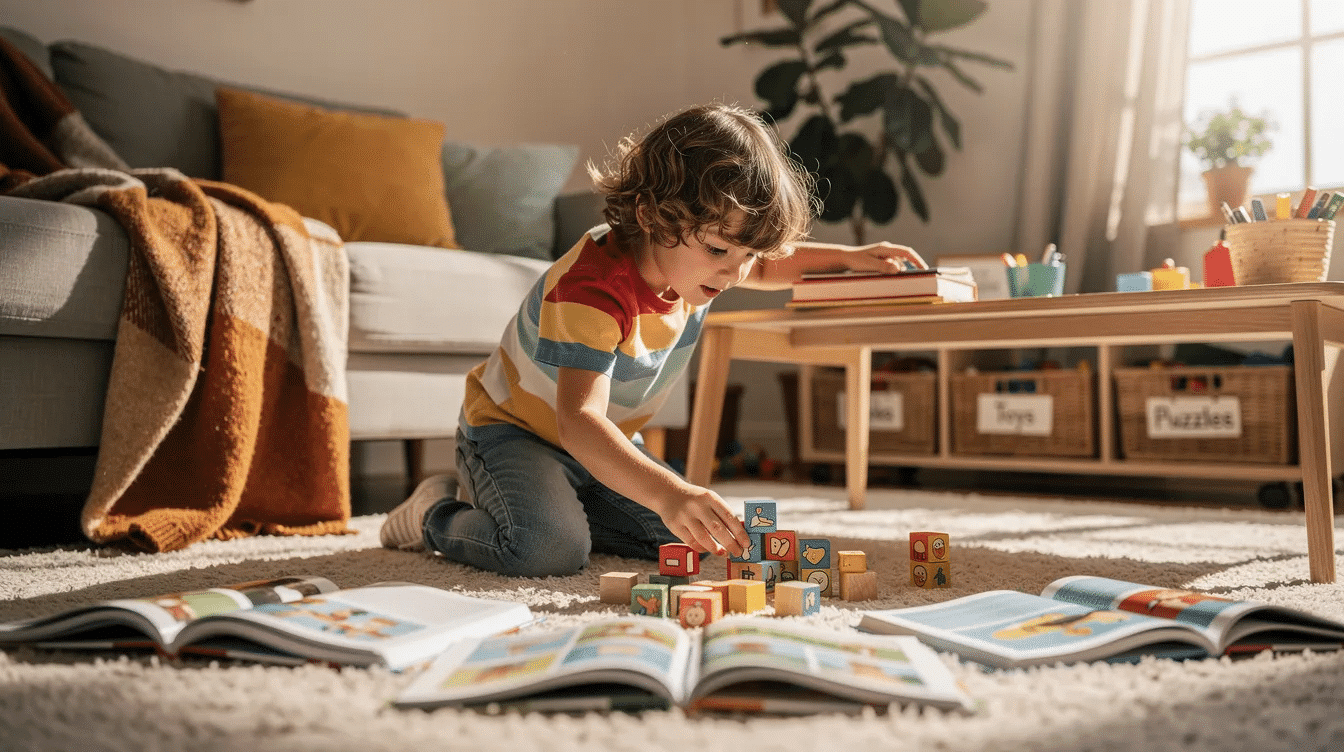
Other great ideas can rotate in during the week. The Popcorn Game involves reading scrunched up slips of paper with words written on them, resembling popcorn. Sight Word Tower uses building blocks with sight words written on each block, requiring reading aloud before pulling a block. You can roll a die, pull a block, read it, and fill a quick score chart. |
Games like Sight Word Hopscotch encourage children to read words aloud before hopping onto them. If the weather is good, sidewalk chalk makes this easy outside, and you can even collect sticks on a walk and use them later for creative nature stick crafts.
How to Choose the Right Sight Word Game
Choose Based on Your Child’s Learning Style
A visual learner may like bingo, memory, or colorful flash cards. An auditory learner may benefit from saying the word, hearing it used in a sentence, and repeating it. A kinesthetic learner may prefer scavenger hunts, hopscotch, Fly Swatter, or building words.
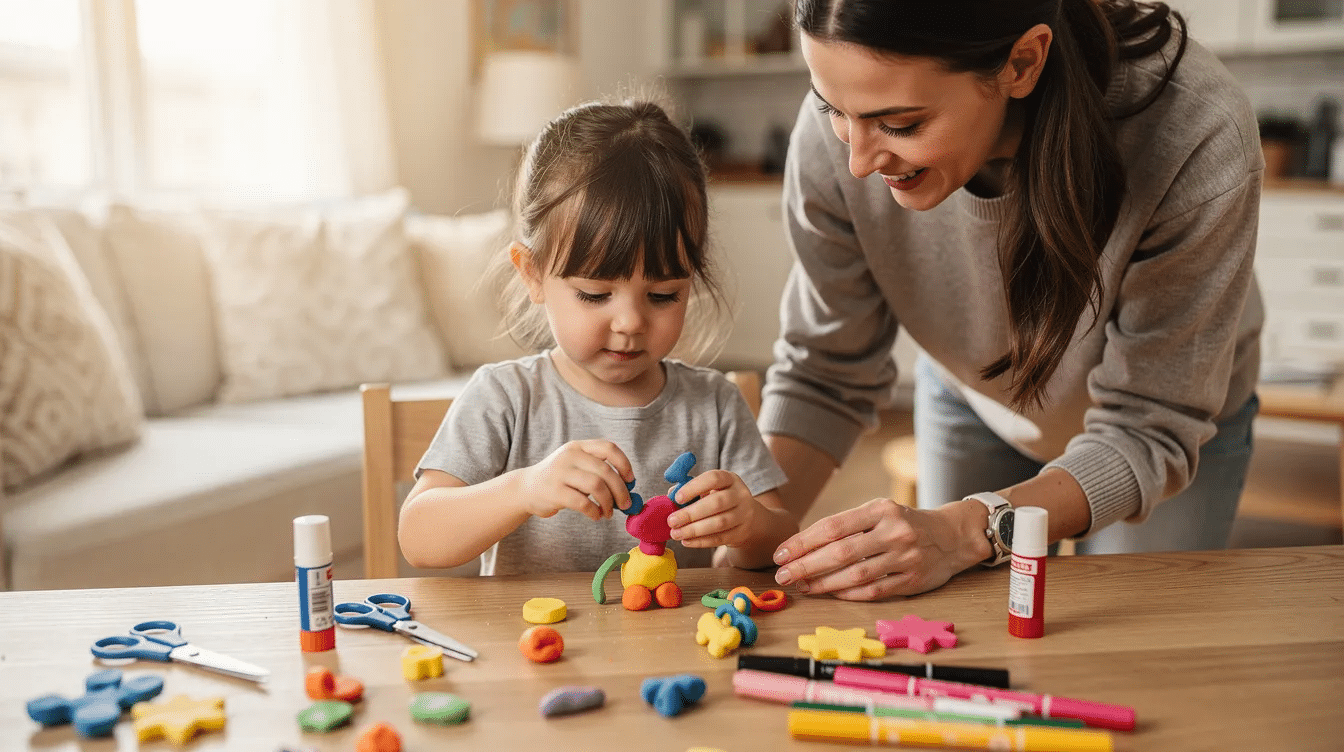
Using play dough mats allows children to form sight words by shaping letters with play dough, combining tactile learning with word recognition. Building sight words with Wikki Stix or pipe cleaners provides a hands-on approach that reinforces word formation through touch and creativity and strengthens fine motor skills through art activities. Using shaving cream for tracing letters can be an engaging way for children to practice sight words.
Magnetic letters also work well for tactile practice. Ask your child to build a word, read it, mix the letters, and build it again. You might keep these with a small bin of art supplies for young artists so creative play and word-building are always within reach. This is not the same as rhyming words practice, but it can support spelling and word recognition at the same time.
Choose Based on Available Time and Space
If you have 10 minutes, choose bingo, Go Fish, or a small memory set. If you have more time and space, choose Scavenger Hunt, Hopscotch, or Fly Swatter.
Apartments usually work better with quiet games, especially if you’re already using no-mess activities for toddlers with younger siblings nearby. A house with more room can handle movement games on the floor or in the hallway. In a classroom, these games can also work during centers, reading groups, or small groups as part of a broader plan for creative kindergarten class experiences.
If your child is in first grade but still needs kindergarten review, do not wait or worry. Use the same games with a slightly larger word set and more sentence reading.
Choose Based on Materials and Preparation
The lowest-prep games use index cards, sticky notes, or flash cards. Printable games take more setup at first, but they are reusable. Digital options like boom cards can help when parents need a quick independent activity, though they should not replace reading aloud with an adult.
For practice writing, keep a small notebook nearby. After playing games, ask your child to write three words from the session and read each one correctly, or cool down with a simple tissue paper stained glass craft. This helps connect reading, spelling, and handwriting.
Which Game Is Best for You?
Choose Sight Word Bingo if you want a structured, familiar game format that works well after school or during a weekend review.
Choose Scavenger Hunt if your child learns best through movement and exploration. It is also a strong choice if your kids loved hide-and-seek and need reading to feel active.
Choose Memory if you prefer quiet, focused learning activities with little cleanup.
Choose Fly Swatter if your child needs energy and laughter to stay engaged.
Choose Go Fish if you want a family-friendly sight game that builds conversation and turn-taking.
Here is a simple weekly plan:
- Monday: Introduce five new sight words with sight word flashcards
- Tuesday: Play sight word bingo
- Wednesday: Do a sticky notes scavenger hunt
- Thursday: Play memory with review words
- Friday: Let your child choose a favorite game
A teacher may send home a school list, or you may create your own from Dolch or Fry. Either way, keep the focus on a small number of words. Kindergarten students are not supposed to master the whole reading world in one week.
Final Thoughts
Consistent sight word practice at home does not need to feel like another worksheet. With the right game, parents can help kids learn sight words through movement, memory, touch, and fun.
The best sight word games for kindergarteners at home depend on your space, your child’s personality, and how much preparation you want to do. Try two or three ideas, notice which one your child asks to play again, and build from there.
Keep the sessions short, praise effort, and revisit old words often. A few playful minutes each day can make sight words feel familiar, useful, and much less intimidating.