Between 2018 and 2025, the circular economy exploded online. Community makers, educators, and sustainability-minded entrepreneurs began building digital platforms dedicated to turning discarded stuff into something worth keeping. An upcycle website serves this mission—it’s a hub for creative reuse projects, a shop for upcycled products, and often a resource for people who want to learn how to give new life to old materials.
This article answers what an upcycle website should include, who it serves, and how it supports sustainable living. Whether you’re planning to build one yourself or simply want to find inspiration, you’ll discover the core features, product categories, and educational programs that make these platforms work.

- What Is an Upcycle Website?
- Why Launch an Upcycle Website in 2026?
- Core Features of a Successful Upcycle Website
- Inspiring Upcycled Product Categories
- Educational Content & Community Programs
- Digital Sustainability: Making the Website Itself More Eco-Friendly
- How to Start Building Your Upcycle Website in 2026
What Is an Upcycle Website?
An upcycle website is a digital platform focused on turning discarded materials—plastic, wood, textiles, metal, vinyl records, and more—into higher-value products. Unlike general recycling sites that emphasize material breakdown and industrial processing, upcycle websites celebrate creative transformation. The point is preservation and enhancement, not decomposition.
Think of it this way: recycling breaks down a plastic bottle through energy-intensive processes. Upcycling might turn that same bottle into a lamp, a planter, or part of a handbag—no melting required.
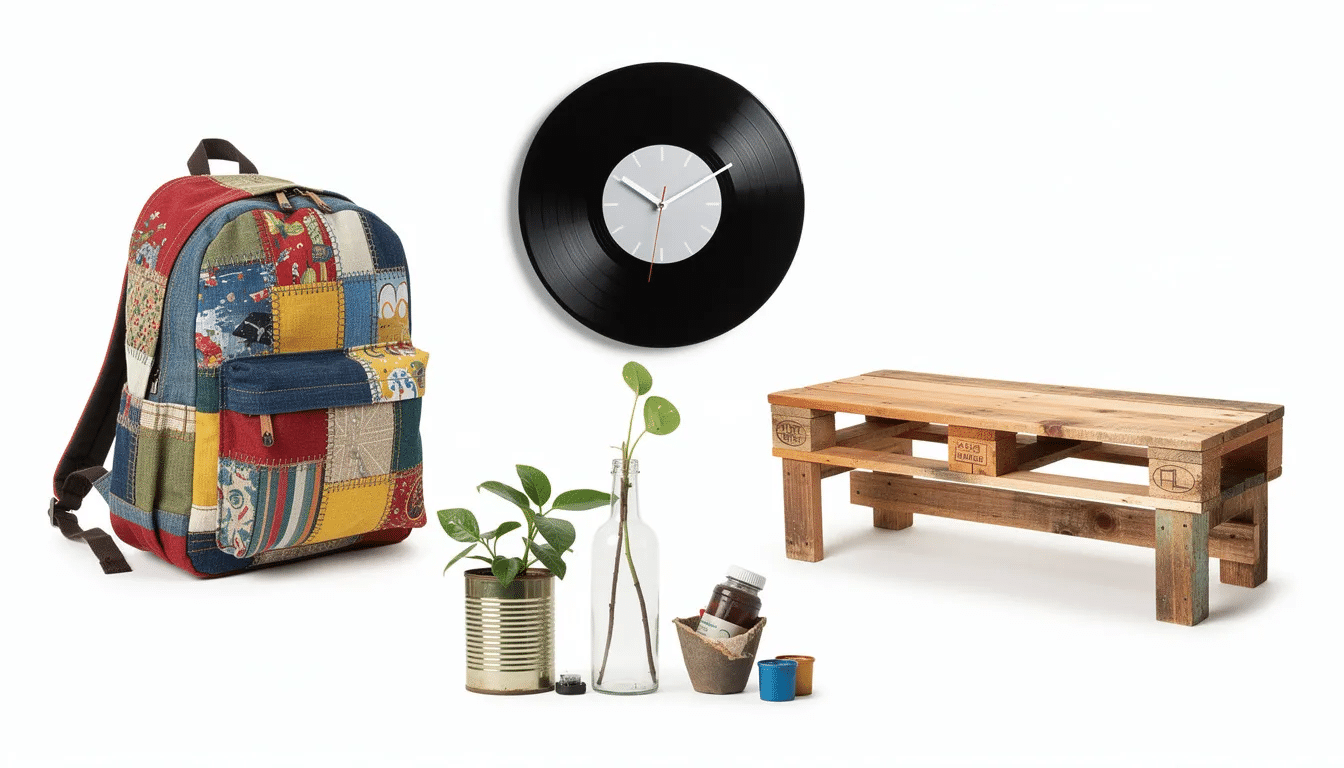
Concrete examples you might find on an upcycle website:
- A catalog of upcycled backpacks made from 2023 textile offcuts
- Wall clocks crafted from 1980s LP records with printed pizza motifs or city skylines
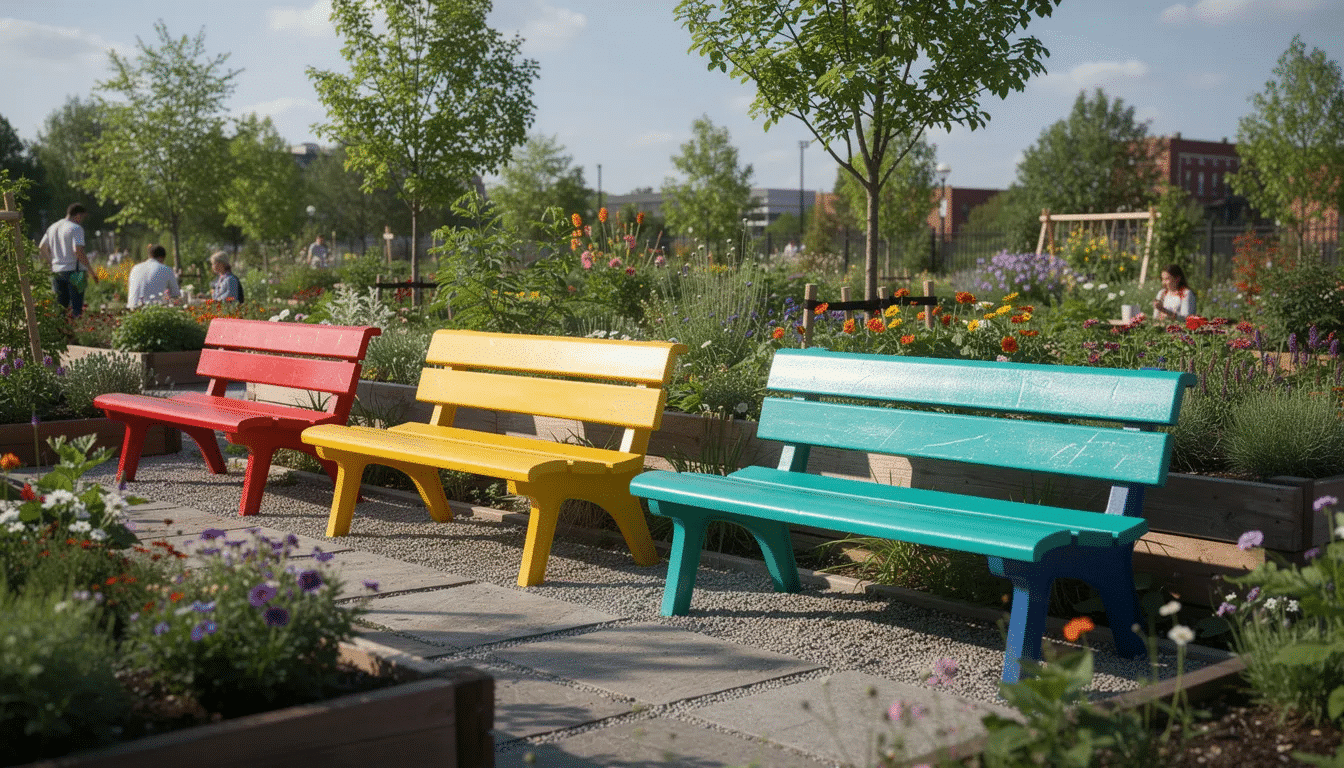
- Benches formed from compressed plastic collected during 2020–2024 neighborhood cleanups
- Fashion accessories created from retired advertising banners
The Théla project demonstrates this approach perfectly—transforming single-use plastic bags, hand-cleaned and sorted by color, into crocheted handbags that sell for premium prices. Rifò Lab’s collaboration with Levi’s upcycled collected jeans via patchwork into bucket hats, proving that waste can become luxury.
Why Launch an Upcycle Website in 2026?
The time to invest in an upcycle website has never been stronger. Following the 2021–2023 IPCC reports, consumer awareness of environmental impact reached new heights. The fashion industry alone generates 92 million tons of textile waste annually, and people are actively searching for alternatives to buying new.
Key factors driving opportunity:
- Proven community interest: Between 2020 and 2024, local projects converted cleanup plastics into park benches and public art installations across neighborhoods worldwide
- Growing demand: Market predictions forecast 30% growth in upcycling by 2030, driven partly by EU circular economy mandates
- Digital reach: Upcycled sites see 20-50% traffic uplifts after optimization, according to web agency reports
- Dual impact: Every item sold diverts materials from landfills while educating visitors about sustainable living
Launching an upcycle website in 2026 positions you at the intersection of environmental need and consumer demand.
The organization structure is simple: create a platform where people can find upcycled things, learn to make their own, and connect with a community that shares their values.
Core Features of a Successful Upcycle Website
Building an effective upcycle website requires thoughtful structure. Each section should serve visitors who arrive with different goals—some want to buy, others want to learn, and many want to connect with local programs.
Ideas & Projects Area
Create a browsable collection where visitors can find inspiration. Include filters by material type (plastic, wood, glass, fabric, vinyl records) and by end use (home decor, furniture, fashion, gifts). Let people discover what’s possible before they start their own projects or add items to their cart.
Product Catalog or Quick Shop
Feature finished upcycled items with clear pricing, photos, and ratings. Example price points help set expectations:
Product Type | Material Source | Price Range |
|---|---|---|
LP Wall Clock | Vinyl records | $45–$60 |
Textile Backpack | Denim offcuts | $75–$95 |
Pallet Side Table | Reclaimed wood | $120–$180 |
Bottle Lamp | Glass containers | $35–$55 |
Resources & Learning Hub |
Develop guides on how to start upcycling at home, projects suitable for involving children, and instructions for running community workshops. Include recommendations for DIY kits for creative projects and fun learning so beginners can get started with all materials included. Educators especially value downloadable materials they can use in classrooms.
Contact & Community Info
Include clear contact information: email, phone, and physical address if you operate a space. Explain how visitors can donate surplus materials, become a member, join as volunteers, or connect with partners in their area. Make the page easy to navigate and the process simple.
Inspiring Upcycled Product Categories
This section showcases concrete examples of what an upcycle website should feature. Keep descriptions short and prices visible.
Fashion & Accessories
Backpacks and tote bags made from retired banners, denim offcuts, and upholstery scraps typically range from $40–$90. Clotsy Brand, for instance, upcycles mattress waste into flip-flops, recycling 0.5 kg of material per pair using organic cotton and natural fibers.
Home Decor
Clocks made from 12-inch vinyl records remain popular items—especially those featuring distinctive printed designs. Glass bottle lamps, wall art from pallet wood, and planters from metal containers all represent the kind of products that demonstrate what’s possible when you reuse materials creatively, and they sit alongside colorful craft ideas for a fun weekend that help visitors experiment with smaller at-home projects.
Outdoor & Community Items
Garden beds, benches, and playground seating formed from compressed plastic show the larger-scale potential of upcycling. These items often emerge from cleanup programs that collect waste over several years, then process it into durable outdoor furniture.
Featured This Month: A 2024 collection made from post-consumer plastic bottle caps, transformed into colorful outdoor seating for school playgrounds.
Educational Content & Community Programs
Education forms a core function of any serious upcycle website. Your platform should help people learn practical skills while understanding the broader environmental context.
Online Tutorials
Develop step-by-step projects with clear photography or short videos. For example, guide visitors through converting a 1990s wooden chair into a 2026 reading nook accent piece with paint and reupholstery. Patience matters here—break complex processes into manageable stages.
School & Community Resources
Create downloadable lesson plans for educators working with children aged 6–14. Focus on creative reuse and material literacy. Teachers love content they can use immediately without extensive preparation.
Seasonal Programs
Around the holidays, feature simple step-by-step projects like a playful recycled Christmas wreath that families can make together using common household materials.
Promote 2026 summer camps and 2027 weekend workshops where participants collect local waste and transform it into art or functional objects. These programs build community while keeping materials out of landfills.
Impact Tracking
Publish annual diversion numbers showing how many pounds or kilograms of materials your community kept from disposal. Share updates about partnerships with local organizations and highlight the volunteers who make programs possible.
- Workshops: Monthly hands-on sessions for adults
- Camps: Week-long summer experiences for families
- School Programs: Curriculum-aligned activities for K-8 classrooms
- Online Guides: Self-paced tutorials available anytime
Digital Sustainability: Making the Website Itself More Eco-Friendly
An upcycle website should practice what it preaches. The digital footprint of your site matters, and reducing it aligns with your mission.
Green Hosting
Choose hosting providers that rely on renewable energy or participate in carbon-offset programs. Between 2024 and 2026, many providers now publicly disclose their data center energy sources, making this assessment straightforward.
Lightweight Design
Optimize images of your upcycled products—large photos sell items, but bloated files waste energy with every page load. Minimize scripts, implement efficient caching, and reduce data transfer per view. A simple approach often works better than complex designs.
Transparent Reporting
Consider creating an “About Our Digital Footprint” page. Include annual summaries of your hosting choices, estimated emissions, and improvements made since launch. This level of transparency builds trust with environmentally-conscious visitors.
The way you build your site can reflect the same values that guide your product selection—minimal waste, maximum value.
How to Start Building Your Upcycle Website in 2026
You don’t need a massive budget or technical expertise to begin. Makers, educators, and community organizers can launch effective platforms with limited resources and a lot of love for the work.
First Steps
- Choose a name and secure your domain
- Sketch your core sections: Ideas, Shop, Education, Contact
- Assemble 5–10 real projects completed between 2020–2025
- Photograph your items in natural light against clean backgrounds
- Write short, honest descriptions that explain each item’s origin story
Recommended Tools
Use accessible website builders or open-source CMS platforms. Set up a simple product photography area—even a white poster board near a window works. Create a clear system for pricing upcycled goods based on materials, time invested, and comparable sale sold data from similar items.
Content Calendar for 2026–2027
Plan monthly project releases to keep your site fresh. Align campaigns with environmental awareness dates:
Month | Campaign Focus |
|---|---|
April | Earth Day collection |
July | Plastic Free July features |
October | Community spotlight series |
December | Gift guide for upcycled home items |
Your Call to Action |
Look around your own home. That old dresser, those vinyl records in the garage, the fabric scraps in your craft room—they’re waiting for new purpose. You can build something that helps people find better uses for the things they’d otherwise throw away.
Start small. Document what you make. Share your process. An upcycle website doesn’t need to be perfect at launch—it just needs to live and grow alongside your community.
Ready to begin? Submit your project ideas, explore what others have created, or contact local partners who can help you collect materials. The end goal isn’t just a website—it’s a way to change how people think about what they throw away.