
If you’ve scrolled through Pinterest or Instagram in recent years, you’ve likely spotted beautifully transformed furniture pieces that look nothing like their original form. That’s upcycled furniture in action—and it’s become one of the most popular ways to create stylish, sustainable interiors without breaking the bank.
This guide breaks down everything you need to know about upcycling furniture, from basic definitions to practical steps for your first project.
- What Is Upcycled Furniture?
- What Is Upcycling?
- Upcycling vs Recycling vs Vintage vs Reuse
- Why Choose Upcycled Furniture for Your Home?
- Examples of Upcycled Furniture Projects
- How to Start Upcycling Furniture (Step by Step)
- Where to Find Ideas and Inspiration for Upcycled Furniture
- Summary: What Makes Furniture Truly “Upcycled”?
What Is Upcycled Furniture?
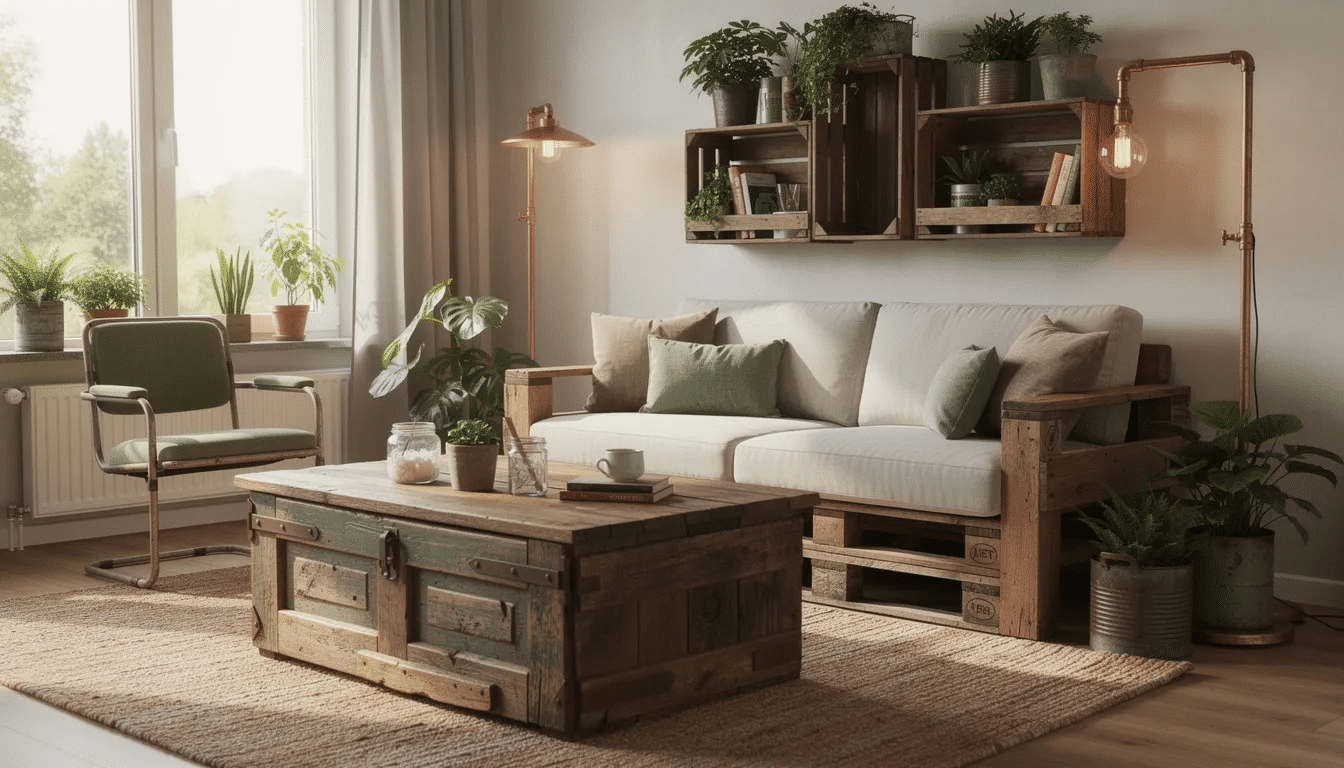
Upcycled furniture is old furniture or unwanted furniture pieces that have been creatively transformed through painting, reimagining, or structural alterations into something more stylish, functional, or valuable than the original piece.
The key distinction is that the existing furniture remains recognisable in its basic form, but its appearance, purpose, or worth has been significantly improved. Think of it as giving a tired piece a new lease of life rather than replacing it entirely.
Here are some concrete examples of what upcycled furniture looks like in practice:
- A dated 1990s pine chest of drawers gets a fresh coat of chalk paint in sage green, fitted with new hardware in brushed brass, and suddenly looks like a £400 designer piece
- A discarded 1970s sideboard destined for the skip is stripped, refinished, and converted into a modern TV unit with cable management holes added
- An old dresser with water damage on the top gets a new marble-effect surface and updated handles, transforming it into a statement piece for a contemporary bedroom
The upcycled furniture movement has exploded across social platforms since around 2015, with hashtags like #furnitureflip and #upcycledfurniture generating millions of posts. In both UK and US interiors trends, these unique pieces have become highly sought after—they add character that mass production simply cannot replicate.

What Is Upcycling?
Upcycling, in its broadest sense, means creatively reusing existing items or materials to create something of higher value or quality than the original. It applies to everything from fabric and clothing to furniture upcycling and home decor.
When it comes to furniture specifically, upcycling usually involves cosmetic or functional upgrades that transform the piece without breaking it down into raw materials. The original form largely stays intact—you’re enhancing what already exists rather than starting from scratch.
Here’s what furniture upcycling typically involves:
- Cosmetic upgrades: Painting, re-staining, or applying decorative techniques to change the visual appearance
- Functional improvements: Adding storage compartments, changing the purpose (like turning a chest of drawers into a bathroom vanity), or modifying dimensions
- Hardware updates: Swapping old hardware for new handles, knobs, legs, or castors
- Reupholstering: Replacing worn fabric on chairs, headboards, or bench seats with fresh material
- Structural repairs: Fixing wobbly joints, replacing damaged panels, or reinforcing frames with wood filler and proper joinery
Some project-style examples bring this to life:
- In 2023, a maker transformed a solid oak door salvaged from a 1930s house demolition into a stunning farmhouse dining table, adding industrial metal legs and preserving the original wood grain
- Dated IKEA Billy bookcases from the early 2000s can be transformed into custom “built-in” shelving units by adding decorative moulding, painting them to match wall colours, and attaching them directly to the wall
Unlike recycling, which breaks items down into their component materials, upcycling keeps most of the structure intact. A recycled wooden chair might become wood chips for particle board. An upcycled piece of furniture retains its chair form but gains a new purpose and aesthetic.
Upcycling can be done by DIY projects enthusiasts at home with basic tools, or by professional makers creating one of a kind statement pieces for high-end clients.
Upcycling vs Recycling vs Vintage vs Reuse
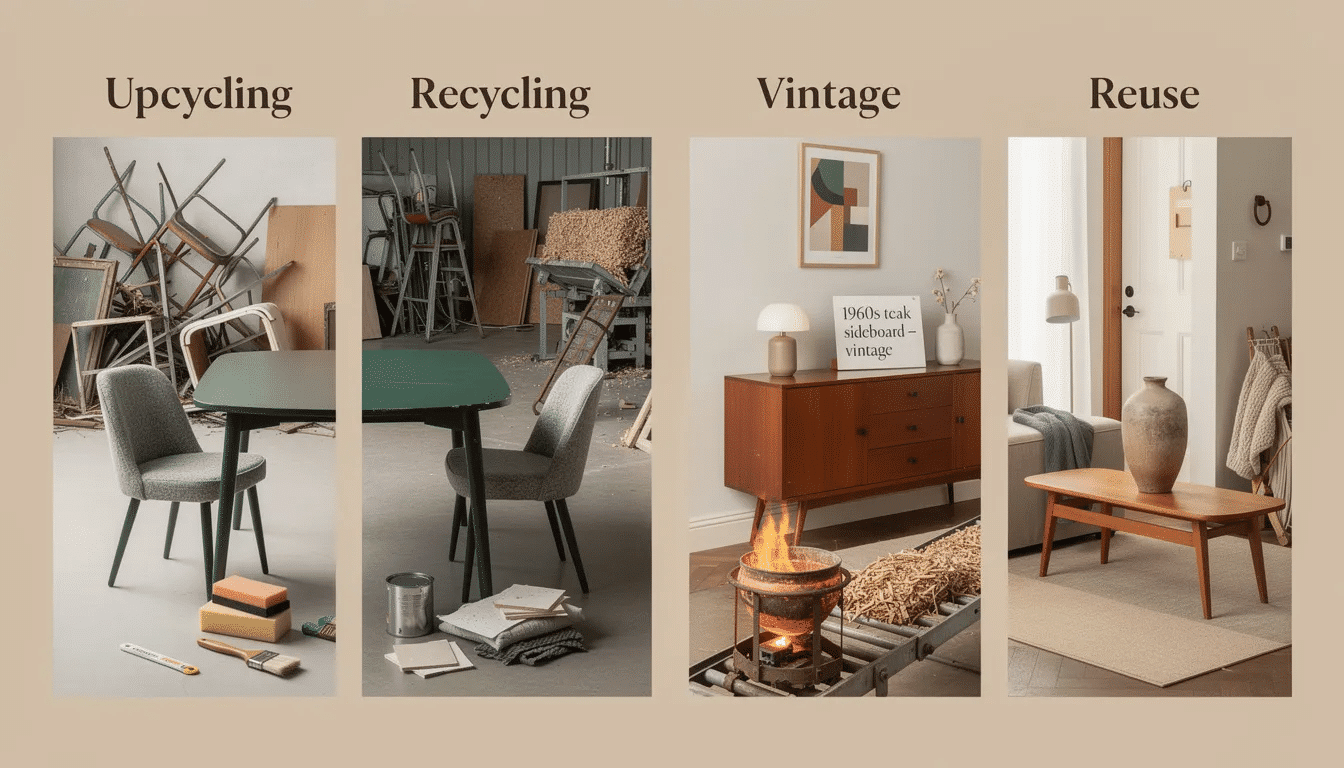
These terms often get used interchangeably, but they mean quite different things. Understanding the distinctions matters whether you’re shopping for second hand furniture, planning diy projects, or trying to reduce your environmental impact.
Upcycling involves creatively transforming an item to increase its value, quality, or functionality. The original piece remains largely intact, but it’s elevated through intentional design choices.
- Example: Sanding and repainting a 1980s mahogany dining table, then pairing it with newly upholstered chairs in a complementary fabric to create a cohesive modern set
Recycling breaks items down into their raw materials before those materials are processed into entirely new products. The original form is completely lost in this process.
- Example: Metal chair frames being melted down at a recycling facility, or wood being chipped and pressed into particle board for new furniture production
Vintage refers to furniture pieces typically between 20 and 100 years old. The term describes age and era, not what’s been done to the piece.
- Example: A 1960s teak sideboard in original condition qualifies as vintage furniture—it might be sold as-is to collectors or serve as the starting point for an upcycling project
Reuse simply means using an item again in the same or different role without significant modification. There’s no creative transformation involved.
- Example: Moving grandma’s wardrobe from her house into your guest room, or using old kitchen cabinets in a garage for storage without any updates
The key takeaway: an upcycled piece can start as vintage, second hand furniture, or even flat-pack furniture from a few years ago. What makes it “upcycled” is the creative transformation that gives it new life—not simply its age or previous ownership.
Why Choose Upcycled Furniture for Your Home?
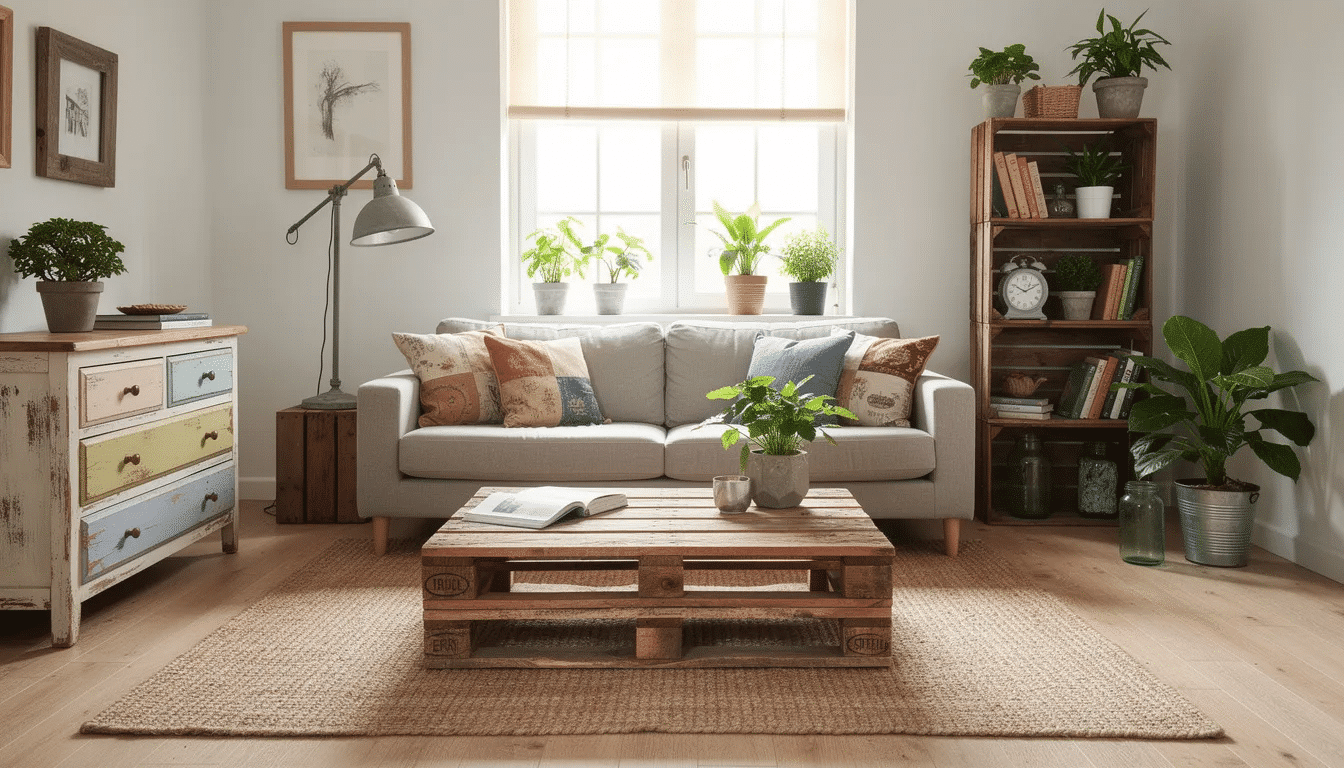
Upcycled furniture sits at the intersection of sustainability, character, and affordability. It offers something that new furniture from the high street rarely can: a piece with genuine personality that doesn’t cost the earth—literally or financially.
Environmental benefits:
- Extends the life of existing furniture, keeping bulky items out of landfill where they contribute to waste
- Reduces waste from the furniture industry by giving unwanted pieces a new purpose
- Reduces demand for new timber, metals, plastics, and other resources that new furniture requires
- Lowers your carbon footprint compared to buying newly manufactured items that require extraction, processing, and shipping
Style and uniqueness:
- Each upcycled piece is genuinely unique pieces—visible brush strokes, individual hardware choices, and colour combinations that cannot be replicated
- Adds character to your space in ways that mass production furniture simply cannot achieve
- Allows you to express your personal style through custom finishes, colours, and details
- Creates conversation pieces with stories behind them
Budget benefits:
- A £15 bedside table from charity shops refinished with £20 of materials in 2024 can rival a £120 high-street equivalent
- Quality solid wooden furniture from past decades often features better construction than budget new furniture
- Allows access to higher-quality materials (solid oak, mahogany, teak) at a fraction of new prices
- Saves money while creating something valuable for your home
Emotional and storytelling value:
- Old pieces often carry history—a family sideboard from the 1970s updated to match a 2020s kitchen connects past and present
- The process of transformation creates personal attachment to the finished product
- Upcycled items become meaningful rather than disposable
- Supports a “buy less, buy better” lifestyle that prioritises quality over quantity
Choosing upcycled furniture—whether you make it yourself or buy from makers—represents a more circular approach to furnishing your home.
Examples of Upcycled Furniture Projects
Seeing concrete examples helps you imagine what’s possible with your own projects. Upcycled furniture projects range from subtle refreshes to dramatic functional transformations.
Here are real examples of finished upcycled furniture to spark ideas:
- Dining set transformation: A dark 1980s mahogany dining set stripped of its heavy varnish and refinished in a light oak stain in 2022. The chairs received new upholstered seats in a contemporary grey linen fabric, turning a dated suite into a bright, modern centrepiece
- Baby cot to garden bench: A baby cot from around 2010, no longer needed, converted into a charming garden bench by removing one side panel, reinforcing the structure, and applying exterior-grade paint in a heritage green
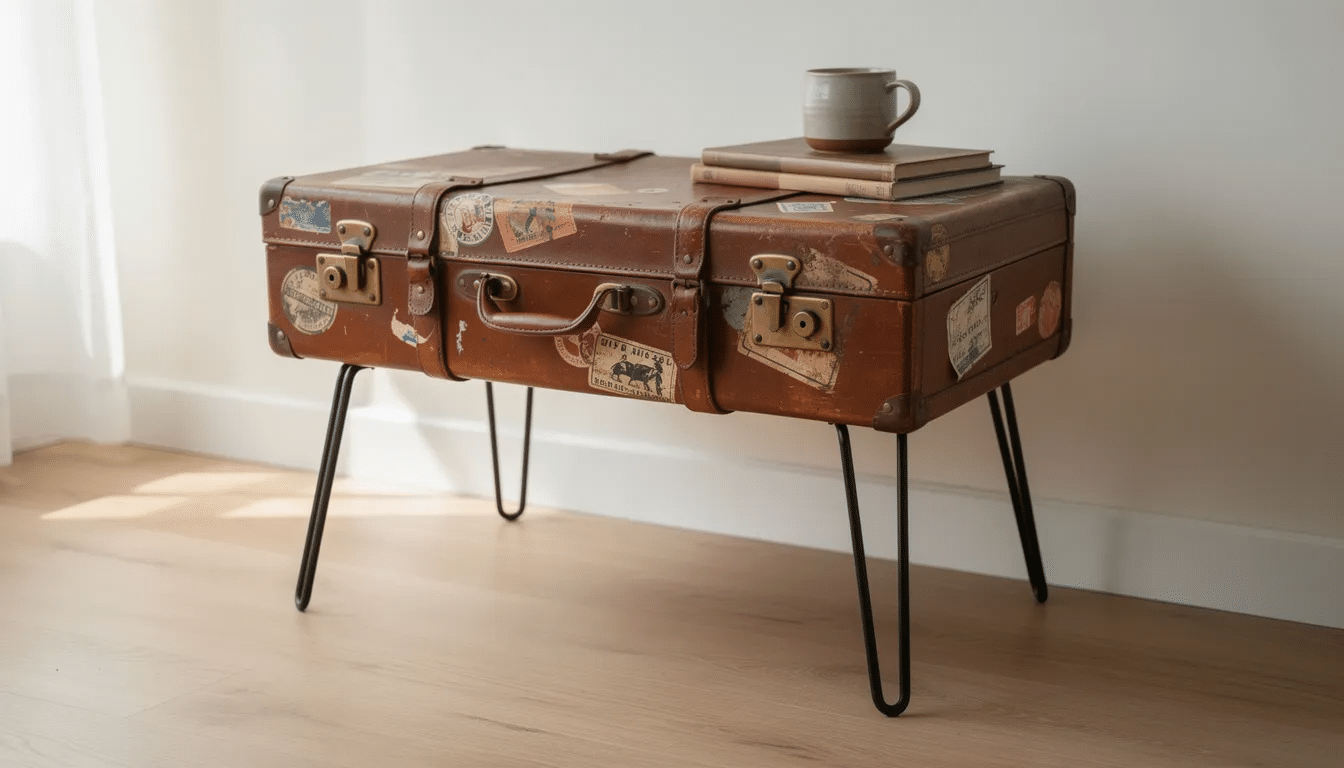
- Vintage suitcase side table: A damaged 1960s leather suitcase—found at a car boot sales for £8—turned into a quirky side table with the addition of hairpin legs and a clear coat to preserve its worn patina
- Kitchen cabinet repurpose: Wall units from a 2005 kitchen remodel, removed during renovation, repurposed as garage and craft-room storage with a coat of paint in a bold colour and new simple handles
- Coffee table revival: A scratched and ring-marked coffee table from the 1990s sanded back to reveal beautiful wood grain, then protected with a hard-wearing oil finish
Upcycling can be as subtle as adding new hardware and a fresh coat of paint, or as dramatic as completely changing a piece’s function. A wooden ladder becomes shelving. A door becomes a headboard. Wooden pallets transform into outdoor seating.
If you’re planning your first project, start with something manageable—a bedside table, small coffee table, or simple chest of drawers. These pieces are forgiving for beginners and deliver satisfying results without requiring advanced skills.
How to Start Upcycling Furniture (Step by Step)
This isn’t a comprehensive technical manual—it’s a simple beginner process to get you started with your first upcycling furniture project. You can refine your techniques as you gain experience.
Step 1: Choose the right piece
Look for solid wood or sturdy frames from charity shops, Facebook Marketplace, antique shops, or your own home. Avoid pieces with serious structural damage, extensive woodworm, or veneer that’s lifting badly. Check that drawers open smoothly and joints feel solid.
Step 2: Clean thoroughly
Use sugar soap or mild detergent diluted in warm water to remove grease, grime, and residue—especially important on kitchen cabinets or heavily handled 1990s pine pieces. For stubborn marks, white spirit can help. Wipe down and allow to dry completely.
Step 3: Prepare the surface
Sand lightly using medium-grit sandpaper (120-150 grit), working in the same direction as the wood grain. Repair chips, dents, or holes with wood filler, allow to dry, then sand smooth. Remove all dust with a tack cloth or damp rag before painting.
Step 4: Prime if needed
Apply primer if you’re painting over glossy varnish, laminate, dark-stained wood, or surfaces prone to bleed-through (like knotty pine or mahogany). A good primer creates a stable base and prevents problems with your finished product.
Step 5: Paint, stain, or oil
Apply your chosen finish in thin, even coats. Whether using chalk paint, furniture paint, wood stain, or oil, allow proper drying time between layers as per product instructions. Two to three thin coats typically deliver better results than one thick coat.
Step 6: Update fittings
Remove old hardware and fit new pieces—handles, knobs, legs, or castors can instantly transform the look from dated to modern. This simple change often has the biggest visual impact for minimal effort.
Step 7: Protect and cure
Seal painted surfaces with wax, varnish, or a protective topcoat. Allow the recommended curing time (often 2-3 weeks for full hardness) before subjecting the piece to heavy use. This patience ensures a durable smooth finish.
Basic tools and materials you’ll need:
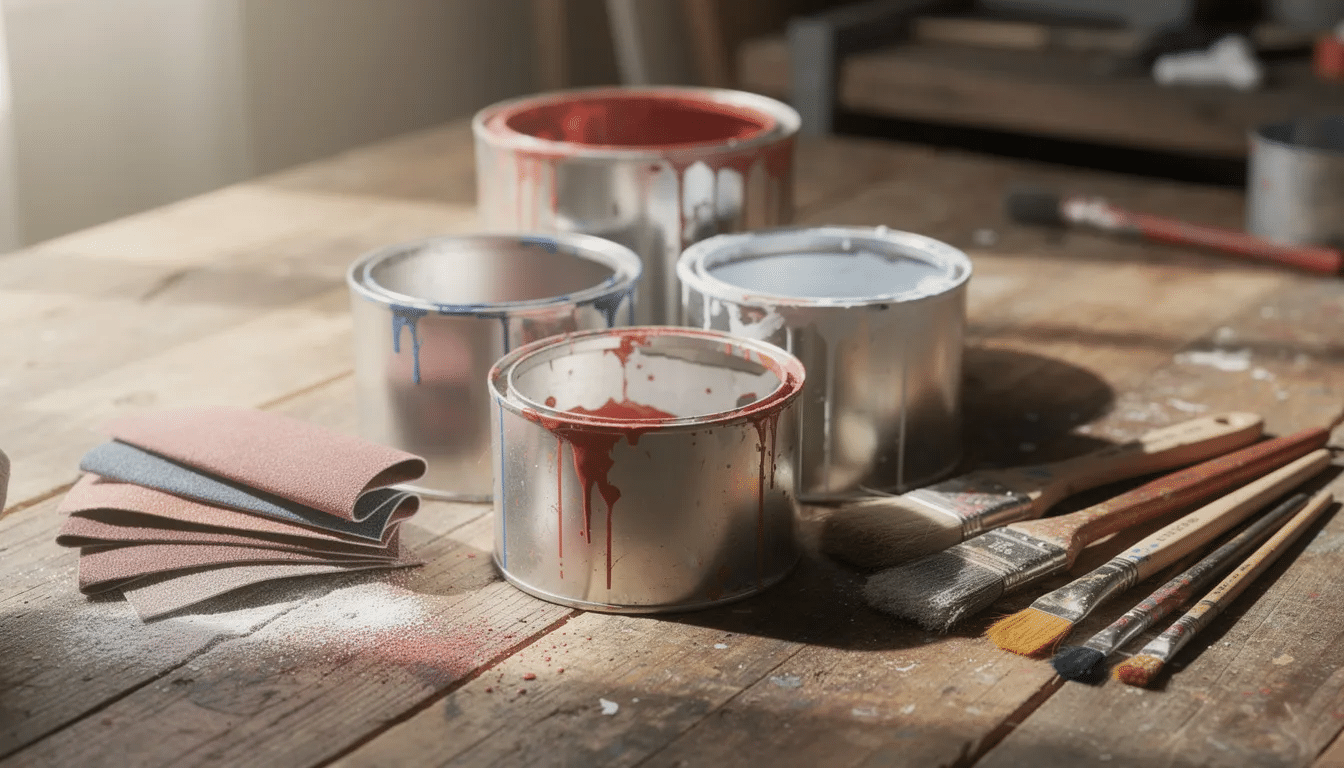
- Sandpaper in various grits (80, 120, 240)
- Paintbrush or foam roller
- Wood filler and scraper
- Screwdriver set
- Tack cloth or lint-free rags
- Your chosen paint, stain, or oil
- Protective topcoat or wax
Where to Find Ideas and Inspiration for Upcycled Furniture
Once you start looking, inspiration for upcycled projects appears everywhere. The trick is building a collection of ideas that match your personal style and skill level.
Online sources:
- Pinterest boards dedicated to “upcycled furniture ideas 2024” or “furniture makeover” offer endless visual inspiration organised by style, colour, or room
- Instagram hashtags like #upcycledfurniture, #furnitureflip, and #chalkpaintmakeover showcase before-and-after transformations from hobbyists and professionals
- TikTok’s short-form videos often show entire transformations in under a minute, making the process feel achievable
- YouTube tutorials provide full real-time transformations, explaining techniques from the first sanding to the finished piece
Offline inspiration:
- Charity shops let you see potential projects in person—train your eye to look past dated finishes and imagine possibilities
- Car boot sales and antique fairs offer unexpected finds at negotiable prices
- Local community recycling centres often have furniture sections where items await new owners
- Even skips and kerb-side discards can yield solid wooden furniture worthy of transformation
Building your inspiration collection:
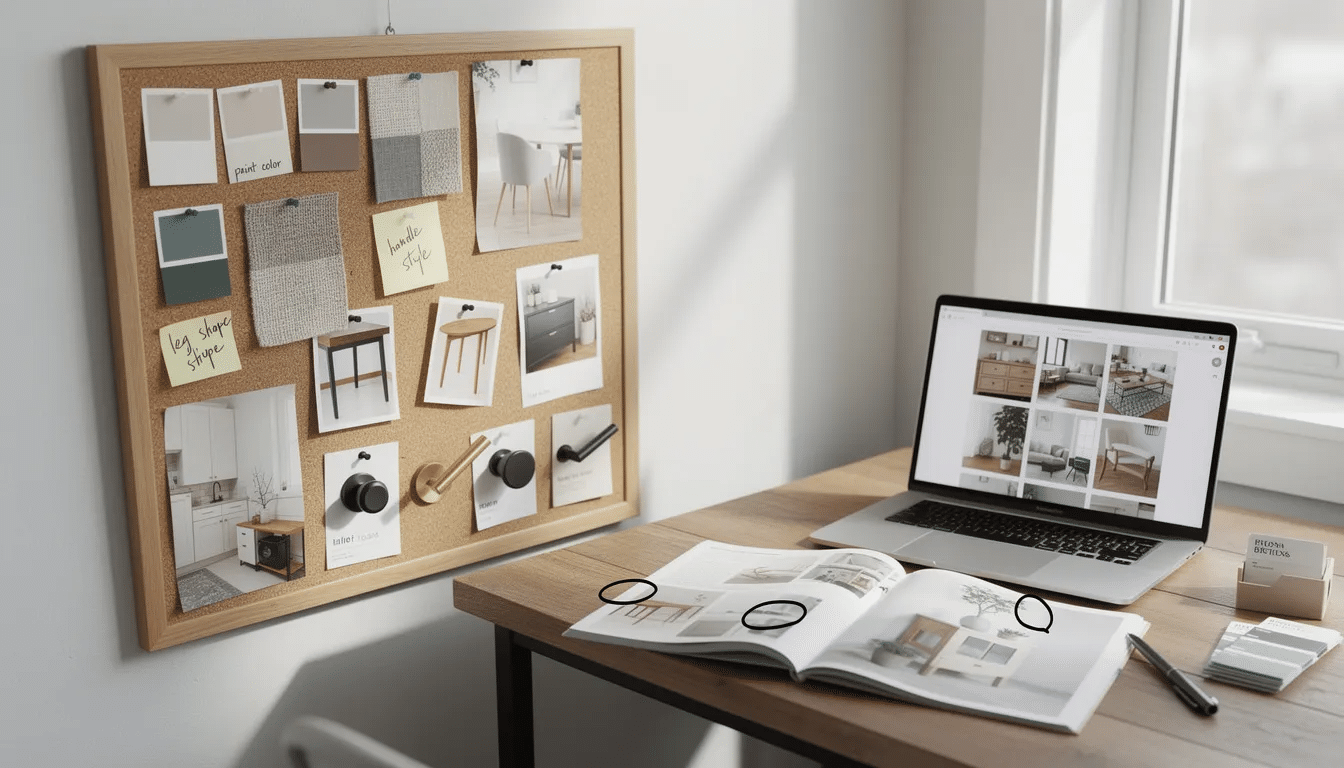
- Keep a simple mood board (digital on Pinterest or physical on a corkboard) to collect colours, hardware types, and styles that appeal to you
- Save images of new pieces from home decor magazines or shops—you can often recreate expensive looks through upcycling
- Note specific products that create looks you love (particular paint colours, handle styles, leg shapes)
The more you look, the more you’ll see potential in tired piece items that others overlook.
Summary: What Makes Furniture Truly “Upcycled”?
Upcycled furniture represents more than just second-hand or repainted items—it’s the result of creative changes that increase an existing piece’s usefulness, quality, or aesthetic value beyond its original form. Unlike recycling, which breaks materials down, or simple reuse, which involves no transformation, upcycling deliberately elevates what already exists.
Furniture becomes truly “upcycled” when someone applies skill, creativity, and intention to transform it into something better. A coat of paint alone might not qualify—but combine that with thoughtful colour choices, updated fittings, and proper preparation, and you’ve created something new pieces from the high street cannot match.
The benefits extend beyond aesthetics: you’re supporting a more sustainable approach to the furniture industry, reducing your environmental impact, and often saving significant money while creating something genuinely unique.
Start viewing existing furniture—whether in your own home, at charity shops, or on Facebook Marketplace—as raw material waiting for transformation. Your next statement piece might already exist, just waiting for the right person to see its potential.
Consider starting with a simple project: a small side table, an old wooden chair, or a plain chest of drawers. These manageable first steps can open the door to a more sustainable, creative approach to furnishing your space—one upcycled piece at a time.