
Occupational therapy helps people of all ages master the everyday tasks that matter most to their lives. In a 2nd-grade classroom in 2024, that might look like a therapist guiding a student through handwriting practice to improve letter formation. For a preschooler, it could mean learning to pull on pants and zip a jacket independently. For an older adult recovering from a hip replacement, occupational therapy often focuses on safely navigating the home and preventing falls.
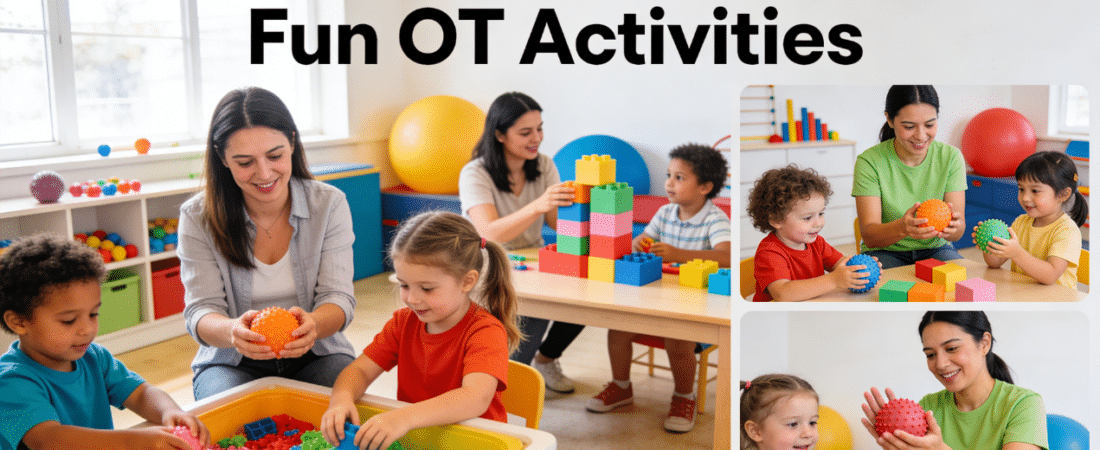
Fun OT activities are purposeful, play-based or interest-based tasks that occupational therapists use to build real-life skills. Whether the goal is tying shoes, using utensils, keyboarding for school assignments, or regaining balance after an injury, these activities turn skill-building into something people actually want to do. The magic happens when therapy feels like a game rather than a chore.
This article provides practical, easy-to-implement occupational therapy activities for home, school, and clinic settings. You’ll find ideas organized by age group—kids, teens, and adults—and by skill areas including fine motor, gross motor, sensory processing, and cognition. Most activities use common, inexpensive items families already have in 2024: sidewalk chalk, laundry baskets, card games, and smartphones with timers. The tone here is encouraging and parent-friendly, with short paragraphs and specific examples you can start using today.
Core Skill Areas Addressed by Fun OT Activities
Every activity in this guide targets one or more core OT skills that support daily life. These include self-care tasks like dressing and eating, school tasks like writing and cutting, work tasks like typing and organizing, and community participation like navigating stores or using public transportation.
Fine motor skills involve the small muscles of the hands and fingers. When a child buttons their jeans, threads beads onto a string, or holds a pencil with the correct grip, they’re using fine motor skills. Fine motor development and fine motor strength are essential for tasks that require precision.
Gross motor skills engage the large muscles of the body for movements like running, jumping, and climbing. A child scaling a playground ladder or a teen doing wall push-ups is working on gross motor skills and overall body awareness.
Visual motor integration (also called visual motor skills) combines what the eyes see with how the body moves. Copying math problems from the board, catching a ball, and tracing shapes all require eye hand coordination and visual tracking. Visual perception helps people interpret and make sense of what they see.
Sensory processing refers to how the brain receives and responds to sensory input from the environment. A child who covers their ears in a noisy cafeteria or seeks constant movement may have differences in how they process sensory stimuli. Sensory feedback from activities helps regulate the nervous system.
Motor planning (praxis) is the ability to conceive, plan, and carry out unfamiliar motor tasks. Navigating a 3-step obstacle course or learning a new dance move requires motor planning and spatial awareness.
Executive functioning includes skills like attention, organization, sequencing, and problem solving. These cognitive abilities help people follow multi-step directions, manage time, and plan activities.
When occupational therapists combine fun with these skill targets, motivation skyrockets. This is especially true for children with autism, ADHD, developmental coordination disorder, and sensory processing differences. Play is the work of childhood—and enjoyable activities are the work of effective therapy.
Fun OT Activities for Kids (Preschool & Elementary)
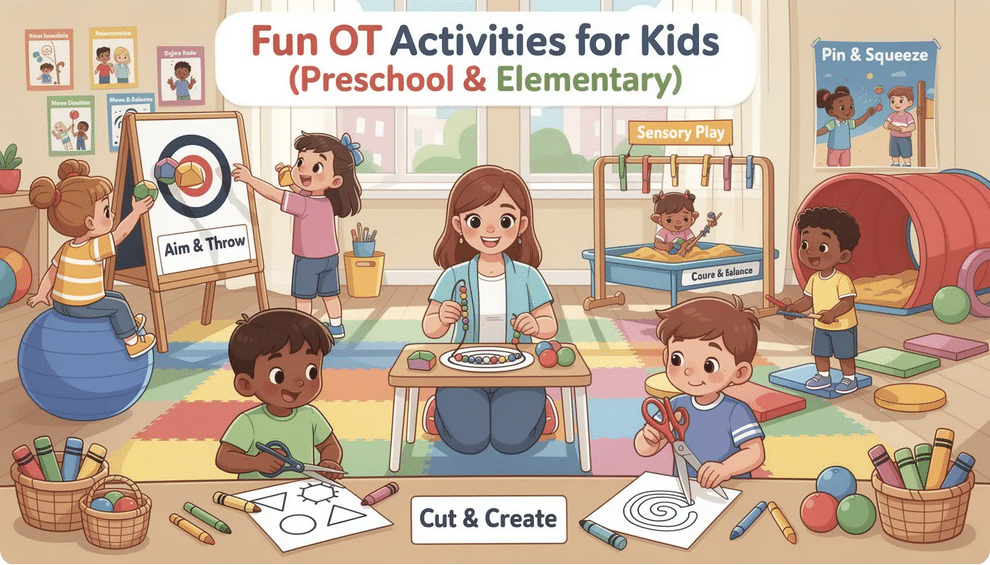
These ideas work well for children roughly ages 3–11 and can be used in school-based OT, outpatient clinics, or at home with guidance from an occupational therapist. The activities are grouped by skill area, with specific games and tasks you can set up in minutes using materials you likely already own.
Fine Motor Activities
The clothespin laundry line is a fantastic way to build hand strength and pincer grasp. String a line between two chairs in your living room and have kids use clothespins to hang socks and small T-shirts. For older kids, time them with a phone stopwatch to add excitement.
Try a coin piggy bank race using real coins and a timer. Dropping small items like pennies and dimes into a narrow slot requires precision and grip strength. You can also use a hole punch on paper scraps—each squeeze strengthens the hand muscles needed for writing.
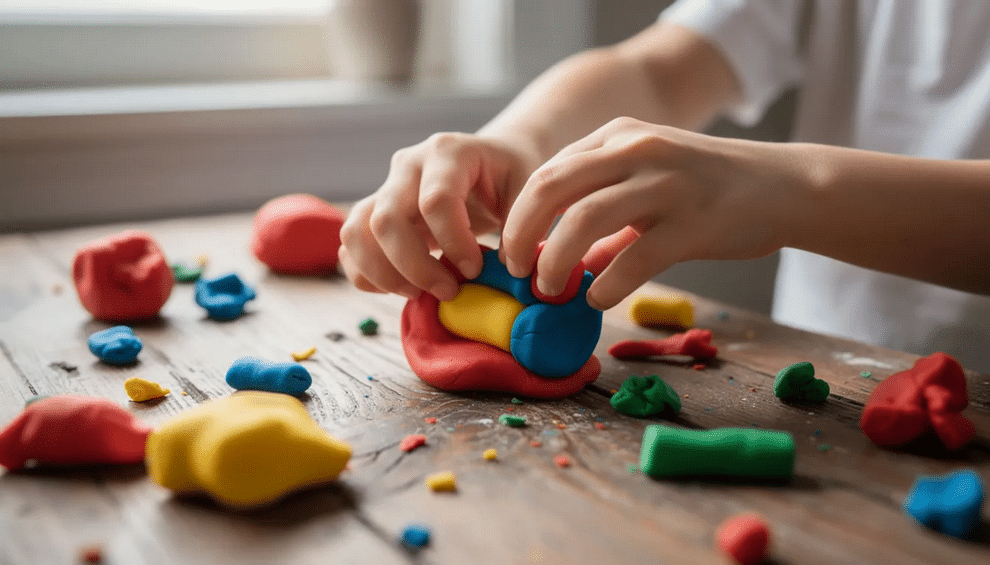
Sticker path tracing involves placing sticker dots along a curvy line drawn on paper taped to the table. Kids peel and place each sticker, working on fingers coordination and visual tracking. For more tactile input, set up a playdough pizza shop where children roll, flatten, cut, and decorate dough “toppings.”
Other excellent fine motor options include stringing beads or pasta onto a pipe cleaner, picking up small pieces of torn paper with tweezers, sorting small objects like buttons by color, and using glue to attach shapes cut from paper onto a craft project.
Gross Motor Activities
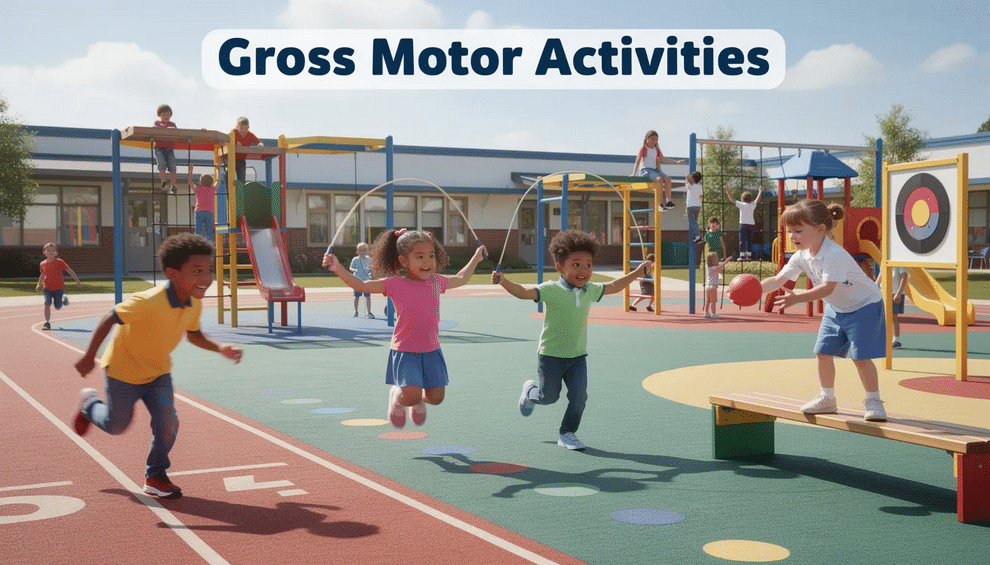
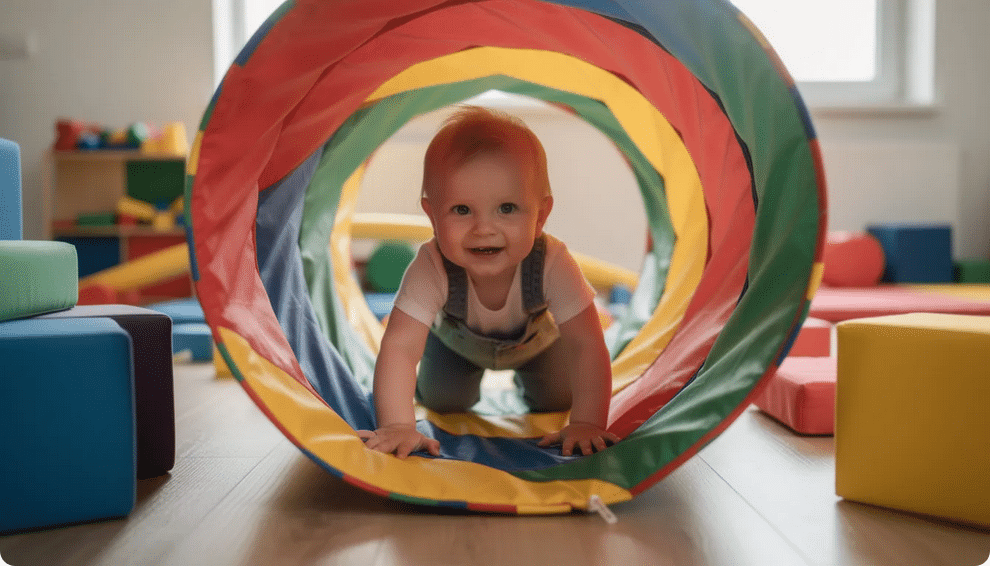
Create a home obstacle course using couch cushions, masking tape paths on the floor, and laundry baskets to climb through. This builds bilateral coordination, motor planning, and body awareness. In a hallway, try animal walks—bear crawls, crab walks, and frog jumps improve coordination and large muscles strength.
Balloon volleyball works perfectly in a 2024 apartment living room. The slow-moving balloon gives children time to track visually, plan movements, and improve hand eye coordination without breaking anything. In a school gym or backyard, scooter-board races challenge core stability and upper-body strength.
To improve hand eye coordination further, play catch with different sized balls, starting large and progressing to smaller ones as skills develop. Water balloons in summer add sensory feedback and make practice feel like pure fun.
Visual Motor Activities
Print maze worksheets from free 2024 online resources for instant visual motor practice. Start with wide paths for younger kids and progress to more complex mazes. Block structure copying uses LEGO bricks or wooden blocks—you build a simple tower, and the child recreates it while looking back and forth.
In a darkened room, play flashlight tag letters by tracing letters on the wall while the child follows with their eyes or their own flashlight. Create DIY connect-the-dots using the child’s name, with dots spread across paper that they connect to reveal their letters.
Sensory Activities
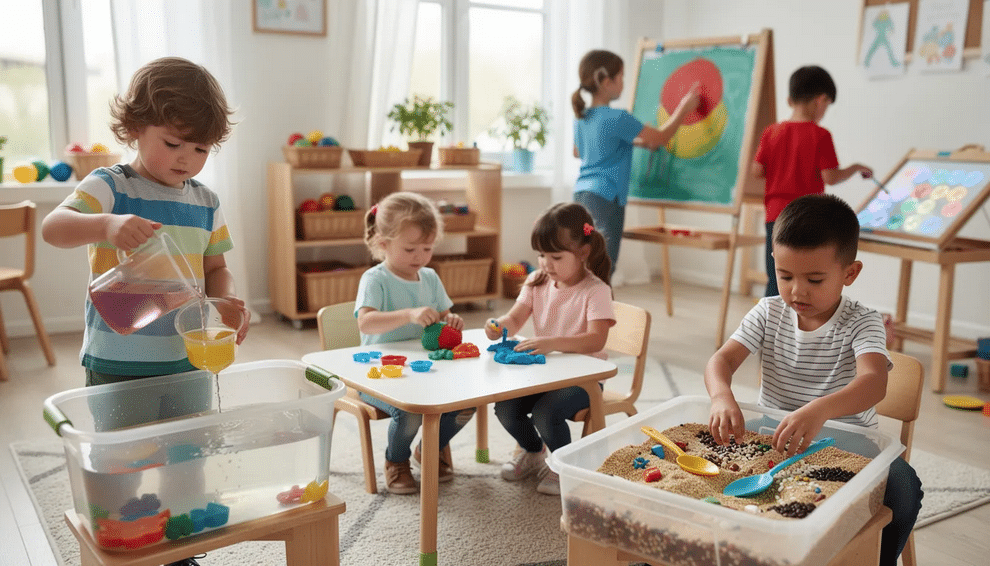
Sensory bins are a staple of pediatric occupational therapy. Fill a plastic container with rice, dried beans, or kinetic sand and hide small toys inside for children to find. This provides deep sensory input and helps with sensory processing regulation.
Outside, bubble popping encourages visual tracking and reaching across midline. For mess-friendly homes, shaving cream writing on a baking tray lets children practice letters while receiving tactile sensory stimuli. Water play with sponges and plastic cups in the kitchen sink develops hand strength while providing calming sensory feedback.
Grading tips: Make activities easier by using larger pieces, providing more time, or offering hand-over-hand help. Increase the challenge with smaller objects, faster timing, or adding a second task like naming colors while working.
Fun OT Activities for Teens
Teens ages 12–18 often resist activities that feel childish. The key is connecting OT activities to real-life interests: sports, social media aesthetics, driving preparation, part-time jobs, and independent living. When therapy aligns with what matters to them, participation improves dramatically.
Fine Motor and School Success Activities
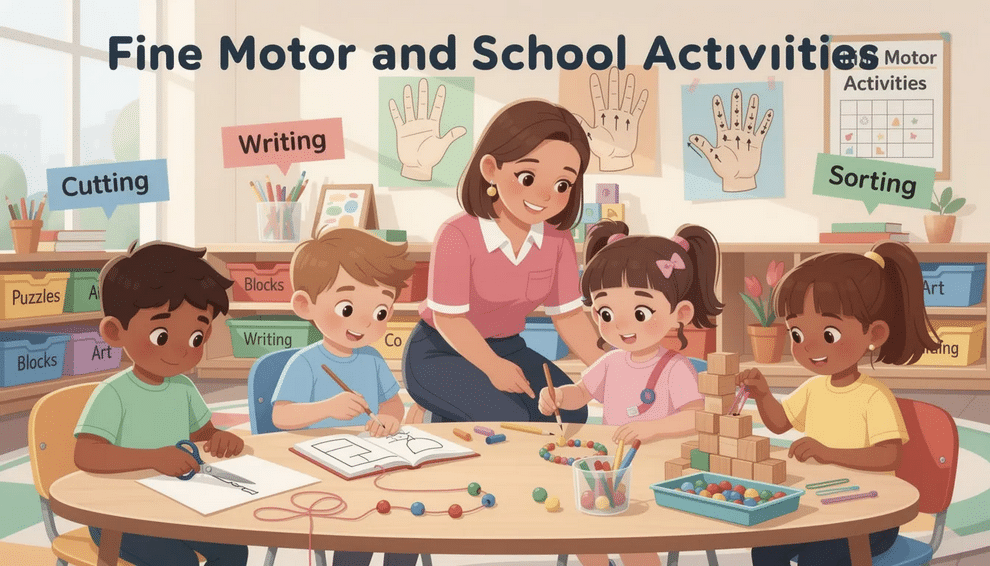
For school success and fine motor development: Bullet journaling combines planning, writing practice, and creativity in a format teens find appealing. Building a DIY phone stand from cardboard requires measuring, cutting, and folding—all hands on tasks that build visual motor integration. Basic crochet or friendship bracelet-making develops fine motor skills while producing something shareable on social media. Small electronics kits assembled at a desk challenge problem solving and fine motor precision.
Physical Fitness and Coordination
For physical fitness and coordination: Mini workout circuits with wall push-ups, step-ups on a sturdy stair, and planks target gross motor skills without requiring gym equipment. Yoga flows guided by a 2024 YouTube video improve body awareness, balance, and flexibility. Backyard or park basketball drills—dribbling, passing, shooting—work on motor planning and improve coordination in a context teens actually enjoy.
Self-Care and Independence
For self-care and independence: Meal planning teaches executive functioning in a practical context. Have teens select a recipe, make a grocery list using a smartphone app, and cook one dinner per week. Budgeting for a weekend outing using real money or digital tools like Venmo builds organization and sequencing skills critical for adulthood. Practicing daily tasks like shaving, applying makeup, or managing laundry develops self care routines.
Sensory Regulation
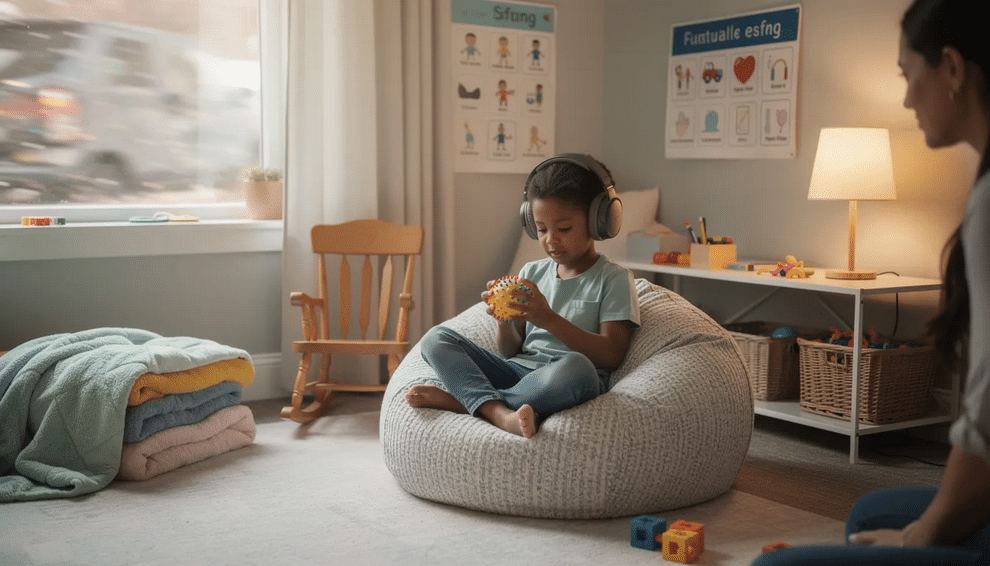
For sensory regulation: Many teens benefit from noise-cancelling headphones during homework to filter out distracting sensory input. Scheduled movement breaks between online classes—even 2 minutes of jumping jacks or stretching—help regulate the nervous system. Guided breathing exercises using mindfulness apps provide quick strategies for managing stress and sensory overload.
Technology common in 2024—smartphones, tablets, smartwatches—can support OT goals rather than distract from them. Use timers for work intervals, checklists for multi-step tasks, and habit-tracking apps for building routines. These tools help teens connect therapy to functional goals like passing classes, participating in extracurriculars, preparing for driving, and getting ready for college or vocational training.
Fun OT Activities for Adults and Older Adults
Adults may work with occupational therapists while recovering from stroke, orthopedic injuries, or surgeries. Others manage ongoing conditions like Parkinson’s disease, arthritis, chronic pain, or early dementia. The goal is always the same: maximizing independence and quality of life through meaningful activity.
Functional Home Activities
The laundry basket transfer provides safe lifting practice—moving a basket of towels from washer to dryer, or from floor to counter. Folding towels afterward addresses bilateral coordination and fine motor precision. Organizing a kitchen drawer combines problem solving, reaching, and grip strength work.
Safe item retrieval from shelves at different heights practices bending, reaching, and balance. Start with frequently used items on accessible shelves, then gradually practice retrieving objects from higher or lower positions as abilities improve.
Fine Motor Activities
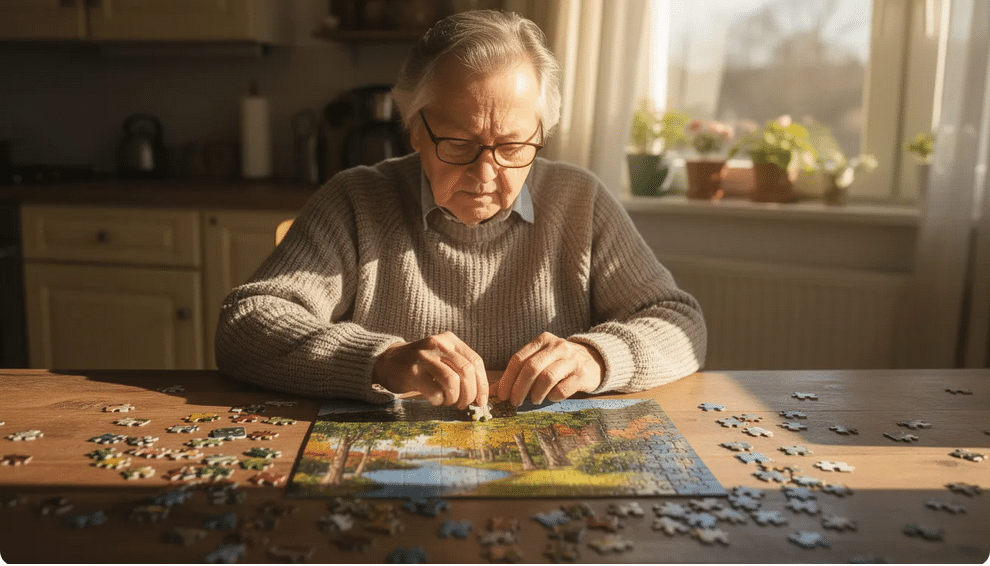
Adults can work on hand strength while watching a 2024 TV show by squeezing therapy putty. Buttoning and unbuttoning real shirts hung on a door hook provides practical fine motor practice. Large-piece jigsaw puzzles (100–300 pieces) maintain fine motor skills while offering cognitive engagement and a sense of accomplishment.
For grip strength maintenance, try using clothespins to hang socks on an indoor drying rack, opening various jar lids, or manipulating small items like coins during sorting tasks.
Gross Motor and Balance
Sit-to-stand repetitions from a dining chair build leg strength essential for transfers and fall prevention. Stepping over taped lines on the floor improves motor planning and leg lift. Heel-to-toe walking along a hallway—using a wall for light fingertip support if needed—challenges balance systems.
Gentle marching in place with countertop support works for those with limited mobility. As balance improves, reduce hand support and add arm swings to increase challenge.
Cognitive and Executive Function Activities
Following a simple recipe from a printed card works on reading, sequencing, and sustained attention. Sorting mail by priority involves categorization and decision-making. Scheduling a weekly calendar—either paper or digital—maintains planning skills and time orientation.
For adults managing multiple medications, practicing with pill organizers builds sequencing skills and supports self care independence.
Meaningful Activities for Older Adults
Hobbies that connect to personal history provide both skill practice and emotional meaning. Gardening in small raised beds or watering houseplants offers light physical activity with purposeful outcomes. Sorting family photos from the 1970s–2000s stimulates memory and conversation while handling small objects.
Simple card games like Uno or Rummy support social skills, hand dexterity, and cognitive flexibility. These games can be graded by reducing the number of cards dealt or providing category cues.
Safety considerations: Occupational therapists or caregivers should assess fall risks, monitor fatigue, and adapt activities as needed. Seated options, grab bars, and reachers can maintain safety while preserving independence and purpose.
Seasonal and Themed Fun OT Activities
Aligning OT activities with seasons, holidays, and current events dramatically boosts engagement for children, teens, and adults. When therapy connects to what’s happening in the world, it feels less like work and more like celebration.
Spring Activities
Planting herb seeds in March or April involves scooping soil (sensory input), placing tiny seeds (fine motor skills), and watering carefully (motor planning). Create spring sensory bins with plastic insects, silk flowers, and shredded green paper for rich tactile exploration.
Rainy-day obstacle courses use paper plate stepping stones scattered across the floor for balance and motor planning. Add umbrella carrying for an extra coordination challenge.
Summer Activities
Water balloon target toss strengthens shoulders and improves hand eye coordination—set up buckets at varying distances as targets. Sand play at a local park sandbox provides deep sensory feedback while building hand muscles through digging and molding.
Outdoor chalk drawing on sidewalks develops visual motor skills and encourages large arm movements. Bike or scooter riding practice with helmets and clear safety rules builds gross motor skills and body awareness.
Fall Activities
Leaf-rubbing art with crayons over real leaves works on grip strength and visual perception as patterns emerge. Pumpkin washing and decorating for Halloween involves scrubbing (bilateral coordination) and painting or sticking on features (fine motor skills).
An apple picking game using tongs to pick up red pom-poms from one bowl and transfer to another builds grip strength and improves coordination. Create a leaf path balance walk with paper leaves taped to the hallway floor.
Winter Activities
Kneading cookie dough in December provides heavy work for hand muscles and sensory feedback. Stringing large beads or pasta for garlands develops fine motor skills and bilateral coordination.
Wrapping and unwrapping pretend gifts works on motor planning and hand skills—use small boxes with lids for added challenge. Indoor snowball toss with crumpled newspaper or soft fabric balls lets kids practice throwing accuracy safely.
Pediatric therapists and occupational therapists can customize themes to match cultural and family traditions—Lunar New Year, Hanukkah, Diwali, or other celebrations—while keeping the underlying skill goals consistent.
How to Adapt and Grade Fun OT Activities
Grading means making an activity easier or harder to match the person’s current abilities. A 4-year-old might need larger puzzle pieces and lots of verbal cues, while a 10-year-old with improving fine motor skills can handle smaller beads and less direction.
To simplify activities:
- Reduce the number of steps
- Use larger objects (bigger beads, larger puzzle pieces)
- Increase stability (work seated instead of standing)
- Add more visual cues or demonstrations
- Allow extra time without pressure
To increase challenge:
- Add time limits using a smartphone timer
- Increase resistance (thicker therapy putty, heavier objects)
- Reduce verbal or visual prompts
- Perform tasks while standing or on uneven surfaces
- Combine two skills at once (naming letters while jumping on spots)
Safety and comfort matter. Watch for signs of sensory overload: covering ears, meltdowns, withdrawal, or shutting down. Monitor physical fatigue through slowed movements, increased breathing effort, or loss of coordination. Adjust activity length and intensity based on what you observe.
Collaboration with a licensed occupational therapist ensures activities are individualized based on diagnoses, developmental level, cultural background, and family goals. In 2024, many pediatric therapy practices and adult rehabilitation centers offer telehealth or hybrid services. This allows parents and caregivers to receive real-time coaching on adapting home-based activities using whatever materials are available.
The same basic activity—like a scavenger hunt—can be modified for any age. A preschooler might search for 3 large items in one room with picture clues. A teen might use a written list with 10 items spread across the house. An older adult might search for specific items in a kitchen drawer while seated safely at the table.
Bringing Fun OT Activities into Everyday Life
Embedding OT Activities in Daily Routines
Fun OT activities work best when woven into daily routines rather than added as extra chores. Mealtimes, bath time, homework sessions, park visits, and community outings all offer natural opportunities to support kids and adults in building skills.
Specific ways to embed skill-building:
- Have a child stir pancake batter on Saturday mornings for hand strength
- Turn a grocery trip into a visual-scanning and planning task by giving kids items to find
- Use TV commercial breaks for quick movement breaks
- Practice buttoning during the natural routine of getting dressed
- Sort silverware while unloading the dishwasher for learning categorization
Tracking Progress and Collaboration
Choose 1–3 activities from this guide to try over the next week. Write them into a planner or smartphone calendar with specific days and times. Consistency matters more than perfection—even 10 minutes of purposeful play makes a difference.
Consider keeping a simple progress log or photo diary on your phone. Document what worked, what was challenging, and how the person felt during and after the activity. This information helps teachers, therapists, and parents adjust activities and celebrate progress.
Consistency, creativity, and collaboration with an OT can transform ordinary moments in 2024—walks to school, cooking dinner, family game nights—into powerful opportunities for growth. When learning happens through play and daily life, it sticks. When it’s fun, people want to do it again.
Talk with your occupational therapist about tailoring these ideas to your unique goals, environment, and interests. Whether you’re a parent looking to support your child’s development, a teacher seeking classroom resources, or a caregiver helping an adult regain independence, the right activities can make all the difference. Start with what you have, build on what works, and create something meaningful together.