
Finding the right pullover knitting pattern can transform your knitting experience from frustrating to fulfilling. Whether you’re ready to tackle your first sweater or looking for a challenging colorwork project, understanding the fundamentals of pullover construction, yarn selection, and fit will set you up for success.
- Quick Overview of Pullover Knitting Patterns
- Women’s Pullover Knitting Patterns
- Pullover Knitting Patterns for Advanced Beginner and All Skill Levels
- Yarn Weights, Fibers, and Needle Sizes
- Construction Methods and Sweater Shapes
- Choosing the Right Pullover Pattern for You
- Data Protection and Security for Knitters
- Key Takeaways and Format Downloadable PDF
Quick Overview of Pullover Knitting Patterns
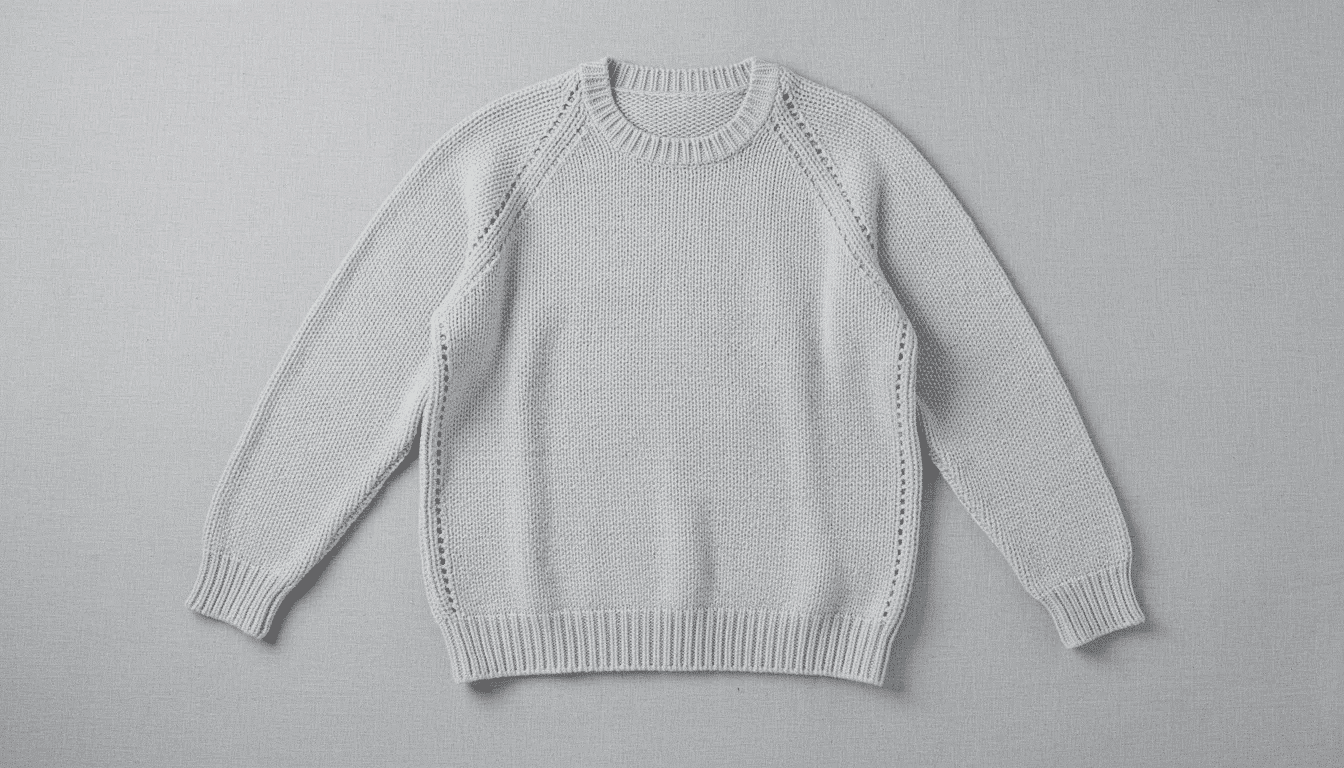
A pullover knitting pattern is your instructional blueprint for creating a sweater that slips over the head—no front opening, no buttons, just clean lines and cozy construction. This garment type has remained a go-to project for knitters because it combines practical wearability with opportunities to develop skills in shaping, seaming, and finishing.
This guide focuses on women’s and unisex pullovers, with options spanning from confident beginner to advanced knitter. You’ll find detailed information on yarn weights, construction styles, fit considerations, and how to choose your next project based on your experience level and wardrobe needs.
To give you a sense of what’s possible, consider two popular starting points: a simple DK-weight raglan pullover that works up quickly with minimal shaping, or a colorwork yoke sweater in worsted yarn featuring stranded patterns around the neckline. Both represent different ends of the complexity spectrum, yet both produce stunning, wearable results.

Women’s Pullover Knitting Patterns
Women’s pullovers come in a remarkable variety of styles, each offering something different for your wardrobe. Classic crew necks provide timeless versatility, while cozy turtlenecks add warmth during colder months. Elegant V-necks create flattering necklines for layering, and oversized weekend sweaters deliver that relaxed, effortless look that’s been trending through 2024.
Patterns suitable for an advanced beginner and up typically include clear, row-by-row instructions and sizing that ranges from XS to 3XL. When browsing patterns, look for those that specify finished measurements alongside size designations—this helps you select the right size based on your preferred ease rather than guessing.
Popular silhouettes in current pattern collections include:
- Fitted waist-shaping pullovers that create definition through strategic decreases and increases
- Boxy drop-shoulder sweaters offering a relaxed, modern aesthetic with simplified construction
- Cropped pullovers designed for layering over high-waisted pants or skirts
- Tunic-length designs that provide extra coverage and a flattering drape
For concrete project inspiration, consider a 2024 boxy DK-weight pullover featuring textured stitches like seed stitch or broken rib—these add visual interest without complex techniques. Alternatively, a light fingering-weight summer top with short sleeves works beautifully for warm-weather knitting and introduces gauge management on finer yarn. See the Yarn Weights and Fibers section below for guidance on choosing the right materials for these projects.
Pullover Knitting Patterns for Advanced Beginner and All Skill Levels
Pullover patterns can be tailored to match your current abilities while helping you grow as a knitter. Understanding which features indicate complexity helps you select projects that challenge without overwhelming.
Beginner-Friendly Features
New sweater knitters should look for patterns incorporating these elements:
- Top-down raglan construction that allows trying on as you work
- Minimal shaping with straightforward decrease instructions
- Worsted or Aran weight yarn that knits up quickly and shows stitches clearly
- Basic stitches limited to stockinette, garter, and ribbing
- Drop sleeves that eliminate set-in sleeve shaping entirely
A perfect first sweater project might be a worsted weight pullover with ribbed cuffs and hem, knit in one piece from the top down.
Intermediate Options
Once you’ve completed a basic pullover, expand your skills with patterns featuring:
- Subtle waist shaping through gradual increases and decreases
- Simple cable panels running up the front or sleeves
- Basic colorwork stripes in two contrasting colors
- Lightweight DK or sport yarn requiring more attention to gauge
Advanced Knitter Challenges
Experienced knitters can tackle patterns that include:
- Complex cable arrangements requiring chart reading
- Stranded colorwork yokes with multiple colors per round
- Steeks for cutting open armholes or necklines
- Tailored set-in sleeve constructions with precise shaping
Yarn Weights, Fibers, and Needle Sizes
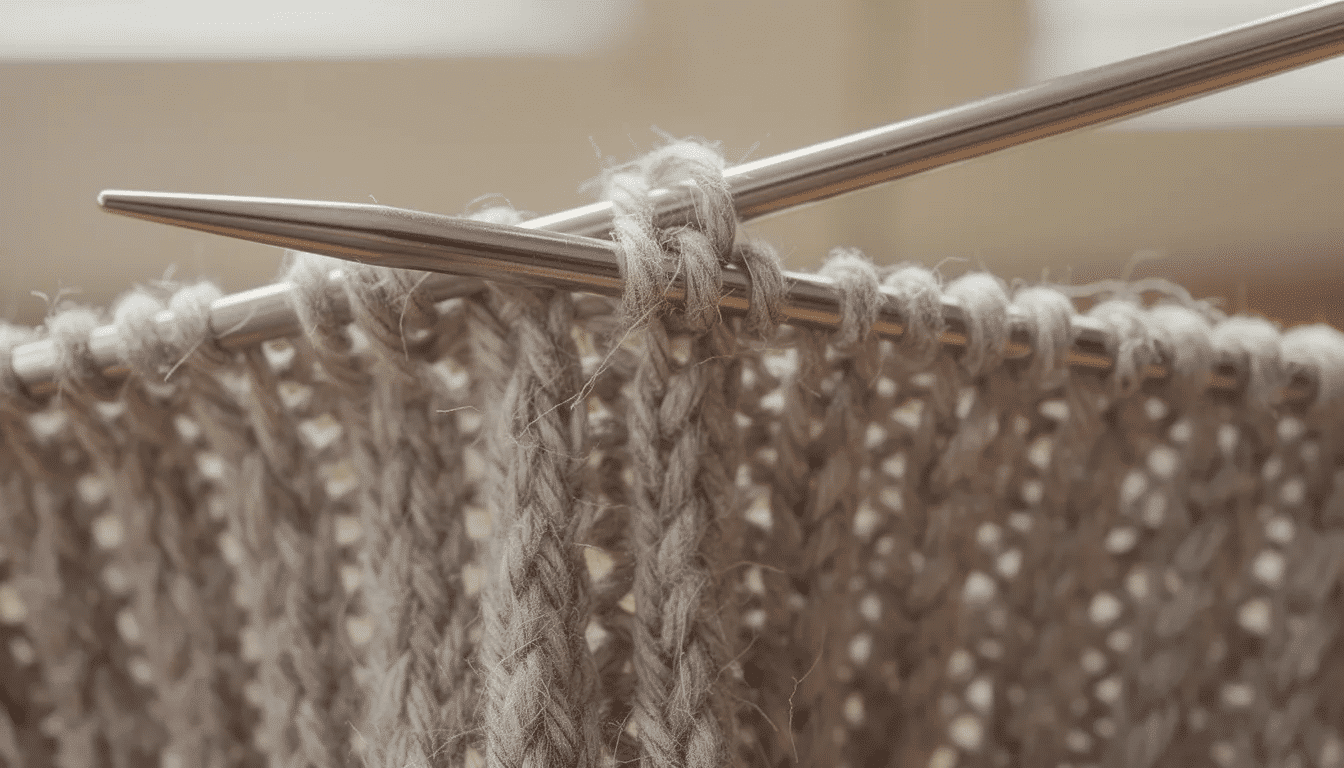
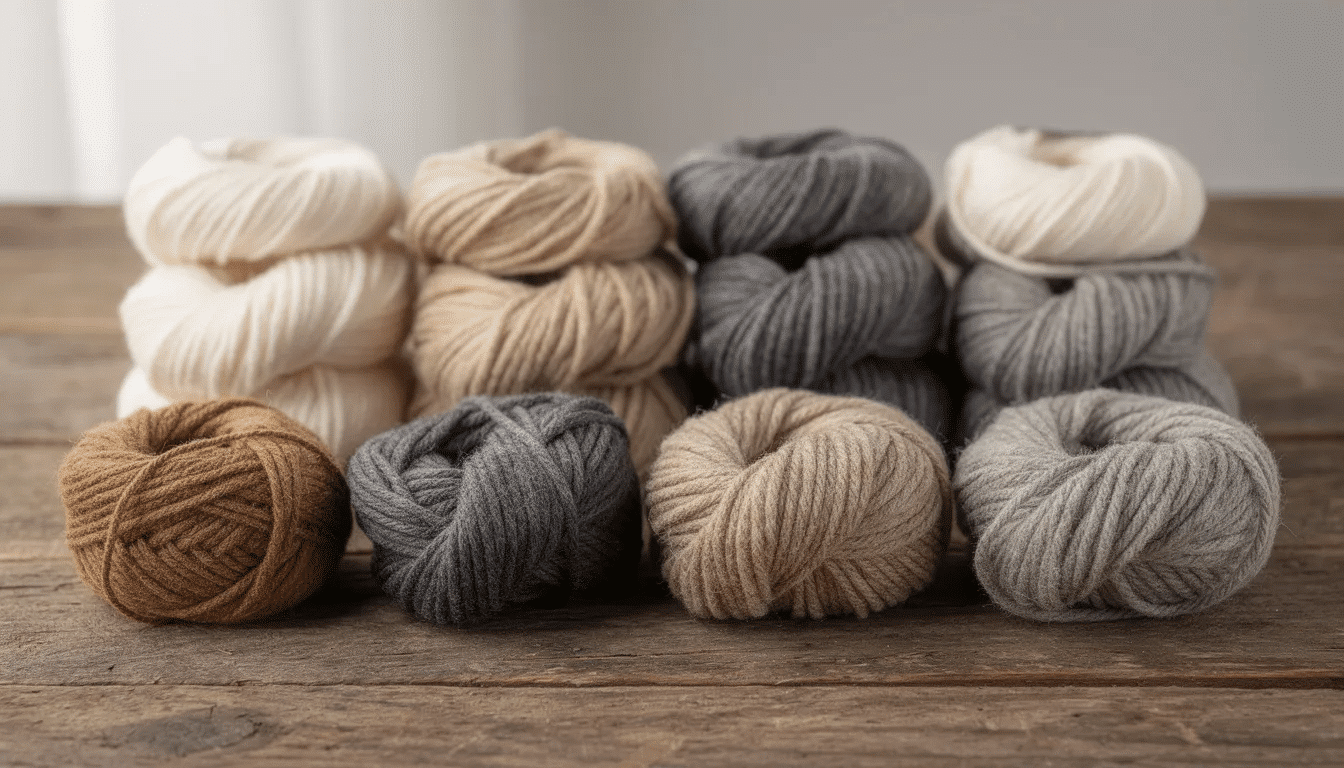
The right yarn weight and fiber dramatically affect the look, warmth, and drape of your finished pullover. Making informed choices at this stage prevents disappointment after hours of knitting.
Common Yarn Weights for Pullovers:
- Fingering weight: Best for lightweight, drapey pullovers and detailed colorwork; requires patience but produces elegant results
- Sport weight: Ideal for three-season garments; lighter than DK but works up faster than fingering
- DK weight: The versatile middle ground; suitable for most climates and popular in modern patterns
- Worsted weight: Perfect for beginners; clearly shows stitches and provides good warmth
- Aran weight: Excellent for textured patterns and cables; creates substantial fabric
- Bulky weight: Quick to knit; best for oversized, cozy winter pullovers
Gauge and Needle Size Examples:
- DK pullover: approximately 22 stitches = 10 cm on 4 mm (US 6) needles
- Worsted pullover: approximately 20 stitches = 10 cm on 4.5 mm (US 7) needles
- Bulky pullover: approximately 14 stitches = 10 cm on 6.5 mm (US 10.5) needles
Fiber Choices:
- 100% merino wool for warmth, elasticity, and excellent stitch definition
- Cotton blends for spring and summer garments that breathe in warm weather
- Alpaca blends adding extra softness and subtle sheen
- Recycled fiber options for environmentally conscious knitters seeking sustainable materials
Always knit a gauge swatch before starting any pullover project. This single step—often skipped by eager knitters—prevents fit issues that can render your finished garment unwearable.
Construction Methods and Sweater Shapes
Pullover patterns differ not only by aesthetic but by how they’re actually constructed. Understanding these methods helps you select patterns matching your preferences and skill level.
Worked in the Round:
- Seamless yokes and raglans eliminate most finishing work
- Advantages include fewer seams to sew and the ability to try on your garment as you progress
- Circular needles and double-pointed needles required
- Popular in modern 2020-2024 patterns due to the seamless trend
Worked Flat and Seamed:
- Front, back, and sleeves knitted as separate flat pieces then joined
- Seams add structure and stability, common in classic sweater designs
- Allows working on straight needles if preferred
- The mattress stitch creates nearly invisible side seams when executed properly
Bottom-Up Construction:
- Traditional approach starting from hem and working toward shoulders
- Provides clearer structure for beginners who benefit from seeing the shape emerge
- Requires binding off at armholes and shoulders
- Common in vintage and classic pattern styles
Top-Down Construction:
- Begins at neckline and works toward hem
- Allows body and sleeve length adjustments as you knit
- Easy to try on for fit checks throughout the process
- Sleeves can be left on holders and finished last
Neckline and Shoulder Variations:
- Crew neck: classic round neckline sitting at the collarbone
- V-neck: creates elongating lines and reduces bulk at the neck
- Turtleneck and funnel neck: add warmth and visual interest
- Drop shoulder: sleeves attach directly to body without shaping
- Set-in sleeve: tailored fit requiring careful decreases at armhole
- Raglan: diagonal seam lines running from underarm to neck
- Circular yoke: worked in the round with decreases creating fitted shoulders
Choosing the Right Pullover Pattern for You
The “right” pullover pattern depends on several factors: your climate, body measurements, personal style, and knitting experience. Taking time to evaluate these before casting on saves frustration and ensures a garment you’ll actually wear.
Reading Size Charts:
- Focus on bust or chest measurement as the primary sizing indicator
- Consider intended ease—positive ease of 5-10 cm (2-4 inches) creates a relaxed fit
- Check finished garment measurements in the pattern schematic, not just the size label
- Compare your body length to the pattern’s finished length and adjust if needed
Seasonal Considerations for 2024:
- Spring and summer: choose lighter fingering or sport weight yarns in breathable fibers
- Autumn: DK and worsted weights provide comfortable warmth without bulk
- Winter: Aran and bulky weights create cozy, substantial garments
Wardrobe Integration:
- Neutral tones in classic silhouettes work for office and professional settings
- Colorful yarns and oversized shapes suit casual weekend wear
- Solid colors showcase textured stitch patterns and cables beautifully
- Variegated and hand-dyed yarns create visual interest but can obscure complex stitch work
Pattern Quality Indicators:
- Clearly written instructions with both written and charted options
- Well-graded sizing with schematics showing finished measurements
- Row-by-row or round-by-round guidance for complex sections
- Format downloadable pdf availability for convenient printing and markup
- Errata or pattern corrections readily available from the designer
When you navigate efficiently through pattern options using these criteria, you’ll quickly narrow down your next project. Look for patterns where the same website offers detailed information about construction methods, yarn requirements, and skill level—this transparency indicates a thoughtful designer who understands what knitters need.
Starting with a well-written pattern is half the battle. The other half is swatching, measuring, and trusting the process.
Data Protection and Security for Knitters
At our knitting platform, your privacy and security are as important to us as helping you find the perfect pullover knitting pattern. We’re committed to protecting your personally identifiable data while making sure your experience is smooth, secure, and tailored to your interests.
To enhance your time on our site, we use cookies to track site usage and recognise unique visitors. This helps us collect user information responsibly, allowing us to customise consent preferences and produce personalised sms messaging that’s relevant to your knitting journey. Our cookie policy is designed to be transparent, so you always know how your data is being used.
We rely on trusted tools like Google Analytics and Google Tag Manager to handle user sessions, provide secure log in options, and generate our site’s analytics report. These tools help us calculate visitor numbers, experiment with advertisement efficiency, and serve personalised ads that might interest you—whether you’re looking for new knitting patterns or exclusive offers. Our cookies store information anonymously, using a randomly generated number to identify unique web browsers, ensuring your privacy is protected.
For those who opt in, we use Google DoubleClick IDE cookies to verify ads clicks and promote sms opt in, making sure our communications are both relevant and secure. Our affiliate tracking system monitors user id and campaign data, helping us improve our offerings and keep our knitting patterns available in format downloadable PDF for your convenience.
We also work with Microsoft Advertising and Microsoft sites, as well as integrate social media platforms, to serve customised advertisements and track your pageviews. These third party features allow you to navigate efficiently, access exclusive settings, and enjoy a seamless experience across the same website and other Microsoft domains.
Your consent preferences matter to us. You can customise reject certain cookies or adjust your settings at any time, giving you control over your data collection experience. Our cookies, such as cookie locale duration, cookie country duration, cookie ide duration, and cookie muid duration, are designed to store information securely and only for as long as necessary.
Security is at the heart of our platform. We provide secure log in options, handle user sessions responsibly, and ensure that all data collection includes only what’s needed for analytics purposes, collecting feedback, and improving your experience. Whether you’re an advanced beginner or a seasoned knitter, you can trust that your information is protected every step of the way.
By using our website, you agree to our cookie policy and terms of use, both of which are crafted to respect your privacy and provide a secure, enjoyable environment for exploring knitting patterns and resources. We’re dedicated to keeping your data safe, so you can focus on what you love—creating beautiful, handmade pullovers.
Key Takeaways and Format Downloadable PDF
- Pullover knitting patterns range from beginner-friendly top-down raglans to advanced colorwork yokes
- Yarn weight selection dramatically impacts your finished garment’s warmth, drape, and knitting speed
- Construction methods—flat, in-the-round, top-down, bottom-up—each offer distinct advantages
- Always knit a gauge swatch and compare your measurements to finished garment dimensions
- Choose patterns with clear instructions, schematics, and sizing that matches your needs
Whether you’re casting on your first sweater or planning a challenging stranded colorwork project, the right pullover knitting pattern transforms yarn into a garment you’ll reach for again and again. Start with a gauge swatch, trust your measurements, and let your needles create something beautiful.