Key Takeaways
- Toddlers can explore color mixing with simple materials like water, food coloring, cups, and droppers.
- A basic indoor color mixing station with red yellow, and blue is the fastest way to start today.
- Mixing colors teaches primary colors, secondary colors, cause and effect, observation skills, and fine motor control.
- You can choose mess-free play, like sealed bags, or messy sensory play, like paint, water, or oobleck.
- Always supervise, use washable non-toxic materials, and keep a tray, towel, and sink nearby.
Introduction: Why Color Mixing Is Perfect for Toddlers
A color mixing activity for toddlers is quick, low-prep, and ideal for ages 18–36 months. Color mixing simply means putting two primary colors together to create new colors, such as red and yellow making orange.
Toddlers learn best through hands-on, play-based experiences. Because children naturally love pouring, squeezing, and watching bright colors move, this easy activity works at home, in a classroom, or at a small preschool art table. Below, you’ll find a step-by-step plan, mess-free options, and safety tips for year-round playful learning.
- Basic Color Mixing Station for Toddlers
- Step‑by‑Step: Exploring Color Mixing with Your Toddler
- Hands‑On Color Mixing Variations for Toddlers
- Learning Benefits of Mixing Colors
- Tips for a Safe, Low‑Stress Color Mixing Station
- More Ways to Explore Color Mixing Over a Week
- FAQ: Color Mixing Activity for Toddlers
- What age is best to start color mixing activities with toddlers?
- How do I keep color mixing from becoming too messy?
- What if my toddler just wants to pour everything together into brown water?
- Can I do color mixing with toddlers without using food coloring or paint?
- How often should I repeat color mixing activities?
Basic Color Mixing Station for Toddlers
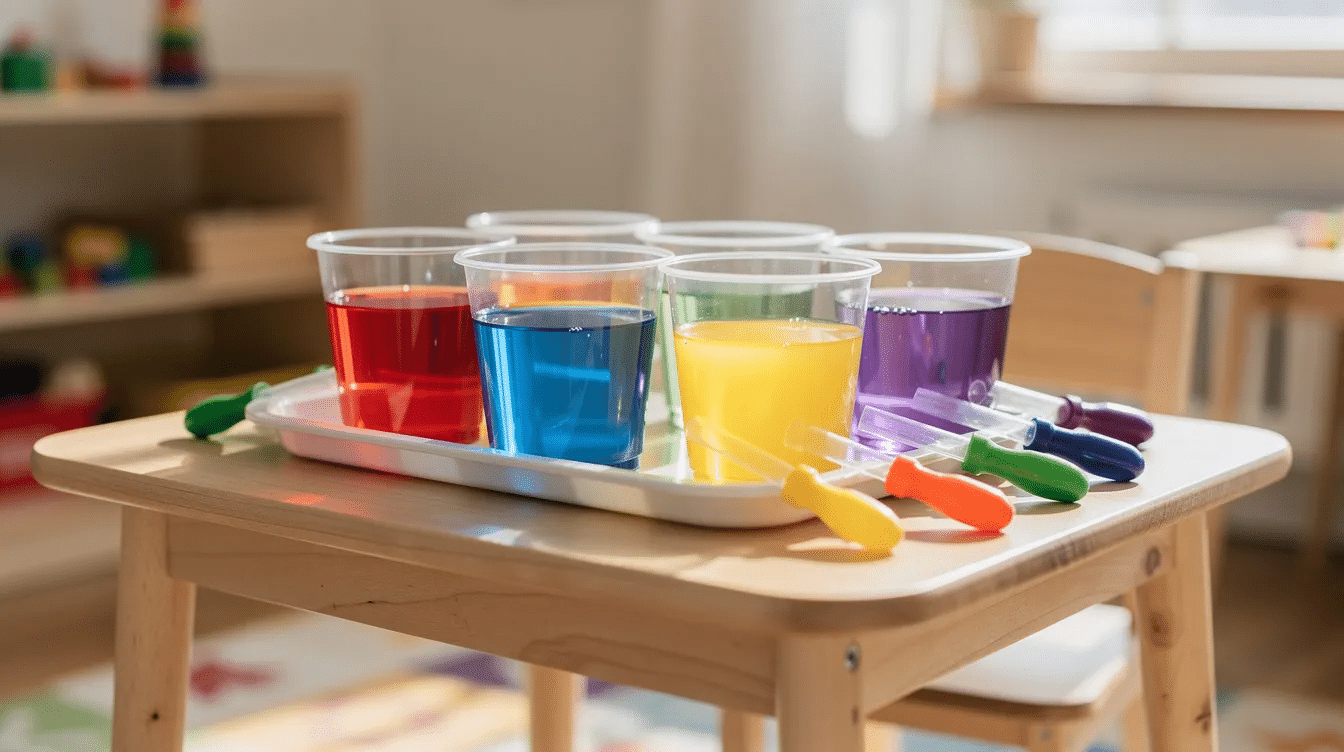
Set up a color mixing station on a low table, kitchen counter, or washable mat for one toddler or two kids. A simple set includes:
- 3 clear plastic cups or containers
- Water and liquid food coloring
- Red, yellow, and blue drops
- 1 tray or baking sheet
- Old towel
- 1–2 child-safe droppers, pipettes, or small cups
- Optional bowls for overflow
Fill two cups halfway with colored water and leave the middle cup empty. Start with one color pair: red + yellow = orange. Then introduce yellow + blue = green, and red + blue = purple.
When introducing color mixing, start with primary colors (red, yellow, blue) and demonstrate how they combine to create secondary colors (orange, green, purple). Mixing primary colors like red, yellow, and blue can create secondary colors such as orange, green, and purple, which introduces children to both art concepts and early science exploration.
Set out only two colors at first. Too many different colors can quickly turn brown, which is still fun, but harder for color recognition. Keep a tiny cheat sheet nearby if you want: red + yellow, yellow + blue, red + blue.
Step‑by‑Step: Exploring Color Mixing with Your Toddler
This section is about what to say and do while your toddler plays. Keep it slow, simple, and flexible.
- Name each color: “This is red. This is yellow. This is blue.”
- Ask your child to point to one color.
- Invite your toddler to drop or pour one color into the empty cup.
- Add the second color slowly and ask, “What do you think will happen when we mix these colors?”
- Say the result clearly: “Red and yellow made orange!”
- Repeat the new color name while pointing: “Orange. You made orange.”
Using simple materials like water, food coloring, and droppers, toddlers can engage in color mixing activities that promote exploration and creativity. Using pipettes or droppers allows toddlers to explore color mixing while developing fine motor skills as they learn to control the amount of liquid they dispense, similar to other art fine motor skill activities for children.
Ask extension questions: “Do you want it lighter or darker?” Add more water to lighten, or one extra drop of color to darken. Then let your toddler experiment. Toddlers benefit from the process of exploration, focusing on how things feel and move rather than perfecting the final outcome.
Hands‑On Color Mixing Variations for Toddlers
Use these hands on activities to keep the week fresh:
- Window mixing: Seal blobs of red, yellow, and blue washable paint inside page protectors or contact paper. Let children squish circles together and watch the magic happen.
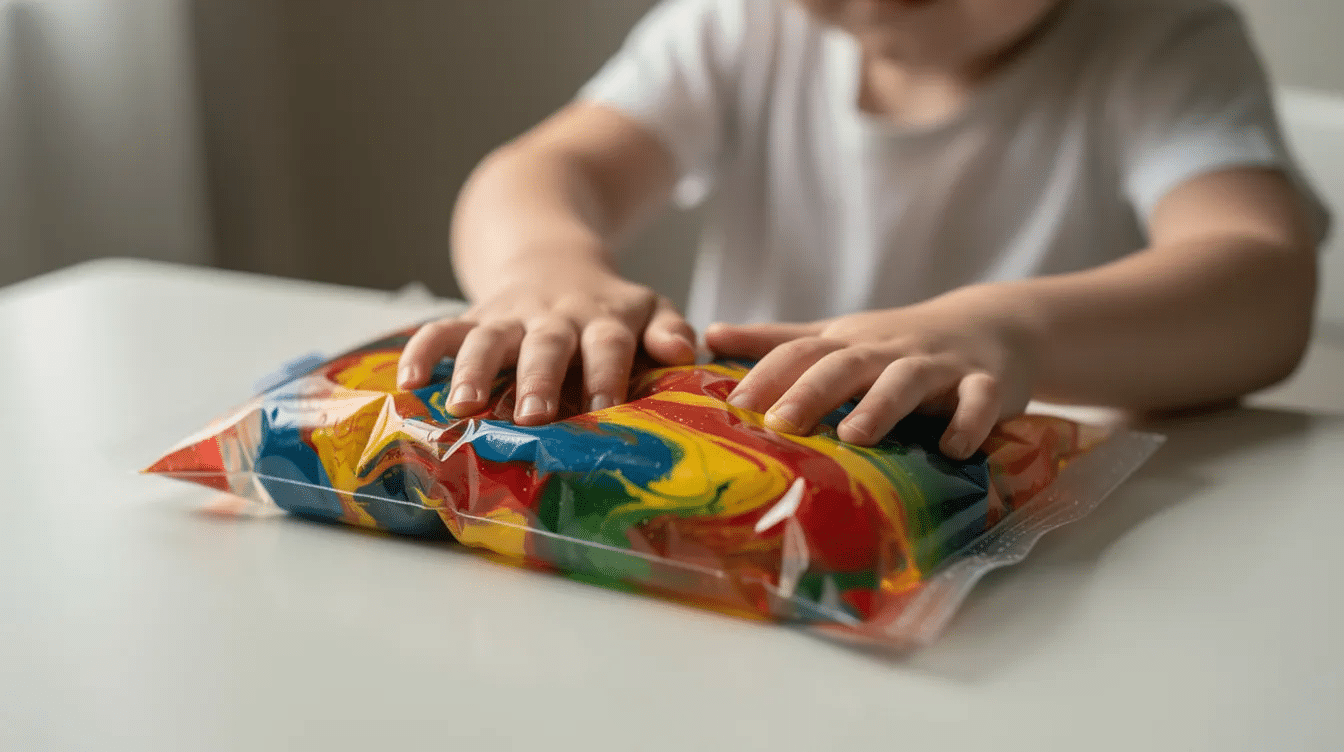
- Gel baggie: Add clear hair gel or soap to a zip-top bag with a few drops of primary colors. Tape it to the table for pressing and swirling.
- Ziploc Bag Painting: Activities like Ziploc Bag Painting allow toddlers to explore color mixing without getting paint on their fingers, making it one of many no mess activities for 2 year olds.
- Big paper paint play: Put paper on a tray with red, yellow, and blue paint. Toddlers can use hands, brushes, or toy cars.
- Hand mixing: Toddlers can create new colors by mixing paints on their hands, for example, rubbing red and yellow to make orange.
- Liquid tray: Fill an ice cube tray with colored water and use droppers to move color between wells.
- Outdoor tub: Put a few inches of water in a plastic tub with squeeze bottles, funnels, and cups.
- Salad spinner art: Add paper, a little blue paint, yellow paint, or red paint, then spin for awesome splattered art.
Engaging activities like squishy bags and water-transfer mixing let toddlers explore how primary colors transform into secondary colors while minimizing mess, and they pair nicely with fun rainbow crafts for kids for even more colorful play.
Learning Benefits of Mixing Colors
Color activities support several important early learning skills, including visual recognition, language development, early math skills, observation skills, and fine motor development.
Cognitively, color mixing builds cause and effect: this color plus that color makes a new color. It also supports early science because children predict, test, watch, and compare. Engaging in color activities encourages children to notice patterns, similarities, and differences, which enhances their observation skills and cognitive development.
For language, children practice words like light, dark, more, less, blue, green, purple, and orange. Hands-on color activities help children develop confidence with colors through playful learning, allowing them to identify and name colors while engaging in sorting and matching tasks, especially during engaging group activities for 5 year olds.
Fine motor skills can be practiced through simple, safe, and engaging color mixing exercises for toddlers. Squeezing droppers, pouring from small cups, and tipping containers all build control and prepare little hands for more complex preschool 3D art projects.
This is also a great activity for social skills. Two preschoolers can share a color mixing station, take turns, and say, “Wow, look what I made!” According to National Survey of Children’s Health data, about 90.4% of U.S. children ages 3–5 can name red, yellow, blue, and green, so repeated practice before preschool helps.
Tips for a Safe, Low‑Stress Color Mixing Station
Toddlers learn more when adults are calm and ready for spills. A simple color mixing station can be set up using a tray to catch drips, small plastic containers with colored water, and a dropper for mixing.
Use washable tempera paint, diluted food coloring, and non-toxic art materials. In the U.S., art supplies labeled ASTM D-4236 have been reviewed for health hazards. Avoid glass if possible, supervise closely, and skip tiny loose parts that could be choking risks.
Dress your child in play clothes or a smock. Keep a bowl of clean water, cloth, towel, and sink access ready. If you purchase new materials, choose washable, child-safe supplies, similar to the recommendations in this guide to the best art supplies for young artists.
Time-saving tip: pre-mix small jars of red, yellow, and blue water. Cover them and reuse for several days, or keep a few simple DIY kits for creative projects on hand for quick set-ups.
More Ways to Explore Color Mixing Over a Week
Repeating color mixing in different formats helps learning stick. Here’s a simple plan:
Day | Idea |
|---|---|
Day 1 | Water color mixing station |
Day 2 | Mess-free gel baggie |
Day 3 | Finger paint on paper |
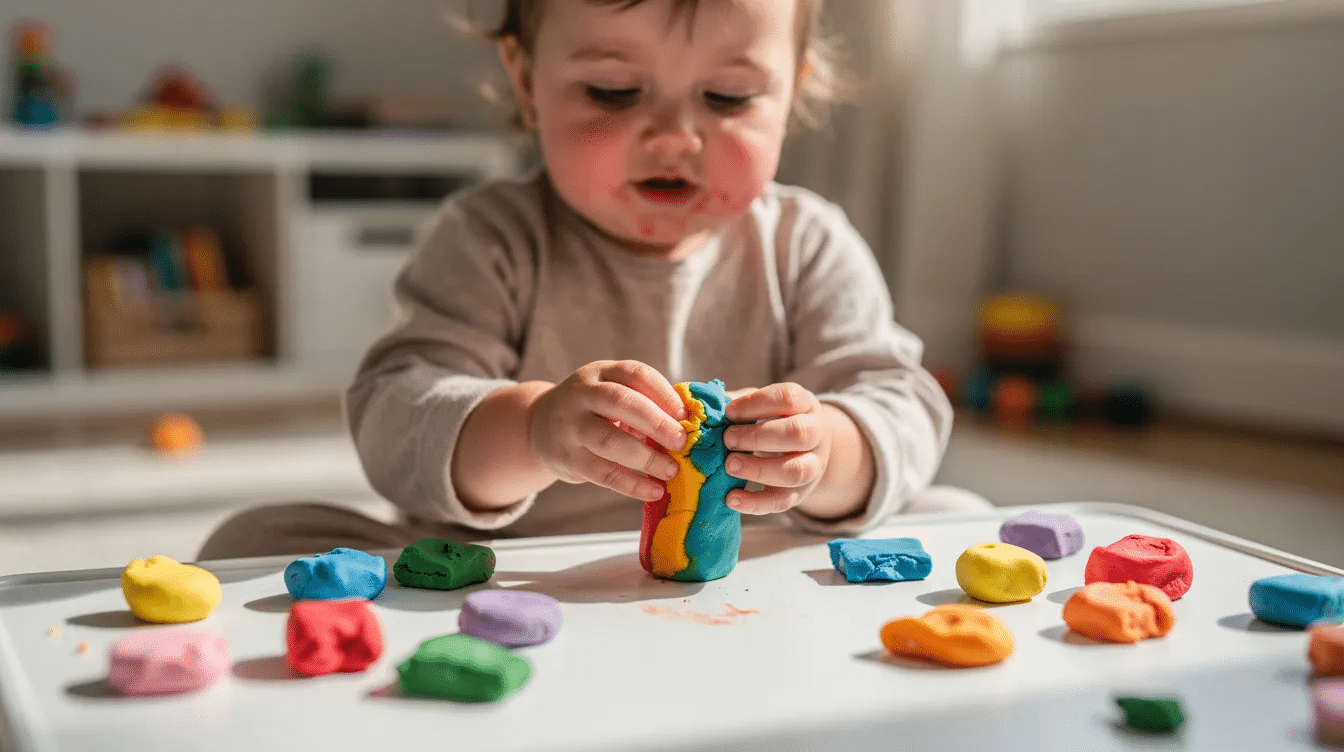
Day 4 | Playdough color mixing |
Day 5 | Outdoor water tub |
For playdough, give your toddler a red piece and yellow piece. As the child squishes, the dough slowly turns orange. |
Read a color book each day. Mouse Paint is a fun choice; if using a library website, search book mouse paint. A teacher or mom can read it before play, then invite children to create the same color changes.
Take quick photos of favorite mixes and review them later. You do not need fancy supplies, and simple options like tissue paper stained glass crafts can stretch the same materials even further. Reusing the same materials in a new way brings plenty of joy.
FAQ: Color Mixing Activity for Toddlers
What age is best to start color mixing activities with toddlers?
Most children can begin simple color mixing with water or paint between 18 and 24 months with close supervision. Younger toddlers may focus on pouring and splashing, while older toddlers closer to 3 can name colors and predict outcomes.
How do I keep color mixing from becoming too messy?
Use tiny amounts of water, a tray, and an old towel. If you are worried about furniture, start with sealed zip-top bags or window sheets filled with paint.
What if my toddler just wants to pour everything together into brown water?
Begin with two focused colors, then allow a few minutes of free mix time at the end. Even brown water shows that mixing happened along the way.
Can I do color mixing with toddlers without using food coloring or paint?
Yes. Try colored ice cubes made from fruit juice, frozen colored water, or pre-colored playdough. You can also group colored toys, blocks, or pom-poms for a dry version.
How often should I repeat color mixing activities?
Try once a week, or more often if your toddler loves it. Small changes in tools, location, or materials keep the experiment fun while reinforcing learning.