Key Takeways
- You can make your own shape sorter in under 30 minutes with a cardboard box, cardboard flaps, tape, markers, and safe adult cutting.
- Shape sorting helps toddlers around 18–36 months practice identifying shapes, color recognition, shape matching, and fine motor skills.
- This post walks through planning, cutting holes with a craft knife, decorating, and introducing the activity through play.
- You’ll also find variations for younger toddlers, preschoolers, and older kids headed toward preschool or kindergarten.
Why a Homemade Shape Sorting Activity Is Worth It
On a rainy afternoon in 2026, I created a diy shape sorter for my son from an old delivery box instead of buying new toys. It was simple, sweet, and surprisingly awesome.
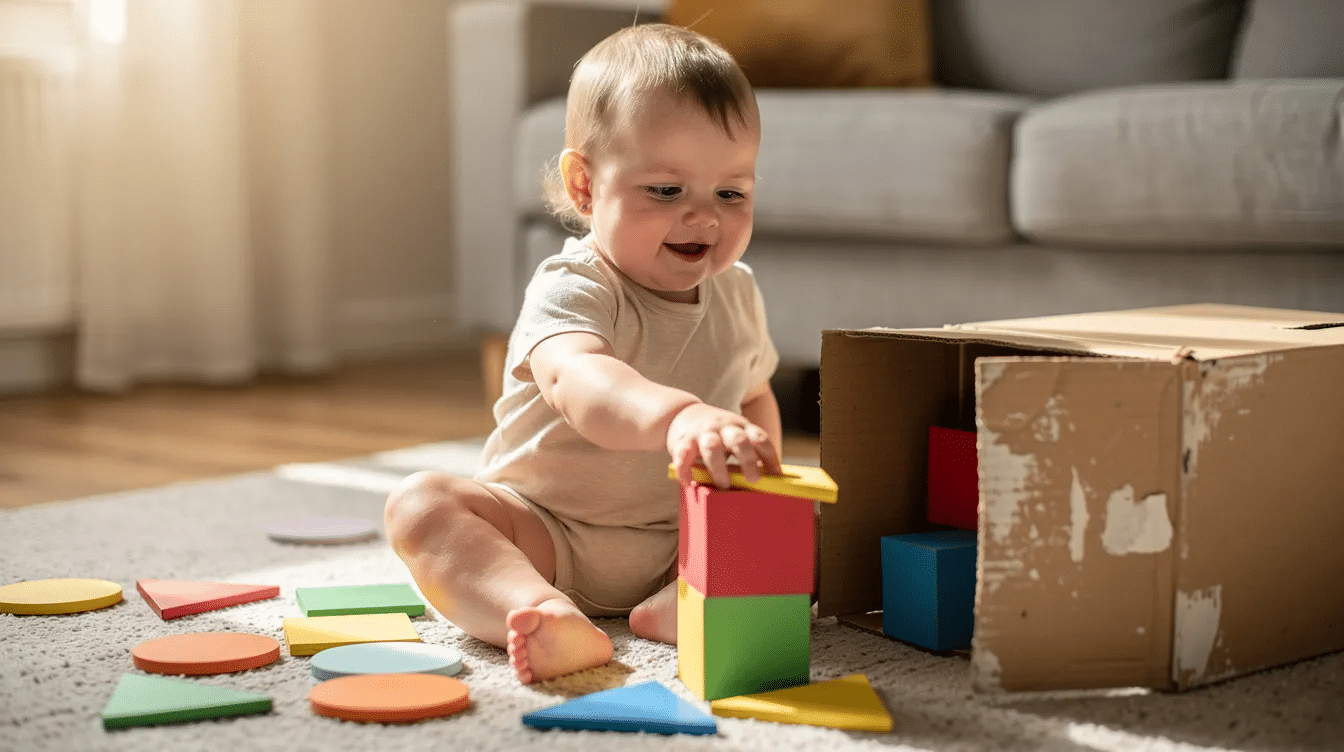
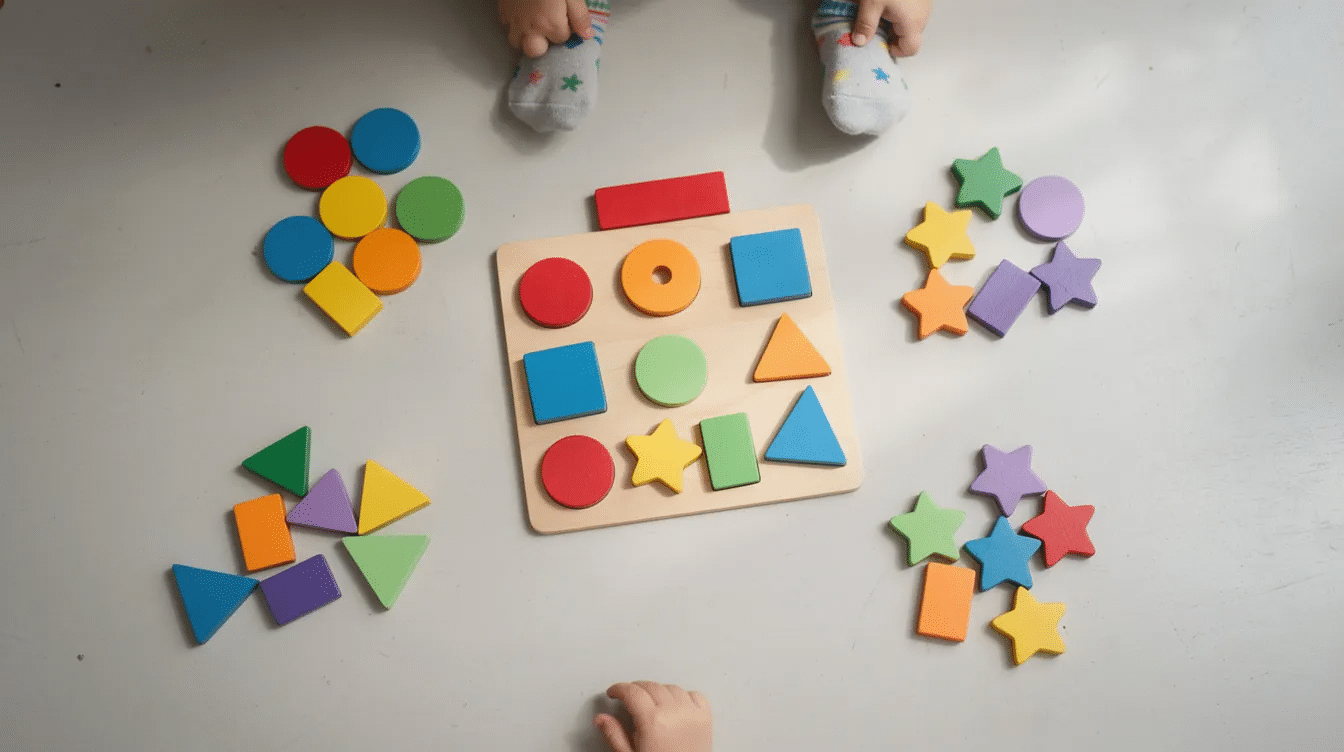
Shape sorting means children match 2D or 3D shapes-circles, squares, triangles, a rectangle, stars, or blocks-to matching holes or outlines. Sorting activities require children to identify groups of items that share particular traits, such as color, size, or shape.
A DIY version makes sense because it is low-cost, natural, easy to customize, and full of learning opportunities. You can paint it like animals, vehicles, fruit, or a montessori-style sorting box, or even turn a large box into a cardboard time machine for imaginative play. If you searched “shape sorting activity toddler homemade” for ideas, this is a handy place to begin.
- Recommended Age and Safety Considerations
- Materials You’ll Need for a DIY Shape Sorter
- Step-by-Step: How to Make Your Own Shape Sorter
- How to Introduce Shape Sorting to Your Toddler
- Learning Opportunities Hidden in Shape Sorting Play
- Simple Variations and Upgrades as Your Child Grows
- FAQ: Homemade Shape Sorting for Toddlers
Recommended Age and Safety Considerations
Many toddlers begin simple shape matching around 18–24 months. By the age of 2, children should begin to sort shapes and colors, which is a cognitive developmental milestone according to the CDC. Research also suggests shape discrimination improves strongly from about 25–30 months.
Use large pieces at least toddler-palm size. Avoid small caps, cracked lids, or anything children might eat, swallow, or mouth. An adult should use the craft knife and scissors, then cover rough cardboard edges with tape.
Supervise closely. Store the shape sorter out of reach if mouthing still happens anytime during play.
Materials You’ll Need for a DIY Shape Sorter
- Medium cardboard box: a delivery box works well.
- Cardboard or cardstock: cut shapes from flaps or cereal boxes.
- Pencil and ruler: draw clean outlines before cutting.
- Non-toxic paint or markers: bright color helps matching.
- Masking tape or clear tape: reinforce holes and edges.
- Craft knife: adult-only, used on a covered table.
- Optional extras: Velcro dots, stickers, washi tape, contact paper, muffin tin for extra sorting activities, or extra cardboard from other crafts like a DIY cardboard sword project.
Color sorting can be a simple activity for toddlers, where they sort two colors into separate piles, enhancing their understanding of color recognition and offering another way to build art-based fine motor skills.
Step-by-Step: How to Make Your Own Shape Sorter
- Choose 4–6 shapes: circle, square, triangle, rectangle, heart, and star.
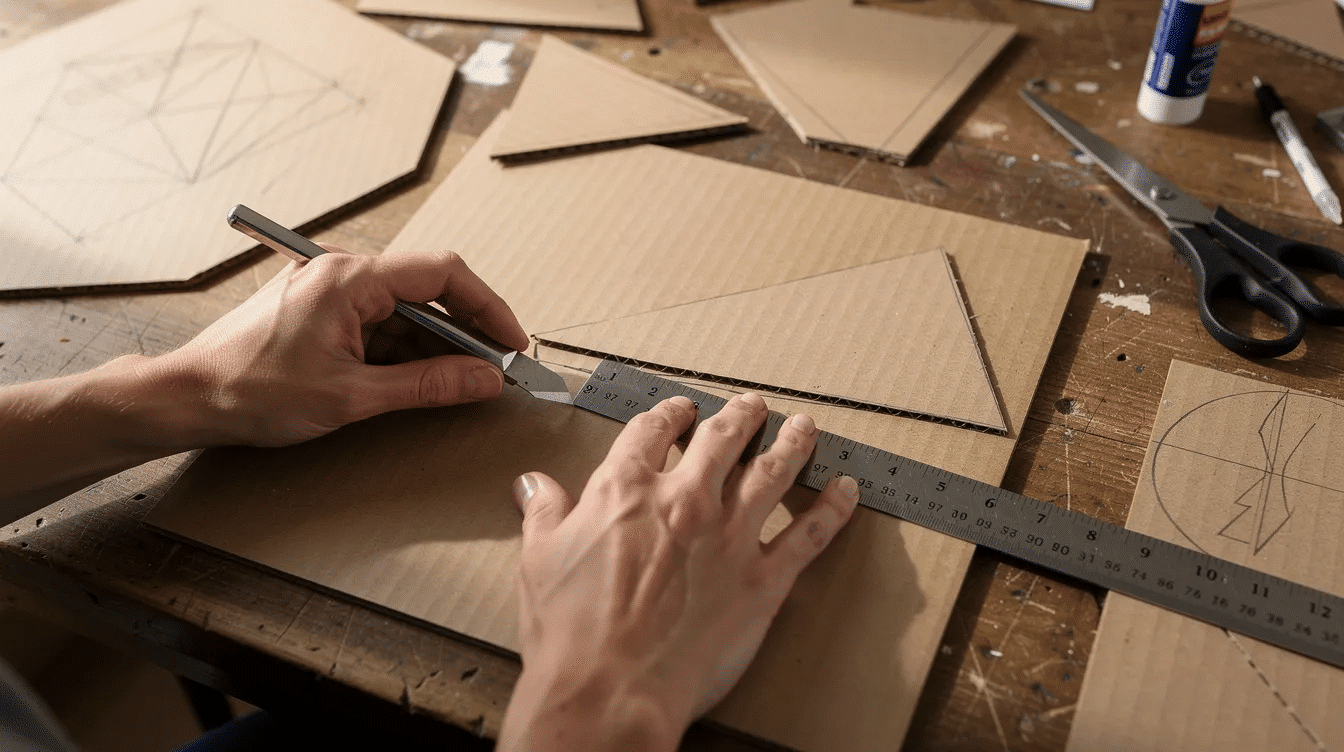
- Draw each shape on the box lid or one side with a pencil.
- Trace loose pieces using cookie cutters, blocks, or a printed template.
- Cut out the holes with a craft knife. Keep children away from this step.
- Test each opening so the shape can slide through without forcing.
- Reinforce cut edges with tape so the cardboard does not fray.
- Paint matching borders around the cut-outs and paint the loose shapes.
- Add labels like “circle” or “square” for older toddlers and preschool children.
To create a DIY shape sorter, you can cut out shapes from cardboard flaps and paint them in bright colors to match the corresponding cut-outs on the box. Using Velcro on the cut-out shapes and the corresponding areas on the box allows for tactile interaction, making the DIY shape sorter engaging for sensory play.
Adding a Color-Matching Twist
Make one side of the box “color plus shape” and another side neutral for pure identifying shapes. Try red circles, blue squares, and yellow triangles first.
Parents can place colored tape or dots around the holes so toddlers match by color, then gradually recognize the shapes without color help.
How to Introduce Shape Sorting to Your Toddler
Keep the first session short and fun, not a test. Put 2–3 shapes on the floor. Pick one up and say, “Circle. In.” Then slowly slide it through the matching hole.
Use simple words: “in,” “out,” “turn,” “same,” “different,” and “try again.” Celebrate attempts. If throwing, banging, or putting shapes in a muffin tin becomes the game, join for a minute, then model sorting again, or lean into imaginative play activities that build creativity.
Learning Opportunities Hidden in Shape Sorting Play
Engaging in sorting activities helps children develop visual perception, fine motor skills, reasoning, and problem-solving abilities. Sorting activities help children develop visual perception, fine motor skills, reasoning, and problem-solving skills.
Shape sorting also supports:
- Fine motor development: grasping, rotating, and aligning shapes.
- Cognitive skills: testing which object fits which space.
- Early math: comparing, counting, classifying, and noticing size.
- Language: naming shapes, color, and position words.
- Executive function: engaging in sorting activities encourages children to analyze similarities and differences, which is essential for developing executive function skills necessary for higher learning.
A PLOS ONE study found that toddlers’ object-fitting accuracy and speed improved between 14 and 36 months, especially as they learned to rotate and align pieces.
Ideas to Extend the Activity
Try these quick suggestions:
- Shape hunt: find a plate circle, book rectangle, or window square.
- Mystery bag: feel a shape before sorting it.
- Theme refresh: draw farm animals, vehicles, or fruit on pieces, or set up a table nearby with simple preschool 3D art projects using recycled materials.
- Size sort: sorting by size can be introduced by using two boxes, where children place objects that fit into the small box and others into the larger box, promoting size recognition.
- Floor game: shape sorting is a classic preschool activity that can be done at home using simple materials, such as marking shapes on the floor for children to sort objects into.
Simple Variations and Upgrades as Your Child Grows
For younger toddlers, use simplicity: two large shapes and oversized openings. For older toddlers, add ovals, hexagons, counting tasks, or mixed colors.
You can also make:
- A flat shape puzzles board with Velcro instead of holes.
- A sorting tray with cardboard dividers.
- A pinterest-inspired travel version that folds flat.
- A preschool or kindergarten prep version with labels and numbers.
Save extra pieces in a bag inside the box, and consider pairing this with kid-friendly DIY craft kits if you want more ready-to-go projects on hand. If you have multiple puzzles or sorting games around, simple puzzle storage ideas to stay organized can help keep all the pieces together. If you have more plans, links, or a favorite activity, sharing a comment on this blog article can help other parents find inspiration.
FAQ: Homemade Shape Sorting for Toddlers
What age should my child start using a shape sorter?
Many children enjoy dumping and filling containers around 12–15 months, then begin simple shape matching around 18–24 months. Start with only a few easy shapes.
How long will a cardboard shape sorter last?
With gentle play and reinforced tape, a cardboard shape sorter may last several months. Heavy toddler testing can soften edges, so refresh the cardboard when needed.
Can I use plastic lids or wooden blocks instead of cardboard shapes?
Yes, if they are large, smooth, and too big to swallow. Check often for cracks, splinters, or sharp edges.
What if my toddler just throws the shapes and won’t sort them?
That is normal toddler development. Keep sessions short, model the concept, and put it away before frustration takes over.
How can I store our homemade shape sorter so it doesn’t get crushed?
Keep the box on a low shelf or cubby, not under heavy toys. Store loose pieces inside a fabric bag or container placed in the box.