Key Takeways
- A kids activity kit, or kids craft kit, is a grab-and-go box with a complete activity inside, not just loose craft supplies.
- Start with 2–3 activity kits: art, sensory, and quiet learning are a good option for most kids.
- Use clear, labeled plastic bins with locking handles to organize supplies for easy visibility.
- DIY kits can save money compared with store-bought craft kits, especially when you reuse stuff from the house, dollar store finds, and recyclables.
- Refresh kits every month so kids learn, explore, and stay excited without needing screens.
Introduction: What Is a Kids Activity Kit and Why Make One at Home?
It is 4 p.m., snacks are finished, emails are waiting, and one child says, “I’m bored.” A ready activity kit can turn that moment into calm entertainment. A kids activity kit is a box, bag, tin, or binder filled with one complete play idea and all supplies needed to start.
Unlike a random tub of crafts, it is curated, themed, and ready to use. That means less setup for parents, more independent play for children, and better limits around screen time. In 2026, low-tech play is still a strong trend; the Toy Association notes growing parent demand for hands-on creativity and problem-solving toys.
- Step 1: Decide the Purpose of Your Kids Activity Kit
- Step 2: Choose and Prepare the Right Container
- Step 3: Build a Basic Kids Craft Kit (Art & Craft Essentials)
- Step 4: Create Themed Activity Kits Kids Can Grab Anytime
- Step 5: Organize, Label, and Store Your Activity Kits
- Step 6: Refresh Your Kids Activity Kits Each Month
- Safety, Age Appropriateness, and Mess Management
- FAQ
- How many different activity kits should I make for one child?
- How long should a good kids activity kit keep my child busy?
- What if I don’t have many craft supplies at home?
- How do I stop my house from getting messy when my child uses these kits?
- Can I use these activity kits for travel, like car rides or planes?
Step 1: Decide the Purpose of Your Kids Activity Kit
Clear goals make it easier to fill the right kit. Base the kit on your child’s current interests, a specific learning goal, or a seasonal topic.
Choose one purpose first:
- Quiet time after school
- Rainy-day fun
- Weekend family crafts projects
- Travel waiting kit
- Summer or christmas break boredom buster
Creating a DIY activity kit can help combat boredom during school breaks by providing children with engaging activities they can do independently. Creating a kids activity pack can be personalized based on a child’s age and interests, allowing for a tailored experience, much like other DIY kits for creative projects and fun learning.
For age ranges, keep it simple: toddlers need large, safe, tactile materials; ages 5–7 can cut, glue, sort, and draw; ages 8–10 can follow multi-step ideas, patterns, and stories. Write the purpose on a label so every person in the family knows when to use it.
Step 2: Choose and Prepare the Right Container
The container matters because it decides whether the kit gets used. The ideal container acts as a visual anchor and keeps all materials contained to ensure a low-mess experience.
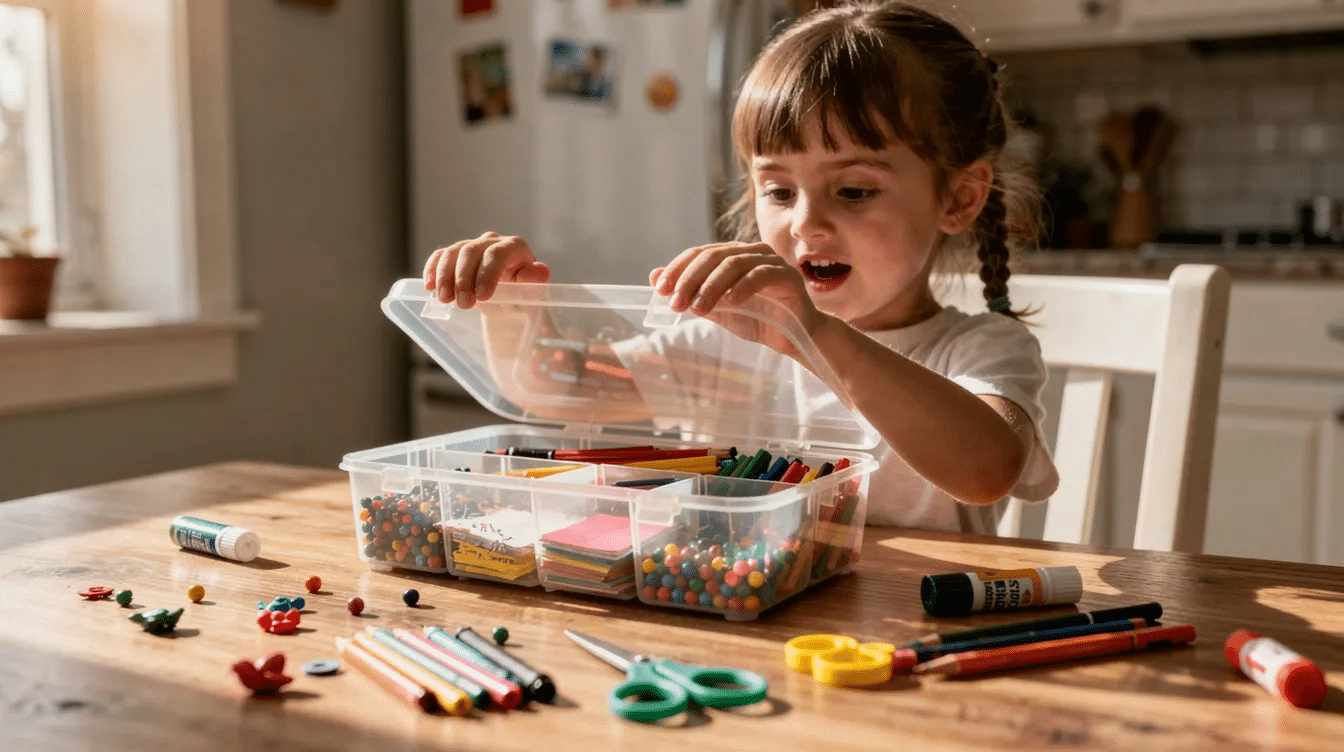
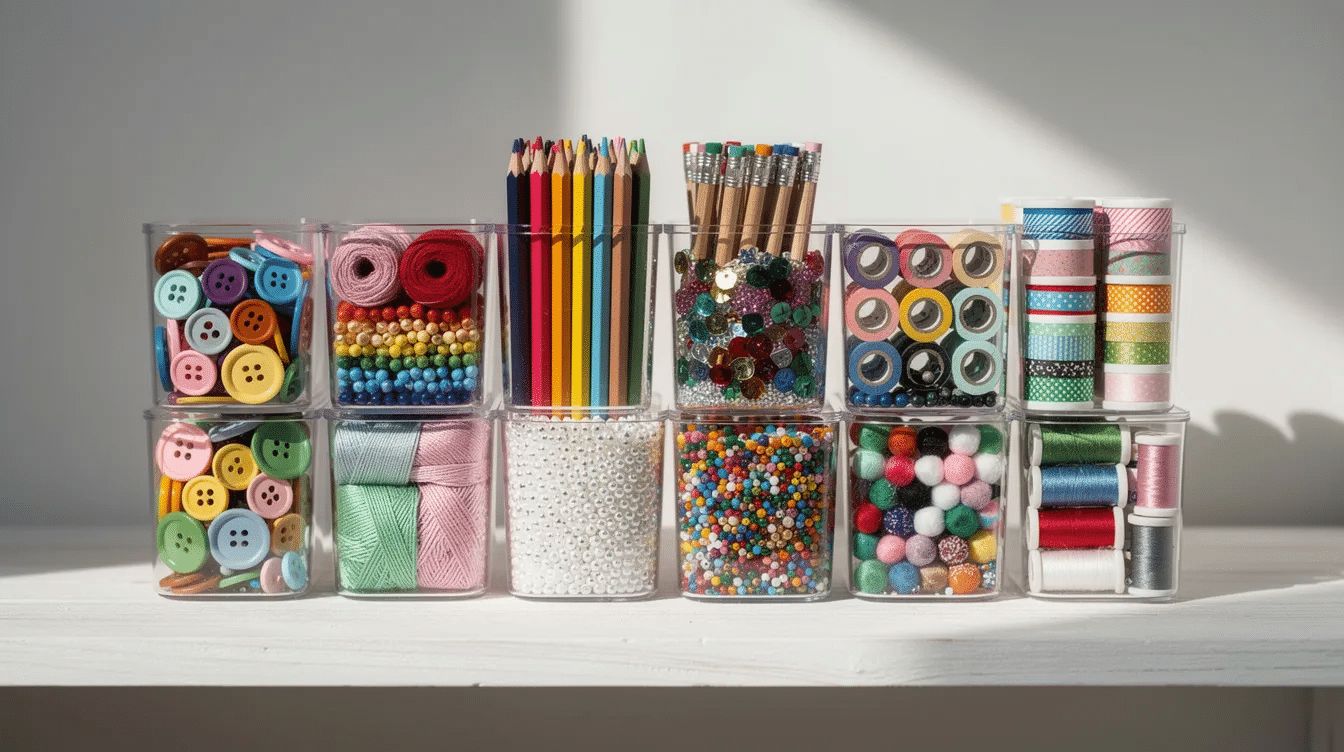
Use what you have: shoe boxes, cookie tins, lunch boxes, zipper pouches, or clear food tubs. Use a clear, shallow plastic shoe bin or a dedicated organizer box for storing activity kit materials. A great way to organize DIY activities is to gather all supplies for each project in a box or container, making it easy for kids to access when they are ready to create.
Set up separate boxes for “Art,” “Sensory,” and “Math Games.” Let kids decorate them with stickers, crayons, paper, a photo, or fancy shapes. That first decorating moment adds magic and ownership.
Step 3: Build a Basic Kids Craft Kit (Art & Craft Essentials)
A basic kids craft kit can live on a shelf and support dozens of crafts. Include crayons, washable markers, tape, glue, scissors, printer paper, sketch paper, and cards, choosing the best art supplies for young artists that are age-appropriate and non-toxic.
Glue sticks are essential for any craft kit as they are easy for young children to use and mess-free. Scissors are a must-have in any kids craft kit, and it’s recommended to provide a good quality small pair with proper metal blades for effective cutting, since thoughtful art and craft setups can maximize art and craft benefits for child development.
A variety of papers, cards, and fabrics should be included in a craft kit to provide different textures and colors for creative projects. Add envelopes, yarn, cardboard tubes, paper plates, origami paper, blank mini-notebooks, googly eyes, and stickers. Encourage self-expression and basic literacy through crafting with materials such as blank mini-notebooks and colorful origami paper.
Add an ideas card: “Make a greeting card,” “draw your dream bedroom,” or “create a paper crown.” Clear, visual instructions empower children to complete tasks without constant adult assistance.
Step 4: Create Themed Activity Kits Kids Can Grab Anytime
Themed kits are single-purpose boxes kids can open anytime. Start with one or two, then expand when you see what your child loves.
Art & Drawing Kit
This kit is for quiet art and low-mess paint play. Include HB pencils, colored pencils, a sharpener with lid, erasable pens for older kids, mini watercolors, a lidded water cup, index cards, and half-sheets clipped together, and consider adding simple preschool 3D art projects that use clay or recycled items for extra dimension.
Prompt cards can say: “Draw your favorite meal,” “Design a new animal,” or “Make a comic strip with 4 boxes.” Keep tools in a pencil case so a little girl, boy, or any child can carry the kit from table to floor without spilling supplies.
Sensory Play Kit
A sensory kit helps children explore touch, sound, and sight. Base fillers can include items like dried black beans, dyed rice, and kinetic sand, while fine-motor tools can include plastic tweezers and mini tongs; using the best sand for kinetic sand will make the sensory experience smoother and longer lasting.
Also try pasta, cotton balls, large buttons, measuring spoons, scoops, funnels, and silicone muffin cups. Mix base filler items with small tools to challenge a child’s physical coordination and spatial reasoning. Use a tray, supervise toddlers, and remove beads, small buttons, or choking hazards for children under 3.
Learning & Quiet Activity Kit
This kit helps children learn letters, numbers, emotions, and problem-solving. Add number cards, homemade letter cards, a notebook, counters, Lego pieces, or dried beans.
Include three games: match letters, count objects to cards, and copy patterns. Store each game in a labeled envelope so pieces do not mix. Older children can invent new games, which is how kids learn through design, testing, and revision.
Outdoor Nature Activity Kit
This kit turns the world outside into a mini adventure. Pack a notebook, pencil, child-safe magnifier, sandwich bags, envelopes, and a simple scavenger hunt you print at home.
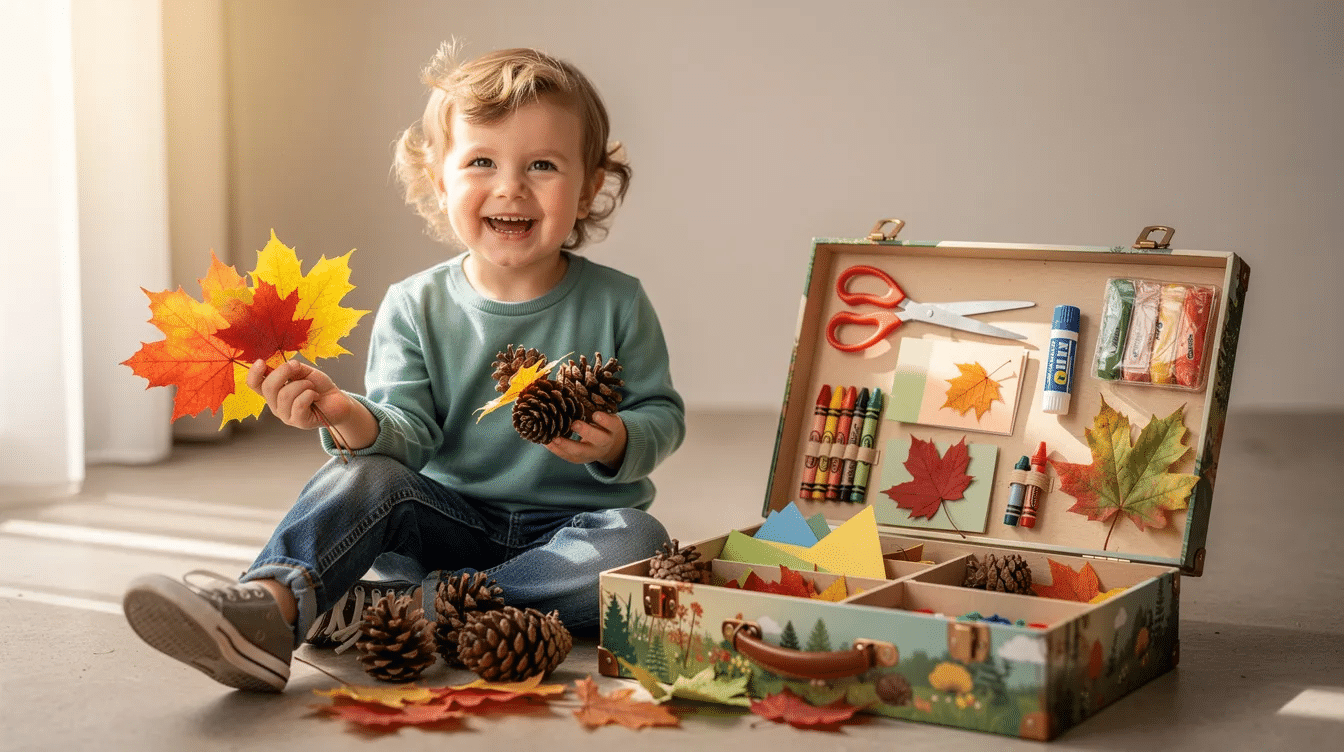
Natural materials like sticks, stones, and pinecones can be great additions to a craft kit, allowing children to create unique projects using items found in nature. Incorporating natural materials like sticks, stones, and leaves into DIY crafts can enhance creativity and provide unique textures and colors for projects; kids especially enjoy creative nature stick crafts for imagination. In summer, notice clouds; in autumn, collect leaves; in spring, compare leaf shapes.
Step 5: Organize, Label, and Store Your Activity Kits
Well-organized activity kits get used more. Keep kits on a low shelf or in a cube unit where kids have access, while messy or risky supplies stay higher.
Use picture labels: paintbrush for art, numbers for math, leaf for nature. Color-code boxes with tape. Set two rules: one kit out at a time, and everything returns before choosing another.
Using a binder for a kids activity pack helps keep all activities organized and prevents items from getting lost or messy. A Busy Binder is a zippable folder filled with kids activities designed to keep children entertained during long journeys, similar in spirit to a homemade fuzzy felt activity board that keeps pieces contained and ready for play.
Step 6: Refresh Your Kids Activity Kits Each Month
Children naturally lose interest in repeating the exact same tasks over a long period of time. Schedule a kit rotation every 3 to 4 weeks to keep the concepts feeling fresh.
On the first weekend of each month, refill paper, replace dried markers, sharpen pencils, and remove broken pieces. Keep a spare parts box with glue, tape, cards, fabrics, and extra supplies. Ask for suggestions: “What was fun?” and “What felt challenging?” Their answers help you connect the kit to real life.
Safety, Age Appropriateness, and Mess Management
Fun still needs boundaries. For safe kids crafts, choose non-toxic, washable materials and check labels such as ASTM D-4236 or ACMI AP when buying art products; the U.S. Consumer Product Safety Commission explains why art material labels matter.
No small beads for under-3s. Use blunt scissors for young children. Keep glitter glue, slime, vinegar experiments, or paint in a grown-up supervised box. Core materials for hands-on scientific discovery can include baking soda, vinegar, food coloring, and clear bowls.
For mess free habits, pair every kit with a mat, apron or old clothing, damp cloth, and small trash bag. Avoid eating during sensory play, and check allergens such as flour, seeds, or latex.
FAQ
How many different activity kits should I make for one child?
Start with 2–3 kits: one general kids craft kit, one sensory kit, and one quiet learning or travel kit. A few well-loved boxes beat a house full of half-empty kits.
How long should a good kids activity kit keep my child busy?
Toddlers may play for 10–20 minutes. School-age kids may spend 30–60 minutes, or even hours, when prompts, stories, and mini challenges are included.
What if I don’t have many craft supplies at home?
Use cardboard, magazines, egg cartons, fabric scraps, jars, tins, string, and old gift wrap—perfect foundations for big imagination projects like a cardboard time machine craft. Then buy basics slowly from the dollar store: crayons, glue sticks, tape, and paper.
How do I stop my house from getting messy when my child uses these kits?
Create a routine: choose one kit, play at the table or mat, clean up, then choose another. Put a cloth and trash bag inside the kit so cleanup is part of the course.
Can I use these activity kits for travel, like car rides or planes?
Yes. Build a travel gift bag with coloring pages, magnetic games, a mini notebook, stickers, and a pencil case; in winter, you might tuck in a few polar bear craft ideas for a fun winter activity to match the season. Avoid liquids, loose glitter, and tiny parts. It also makes a great gift for friends, a mom group swap, or a birthday present, especially if you include a few festive holiday craft projects inside.