If you are searching for letter recognition activities preschool children will actually enjoy, the best place to start is play. Preschoolers build letter recognition by seeing, saying, touching, moving, and hearing alphabet letters in short, meaningful moments throughout the day.
Key Takeaways
- Strong letter recognition skills in preschool make learning to read, write, and spell much easier in kindergarten and first grade.
- The best letter recognition activities are hands on, playful, and woven into daily activities instead of relying only on worksheets.
- Teach letter names, letter sounds, and simple letter formation together through movement, music, tracing, and games.
- Focus on a few letters at a time, usually 3–6, so young learners can master them without feeling overwhelmed.
- Short practice sessions of 5–15 minutes are enough for most preschool children when the activities are consistent and fun.
- Why Letter Recognition Matters in Preschool
- Getting Started: When and How to Introduce Letters
- Active, Hands-On Letter Recognition Games
- Fine Motor + Letter Recognition: Clips, Tracing, and Clay
- Alphabet Games: Bingo, Matching, and Sorting
- Alphabet Activities with Music, Storytime, and Daily Life
- Printable Alphabet Activities and Coloring Pages
- Supporting Letter Sounds and Beginning Letter Awareness
- Practical Tips for Teaching Letter Recognition to Preschoolers
- Frequently Asked Questions
Why Letter Recognition Matters in Preschool
Letter recognition means children can identify letter names, letter shapes, and basic sounds. Preschool is a key window for this learning because ages 3–5 are when many kids begin connecting the alphabet song to real words they see in books, signs, labels, and name tags.
Children who enter kindergarten with a strong understanding of letter recognition are more likely to succeed in reading and writing. Research also indicates that many preschoolers struggle with achieving high levels of alphabetic knowledge, highlighting the need for effective teaching strategies rather than “wait and see” instruction. Studies on early literacy show that alphabet knowledge and phonological awareness support later reading success, and the two skills grow together over time.
Letter recognition is not just flashcards. It includes noticing letters on cereal boxes, food labels, book covers, road signs, favorite snack packages, and classroom cubbies.
Phonological awareness, which includes recognizing letters and their sounds, is a major predictor of reading success in children. When children hear /m/ in “moon,” see M, trace M, and then try writing it, they are building early literacy skills that support reading, spelling, and writing success later.
Getting Started: When and How to Introduce Letters
Many children show interest in learning letters between ages 2½ and 4, but the pace should match the individual child. Simple readiness signs include pointing to letters in picture books, asking “What does this say?”, enjoying the alphabet song, pretending to write letters, or noticing the first letter of their name.
Start with meaningful letters. Name Recognition focuses on letters in the child’s own name using various educational activities, which makes practice feel personal. You can also teach letter connections through family names, favorite words, and familiar labels, such as M for “mom” or D for “dog.”
A practical starting point:
Step | What to do |
|---|---|
1 | Choose 3–6 focus letters |
2 | Include the child’s name letters first |
3 | Show uppercase and lowercase letters together when possible |
4 | Practice through games, songs, tracing, and books |
5 | Add new letters only after recognition improves |
Focusing on a few letters at a time and allowing children to master them before introducing new ones helps prevent overwhelming them and supports effective learning. It is fine to begin with uppercase letters because they are often easier to recognize, then quickly add matching lowercase letters so children understand upper and lowercase letters belong together. |
Active, Hands-On Letter Recognition Games
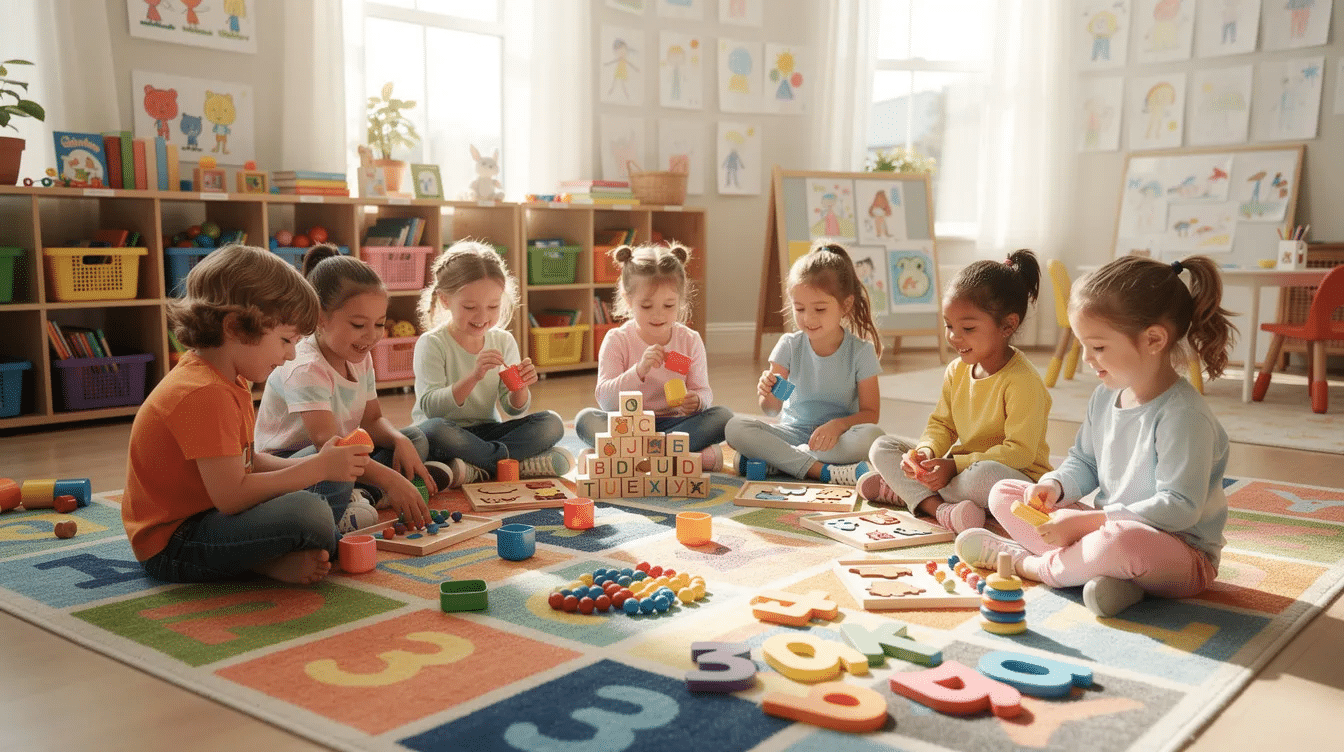
Preschool children learn best when they move. Fun and interactive ways to teach letter recognition to preschoolers include tactile, movement-based, and sensory activities that keep attention high while building literacy skills.
Try these simple games:
- Letter Basketball: Write letters on scrap paper, crumple them into “balls,” scatter them, then call out a specific letter. Children search for it, say the name and sound, then toss it into a basket.
- Alphabet Scavenger Hunt: An engaging activity for preschoolers is the Alphabet Scavenger Hunt, where children look for objects around the house or outside that begin with the same letter as a card they have.
- Alphabet Hopscotch: Alphabet Hopscotch substitutes letters for numbers in a hopscotch game where children say the letter and its sound as they jump.
- Letter Swat: Letter Swat involves swatting sticky notes with letters written on them with a flyswatter.
- Body Letters: Body Letters challenge children to form the shapes of letters using their bodies.
- Letter Hide-and-Seek: The Letter Hide-and-Seek game involves hiding letter beads or blocks around a room, where children find each one, say the letter name, and arrange them in alphabetical order.
You can also create an Alphabet Path with painter’s tape or letter cards on the floor. Kids hop, tiptoe, crawl, or drive toy cars over each letter while saying the letter names and sounds. For a quieter group game, place 3–5 foam or magnetic letters on a tray, cover them, remove one, and ask which letter disappeared.
Alphabet Sensory Bins involve finding hidden letters in rice or sand. This is a treasure trove for pre k classrooms because it combines recognition, sensory play, and simple games with low-cost materials like cardboard boxes, recycled paper, tape, and dry erase markers.
Fine Motor + Letter Recognition: Clips, Tracing, and Clay
Preschool letter recognition and fine motor skills develop together, and art-based activities are an engaging way to strengthen both. When children trace, pinch, roll, clip, and form letters, they prepare their hands and eyes for later handwriting while also building art fine motor skills.
Set up Letter Clips by placing dot stickers with letters around a sturdy box. Write matching letters on clothespins, then have children clip each pin to the same letter. This builds pincer strength while reinforcing recognition.
A Sensory Writing Tray is another easy win. Fill a shallow tray with salt, sand, or sugar, place a letter card nearby, and let children use a finger or paintbrush to form letters. Texture Letter Tracing works in a similar way: using tactile experiences, such as forming letters with sandpaper or textured materials, engages multiple senses and stimulates tactile learning, which is effective for teaching letter recognition.
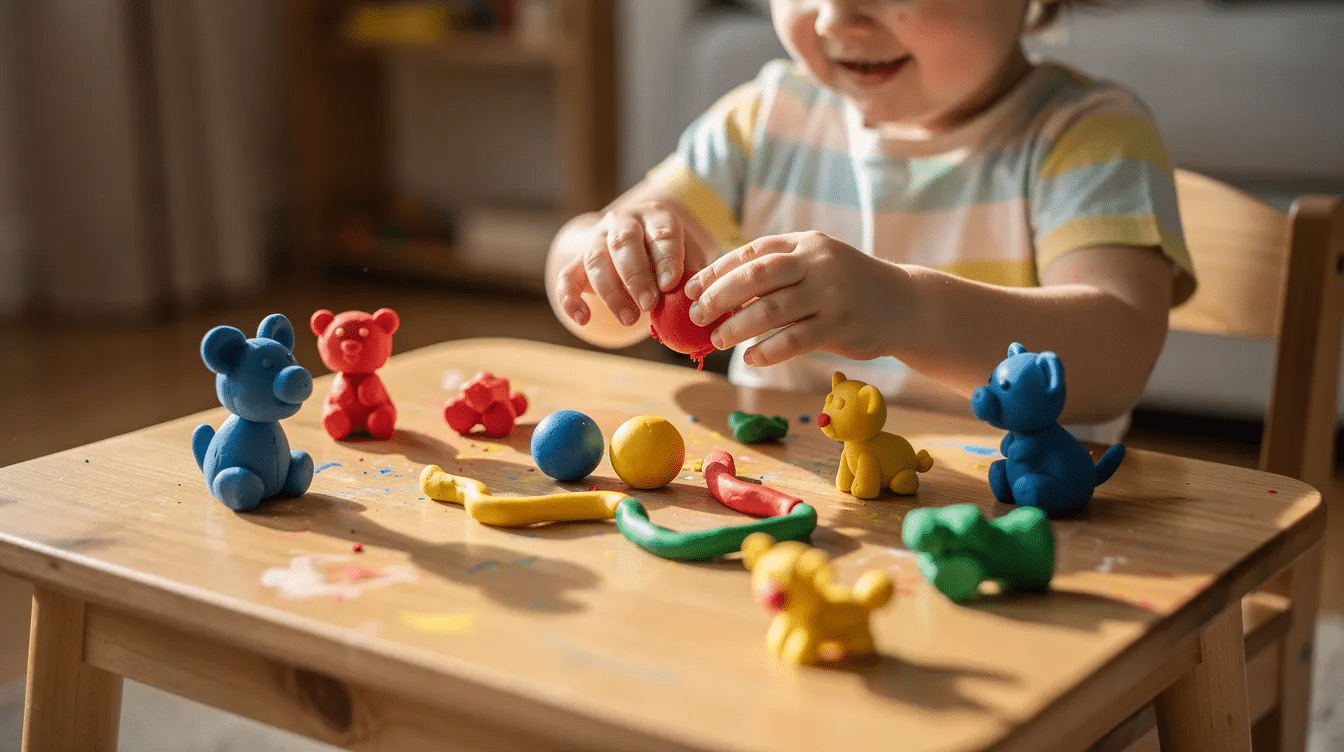
Playdough letters are especially useful. Using playdough to form letters is a fun and tactile way for children to learn letter shapes, allowing them to roll and shape the dough into the letters they are learning. This supports letter formation without turning writing into a pencil-and-paper task too soon and pairs nicely with other preschool 3D art projects that use clay and simple sculpting.
Alphabet Games: Bingo, Matching, and Sorting
Simple table-top alphabet games keep practice fun and work well for centers, quiet time, or family game night. They also help children learn to match uppercase, lowercase, and mixed fonts.
Here are a few engaging activities:
- Alphabet Bingo: Give each child a bingo game board with uppercase and lowercase letters. Call out a letter, sound, or beginning letter clue, and children cover the match with counters. Alphabet bingo is easy to adjust for one child or a whole group.
- Candy Letter Match: Write letters on sticker dots under small cups or tokens. Children lift two at a time to find matching letters. Use buttons or paper squares if you prefer a non-food version.
- Alphabet Sorting Boxes: Label small dividers with individual letters, then have children sort foam or magnetic letters into the correct sections.
- Magnetic Letter Match-Up: Magnetic Letter Match-Up pairs magnetic letters with flashcards matching uppercase and lowercase letters.
- Letter Puzzles: Letter Puzzles create puzzles that match uppercase and lowercase letters by cutting notecards in half.
Start with uppercase-to-uppercase matches, move to lowercase-to-lowercase matches, and then practice uppercase to lowercase. Alphabet cards and letter cards are also useful for quick review, sorting, and recognition activities.
Alphabet Activities with Music, Storytime, and Daily Life
The alphabet song is helpful, but singing alone does not guarantee visual recognition. Point to each printed letter on an alphabet chart while singing so children connect the tune to letters of the alphabet.
For a music-based option, try an Alpha-Band. Label rhythm instruments with alphabet letters, then invite children to shake when they hear their assigned letter during a song or rhyme. Zoo Phonics integrates hand motions with animal letter shapes to teach letter shapes and sounds, which is another example of connecting movement, sound, and memory.
Daily life is one of the easiest places to teach letter recognition. Creating a print-rich environment by labeling objects with both uppercase and lowercase letters helps reinforce letter recognition throughout the day. An Environmental Print Hunt identifies letters on familiar items like cereal boxes and food labels. You can also point out letters on library cards, store receipts, signs, menus, and packages.
During read-aloud time, pause at one page and ask, “Can your little eye find B?” Then connect the letter to a word or picture. This keeps early literacy low-pressure while helping children love learning.
Printable Alphabet Activities and Coloring Pages
Printables work best as short, focused practice after hands on activities. They should reinforce learning, not become the only way children practice letters.
Useful printable options include:
- Letter Tracing Worksheets: Large uppercase and lowercase strokes with arrows for direction and space for free writing.
- Color by Letter Pages: Children color sections by letter, building recognition in a fun visual format.
- Alphabet Pictures Coloring Pages: A large letter paired with a picture, such as B with a bee, to support beginning letter sound awareness.
- Letter Collages: Letter Collages involve creating collages from cut letters out of magazines and newspapers for a specific letter.
- Homemade Alphabet Book: Children complete one page per letter with tracing, coloring, writing, or glued pictures, then bind the pages with rings.
Free resources like alphabet cards, coloring pages, and tracing sheets can be helpful, but the point is balance. Mix worksheets with movement, talk, real objects, and well-chosen art supplies for young artists so children learn through more than one pathway.
Supporting Letter Sounds and Beginning Letter Awareness
Good letter recognition activities also build connections between letters and sounds from the beginning. Incorporating letter sounds early alongside letter names is vital for helping children connect written letters to their spoken counterparts, enhancing their phonological awareness.
For example, in a Letter Hunt, say /m/ and ask children to find M and an object that starts with the same sound. With picture-word cards, match a cat picture to the word “cat,” then point to the first letter and say, “C says /k/ in cat.”
You can also place real objects on a tray: cup, ball, spoon. Ask, “Which one starts with /b/?” Then show B and say the sound again. At preschool ages, the goal is playful exposure to sounds and letters, not formal spelling, sight words, or full reading instruction.
Practical Tips for Teaching Letter Recognition to Preschoolers
Parents and teachers can teach letter recognition without long lessons. The most important pieces are consistency, variety, and a calm tone.
Keep these tips in mind:
- Practice for 5–15 minutes and stop while children are still engaged.
- Introduce meaningful groups, such as name letters, useful consonants, and a few vowels, instead of relying only on alphabetical order.
- Use multiple senses: see letters, say names and sounds, trace, build, jump, sort, and write.
- Model curiosity: “I see an S on that sign. It looks curvy like a snake.”
- Avoid over-correction. Celebrate small wins and gently model the correct answer.
The best alphabet activities make learning feel like play. When children learn through movement, music, stories, and hands on materials, they build confidence along with recognition.

Frequently Asked Questions
What age should my child know all their letters?
Many children recognize most uppercase letters by around age 5, but there is a wide range of normal. Progress matters more than a specific birthday deadline. Consistent, playful letter recognition activities in preschool usually lead to solid alphabet knowledge by the end of kindergarten.
Should I teach letter names or letter sounds first?
It is helpful to teach letter names and their most common sounds together. For example, say, “This is M, it says /m/ like moon.” Some programs emphasize sounds first, but for most families and preschool classrooms, a combined approach is simple and effective.
Is it better to start with uppercase or lowercase letters?
Uppercase letters are often easier to recognize because they are more distinct and appear on signs, labels, and name tags. Start with uppercase for recognition if needed, but quickly pair each one with its lowercase partner so children understand that A and a are the same letter.
How many letters should I focus on at one time?
Choose 3–6 focus letters at one time and revisit them through games, coloring pages, songs, and daily routines. Move faster or slower based on the child’s interest. Mastery is more useful than racing through all 26 letters.
What if my preschooler doesn’t seem interested in letters yet?
Start with meaningful letters, especially the letters in the child’s name, and weave them into favorite play like blocks, pretend cooking, music, or outdoor games. Keep exposure light and pressure-free. Reading aloud, singing, and playful alphabet activities are enough to begin the literacy journey.