Outdoor nature crafts are simple hands-on activities where toddlers use leaves, mud, sticks, stones, flowers, and other natural materials to create, sort, build, and explore. The best nature craft ideas for toddlers outdoors combine creativity, motor skills, sensory play, and a gentle connection to the natural world.
These ideas are chosen for children ages 18 months to 4 years, with safety, simplicity, and short attention spans in mind. Most can be done in a backyard, garden, local parks, or any safe site in the great outdoors with adult supervision.
How We Chose the Best Nature Crafts for Toddlers
Good nature crafts for kids should be safe, quick, and flexible. Toddlers need activities with 2–3 simple steps, easy-to-hold materials, and room for imagination rather than perfect results.
We prioritized crafts that:
- Use readily available natural materials and natural items
- Support fine motor skills through picking, placing, stamping, squeezing, and arranging
- Encourage movement, language, sorting, and sensory exploration
- Require minimal setup, white glue, paint, or cleanup
- Can be adapted for younger kids and different ages
- Teach children to collect items from the ground rather than picking flowers or leaves, which helps build respect for nature
- Include safety precautions, such as avoiding toxic plants and washing hands after handling mud or found items
The CDC notes that outdoor play supports physical health, social-emotional growth, and learning, and arts and crafts offer powerful benefits for child development, so these crafts are more than just fun stuff to fill summer days.
Top 6 Nature Craft Ideas for Toddlers Outdoors
1. Mud Painting with Natural Brushes
Mud painting turns dirt and water into a toddler-friendly paint medium. Mix soil and water in a shallow container, then let kids use sticks, leaves, grass, or fingers to paint on smooth rocks, tree bark, cardboard, a paper plate, or a large outdoor canvas.
Mud play can also include making mud pies, finger painting with mud, stamping with leaves, and drawing in the dirt with sticks. These actions help develop motor skills, cognitive abilities, and sensory confidence.
Why It Stands Out
Mud is free, open-ended, and wonderfully sensory. Toddlers can squish it, smear it, drip it, and experiment with thickness. Add a drop of food coloring only if you are working on paper outdoors and want to reveal color mixing.
Best For
Toddlers who love making messes, exploring textures, and using their whole body while making art.
Key Strengths
- Zero cost and easy to find after rain or near a garden
- Excellent sensory activity for little ones
- Supports hand strength, mark-making, and early nature art
- Works on ground, rocks, cardboard, or paper
Possible Limitations
- Needs old clothes and handwashing
- Can be slippery or too cold in some weather
- Avoid unknown soil, animal waste areas, and toxic plant zones
2. Simple Leaf Collection and Sorting
Leaf sorting is one of the easiest nature craft ideas for toddlers outdoors. Ask your toddler to collect a bunch of fallen leaves, then sort them by color, size, texture, or shapes.
Using clear contact paper, children can create sticky leaf collages by layering leaves and petals they collect, which helps develop their motor and cognitive skills. Using clear contact paper, children can create sticky leaf collages by layering leaves and petals between two sheets of the sticky film, enhancing their fine motor skills.
Why It Stands Out
This craft blends early math, science, and creativity. Kids compare, classify, count, and talk about what they see.
Best For
Toddlers developing color recognition, vocabulary, and simple grouping skills.
Key Strengths
- Portable for parks, walks, or the backyard
- Great for collected items after a nature walk
- Can become a collage with contact paper, glue, or tape
- Builds observation without needing many supplies
Possible Limitations
- Winter may limit leaf variety
- Some leaves can irritate skin, so check before use
- Toddlers may need reminders not to put leaves near their mouth
3. Rock Stacking and Balancing
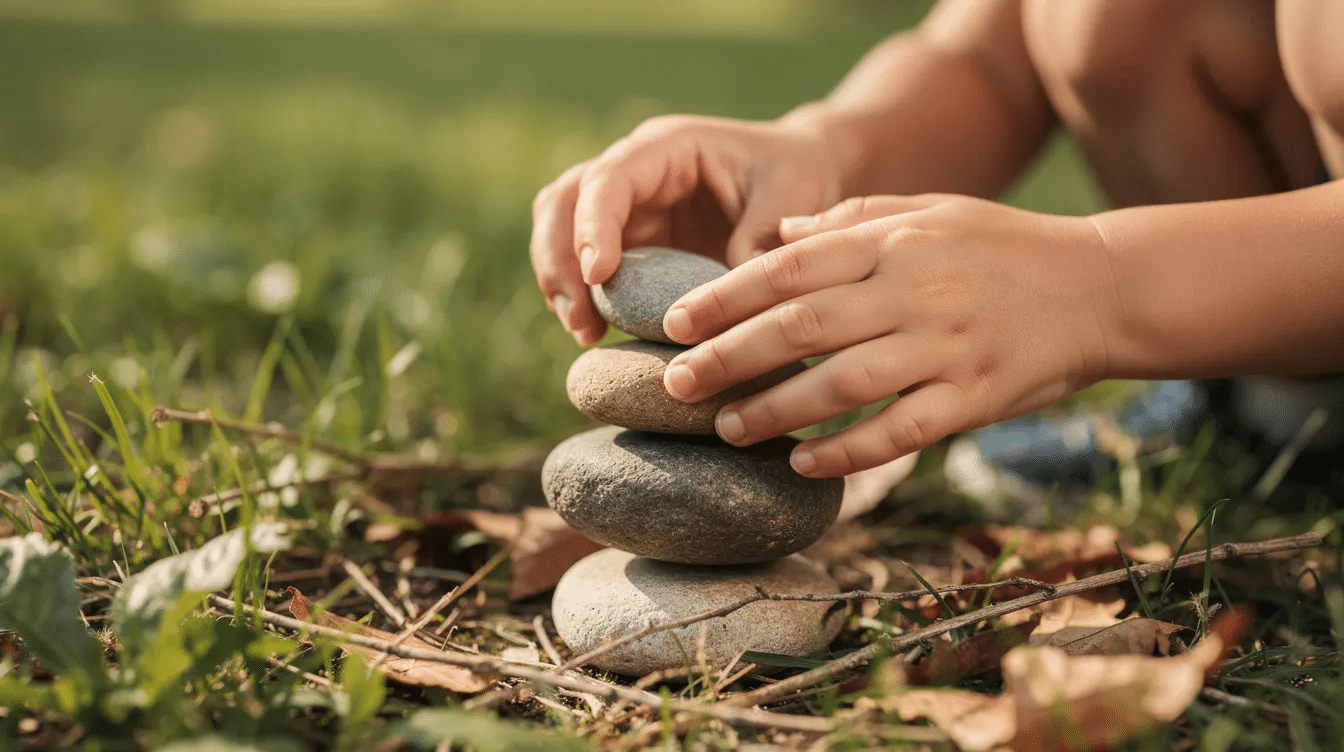
Rock stacking is simple: find smooth rocks, place one on top of another, and see what happens. It is a self-correcting activity because the tower falls when the balance is off.
Why It Stands Out
This activity builds patience, concentration, hand-eye coordination, and problem-solving. It is also a cool way to introduce cause and effect.
Best For
Toddlers who enjoy building, testing, knocking down, and trying again.
Key Strengths
- Uses materials found near beaches, creeks, trails, and gardens
- Strengthens spatial awareness and planning
- Can lead to sculptures, stone circles, or pretend animal homes
- Helps children explore balance with their hands and eyes
Possible Limitations
- Very young toddlers may get frustrated
- Avoid heavy rocks that could pinch fingers
- Requires close adult supervision near water
4. Nature Treasure Hunt and Collection
A nature treasure hunt gives toddlers a short mission: “Find one stick, one yellow leaf, one pine cone, and one smooth stone.” Keep it simple and adapt it to your location.
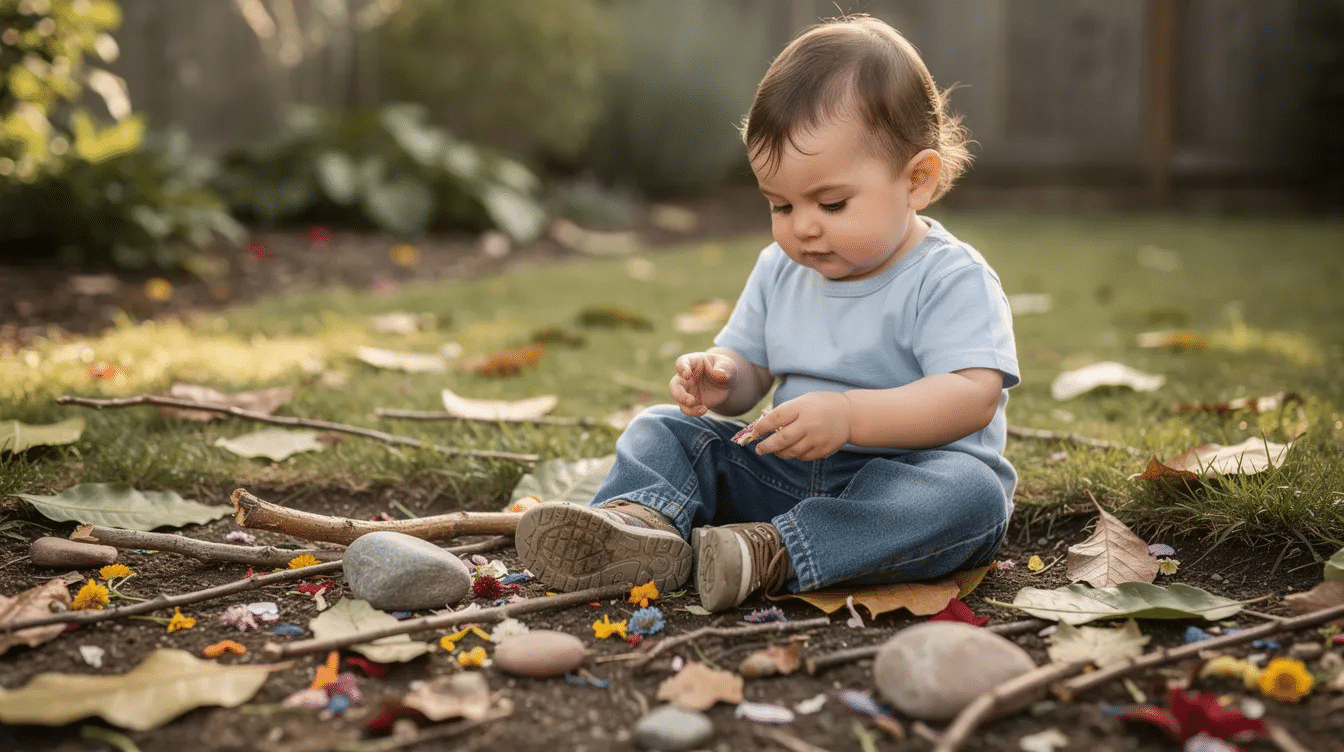
Collecting natural items like leaves, twigs, and stones can be a fun way for children to engage in creative projects, such as making sculptures or collages. Activities such as collecting treasures for sensory bins and creating nature crowns help toddlers engage with their environment.
Why It Stands Out
Treasure hunts encourage movement, listening, vocabulary, and curiosity. They also give you materials for more ideas later, or you can explore DIY craft kits for creative projects that extend the fun indoors.
Best For
Active toddlers who like to explore and need a little structure.
Key Strengths
- Encourages walking, bending, reaching, and searching
- Develops language: rough, smooth, tiny, long, soft
- Creates a basket of materials for later crafts
- Easy to repeat summer long
Possible Limitations
- Requires pre-planning based on what is safe nearby
- Toddlers may need redirection
- Avoid mushrooms, berries, sharp objects, and unknown plants
A few add-ons work well here. Nature photography encourages children to explore their surroundings and capture the beauty of nature, helping them develop an appreciation for the environment and enhancing their observational skills; let your toddler “take” a photo with help, or you can photograph their finds. Creating a bug observation box allows children to observe and learn about the unique lives of insects, fostering a sense of curiosity and respect for nature; release bugs gently afterward.
5. Stick and Twig Building
Stick building invites toddlers to arrange sticks into nests, fences, triangles, roads, letters, or pretend campfires, and it’s a great starting point for creative nature stick crafts for kids. Children can create nature faces by collecting twigs, leaves, and other natural materials to design silly or realistic faces on a cardboard canvas; add googly eyes if you want an adorable mixed-media version.
Why It Stands Out
This is early engineering with a little creativity. Toddlers plan, test, rebuild, and use pretend play.
Best For
Toddlers who enjoy construction toys, stacking, and creative problem-solving.
Key Strengths
- Sticks are abundant in most outdoor settings
- Builds spatial reasoning and planning
- Encourages imagination and storytelling
- Can connect to nature weaving, god’s eyes, or simple stick frames for older kids
Possible Limitations
- Check for thorns, splinters, and sharp ends
- Structures may fall apart
- Long sticks need extra space and supervision
You can also make a nature mobile: children can create nature mobiles by attaching interesting items found during walks to a stick using string and tape, then hang it outside. A hole punch can help attach leaves if they are sturdy, but adults should handle tricky steps.
6. Flower Petal Play and Arrangements
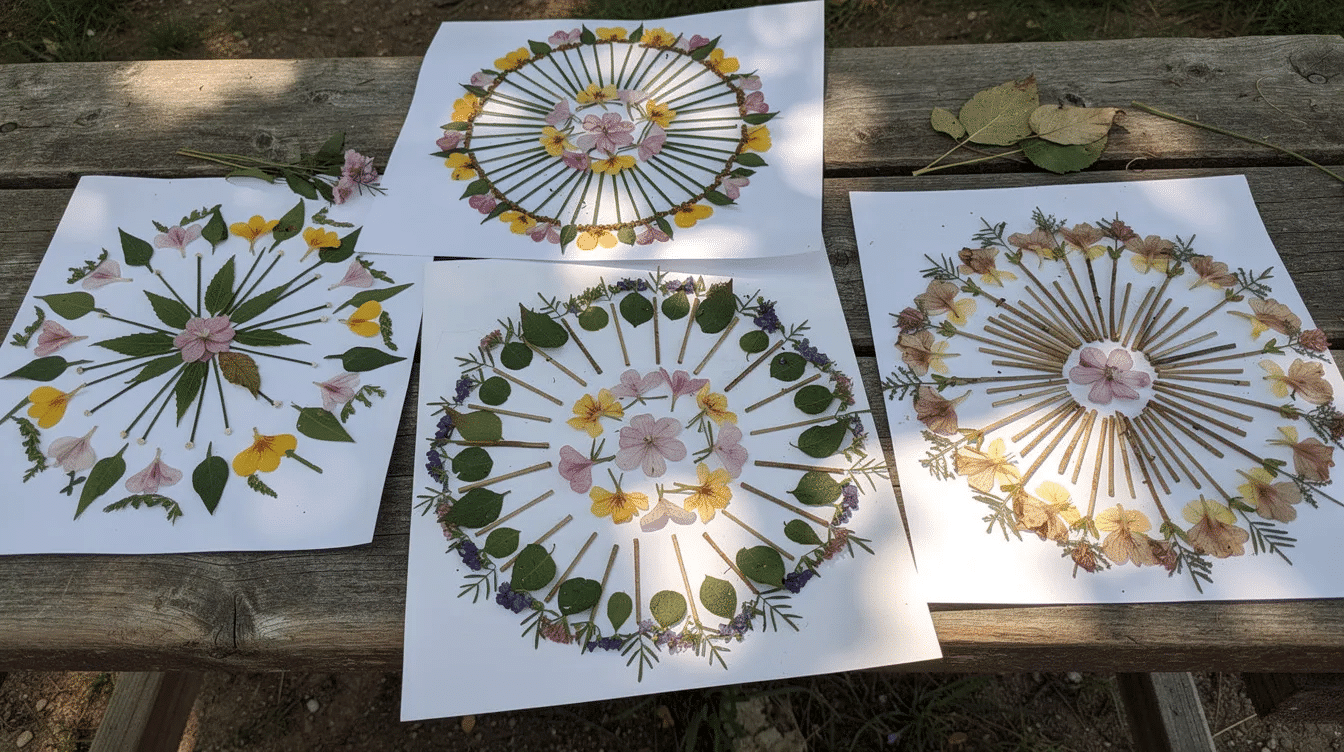
Flower petal play is gentle and colorful. Use fallen flower petals, soft leaves, and safe flowers to make circles, rainbows, pretend soup, or tiny mandalas.
Why It Stands Out
Petals introduce toddlers to color, scent, texture, and natural beauty without complicated instructions, much like other colorful craft ideas for a fun weekend that you can adapt for older siblings.
Best For
Toddlers who enjoy calm, quiet sensory play.
Key Strengths
- Soft materials are perfect for little hands
- Naturally fragrant and visually appealing
- Teaches gentle handling
- Can become a simple flower press activity
Possible Limitations
- Seasonal availability varies
- Flowers may trigger allergies
- Avoid poisonous plants and treated garden beds
For older preschoolers or with adult help, kids can make pressed flower resin magnets by collecting flowers and using resin to create decorative magnets, which serves as a fun keepsake; just be sure to choose the best art supplies for young artists that are age-appropriate and non-toxic. A safer toddler version is to press flowers in a flower press or heavy book, then tape them to cardboard.
Quick Comparison of the Best Nature Crafts
Craft | Best For | Quick Note |
|---|---|---|
Mud Painting | Sensory-seeking toddlers | Messy, free, and fantastic for touch |
Leaf Collection | Early sorting and counting | Great for colors and shapes |
Rock Stacking | Problem-solving | Best with smooth rocks |
Nature Treasure Hunt | Active toddlers | Turns walks into discovery |
Stick Building | Construction play | Good for imagination |
Flower Petal Play | Calm sensory time | Gentle and beautiful |
How to Choose the Right Nature Craft for Your Toddler
Choose Based on Your Toddler’s Interests
Watch what your child naturally does outside. If your toddler heads straight for puddles, choose mud painting. If they pick up every pebble, try rock stacking. If they love baskets, give them a treasure hunt.
The best activity is usually the one your toddler is already excited to repeat.
Choose Based on Available Natural Materials
Use what your area offers. Backyards may have grass, twigs, and leaves. Parks may offer pine cones and bark. Beaches may have sand and stones, all of which can become materials for simple preschool 3D art projects.
You can also use recycled items when needed. A simple DIY bird feeder can be made by using a milk carton, which children can decorate and hang in their backyard to attract birds. Pine cones can be transformed into bird feeders by tying a string around them, coating them with a mixture of seeds, lard, cheese, and raisins, and then hanging them outside. Bird feeders can be made from natural materials like twigs and leaves, allowing children to engage in crafting while learning about local wildlife, much like themed owl crafts for kids that connect art with nature learning.
Choose Based on Weather and Time Constraints
For short windows, choose leaf sorting or petal play. For longer summer afternoons, combine a treasure hunt, stick building, and mud painting.
Nature sensory bottles can be created by filling plastic bottles with water, small pebbles, leaves, and glitter for a shakeable activity, and you can pair them with polar bear winter crafts for a cozy seasonal theme. They are useful when outdoor time ends but your child still wants to enjoy making something from nature.
Which Nature Craft Is Best for You?
Choose Mud Painting if your toddler needs sensory input and is not afraid of getting dirty.
Choose Leaf Collection if you want to combine outdoor time with early learning skills.
Choose Rock Stacking if your toddler enjoys challenges and building activities, or try dragonfly craft ideas for kids if they’re fascinated by bugs and flying creatures.
Choose Nature Treasure Hunt if you have an active toddler who needs to burn energy.
Choose Stick Building if your toddler loves construction toys and creative play.
Choose Flower Petal Play if you want a calm, gentle outdoor activity.
If your family wants more crafts for kids, keep a small outdoor kit with string, tape, a paper plate, cardboard, a hole punch, child-safe scissors, and a bag for collected items. With that, you can decorate crowns, create collages, make bird feeders, or build a nature mobile whenever the kids are ready.
Final Thoughts
The best nature crafts depend on your toddler’s interests, developmental stage, and the materials around you. Keep the steps short, choose safe materials, and stay nearby with adult supervision.
Outdoor nature crafts for toddlers encourage creativity, fine motor skills, and exploration of the natural world. With a little creativity, simple natural materials become art, science, movement, and family memories.
Start with one easy idea this week, then let your toddler’s curiosity lead the next craft.