

In 2026, global waste volumes continue climbing while raw materials grow scarcer by the year. From the avalanche of single-use plastic packaging arriving with every online order to the billions of disposable coffee cups discarded in cities worldwide, and the mounting pile of electronic waste from smartphones released every twelve months, the question of whether to prioritize recycling or reusing has never been more urgent. The short answer: reusing should generally come first, but both strategies remain essential pillars of a functioning circular economy. This article will compare these two approaches head-to-head, examine their environmental and economic impacts, and provide practical steps for households, businesses, and communities. We will follow the established waste hierarchy of reduce, reuse, then recycle, but the focus here is specifically on the critical “reuse vs. recycle” decision that millions of people face daily. Let us start by getting clear on what these terms actually mean.
- Recycling vs Reusing: Clear Definitions and Key Differences
- Environmental Impact: When Is Reuse Greener Than Recycling?
- Economic and Social Benefits: Jobs, Savings, and Community
- How the Recycling System Works in Practice
- Real-World Reuse: Everyday Strategies and Systems
- Challenges and Limits: When Recycling or Reusing Isn’t Simple
- What You Can Do Today: Practical Priority Guide
Recycling vs Reusing: Clear Definitions and Key Differences
Before diving into comparisons, it helps to establish precise definitions for recycling and reusing, since these terms often get conflated in everyday conversation and even in some official waste management communications.
Recycling refers to the process of collecting and processing materials like aluminum cans, plastic bottles, corrugated cardboard boxes, and glass bottles, then transforming them into new raw materials for manufacturing entirely new products. This involves mechanical and chemical transformation: sorting at facilities, cleaning, shredding, melting, and reforming into pellets, sheets, or other feedstock. The recycling process requires significant resources including energy, water, and labor, and it generates some pollution from collection trucks, processing equipment, and remanufacturing plants.
Reusing, by contrast, means extending the life of products or packaging in their original form with minimal or no industrial processing. Examples include refilling glass jars for pantry storage, donating old furniture to secondhand shops, passing reusable moving boxes to a neighbor, or washing and refilling water bottles. The item stays intact and continues serving its purpose without any breakdown or transformation.
The main technical difference is fundamental: recycling changes the material structure and requires energy consumption at every step, while reuse keeps the object in its original form and bypasses industrial processing entirely. In most national and local waste hierarchies, including those adopted across the European Union since the 2008 Waste Framework Directive and in many United States city plans developed after 2015, reuse ranks above recycling. Many circular economy policies targeting 2030 climate goals emphasize reuse, repair, and refill systems over simply expanding recycling programs alone. With these definitions established, we can examine how the environmental impact of each approach compares in practice.
Environmental Impact: When Is Reuse Greener Than Recycling?
Both reuse and recycling reduce landfill waste and help conserve natural resources compared to sending items straight to disposal. However, reuse often delivers a lower overall environmental footprint because it skips the energy intensive steps of collection, sorting, and remanufacturing that recycling requires.
Consider the energy savings across common materials. Recycling aluminum cans uses approximately 95% less energy than producing new aluminum from virgin materials like bauxite ore. That is an impressive figure, and it makes aluminum one of the most valuable resources in the recycling industry. Yet reusing a glass jar multiple times for storage can cut greenhouse gas emissions even further than recycling that same jar after a single use, because each reuse cycle avoids the energy needed to crush, wash, melt, and reform the glass. For shipping boxes and cardboard boxes, reusing them for another shipment eliminates the entire energy demand of breaking down fibers and reconstituting them into recycled materials.
Transport and washing impacts matter too. In Germany and Scandinavia, refillable beverage bottle systems have operated for decades. These systems require washing facilities and return logistics, which do consume energy. However, studies consistently show that when bottles are reused multiple times within a regional distribution network, the emissions per use drop well below those of single-use bottles that go through the full recycling process. The concept of “embodied carbon” helps explain why: every product already carries an emissions footprint from its original production. Reuse makes better use of that embedded impact rather than discarding it after one use.
Contamination and improper sorting can significantly reduce the benefits of recycling. When plastic bags or food residue end up in the recycling bin, they can contaminate entire batches of recyclable materials, sending them to landfills anyway. Reuse has fewer technical barriers at the household level because it simply requires keeping items clean and functional. A guiding principle emerges: if an item can be safely reused several times without major modifications, reuse first and recycle as a backup option when the item finally wears out.
Economic and Social Benefits: Jobs, Savings, and Community
Both recycling and reuse support jobs and strengthen local economies, though they do so through different mechanisms and at different scales.
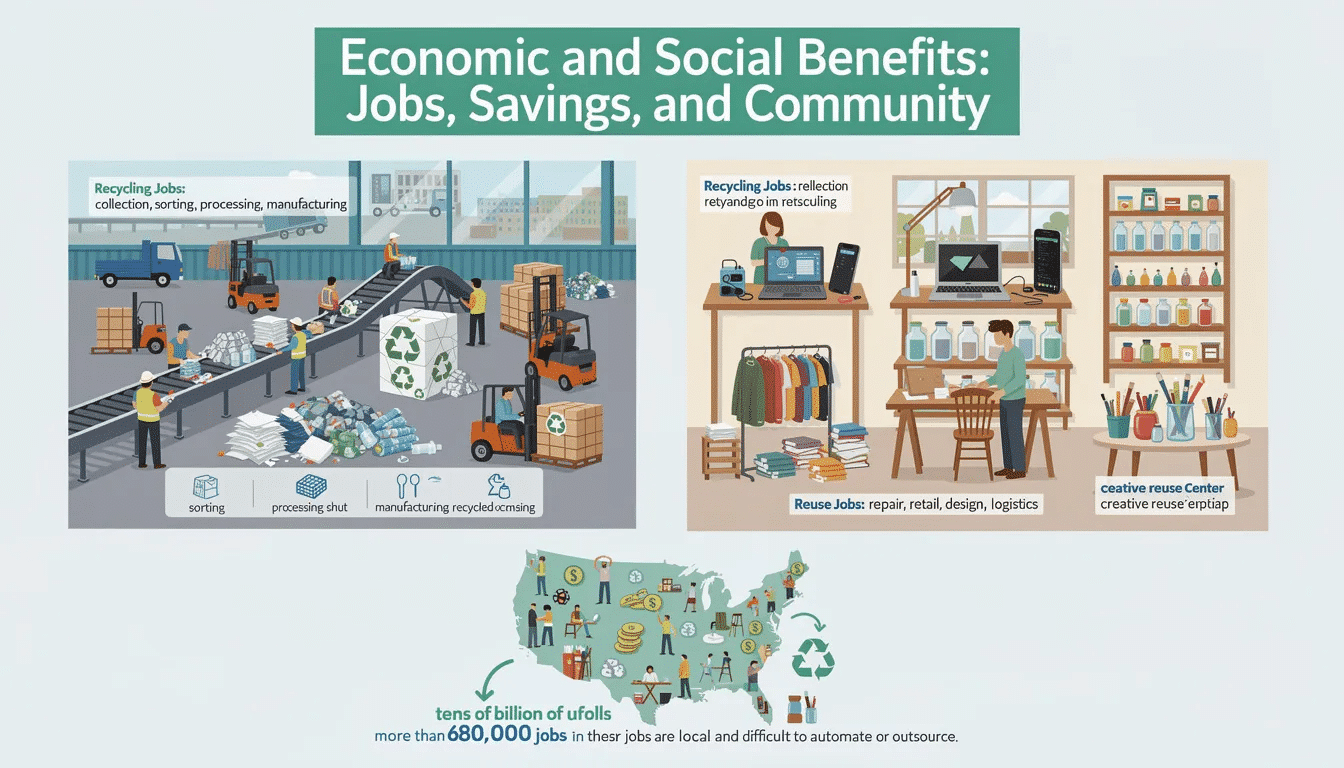
In the United States, recycling and reuse activities together support more than 680,000 jobs and generate tens of billions of dollars in annual economic output according to estimates from the Environmental Protection Agency and related studies. The recycling industry creates positions in collection, sorting, processing materials, and manufacturing recycled content products. Materials recovery facilities employ workers who operate conveyor belts, maintain equipment, and perform manual sorting of valuable resources like metals and paper products.
Reuse-based businesses tend to create more labor per ton of material handled. Repair cafés, secondhand shops, refill stores, and creative reuse centers generate local jobs in repair, retail, design, and logistics. A repair technician fixing a laptop or replacing a phone battery keeps that device in circulation while earning a wage in the community. Secondhand furniture stores employ salespeople, delivery drivers, and furniture restorers. These positions often cannot be automated or outsourced, keeping economic benefits local.
Social benefits extend beyond employment. Community repair events where residents learn how to fix electronics, bicycles, or clothing build skills and social ties simultaneously. Tool libraries and toy libraries reduce the need for new purchases while creating community connections among neighbors who might never otherwise meet. Some cities have hosted monthly “Fix-It” events since around 2020, bringing together volunteer repair experts and residents with broken appliances or torn garments. Creative reuse centers divert tens of thousands of pounds of art materials, fabric scraps, and craft supplies from disposal each year, distributing them to schools, artists, and community groups who save money while reducing waste.
How the Recycling System Works in Practice
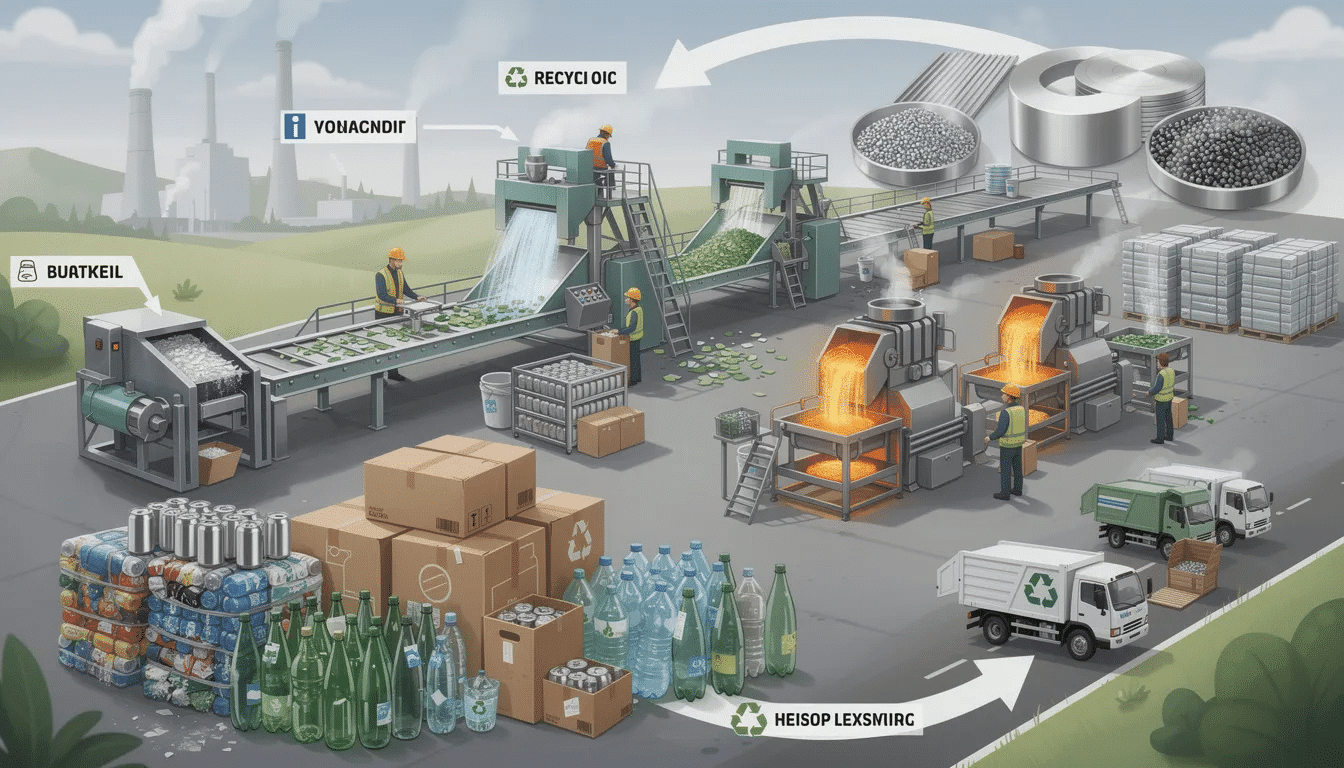
Understanding the recycling basics helps clarify when and how recycling works effectively. The classic three-step recycling loop, symbolized by the chasing arrows icon, involves collection, processing and manufacturing, and purchasing products with recycled content.
Collection happens through several channels. Curbside collection programs pick up recyclables directly from homes, typically sorting paper products, metal cans, glass bottles, and certain plastics. Bottle deposit schemes, introduced in various states and countries, incentivize returns by charging a small deposit refunded when containers come back. Drop-off centers accept materials that curbside programs may not handle, such as electronics or certain glass types.
Sorting and processing occur at materials recovery facilities, often called MRFs. These facilities use conveyor belts, magnets to pull out metals, optical sorters to identify plastic types, and manual picking stations where workers separate contaminated or non-recyclable items. The sorted materials then move to specialized processors who transform them into usable feedstock.
Remanufacturing turns processed materials into new products. Recycled paper becomes newsprint, cardboard, or tissue products. PET plastic bottles become fleece jackets, carpet fibers, or new containers. Recycled glass ends up in construction materials, fiberglass insulation, or new bottles. Used materials become new materials through these industrial processes.
Markets for recyclables fluctuate based on global demand and policy changes. When some Asian countries introduced import restrictions on certain recyclables in the late 2010s, many municipal solid waste programs faced sudden challenges finding buyers for collected materials. This reality underscores why waste reduction and reuse matter so much: they reduce dependence on volatile recycling markets.
The final step, buying recycled, keeps the loop functioning. When consumers and businesses purchase paper products with recycled content, packaging made from recycled materials, or building materials incorporating recovered glass or asphalt, they create demand that sustains the entire system. Without this purchasing step, recycling diverts waste from landfills but may not achieve true pollution reduction or resource conservation.
Real-World Reuse: Everyday Strategies and Systems
Reuse can start immediately with materials already in your home or workplace, requiring no special infrastructure or government programs to get started.
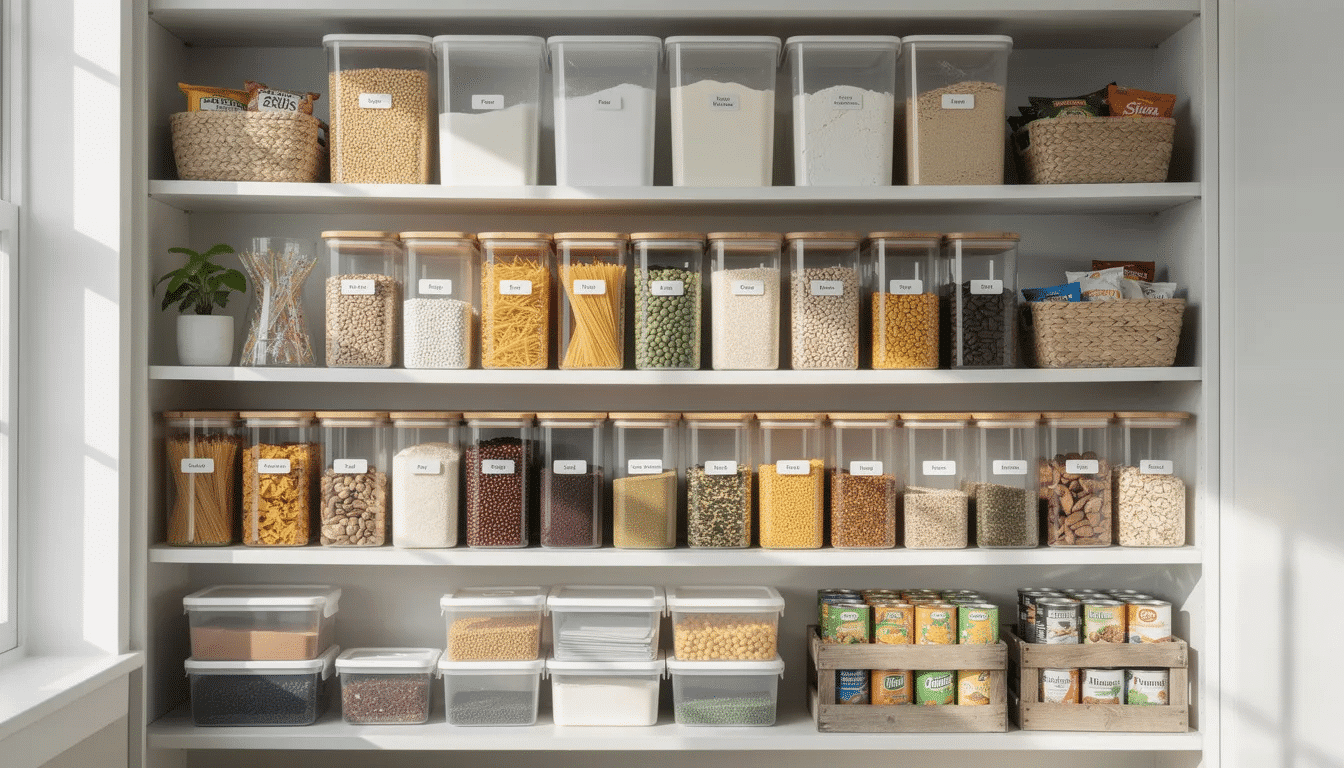
Household reuse examples abound once you start looking. Glass jars from pasta sauce, pickles, or jam become pantry storage containers for rice, beans, or spices. Shipping boxes from online orders get flattened and saved for future mailing or moving. Outgrown children’s clothes find new owners through local swaps, consignment shops, or online marketplaces. Shopping bags made of durable fabric replace plastic bags trip after trip. These simple practices minimize waste at the source while helping families save money.
Organized reuse systems scale these principles across communities and businesses. Refillable water bottle stations appear in offices, universities, and airports, reducing demand for single-use plastic bottles. Reusable cup schemes at festivals and events, common since around 2019, charge a small deposit returned when cups come back. Grocery delivery services in some regions use deposit-return crates that cycle back to distribution centers rather than generating cardboard waste with every delivery.
Certain product categories show especially powerful reuse potential. Textiles benefit from clothing resale platforms, rental services for formal wear, and vintage shops that give garments a second life. Electronics reuse through refurbished laptops, phones, and tablets keeps devices functional while reducing e-waste. Old furniture finds new purpose in home offices, with secondhand desks and chairs experiencing a surge in demand after 2020 when remote work expanded dramatically.
Repair plays a growing role in keeping products viable. Phone screen repairs, laptop battery replacements, and local bike repair services extend product lifespans at a fraction of replacement cost. Some manufacturers now design products with repair in mind, and “right to repair” legislation has gained momentum in various sectors. Several cities now include reuse and repair goals in their official zero-waste or climate action plans, with target years like 2030 or 2040 for significant waste generation reductions.
Challenges and Limits: When Recycling or Reusing Isn’t Simple
Neither recycling nor reuse offers a perfect solution to waste challenges, and understanding real-world constraints helps people make better decisions.
Recycling faces several persistent challenges. Contamination from food residue, grease, or incorrect items can render entire loads of recyclable materials unusable. Mixed-material packaging that combines plastic, paper, and metal in single products often cannot be separated economically at processing facilities. Rural and underfunded areas frequently lack collection infrastructure, leaving residents without convenient recycling access regardless of their intentions. The recycling process itself generates emissions from trucks, sorting equipment, and remanufacturing facilities.
Reuse has its own limitations. Hygiene and safety concerns make reusing items difficult for medical devices, certain food packaging, and products that may harbor bacteria or contaminants. Storage space at home constrains how many items people can reasonably hold for future reuse. The environmental footprint of transporting heavy reusable containers over long distances can sometimes exceed the impact of lighter single-use alternatives, particularly for products distributed across vast geographic areas.
For some materials, including certain plastic types and composite products, recycling technology and markets remain underdeveloped. These items may technically be recyclable but find no practical pathway to remanufacturing. In these cases, reduction and reuse become even more critical as waste management strategies.
Not all reuse proves environmentally beneficial. Hoarding items “just in case” without actual future use creates clutter without benefit. Driving significant distances to pick up or drop off used items can offset the environmental savings from avoiding new purchases. Energy consumption from washing reusable containers matters too, though it typically remains modest compared to manufacturing impacts.
Understanding these limits helps people make realistic, case-by-case decisions about whether to reuse, recycle, or avoid certain products altogether. Environmentally friendly choices require honest assessment of local conditions, not just good intentions.
What You Can Do Today: Practical Priority Guide
This section provides a simple decision guide you can apply immediately at home, at work, or in your community to achieve meaningful waste reduction.
The practical priority sequence flows naturally: first reduce by avoiding unnecessary items entirely, then reuse by extending the life of what you already own, then recycle what remains, and finally dispose of the rest responsibly. This hierarchy, often summarized as reduce reuse recycle, reflects decades of waste management research and policy development.
At home, start by choosing products in durable containers that can be refilled, such as concentrated cleaning products or bulk food items. Set up a dedicated shelf or box for items to donate, repair, or sell rather than discard. Use your local government or NGO websites to find accurate recycling rules by material type, since guidelines vary significantly between communities. Many people accidentally contaminate recycling by including items their local program cannot process.
Workplace actions compound individual efforts. Switch from single-use coffee cups to personal mugs kept at your desk. Set up shared office supply closets where binders, folders, and other items get reused rather than ordered new. Ensure clear signage for recycling bins with guidelines specific to your local recycling programs. These visible systems encourage colleagues to participate correctly.
A brief decision checklist can guide specific choices: Can I refuse this item entirely? Can I reduce how much I need? Can I reuse or repair what I already have? Can I recycle it correctly if disposal becomes necessary? Running through these questions takes seconds but changes purchasing and disposal patterns over time.
Choose at least one reuse habit and one recycling improvement to adopt this week. Perhaps carry a reusable water bottle every day, eliminating several plastic bottles weekly. Perhaps commit to rinsing and sorting recyclables correctly, checking your local rules to confirm which materials actually get processed. Within seven days, these small changes become habits. Consistent, small choices on recycling or reusing add up significantly over months and years, contributing to a more sustainable future for future generations and building the foundation for a genuinely circular economy that serves both environmental protection and economic benefits across various sectors.