
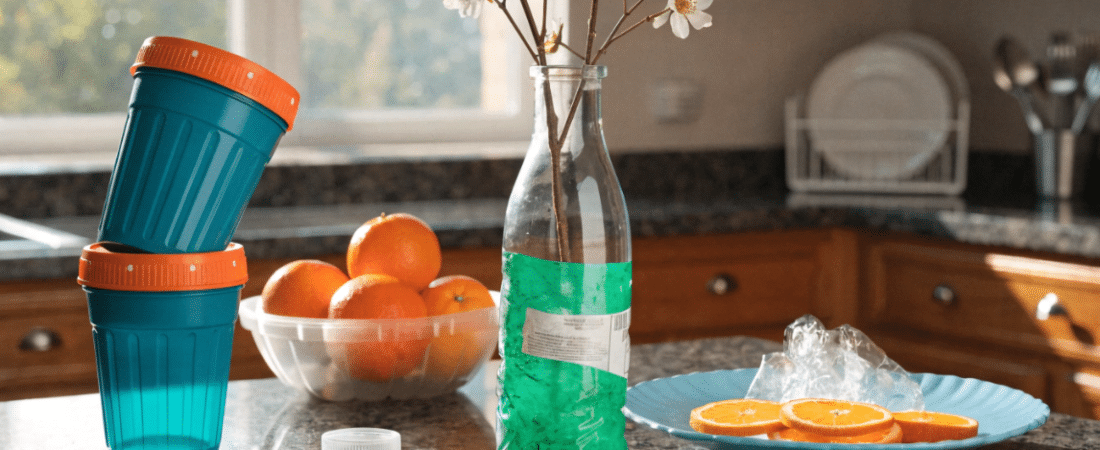

That plastic bottle you’re about to throw away? It could become a sturdy ottoman. Those tin cans cluttering your recycling bin? They’re future lanterns waiting to happen. And the stack of old magazines gathering dust? A surprisingly solid side table.
The gap between trash and treasure is smaller than most people realize. With global plastic production hitting 400 million tons annually and textile waste reaching 92 million tons, there’s no shortage of raw materials sitting in our bins. Recycled crafts and creative craft ideas offer fun and eco-friendly ways to transform trash into useful or beautiful items. The trick is seeing past what something was to understand what it could be.
This isn’t about making throwaway kids’ crafts or Pinterest projects that look great in photos but fall apart within days. We’re talking about practical, display-worthy items for your home—furniture, storage solutions, decor, jewelry, and gifts that you’ll genuinely want to keep. Each exciting project here uses tools and materials you already have: scissors, glue, basic paint, and a willingness to look at your waste differently.
Upcycling and engaging in recycled crafts can also reduce air and water pollution by minimizing waste sent to landfills.
What follows is a material-by-material breakdown of 25 upcycled projects that transform everyday garbage into stuff you’ll actually use. Let’s dig into what’s really possible when you start treating your recycling bin as a craft supply store.
- Plastic Bottles: From Waste to Furniture, Planters, and Wearables
- Cardboard, Magazines, and Paper: Structural Projects and Art
- Metal Cans, Glass, and Cork: Chic Decor from Kitchen Waste
- Textiles and Clothing: Soft Upcycles for Home and Pets
- Outdoor Projects: Upcycled Ideas for Your Garden and Beyond
- Small “Trash to Treasure” Gift and Holiday Ideas
- Getting Started: Practical Tips, Safety, and Sourcing Trash
Plastic Bottles: From Waste to Furniture, Planters, and Wearables
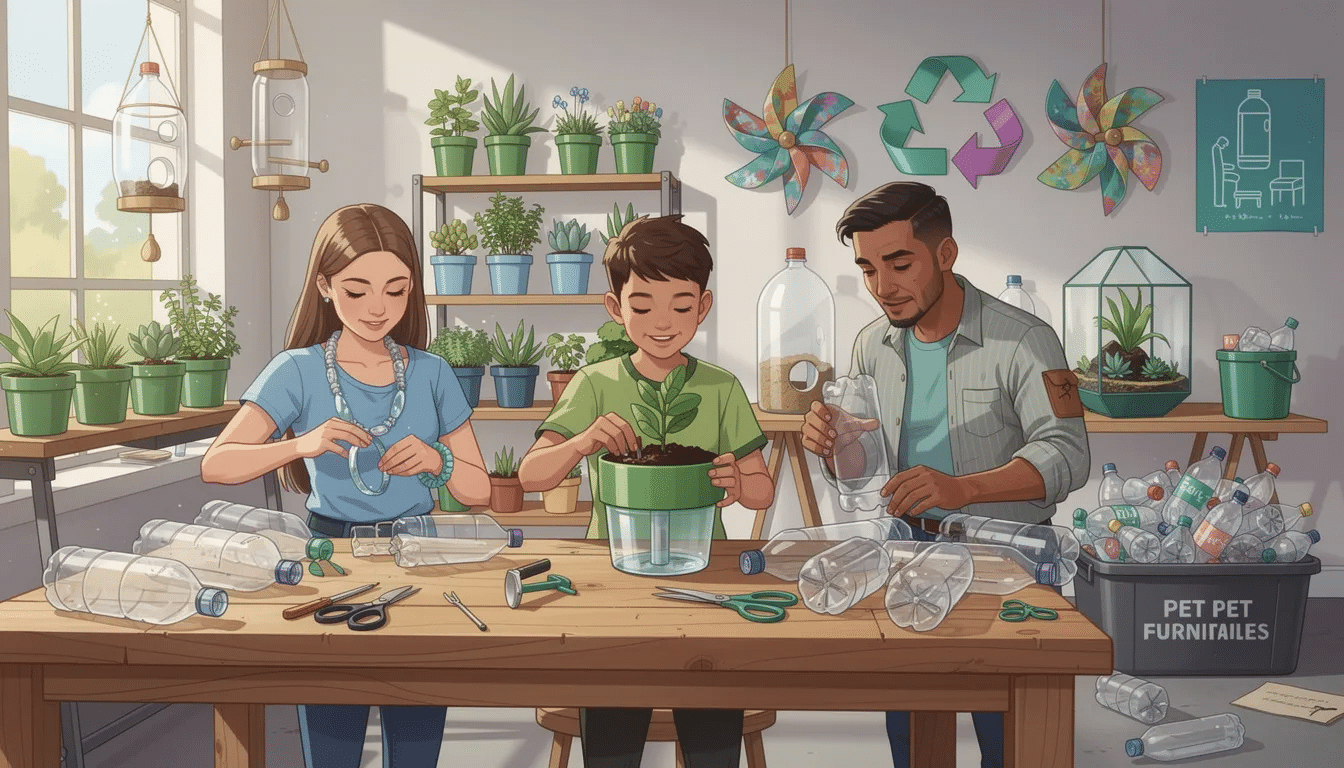
Plastic bottles are everywhere in 2024. Americans alone discard roughly 35 billion bottles annually, and most never make it to proper recycling facilities. Instead, they clog landfills or drift into oceans, where they’ll persist for centuries. If you collect a bunch of bottles, you can tackle larger or group DIY projects.
Here’s the good news: PET plastic (the material in most soda bottles and water bottles) is remarkably durable and lightweight. These properties make a simple plastic bottle surprisingly useful for furniture, storage, and even wearable art. Before starting any project, thoroughly wash and dry all plastic—residue attracts bugs and creates odors.
Plastic bottles can be transformed into self-watering planters by cutting and nesting them together. You can also turn them into bird feeders by cutting holes for perches and feeding access. For more creative ideas, use plastic bottles to make colorful planters, bird feeders, or decorative wind spinners.
This section mixes quick 15-minute projects with more ambitious weekend builds. Whether you want a bracelet, a bench, or even a terrarium for small plants or flowers made from recycled plastic bottles, there’s something here.
Build a Plastic Bottle Stool or Ottoman
A stool made entirely from soda bottles sounds flimsy until you sit on one. Built correctly, these can support adult weight with ease.
What you need:
- 16-20 bottles (1.5L–2L) for a standard stool, or 40+ for a bench
- Strong packing tape or ratchet straps
- Foam padding (old pillow or cushion works)
- Fabric cover (an old sweater, denim scraps, or upholstery remnants)
- Cardboard disc for the base
How to build it:
- Ensure all caps are screwed on tightly—this is critical for structural integrity
- Nest bottles together by cutting one bottle at the shoulder and inserting another bottle neck-first into it
- Arrange bottles in a circular pattern and cinch them together with tape or webbing belts
- Top with a cardboard disc and foam padding
- Cover the entire structure with fabric, securing it underneath with hot glue or staples
The finished piece looks nothing like its origins. A denim cover creates an industrial vibe, while a chunky knit sweater gives you instant boho appeal. Add felt pads to the bottom to protect your floors.
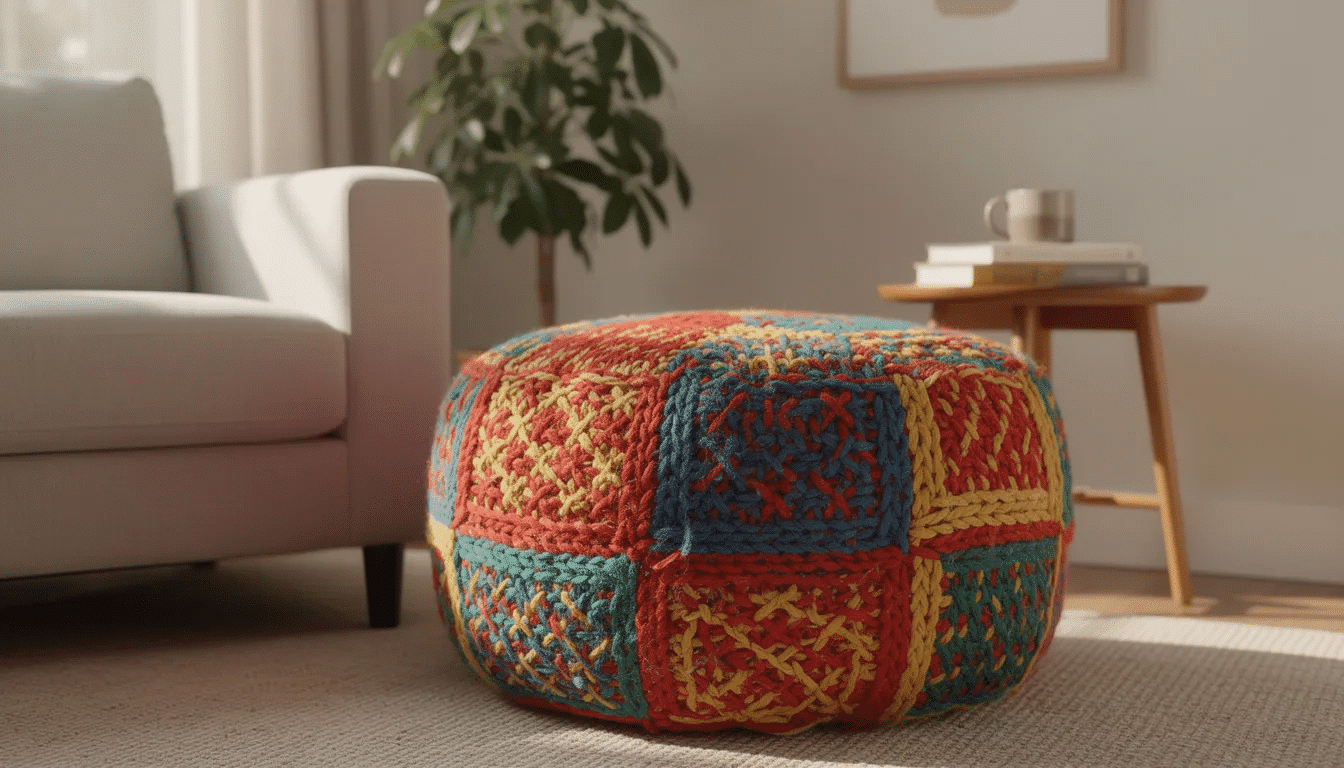
Make a Footstool from a Large Plastic Tub
Not every project requires building from scratch. Large rigid plastic containers—detergent tubs, pet food buckets, bulk yogurt containers—already have the shape you need.
The process:
- Clean the container thoroughly and remove any labels
- Fill with crumpled paper or fabric scraps for extra support (this prevents crushing under weight)
- Pad the lid with quilt batting or an old towel folded to thickness
- Wrap the entire tub in scrap fabric, securing with hot glue or strong double-sided tape
- Optional: Add legs using scrap wood blocks or chunky wine corks glued to the base
Style options range from minimalist solid colors for small apartments to boho patterns with layered textures. For kids’ rooms, try bright prints or character-themed fabric. Nobody will guess this started as a laundry detergent container.
Upcycled Plastic Bottle Jewelry (Bracelets and Earrings)
Clear plastic bottles have a glassy quality that works beautifully for jewelry when handled correctly.
For bracelets:
- Cut smooth rings from the straight portion of a bottle (avoid textured areas)
- Sand edges gently or briefly pass them over a candle flame to smooth any sharpness
- Paint the inside surface with nail polish for a glossy, glass-like finish
- Alternatively, wrap with yarn or fabric strips for texture
For earrings:
- Cut small petal or geometric shapes from flat sections
- Use a candle or low iron to gently curl or flatten the pieces (work in a ventilated area)
- Punch small holes for earring hooks
Metallic nail polish creates surprisingly chic cuffs that look like expensive resin bangles. For kids, bright colors and googly eyes turn scraps into fun wearable art. Always supervise children around heat sources.
Safety note: Work near an open window when heating plastic, use low heat briefly, and never melt plastic directly over flame.
Quick Plastic Bottle Vases and Terrariums
This 15-minute project turns attractive bottles into instant decor.
The best candidates are bottles with interesting curves—bubble bath containers, juice bottles, or even soda bottles with distinctive shapes. Cut below the neck, remove labels, and you have an instant vase for fresh or dried flowers.
Removing sticky labels:
- Soak in hot water with a tablespoon of baking soda for 30 minutes
- Rub off adhesive residue with cooking oil and a cloth
- Avoid harsh chemical solvents that can cloud the plastic
For faux terrariums, use clear bottles and create a scene inside with wine corks as “soil,” small stones, and plastic or dried plants. These require zero maintenance and look charming on bathroom shelves, bedside tables, or grouped as a dining centerpiece.
Try painting or decoupaging the lower portion while leaving a clear “window” to show the contents. This creates visual interest while hiding any imperfections in the plastic.
Cardboard, Magazines, and Paper: Structural Projects and Art
People underestimate cardboard. When layered and glued properly, it becomes genuinely structural—strong enough for furniture that holds real weight.
Amazon boxes, cereal boxes, shoe boxes, junk mail, and old magazines all qualify as project materials. There are countless craft ideas for repurposing these items, from practical storage solutions to decorative art pieces. The key is understanding that cardboard gains strength through lamination: multiple layers glued together act like plywood.
These projects suit renters (no permanent modifications needed) and kids’ rooms (easy to replace as they grow), and pair nicely with imaginative builds like a DIY cardboard sword craft. Stick with non-glossy, non-waxed cardboard for easier painting and better glue adhesion.
Creating items from recycled materials helps keep materials out of landfills and gives them new purpose and beauty.
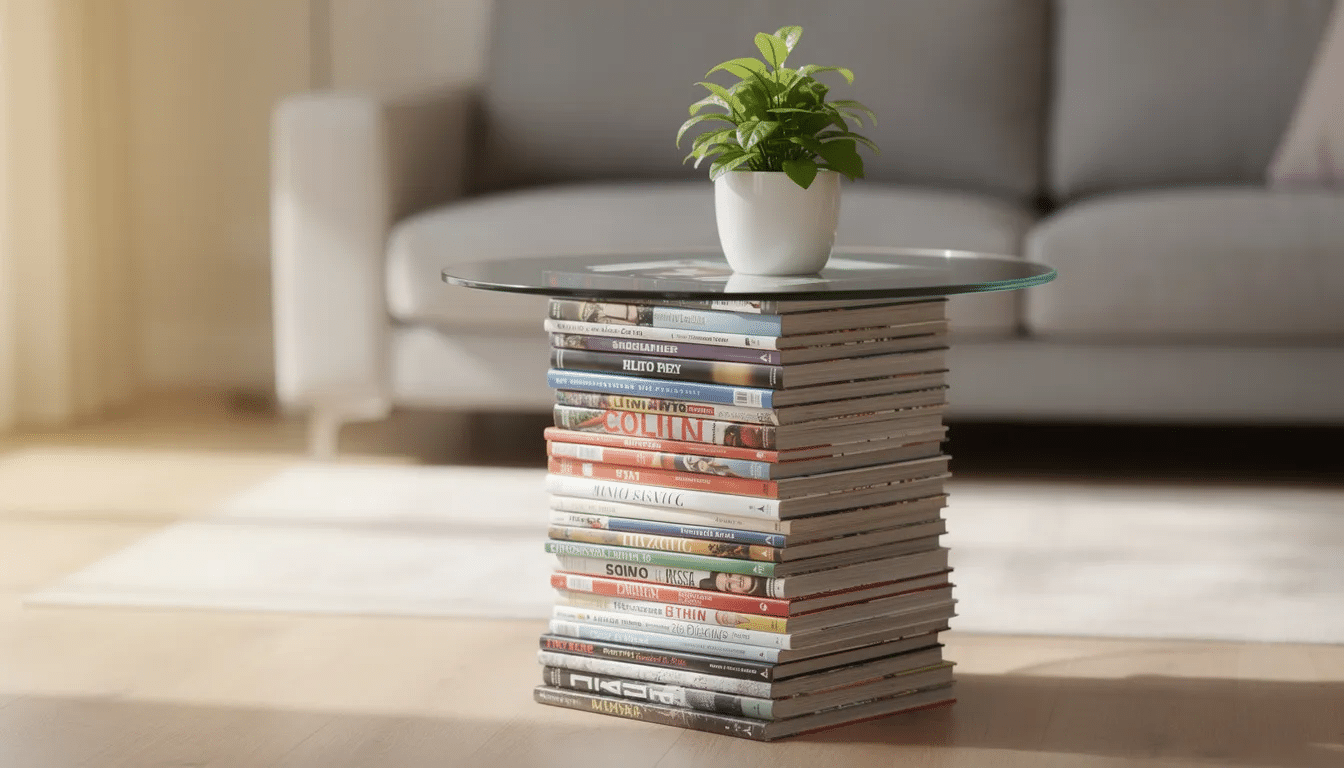
Magazine Table or Side Table
A stack of magazines isn’t just clutter—it’s a table waiting to happen.
Construction approach:
- Stand magazines upright in a tight bundle (30-50 magazines depending on size)
- Compress them together and cinch with a wide leather belt or decorative strap
- Place on a wood or heavy cardboard base (optional: add castor wheels)
- Top with salvaged plywood, thick layered cardboard, or a rescued glass panel
Styling tips:
- Sort spines by color for an ombré gradient effect
- Mix randomly for eclectic charm
- Cover the top with decoupaged magazine pages for a cohesive look
This table works best in reading nooks, bedrooms, or creative spaces where its bookish nature fits the vibe. It’s surprisingly stable and can support lamps, plants, and coffee cups without issue.
Cardboard Desk Organizers and Magazine Files
Cereal boxes and cardboard boxes transform into practical storage with minimal effort.
Magazine files: Cut cereal boxes diagonally from one top corner to the opposite bottom corner. The resulting shape holds magazines, notebooks, or mail perfectly. Wrap in leftover wallpaper, contact paper, or decoupaged book pages for a polished look.
Desk organizers: Cut corrugated boxes into compartments of various sizes. Stack and glue them together to create vertical slots for notebooks plus small cubbies for pens, clips, and sticky notes.
A unified look comes from covering everything in the same paper or fabric. Add hand-lettered or printed labels for mail, bills, kids’ artwork, or craft supplies. These make surprisingly thoughtful gifts when personalized.
Kid-Friendly Cardboard Creations
Large appliance boxes or moving boxes become playhouses, cardboard time machines, rocket ships, trains, or storefronts with some cutting and imagination.
Project ideas:
- Cut windows and doors into large boxes for instant playhouses or rocket ship craft stations
- Design “2-in-1” structures: one side decorated as a rocket, the other as a shop
- Stack smaller cardboard boxes and reinforce with extra layers for corner bookshelves or treasure chest-style storage
- Create cardboard tubes into building blocks for younger kids
Decorate with leftover paint, markers, and wallpaper scraps instead of buying new craft paper, and stock up on kid-friendly art supplies so decorating feels like a real creative studio. Let kids design their own interiors with crayon murals and paper furniture.
These projects build fine motor skills and basic engineering concepts while teaching kids about reuse and sustainability from an early age. When the creation eventually wears out, it goes straight into recycling—no landfill guilt.
Magazine and Junk Mail Art
Old magazines and junk mail become surprisingly beautiful wall art with the right techniques.
Rolled magazine art:
- Roll or fold magazine pages into tight “sticks”
- Glue them onto a cardboard backing in patterns
- Create animal silhouettes, large initials, city skylines, or abstract designs
The color variations in magazine pages create visual depth that solid materials can’t match. A family initial made from rolled magazine pages makes a meaningful, low-cost gift.
Junk mail sketchbooks:
- Cut blank backs of junk mail into uniform rectangles
- Stack and bind with string, staples, or simple stitching
- Size for bags or backpacks—perfect for kids’ drawing on the go
Keep a small “paper scrap box” where offcuts from one project feed into the next. Nothing gets wasted twice.
Metal Cans, Glass, and Cork: Chic Decor from Kitchen Waste
Tin cans, glass jars, wine bottles, and corks have built-in shapes that translate directly into functional decor, especially if you enjoy colorful craft ideas for home decor. The materials are durable, the aesthetic is industrial-chic, and the projects suit small urban balconies, kitchens, and offices.
Important: Handle tin cans and glass carefully. Sand or file sharp edges before any project, and wear gloves when working with freshly cut metal. These materials are worth the extra caution—reusing them directly avoids the energy-intensive process of melting them down for recycling.
Tin-Can Organizers, Lanterns, and Wind Chimes
Clean tin cans of various sizes become instant industrial-style organizers for pens, utensils, makeup brushes, or small plants.
Basic prep:
- Remove labels (soak in hot water)
- File or sand any sharp edges smooth
- Wash and dry thoroughly
For lanterns:
- Fill cans with water and freeze solid (this prevents denting while drilling)
- Use a hammer and nail or small drill to punch patterns—stars, constellations, random dots
- Let ice melt, dry thoroughly, then paint with spray paint or craft paint
- Seal with clear coat for durability
Hang lanterns with wire at varying heights for outdoor ambiance. For wind chimes, string several decorated cans at different lengths with bells or metal bits inside for sound. Seal outdoor pieces to withstand rain.
Metallics (gold, copper, silver) create a modern look, while matte black suits industrial spaces. White or pastels work for cottage-style kitchens.
Wine Bottle Tiki Torches and “Message in a Bottle” Decor
Empty wine bottles are too elegant to throw away—and they make excellent outdoor lighting.
Tiki torch assembly:
- Clean the bottle thoroughly and let dry completely
- Insert a tiki torch wick through a metal coupling sized to fit the bottle neck (available at hardware stores)
- Fill with torch fuel, leaving room at the top
- Optional: Add a few drops of essential oils like citronella or eucalyptus to deter insects
Green and amber bottles create especially warm ambient lighting along outdoor tables and patios. Group several bottles of various sizes for maximum effect.
“Message in a bottle” decor: Fill cleaned bottles with sand, shells, and rolled paper notes tied with twine. These make charming beach-themed party decor or wedding centerpieces. Wrap the neck with twine or rope for a nautical finish.
Safety: Place torches on stable surfaces away from tree branches, fabrics, or anything flammable. Never leave flames unattended.

Glass Jars as Planters, Lanterns, and Storage
Glass jars from pasta sauce, jam, or pickles have endless second lives.
Propagation stations: Fill with water and root plant cuttings on sunny windowsills. Paint or etch simple designs on the outside for added character.
Rustic lanterns:
- Add wire handles by wrapping around the neck and twisting
- Layer sand or pebbles at the bottom
- Add tea lights or LED candles
Decorative finishes:
- Leftover nail polish creates marbled effects
- Frosted glass spray adds privacy-glass texture
- Decoupage tissue creates faux stained-glass looks
Smaller jars work as bathroom organizers for cotton pads, makeup brushes, or reusable cotton rounds. Group jars in odd numbers (3, 5) for visually pleasing vignettes on shelves or countertops.
Wine Cork Trivets, Memo Boards, and Art
Natural wine corks accumulate quickly if you collect them intentionally. Ask friends and family to save theirs—a single dinner party can yield a dozen.
Heat-resistant trivets:
- Arrange corks in patterns (herringbone, chevron, concentric circles)
- Glue onto a backing board or inside an old picture frame
- Let dry completely before use with hot pots and pans
Cork memo boards: Same technique, larger scale. Mount securely to walls for pinning notes, photos, and reminders. Paint the ends of some corks in coordinating colors, or leave natural for rustic appeal.
Cork wall art uses offcuts and damaged corks from other projects. Arrange them in abstract patterns, initials, or simple shapes. The texture adds warmth to any room.
Textiles and Clothing: Soft Upcycles for Home and Pets
Textile waste represents one of the largest categories of household garbage—old T-shirts, worn jeans, tired towels, and outdated clothes that nobody wants. The fibers are still perfectly good; only the garment is done.
Most of these projects are beginner-friendly, often no-sew or requiring only basic stitching. Wash and dry all fabric items before reuse, especially for pet projects where hygiene matters.
Textiles also excel at disguising “uglier” trash bases. A plastic tub wrapped in fabric becomes furniture. Worn cardboard covered in old shirts becomes attractive storage. The fabric does double duty.
Denim Wreaths and Fabric-Covered Storage Boxes
Old jeans yield tough, attractive fabric perfect for home decor.
Denim wreath:
- Cut a circular base from heavy cardboard
- Cut old jeans into strips (1-2 inches wide)
- Tie or glue strips around the cardboard ring until it looks full and fluffy
- Add embellishments: buttons, small pockets cut from the jeans, or tiny fabric flowers
Fabric-covered storage boxes:
- Choose cardboard boxes or shoe boxes in useful sizes
- Cut fabric with 1-2 inches extra on all sides
- Wrap like a gift, folding corners neatly
- Secure on the inside with hot glue or double-sided tape
Mix fabrics from multiple garments to create patchwork effects that hide original box branding. Contact paper works too—it’s super handy for achieving clean, wipeable finishes.
Old T-Shirt Dog Toys and Chair Fidgets
That stack of old t-shirts in your closet? Your dog will love what they become.
Braided tug toys:
- Cut clean cotton T-shirts into long strips (about 2 inches wide)
- Gather three strips and knot at one end
- Braid tightly, then knot the other end
- Trim any loose threads
Choose sturdy cotton tees and avoid printed areas that might flake off during play. Check toys regularly for wear and replace when they start unraveling.
Chair fidgets for kids: Same braiding technique, but loop the finished braid around chair legs. Kids can push against them with their feet during homework or class—a quiet way to burn energy while sitting. Use different colors for different kids or rooms.
Upcycled Towels as Reusable Mop Heads and Cleaning Cloths
Tired bath towels still have plenty of absorbency left in them.
Reusable mop pads:
- Cut towels into rectangles that fit your mop head
- Add simple elastic channels or fabric ties so they slip on and off
- Use, wash, repeat—indefinitely
Cleaning cloth sets:
- Cut remaining towel pieces into stackable rectangles
- Hem edges or leave raw (terry cloth doesn’t fray much)
- Color-code by room: blue for bathroom, yellow for kitchen, green for dusting
The savings over disposable pads and single-use wipes add up quickly. One worn bath towel yields a dozen cleaning cloths and several mop pads—materials that would otherwise hit the landfill.
Outdoor Projects: Upcycled Ideas for Your Garden and Beyond
Your garden is more than just a patch of green—it’s a blank canvas for upcycled creativity. With a little imagination and a stash of recycled materials, you can turn what would be waste into outdoor features that are both practical and full of personality. Whether you’re working with wooden pallets, plastic bottles, tin cans, or even old tires, these projects will help you create a garden that’s as eco-friendly as it is unique.
Pallet Wood Planters and Vertical Gardens
Wooden pallets are a goldmine for garden upcycling. Instead of sending them to the landfill, give them a new life as rustic planters or lush vertical gardens. Start by disassembling the pallets and cutting the boards to your desired sizes. Nail or screw them together to form sturdy planter boxes—perfect for everything from herbs to small shrubs. For a vertical garden, attach small planters made from plastic bottles, tin cans, or even sections of cardboard boxes directly to the pallet frame. Arrange your planters in rows or clusters, and fill them with soil and your favorite plants. This project not only keeps waste out of the landfill but also lets you create a living wall that’s totally customizable. Mix and match materials—plastic bottles for succulents, tin cans for herbs, cardboard for seed starters—and watch your recycled garden grow.
Tin Can Bird Feeders and Insect Hotels
Invite a little wildlife into your backyard with upcycled tin can bird feeders and insect hotels. Start by cleaning out your tin cans and giving them a makeover with craft paint, nail polish, or decoupage—get as colorful or as subtle as you like. For bird feeders, fill the cans with birdseed, then attach a perch using a wooden spoon or a bent pipe cleaner. Hang your feeders from a tree branch and watch the birds flock in. For insect hotels, stuff the cans with small scraps of wood, bamboo, or straw, then secure them to a wooden pallet or fence. These cozy hideaways attract beneficial bugs like ladybugs and solitary bees, helping your garden thrive. It’s a fun, hands-on project that turns everyday materials into a haven for your feathered and six-legged friends.
Plastic Bottle Greenhouses and Watering Systems
Plastic bottles are super handy for more than just planters—they can help you create mini greenhouses and self-watering systems that keep your garden happy with minimal effort. To make a mini greenhouse, cut the bottom off a simple plastic bottle and place it over a small plant or seedling. The bottle traps heat and moisture, giving your plants a head start in cooler weather. For a DIY watering system, poke a small hole in the side of a plastic bottle, fill it with water, and nestle it next to your plant. As the soil dries out, water seeps slowly from the bottle, keeping roots hydrated. These projects are a creative way to reuse plastic bottles, reduce waste, and make your gardening routine a little easier.
Upcycled Tire Swings and Garden Seating
Old tires are notorious for taking up space in landfills, but with a little creativity, you can give them a new life as playful swings or unique garden seating. Start by scrubbing the tires clean, then decorate them with bold spray paint or decoupage for a pop of color. For a classic tire swing, thread sturdy rope or chains through the tire and hang it from a strong tree branch—instant backyard fun for kids and adults alike. If you’re after garden seating, stack a couple of tires, add a wooden seat and backrest, and top with cushions made from old t-shirts or fabric scraps. Not only does this project keep bulky waste out of the dump, but it also adds a whimsical, eco-friendly touch to your outdoor space. Grab some paint, get creative, and let your garden furniture tell a story of transformation.
Small “Trash to Treasure” Gift and Holiday Ideas
Here’s a surprising truth: trash-based crafts make genuinely cute gifts—especially when the transformation from “before” to “after” is dramatic. These craft ideas turn everyday items into delightful treasures.
This section focuses on small items that clutter drawers anyway: mint tins, bottle caps, tea bags, cardboard tubes, and egg cartons. Egg cartons are especially versatile for creative projects—they can be used to create colorful flower bouquets or animal figures for children’s crafts. These become seasonal decor, stocking stuffers, and sentimental keepsakes with minimal effort.
Start a small “upcycle stash” box for interesting bits you’d otherwise throw away. That distinctive bottle cap, those pretty paper towels, the decorative tin—save them for a rainy day project.
Decorated Mint Tins and Trinket Boxes
Empty mint tins and candy tins are tiny blank canvases.
Transformation ideas:
- Paint as miniature “vintage suitcases” with faux leather straps drawn in permanent marker
- Decoupage with pretty paper for jewelry boxes
- Create tiny scenes inside (winter snowscapes, beach vibes, garden settings)
Practical uses:
- Gift card holders that are actually worth keeping
- Travel sewing kits with needle, thread, and buttons
- Tiny photo boxes for cherished snapshots
- Earring and small jewelry storage
Christmas versions with snowy scenes inside make unique ornaments. Everyday versions with inspirational quotes on the lids become desk companions.
Tip: Lightly sand shiny tins before painting for better adhesion. A quick primer coat helps too.
Upcycled Holiday Decor (Wreaths, Crackers, and Pumpkins)
Seasonal decor doesn’t require a craft store run, and pairs beautifully with other holiday craft ideas and handmade decorations.
Plastic bag or fabric wreaths: try adapting these into a playful recycled Christmas wreath by adding buttons, bottle caps, and other festive scraps.
- Cut a ring from heavy cardboard (trace a large plate for outer edge, small bowl for inner)
- Cut plastic bags or fabric into strips
- Tie strips around the ring until full and fluffy
- Orange and black for Halloween, red and green for Christmas
DIY Christmas crackers:
- Save toilet paper rolls and cardboard tubes throughout the year
- Wrap in fabric or recycled wrapping paper
- Tie ends with ribbon, leaving room to pull
- Fill with handwritten jokes, candy, or small treasures
Container pumpkins: Orange plastic containers (laundry pod tubs, for example) become instant pumpkins with paint and a faux stem made from a tree branch or twisted brown paper bags. A Tide-orange container on your Thanksgiving table—and nobody will guess its origins.
Match decor to existing holiday color palettes so the recycled origins stay hidden.
Tea Bag and Bottle Cap Art for Tiny Gifts
These micro-crafts use scraps from larger projects plus items destined for the recycling bin.
DIY kits can also complement these projects, offering all-in-one sets when you want a structured activity alongside freeform upcycling; curated DIY craft kits for creative projects are especially handy for weekends and rainy days.
Tea bag art:
- Dry used tea bags thoroughly
- Carefully open and remove tea leaves
- Flatten the papers—they have a beautiful translucent quality
- Paint tiny watercolor or ink illustrations
- Turn into bookmarks, gift tags, or framed miniatures
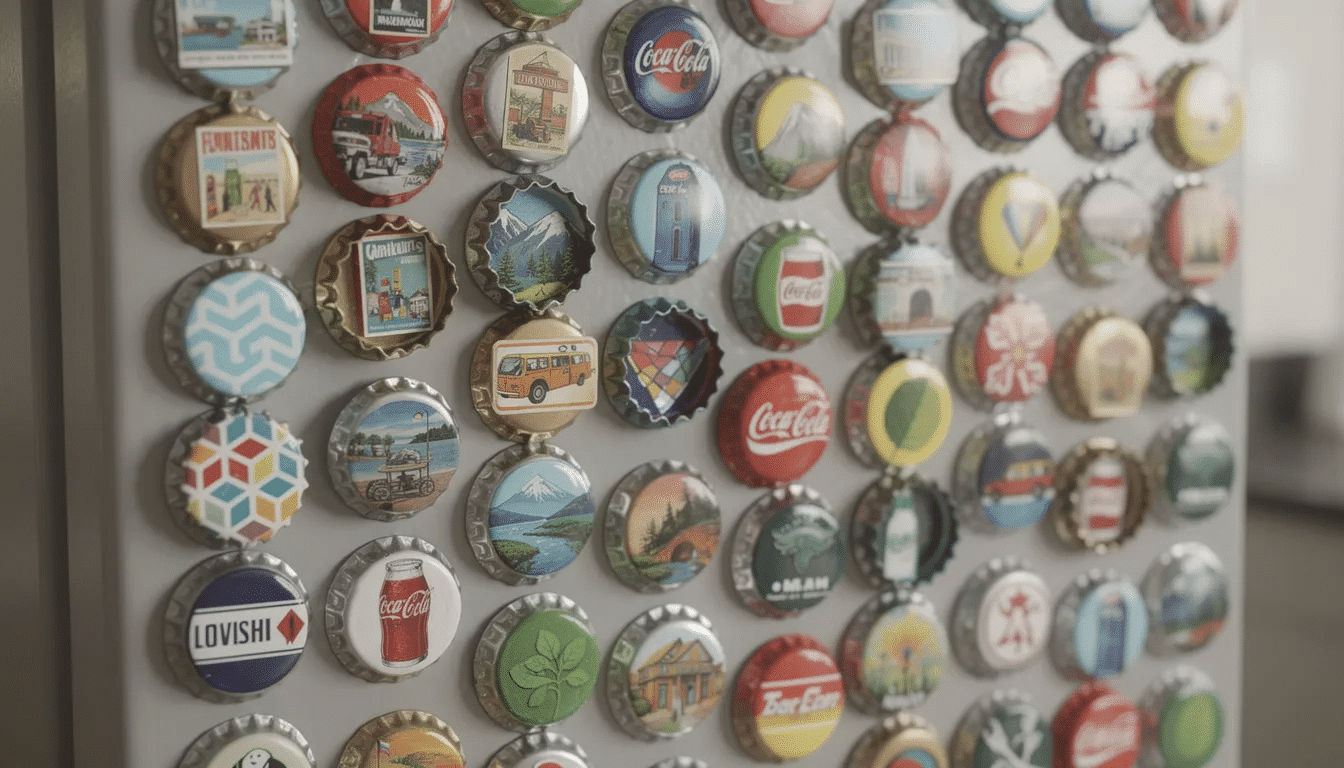
Bottle cap magnets:
- Fill metal bottle caps with clear glue or resin
- Embed beads, tiny images, glitter, or found objects
- Attach magnet backing once dry
- Gift as coordinated sets: ocean colors, galaxy swirls, floral motifs
These projects are perfect for using up leftover craft paint, small scraps of paper, and bits of glitter from bigger builds. They’re also ideal Earth Day craft projects—meaningful, low-waste, and genuinely useful.
Getting Started: Practical Tips, Safety, and Sourcing Trash
Before diving into your next project, some practical considerations will save time, frustration, and potential injury.
Safety First
Material | Hazards | Precautions |
|---|---|---|
Tin cans | Sharp edges | File or sand edges, wear gloves |
Glass | Breakage, cuts | Work on padded surfaces, wear gloves |
Plastic (heated) | Fumes, burns | Ventilate well, use low heat, supervise kids |
Spray paint | Inhalation | Work outdoors or in ventilated spaces |
Hot glue | Burns | Keep water nearby, work slowly |
Adult supervision is essential for any project involving heat, sharp tools, or spray paint. When in doubt, prep the dangerous parts yourself and let kids handle the decorating. |
Sourcing Good Trash
The best upcycling projects use materials you already have—not new stuff bought specifically to “recycle.”
Build your stash:
- Ask neighbors to save wine corks for you
- Keep delivery boxes that arrive in good condition
- Maintain a separate bin for clean recyclables intended for craft projects
- Save interesting containers, fabric scraps, and paper that catches your eye
Starter Toolkit
Most projects in this article need only basic supplies:
- Sharp scissors
- Craft knife and cutting mat
- Strong packing tape
- Hot glue gun and sticks
- Sandpaper (various grits)
- Small drill or awl for holes in cans and plastic
- Spray paint and craft paint
- Brushes in various sizes
The Mindset Shift
The real skill in upcycling isn’t crafting technique—it’s learning to see potential in items headed for the landfill. That egg carton could store game pieces. Those pipe cleaners from a gift basket could join your craft supplies. The wooden spoon with a broken handle might become garden markers.
Start small. Try one quick project this week—maybe a 15-minute glass jar lantern or tin can organizer. Then tackle one larger project this season, like the plastic bottle stool or magazine table.
Companies like Rareform have diverted over 2 million pounds of billboard vinyl from landfills by thinking this way at scale. You can apply the same principle at home, giving new life to materials that would otherwise sit in a dump for centuries.
Your recycling bin isn’t just waste waiting for pickup. It’s a collection of raw materials waiting for creative ways to become useful items again. The only question is what you’ll make first.