
Reuse arts and crafts is exactly what it sounds like: making art and DIY projects from secondhand or leftover materials instead of buying new supplies. Think of it as giving a second life to items that would otherwise end up in the trash.
This guide focuses on concrete, practical ideas for home crafters, teachers, and community groups in 2024–2025. Whether you’re setting up a school art room, volunteering at a local reuse center (many creative reuse stores operate as non-profit organizations), or running neighborhood workshops, you’ll find actionable strategies here.
Picture this: those 2023–2024 holiday gift boxes become storage containers for your craft supplies. Glass jars from store-bought pasta sauce turn into paint water cups. The cardboard from your last online order transforms into a canvas for your kid’s next masterpiece. These aren’t abstract concepts—they’re real projects you can start this week.
The rest of this article will walk you through where to find reusable items, how to donate responsibly, specific project ideas for all ages, classes and workshops worth exploring, and ways to support creative reuse organizations in your area. Creative reuse spaces are dedicated to bringing together people from diverse backgrounds through shared creative activities. By the end, you’ll have a clear roadmap for building your own reuse arts and crafts routine.
- Introduction to Creative Reuse
- Why Reuse in Arts & Crafts Matters in 2024–2025
- Benefits of Reuse
- Where to Find Materials for Reuse Arts & Crafts
- Finding a Creative Space
- How to Donate Arts & Crafts Materials Responsibly
- Reuse Arts & Crafts Project Ideas for All Ages
- Learning & Teaching Creative Reuse (Workshops, Classes, and Clubs)
- Community Engagement
- How to Support Creative Reuse Organizations
- Getting Started with Your Own Reuse Arts & Crafts Routine
- Conclusion and Call to Action
Introduction to Creative Reuse
Creative reuse is more than just a trend—it’s a movement that transforms how we think about materials, waste, and creativity. At its core, creative reuse means taking items that might otherwise be discarded and turning them into something new, useful, or beautiful. This approach not only helps reduce waste but also sparks creativity and strengthens community engagement. By participating in creative reuse, artists, crafters, and educators become environmental stewards, finding inspiration in everyday materials and sharing their discoveries with others.
Nonprofit organizations, such as creative reuse stores, are at the heart of this movement. They provide affordable craft supplies, host workshops, and offer educational programs that serve the entire creative community. These spaces connect people who are passionate about sustainability, creativity, and making a positive impact. Whether you’re an experienced artist or just starting out, creative reuse invites you to join a community dedicated to reimagining what materials can become—and to help build a more sustainable future, one project at a time.
Why Reuse in Arts & Crafts Matters in 2024–2025
Climate concerns continue to grow, landfill space remains limited, and the cost of art materials keeps climbing. Creative reuse addresses all three problems at once by redirecting usable materials away from the waste stream and into the hands of artists, educators, and crafters.
Consider the math: a single elementary school class can divert several pounds of paper and cardboard per month simply by reusing materials for art projects instead of purchasing new construction paper. Scale that across an entire school district, and the numbers become significant. Many creative reuse centers now report diverting thousands of pounds of materials per year—some centers opened since 2023 have already passed the 10,000-pound mark annually.
The financial impact is equally compelling. Teachers operating on shoestring budgets can stretch their dollars dramatically by sourcing supplies from donations rather than retail stores. Families dealing with inflation-squeezed budgets discover that low cost doesn’t mean low quality when it comes to creative projects. A nonprofit organization running after-school programs can serve more children when materials arrive as donations rather than line items on a purchase order.
Beyond dollars and pounds, reuse arts and crafts builds something harder to quantify: community connection. When neighbors share materials at a swap event, when students display their recycled creations at a library gallery, when a local business donates surplus inventory to a creative space, relationships form. Environmental stewardship becomes a shared value rather than an individual burden.
Benefits of Reuse
Embracing creative reuse brings a host of benefits that extend far beyond the craft table. By choosing to reuse materials, individuals and communities can significantly reduce their environmental impact, conserving resources and keeping usable items out of the landfill. This practice helps cut down on waste and supports a healthier environment for everyone.
Creative reuse also makes art and crafting more accessible. Low-cost and readily available craft supplies mean that anyone, regardless of budget, can participate in creative activities. This inclusivity fosters community engagement and encourages people from all walks of life to explore their creativity. Along the way, participants build valuable skills—problem-solving, resourcefulness, and innovation—that extend into other areas of life. Educational opportunities abound, as creative reuse projects often teach both practical techniques and important lessons about sustainability. Ultimately, creative reuse empowers individuals to make a difference while enjoying the process of creating something new from what might have been thrown away.
Where to Find Materials for Reuse Arts & Crafts
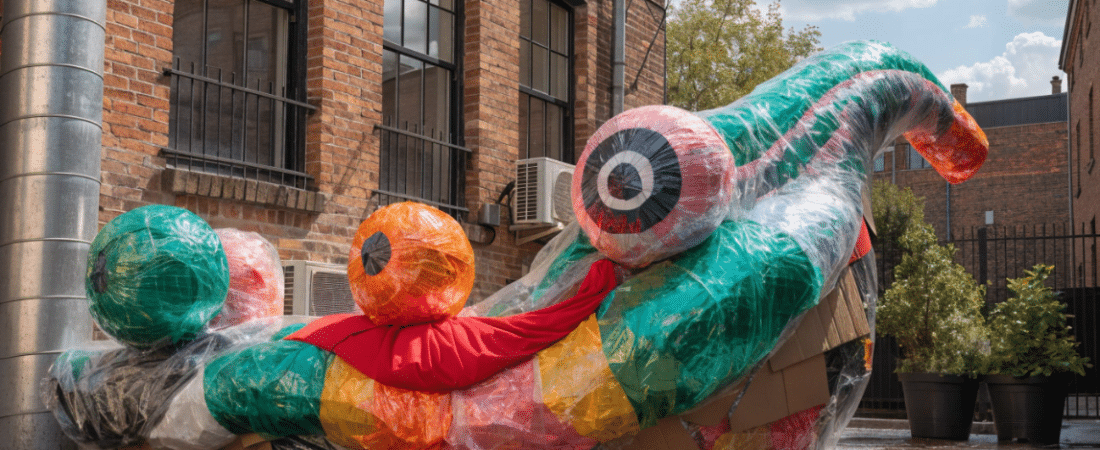
Most craft supplies you need are already sitting in your home, workplace, or nearby community spaces. The trick is learning to see them differently, turning something as simple as a large box into an imaginative project like a cardboard time machine DIY craft.
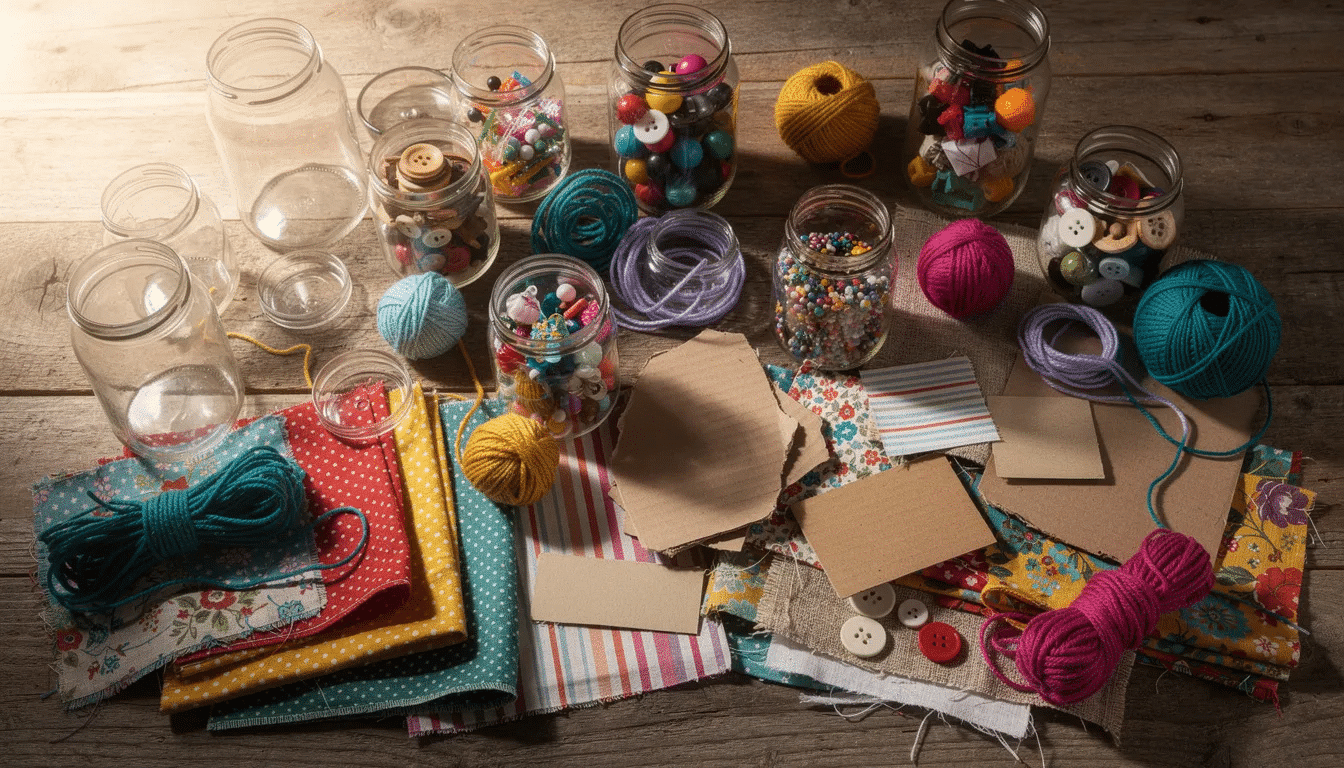
Start with household sources. Cereal boxes provide sturdy cardboard for sculptures and bases. Those 2023–2024 wall calendars feature gorgeous imagery perfect for collage work. Glass jars from spaghetti sauce, pickles, and jam become paint water cups, bead storage, or brush holders. Wine corks pile up for stamp-making or sculpture. Old T-shirts transform into fabric strips for weaving. Fabric scraps from hemming pants or curtains become patchwork material. Junk mail and packaging from online orders? Paper for papier-mâché, practice cutting, or mixed-media backgrounds.
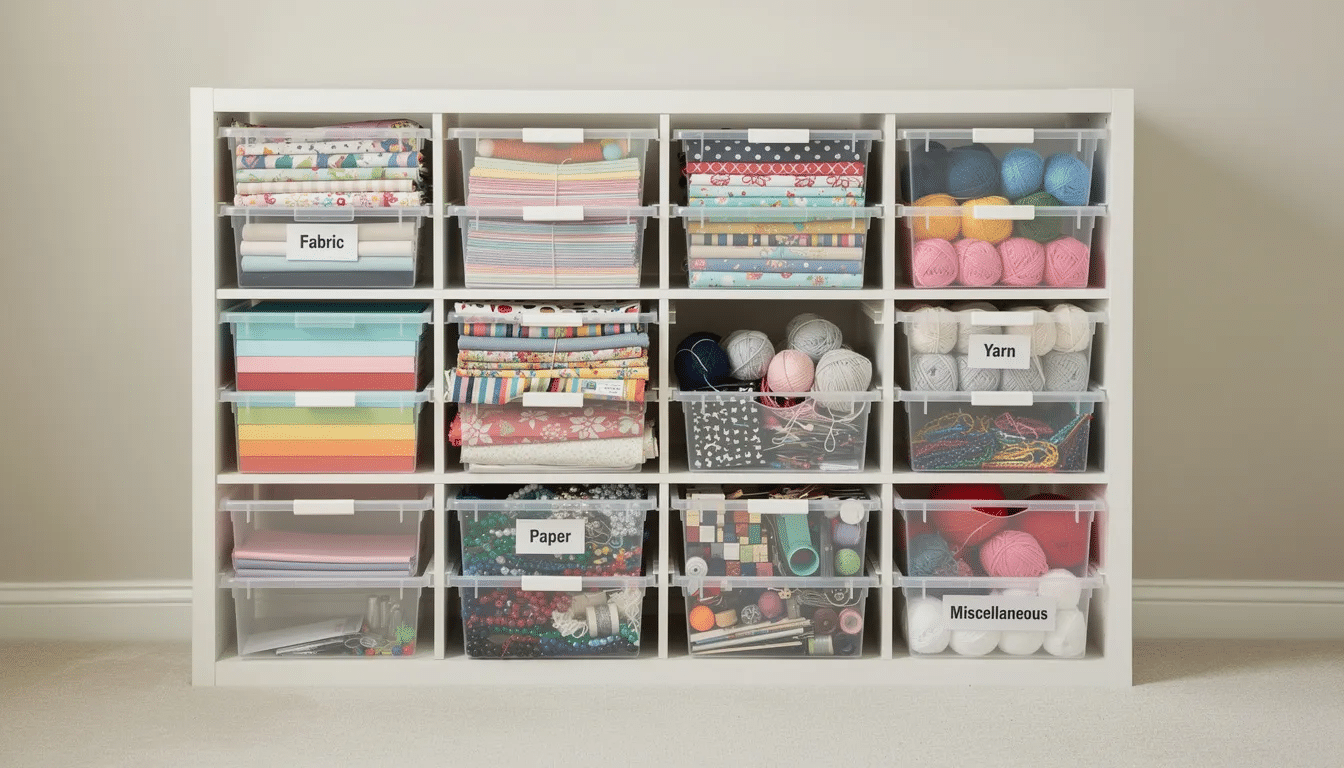
Safe collection and storage matter. Rinse jars thoroughly before storing. Flatten boxes to save space until you’re ready to use them. Set up labeled bins or clear tubs in a closet, garage, or corner of your creative space—one for paper, one for fabric, one for containers, one for “miscellaneous treasures.”
Workplaces and schools offer abundant materials. Offices discard outdated letterhead, sample books, and binder dividers. Architecture and design studios often have material samples they’re ready to pass along. Schools purge old bulletin board paper, folders, and construction paper remnants at the end of each academic year—usually in May or June. Ask before you take, but most administrators are happy to redirect waste toward creative use.
Community-focused sources round out your options. Local creative reuse stores and crafts thrift store locations stock everything from yarn and beads to buttons and classroom supplies. Staff and volunteers work to fill the shelves with donated supplies, ensuring the store is well-stocked and organized for the community. Many creative reuse stores are open on Friday and Sunday, making it easy to visit and donate on weekends. Buy-nothing groups on Facebook connect neighbors who want to share rather than discard. Neighborhood “free” boxes and library giveaway tables often contain craft-ready materials. A typical creative reuse shop in a mid-sized U.S. city might operate Wednesday through Saturday and accept donations of fabric, paper, yarn, beads, and classroom supplies throughout the week. Creative reuse stores accept various clean, reusable materials such as arts and craft supplies, fabric, and office supplies.
Save those shipping boxes from your January online orders. Collect the wrapping paper tubes after birthdays. Set aside the interesting packaging that arrives with electronics. Every item you redirect is one less thing headed to the landfill.
Finding a Creative Space
Having a dedicated creative space can make all the difference for those interested in creative reuse. Crafts thrift stores, creative reuse centers, and community art studios offer welcoming environments where people can discover a treasure trove of reusable items—fabric, yarn, paper, and more. These spaces are designed to inspire, providing access to a wide variety of materials that might otherwise go to waste.
Visiting a creative space is about more than just finding supplies; it’s an opportunity to connect with others who share your passion for creativity, sustainability, and reuse. Whether you’re looking to learn new skills, collaborate on projects, or simply find inspiration, these community hubs are the perfect place to start. Many offer workshops, classes, and gallery displays where you can showcase your work and learn from fellow artists and crafters. By supporting and participating in these creative spaces, you help build a vibrant, sustainable community that values both the environment and the power of imagination.
How to Donate Arts & Crafts Materials Responsibly
Organized donation benefits everyone: it helps nonprofits manage their inventory, keeps storage areas functional, and ensures materials are safe and clean for the next crafter. Random drop-offs of unsorted items create headaches rather than help.
Most creative reuse centers operate with limited hours and staff. Many accept donations only on two or three days per week, often during mid-day windows like 10 AM to 2 PM. Staff typically review items before accepting them, and some centers impose weight or category limits per visit. Call ahead or check their website before loading up your vehicle.
Acceptable items generally include unopened paint from a 2022 home project, fabric remnants in good condition, unused school notebooks from the 2023–2024 school year, buttons, yarn, kid-safe scissors, and clean jars. Craft supplies that you purchased but never used are particularly valuable—someone else will put them to work.
Commonly refused items include broken electronics, heavily used food containers with stubborn residue, toxic or expired chemicals (including old solvents and adhesives), and moldy or smoke-damaged materials. When in doubt, apply the “would I use this?” test. If you wouldn’t want to work with it, neither will anyone else.
Preparation makes a difference. Sort donations by category before arriving. Label bags or boxes clearly—for example, “Paper – December 2024 clean scraps” helps volunteers process your donation quickly. Ensure items are clean and dry. Remove personal data from envelopes or printed sheets before donating.
Check the website or social media pages of your nearest reuse center for current donation times, any fees that might apply, and seasonal needs. School supplies surge in August. Holiday décor materials become hot commodities in November. Aligning your donations with these cycles maximizes their impact. Some creative reuse centers require donors to make an appointment to coordinate drop-off and ensure a smooth process.
Creative reuse organizations often seek volunteers who can commit to regular hours to help with sorting and managing donations.
Reuse Arts & Crafts Project Ideas for All Ages
This section delivers specific project ideas suitable for kids, teens, and adults. Whether you’re crafting at home, running a classroom, or organizing a community event, you’ll find something to create.
Home Décor Projects
Transform 2024 magazine clippings into striking wall art by arranging and decoupaging images onto reclaimed wood or heavy cardboard. Explore additional colorful craft ideas for a fun weekend if you want to expand your home décor projects with bright, eye-catching pieces. Wrap glass bottles in yarn of varying colors and textures to create custom vases that cost nothing but look intentional. Cover shoe boxes with scrap fabric to build elegant storage bins for your shelves or closet.
Kids’ Crafts
Cardboard tubes from paper towels and wrapping paper become robot sculptures when combined with bottle caps, buttons, and paint. These kinds of hands-on projects highlight the art and craft benefits for child development and growth, from fine motor skills to emotional expression. Mismatched socks transform into puppets with personality—add buttons for eyes and yarn for hair. Create 3D collages using buttons, bottle caps, and fabric scraps glued onto sturdy cardboard bases. For younger children, you can borrow concepts from preschool 3D art project ideas that emphasize open-ended building with safe, recycled materials. Cut foam trays from grocery packaging into stamps for printing patterns with washable paint.

Classroom Projects
Educators can build alphabet collages using letters cut from junk mail—students hunt for specific letters and arrange them into their names or vocabulary words. Geometry lessons come alive when students measure and cut cardboard shapes, then assemble them into tessellations or 3D forms. Space units pair naturally with creative space-themed crafts for kids and adults, using rockets, planets, and stars to connect art-making with science content. Social studies timelines constructed from recycled folders and string teach history while practicing sustainability. Science posters explaining ecosystems or the water cycle work perfectly on repurposed poster board.
Adult and Community Projects
Adults enjoy jewelry made from discarded keys, vintage buttons, and beads strung on reclaimed wire. Community murals created on reclaimed wood panels bring neighbors together for collaborative art. Workshop projects like making sketchbooks from old file folders and printer paper offcuts combine function with creativity, while simple window pieces such as tissue paper stained glass crafts let all ages experiment with color and light using leftover materials.
Safety notes matter, especially with mixed-age groups. Avoid giving young children access to sharp metal or glass pieces. Supervise hot glue use closely—burns happen quickly. Always verify that containers never held hazardous materials before incorporating them into projects.
Seasonal projects add variety. Upcycled holiday ornaments in December use fabric scraps, buttons, and jar lids, and you can draw inspiration from a broader range of festive holiday craft round-ups to keep projects fresh year after year. Newspaper seed-starting pots in March or April combine gardening education with reuse principles.
Learning & Teaching Creative Reuse (Workshops, Classes, and Clubs)
Learning environments like libraries, schools, and community centers serve as powerful demonstration sites for reuse arts and crafts. When children see their teachers and librarians modeling creative reuse, the practice becomes normalized.
Typical creative reuse classes include beginner workshops on collage techniques, sewing with reclaimed fabric, jewelry making from surplus hardware, and repair clinics for mending clothing or fixing small household items. Some programs also incorporate DIY kits for creative projects and learning, which package materials and instructions to make getting started less intimidating. These sessions often run 90 minutes to two hours and accommodate participants with no prior experience.
Many centers now run monthly reuse art workshops throughout the year. Seasonal events create natural programming hooks: “back-to-school reuse” workshops in late August help teachers and families stock up on supplies, while “holiday upcycling” events in November and December teach ornament-making and gift-wrapping with reclaimed materials.
Teachers can integrate reuse into lesson plans across subjects during the 2024–2025 school year. Art units on found-object sculptures teach both aesthetics and environmental awareness. Math lessons measuring cardboard pieces for construction projects reinforce geometry skills. Science units on waste reduction pair naturally with hands-on reuse projects that demonstrate concepts in action.
Starting a reuse arts and crafts club at a school or library requires just a few steps. Set up a donation bin where students and families can contribute clean materials throughout the week. Schedule regular meetings—biweekly works well for maintaining momentum without overwhelming participants. Plan quarterly exhibits of student work to celebrate accomplishments and inspire others.
Online learning expands access. Many reuse organizations now offer recorded panels and how-to videos explaining how to run craft sessions, organize material drives, and even open community reuse centers. Search for webinars and tutorials from established creative community networks to learn from experienced practitioners.
Community Engagement
Community engagement is at the heart of creative reuse, turning individual efforts into collective impact. When people come together through creative reuse organizations, they build connections, share skills, and inspire one another to think differently about materials and the environment. Nonprofit organizations, such as creative reuse stores, often collaborate with local businesses, schools, and community groups to offer workshops, educational programs, and special events that highlight the value of sustainability.
These initiatives not only teach practical skills but also foster a sense of shared responsibility for the environment. By participating in community workshops or volunteering at a creative reuse center, individuals contribute to a culture of creativity and conservation. The ripple effect is powerful: as more people experience the benefits of creative reuse, they inspire others to join in, multiplying the positive impact on both the community and the planet. Through community engagement, creative reuse becomes a movement that brings people together to create, learn, and make a lasting difference.
How to Support Creative Reuse Organizations
Many creative reuse stores and programs operate as small nonprofit organizations that depend entirely on community support. Your involvement—whether through time, money, or materials—keeps these spaces open and serving artists, educators, and crafters.
Non-monetary support makes an immediate difference. Volunteers help sort donations, assist at public events, and teach workshops once per quarter or as schedules allow. Organizing a material drive at your workplace or school generates supplies while raising awareness. Sharing social media posts about local reuse events expands reach without costing anything. Sign up to join the volunteer roster and you’ll find meaningful work that fits your skills.
Financial support sustains operations year-round. One-time gifts help cover rent and utilities. Small recurring monthly donations provide predictable income that allows planning. Sponsoring specific programs—like free teacher supply days or youth workshops—connects your contribution to tangible outcomes. A modest donation can help provide affordable supplies to classroom teachers, after-school programs, and community artists throughout an entire school year.
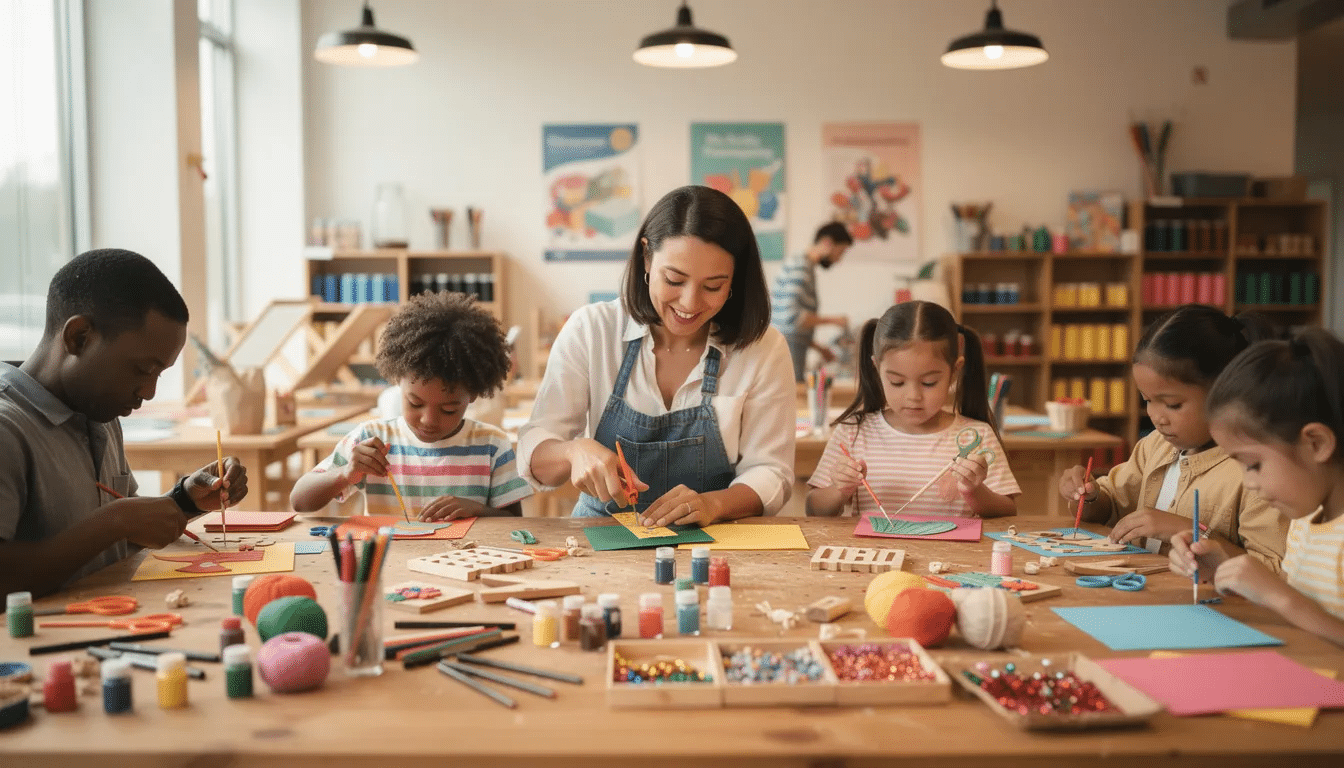
Many organizations hold themed events where ticket sales or suggested donations fund operations. Jewelry-making nights, holiday décor reuse workshops, and gallery openings bring people together while generating revenue. Visit these events when you can.
Tax considerations apply for many donors. In numerous countries, gifts to registered nonprofits may be tax-deductible. Check local regulations and verify the organization’s status before claiming deductions. Your local creative reuse center should be able to provide documentation for qualifying gifts.
Stay connected by signing up for email newsletters or event calendars. You’ll learn about new workshops, calls for volunteers, and seasonal needs as they arise. Customers who engage regularly often become the most effective advocates for creative reuse in their communities.
Individual support adds up. When enough people donate materials, shop at creative reuse stores, volunteer their time, and spread the word, these organizations thrive. Conservation of resources, education of the next generation, and creativity in everyday life all benefit from your participation.
Getting Started with Your Own Reuse Arts & Crafts Routine
You now have the information you need: why reuse matters, where to find materials, how to donate, project ideas for every age group, learning opportunities, and ways to support creative reuse organizations. The remaining step is taking action.
Here’s a simple seven-day starter plan. On days one and two, collect clean reusable materials at home—check your recycling bin, closets, and junk drawer for items worth saving. On day three, choose one small project from the ideas above, something achievable in an hour or less. Days four and five are for creating: gather your materials, set up a workspace, and make something. On day six, share or gift your creation—display it at home, give it to a neighbor, or post a photo to inspire others. Day seven is for reflection: review what worked, what you’d do differently, and plan your next project.
By the end of the month, set up a small “reuse station” at home. This could be a shelf, a rolling cart, or a bin system in a closet. Label containers for paper, fabric, containers, and “ideas in progress.” Having materials organized and visible encourages ongoing creativity.
Involve children by letting them choose one item each week that would otherwise be discarded and brainstorm how to transform it. A toilet paper tube might become a rocket ship. An old magazine becomes a collage. A worn-out T-shirt becomes a braided rug. Kids learn to see potential where others see waste.
Consistent, everyday reuse arts and crafts practice can, over the course of a single year, divert a surprising amount of material from the trash. More importantly, it builds skills, strengthens creativity, and connects you to a broader community of people who believe that sustainability and art belong together. Start this week.
Conclusion and Call to Action
In conclusion, creative reuse is a powerful tool for building a more sustainable world. By choosing to reuse materials, we reduce waste, protect the environment, and foster a culture of creativity and innovation. Whether you’re an artist, educator, or simply someone who wants to make a difference, embracing creative reuse allows you to contribute to sustainability in meaningful ways.
Now is the perfect time to get involved. Visit your local creative reuse store, join a workshop, or start a project at home. Share your creations, connect with your community, and inspire others to see the potential in everyday items. Together, we can turn creative reuse into a lasting movement—one that benefits our environment, our communities, and our own creative journeys. Start today, and be part of the change.