
Vinyl lunch bags combine a water-resistant and wipe-clean surface with soft-sided insulation, making them one of the most convenient options for packing meals, snacks, and drinks for children and adults alike. Whether you need a clear bag that meets school security rules, a printed design your little guy will actually want to carry, or an insulated cooler bag that keeps yogurt cold until lunchtime, understanding the types, materials, and features available helps you find the right fit without overspending.
Types of Vinyl Lunch Bags
Vinyl lunch bags break down into three main styles, each designed for a different priority. Here’s what separates them.
Clear Vinyl Lunch Bags
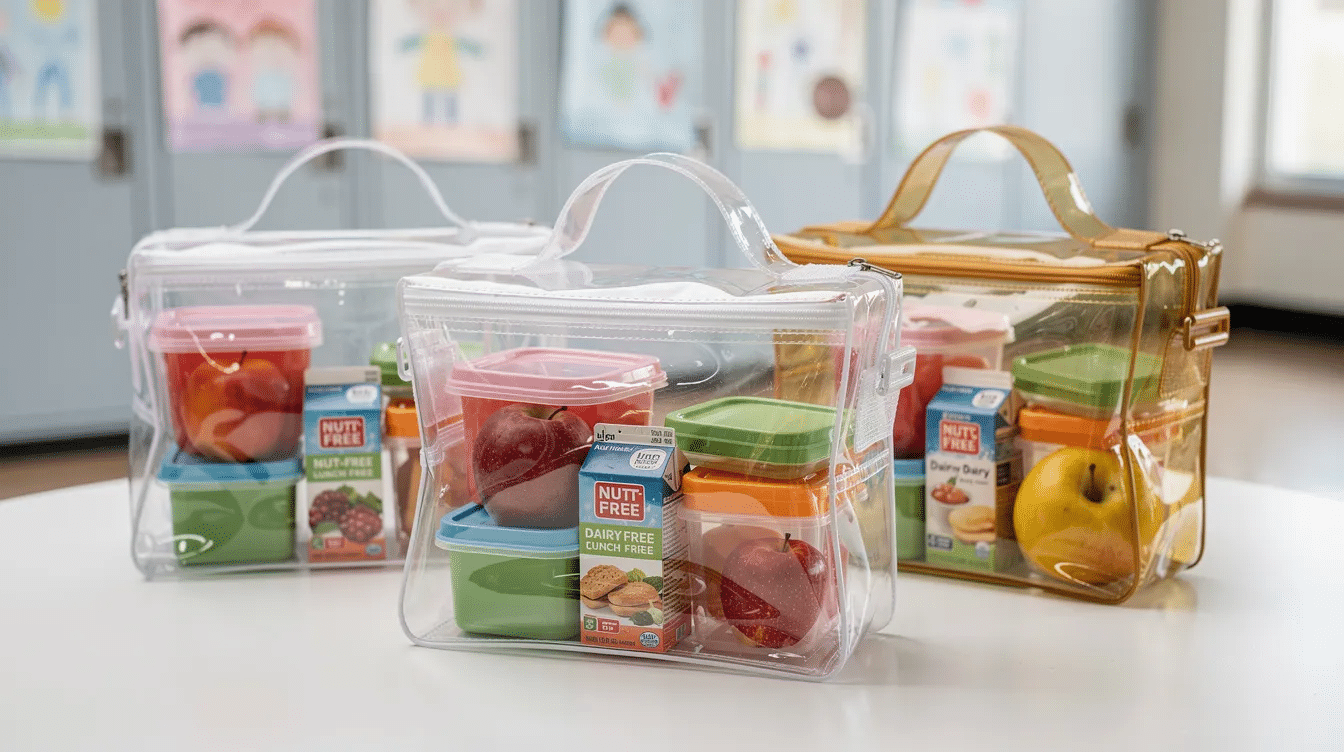
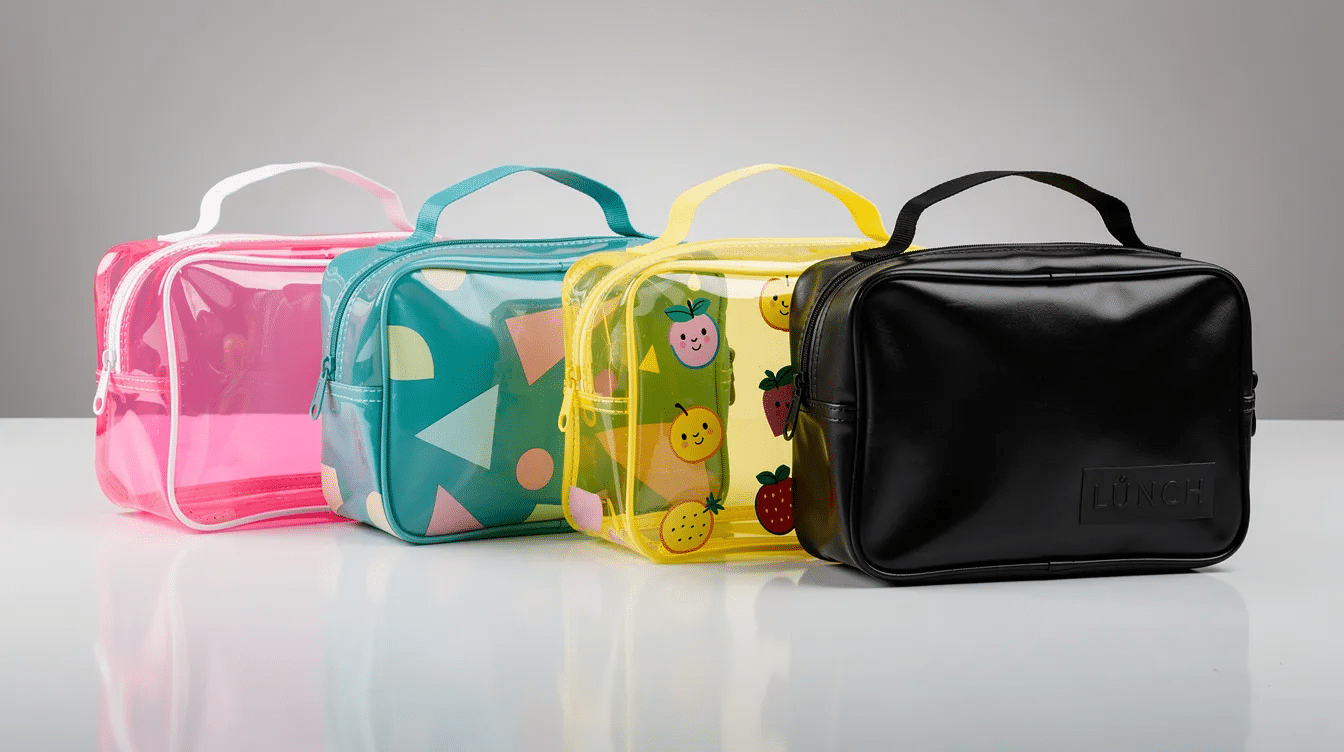
Transparent vinyl bags let you see every item inside without unzipping – great for schools and daycares that require clear bags for safety checks. They’re also perfect for parents managing allergies or dietary needs, since you can confirm contents at a glance. Keep in mind that clarity can degrade over time; cheaper PVC films may yellow or become brittle after a year or two of daily use.
Printed Vinyl Lunch Bags
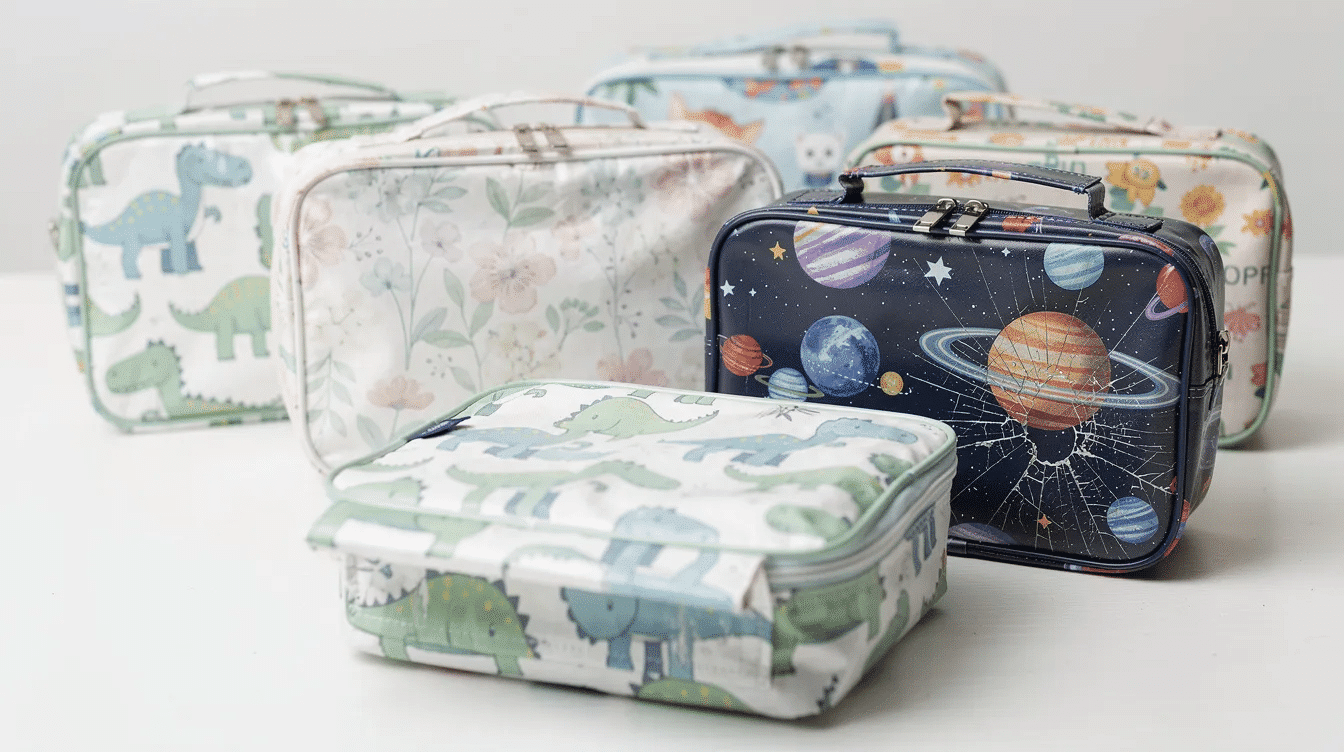
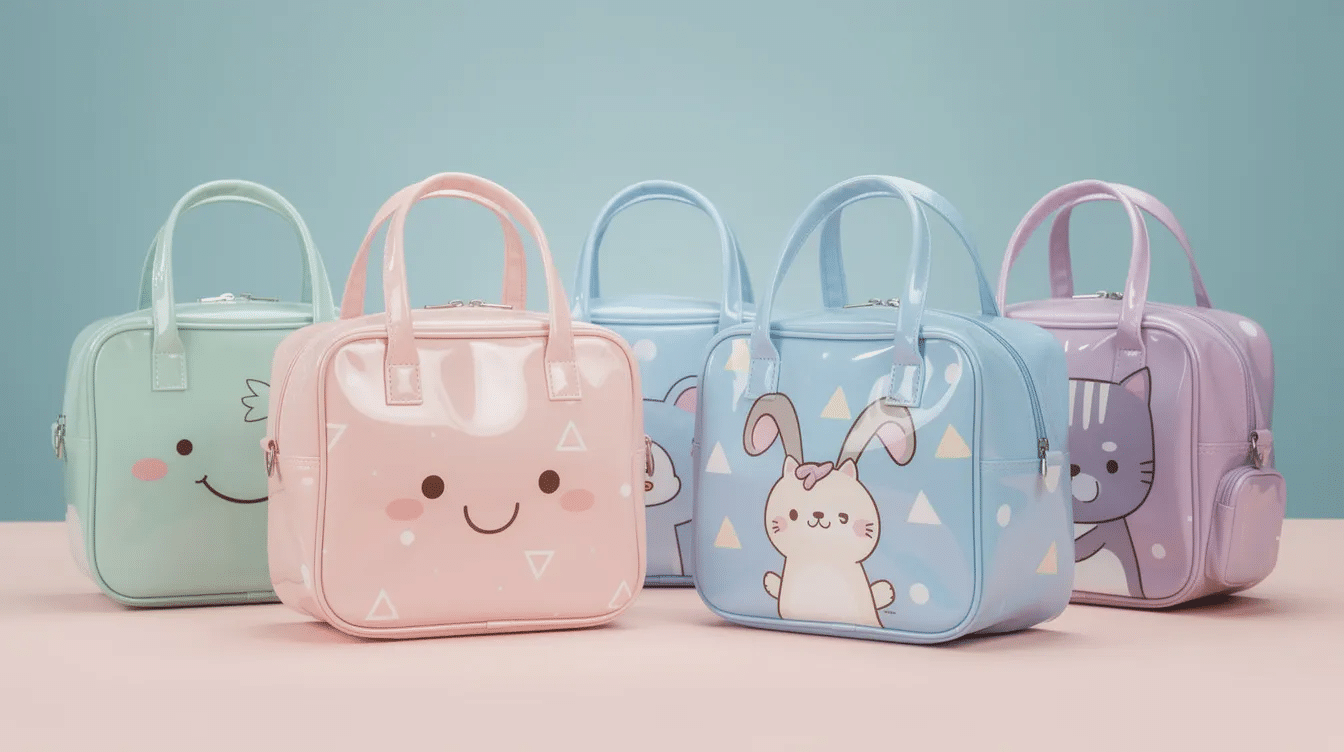
Vinyl typically attracts children and adults due to its variety of colors and designs – dinosaurs, florals, space themes, you name it. Print durability matters: UV-printed or laminated graphics hold up far better than basic screen prints, which can flake after repeated cleaning. If your child picks a bag based on color or character, check whether the print is embedded or surface-level before you add it to your cart.
Insulated Vinyl Lunch Bags
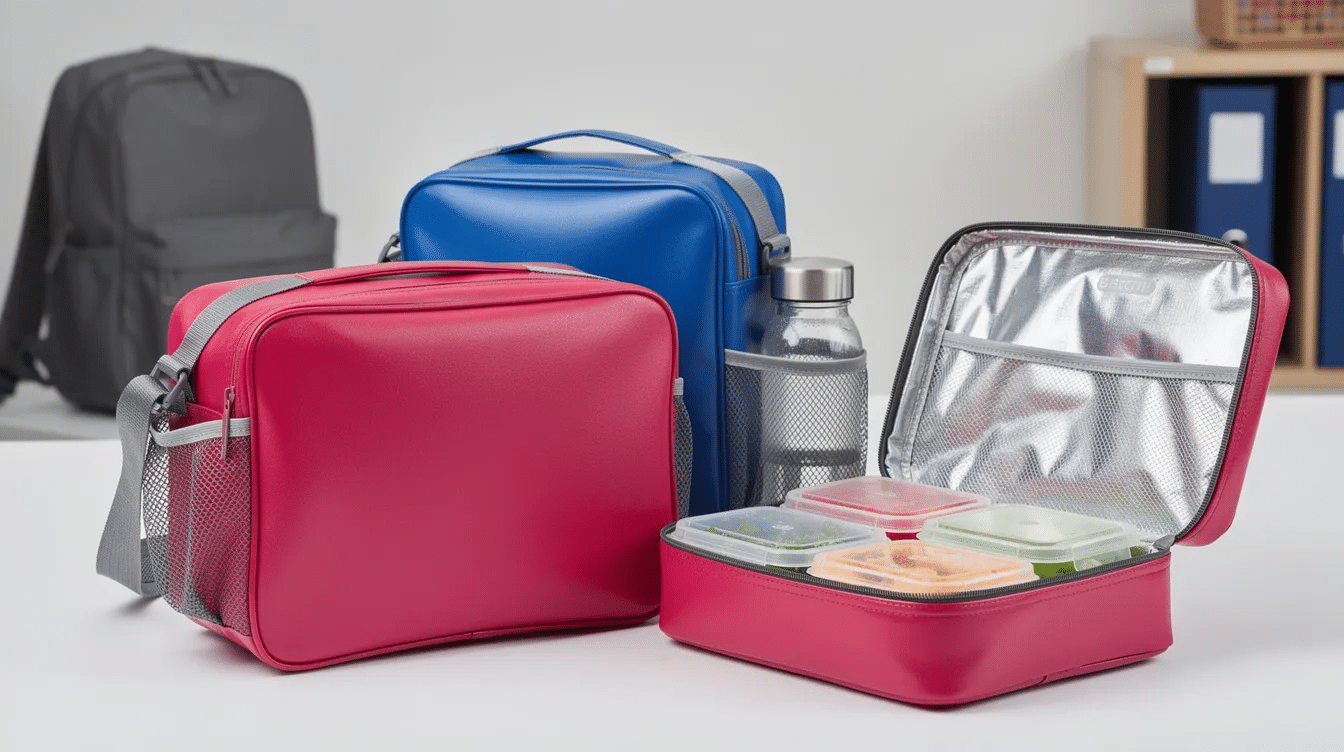
These pair a vinyl exterior with foam insulation and a food-grade inner liner, often featuring reflective foil layers. Interior vinyl lining helps maintain temperature in insulated bags, keeping perishable items cooler for longer when paired with ice packs. Insulated lunch bags keep meals fresh on the go – a must if lunch sits in a backpack or cubby for several hours. Some insulated bags feature dual side mesh pockets for water bottles or extra snacks.
What to Look For in Vinyl Lunch Bags
A few concrete details separate a bag that lasts years from one that cracks by November.
Easy-Clean Vinyl Material
Vinyl lunch bags resist staining and are easy to clean compared to fabric bags because the surface is non-porous, preventing moisture from getting in. Neoprene retains moisture and odors longer than vinyl linings, so if you’re tired of scrubbing smelly lunch tote fabric at the end of every week, vinyl is a practical upgrade. Vinyl lunch bags can be wiped clean easily with a damp cloth – warm water, mild soap, and a soft sponge are all you need. Cleaning vinyl lunch bags regularly can prevent bacteria growth, especially around seams and zipper tracks.
Secure Closure Systems
Full-zip closures outperform flap tops and velcro for temperature retention and spill prevention. Welded or heat-sealed seams around the zipper area stop condensation from ice packs leaking into the insulation foam, which is a common cause of odor buildup. If your child carries a lunch box with liquids – soup thermoses, juice pouches – a sealed zipper is non-negotiable.
Size and Compartments
For preschoolers, a compact 4–5 liter bag fits a sandwich, fruit, and a drink without being too bulky. Elementary-aged kids typically need 5–8 liters. Internal dividers aren’t just for organization – they separate ice packs from items that might get crushed and help distribute cold air more evenly. A flat, boxy base prevents tipping, which matters when the bag lives in a locker or on a shelf.
How to Choose the Right Vinyl Lunch Bag
- Child’s age and eating habits – Younger children need smaller bags with simple openings; older kids hauling full meals and snacks benefit from larger insulated bags with compartments. Vinyl lunch bags offer flexibility and soft-sided insulation that adapts to different portion sizes without the rigidity of hard-shell lunch boxes.
- School requirements – Some daycares and preschools mandate clear bags; others may specify PVC-free products. Check your school’s policy before you order. Choosing PVC-free options like PEVA or EVA liners can lead to more sustainable products and may satisfy stricter material guidelines.
- Cleaning frequency – If the bag goes through daily use, you want sealed seams and a smooth liner that won’t trap food particles. Vinyl lunch bags can be folded down compactly for storage on weekends or during breaks, extending their useful life.
- Budget considerations – Vinyl lunch bags are typically budget-friendly compared to stainless steel options. Buying lunch bags in bulk reduces per-unit costs, which is worth considering if you’re outfitting multiple kids or stocking up for a school year. A good-quality bag at a moderate price point lasts two to four years with daily use – often more cost-effective than replacing cheap bags every few months.
Frequently Asked Questions
Are vinyl lunch bags safe for food contact?
Look for bags labeled “food contact safe,” “BPA-free,” and “phthalate-free.” Under CPSIA regulations, children’s products must limit certain phthalates to below 0.1% (1,000 ppm) in accessible parts. PEVA and EVA liners are generally considered safer alternatives to traditional PVC. The FDA released updated evaluations in May 2026 covering several phthalates used in food contact materials – a good reason to check that any product you buy carries current safety certifications.
How do I clean and maintain vinyl lunch bags?
Wipe the interior and exterior with warm water and mild soap using a soft cloth after each use. For stubborn odors, a light baking soda or vinegar solution works well. Avoid harsh scrubbers – they gouge the vinyl surface – and skip the washing machine, which can crush foam insulation or delaminate layers. Always air-dry fully with the zipper open before storing.
Will vinyl lunch bags crack or tear with regular use?
Vinyl lunch bags can crack over time and may contain plasticizers that break down with repeated temperature swings. Quality construction – thicker shells (look for 5–8 mm foam insulation), welded seams rather than stitched-only seams, and reinforced stress points at handles and zippers – significantly extends lifespan. Daily-use bags from reputable brands typically hold up for two to four years.
Can vinyl lunch bags keep food cold without ice packs?
No. Vinyl is less insulating than specialized insulated materials on its own; an insulated lunch bag slows temperature change but doesn’t generate cold. According to USDA food safety guidelines, perishable food should stay below 40°F (4°C) and not sit in the danger zone (40–140°F) for more than two hours. With adequate ice packs, a quality insulated bag can maintain safe temperatures for four to six hours in moderate indoor conditions – but that window shrinks dramatically in a hot car or direct sun.
Can I personalize vinyl lunch bags with iron-on or heat-press designs?
Yes. Use a heat press temperature of 270 degrees Fahrenheit and apply heat for 10 seconds at medium pressure. Use a pressing pillow to absorb heat during application. Check if the carrier sheet can be removed after 10 seconds – if the design hasn’t fully adhered, apply additional heat in 5–7 second intervals if needed. Custom lunch bags can be personalized with logos or a monogram, making them easy to identify. Custom lunch bags boost brand visibility at events, and promotional lunch bags are effective giveaways for fundraisers. Branded bags provide lasting visibility when used regularly. Many insulated lunch bags offer personalization options, and you can find a variety of fonts and details to match your style.
Finding the Perfect Vinyl Lunch Bag for Your Family
The right vinyl lunch bag comes down to matching your child’s daily routine – age, school rules, meal size, and how much time food spends unrefrigerated – with the bag’s material quality, insulation, and closure design. Recycled polyester offers a sustainable option resembling traditional vinyl for parents ready to share a more eco-conscious choice. Vinyl lunch bags excel at containing liquid spills and maintaining food temperatures when paired with proper cold sources. Start with the type that fits your day, check for food-safe certifications, and choose a bag built to handle the reality of daily school life.