

Walk into an upcycle store and you’ll find shelves stacked with wallets made from bike tubes, jewelry crafted from recycled glass, and tote bags stitched from retired denim. These shops transform what most people consider trash into functional, stylish products—and they’re reshaping how communities think about waste, creativity, and consumption.
What Is an Upcycle Store?
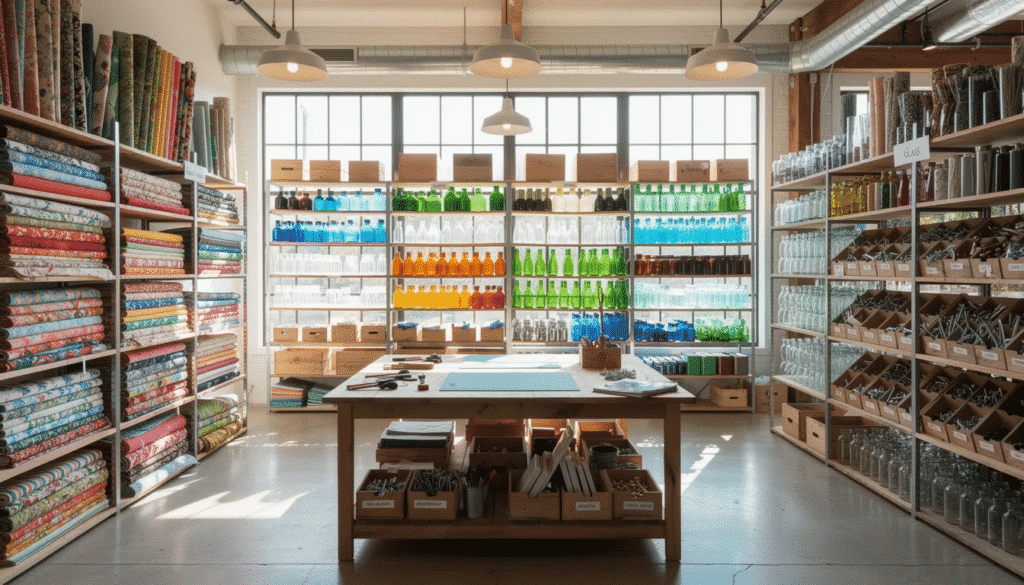
An upcycle store is a retail space dedicated to selling products made from used, discarded, or surplus materials. Unlike a typical boutique, the atmosphere leans more workshop than showroom: colorful bins of fabric scraps, salvaged hardware, and reclaimed wood share space with finished goods ready for purchase.
The key difference between upcycling and traditional recycling comes down to value. Recycling often breaks materials down to raw form, sometimes degrading quality in the process. Upcycling, by contrast, elevates materials into something of higher utility or aesthetic appeal without that breakdown step.
Concrete examples you’ll find in a well-stocked shop include:
- Wallets from punctured bike inner tubes
- Rings from kiln-fired recycled glass
- Tote bags from donated denim jeans
- Lamps assembled from repurposed wine bottles
- Planters made from retired signage
Many upcycle stores also function as community hubs, hosting classes, accepting donations of craft supplies, and running workshops that educate folks on creative reuse techniques.
Featured Upcycled Collections
This section highlights product lines commonly found in a curated upcycle store. Each collection demonstrates how discarded materials become desirable goods through skilled craftsmanship.
The “Bike Tube Line” showcases accessories made from punctured inner tubes collected from local bike shops since 2021. Each item is cleaned, cut, and stitched by hand, resulting in subtle variations that make every piece unique. Color accents—colored stitching, salvaged zippers, printed linings from reclaimed fabrics—add visual appeal while keeping the rugged, utilitarian character intact.
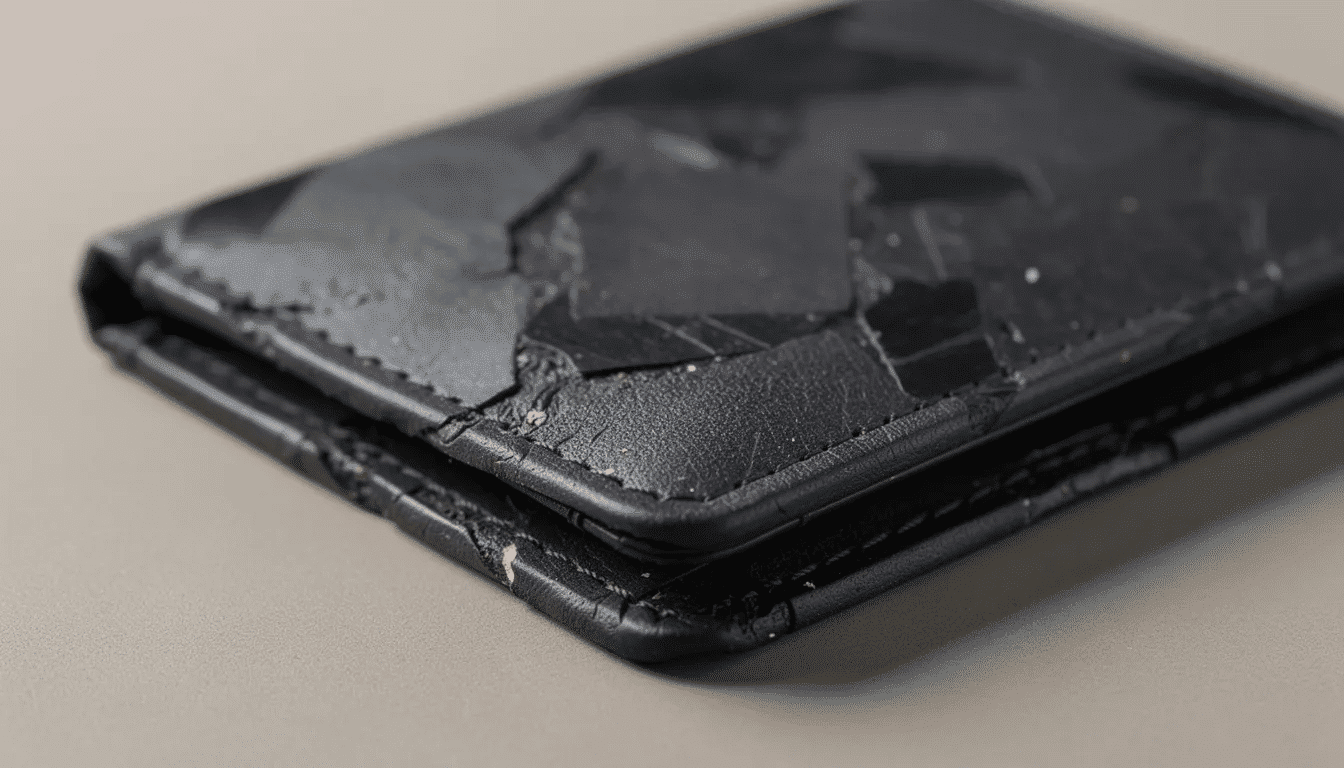
All-Black Travel Wallet
This matte black travel wallet exemplifies upcycled craftsmanship at its finest. Made from reclaimed inner tubes with a salvaged metal zipper, it offers:
- Multiple card slots cut from bicycle tubes
- Passport pocket from retired uniform fabric
- RFID-blocking layer repurposed from surplus shielding material
- Regular price: $65.00
Small batches sell out quickly due to limited supply of consistent materials. The wallet works equally well for international travel, everyday commuting, or minimal carry at concerts and festivals.
Bike Tube Bracelet
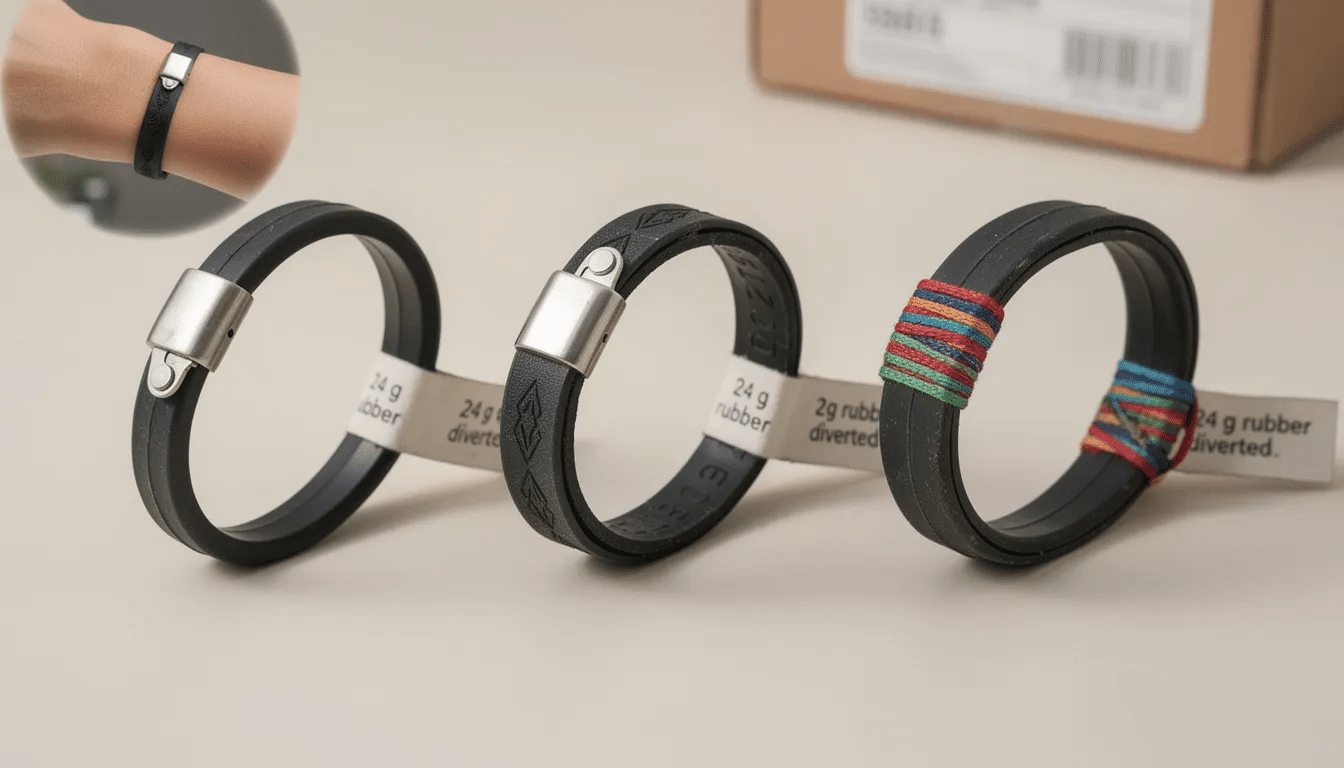
A unisex bracelet priced around $15.00, made from a single loop of bike tube with a stainless steel clasp recovered from surplus jewelry findings.
- Available in plain black, heat-stamped patterns, or colored thread wrap accents
- Each bracelet labeled with approximate grams of rubber diverted from landfills
- Adjustable sizing fits most wrists
- Durable enough for daily wear, water-resistant
This item ships quickly since production runs throughout the year whenever materials become available.
Glass Ring Collection
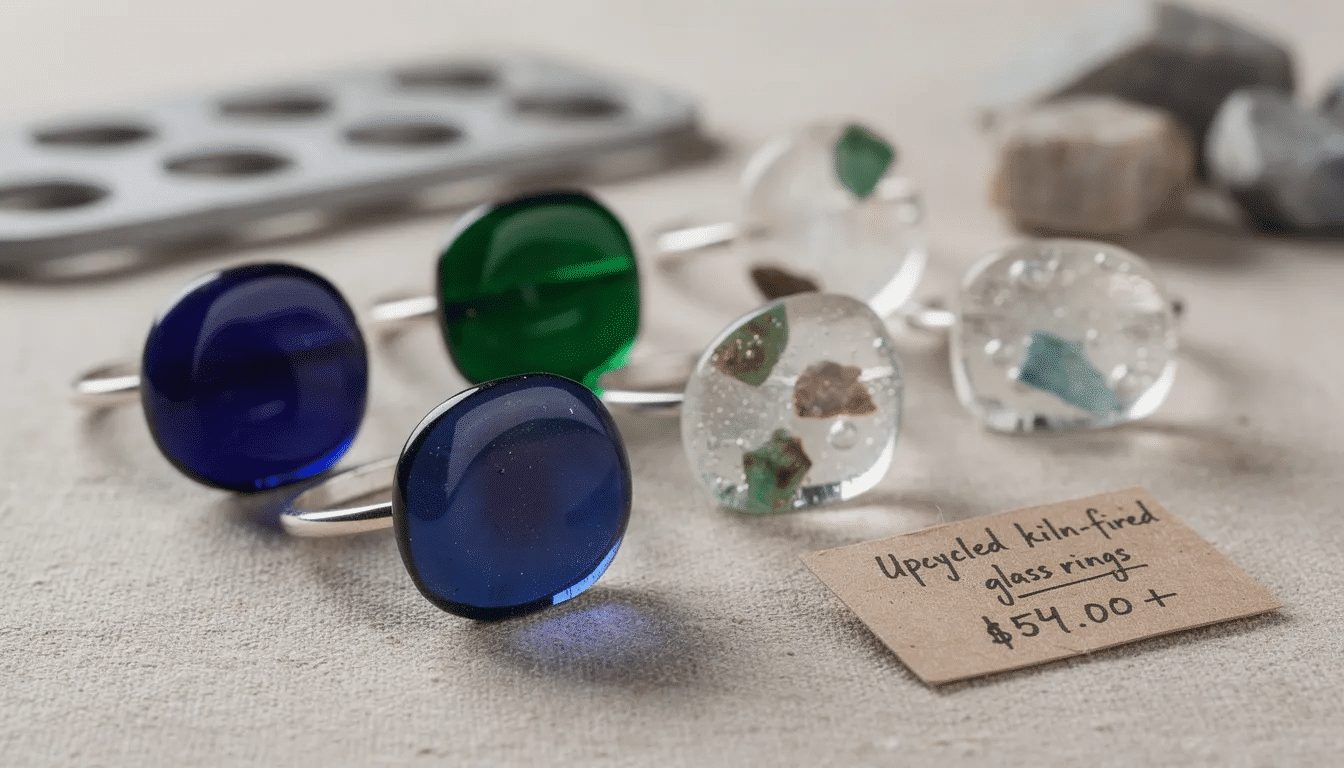
Kiln-fired rings made from offcuts of stained glass and bottle shards collected from local studios and restaurants offer a striking alternative to conventional jewelry.
- Price range starts from $54.00
- Colors include cobalt blue (wine bottles), emerald green (vintage glassware), and clear glass with natural inclusions
- Process: tumbling sharp edges, fusing in a kiln, mounting on adjustable bands from surplus jewelry stock
Care instructions recommend removing for heavy manual work, though the tempered glass-style construction provides everyday durability. Each ring catches light differently, revealing bubbles and textures unique to that specific piece.
Statement Piece: “Black Urchin” Accessory
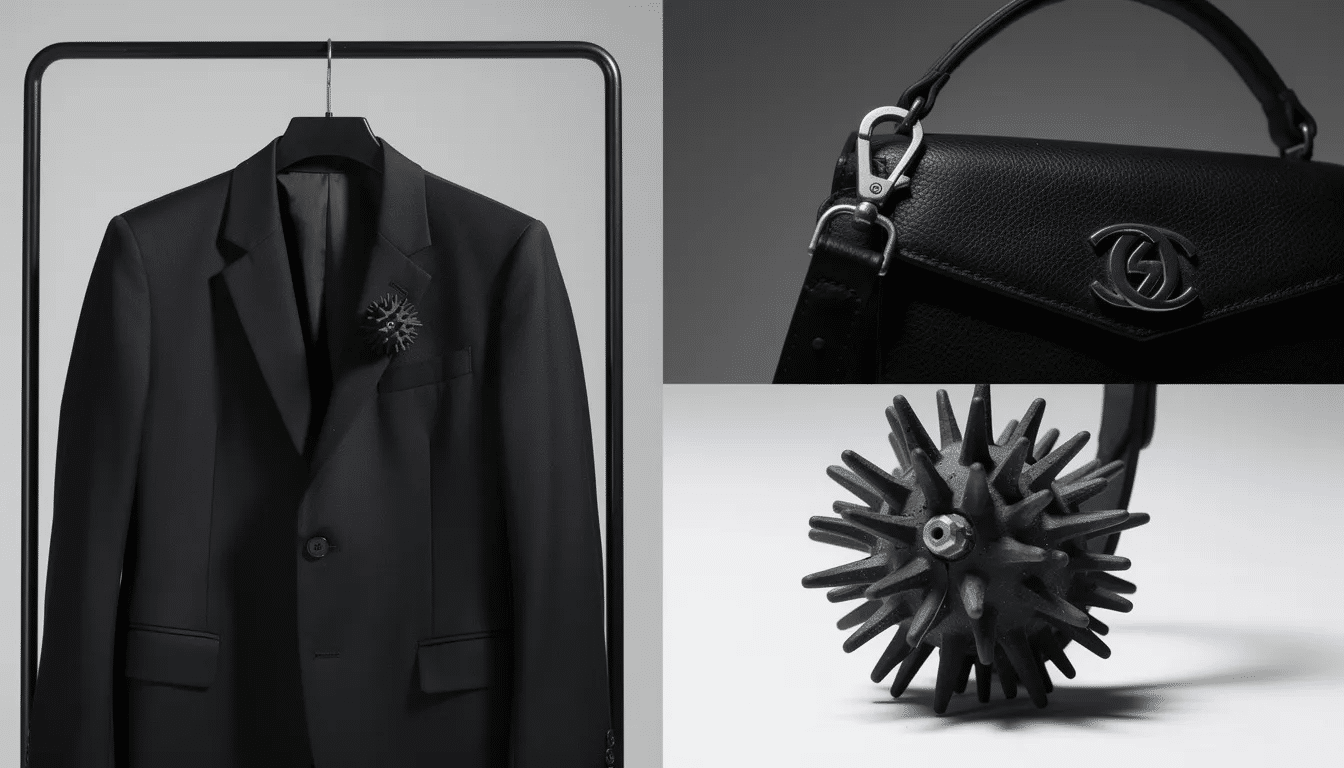
The “Black Urchin” brooch or pendant ($95.00) blurs the line between accessory and small-scale sculpture. Assembled from reclaimed rubber spikes, metal hardware offcuts, and matte-black paint salvaged from overstock, it appeals to those seeking fashion-forward items with artistic edge.
- Ideal for jackets, bags, or gallery events
- Limited-edition numbering on back (e.g., 1/25, 2/25)
- Sculptural silhouette that demands attention
This piece represents the artistic potential of upcycling—proof that reclaimed materials can inspire high-concept design, not just practical goods.
New in Store: Latest Upcycled Arrivals
Upcycle store inventory changes weekly based on donations and material finds. What you see today may not be available next month, which creates urgency and encourages regular visits.
Current spotlights include:
- Denim patchwork jacket: Assembled from jeans donated in 2025, each jacket features a unique arrangement of washes and textures
- Wine bottle planters: Made from 2023 bottles, suitable for succulents or herbs
- Metal signage organizers: Office accessories crafted from 2020-era commercial signage
Check the “New” category online to see current stock before your visit.
Washable Upcycled Sponge
A reusable sponge priced around $14.00, sewn from cotton offcuts and netting from retired produce bags.
- Machine-washable with loop to hang dry
- Rough side for scrubbing, soft flannel side for gentle cleaning
- Each sponge replaces dozens of disposable sponges over its lifetime
- Care: wash weekly, avoid bleach to preserve fabric color
This item demonstrates how everyday household goods can participate in the circular economy.
Doggy Poop Pouch
A small roll-holder pouch for pet waste bags ($20.00) made from offcut canvas and scrap zippers.
- Clips to leash using recovered carabiners
- Fits standard bag rolls
- Includes tiny pocket for treats
- Colors and patterns vary depending on fabric donations
Production runs are limited by availability of durable, washable fabrics, so styles rotate regularly. Dog owners love the convenience and the conversation-starter appeal during neighborhood walks.
Supply Pantry: Basics for Makers and Upcyclers
The supply pantry occupies a dedicated section of the store with low-cost creative materials for DIY projects. Clear bins labeled by material type line the shelves:
- Buttons (sorted by size and color)
- Zippers (metal and plastic)
- Yarn and embroidery floss
- Beads and findings
- Scrap leather pieces
- Paper offcuts and ephemera
- Fabric remnants by weight
Pricing keeps entry-level crafting accessible:
- Basics starting at $1.00
- Most items under $5.00
- “Maker bundles” curated from leftover materials: collage packs, fabric scrap bags, mixed hardware sets that function like DIY kits for creative projects
Students, teachers, and emerging artists find these supplies essential for projects without breaking budgets, especially when curating art supplies for young artists who are just beginning to explore creative expression.
Our Mission: Creative Reuse and Community Impact
The shop’s mission centers on three pillars: reduce waste, promote creativity, and strengthen community engagement through hands-on participation.
Concrete impact metrics tell the story:
- Monthly diversion of kilograms of textiles, glass, metal, and rubber from landfills
- Affordable pricing on donated supplies helps individuals access quality materials
- Proceeds support local organizations including school art programs and neighborhood cleanups
Impact snapshot: “In 2024, our community transformed over 2 tons of discarded materials into useful goods and artworks.”
Your Role in the Mission
You can participate by shopping upcycled goods first before buying new and prioritizing items made from reclaimed materials. The store also invites donations of specific items:
- Clean fabric remnants
- Unused paints and art supplies
- Intact buttons, zippers, yarn
- Gently used tools
Donation guidelines: Items must be clean, free of mold or strong odors, and safely usable in creative projects. Every donation receives a basic intake form tracking what is diverted and how it will be repurposed.
Drop off materials on designated donation days listed on the store page, or subscribe to the newsletter for dates listed each month.
Shared Goal: A More Creative, Less Wasteful City
The collective goal transforms “trash” into tools for learning, expression, and entrepreneurship. A box of 2019 office folders becomes sketchbooks. Outdated fabric samples become 2025 art camp supplies. This continuing cycle ensures materials find new purpose again and again.
Imagine the full life cycle: product use, repair, and eventual re-upcycling into yet another form. Colorful shelves fill with possibility. Busy workshops hum with activity. Finished pieces go home with customers who understand their purchase supports environmental responsibility through everyday shopping choices.
Workshops, Classes, and Community Events
Many upcycle stores host regular workshops on Saturdays or evenings to teach creative reuse skills and foster connection among makers.
Types of classes offered:
- Sewing repairs and alterations
- Collage with reclaimed paper
- Jewelry from e-waste components
- Furniture refinishing with salvaged wood
- Beginning leather work from scrap materials
A recurring monthly event like “Repair & Refresh Night” (launched in 2023) invites participants to bring items to mend instead of discard. The frequency varies by location, so check the events page for your nearest store.
Event descriptions typically mention:
- Age suitability
- Material fees (if any)
- Whether tools are provided
- Cancellation policy and refund details
- Payment method options including recurring or deferred purchase plans
Propose workshop ideas through the online form—particularly hands-on, beginner-friendly sessions that educate while building practical skills, such as colorful craft ideas for a fun weekend that translate well into group classes.
Find Your Place in the Upcycle Community
The store welcomes beginners, hobbyists, and professional artists alike. Community roles include:
- Volunteer sorting days
- Guest teaching opportunities
- Collaborative art installations using donated materials
People from varied backgrounds—students, retirees, designers, parents—regularly share skills and ideas in the space. One participant described their journey this way: “I came in to buy yarn and left with a completely different approach to what I throw away.”
Visit, volunteer, or simply explore as a first step. Your order, whether a $15 bracelet or a $95 statement piece, supports the work. Every sale sold contributes to the mission. Every item that leaves the cart fulfilled represents materials saved from landfills.
Visit and Support Your Local Upcycle Store
Discover your nearest upcycle-focused shop or creative reuse center and experience the selection in person. Inventory changes rapidly based on what materials arrive each week.
Sample store information:
- Address: 123 Greenway Ave, Suite B, Your City, Your State ZIP
- Hours: Wed–Sun, 11am–6pm
- Parking available behind building; accessible by Route 7 bus
- Wheelchair access and elevator available
Combine in-store visits with browsing the online catalog. When you find something you love, don’t wait—limited materials mean limited runs. You may need to authorize payment quickly or place a recurring order to secure items before they sell out.
Take action today:
- Shop upcycled first
- Donate usable materials
- Share the concept with friends, local schools, and local businesses
- Join a workshop to learn new skills
- Sign up for the newsletter to stay informed
Touch, examine, and work with products before you check out. Agree to support the circular economy with your purchasing power. Every purchase diverts materials from landfills while funding creativity in your community.
The things we discard don’t have to stay discarded. An upcycle store proves that with the right vision, permitted creativity, and community support, waste becomes treasure—and shopping becomes an act of environmental love.