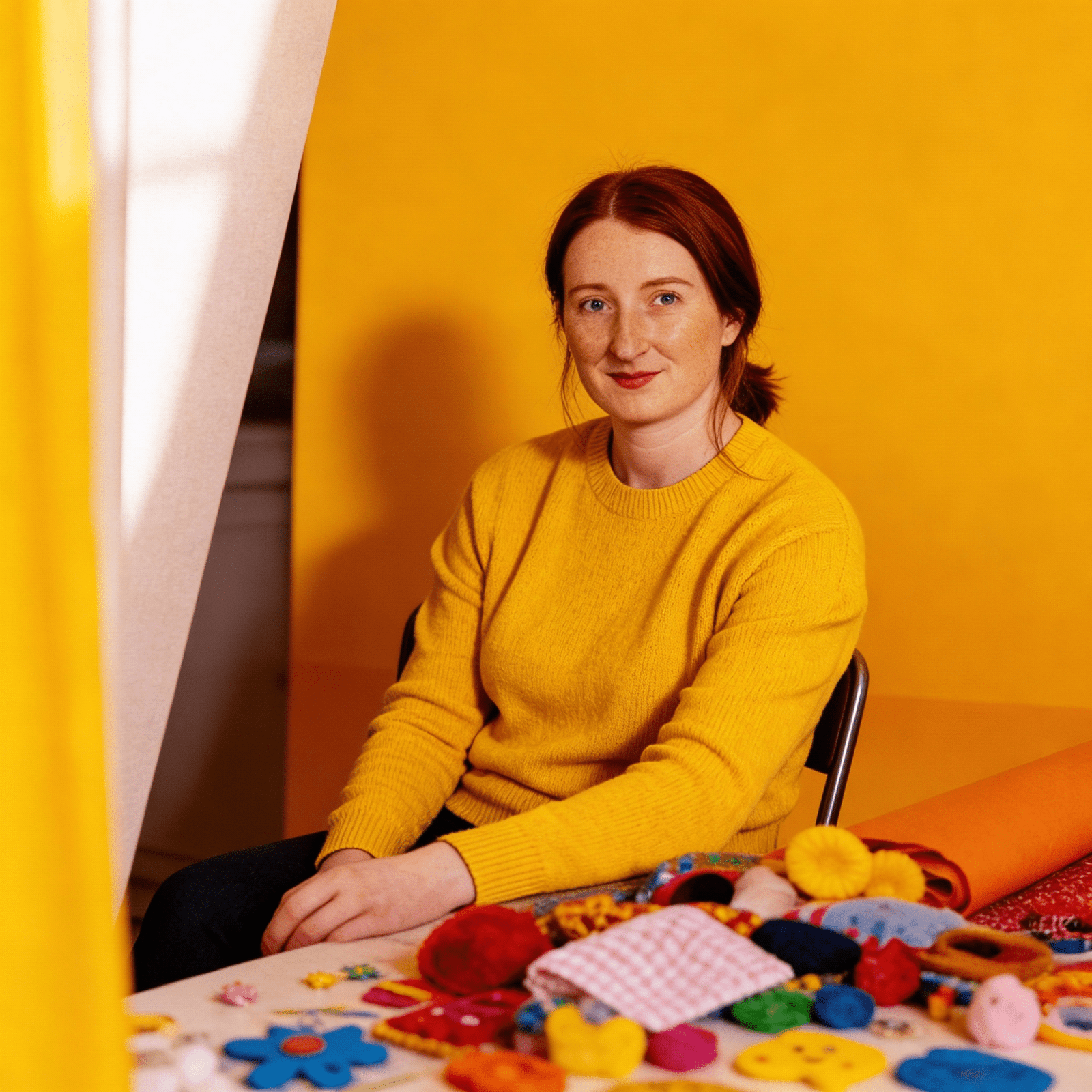

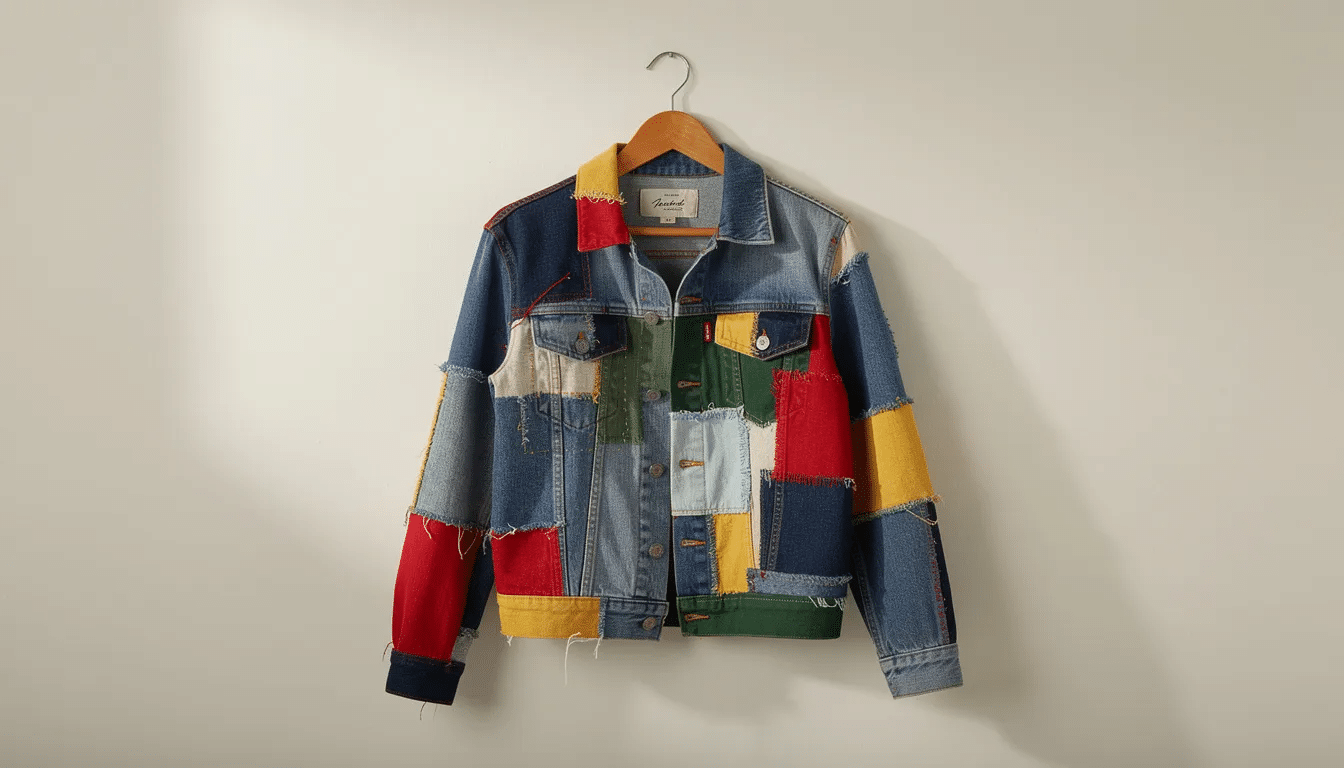
That denim jacket pieced together from 1990s jeans. The patchwork dress sewn from vintage men’s shirts. The tote bag stitched from 2010s concert tees. These are not thrift store accidents—they are upcycled clothing, and they represent one of the most practical shifts happening in fashion right now.
- What Is Upcycled Clothing (Explain Fast, With Clear Examples)
- Why Upcycled Clothing Matters for People and Planet
- Types of Upcycled Clothing You’ll Actually See (and Wear)
- How to Start Upcycling Your Own Clothes (Beginner Friendly)
- FAQs About Upcycled Clothing (Answer Common Doubts)
- How Upcycled Clothing Fits Into a Circular Fashion Future
What Is Upcycled Clothing (Explain Fast, With Clear Examples)
Upcycled clothing refers to garments made from existing clothes, textiles, or factory leftovers that have been redesigned into entirely new pieces. Unlike recycling, which breaks fibers down into raw materials to start production over, upcycling keeps the fabric intact and adds value through design and craftsmanship. The original material gets a second life without losing its structural integrity.
Consider a few concrete examples. A designer collects surplus denim from a 2018 factory clear-out and transforms it into a cropped trucker jacket with visible seams celebrating its patchwork origins. A home sewist takes an oversized men’s dress shirt bought in 2015 and reworks it into a fitted A-line skirt, or even transforms it into a little girl’s dress from a shirt. A small brand sources marketing banners from events held between 2016 and 2019 and stitches them into limited-edition bucket hats.
The environmental case for this approach is direct. An estimated 84% of clothing worldwide still ends up in landfills or incinerators every year, according to data from the Ellen MacArthur Foundation. Less than 1% of textile waste is currently recycled into new clothing. Upcycling intercepts part of that waste stream before garments ever reach the trash.
Anyone can participate in this process. Independent designers build entire collections from pre-consumer factory scraps and post-consumer castoffs. Small brands source deadstock fabrics that would otherwise be incinerated. And at home, DIY sewists with scissors, a needle, and basic tools can transform their own closets into raw material for something beautiful and wearable.
Why Upcycled Clothing Matters for People and Planet
Upcycling offers a practical answer to fast fashion’s mounting problems: less waste sent to landfill, fewer new resources extracted, and more personal style in every wardrobe. It represents a shift from passive consumption to active creation.
The environmental benefits are substantial. Every upcycled garment reduces demand for virgin cotton, polyester, and the energy-intensive production processes behind them. A single jacket pieced together from discarded shirts can save dozens of tees worth of fabric from incineration. Lower production volume means fewer CO₂ emissions from factories, less water used in dyeing, and reduced chemical runoff into waterways. When you upcycle clothes instead of buying new clothing, you directly shrink your contribution to the fashion industry’s waste problem.
Social benefits run parallel. Supporting small designers and local makers keeps sewing and mending skills alive in communities where they might otherwise disappear. Upcycling encourages a slower, more thoughtful relationship with clothing—one where you actually know who made your shirt and how. It creates work for artisans rather than automated assembly lines.
Financial benefits make upcycling attractive on a personal level. Extending the life of a 2015 pair of jeans or an office shirt from 2018 costs far less than replacing them with new items. When you sell or gift an upcycled piece, its one-of-a-kind nature often commands a higher perceived value than mass-produced alternatives. You can enjoy unique style without the price tag of luxury brands.
Then there is the emotional dimension. Upcycled pieces become conversation starters with a story embedded in the fabric. A dress made from a grandparent’s 1970s curtain carries memory. A bag sewn from a band tee from a 2012 tour holds meaning that no off-the-rack purchase can match. People connect with clothes that have history, and upcycling delivers that connection in a tangible way.
Types of Upcycled Clothing You’ll Actually See (and Wear)
Upcycling is not just “crafty” or limited to Pinterest inspiration boards. It spans streetwear, workwear, and special-occasion pieces that hold their own in any collection.
Upcycled streetwear dominates the accessible end of the spectrum. Think patchwork hoodies built from deadstock fleece in mismatched colors, joggers cut from leftover sweatshirt fabric, and graphic tees spliced together from surplus prints that never made it to retail. These items often look intentionally deconstructed, celebrating their origins rather than hiding them. You can find this style at local markets, on Etsy, or by watching YouTube tutorials and making your own.
Elevated basics bring upcycling into everyday professional and casual wear. Tailored shirts made from men’s dress shirts collected during office clear-outs offer structure and quality that fast fashion cannot match. A-line skirts stitched from vintage tablecloths introduce unexpected patterns into minimalist wardrobes. Simple black dresses rebuilt from overstock samples provide wardrobe staples with zero new resource extraction.
Statement pieces push upcycling into the territory of wearable art. Jackets made from a mix of flannel shirts and denim create bold silhouettes with visible seams. Visible-mending jeans with sashiko stitching turn repair into design. Coats from military surplus blankets or 1980s wool overcoats offer warmth and history in equal measure.
Accessories round out the category. Bucket hats from scrap denim, scrunchies from cut-off hems, and tote bags from retired marketing materials—all of these projects transform things that would otherwise be waste into items you can wear or carry daily. The products are cute, functional, and absolutely unique.
How to Start Upcycling Your Own Clothes (Beginner Friendly)
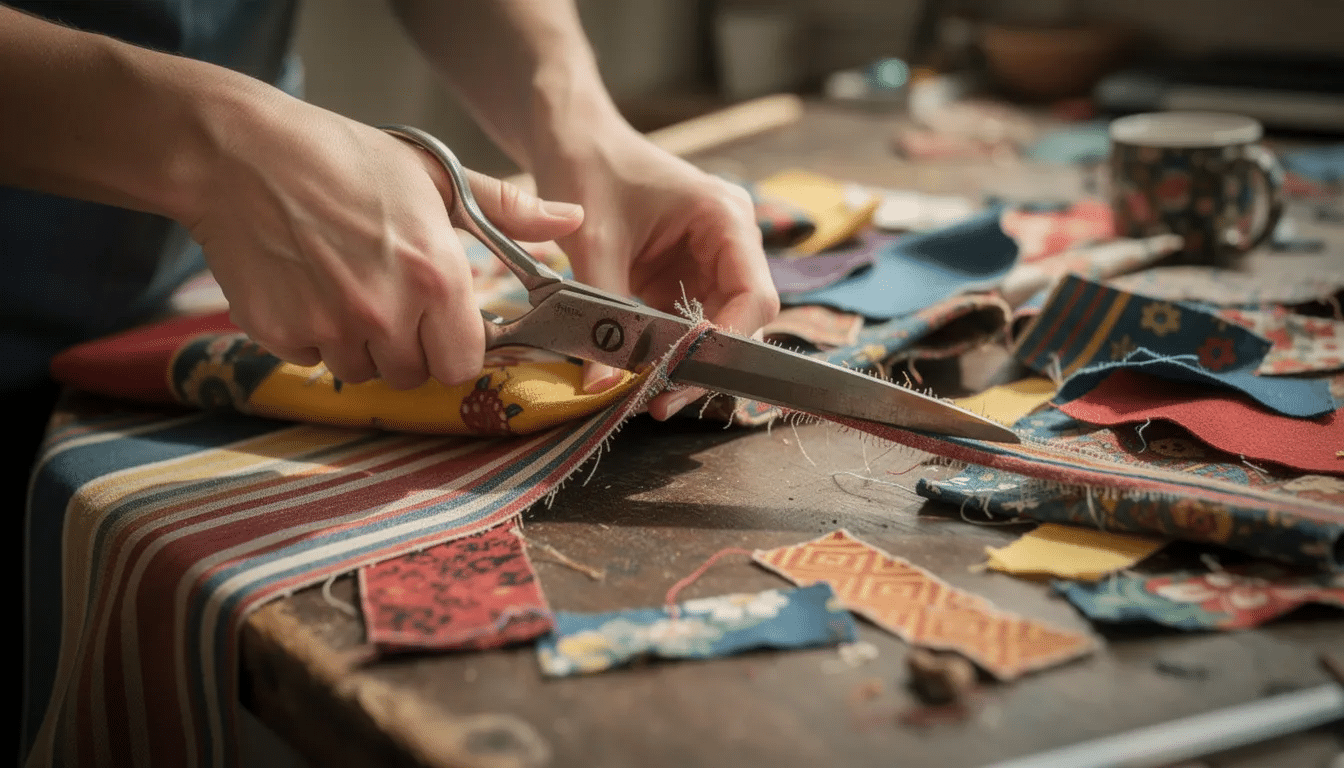
You do not need an expensive sewing machine or years of tailoring experience to start. A pair of fabric scissors, some basic tools, and a willingness to experiment will take you further than you might expect.
Where to Find Material
Begin by shopping your own closet. Look for 100% cotton shirts that no longer fit, sturdy jeans from the 2000s or 2010s, oversized men’s shirts with plenty of usable fabric, and sweaters without major moth damage. Check items you bought years ago but never wear—those are your raw materials.
Local thrift stores offer another excellent source. Focus on natural fibers and simple cuts that leave room for redesign. A $4 men’s button-down can become a crop top and matching scrunchie. A $6 pair of worn jeans can provide enough denim for patches, a small bag, and trim for another project.
Easy First Projects
Start with low-stakes ideas that require minimal cutting and stitching. A 2019 maxi dress can become a crop top and midi skirt with one horizontal cut and basic hemming. A stretched T-shirt transforms into a tote bag with two cuts and a few seams. Cropping and hemming jeans into shorts takes less than an hour. Adding visible mending to a knee hole with contrasting thread creates a design feature rather than a flaw.
These projects build confidence before you tackle more complex reconstruction. You can also experiment with DIY kits for creative projects and learning that provide materials and guided instructions. Check YouTube for video tutorials that walk through each step—watching someone else work through the process makes a perfect companion to written instructions.
No-Sew and Low-Sew Options
Not everyone wants to thread a needle. Fabric glue works for attaching patches, trims, and appliqués without any stitching. Iron-on hemming tape handles length adjustments on pants, skirts, and sleeves. Hand-sewing simple running stitches can secure a hem or close a seam when a machine feels intimidating.
These methods let you enjoy upcycling without a major time or skill commitment. You can cancel any worries about perfection—visible imperfections often add character to upcycled pieces.
Building a Basic Tool Kit
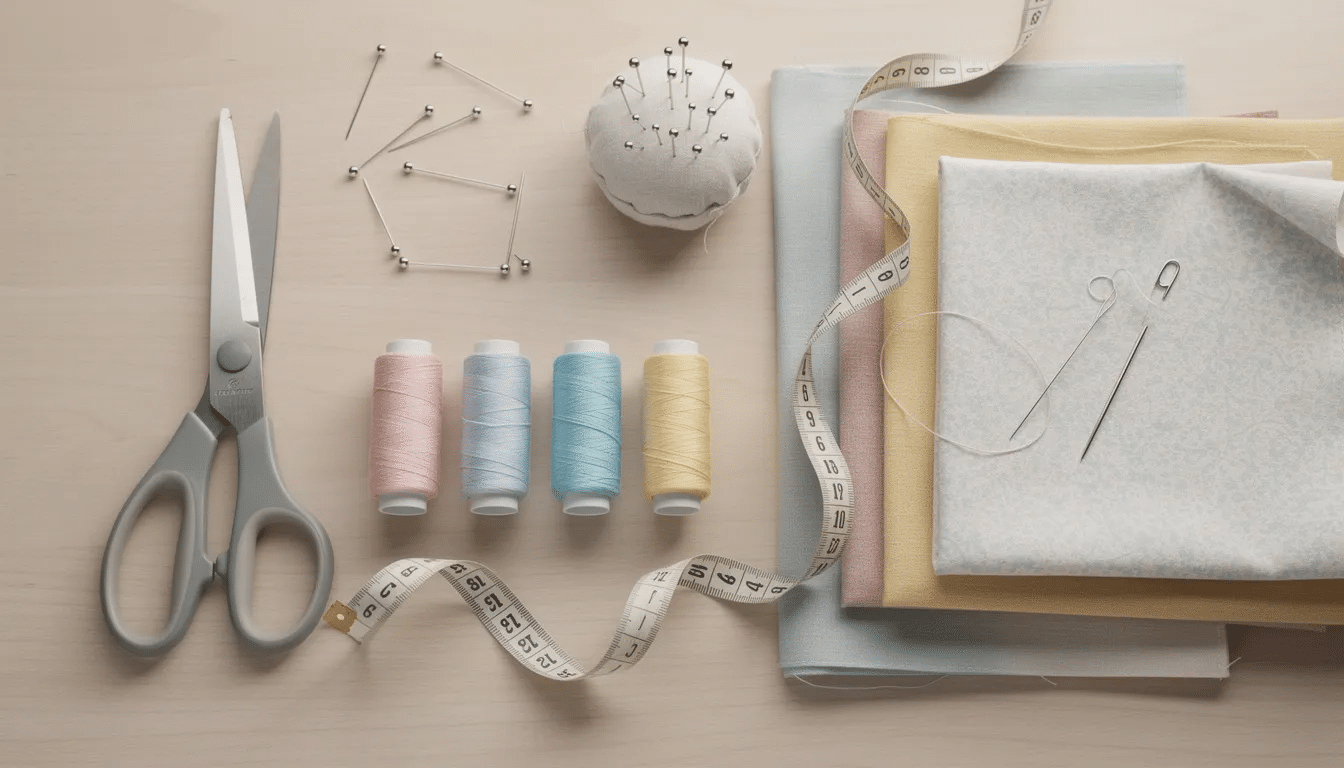
Gather these essentials before your first project:
Tool | Purpose |
|---|---|
Fabric scissors | Clean cuts without fraying |
Tailor’s chalk | Mark cutting lines that wash out |
Pins or clips | Hold fabric in place while working |
Needle and thread | Basic hand-stitching |
Iron | Crisp hems and set creases |
Seam ripper | Remove existing seams cleanly |
A basic sewing machine helps if you plan to upcycle regularly, but secondhand models from the 1990s or 2000s work great and often cost under $50. Subscribe to sewing community newsletters or leave a comment on forums to find recommendations for reliable vintage machines. |
FAQs About Upcycled Clothing (Answer Common Doubts)
This section resolves typical concerns from new customers and DIY beginners in a quick Q&A format.
Is upcycled clothing clean and safe?
Reputable makers wash, sanitize, and quality-check every fabric and garment before redesigning. Professional upcyclers treat their source materials the same way a commercial laundry treats hotel linens. When you upcycle at home, a standard hot wash and tumble dry handles most hygiene concerns. Any kind of professional upcycling brand will have sanitation protocols in place.
How durable are upcycled garments?
Seams are typically reinforced at stress points, and many upcycled pieces are actually sturdier than ultra-cheap fast-fashion items. Designers who work with pre-loved textiles understand that durability matters—they test their construction methods and often double-stitch high-wear areas. The original fabric itself has already proven its resilience by surviving years of use.
Will upcycled clothing look messy or too “crafty”?
Upcycled does not have to mean patchwork chaos. With careful cutting, tailoring, and finishing, pieces can look as polished as ready-to-wear from 2024 collections. The level of refinement depends entirely on the maker’s skill and intent. Many upcycled garments intentionally hide their origins, while others celebrate visible construction as a design choice.
Why does upcycled clothing sometimes cost more than new?
One-of-a-kind and small-batch pieces require significant design time and handwork. A designer might spend hours sourcing, deconstructing, pattern-making, and reconstructing a single jacket. That labor is reflected in the price. Mass production achieves lower per-unit costs through volume and automation—luxuries unavailable to artisan upcyclers. When you support upcycling, you support skilled makers directly.
How Upcycled Clothing Fits Into a Circular Fashion Future
A circular fashion economy keeps materials in use as long as possible. Garments are worn, repaired, upcycled, and only finally recycled when no other option remains. This model stands in direct contrast to the linear “take-make-dispose” pattern that dominates the industry today.
Upcycling occupies a critical position in this loop. It intercepts fabric from factories—cutting-room scraps, unsold stock from 2018–2022 seasons, sample yardages that never made it to market—and from wardrobes before items become waste. Every piece of fabric that enters an upcycling studio is one less piece headed for landfill.
You can participate beyond DIY. Buy from local upcycling designers at markets and pop-ups. brands that work with pre-consumer and post-consumer textiles. Support clothing repair services that extend the life of garments you already love. Sign up for email lists from sustainable fashion collectives to stay informed about new collections and projects.
A mindset shift helps sustain this approach over time. Start treating clothes from 2010, 2015, or 2020 as raw material rather than trash. Plan purchases with future upcycling potential in mind—choosing natural fibers and simple cuts makes eventual redesign easier. Agree with yourself that every wardrobe cleanout is a design opportunity, not a trip to the donation bin.
This is not about perfection. It is about making small, practical choices that add up. When you share your upcycled pieces with friends, when you find inspiration in what others create, when you see your own closet as a resource rather than a burden, you become part of a larger shift. The fashion industry will not change overnight, but individual actions create momentum.
Next Steps: Turning Inspiration Into Your First Upcycled Piece
The simplest path forward starts this week. Pick one unworn item from your closet—something you bought but never wear, or something damaged beyond its original purpose. Choose one beginner-friendly idea from this article: a crop top from a maxi dress, a tote from a stretched tee, or visible mending on worn jeans. Set aside one afternoon to cut, stitch, or glue.
Document your transformation with before and after photos dated with the month and year. This builds a personal record of progress and gives you something to share with friends or followers who might find their own inspiration in your work. Every future wardrobe clean-out becomes a design opportunity rather than a chore. That is the gift upcycling offers: turning what you already own into something you will love to wear again.